Are you ready if the water system collapses? – The Unseen Threat to our Everyday Lives
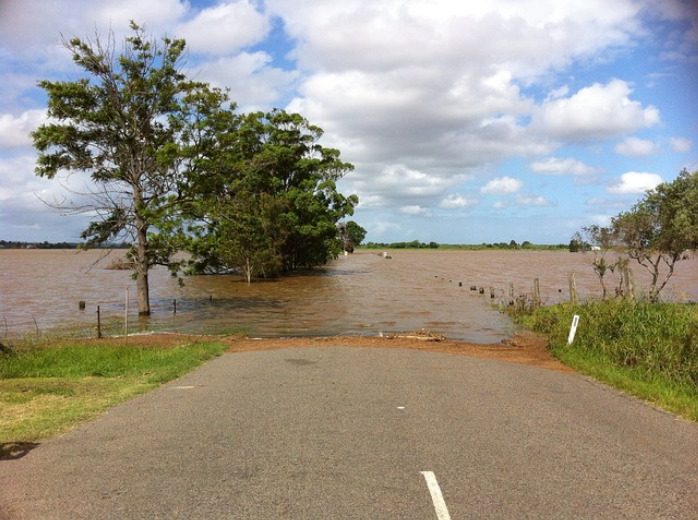
Imagine a day without running water. Not a temporary outage, but a complete, prolonged collapse of our water system. Can you picture it? The reality is, our water systems aren’t infallible. From natural disasters to aging infrastructure, the risk of a water system collapse is more real than we’d like to admit. This is not a doomsday prophecy, but a call for preparedness. In the following sections, we will delve deeper into understanding the potential causes, effects, and most importantly, the strategies to survive a water system collapse. So, are you ready to navigate life if the taps run dry? Let’s explore this together, ensuring you’re well-equipped to face any water-related contingency that may arise in our unpredictable world. What is the water system collapse? A water system collapse refers to a catastrophic failure in the infrastructure that supplies water for consumption, sanitation, and other uses. This can be triggered by natural disasters, aging infrastructure, or even human error. When this happens, the availability of safe, clean water is significantly compromised, posing a major threat to public health and safety.
In the event of a water system collapse, the immediate effects can be dire. Without access to clean water, people are at risk of dehydration and waterborne diseases. Sanitation becomes a challenge, increasing the risk of outbreaks of diseases like cholera and typhoid. Moreover, firefighting efforts can be hampered, and industries that rely heavily on water can come to a standstill.
To prepare for a potential water system collapse, it’s important to have a water disaster plan in place. This includes storing enough water for drinking, cooking, and hygiene, as well as having a way to purify water if necessary. It’s also crucial to have a plan for how to dispose of waste safely to prevent the spread of disease.
In addition, being informed about the state of your local water system and the risks it faces can help you be better prepared. For instance, if you live in an area prone to earthquakes, you should be aware that these can damage water infrastructure and disrupt supply.
Remember, a water system collapse can have far-reaching consequences, affecting every aspect of life. Therefore, being ready for such a situation is a crucial part of disaster preparedness.
Get Your FREE SUBSCRIPTION Now
How to prepare for a water system collapse?
Understanding the potentiality of a water system collapse is crucial for survival. Stockpiling water is the first step. Experts recommend storing at least one gallon of water per person per day for a minimum of two weeks. This should cover both drinking and sanitation needs. Water storage containers should be food-grade and thoroughly cleaned before use.
Another critical aspect is learning how to purify water. Various methods can be used, including boiling, distillation, and chemical treatment. Having a water purification device on hand is also beneficial.
Knowledge of alternative water sources is also important. Rainwater, snow, and dew can be collected and purified for use. Rivers, lakes, and springs can also serve as water sources in an emergency.
Emergency preparedness should also include a plan for sanitation in the absence of running water. This might involve using portable toilets or digging latrines.
Remember, in a water system collapse, conserving water becomes paramount. Simple measures like not flushing toilets unnecessarily and avoiding activities that require large amounts of water can make a significant difference.
In closing, keep abreast of the latest water conservation and purification techniques. Knowledge is power, especially when it comes to survival.
In a world where water system collapse is a possibility, being prepared can make all the difference.
What are the signs of a water system collapse?
Noticing the signs of a potential water system collapse is crucial for preventive measures. One major indication is the presence of discolored water. This could be a sign of pipe corrosion or contamination, which can severely degrade the water system.
Another sign is a sudden change in water pressure. A significant drop could imply a leak or break in the system, while an increase might indicate a blockage.
Frequent water outages are another red flag. If your water supply is constantly being interrupted, it could mean that the water system is struggling to maintain its functionality.
The presence of unusual odors or tastes in your water is also a sign. This could indicate the presence of harmful bacteria or other contaminants.
To help you identify these signs, here are a few things to look out for:
1. Discolored water: Brown, yellow, or cloudy water can indicate pipe corrosion or contamination. 2. Changes in water pressure: Sudden drops or increases in water pressure can signal a leak or blockage in the system. 3. Frequent water outages: Regular interruptions in your water supply could be a sign of a struggling water system. 4. Unusual odors or tastes: If your water tastes or smells off, it could be due to bacteria or other contaminants.
By recognizing these signs early, you can take steps to prepare for a potential water system collapse, ensuring your family’s safety and well-being. Remember to seek professional help if you notice any of these signs, as handling water system issues can be complex and dangerous if not done correctly.
How can I store water for emergencies?
In the event of a water system collapse, storing water for emergencies becomes a matter of utmost importance. The first step involves identifying suitable containers for water storage. It’s recommended to use food-grade water storage containers, which are designed to prevent the growth of harmful bacteria.
Emergency water storage is not just about having enough quantity, but also ensuring the quality of water. Hence, it is essential to treat stored water to kill any pathogens. This can be done through boiling, distillation, or using water purification tablets.
Another critical factor to consider is the storage location. Ideally, water should be stored in a cool, dark place to prevent the growth of algae and bacteria. Also, remember to rotate your stored water every six months to keep it fresh and safe for consumption.
Here are a few steps you can follow for effective water storage:
- Choose the right containers: Use food-grade water storage containers or cleaned, sanitized soda bottles.
- Treat the water: Use water purification tablets or boil the water before storing.
- Store in the right place: Keep the containers in a cool, dark place.
- Rotate regularly: Replace stored water every six months.
In addition to storing water, you might want to consider installing a rainwater harvesting system. This can provide a sustainable water source when the regular water system fails.
Remember, water is a vital resource during emergencies. Having a well-thought-out plan for water storage can make the difference between survival and disaster in the event of a water system collapse.
Get Your FREE SUBSCRIPTION Now
What are the alternatives to a collapsed water system?
In the event of a water system collapse, it’s crucial to know the alternatives available for sourcing clean, drinkable water. One such option is rainwater harvesting, a sustainable method that collects and stores rainwater for future use. With proper filtration, this water can be used for drinking, cooking, and hygiene needs.
Another alternative is well water. If your location permits, drilling a well can provide a consistent source of water. However, this option requires regular testing to ensure the water’s safety.
Bottled water can also be a viable option, especially in the short term. It’s convenient and safe, but relying solely on bottled water can be costly and environmentally unfriendly.
If you live near a natural water source like a river or lake, it can serve as a water supply. However, it’s essential to purify this water before use to eliminate potential pathogens.
Furthermore, portable water filters and purification tablets have become increasingly popular for emergency preparedness. These devices can make almost any water source safe to drink, making them a valuable tool in a water system collapse scenario.
Lastly, solar stills are an innovative solution that uses the sun’s energy to evaporate and condense water, effectively purifying it. This method is especially useful in arid regions with abundant sunlight.
Each of these alternatives has its advantages and challenges, and the best choice will depend on your specific circumstances. However, having a plan in place and being prepared is the best defense against a potential water system collapse.
How long can I survive without water?
The human body is roughly 60% water, and this crucial substance plays a vital role in numerous bodily functions. Survival without water varies based on several factors, including the individual’s health, age, and the surrounding environment. However, experts generally agree that a person can only survive for about 3-5 days without water.
When the water system collapses, your body will start to dehydrate, leading to a series of health issues. Initial symptoms of dehydration include fatigue, dry mouth, and increased thirst. As the condition worsens, you may experience dizziness, rapid heartbeat, and even unconsciousness.
Preparation for a potential water system collapse should include storing safe drinking water. The U.S. Federal Emergency Management Agency (FEMA) recommends storing at least one gallon of water per person per day for at least three days. This supply should be enough to cover drinking and sanitation needs.
- Water purification tablets
- Portable water filters
- Boiling
These methods can make unsafe water safe to drink, which can be a lifesaver in a situation where the water system has collapsed.
Remember, water isn’t just for drinking. It’s also necessary for cooking, cleaning, and sanitation. Therefore, it’s essential to consider all of these needs when preparing for a potential water system failure.
In the face of a water system collapse, understanding how long you can survive without water and knowing how to purify and store water can make a significant difference in your survival chances.
What are the risks of a water system collapse?
A water system collapse poses significant risks to human health, the economy, and the environment. One of the primary concerns is the lack of access to clean, safe drinking water. This can lead to dehydration, malnutrition, and the spread of waterborne diseases, such as cholera and typhoid fever.
Additionally, a collapse could disrupt essential services that rely on water, including hospitals, schools, and businesses. This can lead to economic instability and a decline in living standards.
From an environmental perspective, a water system failure could lead to uncontrolled sewage spills, causing severe pollution in rivers, lakes, and oceans. This can harm aquatic life and disrupt ecosystems.
The risks associated with a water system collapse are not limited to these areas, but also include:
- Food production: Agriculture heavily relies on water for irrigation. A water system collapse could lead to crop failure and food shortages.
- Energy production: Many power plants require water for cooling. A collapse could disrupt energy supplies, causing blackouts and hindering industrial processes.
- Public health: Without a functioning water system, sanitation services would be compromised, leading to increased risk of disease outbreaks.
Understanding these risks is the first step towards preparing for a potential water system collapse. It’s crucial to have contingency plans in place, including water storage solutions, water purification methods, and alternative sources of water.
How can I purify water in emergencies?
In the event of a water system collapse, having the ability to purify water becomes a critical skill. Boiling water is the simplest and most effective method of purification. It eliminates bacteria, viruses, and parasites that can cause illness. Boil the water for at least one minute to ensure it’s safe to drink.
Chemical treatment, using chlorine or iodine, is another method. These chemicals kill most pathogens in the water. However, some parasites may be resistant. It’s important to follow the instructions on the packaging to ensure effective treatment.
A water filter is also a viable option. There are portable filters designed for emergency situations. They can remove bacteria, parasites, and often, chemicals. However, viruses are usually too small to be filtered out.
Ultraviolet light is an effective, though less common, method. Portable UV devices can kill bacteria, viruses, and parasites. However, they require a power source and may not be as effective in cloudy or turbid water.
Lastly, distillation is a method that involves boiling water and then collecting the condensed steam. This method can remove bacteria, viruses, parasites, and chemicals.
Remember, in an emergency, having multiple methods of water purification increases your chances of survival. Each method has its pros and cons, and the best option may depend on your specific situation.
Get Your FREE SUBSCRIPTION Now
Conclusion: Preparing for a Water System Collapse
In summary, understanding the concept of a water system collapse and recognizing its signs are crucial steps towards preparedness. It’s imperative to know how to store water for emergencies and be aware of alternatives to a collapsed water system. The human body can survive only a few days without water, which underscores the importance of this issue.
The risks associated with a water system collapse are severe and can impact our daily lives significantly. Hence, learning how to purify water in emergencies is a vital survival skill. Being prepared not only involves having the knowledge and resources but also being proactive in implementing these measures.
Looking ahead, advancements in technology and infrastructure may provide new solutions to these challenges. However, the possibility of a water system collapse remains a pertinent issue. Therefore, it’s essential to stay informed about developments and trends that could affect our water supply.
In closing, being ready for a water system collapse is not just about survival – it’s about taking responsibility for our lives and those of our loved ones. So, let’s take the lessons from this post and make sure we are prepared, come what may.
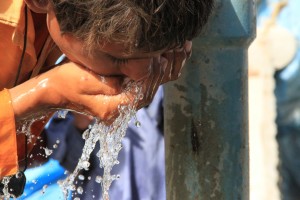 In the face of ongoing global disasters and emergencies that disrupt our daily lives, the importance of water—the essence of life—cannot be overstated. We live in a volatile time that beckons us to be prepared. With the potential for power outages, supply chain interruptions, and infrastructure failures, reliance on traditional water sources can become a critical vulnerability. This comprehensive guide outlines five unique “how-to” methods to ensure you maintain an independent and reliable water supply, even when conventional systems fail.
 1. Plan Ahead and Prioritize