Bracing for Impact: Navigating the Inevitability of the Next Global Pandemic
As the dust settles on the tumultuous landscape left in the wake of COVID-19, the world breathes a collective, albeit tentative, sigh of relief. However, the echoes of empty supermarket aisles, the stark solitude of lockdowns, and the relentless toll on mental and physical health serve as harbingers of what could come again. The question is not if, but when the next global pandemic will strike. In “Bracing for Impact: Navigating the Inevitability of the Next Global Pandemic,” we delve into the critical lessons from our recent past to prepare individuals and families for the future’s uncertainties.
The Unforgiving Cycle of History
Historically, pandemics have been recurrent nightmares, each unique yet devastating in their impact. The Spanish Flu, H1N1,
and COVID-19 are stark reminders of our perpetual vulnerability to viral threats. These crises have shaped human civilization, prompting advancements in medicine and public health yet continuously testing our resilience.
The Harsh Realities We Faced
The COVID-19 pandemic unearthed vulnerabilities in our societies and personal lives. Grocery shelves emptied as panic buying ensued, revealing the fragility of our supply chains. The imposition of lockdowns and social distancing measures, though necessary, led to unprecedented levels of isolation, exacerbating mental health issues and placing immense strain on familial relationships. Economic downturns led to job losses, financial instability, and a palpable sense of despair.
Beyond Basic Preparedness
The traditional narrative on pandemic preparedness often focuses on stockpiling essentials and maintaining personal hygiene. While these steps are vital, they barely scratch the surface of what true preparedness entails, especially considering the breadth of challenges experienced during the last pandemic. Here, we explore comprehensive strategies to ensure individuals and families are better equipped for the next global health crisis.
Embracing Emotional Resilience
Mental health became a crisis within a crisis during the COVID-19 pandemic. Building emotional resilience is paramount, involving strategies to cope with stress, anxiety, and isolation. This can include establishing routines, seeking virtual support groups, and exploring mindfulness and relaxation techniques. Encouraging open communication within families and communities fosters a support network that can withstand the pressures of a pandemic.
Financial Stability and Diversification
The economic impact of a pandemic can be as devastating as its health consequences. Developing a financial safety net, diversifying income streams, and learning basic economic management skills can provide a buffer against the shockwaves. Encouraging savings, exploring remote work options, and investing in skills development can enhance financial resilience.
The isolation experienced during lockdowns highlighted the importance of community and social connections. Leveraging technology to maintain relationships and establish new forms of community engagement can mitigate feelings of loneliness. Virtual clubs, online learning communities, and social media platforms can serve as lifelines during times of physical separation.
Strategic Stockpiling and Local Sourcing
While stockpiling is a common response to impending crises, strategic approaches to storing essentials can prevent shortages and ensure equitable access. This involves not just hoarding non-perishable foods and toiletries but also understanding the logistics of supply chains. Supporting local producers and exploring home gardening can reduce reliance on overwhelmed supermarket chains.
Health Literacy and Self-Care
A well-informed public is a resilient public. Enhancing health literacy—understanding how viruses transmit, the importance of vaccines, and basic first aid—can empower individuals to make informed decisions. Promoting a culture of health and wellness, including regular exercise, balanced nutrition, and preventive healthcare, strengthens communal immunity.
The Path Forward
As we stand at the precipice of future uncertainties, the lessons from our recent past illuminate the path forward. Preparing for the next pandemic transcends physical necessities, touching on the need for emotional strength, financial prudence, and community solidarity. By adopting a holistic approach to preparedness, we can aspire not just to survive the next global health crisis but to emerge from it with our humanity and collective spirit intact.
Ultimately, the inevitability of another global pandemic is a stark reality we must confront with wisdom, foresight, and unity. “Bracing for Impact” is not merely a call to action; it is a blueprint for building a future where individuals and families are equipped to face pandemics with resilience, adaptability, and compassion. Let us harness the lessons of our shared ordeal to foster a world prepared not just in resources, but in heart and spirit, for whatever challenges lie ahead.
Don’t Be a Prepper Frog: Avoiding the Slow Boil of Complacency
The old adage about boiling a frog is a powerful metaphor for the dangers of complacency. If you throw a frog into a pot of boiling water, it will instinctively jump out to save itself. However, if you place a frog in a pot of lukewarm water and gradually increase the heat, the frog will unwittingly adapt to the rising temperature until it’s too late. This analogy serves as a stark warning for those in the preparedness community who may have become too comfortable with the current state of affairs.
The Gathering Storm
The signs are all around us. Economic indicators point not just to a looming recession but to the potential for a global depression, with rising inflation, mounting debt, and the specter of widespread job losses threatening to destabilize global markets. Geopolitical tensions are escalating, with the war drums beating louder each day. The potential for major global conflicts looms on the horizon, conflicts that could disrupt supply chains, trigger resource scarcity, and fundamentally alter the fabric of our daily lives. What do you think your current job or the local grocery store will look like in the face of a major global war? Climate change is leading to more frequent and severe natural disasters, straining infrastructure and displacing populations. The convergence of these factors suggests that we are heading into uncharted territory, a perfect storm of crises that could test our resilience like never before.
The Lukewarm Climate:
In the wake of the global pandemic, many people have developed a false sense of security. They look back on the challenges faced during that time and think, “It wasn’t so bad.” They recall the short-term inconveniences of empty grocery store shelves and the rush to stockpile essentials like toilet paper. As a result, they believe that by throwing a few extra rolls of toilet paper in the closet and storing a couple of cans of beans, they are adequately prepared for any future crisis. This mindset is dangerously shortsighted.
The Slow Boil:
Just like the frog in the slowly heating water, we risk becoming desensitized to the warning signs around us. The steady stream of negative news, from economic instability to social unrest and geopolitical tensions, can gradually fade into background noise. We adapt to each new challenge, convincing ourselves that we will get through it just as we have before. However, this mindset fails to recognize that the heat is steadily increasing, and the water is getting hotter.
The Danger of Complacency:
Complacency is the enemy of preparedness. When we become too comfortable with the status quo, we lose our sense of urgency and fail to take proactive steps to protect ourselves and our loved ones. We may dismiss the need for comprehensive emergency plans, neglect to acquire essential skills, or fail to stockpile adequate supplies. This leaves us vulnerable to the very real possibility that tougher times are on the horizon.
In the face of these gathering storms, it is crucial that we remain vigilant and proactive. We cannot afford to be lulled into a false sense of security by the relative calm of the present moment. Instead, we must be mindful of the harsh reality that lies ahead and take steps to prepare accordingly. This means developing comprehensive emergency plans, acquiring essential skills, and stockpiling supplies to weather any potential crisis.
Building Resilience:
True preparedness goes beyond simply hoarding goods. It requires building resilience on multiple levels – physical, mental, and emotional. We must cultivate the skills and knowledge necessary to adapt to changing circumstances, from growing our own food to navigating off-grid scenarios. We must also cultivate mental and emotional resilience, developing the fortitude to face adversity head-on and maintain a positive mindset in the face of challenges.
Community Preparedness:
No one can go it alone in a crisis. Building strong, resilient communities is essential to weathering any storm. This means fostering connections with like-minded individuals, sharing knowledge and resources, and working together to create mutual support networks. By pooling our skills and resources, we can create a safety net that will help us all navigate the challenges ahead.
The Importance of Perspective:
It’s easy to become overwhelmed by the magnitude of the challenges we face. However, it’s important to maintain a sense of perspective. Throughout history, humanity has faced and overcome countless crises. We are resilient, adaptable creatures, capable of incredible feats of courage and ingenuity in the face of adversity. By drawing on this inner strength and working together, we can rise to meet any challenge that comes our way.
An Urgent Call to Action
The time to prepare is now. We cannot afford to be complacent, to assume that the relative calm of the present moment will last forever. We cannot expect that Government will rush to our rescue with bail-out resources and policies to protect our families. Certainly, we pray for our leaders and vote for those who share our values – but, the reality is that we need to take action to prepare our families for the looming difficulties. We must heed the warning signs and take proactive steps to build our resilience and prepare for the challenges ahead. This means developing comprehensive emergency plans, acquiring essential skills, stockpiling supplies, building strong communities of mutual support, and conducting honest assessments of our current state of readiness.
The Family Preparedness Audit
One crucial step in the preparedness journey is conducting a family preparedness audit. This involves taking a hard, honest look at your current state of readiness and identifying areas for improvement. Ask yourselves questions like: Do we have enough food, water, and essential supplies to sustain us for an extended period? Do we have the skills and knowledge necessary to adapt to off-grid living if needed? Have we developed a comprehensive emergency plan that accounts for various scenarios? By conducting this audit and addressing any gaps in your preparedness, you can ensure that your family is as resilient as possible in the face of any crisis.
To wrap up: The analogy of the boiling frog serves as a powerful reminder of the dangers of complacency. We cannot afford to be lulled into a false sense of security by the lukewarm climate of the present moment. Instead, we must be mindful of the gathering storms on the horizon and take proactive steps to prepare. By building our resilience, cultivating essential skills, working together as communities, and honestly assessing our current state of readiness, we can weather any crisis that comes our way. The time to act is now, before the water gets too hot and it’s too late to jump out of the pot. Don’t be a prepper frog – be a resilient, proactive member of the preparedness community, ready to face whatever challenges lie ahead.
The Shadow of ConflictIn the modern world, the thought of a war, particularly in a region as volatile as the Middle East, is a chilling prospect. This area, rich in history, culture, and resources, has often been a flashpoint for tensions that have implications far beyond its geographical boundaries. A conflict here could have a domino effect, leading to a cascade of disasters—economic turmoil, fuel shortages, food scarcity, and in the worst-case scenario, a global nuclear confrontation. As daunting as these possibilities are, understanding and preparing for them is essential. This piece aims to outline what families might expect in such a scenario and underscore the importance of individual and family preparedness.
The Ripple Effects of War
Economic Instability
The first and most immediate impact of a conflict in the Middle East would be economic instability. The region is a vital artery for the world’s oil supply, accounting for a significant portion of global production. Any disruption can lead to skyrocketing fuel prices, affecting everything from transportation costs to the price of goods and services. Families might find their household budgets stretched to breaking points as the cost of living increases sharply.
Fuel Losses
With the Middle East being a cornerstone in the global energy market, a conflict would likely lead to substantial fuel shortages. These shortages could have a two-fold effect: directly, in the difficulty of obtaining fuel for personal use, and indirectly, by hampering the transportation of goods. This scenario could result in limited mobility for individuals and critical delays in the delivery of essential items, including food and medical supplies.
Food Scarcity
Food security would be severely compromised. The Middle East conflict might disrupt agricultural production and supply chains, leading to shortages and soaring prices. Families might face difficulties in accessing affordable, nutritious food, potentially leading to health issues and increased pressure on already strained social services.
Potential Global Nuclear Conflict
The gravest concern would be the escalation into a global nuclear conflict. While this remains the least likely scenario, its possibility cannot be entirely dismissed. The fallout from such an event would be catastrophic, not just in terms of immediate casualties but also in the long-term environmental and health impacts. It underscores the necessity of global diplomacy and conflict prevention.
The Imperative of Preparedness
Given these daunting prospects, preparedness is not just wise; it’s essential. Here’s how families can prepare:
Economic Preparedness
Families should focus on building a financial safety net. This might include saving money, investing in non-perishable goods, and reducing unnecessary expenses. Having a reserve can provide a buffer against economic instability.
Fuel Conservation
In anticipation of fuel shortages, consider reducing dependence on vehicles that require fossil fuels. Exploring alternative modes of transportation, such as bicycles or electric vehicles, can be a step towards mitigating the impact of fuel losses.
Food Security
Invest in a sustainable food supply. This can range from stocking up on non-perishable food items to starting a home garden. Learning about food preservation techniques can also ensure that families have access to nutritious meals even during times of scarcity.
Community Resilience
Building strong community ties is crucial. In times of crisis, communities that work together can better navigate challenges, from sharing resources to providing emotional support. Joining or establishing local preparedness groups can enhance collective resilience.
Staying Informed and Educated
Knowledge is a powerful tool. Stay informed about global and regional politics and understand the basics of emergency preparedness. Educational resources can equip individuals and families with the skills needed to navigate crises effectively.
Conclusion
While the prospect of a conflict in the Middle East and its potential fallout is daunting, it is a reality that cannot be ignored. The interconnectedness of today’s world means that the impacts of such a conflict would ripple across the globe, affecting economic stability, food security, and potentially leading to global military escalations. However, through informed preparedness, individuals and families can mitigate these impacts and contribute to a resilient community. It is through such preparedness that we can hope to navigate the uncertainties of our times, ensuring not just survival but the continuation of our way of life. Let us take action today to safeguard our tomorrow.
The world is facing a lot of problems right now. In many countries, people are becoming more divided and angry with each other. The signs of trouble are all around us.
In the United States, people are very divided politically. Some groups are even threatening violence because of their extreme beliefs. Experts worry that the country is close to a civil war, like the one that happened in the 1850s.
In other parts of the world, there are also serious issues. Some leaders are becoming more like dictators, and people are losing their freedoms. The gap between the rich and the poor is getting bigger. Climate change is making things worse, causing problems like lack of food and water, which can lead to more conflicts.
We are entering a time of big changes and challenges. The world as we know it is falling apart, and it’s uncertain what will replace it. It could be a very difficult and dangerous time.
But we shouldn’t just ignore these problems and hope they go away. We need to be prepared for what might happen. Here are four important steps you can take right now:
1. Make an emergency plan with your family. Decide how you will communicate, where you will meet, and what you will do in different situations.
2. Gather supplies like food, water, medicine, and other essentials that you might need in case of disruptions. Aim to have enough for at least a few weeks.
3. Learn important skills that could be useful in a crisis, like first aid, self-defense, growing food, or fixing things.
4. Get to know your neighbors and community. Build relationships and networks of support so you can help each other during tough times.
In addition to being personally prepared, we also need to work together to address the bigger issues:
– Communities need to support each other, because we may not be able to rely on outside help.
– We need to be careful about false information and protect our rights and freedoms.
– To really fix these problems, we need to change the way our world works. We must address issues like inequality, climate change, and conflict.
There are definitely hard times ahead, and some really scary things could happen. But we still have a chance to make a difference.
Everything depends on what we do now, before things get even worse. If we face the truth, prepare ourselves, and work together, we can get through this challenging time and build a better world on the other side. There’s still hope, but we need to act now.
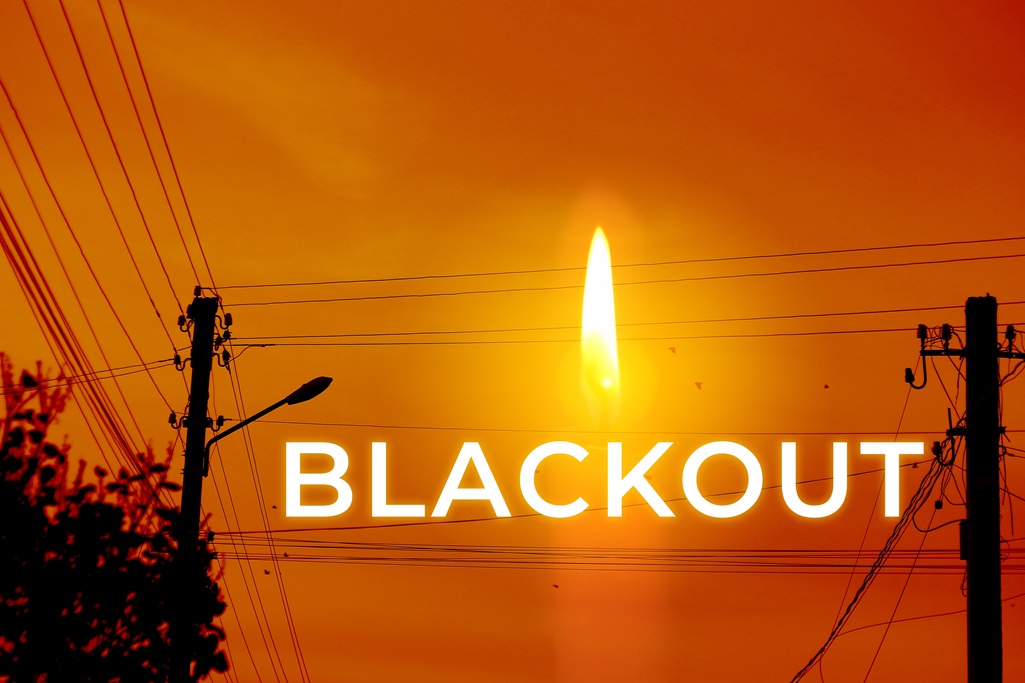
Navigating the Darkness: Preparing for a Long-Term Power Grid Outage
In today’s digital and interconnected communities, the very fabric of daily life is powered by electricity. From the moment we wake up to the minute we fall asleep, our routines, comforts, and conveniences are all facilitated by power. But what happens when the lights go out, not just for an hour, or a day, but for an extended period?
Recent events, such as the major cell service outage that threw daily life and commerce into chaos, have highlighted our vulnerability. Such disruptions can indeed be eye-openers, possibly even tests by adversaries to gauge our readiness. We want to explore the ramifications of a long-term power grid outage and underscores the importance of individual and family preparedness in facing such a scenario.
The Domino Effect of a Power Grid Outage
Immediate Disruptions
The first and most apparent impact of a long-term power outage is the loss of lighting and electronic device functionality. But the ramifications extend far beyond mere inconvenience. Refrigeration systems fail, leading to food spoilage. Heating and cooling systems cease to operate, exposing families to extreme temperatures. Communication networks go down, isolating individuals from critical information and contact with loved ones.
Water Supply and Sanitation
Water treatment and pumping stations rely heavily on electricity. Without power, the flow of clean water halts, and sanitation services deteriorate, posing severe health risks through the potential spread of disease.
Economic and Commercial Impact
The recent cell service outage provided a glimpse into how commerce grinds to a halt without power. ATMs and card transactions become impossible, supply chains are disrupted, and businesses incur significant losses. The economic ripple effect can lead to a downturn that affects everyone.
Healthcare Services Disruption
Healthcare facilities, despite having backup generators, are not immune to the strains of a prolonged power outage. Equipment failure and the inability to provide routine care can result in healthcare crises, particularly for those with critical medical needs.
Safety and Security Concerns
With alarm systems and street lighting down, there’s an increase in safety and security concerns. The dark becomes a cover for criminal activities, and in the absence of a functioning communication network, emergency services struggle to respond effectively.
Preparing for the Long Haul
Stockpile Essentials
Families should maintain a stockpile of essential supplies, including water, non-perishable food, medications, and first aid kits. Aim for a supply that can last at least two weeks to a month.
Alternative Power Sources
Invest in alternative power sources such as solar panels, portable generators, or battery-powered devices. Understand the operation and safety precautions of these alternatives to ensure they can be utilized effectively during an outage.
Water Purification
Learn methods of water purification and storage. Having the ability to purify water from various sources can be a lifesaver in prolonged power outages.
Communication Plans
Develop a family communication plan that doesn’t rely on digital networks. Consider two-way radios or satellite phones as backups. Establish a meeting point and a check-in routine in case communication networks fail.
Protect Financial Assets
Keep a small amount of cash on hand, as digital transactions may not be possible. Additionally, secure important documents in a safe, easily accessible place in case of evacuation.
Community Collaboration
Engage with your community to develop a collective response plan. Sharing resources and information can make a significant difference in the resilience of a neighborhood during extended outages.
Emergency Skills
Acquire basic emergency skills. CPR, first aid, and the ability to use a fire extinguisher can be crucial in a crisis. Similarly, knowing how to shut off your home’s gas, water, and electricity can prevent further disasters.
The Bigger Picture
While the thought of a long-term power outage and its accompanying challenges may seem daunting, preparedness can significantly mitigate the risks and impacts. The recent cell service outage, whether an anomaly or a test of our readiness, serves as a stark reminder of our dependence on power and the need for resilience. By taking proactive steps towards preparedness, families can ensure their safety and well-being, even in the darkest times.
To wrap up, as we reflect on our vulnerabilities and the potential for disruption, let us also recognize our capacity for resilience and adaptation. Preparing for a power grid outage not only enhances our ability to withstand such events but also strengthens the bonds within our communities. Together, we can navigate the darkness, emerging more connected and prepared for whatever challenges the future holds.
In the realm of preparedness and self-reliance, there is a crucial distinction between raising awareness about potential threats based on facts and engaging in fearmongering. While it is essential to discuss the importance of being prepared for possible disasters, it is equally vital to recognize the dangers of exaggerated claims, unrealistic fears, and harmful ideologies that can divide communities and cause unnecessary panic.
Fearmongering is the act of deliberately spreading alarming and exaggerated rumors of an impending danger or threat, often with the intention of manipulating public perception and emotions. This tactic is commonly used by some websites and media outlets to attract attention, increase traffic, and push a specific agenda. Fearmongering often relies on sensationalism, conspiracy theories, and cherry-picked data to paint a picture of imminent doom, even when the facts do not support such claims.
The proliferation of fearmongering and negative claims can have severe consequences for individuals and society as a whole. When people are constantly bombarded with messages of impending catastrophe, it can lead to heightened anxiety, stress, and even panic. This can result in irrational decision-making, such as hoarding supplies, engaging in dangerous activities, or adopting extremist ideologies.
Moreover, fearmongering often exploits and amplifies existing social, political, and economic divisions, creating an “us vs. them” mentality that can further erode community cohesion and trust. This divisiveness can hinder efforts to work together and find common ground in the face of real challenges.
It is important to acknowledge that humans have a natural tendency to be drawn towards negative news events and painful stories. This innate fascination with the negative can be attributed to various factors, including evolutionary instincts that prioritize threat detection and a desire to make sense of the world around us. However, this inclination towards negativity can also be exploited by those engaging in fearmongering.
In today’s digital age, where information is readily accessible and rapidly shared, our societies seem to be inundated with a constant stream of tales of woe and impending doom. This proliferation of negative content can create a vicious cycle, where the more we consume, the more we crave, leading to a heightened sense of anxiety and a distorted perception of reality.
While it is crucial to stay informed about potential risks and challenges, it is equally important to maintain a balanced perspective and not let our innate fascination with the negative override rational thinking. By being aware of our own biases and actively seeking out fact-based information from credible sources, we can counteract the allure of fearmongering and make informed decisions about preparedness.
In contrast to fearmongering, genuine preparedness is based on a rational assessment of potential risks and taking appropriate measures to mitigate those risks. It involves analyzing credible sources of information, such as scientific studies, historical data, and expert opinions, to identify realistic threats that may impact our lives. Preparedness focuses on empowering individuals with knowledge and skills to face challenges, rather than paralyzing them with fear.
To navigate the line between fearmongering and fact-based preparedness, consider the following:
Rely on credible sources: Seek information from reputable organizations, government agencies, and experts in relevant fields. Be cautious of websites or individuals that make bold claims without providing verifiable evidence.
Maintain a balanced perspective: Approach potential threats with a level-headed and rational mindset. While it is important to be aware of risks, avoid falling into the trap of worst-case scenario thinking or apocalyptic predictions.
Focus on practical solutions: Preparedness should be about empowering yourself and your community with practical knowledge, skills, and resources to face challenges. Avoid sources that primarily focus on instilling fear without offering constructive advice or solutions.
Foster community resilience: Work towards building strong, supportive, and inclusive communities that can withstand and recover from adversity. Encourage open dialogue, cooperation, and mutual aid rather than division and mistrust.
Prioritize mental health: Engage in self-care practices and seek support if you find yourself overwhelmed by fear or anxiety. Remember that preparedness is about enhancing your overall well-being, not compromising it.
By being mindful of the dangers of fearmongering, recognizing our own biases towards negativity, and focusing on fact-based preparedness, we can cultivate a more resilient and united society. It is crucial to approach challenges with a clear head, a compassionate heart, and a commitment to working together for the common good. Through responsible preparedness efforts, we can empower ourselves and our communities to face adversity with courage, wisdom, and hope, while resisting the allure of sensationalism and fearmongering.

 The Gathering Storm
 or Vigilance