Are you ready for the unexpected? When unforeseen circumstances strike, whether it’s a natural disaster or a global pandemic, having a well-stocked pantry can make all the difference.
This guide to essential foods for preparedness will arm you with the knowledge you need to ensure your food supply remains robust and nutritious, no matter what comes your way. We will delve into the world of survival foods, providing you with a comprehensive list of items that are not only long-lasting but also versatile and healthy.
From canned goods to grains, proteins, and even sweets, we’ll uncover the must-have items that should be on every preparedness-minded individual’s shopping list. So buckle up and prepare to transform your pantry into a survivalist’s dream. Let’s embark on this journey towards self-reliance and peace of mind together.
What Are Essential Foods for Preparedness?
When considering essential foods for preparedness, it’s critical to prioritize items that have a long shelf life, require minimal preparation, and provide balanced nutrition. Whole grains such as rice, oats, and quinoa are excellent choices due to their long shelf life and high nutritional value.
Canned goods are another fundamental component of any preparedness pantry. These include fruits, vegetables, beans, and meats, which can last for years without refrigeration. They’re ready to eat and rich in essential nutrients.
Dried beans and legumes are also crucial for their long shelf life and high protein content. They’re lightweight, compact, and can be used in a variety of dishes.
Preserved meats like jerky and canned tuna provide protein and don’t require refrigeration.
Powdered milk is a versatile source of calcium and protein, and it can be used in cooking or rehydrated for direct consumption.
Nuts and seeds are packed with healthy fats, proteins, and fiber, making them an excellent snack choice.
Honey is a natural sweetener that never spoils and can be used in cooking or as a quick energy source.
Spices and seasonings are also vital to store as they can turn bland meals into flavorful dishes.
Remember, always rotate these foods to keep your stock fresh and check expiration dates regularly. A well-stocked pantry can provide peace of mind and ensure you’re ready for any situation.
How to Store Canned Foods?
Storing canned foods properly is a key aspect of preparedness. The first step is to ensure the cans are not damaged or dented, as this could compromise the food’s safety. Always store cans in a cool, dry place, away from direct sunlight. The ideal temperature is between 50 and 70 degrees Fahrenheit. Avoid storing canned goods near cleaning supplies or chemicals to prevent contamination.
To maintain the quality of the canned foods, rotate your stock regularly. This means using older cans first and placing newer cans at the back of your storage area. It’s also important to keep an inventory of your canned goods, noting the date of purchase and the ‘best by’ date. This way, you can efficiently manage your stock and avoid wasting food.
When it comes to canned goods, variety is key. Include a range of essential foods such as fruits, vegetables, meats, and beans in your storage. This ensures you have a balanced diet during emergencies.
Remember, canned foods are a reliable and convenient option for long-term storage. They offer a variety of essential nutrients, are easy to store, and have a long shelf life, making them an excellent choice for emergency preparedness.
Best Long Shelf-Life Foods?
When it comes to preparedness, having a stockpile of long shelf-life foods is vital. Canned goods are a popular choice, with options like canned vegetables, fruits, and meats offering both nutrition and long shelf life. These are packed at their peak freshness, ensuring you get the most nutrients even when stored for long periods.
Dry goods such as rice, pasta, and beans are also essential. These staples can last for years when stored properly, making them a must-have in any preparedness plan. Similarly, powdered milk and instant coffee can last for a long time, providing a source of dairy and a comforting beverage when fresh options are unavailable.
Don’t forget about non-perishable protein sources. Canned tuna, chicken, and even SPAM can be stored for several years. These provide essential protein needed for strength and energy during emergencies.
Lastly, consider ready-to-eat meals like MREs (Meals Ready-to-Eat). These military-grade meals are designed to be eaten without cooking, making them a convenient option in times of crisis.
Remember, proper storage is key to prolonging the shelf-life of these foods. Keep them in a cool, dry place, away from direct sunlight. With these foods in your pantry, you’ll be well-prepared for any situation.
Importance of Water in Food Storage?
Water is a crucial element when it comes to food storage for preparedness. It serves multiple purposes, from hydration to cooking and maintaining the freshness of stored foods. Emergency food storage isn’t just about having a stockpile of canned goods, it’s also about ensuring you have a sufficient water supply.
Water is required for rehydrating freeze-dried and dehydrated foods, a popular choice in long-term food storage. Without an adequate water supply, these foods are essentially useless. Furthermore, water plays a vital role in preserving the nutritional value of stored foods, preventing them from drying out and losing their essential nutrients.
In case of emergency situations where access to clean, drinkable water is compromised, having a stored water supply becomes even more critical. It’s recommended to store at least one gallon of water per person per day for both consumption and food preparation.
When planning your food storage, it’s important to keep in mind the space water storage will require. Water barrels, water purification tablets, and water filters are all useful tools to consider.
Remember, food storage preparedness is not just about the foods you store, but also the water you have on hand to support your nutritional needs.
How to Store Dry Foods?
Storing dry foods properly is an essential part of food preparedness. The first step is to ensure that your dry foods are placed in air-tight containers. These containers protect the food from exposure to the elements, pests, and moisture.
Next, consider the location for storage. A cool, dry, and dark place is ideal for preserving the quality of dry foods. This could be a pantry, a dedicated storage room, or even a basement.
Temperature control is another vital aspect of dry food storage. Maintaining a consistent temperature of around 50-70 degrees Fahrenheit can significantly extend the shelf life of your foods.
It’s also important to rotate your stock. Use the oldest items first and replace them with new purchases. This practice, known as First-In, First-Out (FIFO), ensures you’re always consuming the freshest products.
When it comes to storing specific types of dry foods, here are some tips:
Grains and Beans: These should be stored in sealed containers and kept away from heat and light.
Dried Fruits and Vegetables: These need to be stored in airtight containers to prevent moisture absorption.
Spices and Herbs: These should also be stored in airtight containers, but in a cool, dark place to preserve their flavor and potency.
Remember, proper storage of dry foods is a key aspect of preparedness and can ensure you have a reliable food supply during emergencies.
Ideal Conditions for Food Storage?
Storing food properly is an essential part of preparedness. The ideal conditions for food storage vary depending on the type of food, but there are general guidelines that can be followed.
Dry foods, such as rice, pasta, and beans, should be stored in a cool, dry place. These foods are susceptible to moisture and heat, which can lead to spoilage.
Canned goods are a staple in any preparedness plan. They have a long shelf life and can be stored at room temperature. However, they should be kept away from extreme temperatures and direct sunlight.
Frozen foods should be kept at a constant temperature of 0 degrees Fahrenheit or below. It’s important to avoid the “”freeze-thaw”” cycle, which can lead to food spoilage.
Perishable foods, such as fruits and vegetables, should be stored in a refrigerator at a temperature between 34 and 40 degrees Fahrenheit. These foods have a shorter shelf life and should be consumed first.
Water is an often overlooked but essential part of food storage. It should be stored in a cool, dark place and replaced every six months.
Remember, the key to successful food storage is rotation. Consume the oldest items first, and replace them with new ones. This ensures that your food supply remains fresh and safe to eat.
Proper food storage not only ensures that you have a supply of food in case of an emergency, but it also helps to reduce food waste and save money. So, take the time to store your food properly, and you’ll be prepared for whatever comes your way.
How to Rotate Stored Foods?
Proper food rotation is crucial when it comes to emergency food storage. The principle of “”First In, First Out”” or FIFO is often applied. This means consuming the oldest stored foods first.
To implement this, start by marking your food containers with the date of purchase. This can be done using permanent markers or adhesive labels. This way, you can easily identify the oldest items in your storage.
When you buy new supplies, don’t just place them on top of the old ones. Instead, move the older items to the front and place the new ones at the back. This ensures that older foods are used first, preventing them from going bad.
It’s also vital to regularly check your food storage. This allows you to spot any signs of spoilage or infestation early on. If you find any expired or damaged items, remove them immediately to prevent contamination.
Another important aspect of food rotation is diversification. Don’t just store one type of food. Having a variety of items not only provides a balanced diet but also prevents food fatigue.
Remember, the goal of food storage is not just to have food on hand, but to have edible, nutritious food that can sustain you and your family during emergencies. Proper food rotation plays a key role in achieving this.
Can Frozen Foods Be Stored Long Term?
Indeed, certain frozen foods can be stored long term, making them excellent choices for preparedness. However, it’s crucial to consider the type of food and the conditions of storage.
Vegetables and fruits, when properly blanched and frozen, can last up to 12 months. They retain their nutritional value and can be a valuable source of vitamins during times of scarcity. Meats and poultry can also be stored long term, but their quality may start to degrade after 4-6 months.
Frozen meals are another category to consider. While they may not be the healthiest option, they can provide essential calories and are easy to prepare. Most can last up to 8-12 months in the freezer.
On the other hand, dairy products, such as milk and cheese, do not fare well when frozen for extended periods. They can develop a change in texture and flavor.
Storage conditions play a significant role in long-term preservation of frozen foods. A constant temperature of 0°F (-18°C) is recommended to maintain the quality of the food.
In terms of preparedness, it’s also important to consider the risk of power outages. If the freezer’s temperature rises, the food’s shelf life will be significantly reduced. Therefore, having a backup power source or alternative storage method can be beneficial.
Remember, while frozen foods can be stored long term, it’s essential to rotate your stock regularly to ensure you’re consuming the freshest produce. This practice also allows you to assess your inventory and replenish as needed.
So, can frozen foods be stored long term? Yes, but with careful consideration of the type of food and storage conditions.
Conclusion: The Essentials of Food Preparedness
In this post, we’ve explored the crucial aspects of food preparedness, focusing on the essential foods to store for readiness in uncertain times. We’ve delved into what constitutes essential foods for preparedness, understanding that these are foods with a long shelf-life and high nutritional value.
We’ve also discussed the importance of proper storage, from canned and dry foods to long-term frozen food storage. We’ve learned that ideal conditions for food storage are cool, dry, and dark places, and the importance of rotating stored foods to maintain their freshness and nutritional value.
Water, being a vital part of food storage, was also emphasized, as its role extends beyond just hydration to food preparation and sanitation.
As we look towards the future, the importance of food preparedness remains paramount. Trends suggest a growing interest in sustainable and space-efficient food storage solutions.
In closing, food preparedness is not just about having food stored away, but having the right foods, stored correctly. The knowledge gained from this post empowers you to make informed decisions regarding your food storage practices. Remember, preparedness is the key to survival in any situation.
With the recent breaking news from the US Government that there is a serious National Security Threat, we all should be very concerned. We should also intensity our efforts to get better prepared.
The report raises a very significant topic that we should all be aware of and prepare for. Read on …
What Happens If We Get Hit by an EMP Attack?
Imagine one day your phone, computer, and even your car suddenly stop working. This could happen if we were hit by an EMP, or Electromagnetic Pulse, attack. It sounds like something out of a movie, but it’s a real threat that could change our lives in an instant. Here’s what you need to know, broken down so it’s easy to understand.
Right Away Trouble
Gadgets Gone Wild: First off, anything electronic might just quit. This means no texting, no internet, and even cars might not start. Imagine trying to do anything without any of your tech.
Lights Out: The power could go out everywhere. It’s not just about not being able to charge your phone; hospitals, stores, and basically everything that needs power would stop working.
Can’t Call for Help: With phones and the internet down, calling for help or finding out what’s going on would be really hard. We’d be cut off from each other.
Stuck Where You Are: Without cars or buses, getting anywhere would be a huge challenge.
Problems That Follow
Hospitals in a Crunch: Without power, hospitals would struggle to take care of sick people, especially those who need machines to stay alive.
Money Trouble: Businesses wouldn’t be able to work right, and buying things would be tough. This could lead to a big economic mess.
People Getting Scared: With everything out of whack, people might start to panic. This could lead to chaos in the streets.
No Water: This is a big one. With no power, getting clean water could become a problem. Water pumps need electricity, so no power means no water.
Bouncing Back?
Fixing everything wouldn’t be quick or easy. We’d have to rebuild a lot of what makes our world work, like the power grid and communication networks. And we’d have to think about how to make them tough enough to survive if this ever happened again.
Why We Need to Get Ready
This all sounds pretty scary, but there are things we can do to get ready, just in case. Here’s why it’s important:
Be Informed: Knowing about the risks and what to do can make a big difference.
Make a Plan: Have a family plan for what to do if there’s no power or water. Know where to meet and how to stay safe.
Emergency Kit: Put together a kit with things you might need, like water, food that doesn’t go bad, a flashlight, and a radio that doesn’t need electricity.
Wrapping Up
An EMP attack could seriously mess up our way of life, but by being aware and getting ready, we can handle it better. It’s all about knowing what could happen and having a plan to deal with it. Let’s not wait until it’s too late to start thinking about what we’d do.
In a world where uncertainty looms and the threat of natural disasters is ever-present, it’s crucial to be prepared for any situation. While modern medicine has made tremendous advancements, access to traditional healthcare resources may be limited during a crisis. This is where the ancient wisdom of herbal remedies comes into play. By turning to the power of nature and equipping ourselves with the knowledge of medicinal plants, we can build resilience and maintain our health even in the most challenging of times.
The Importance of Natural Remedies in Disaster Preparedness: When disaster strikes, the infrastructure we rely on can be compromised, leaving us without access to conventional medical supplies and support. In such scenarios, having a deep understanding of herbal remedies can be a lifesaving skill. Our ancestors relied on the healing properties of plants for centuries, using them to treat a wide range of ailments and promote overall well-being. By tapping into this ancient wisdom, we can become self-sufficient and better prepared to face adversity.
Building Your Medicinal Garden
One of the most empowering steps you can take in your disaster preparedness journey is to cultivate your own medicinal garden. Start by researching the plants that thrive in your local climate and have a history of medicinal use. Some essential herbs to consider include:
Echinacea – Known for its immune-boosting properties, echinacea can help strengthen your body’s natural defenses against illness.
Willow Bark – Containing salicin, a compound similar to aspirin, willow bark has been used for centuries to alleviate pain and reduce inflammation.
Lavender – This fragrant herb is renowned for its calming effects, helping to reduce stress and promote relaxation during times of upheaval.
Calendula – With its antimicrobial and wound-healing properties, calendula is a valuable addition to any medicinal garden.
Peppermint – Peppermint can soothe digestive issues, alleviate headaches, and provide a refreshing boost of energy when needed.
By nurturing these plants in your own backyard, you’ll have a reliable source of natural remedies at your fingertips, ready to support you and your loved ones during a crisis.
Having a thriving medicinal garden is just the first step. To truly harness the power of these plants, it’s essential to learn how to prepare them effectively. From teas and tinctures to salves and poultices, each method of preparation offers unique benefits and applications. Take the time to study the proper techniques for harvesting, drying, and storing your herbs to ensure their potency and longevity.
Engaging in workshops, reading herbal medicine books, and connecting with experienced herbalists can deepen your understanding of these natural remedies. As you gain confidence in your skills, you’ll be better equipped to address a variety of health concerns, from minor cuts and bruises to more complex issues like respiratory infections and digestive distress.
The Mind-Body Connection:
In times of crisis, our mental and emotional well-being is just as important as our physical health. Herbal remedies can play a significant role in promoting a sense of calm and resilience. Herbs like chamomile, lemon balm, and passionflower have been used for centuries to ease anxiety, promote restful sleep, and support the nervous system.
Incorporating these herbs into your daily routine, whether through tea, tinctures, or aromatherapy, can help you maintain a sense of balance and inner peace, even in the face of adversity. By nurturing your mind-body connection, you’ll be better equipped to navigate the challenges that come your way.
Building Community Resilience:
The knowledge of herbal remedies is a valuable resource not just for yourself, but for your entire community. By sharing your expertise and empowering others with the skills to use medicinal plants, you can contribute to the collective resilience of your neighborhood, town, or city.
Consider organizing workshops, starting a local herb study group, or volunteering to teach herbal medicine classes at community centers or schools. By fostering a network of individuals who are knowledgeable about natural remedies, you’ll be creating a safety net that can support everyone during times of crisis.
Conclusion:
In a world where disaster can strike at any moment, being prepared is not just a choice, but a necessity. By embracing the power of herbal remedies and cultivating a deep connection with the natural world, we can equip ourselves with the tools to maintain our health and well-being, no matter what challenges we face.
So let us step into our gardens, dig our hands into the soil, and nurture the plants that have the potential to heal and sustain us. Let us learn the ancient wisdom of herbal medicine and share that knowledge with our communities. In doing so, we’ll be building a foundation of resilience that can weather any storm.
Remember, in times of crisis, be prepared, be empowered, and be natural. The power to heal lies within the earth, and within ourselves. Let us harness that power and create a future where we can thrive, no matter what the world may bring.
In an unpredictable world, preparedness is not just a virtue, but a necessity. The ability to respond effectively to any situation, whether a natural disaster or a personal emergency, is largely dependent on the tools at your disposal. As such, having a comprehensive toolkit of essential items is critical to ensuring your safety, security, and survival.
Each tool in your preparedness kit serves a specific purpose, and understanding these can make all the difference when the unexpected happens. From first aid supplies to survival gear, these tools are designed to help you navigate through challenging circumstances with confidence and ease.
Stay with us as we delve deeper into the world of preparedness, exploring the various tools that are indispensable for any emergency situation. Let’s equip you with the knowledge and resources you need to face any challenge head-on, because when it comes to preparedness, every tool counts.
What Are Essential Preparedness Tools?
When it comes to preparedness, having the right tools can make all the difference. One of the key tools for any preparedness kit is a multi-tool. This versatile tool includes functions like a knife, screwdriver, can opener, and more, making it incredibly useful in various situations.
Another essential tool is a flashlight. Whether you’re dealing with a power outage or navigating in the dark, a reliable flashlight is vital. Opt for a hand-crank version to eliminate the need for batteries.
Water purification tools, such as life straws or purification tablets, are also crucial. These tools ensure you have access to clean drinking water, a fundamental survival necessity.
In your preparedness kit, don’t forget about a first aid kit. This kit should include bandages, antiseptic wipes, tweezers, medical tape, and pain relievers.
A portable charger for your phone or other devices can be a lifesaver, especially in situations where power is unavailable.
Ultimately, a weather radio can keep you informed about any impending weather threats or emergency broadcasts.
Remember, the goal of these tools is to help you stay safe and comfortable during unexpected events. While this list covers the basics, it’s important to customize your preparedness kit to suit your specific needs.
How to Store Emergency Water?
Storing emergency water is a crucial part of preparedness planning. The first step is to identify suitable containers for storage. Food-grade water storage containers are an ideal choice as they are designed to prevent bacterial growth. Stainless steel containers are also a good option, but avoid those with any form of plastic lining.
When storing water, it’s important to keep it in a cool, dark place to prevent algae and bacteria growth. The water should be replaced every six months to ensure it stays fresh.
Here are a few steps to store water effectively:
1. Clean the container thoroughly before filling it with water.
2. Fill the container to the top to limit the amount of air in it.
3. Securely seal the container to prevent contamination.
4. Store the container in a cool, dark place.
Remember, in an emergency situation, having access to clean, safe water is paramount. Therefore, always have a backup plan in place. This could be water purification tablets or a life straw, both essential tools for preparedness.
While water storage is a key aspect of emergency planning, it’s also important to consider other elements such as food storage, first aid supplies, and emergency communication tools. Together, these components form a comprehensive preparedness strategy.
Best Survival Food Kits?
When it comes to being prepared for any emergency, having a survival food kit is paramount. These kits are a key part of any preparedness plan, providing essential nutrition during times of crisis.
The Mountain House Essential Bucket is a popular choice. It offers a 30-year taste guarantee and contains 32 servings of meals like rice & chicken and beef stew. Another option is the Wise Company Emergency Food Supply. This kit boasts 60 servings of meals and a shelf life of up to 25 years.
• Augason Farms 30-Day Emergency Food Storage Supply is another top contender. It provides 307 servings of food, a 30-day meal planner, and an impressive shelf life of up to 25 years.
The quality and diversity of meals, the shelf life, and the ease of preparation are all important factors to consider when choosing a survival food kit. Remember, the goal is to have a reliable source of nutrition during an emergency.
To complement your food kit, consider other essential tools for preparedness such as water purification tablets, a multi-tool, and a first aid kit. These items will further enhance your ability to manage during a crisis.
Remember, being well-prepared can make all the difference when facing an emergency situation. A comprehensive survival food kit is a vital part of that preparedness.
Are First Aid Kits Necessary?
Absolutely, First Aid Kits are an integral part of any preparedness plan. In the face of an emergency, they can provide immediate, life-saving assistance. From minor cuts and burns to more serious injuries, a well-stocked first aid kit is a crucial tool for preparedness.
First Aid Kits contain essential items like bandages, antiseptics, tweezers, and medical tape. These tools can help manage a variety of injuries, reducing the risk of infection and promoting healing. The medicinal components of a first aid kit, such as pain relievers and antihistamines, can also provide temporary relief in emergency situations.
Moreover, a first aid kit is not just for physical injuries. It can also provide psychological comfort. Knowing that you have the necessary tools at your disposal can boost confidence and reduce panic during emergencies.
In essence, the importance of a first aid kit cannot be overstated. It is a fundamental part of any emergency preparedness strategy, providing immediate assistance when medical help may not be readily available.
Remember, emergencies can happen anytime, anywhere. Therefore, having a first aid kit on hand, whether at home, in the car, or at the workplace, is a proactive step towards ensuring safety and readiness.
• Why are first aid kits essential?
First aid kits are essential as they provide immediate and effective first aid treatment for injuries and illnesses, potentially saving lives. They contain necessary tools and supplies that can help manage a variety of health emergencies until professional medical help arrives.
To wrap up, a first aid kit is a non-negotiable component of any preparedness plan. It’s not just an essential tool, but a potential lifesaver.
What is a Bug Out Bag?
A Bug Out Bag (BOB) is a pre-packed survival kit designed to sustain an individual for 72 hours during an emergency evacuation. The main idea behind a BOB is to have all the necessary tools and supplies in one place, making it easy to grab and leave when disaster strikes.
A typical BOB contains essential items such as food, water, first aid supplies, and survival gear. It’s crucial to pack non-perishable food items and water purification tablets or a life straw. First aid supplies should include bandages, antiseptic wipes, tweezers, medical tape, and pain relievers. Survival gear often consists of a multi-tool, fire starter, emergency blanket, flashlight, and a whistle to signal for help.
While packing a BOB, it’s important to consider personal needs and circumstances. For example, if you live in a colder climate, you might want to pack extra warm clothing. If you have a chronic condition, don’t forget your medication.
Remember, the goal of a BOB is not long-term survival but to keep you alive and safe until you can reach a safer location or help arrives. Therefore, it’s essential to regularly check and update the contents of your BOB to ensure they are still functional and relevant.
Lastly, a BOB should be easy to carry. A backpack is often the preferred choice, but you can also use a duffle bag or a rolling suitcase, depending on your physical condition and personal preference.
Importance of a Flashlight in Emergencies?
A flashlight is a fundamental part of any emergency preparedness kit. In times of crisis, having a reliable light source can make a significant difference. An emergency may cause power outages, making it challenging to navigate your surroundings safely. A flashlight provides a critical lifeline in such scenarios, illuminating dark paths and helping you avoid potential hazards.
Moreover, flashlights serve as an excellent signaling device. In situations where you are stranded or lost, the bright beam of a flashlight can attract attention from a considerable distance. It can guide rescuers to your location, making it an essential tool for survival.
Another vital aspect of a flashlight is its potential use as a self-defense tool. A sturdy, high-lumen flashlight can temporarily blind an attacker or a wild animal, providing you with precious time to escape.
In terms of variety, there are numerous types of flashlights available in the market. Some are solar-powered, while others are hand-cranked, eliminating the need for batteries. LED flashlights are highly recommended due to their long lifespan and energy efficiency.
Remember, a flashlight is more than just a light source; it is a versatile tool that enhances safety and boosts survival chances during emergencies. Therefore, it is an indispensable item in any preparedness plan.
Why Need a Multi-Tool for Preparedness?
A multi-tool is a crucial component in any preparedness kit. These compact devices house a variety of essential tools, from pliers and knives to screwdrivers and can openers, providing a versatile solution for various challenges that one may encounter in emergency situations.
In scenarios such as natural disasters, power outages, or even unexpected car breakdowns, having a multi-tool at your disposal can make a significant difference. It can help you perform necessary repairs, open canned food, cut ropes, and even provide first aid.
Survival situations often require quick thinking and adaptability. With a multi-tool, you have the flexibility to tackle multiple problems with a single device. This not only saves space in your preparedness kit but also reduces the weight of your gear, making it easier to transport in case of evacuation.
Consider this: you’re stranded in a wilderness setting. Your survival depends on your ability to perform tasks like building a shelter, starting a fire, or even catching food. A multi-tool can assist in all these tasks, proving its worth as an invaluable part of your emergency preparedness gear.
In essence, a multi-tool is like having a miniature toolbox at your disposal, ready to assist in a variety of situations. It is an essential tool for preparedness that everyone should consider adding to their survival kit.
How Useful are Fire Starters in Survival Situations?
Fire starters are a critical component in any survival kit. They provide a reliable method for creating heat and light, both of which are essential in a survival situation. Fire starters are compact, lightweight, and easy to use, making them a practical tool for any preparedness kit.
They offer the ability to quickly start a fire for cooking, purifying water, and providing warmth. In survival situations, these tasks can be life-saving. Fire starters are far more reliable than traditional matches or lighters, which can become wet or run out of fuel.
Fire starters also have a psychological benefit. The ability to create fire can boost morale and provide a sense of security in stressful situations. It’s a tool that offers both practical and psychological benefits, making it an essential part of any survival kit.
In addition to these benefits, fire starters are also versatile. They can be used in various environments and weather conditions, further enhancing their value as a survival tool. Here are a few types of fire starters:
Friction-based fire starters
Spark-based fire starters
Fuel-based fire starters
Each type has its own benefits and drawbacks, but all serve the same purpose: providing a reliable source of fire in survival situations. This makes them an invaluable tool in any preparedness strategy.
Conclusion: The Importance of Essential Tools for Preparedness
All in all, the essential tools for preparedness are crucial for survival in emergency situations. We’ve covered a wide array of topics including the importance of having a well-stocked first aid kit, the usefulness of a bug out bag, and the necessity of a reliable flashlight during emergencies.
We’ve also delved into the significance of storing emergency water and investing in the best survival food kits. The versatility of a multi-tool for preparedness cannot be overstated, just as the practicality of fire starters in survival situations is undeniable.
The key takeaway is that preparedness is not merely about having these tools, but understanding their use and importance. It’s about being ready for whatever life throws at you, and these tools provide a safety net when things go awry.
As we look to the future, the importance of these tools will only increase. With the unpredictable nature of life, it’s essential to stay informed about the latest developments and trends in emergency preparedness. Remember, preparedness is not a one-time action, but a continuous process. Always be ready, stay safe, and keep updating your preparedness toolkit.
Bracing for Impact: Navigating the Inevitability of the Next Global Pandemic
As the dust settles on the tumultuous landscape left in the wake of COVID-19, the world breathes a collective, albeit tentative, sigh of relief. However, the echoes of empty supermarket aisles, the stark solitude of lockdowns, and the relentless toll on mental and physical health serve as harbingers of what could come again. The question is not if, but when the next global pandemic will strike. In “Bracing for Impact: Navigating the Inevitability of the Next Global Pandemic,” we delve into the critical lessons from our recent past to prepare individuals and families for the future’s uncertainties.
The Unforgiving Cycle of History
Historically, pandemics have been recurrent nightmares, each unique yet devastating in their impact. The Spanish Flu, H1N1,
and COVID-19 are stark reminders of our perpetual vulnerability to viral threats. These crises have shaped human civilization, prompting advancements in medicine and public health yet continuously testing our resilience.
The Harsh Realities We Faced
The COVID-19 pandemic unearthed vulnerabilities in our societies and personal lives. Grocery shelves emptied as panic buying ensued, revealing the fragility of our supply chains. The imposition of lockdowns and social distancing measures, though necessary, led to unprecedented levels of isolation, exacerbating mental health issues and placing immense strain on familial relationships. Economic downturns led to job losses, financial instability, and a palpable sense of despair.
Beyond Basic Preparedness
The traditional narrative on pandemic preparedness often focuses on stockpiling essentials and maintaining personal hygiene. While these steps are vital, they barely scratch the surface of what true preparedness entails, especially considering the breadth of challenges experienced during the last pandemic. Here, we explore comprehensive strategies to ensure individuals and families are better equipped for the next global health crisis.
Embracing Emotional Resilience
Mental health became a crisis within a crisis during the COVID-19 pandemic. Building emotional resilience is paramount, involving strategies to cope with stress, anxiety, and isolation. This can include establishing routines, seeking virtual support groups, and exploring mindfulness and relaxation techniques. Encouraging open communication within families and communities fosters a support network that can withstand the pressures of a pandemic.
Financial Stability and Diversification
The economic impact of a pandemic can be as devastating as its health consequences. Developing a financial safety net, diversifying income streams, and learning basic economic management skills can provide a buffer against the shockwaves. Encouraging savings, exploring remote work options, and investing in skills development can enhance financial resilience.
The isolation experienced during lockdowns highlighted the importance of community and social connections. Leveraging technology to maintain relationships and establish new forms of community engagement can mitigate feelings of loneliness. Virtual clubs, online learning communities, and social media platforms can serve as lifelines during times of physical separation.
Strategic Stockpiling and Local Sourcing
While stockpiling is a common response to impending crises, strategic approaches to storing essentials can prevent shortages and ensure equitable access. This involves not just hoarding non-perishable foods and toiletries but also understanding the logistics of supply chains. Supporting local producers and exploring home gardening can reduce reliance on overwhelmed supermarket chains.
Health Literacy and Self-Care
A well-informed public is a resilient public. Enhancing health literacy—understanding how viruses transmit, the importance of vaccines, and basic first aid—can empower individuals to make informed decisions. Promoting a culture of health and wellness, including regular exercise, balanced nutrition, and preventive healthcare, strengthens communal immunity.
The Path Forward
As we stand at the precipice of future uncertainties, the lessons from our recent past illuminate the path forward. Preparing for the next pandemic transcends physical necessities, touching on the need for emotional strength, financial prudence, and community solidarity. By adopting a holistic approach to preparedness, we can aspire not just to survive the next global health crisis but to emerge from it with our humanity and collective spirit intact.
All in all, the inevitability of another global pandemic is a stark reality we must confront with wisdom, foresight, and unity. “Bracing for Impact” is not merely a call to action; it is a blueprint for building a future where individuals and families are equipped to face pandemics with resilience, adaptability, and compassion. Let us harness the lessons of our shared ordeal to foster a world prepared not just in resources, but in heart and spirit, for whatever challenges lie ahead.
Don’t Be a Prepper Frog: Avoiding the Slow Boil of Complacency
The old adage about boiling a frog is a powerful metaphor for the dangers of complacency. If you throw a frog into a pot of boiling water, it will instinctively jump out to save itself. However, if you place a frog in a pot of lukewarm water and gradually increase the heat, the frog will unwittingly adapt to the rising temperature until it’s too late. This analogy serves as a stark warning for those in the preparedness community who may have become too comfortable with the current state of affairs.
The Gathering Storm
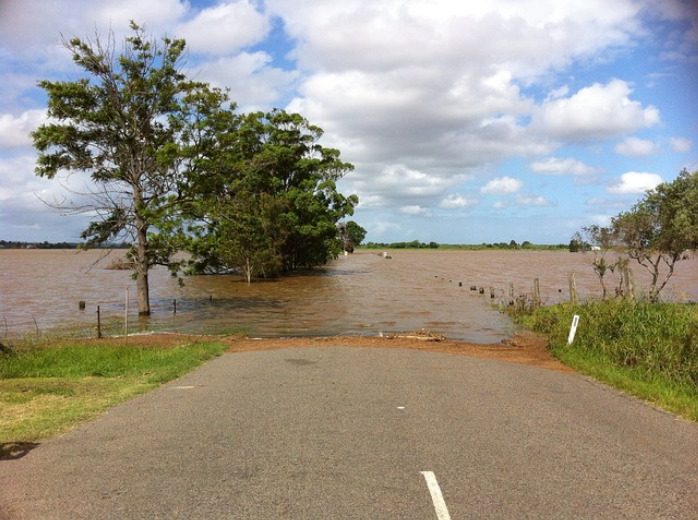
The signs are all around us. Economic indicators point not just to a looming recession but to the potential for a global depression, with rising inflation, mounting debt, and the specter of widespread job losses threatening to destabilize global markets. Geopolitical tensions are escalating, with the war drums beating louder each day. The potential for major global conflicts looms on the horizon, conflicts that could disrupt supply chains, trigger resource scarcity, and fundamentally alter the fabric of our daily lives. What do you think your current job or the local grocery store will look like in the face of a major global war? Climate change is leading to more frequent and severe natural disasters, straining infrastructure and displacing populations. The convergence of these factors suggests that we are heading into uncharted territory, a perfect storm of crises that could test our resilience like never before.
The Lukewarm Climate:
In the wake of the global pandemic, many people have developed a false sense of security. They look back on the challenges faced during that time and think, “It wasn’t so bad.” They recall the short-term inconveniences of empty grocery store shelves and the rush to stockpile essentials like toilet paper. As a result, they believe that by throwing a few extra rolls of toilet paper in the closet and storing a couple of cans of beans, they are adequately prepared for any future crisis. This mindset is dangerously shortsighted.
The Slow Boil:
Just like the frog in the slowly heating water, we risk becoming desensitized to the warning signs around us. The steady stream of negative news, from economic instability to social unrest and geopolitical tensions, can gradually fade into background noise. We adapt to each new challenge, convincing ourselves that we will get through it just as we have before. However, this mindset fails to recognize that the heat is steadily increasing, and the water is getting hotter.
The Danger of Complacency:
Complacency is the enemy of preparedness. When we become too comfortable with the status quo, we lose our sense of urgency and fail to take proactive steps to protect ourselves and our loved ones. We may dismiss the need for comprehensive emergency plans, neglect to acquire essential skills, or fail to stockpile adequate supplies. This leaves us vulnerable to the very real possibility that tougher times are on the horizon.
In the face of these gathering storms, it is crucial that we remain vigilant and proactive. We cannot afford to be lulled into a false sense of security by the relative calm of the present moment. Instead, we must be mindful of the harsh reality that lies ahead and take steps to prepare accordingly. This means developing comprehensive emergency plans, acquiring essential skills, and stockpiling supplies to weather any potential crisis.
Building Resilience:
True preparedness goes beyond simply hoarding goods. It requires building resilience on multiple levels – physical, mental, and emotional. We must cultivate the skills and knowledge necessary to adapt to changing circumstances, from growing our own food to navigating off-grid scenarios. We must also cultivate mental and emotional resilience, developing the fortitude to face adversity head-on and maintain a positive mindset in the face of challenges.
Community Preparedness:
No one can go it alone in a crisis. Building strong, resilient communities is essential to weathering any storm. This means fostering connections with like-minded individuals, sharing knowledge and resources, and working together to create mutual support networks. By pooling our skills and resources, we can create a safety net that will help us all navigate the challenges ahead.
The Importance of Perspective:
It’s easy to become overwhelmed by the magnitude of the challenges we face. However, it’s important to maintain a sense of perspective. Throughout history, humanity has faced and overcome countless crises. We are resilient, adaptable creatures, capable of incredible feats of courage and ingenuity in the face of adversity. By drawing on this inner strength and working together, we can rise to meet any challenge that comes our way.
An Urgent Call to Action
The time to prepare is now. We cannot afford to be complacent, to assume that the relative calm of the present moment will last forever. We cannot expect that Government will rush to our rescue with bail-out resources and policies to protect our families. Certainly, we pray for our leaders and vote for those who share our values – but, the reality is that we need to take action to prepare our families for the looming difficulties. We must heed the warning signs and take proactive steps to build our resilience and prepare for the challenges ahead. This means developing comprehensive emergency plans, acquiring essential skills, stockpiling supplies, building strong communities of mutual support, and conducting honest assessments of our current state of readiness.
The Family Preparedness Audit
One crucial step in the preparedness journey is conducting a family preparedness audit. This involves taking a hard, honest look at your current state of readiness and identifying areas for improvement. Ask yourselves questions like: Do we have enough food, water, and essential supplies to sustain us for an extended period? Do we have the skills and knowledge necessary to adapt to off-grid living if needed? Have we developed a comprehensive emergency plan that accounts for various scenarios? By conducting this audit and addressing any gaps in your preparedness, you can ensure that your family is as resilient as possible in the face of any crisis.
To wrap up: The analogy of the boiling frog serves as a powerful reminder of the dangers of complacency. We cannot afford to be lulled into a false sense of security by the lukewarm climate of the present moment. Instead, we must be mindful of the gathering storms on the horizon and take proactive steps to prepare. By building our resilience, cultivating essential skills, working together as communities, and honestly assessing our current state of readiness, we can weather any crisis that comes our way. The time to act is now, before the water gets too hot and it’s too late to jump out of the pot. Don’t be a prepper frog – be a resilient, proactive member of the preparedness community, ready to face whatever challenges lie ahead.

 Storing canned foods properly is a key aspect of preparedness. The first step is to ensure the cans are not damaged or dented, as this could compromise the food’s safety. Always store cans in a cool, dry place, away from direct sunlight. The ideal temperature is between 50 and 70 degrees Fahrenheit. Avoid storing canned goods near cleaning supplies or chemicals to prevent contamination.
 Storing food properly is an essential part of preparedness. The ideal conditions for food storage vary depending on the type of food, but there are general guidelines that can be followed.
 The Gathering Storm
 or Vigilance