Preserving food for long-term storage is a valuable skill, allowing you to extend the shelf life of seasonal produce and bulk purchases, ensuring a supply of food during shortages, emergencies, or simply for convenience.
Here are five of the best and easiest methods for long-term food preservation:
1. Canning
Canning is a popular method for preserving a wide variety of foods, including fruits, vegetables, meats, and seafood. This method involves placing foods in jars or cans and heating them to a temperature that destroys microorganisms and inactivates enzymes. After heating, the jars are sealed to create an airtight and sterile environment. Canning can be done in two ways: water bath canning, suitable for high-acid foods like fruits, tomatoes, and pickles; and pressure canning, needed for low-acid foods like vegetables, meats, and poultry.
Benefits:
Kills harmful bacteria and prevents spoilage.
Retains nutrients, especially those sensitive to oxygen.
Considerations:
Requires careful attention to sterilization and processing times to avoid the risk of botulism and other foodborne illnesses.
2. Freezing
Freezing is one of the simplest ways to preserve food. Nearly all foods can be frozen, including fruits, vegetables, meats, dairy products, cooked dishes, and bread. Freezing slows down the movement of molecules, causing microorganisms to enter a dormant state. This process preserves food by preventing the growth of bacteria, yeasts, and molds, and slowing down enzyme activity that causes food to spoil.
Benefits:
Maintains the quality and taste close to fresh.
Very easy and convenient, requiring minimal preparation.
Considerations:
Not all foods freeze well (e.g., creamy or custard-based items can separate and become grainy).
Requires consistent electricity supply to maintain storage conditions.
3. Drying
Dehydrating food removes moisture, which bacteria, yeasts, and molds need to thrive. This method is suitable for a variety of foods, including fruits, vegetables, meats (jerky), and herbs. Dried foods are nutrient-dense, lightweight, and easy to store. Methods include air drying, oven drying, and using a food dehydrator.
Benefits:
Reduces weight and volume, making storage and transport easier.
Long shelf life when stored in a cool, dark place.
Considerations:
Can change the texture and flavor of food.
Requires proper airtight packaging after drying to prevent moisture reabsorption.
4. Vacuum Sealing
Vacuum sealing involves removing air around food in a plastic bag or container before sealing it. This method is often used in conjunction with other preservation techniques, like freezing or refrigerating. By removing oxygen, vacuum sealing inhibits the growth of aerobic organisms and prevents oxidation, which can lead to spoilage and freezer burn.
Benefits:
Extends shelf life significantly when combined with refrigeration or freezing.
Reduces volume, saving space in storage.
Considerations:
Requires initial investment in a vacuum sealer.
Not suitable for all foods (e.g., soft cheeses and fresh vegetables without blanching).
5. Salt Curing and Smoking
Salt curing involves preserving food by adding salt, which draws moisture out through the process of osmosis. Smoking can be combined with curing to add flavor and further extend the shelf life by adding antimicrobial compounds from smoke. These methods are traditionally used for meats and fish.
Benefits:
Imparts unique flavors.
Effective at preserving without refrigeration.
Considerations:
Can be labor-intensive and requires careful handling to avoid excessive saltiness or under-curing, which can lead to spoilage.
Conclusion Each of these methods offers distinct advantages and considerations, and the choice of technique often depends on the type of food, available storage space, and personal preferences. Properly preserved foods can provide security and variety in your diet and are an excellent way to make the most of your food purchases. Whether you are a novice or experienced at food preservation, these methods can be adapted to suit various needs and preferences, ensuring your pantry is stocked with nutritious and enjoyable food year-round.
It is Hurricane season, and people who leave near coastal areas likely already have a Hurricane Emergency Preparedness plan. Local and National Government agencies along with insurance agencies, churches, and other non-profit and human service groups provide great information to help with Hurricane preparedness. If you live in an area that is sometimes affected by hurricanes, one of the most important things you can do to protect your family is to spend some time developing a plan. I know this, because I was ignorant and did not have a good plan in place and had to endure a terrible situation.
In 2004, my family lived in Southwest Florida and survived a direct and devastating encounter with Hurricane Charley. It was an event that changed our lives forever.
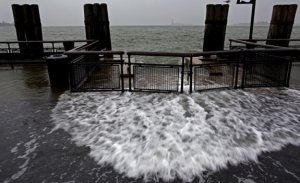
Like many people who lived in South Florida, we had basic supplies stored and ready in case we were impacted by a hurricane. We also had a general evacuation plan, but even with all the hurricanes we had encountered over the years we had never been forced or felt it necessary to evacuate. Living in Florida for years we kinda became numb to the warnings. Obviously, that was ignorant and cost us dearly.
As Charlie it made it’s way up the Florida coastline we were not in the projected path but when a sudden and dramatic turn occurred, Charlie now was barreling directly toward us with 150 mile-per-hour winds. It happened quickly and I’ll never forget the local news warnings that said “you do not have time to evacuate” so just do whatever you can to protect your life. That was a warning I hadn’t expected to hear.
Obviously, it was a pretty frantic time for our family. We grabbed the kids, huddled in a hallway, and pulled mattresses over us. As winds began quickly increasing, we could hear that damage was occurring all around us. Debris began to hammer our windows and doors as houses and structures were crushed by the fury of winds.
For several hours we were besieged by Charlie but the difficulty of that day lasted far beyond the brisk winds and heavy rains. In fact, the difficulty of that day still impacts us in profound ways.
I had always somewhat hoped to encounter a hurricane to see what it was like. Many people had talked about hurricane parties and the excitement of living through a hurricane. I was one of those people, and quickly found out how foolish I was when we were fearfully battling through the terrible storm.
The most difficult part of the hurricane came after the main force of Charlie had passed. Once the winds began to calm and we were able to emerge, we realized how fortunate we were to survive. Our roof had shifted (actually raised from the structure), our porch had collapsed, power lines were down all around us, and heavy debris was everywhere.
It was now time to deal with survival without electricity, and water. In sweltering 95 degree heat with no air conditioning, life was going to be rough. We were unable to travel because roads were littered with debris, but also there was no way of getting gas at stations without power.
For one week we battled without utilities, water, and other normal necessities. When gas stations To wrap up were able to open, people battled lines of traffic in order to fill their tanks and get fuel for generators. Fist fights broke-out because people were angry from their battles with terrible living conditions. National Guard units were called-in to patrol streets and maintain the peace.
The fact is, I thought my family was prepared for a hurricane. Turns out, we were only prepared to survive a minimal impacting storm. We had some food and water, but only for a few days.
Based on our difficult experience, I’d like to share some thoughts to help you better consider your hurricane preparedness plans.
If you live near the coast, you likely have a Hurricane There is nothing anyone can do when nature decides to leash out its fury. There is no way to stop it so people should heed the warnings, brace for the worse and seek shelter.
In order to minimize the loss of life, most towns and cities along coastlines have created emergency plans. Sirens are placed in strategic locations to announce a major evacuation; the emergency broadcast system is in place in the event that power and electricity has been cut off, and many agencies also stockpile food, water and medicine.
Those who live in the coastal communities will usually be battered by hurricanes. This happens between the months of June until November in the Atlantic and from May to November in the northern Pacific Ocean. When this is first spotted on radar, the forecaster will begin to inform the public about it. Obviously, hurricanes are erratic in their behavior, so it’s likely the trajectory path will not be very clear. There is no need to panic when your area is a potential target zone since weather conditions may change in the next few hours. But, begin planning and watch the system closely. If there are no improvements, it is time to activate your emergency procedures.
The hurricane may pack winds exceeding more than a 100 miles per hour which can make cars, pieces of metal, lawn furniture, trees, or wood cause severe damage to the home. It’s a good idea to board-up the windows and doors of the house with hurricane shutters and plywood. If you feel your home is secure enough and intend to stay in your home, you will need to get to the grocery store to stock up on food, water and other essentials. In addition to consumable items, you’ll also want to pick up candles, batteries for the radio and the flashlight, and fuel for the generator.
All of these things are necessary (especially water) to prevent dehydration. Water was the most essential item during our experience with Charley. People had purchased drinking water, but it simply was not enough for their needs. The sweltering heat (without air conditioning) created a far-greater need than most people had planned for. So, you will want to get plenty of water stored. In fact, you may want to fill every possible container (including the bathtub) to make certain you are able to last until utilities are restored.
Another vital item that must not be forgotten is a medical kit. This should have bandages and some antibiotics to be able to treat anyone who is ill or injured until the person can be taken to a medical facility for better treatment. If the hurricane is a devastating high-intensity storm, there may be a massive number of people overwhelming health-care facilities. Having a medical kit on hand for minor emergencies is essential.
Should the incoming hurricane be classified as a category 4 or 5, residents are advised to evacuate and seek higher ground. It will be a good idea to travel light so only a few pieces of clothing, food and water must be brought into the vehicle. It’s a good idea to have a bug-out bag (emergency backpack) always ready for a quick evacuation. In fact, you should pack several identical bags for each member of the family.
If you evacuate, you will want to leave plenty early. There will likely be heavy traffic so it is necessary to drive slowly and avoid panicking. You will not want to cause additional traffic delays by causing an accident.
The hurricane will pass within a few hours and depending on the severity of the damage you may be allowed to return home to assess damage. You’ll want to exercise extreme caution, as there will likely be broken glass or other sharp items that could cause you harm. In addition, snakes and other wild creatures may have been washed onto your property and will not be in a very good mood.
Emergency preparedness is key to properly dealing with a hurricane situation. People who live in a hurricane area typically know what to do, but may be numb to the constant warnings. Take it from a fortunate hurricane survivor and take the time to re-evaluate your hurricane preparedness plan. Also, those who are moving into the community should quickly prepare themselves and learn how to survive the onslaught of a hurricane.
My final suggestion is to rehearse your emergency preparedness plan to see if some improvements need to be made. Go through a quick evacuation plan. Practice procedures for staying in your home. You may also want to go so far as to cut off your electricity, water, and phone service to give you the full experience. This extra effort could save your life.
Imagine a day without running water. Not a temporary outage, but a complete, prolonged collapse of our water system. Can you picture it?
The reality is, our water systems aren’t infallible. From natural disasters to aging infrastructure, the risk of a water system collapse is more real than we’d like to admit.
This is not a doomsday prophecy, but a call for preparedness. In the following sections, we will delve deeper into understanding the potential causes, effects, and most importantly, the strategies to survive a water system collapse.
So, are you ready to navigate life if the taps run dry? Let’s explore this together, ensuring you’re well-equipped to face any water-related contingency that may arise in our unpredictable world.
What is the water system collapse?
A water system collapse refers to a catastrophic failure in the infrastructure that supplies water for consumption, sanitation, and other uses. This can be triggered by natural disasters, aging infrastructure, or even human error. When this happens, the availability of safe, clean water is significantly compromised, posing a major threat to public health and safety.
In the event of a water system collapse, the immediate effects can be dire. Without access to clean water, people are at risk of dehydration and waterborne diseases. Sanitation becomes a challenge, increasing the risk of outbreaks of diseases like cholera and typhoid. Moreover, firefighting efforts can be hampered, and industries that rely heavily on water can come to a standstill.
To prepare for a potential water system collapse, it’s important to have a water disaster plan in place. This includes storing enough water for drinking, cooking, and hygiene, as well as having a way to purify water if necessary. It’s also crucial to have a plan for how to dispose of waste safely to prevent the spread of disease.
In addition, being informed about the state of your local water system and the risks it faces can help you be better prepared. For instance, if you live in an area prone to earthquakes, you should be aware that these can damage water infrastructure and disrupt supply.
Remember, a water system collapse can have far-reaching consequences, affecting every aspect of life. Therefore, being ready for such a situation is a crucial part of disaster preparedness.
Understanding the potentiality of a water system collapse is crucial for survival. Stockpiling water is the first step. Experts recommend storing at least one gallon of water per person per day for a minimum of two weeks. This should cover both drinking and sanitation needs. Water storage containers should be food-grade and thoroughly cleaned before use.
Another critical aspect is learning how to purify water. Various methods can be used, including boiling, distillation, and chemical treatment. Having a water purification device on hand is also beneficial.
Knowledge of alternative water sources is also important. Rainwater, snow, and dew can be collected and purified for use. Rivers, lakes, and springs can also serve as water sources in an emergency.
Emergency preparedness should also include a plan for sanitation in the absence of running water. This might involve using portable toilets or digging latrines.
Remember, in a water system collapse, conserving water becomes paramount. Simple measures like not flushing toilets unnecessarily and avoiding activities that require large amounts of water can make a significant difference.
Ultimately, keep abreast of the latest water conservation and purification techniques. Knowledge is power, especially when it comes to survival.
In a world where water system collapse is a possibility, being prepared can make all the difference.
What are the signs of a water system collapse?
Noticing the signs of a potential water system collapse is crucial for preventive measures. One major indication is the presence of discolored water. This could be a sign of pipe corrosion or contamination, which can severely degrade the water system.
Another sign is a sudden change in water pressure. A significant drop could imply a leak or break in the system, while an increase might indicate a blockage.
Frequent water outages are another red flag. If your water supply is constantly being interrupted, it could mean that the water system is struggling to maintain its functionality.
The presence of unusual odors or tastes in your water is also a sign. This could indicate the presence of harmful bacteria or other contaminants.
To help you identify these signs, here are a few things to look out for:
1. Discolored water: Brown, yellow, or cloudy water can indicate pipe corrosion or contamination.
2. Changes in water pressure: Sudden drops or increases in water pressure can signal a leak or blockage in the system.
3. Frequent water outages: Regular interruptions in your water supply could be a sign of a struggling water system.
4. Unusual odors or tastes: If your water tastes or smells off, it could be due to bacteria or other contaminants.
By recognizing these signs early, you can take steps to prepare for a potential water system collapse, ensuring your family’s safety and well-being. Remember to seek professional help if you notice any of these signs, as handling water system issues can be complex and dangerous if not done correctly.
How can I store water for emergencies?
In the event of a water system collapse, storing water for emergencies becomes a matter of utmost importance. The first step involves identifying suitable containers for water storage. It’s recommended to use food-grade water storage containers, which are designed to prevent the growth of harmful bacteria.
Emergency water storage is not just about having enough quantity, but also ensuring the quality of water. Hence, it is essential to treat stored water to kill any pathogens. This can be done through boiling, distillation, or using water purification tablets.
Another critical factor to consider is the storage location. Ideally, water should be stored in a cool, dark place to prevent the growth of algae and bacteria. Also, remember to rotate your stored water every six months to keep it fresh and safe for consumption.
Here are a few steps you can follow for effective water storage:
Choose the right containers: Use food-grade water storage containers or cleaned, sanitized soda bottles.
Treat the water: Use water purification tablets or boil the water before storing.
Store in the right place: Keep the containers in a cool, dark place.
Rotate regularly: Replace stored water every six months.
In addition to storing water, you might want to consider installing a rainwater harvesting system. This can provide a sustainable water source when the regular water system fails.
Remember, water is a vital resource during emergencies. Having a well-thought-out plan for water storage can make the difference between survival and disaster in the event of a water system collapse.
What are the alternatives to a collapsed water system?
In the event of a water system collapse, it’s crucial to know the alternatives available for sourcing clean, drinkable water. One such option is rainwater harvesting, a sustainable method that collects and stores rainwater for future use. With proper filtration, this water can be used for drinking, cooking, and hygiene needs.
Another alternative is well water. If your location permits, drilling a well can provide a consistent source of water. However, this option requires regular testing to ensure the water’s safety.
Bottled water can also be a viable option, especially in the short term. It’s convenient and safe, but relying solely on bottled water can be costly and environmentally unfriendly.
If you live near a natural water source like a river or lake, it can serve as a water supply. However, it’s essential to purify this water before use to eliminate potential pathogens.
Furthermore, portable water filters and purification tablets have become increasingly popular for emergency preparedness. These devices can make almost any water source safe to drink, making them a valuable tool in a water system collapse scenario.
Lastly, solar stills are an innovative solution that uses the sun’s energy to evaporate and condense water, effectively purifying it. This method is especially useful in arid regions with abundant sunlight.
Each of these alternatives has its advantages and challenges, and the best choice will depend on your specific circumstances. However, having a plan in place and being prepared is the best defense against a potential water system collapse.
How long can I survive without water?
The human body is roughly 60% water, and this crucial substance plays a vital role in numerous bodily functions. Survival without water varies based on several factors, including the individual’s health, age, and the surrounding environment. However, experts generally agree that a person can only survive for about 3-5 days without water.
When the water system collapses, your body will start to dehydrate, leading to a series of health issues. Initial symptoms of dehydration include fatigue, dry mouth, and increased thirst. As the condition worsens, you may experience dizziness, rapid heartbeat, and even unconsciousness.
Preparation for a potential water system collapse should include storing safe drinking water. The U.S. Federal Emergency Management Agency (FEMA) recommends storing at least one gallon of water per person per day for at least three days. This supply should be enough to cover drinking and sanitation needs.
Water purification tablets
Portable water filters
Boiling
These methods can make unsafe water safe to drink, which can be a lifesaver in a situation where the water system has collapsed.
Remember, water isn’t just for drinking. It’s also necessary for cooking, cleaning, and sanitation. Therefore, it’s essential to consider all of these needs when preparing for a potential water system failure.
In the face of a water system collapse, understanding how long you can survive without water and knowing how to purify and store water can make a significant difference in your survival chances.
What are the risks of a water system collapse?
A water system collapse poses significant risks to human health, the economy, and the environment. One of the primary concerns is the lack of access to clean, safe drinking water. This can lead to dehydration, malnutrition, and the spread of waterborne diseases, such as cholera and typhoid fever.
Additionally, a collapse could disrupt essential services that rely on water, including hospitals, schools, and businesses. This can lead to economic instability and a decline in living standards.
From an environmental perspective, a water system failure could lead to uncontrolled sewage spills, causing severe pollution in rivers, lakes, and oceans. This can harm aquatic life and disrupt ecosystems.
The risks associated with a water system collapse are not limited to these areas, but also include:
Food production: Agriculture heavily relies on water for irrigation. A water system collapse could lead to crop failure and food shortages.
Energy production: Many power plants require water for cooling. A collapse could disrupt energy supplies, causing blackouts and hindering industrial processes.
Public health: Without a functioning water system, sanitation services would be compromised, leading to increased risk of disease outbreaks.
Understanding these risks is the first step towards preparing for a potential water system collapse. It’s crucial to have contingency plans in place, including water storage solutions, water purification methods, and alternative sources of water.
How can I purify water in emergencies?
In the event of a water system collapse, having the ability to purify water becomes a critical skill. Boiling water is the simplest and most effective method of purification. It eliminates bacteria, viruses, and parasites that can cause illness. Boil the water for at least one minute to ensure it’s safe to drink.
Chemical treatment, using chlorine or iodine, is another method. These chemicals kill most pathogens in the water. However, some parasites may be resistant. It’s important to follow the instructions on the packaging to ensure effective treatment.
A water filter is also a viable option. There are portable filters designed for emergency situations. They can remove bacteria, parasites, and often, chemicals. However, viruses are usually too small to be filtered out.
Ultraviolet light is an effective, though less common, method. Portable UV devices can kill bacteria, viruses, and parasites. However, they require a power source and may not be as effective in cloudy or turbid water.
Lastly, distillation is a method that involves boiling water and then collecting the condensed steam. This method can remove bacteria, viruses, parasites, and chemicals.
Remember, in an emergency, having multiple methods of water purification increases your chances of survival. Each method has its pros and cons, and the best option may depend on your specific situation.
To wrap up, understanding the concept of a water system collapse and recognizing its signs are crucial steps towards preparedness. It’s imperative to know how to store water for emergencies and be aware of alternatives to a collapsed water system. The human body can survive only a few days without water, which underscores the importance of this issue.
The risks associated with a water system collapse are severe and can impact our daily lives significantly. Hence, learning how to purify water in emergencies is a vital survival skill. Being prepared not only involves having the knowledge and resources but also being proactive in implementing these measures.
Looking ahead, advancements in technology and infrastructure may provide new solutions to these challenges. However, the possibility of a water system collapse remains a pertinent issue. Therefore, it’s essential to stay informed about developments and trends that could affect our water supply.
All in all, being ready for a water system collapse is not just about survival – it’s about taking responsibility for our lives and those of our loved ones. So, let’s take the lessons from this post and make sure we are prepared, come what may.
7 Clever Strategies to Prepare for Emergencies without breaking the bank.
When it comes to emergency preparedness, being ready does not have to mean breaking the bank. In today’s world, where uncertainties abound—from natural disasters to unforeseen economic troubles—it’s crucial to prepare in a way that’s both effective and economical. Here are seven top strategies to get your family prepared without overstretching your finances.
1. Start Small and Scale Up
The key to budget-friendly preparedness is starting small. Begin by assessing your current supplies before buying anything new. Often, items already in your home can be repurposed for emergency use. For example, candles, matches, blankets, and basic first aid supplies are common in many households. Each month, add one or two items to your emergency kit, spreading out the cost over time. This gradual approach minimizes financial strain and allows you to build a comprehensive kit without a significant upfront investment.
2. Take Advantage of Sales and Bulk Buying
One of the most effective ways to gather your supplies on a budget is to shop sales and buy in bulk. Non-perishable food items, such as canned goods, rice, and pasta, often go on sale and can be stored for extended periods. Watch for discounts and promotions at local grocery stores or wholesale clubs where you can buy larger quantities at lower prices. Remember, the goal is to accumulate a diverse array of foods to sustain your family for several days or even weeks if necessary.
3. DIY Where Possible
There are numerous DIY projects for emergency preparedness that can save money. For instance, instead of buying expensive ready-made emergency kits, create your own. Assemble a basic first aid kit using common household items such as band-aids, antibacterial ointment, and over-the-counter medications. You can also make your own water filters or learn to purify water with bleach. Not only is DIY more budget-friendly, but it also ensures you know exactly what’s in your supplies and how to use them.
4. Leverage Community Resources
Often, local community centers, fire departments, or health departments offer free or low-cost training sessions on various aspects of emergency preparedness, such as CPR, first aid, and disaster response strategies. These resources can be invaluable and help you prepare without spending much money. Additionally, community groups or online platforms often organize swap meets where you can trade items with neighbors, allowing you to diversify your emergency supplies at no additional cost.
5. Focus on Multipurpose Items
When purchasing supplies, prioritize items that serve multiple purposes to maximize your investment. For example, duct tape and bungee cords are versatile tools that can be used in various scenarios, from repairs to securing items. Similarly, choose foods that can be used in multiple recipes. This approach not only saves money but also reduces the storage space needed for your supplies.
6. Plan for Natural Solutions
Nature offers a plethora of resources that can be tapped into during emergencies. Learn about local edible plants and natural medicine, which can supplement your food and medical supplies. Also, consider natural water sources near your home and methods for purification. Knowledge about your local environment can be a lifesaver and is completely free.
7. Educate and Practice Regularly
The most crucial aspect of emergency preparedness is knowledge. Educate yourself and your family about potential disasters in your area and have regular discussions about what to do in different scenarios. Practice evacuation routes, communication plans, and safety procedures. The more familiar these plans are, the better you will manage in real situations, ensuring that your preparation is not only cost-effective but also life-saving.
Conclusion
Preparing for emergencies does not need to be an expensive endeavor. With thoughtful planning, strategic purchasing, and a focus on education, you can ensure that your family is well-prepared without overspending. Remember, the goal of emergency preparedness is to provide peace of mind and safety for your family. By employing these budget-friendly strategies, you’re not just saving money—you’re building resilience and security in an unpredictable world.
Natural disasters can strike at any time, leaving behind a trail of destruction and devastation. From hurricanes to earthquakes, wildfires to floods, the impact of these events can be catastrophic. That’s why it’s crucial to be prepared for the worst-case scenario. Disaster preparedness is not just about stocking up on supplies; it’s about having a plan in place to ensure your safety and the safety of those around you.
In today’s world, disaster preparedness has become more critical than ever. With the ongoing pandemic, wildfires, and hurricanes, it’s essential to be ready for any eventuality. However, many people are not adequately prepared, which can lead to disastrous consequences. That’s why it’s crucial to start taking steps now to ensure you are ready for any emergency.
Being prepared for a disaster involves more than just having a kit ready. It’s about understanding the risks in your area, having a plan in place for evacuation, and knowing how to communicate with your loved ones. It’s also about having the necessary supplies, such as food, water, and medicine, to sustain you and your family for several days.
In this introductory article, we’ll explore the different aspects of disaster preparedness, from creating a plan to stocking up on supplies. We’ll also discuss the importance of staying informed and the role technology plays in disaster preparedness. By the end of this article, you’ll have a better understanding of what it takes to be prepared for any disaster. So, let’s get started!
Disaster Preparedness FAQs
What is disaster preparedness?
Disaster preparedness is the process of taking steps to minimize the damage caused by natural or man-made disasters. It involves developing plans, gathering supplies, and training individuals to respond effectively in emergency situations.
Why is disaster preparedness important?
Disaster preparedness is important because it can save lives and reduce the impact of disasters on communities. By being prepared, individuals and communities can minimize the damage caused by disasters and recover more quickly.
What should I include in my disaster preparedness kit?
Your disaster preparedness kit should include basic supplies such as water, non-perishable food, a first aid kit, and a flashlight. You may also want to include items such as a radio, extra batteries, and a whistle.
How can I prepare my home for a disaster?
To prepare your home for a disaster, you should secure loose objects, such as furniture and appliances, that could become hazards during a disaster. You should also make sure that your home is equipped with smoke detectors, fire extinguishers, and carbon monoxide detectors.
What should I do during a disaster?
During a disaster, you should stay informed by listening to the radio or television for updates. You should also follow the instructions of local authorities and evacuate if necessary.
How can I help others during a disaster?
To help others during a disaster, you can volunteer with local organizations that provide disaster relief. You can also donate money or supplies to these organizations to support their efforts.
Remember, disaster preparedness is an ongoing process. By staying informed, developing plans, and practicing emergency procedures, you can help protect yourself and your community from the devastating effects of disasters.
Emergency Kit
In times of disaster, having an emergency kit can be the difference between life and death. It’s essential to have a well-stocked kit ready to go at a moment’s notice. Here are some essential items to include in your emergency kit.
Water is the most crucial item to have in your kit. You should have at least one gallon of water per person per day for at least three days. It’s also a good idea to have water purification tablets or a water filter in case your supply runs out.
Non-perishable food items are also essential. Canned goods, energy bars, and dried fruits are all good options. Make sure to include a manual can opener as well.
A first aid kit is crucial in any emergency situation. Your kit should include bandages, antiseptic, tweezers, and any prescription medications you or your family members may need.
Flashlights, batteries, and a portable radio are also important items to include in your kit. You’ll need a way to stay informed of any updates or evacuation orders.
Extra clothing, blankets, and sturdy shoes are also essential. You never know when you may need to evacuate your home quickly.
To wrap up, make sure to include important documents such as passports, insurance policies, and birth certificates in a waterproof container.
Preparing an emergency kit may seem like a daunting task, but it’s essential for your safety and well-being. Take the time to gather these essential items and keep them in a designated location where they can be easily accessed in an emergency.
Evacuation Plan
In times of disaster, having an evacuation plan can mean the difference between life and death. It is crucial to be prepared for the worst-case scenario and have a plan in place for a quick and safe evacuation.
The first step in creating an evacuation plan is to identify potential hazards in your area. This could include natural disasters such as earthquakes, hurricanes, or floods, or human-made disasters such as fires or terrorist attacks. Once you have identified the potential hazards, you can begin to create a plan that addresses each specific scenario.
Your plan should include a designated meeting place for your family or household members, as well as a communication plan. Make sure everyone knows how to reach each other in case of an emergency and has a list of emergency contacts. It is also important to have a backup plan in case your primary meeting place is inaccessible.
When creating your evacuation plan, consider the needs of everyone in your household, including pets and individuals with disabilities. Make sure you have a plan in place for their safe evacuation as well.
Practice your evacuation plan regularly with your family or household members. This will help ensure that everyone knows what to do in case of an emergency and can evacuate quickly and safely.
Remember, disasters can strike at any time, so it is important to be prepared. By creating an evacuation plan and practicing it regularly, you can help keep yourself and your loved ones safe in the event of a disaster.
Communication Plan
In times of disaster, communication is critical. A well-planned communication strategy can help you stay connected with your loved ones, receive timely updates, and seek assistance. Here are some tips to help you create a communication plan.
Identify your emergency contacts: Make a list of emergency contacts, including family members, friends, and neighbors. Ensure that everyone on the list has a copy of the plan and knows their role.
Choose a communication method: Consider using multiple communication methods, such as text messages, phone calls, email, or social media. Choose a primary method and a backup method in case the primary method fails.
Establish meeting points: Identify safe meeting points in case you get separated from your loved ones. Choose locations that are easily accessible and familiar to everyone.
Stay informed: Keep a battery-powered or hand-crank radio, and listen to local news and weather updates. Follow official social media accounts of emergency services and local authorities for updates.
Practice your plan: Conduct regular drills to test your communication plan. Make adjustments as needed, and ensure that everyone knows what to do in case of an emergency.
In closing, a communication plan is an essential part of disaster preparedness. By following these tips, you can ensure that you stay connected with your loved ones and receive timely updates during a crisis. Remember to practice your plan regularly and make adjustments as needed. Stay safe!
Sheltering in Place
When disaster strikes, it’s important to have a plan in place for sheltering in place. Whether you’re facing a natural disaster like a hurricane or tornado, or a man-made disaster like a chemical spill or terrorist attack, being prepared can mean the difference between life and death.
The first step in sheltering in place is to assess your surroundings. Look for a room in your home or office that has no windows or exterior doors, and that can be easily sealed off from the rest of the building. This room should be stocked with emergency supplies like food, water, and first aid supplies.
Once you’ve identified your shelter, it’s important to seal it off as quickly as possible. This can be done with duct tape and plastic sheeting, or with specially designed shelter-in-place kits. Make sure that all vents and other openings are sealed off as well, to prevent the entry of airborne contaminants.
Once you’re safely sheltered, it’s important to stay there until it’s safe to leave. This may mean staying put for several hours or even days, depending on the nature of the disaster. Make sure to monitor the news and stay in contact with emergency services, so that you can stay informed about the situation and any updates.
All in all, sheltering in place is an essential part of disaster preparedness. By taking the time to identify a safe shelter and stock it with emergency supplies, you can protect yourself and your loved ones in the event of a disaster. Remember to stay calm and stay informed, and you’ll be better prepared to weather any storm.
Insurance Coverage
When it comes to disaster preparedness, insurance coverage is a crucial aspect that should not be overlooked. Natural disasters such as hurricanes, earthquakes, and wildfires can cause extensive damage to homes and properties, leaving individuals and families struggling to recover without proper insurance coverage.
Homeowners insurance is a common type of insurance that provides coverage for damages caused by natural disasters such as hurricanes, tornadoes, and wildfires. However, it’s important to note that certain disasters may not be covered under a standard policy, such as floods and earthquakes. In these cases, additional coverage may be necessary to ensure adequate protection.
Flood insurance is a specific type of insurance that provides coverage for damages caused by floods, which are not typically covered under a standard homeowners insurance policy. This type of insurance is particularly important for individuals living in flood-prone areas, as even a few inches of water can cause significant damage to a home.
Earthquake insurance is another type of insurance that provides coverage for damages caused by earthquakes. This type of coverage is essential for individuals living in areas with a high risk of earthquakes, such as California.
In addition to homeowners insurance, individuals should also consider purchasing renters insurance or condo insurance, depending on their living situation. These types of insurance provide coverage for personal belongings and liability in the event of a natural disaster.
Overall, insurance coverage is a critical component of disaster preparedness. By ensuring that you have adequate coverage for potential natural disasters, you can protect your home, your belongings, and your financial future.
Pet Preparedness
As a pet owner, it’s important to include your furry friends in your disaster preparedness plan. Whether it’s a natural disaster or a sudden emergency, having a plan in place can help keep your pet safe and reduce stress for both you and your pet.
First and foremost, make sure your pet is wearing identification at all times. This can include a collar with tags or even a microchip. In the event that you and your pet become separated, this will increase the chances of being reunited.
Next, make an emergency kit for your pet. This should include food, water, medications, and any necessary supplies such as a leash, litter box, or crate. Keep this kit in an easily accessible location and make sure to rotate out any expired items.
It’s also important to have a designated safe space for your pet. This could be a room in your home or a crate that your pet is familiar with. Make sure to practice going to this space with your pet so they are comfortable and know what to expect in an emergency.
If you need to evacuate, have a plan for your pet as well. Research pet-friendly hotels or shelters in your area and keep a list of their contact information. If you have to leave your pet behind, make sure to leave enough food and water for several days and inform a trusted neighbor or friend.
By including your pet in your disaster preparedness plan, you can help ensure their safety and well-being during an emergency. Remember to regularly review and update your plan as needed to ensure its effectiveness.
Community Resources
When it comes to disaster preparedness, it’s important to know what resources are available in your community. Whether it’s a natural disaster like a hurricane or a man-made disaster like a terrorist attack, having access to resources can make all the difference in how you and your family fare in the aftermath.
One of the first resources to consider is your local emergency management agency. They can provide information on evacuation routes, emergency shelters, and other important details specific to your area. It’s also a good idea to have a copy of your community’s emergency plan, which should outline what steps to take in the event of a disaster.
Another valuable resource is your community’s medical facilities. In the aftermath of a disaster, medical care may be in high demand, so it’s important to know where to go and what services are available. It’s also a good idea to have a first aid kit and other medical supplies on hand in case of an emergency.
Community organizations such as the Red Cross can also be a great resource in times of disaster. They provide emergency shelter, food, and other assistance to those in need. Local churches and other religious organizations may also provide assistance in the aftermath of a disaster.
In closing, it’s important to know your neighbors and build a sense of community. In times of disaster, neighbors can help each other with everything from clearing debris to sharing resources. Building relationships with your neighbors can make all the difference in how well you and your community fare in the aftermath of a disaster.
To wrap up, knowing what resources are available in your community can be critical in times of disaster. From emergency management agencies to community organizations, there are a variety of resources that can help you and your family in the aftermath of a disaster. By being prepared and knowing what resources are available, you can increase your chances of weathering the storm.
In closing, disaster preparedness is a critical aspect of ensuring the safety and well-being of individuals and communities in the face of unexpected emergencies. Throughout this post, we’ve covered a range of important topics related to disaster preparedness, including FAQs, emergency kits, evacuation plans, communication plans, sheltering in place, insurance coverage, pet preparedness, and community resources.
By having a solid understanding of these topics, individuals can take proactive steps to prepare for potential disasters and minimize their impact. From creating an emergency kit to developing a communication plan with loved ones, there are many actionable tips and advice that readers can implement in their own lives to improve their level of preparedness.
Looking ahead, it’s important to stay informed about any future developments or trends that may impact disaster preparedness. Whether it’s new technologies or changing weather patterns, being aware of these factors can help individuals and communities stay one step ahead.
We want to thank you for taking the time to read this post and encourage you to leave any comments or feedback. Remember, disaster preparedness is something that we all need to take seriously, and by working together, we can ensure a safer and more resilient future for ourselves and our communities.
It’s not always an encouraging topic, but the reality is we need to be aware and PREPARE. With that, let’s discuss the topic of Preparing for Domestic Terrorism and Political Violence in the U.S.
In today’s world where domestic terrorism and political violence pose a significant threat in the United States it is crucial for citizens to be well informed and prepared. This comprehensive guide provides practical advice along with strategies that will help you stay safe, vigilant, and resilient when faced with such threats.
Understanding the nuances between domestic terrorism and political violence is crucial before diving into preparedness strategies. Domestic terrorism refers to acts of terror committed by citizens or permanent residents against their own government or fellow countrymen while political violence encompasses a wider range of violent actions motivated by politics – from protests turned deadly to targeted attacks on politicians.
To ensure effective preparation for potential threats it’s essential that we have an accurate understanding of these terms.
Keep Up To Date
Staying informed is key when it comes to preparedness. Keep tabs on trusted news sources and official government updates regularly so you can stay abreast of any potential threats or escalating situations that could lead to violence. This will help ensure your safety during times of uncertainty.
Identify Red Flags
Recognizing and understanding the warning signs of impending violence is crucial for staying safe. This includes recognizing unusual behaviors or threats made in person or on social media, suspicious packages found lying around public spaces as well as individuals acting erratically within them. If something seems off its always better to err on caution by reporting it immediately to authorities rather than ignoring it altogether.
Create a Safety Plan
A personal safety plan is an essential component of keeping yourself and loved ones safe. This should include strategies for leaving your home or workplace quickly as well as designated meeting points in case something goes wrong. Don’t forget to share this information with everyone involved so they know what steps to take if needed.
Emergency Communication Plan – What You Need To Know
When crisis strikes its essential to have a reliable communication plan in place with those closest to you. Traditional methods may not always be available so consider alternative options such as text messaging, social media or emergency specific apps for efficient and effective contact during difficult times.
Mental and Physical Preparedness – 5 Tips
Preparing for emergencies transcends the realm of plans and provisions; it’s a holistic approach encompassing both mental agility and physical readiness. Here are five crucial tips to fortify your mental and physical preparedness:
Regular Exercise and Fitness: Physical stamina and strength are your allies in times of crisis. Engage in regular exercise that simulates real-life scenarios, such as hiking with a packed bag or practicing sprints. This not only builds endurance but also prepares your body to handle the physical demands during emergencies.
Mental Rehearsal and Visualization: Visualize various crisis scenarios and rehearse your response mentally. This practice, often used by athletes and professionals, enhances mental resilience, ensuring you’re mentally equipped to make swift, calm decisions under pressure.
Skills Training: Equip yourself with essential survival skills such as first aid, self-defense, or emergency navigation. Regular practice ensures these skills become second nature, enabling you to act effectively and confidently when every second counts.
Mindfulness and Stress Management: Incorporate mindfulness practices such as meditation or yoga into your routine. These techniques are instrumental in managing stress, enhancing focus, and maintaining emotional balance amidst chaos, ensuring you remain composed and clear-headed during a crisis.
Nutrition and Rest: A well-nourished body and mind are crucial for peak performance. Maintain a balanced diet rich in essential nutrients to fuel your body. Prioritize sleep and rest to ensure your mind and body are well-rested and ready to face challenges with vigor and clarity.
By integrating these tips into your daily life, you can elevate your readiness, ensuring you’re physically robust and mentally sharp, turning you into a resilient force ready to face any emergency.
Home Security Measures You Can Take
Transform your home into a safer haven by enhancing its security measures. This can include installing state of the art security systems, ensuring all doors and windows are locked tightly shut at night and being cautious about who enters or exits through them during the daytime too. With these precautions in place you’ll feel more confident knowing that your loved ones are protected from harm within their own four walls.
Community Involvement
Be proactive about keeping your community safe by participating in local safety initiatives. Community watch programs and workshops provide valuable knowledge while also fostering a sense of unity against potential threats. Don’t miss out on these opportunities to make a difference!
Basic First Aid and Self-Defense – 8 Essentials
In times of crisis having basic first aid and self defense knowledge can be indispensable. Its worthwhile investing in courses that teach these skills as they could make all the difference during an emergency situation.
Emergency Kits – What You Need To Know
When disaster strikes its essential to have an emergency kit on hand with essentials like water, non perishable foods, a first aid kit and important documents. A flashlight is also necessary for navigating dark spaces during power outages or other crises. By having everything you need in one place – known as a go bag- you can save valuable time when seconds count most! Don’t wait until it’s too late; prepare now by creating your own customized emergency kit today.
Beware of Misinformation
When crisis strikes misinformation can quickly spread like wildfire. To avoid falling prey to falsehoods or propagating them yourself verify all information through official sources before taking any action or sharing it with others.
Conclusion
Domestic terrorism and political violence are unfortunate realities that we must face in todays world. However living in fear is not the answer – instead being informed about potential risks having a plan of action ready at hand and actively participating within your community’s safety measures can help you contribute towards both personal security as well as overall resilience against such threats. Remember that preparedness requires continuous effort; staying vigilant through regular updates on any developments related to these issues while taking proactive steps will enable us all to navigate successfully through this complex period.

 Like many people who lived in South Florida, we had basic supplies stored and ready in case we were impacted by a hurricane. We also had a general evacuation plan, but even with all the hurricanes we had encountered over the years we had never been forced or felt it necessary to evacuate. Living in Florida for years we kinda became numb to the warnings. Obviously, that was ignorant and cost us dearly.