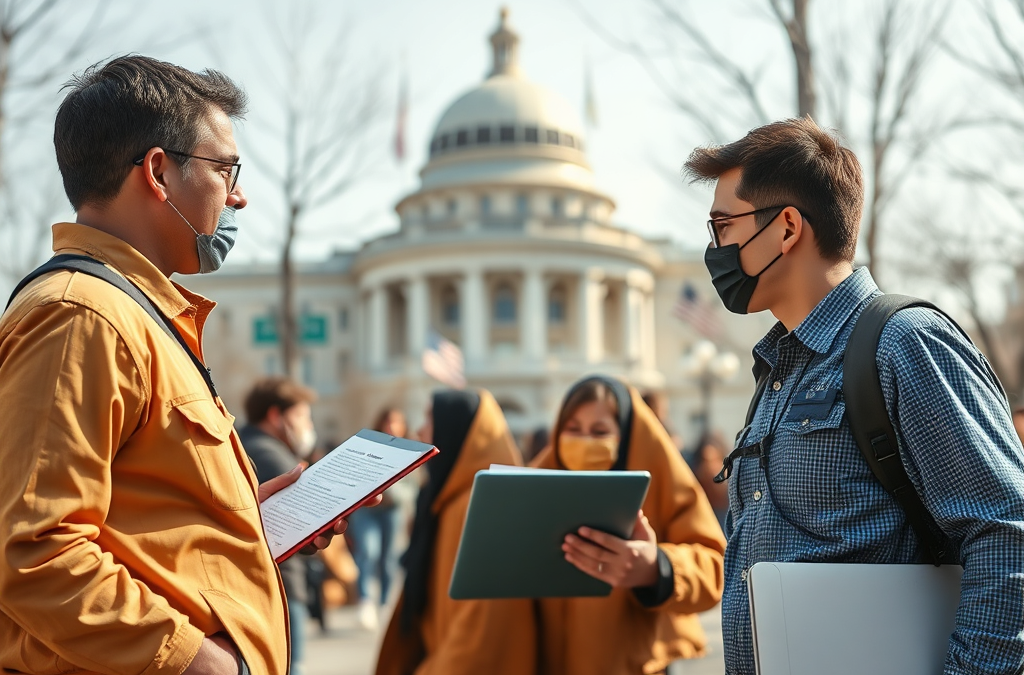
During crises, identifying official sources of information is paramount for accuracy and reliability. Government agencies, such as the Centers for Disease Control and Prevention (CDC) or the World Health Organization (WHO), often provide updates and guidelines that are based on scientific research and expert consensus. These organizations have established protocols for disseminating information, ensuring that what you read is credible and timely.
Moreover, local government websites can provide specific information relevant to your area, including emergency alerts, safety protocols, and resources available to the public. It’s essential to bookmark these official sites and check them frequently, especially during rapidly evolving situations like natural disasters or public health emergencies.
However, simply relying on government sources isn’t enough. Be aware of the potential for changes in information as new data becomes available. For instance, during a public health crisis, guidelines may shift as more research is conducted. Therefore, staying updated is crucial, and understanding how to interpret the information provided is equally important.
Utilizing Trusted News Outlets
Trusted news outlets play a vital role in providing real-time updates during crises. Major news organizations often have dedicated teams for crisis reporting, ensuring that the information is not only accurate but also contextualized. Look for news organizations that follow journalistic standards, such as fact-checking and sourcing from experts.
When assessing a news outlet, consider its reputation and history of reliability. Established outlets like BBC, Reuters, or Associated Press have a long-standing commitment to factual reporting. Pay attention to the tone and language used in the articles; sensationalist headlines may indicate a lack of reliability.
Another important aspect is to check the reporting against multiple sources. If a significant event occurs, it’s beneficial to see how different outlets report on it. This can help you identify any discrepancies and understand the broader context of the information being presented.
Cross-Verification Techniques
Cross-verification is a crucial technique for ensuring the information you receive is reliable. This involves comparing information from multiple sources to confirm its accuracy. Start by checking official sources and then look for corroborating reports from trusted news organizations.
Fact-checking websites like Snopes or FactCheck.org can also serve as valuable resources. They analyze claims and provide evidence-based assessments of their accuracy. When using these sites, be sure to check the publication date, as older fact checks may no longer be relevant in fast-changing situations.
Additionally, social media platforms can be useful for real-time updates, but they require caution. Verify any information found on social media by tracing it back to credible sources. Many platforms have tools to help users identify verified accounts, which can reduce the risk of spreading misinformation.
Understanding Misinformation and Disinformation
Understanding the difference between misinformation and disinformation is essential during crises. Misinformation refers to false or misleading information shared without malicious intent, while disinformation is deliberately false information intended to deceive. Both can spread rapidly, especially through social media and word-of-mouth.
To combat these issues, be skeptical of information that seems sensational or lacks credible sourcing. Check the author’s credentials and the publication’s reputation. Look for signs of bias or agendas that may influence how information is presented.
Being informed also means recognizing your own biases. Acknowledge how personal beliefs can affect your perception of information and strive to seek out diverse perspectives. This can help you remain objective and make more informed decisions based on the most reliable information available.
For those looking to deepen their understanding of reliable information sources during crises, consider checking reputable organizations’ websites or publications. Resources from government agencies, health organizations, and established news outlets can provide crucial insights and updates.
Frequently Asked Questions
What are the best sources for crisis information?
The best sources include official government websites, recognized health organizations like the CDC or WHO, and established news outlets that adhere to journalistic standards.
How can I verify information I find online?
Verify information by cross-referencing multiple reputable sources, checking fact-checking websites, and ensuring the information is current and from credible authors.
What should I do if I find conflicting information?
When faced with conflicting information, check the credibility of the sources, look for consensus among trusted outlets, and consult fact-checking platforms for clarity.
How can social media be a source of misinformation?
Social media can spread misinformation quickly due to the lack of rigorous fact-checking, the viral nature of content, and the potential for users to share unverified claims.
Why is understanding biases important in crisis information?
Understanding biases is crucial because they can affect how information is interpreted, leading to misjudgments. Being aware of your biases helps in seeking diverse perspectives for a more accurate understanding.
Further Reading
Authoritative Sources
Library of Congress Research Guides guides.loc.gov
Research guides that help readers locate reliable background sources on a wide range of subjects
USA.gov Official Information and Services usa.gov
Official U.S. government information and public resources for practical reference
Google Scholar scholar.google.com
Academic search resource for finding research literature and source material
Conclusion
Finding reliable sources of information during crises is critical for making informed decisions. By prioritizing official channels, utilizing trusted news outlets, and employing cross-verification techniques, you can enhance your ability to discern accurate information. Understanding the nuances of misinformation and disinformation will further equip you to navigate the complexities of information during challenging times. Stay proactive, critical, and open-minded to ensure you are well-informed and prepared.
Understanding the Importance of Emergency Preparedness
Emergency preparedness is crucial for ensuring the safety and well-being of individuals and families during unexpected situations. It involves anticipating potential risks and taking proactive measures to mitigate their impact. By understanding the types of emergencies that may arise—be it natural disasters like hurricanes and earthquakes, or human-made crises such as pandemics—you can better equip yourself to respond effectively. The first step in this process is assessing your unique situation and identifying specific risks associated with your location.
Many individuals underestimate the likelihood of emergencies or believe that they will never face a crisis. This misconception can lead to inadequate preparation, which can have dire consequences. For instance, those who live in flood-prone areas may find themselves unprepared when a sudden storm strikes, resulting in property damage and personal danger. By taking the time to prepare, you can significantly reduce the risks and improve your chances of a successful outcome.
Key Elements of an Emergency Plan
A well-structured emergency plan is the backbone of effective preparedness. This plan should encompass various aspects, including communication, evacuation, and resource management. First, designate a family meeting point and establish a communication strategy that enables everyone to stay connected during a crisis. This might include sharing contact information, using group messaging apps, or setting up a designated emergency contact outside the immediate area.
Next, outline evacuation routes that are easily accessible and safe. Familiarize all family members with these routes and consider potential obstacles that may arise during an emergency. It’s also essential to identify local shelters and understand the resources available in your community.
Incorporating a risk assessment into your plan can help prioritize actions based on the specific threats you face. For example, if wildfires are a concern, your plan should include steps for quickly evacuating pets and important documents. Regularly revisiting and updating your plan will ensure that it remains relevant and effective.
Essential Supplies for Emergencies
Having the right supplies on hand can make all the difference during an emergency. Begin by creating a comprehensive emergency supply kit that includes items such as non-perishable food, water, medications, a first-aid kit, flashlights, batteries, and hygiene products. The American Red Cross recommends having enough supplies to last at least three days for each person in your household.
In addition to the basics, consider including specialized items tailored to your family’s needs, such as baby formula, pet food, or equipment for individuals with disabilities. Regularly check and update your supplies, replacing expired items and ensuring that everything is in working order.
A common mistake is underestimating the importance of having a portable charger for your mobile devices. In emergencies, communication can be vital, and having a charged phone can facilitate contact with emergency services and loved ones. Store important documents, such as insurance papers and identification, in a waterproof container within your kit for easy access during a crisis.
Practicing Your Emergency Plan
Preparation is not complete without practice. Regularly conducting drills with your family helps reinforce the emergency plan and ensures that everyone knows their roles and responsibilities. Schedule at least two practice sessions per year, simulating different scenarios to test your plan’s effectiveness.
During these drills, assess how quickly your family can evacuate the home, communicate their whereabouts, and access emergency supplies. Identify any areas for improvement and make necessary adjustments to your plan. Engaging children in these drills can also help them understand the importance of preparedness and encourage them to take the process seriously.
Another valuable aspect of practicing your plan is fostering a sense of confidence among family members. When everyone feels equipped to handle emergencies, the overall response becomes more organized and effective. Make it a family event; this not only educates but also strengthens family bonds through shared responsibility.
Frequently Asked Questions
What should I include in my emergency supply kit?
Your emergency supply kit should include non-perishable food, water, first-aid supplies, medications, hygiene products, a flashlight, batteries, and a portable charger.
How often should I update my emergency plan?
It's recommended to review and update your emergency plan at least once a year or whenever significant changes occur in your household or community.
Why is practicing my emergency plan important?
Practicing your emergency plan ensures that all family members know their roles and responsibilities, which can lead to a more organized and effective response during an actual emergency.
What types of emergencies should I prepare for?
Prepare for various emergencies, including natural disasters (earthquakes, floods, hurricanes) and human-made situations (pandemics, chemical spills). Assess local risks to tailor your preparation.
How can I involve my children in emergency preparedness?
Involve children by explaining the importance of emergency preparedness, engaging them in creating the emergency plan, and practicing drills together to help them understand their role.
Further Reading
Authoritative Sources
Library of Congress Research Guides guides.loc.gov
Research guides that help readers locate reliable background sources on a wide range of subjects
USA.gov Official Information and Services usa.gov
Official U.S. government information and public resources for practical reference
Google Scholar scholar.google.com
Academic search resource for finding research literature and source material
Conclusion
Effective preparation for unexpected emergencies involves creating a detailed plan, gathering essential supplies, and practicing regularly with your family. By understanding the risks you face and taking proactive steps, you can significantly enhance your readiness and resilience. Start today by assessing your situation, developing your emergency plan, and ensuring everyone knows their role in keeping your household safe during a crisis.
Understanding the Importance of a Visual Emergency Plan
A visual emergency plan is a crucial tool for families to navigate potential crises effectively. By providing a clear, graphical representation of emergency procedures, families can quickly understand the necessary actions to take during a disaster. Such plans help reduce panic, streamline communication, and ensure that all members know their roles and responsibilities.
During emergencies, time is of the essence. A well-designed visual plan minimizes confusion and allows families to act swiftly, which can be critical in situations like natural disasters, fires, or other emergencies. Furthermore, visual aids cater to diverse learning styles, making the information accessible to everyone, including children and individuals with cognitive challenges.
Key Components of a Visual Emergency Plan
When creating a visual emergency plan, several key components must be included to ensure its effectiveness:
Escape Routes: Clearly mark primary and secondary escape routes from each room in the home. Use arrows and symbols to illustrate paths to safety.
Meeting Points: Designate safe meeting locations both inside and outside the home. These should be easily identifiable landmarks where family members can regroup after evacuating.
Emergency Contacts: Include a list of critical contacts, such as local emergency services, family members, and neighbors. Use icons or symbols to represent each contact for quick recognition.
Safety Equipment Locations: Indicate where fire extinguishers, first aid kits, and other emergency supplies are located within the home.
Instructions for Specific Scenarios: Provide tailored instructions for various emergencies, such as fires, earthquakes, or severe weather events, using visuals to enhance understanding.
Incorporating these components ensures that the visual emergency plan is comprehensive and serves its intended purpose effectively.
Steps to Create Your Visual Emergency Plan
Creating a visual emergency plan involves several steps that can be tailored to fit your family’s specific needs:
Assess Your Home: Walk through your home to identify potential hazards and assess the best escape routes from each room. Look for obstacles that may impede safe evacuation.
Gather Materials: Collect materials to create your visual plan, such as poster boards, markers, and symbols. You can also use digital tools or templates to design your plan.
Draw the Layout: Start by sketching the layout of your home, marking each room and exit. Use clear symbols for doors, windows, and emergency supplies.
Incorporate Visual Elements: Use colors, symbols, and arrows to make the plan easy to understand. Ensure that the layout is visually appealing and engaging for all family members.
Review and Practice: Once the plan is complete, review it with all family members, explaining each section. Conduct practice drills to ensure everyone knows what to do in case of an emergency.
Following these steps will help you develop a practical and effective visual emergency plan tailored to your family’s needs.
Common Mistakes to Avoid
While creating a visual emergency plan, it’s essential to avoid common pitfalls that can undermine its effectiveness:
Overcomplicating the Design: A cluttered or overly complex visual plan can confuse family members. Keep the design simple and focused on essential information.
Neglecting to Update the Plan: As family dynamics change, so should the emergency plan. Regularly review and update it to reflect any changes in your home or family structure.
Failing to Practice: Creating a plan is only half the battle; practicing it is crucial. Schedule regular drills to ensure everyone is familiar with the procedures and can act quickly during an emergency.
Ignoring Individual Needs: Consider the unique needs of each family member, including children and those with disabilities. Ensure the plan accommodates everyone’s abilities and understanding.
Avoiding these mistakes will enhance the effectiveness of your visual emergency plan and ensure it serves its intended purpose.
Frequently Asked Questions
What should be included in a visual emergency plan?
A visual emergency plan should include escape routes, meeting points, emergency contacts, locations of safety equipment, and specific instructions for different emergencies.
How often should I review and practice the emergency plan?
It's recommended to review and practice the emergency plan at least twice a year to ensure all family members are familiar with the procedures.
Can I create a digital visual emergency plan?
Yes, digital tools and templates can be used to create a visual emergency plan, making it easily accessible and shareable with family members.
How can I ensure my children understand the plan?
Use simple language, engaging visuals, and practice drills to help children understand the emergency plan. Encourage questions to clarify any uncertainties.
What are common mistakes to avoid when creating an emergency plan?
Common mistakes include overcomplicating the design, neglecting to update the plan, failing to practice, and ignoring individual needs within the family.
Further Reading
For more insights on emergency preparedness, consider exploring authoritative resources that provide detailed guidance on creating effective emergency plans and safety protocols.
Authoritative Sources
Ready.gov ready.gov
This site offers comprehensive resources for families to prepare for emergencies, including creating effective emergency plans
American Red Cross redcross.org
The American Red Cross provides essential resources and guidelines for emergency preparedness and response
CDC Emergency Preparedness cdc.gov
The CDC's resources on emergency preparedness help families understand health-related risks and how to respond effectively
Conclusion
A visual emergency plan is an essential tool for families to ensure safety during crises. By understanding its importance, incorporating key components, and avoiding common mistakes, families can create an effective plan that prepares them for various emergencies. Regularly reviewing and practicing the plan will help all family members feel confident in their ability to respond swiftly and effectively. Take action today to create a visual emergency plan that meets your family’s unique needs.
Conflicting advice during emergencies often arises from the chaos and uncertainty that accompany crises. Multiple sources may provide different recommendations based on varying interpretations of the situation, expertise, or local conditions. Understanding why this occurs is crucial. Factors such as misinformation, differing priorities, and the rapid evolution of circumstances contribute to this confusion.
For example, during a natural disaster, one authority might recommend evacuation while another emphasizes sheltering in place. This divergence can lead to paralysis by analysis, where individuals hesitate to act, fearing the consequences of their choices. Recognizing the inherent uncertainty in emergencies allows for more adaptable decision-making.
Evaluating Information Sources
When faced with conflicting advice, the first step is to evaluate the credibility of the information sources. Trusted organizations, such as government agencies, local emergency services, and recognized non-profits, typically provide the most reliable guidance during crises. Assess their track record, expertise, and the context of their recommendations.
Cross-referencing multiple sources can help clarify discrepancies. For instance, if both a local authority and a national organization provide conflicting guidance, consider the specifics of each recommendation. Local advice may be more relevant to immediate circumstances, while national guidance can offer broader context. Prioritizing information from established sources reduces the risk of acting on misinformation.
Practical Steps for Decision-Making
Effective decision-making during emergencies requires a structured approach. Start by gathering all relevant information, then analyze it critically. Ask yourself the following questions: What is the source of the advice? What is their expertise? Is there consensus among trusted sources?
Next, assess your specific situation. Consider factors such as your location, available resources, and the potential impact of each course of action. Use a decision matrix to weigh the pros and cons of conflicting advice. This systematic approach helps clarify potential outcomes and reduces emotional bias.
For example, if advised to evacuate but also to shelter in place, evaluate the risks of staying versus leaving. If conditions are worsening and evacuation routes are open, it may be wiser to leave. Conversely, if the situation is stable and evacuation poses greater risks, sheltering in place could be the better choice.
Common Mistakes to Avoid
One of the most common mistakes during emergencies is reacting impulsively based on fear or panic. This often leads to poor decision-making, such as following the loudest voice rather than the most credible source. Another mistake is failing to reassess decisions as situations evolve. What might have seemed like the best choice an hour ago can change as new information becomes available.
Additionally, relying solely on social media for updates can introduce significant risks. While it can be a valuable tool for real-time information, social media often lacks the verification processes that official sources have. Always cross-check any information from social platforms with trusted organizations to ensure accuracy.
For more insights into managing conflicting advice during emergencies, consider reviewing resources from local emergency management offices, the Red Cross, and the Federal Emergency Management Agency (FEMA). These organizations provide valuable guidelines and updates tailored to specific situations.
Frequently Asked Questions
What should I do first when I receive conflicting advice during an emergency?
Start by verifying the credibility of the sources providing the advice. Look for information from trusted organizations and cross-reference it with other reliable sources.
How can I determine which advice to follow?
Evaluate the context of the advice, the expertise of the source, and your specific situation. Prioritize guidance from local authorities who understand the immediate circumstances.
Is it safe to rely on social media for emergency updates?
While social media can provide real-time information, it often lacks verification. Always cross-check any social media updates with official sources before acting on them.
What are the risks of acting on conflicting advice?
Acting on conflicting advice without thorough evaluation can lead to dangerous situations, such as unnecessary evacuations or remaining in unsafe conditions.
How can I prepare for emergencies to minimize conflicting advice?
Stay informed ahead of time by developing a plan that includes trusted information sources and emergency contacts. Regularly review this plan to adapt to changing circumstances.
Further Reading
Authoritative Sources
Library of Congress Research Guides guides.loc.gov
Research guides that help readers locate reliable background sources on a wide range of subjects
USA.gov Official Information and Services usa.gov
Official U.S. government information and public resources for practical reference
Google Scholar scholar.google.com
Academic search resource for finding research literature and source material
Conclusion
In emergencies, the ability to navigate conflicting advice is crucial for safety and effective decision-making. By prioritizing credible sources, evaluating the context of the information, and applying structured decision-making techniques, you can make informed choices that suit your unique situation. Remember to stay adaptable, as circumstances can change rapidly, requiring continuous reassessment of your decisions. Being prepared and informed will empower you to handle emergencies more effectively.
Identifying the types of seasonal disasters that are most likely to affect your area is the first step in effective disaster preparedness. Different regions face various risks; for instance, coastal areas may be prone to hurricanes while others may experience severe winter storms or flooding. Understanding these risks helps tailor your preparedness efforts to the specific threats you might face.
For example, if you live in a region that frequently experiences wildfires, it’s crucial to recognize the fire season and prepare accordingly. This includes understanding local fire weather forecasts, knowing the evacuation routes, and being aware of local regulations about brush clearing and safe burning practices. Conversely, if your area is prone to flooding, you should familiarize yourself with flood zones and have an evacuation plan in place.
Additionally, it’s beneficial to stay informed about climate patterns and changes in your area that may alter the disaster landscape. Regularly consult local weather services and emergency management agencies for updated risk assessments and preparedness recommendations.
Creating an Emergency Plan
Once you understand the risks associated with seasonal disasters in your area, the next step is to develop a comprehensive emergency plan. This plan should outline specific actions to take before, during, and after a disaster. Key components of an effective emergency plan include communication strategies, evacuation routes, and designated meeting points.
Communication is essential during a disaster. Ensure that all family members are aware of how to reach each other and what to do in various scenarios. Designate a family member or friend outside your area as a point of contact, as local communication networks may be disrupted during a disaster. Make sure to practice these communication strategies regularly.
Evacuation routes should be clearly mapped out, considering the safest and most efficient paths to safety. Familiarize all family members with these routes and keep a physical copy in your emergency kit. Additionally, establish a designated meeting point where your family can regroup after an evacuation.
Gathering Essential Supplies
Having the right supplies on hand can make a significant difference during a disaster. Start by assembling an emergency kit that includes essential items such as water, non-perishable food, a flashlight, batteries, a first aid kit, and necessary medications. It’s advisable to prepare enough supplies to last at least 72 hours, as emergency services may be delayed in reaching affected areas.
Consider the specific needs of your family when gathering supplies. For instance, if you have infants, include baby formula and diapers. If you have pets, ensure you have enough food and water for them as well. Regularly check and update your emergency kit to replace expired items and ensure it meets your family’s current needs.
In addition to personal supplies, familiarize yourself with community resources such as local shelters and emergency services. Knowing where to go for help can save valuable time during a crisis.
Practicing Your Preparedness
Preparation is an ongoing process that requires regular practice and updates. Schedule regular drills with your family to ensure everyone knows how to respond during a disaster. This includes practicing evacuation routes, communication strategies, and how to access emergency supplies.
It’s also important to review and update your emergency plan periodically. Changes in your family situation, local laws, or the risks you face may necessitate adjustments to your plan. Engage in community preparedness activities as well, such as attending local emergency management meetings or participating in community drills. These activities not only enhance your preparedness but also strengthen community resilience.
Frequently Asked Questions
What types of seasonal disasters should I prepare for?
The types of seasonal disasters to prepare for depend on your geographic location, including hurricanes, floods, wildfires, or winter storms.
How often should I update my emergency plan?
Your emergency plan should be reviewed and updated at least once a year or whenever there are significant changes in your family or local risks.
What should be included in my emergency kit?
Your emergency kit should include water, non-perishable food, a flashlight, batteries, a first aid kit, medications, and any personal items needed for your family.
How can I stay informed about local disaster risks?
Stay informed by following local news, subscribing to weather alerts, and checking updates from local emergency management agencies.
What are some common mistakes in disaster preparedness?
Common mistakes include not having a clear communication plan, failing to practice evacuation routes, and neglecting to regularly update emergency supplies.
Further Reading
Authoritative Sources
Library of Congress Research Guides guides.loc.gov
Research guides that help readers locate reliable background sources on a wide range of subjects
USA.gov Official Information and Services usa.gov
Official U.S. government information and public resources for practical reference
Google Scholar scholar.google.com
Academic search resource for finding research literature and source material
Conclusion
Effective preparation for seasonal disasters specific to your area is crucial for ensuring safety and resilience. By understanding local risks, creating a comprehensive emergency plan, gathering essential supplies, and regularly practicing your preparedness, you can significantly enhance your readiness for any disaster. Stay proactive, informed, and engaged with your community to adapt to changing conditions and improve your overall safety.
An emergency fund is a financial safety net designed to cover unexpected expenses such as medical emergencies, car repairs, or sudden job loss. Establishing this fund is crucial as it prevents individuals from falling into debt when faced with unforeseen circumstances. Without an emergency fund, many people resort to credit cards or loans, which can lead to financial instability and stress.
This fund not only provides peace of mind but also offers a buffer against the financial shocks that life can throw our way. The key to a successful emergency fund is having enough money saved to cover essential expenses for several months. This typically means setting aside enough to cover rent or mortgage payments, utilities, groceries, and other necessary costs.
Setting Your Savings Goals
To effectively create an emergency fund, begin by evaluating your monthly expenses. This involves calculating how much money you need to maintain your current lifestyle for at least three to six months. Start by listing fixed expenses such as housing, utilities, and transportation, along with variable expenses like groceries and insurance premiums.
Once you have an understanding of your monthly costs, multiply that number by three to six to determine your target savings goal. For instance, if your monthly expenses total $2,000, aim for an emergency fund of $6,000 to $12,000. This range will depend on your personal circumstances, including job stability and health considerations.
After determining your target, break it down into manageable monthly savings goals. For example, if you aim to save $9,000 over the next year, you’ll need to save $750 each month. Setting smaller, achievable targets can make the overall goal feel less daunting and more attainable.
Choosing the Right Savings Account
storing your emergency fund, the right type of savings account is essential. Look for high-yield savings accounts that offer competitive interest rates, as this allows your savings to grow while remaining accessible. Online banks often provide higher interest rates than traditional banks, making them a good option for emergency fund savings.
Another option is a money market account, which typically offers higher interest rates than standard savings accounts while still providing easy access to your funds. However, ensure that there are no monthly fees or minimum balance requirements that could eat into your savings.
Consider keeping your emergency fund in a separate account from your regular checking and savings accounts. This separation helps prevent the temptation to dip into your emergency fund for non-emergencies. Automation can also play a crucial role; set up automatic transfers from your checking account to your emergency fund to ensure consistent contributions.
Building and Maintaining Your Fund
Building an emergency fund takes time and discipline, but maintaining it is equally important. Start by making regular contributions based on the monthly goals you established earlier. Consistency is key, so consider treating your emergency fund contributions like a recurring bill that you must pay each month.
Additionally, review your budget regularly to identify areas where you can cut back and redirect those funds into your emergency savings. Even small amounts can add up over time, so look for opportunities to increase your contributions when possible, such as receiving a bonus at work or cutting unnecessary expenses.
Once your fund reaches its target, avoid the temptation to use the money for non-emergency purposes. It’s crucial to keep this fund intact for true emergencies only. Regularly reassess your savings goal as your financial situation changes, and adjust your savings plan accordingly. For instance, if your living expenses increase, consider raising your emergency fund target to match.
Common Mistakes to Avoid
While creating an emergency fund is essential, there are several common pitfalls that individuals can fall into. One of the most significant mistakes is not having a clear savings goal. Without a target, it’s easy to lose motivation and not prioritize saving. Establishing a specific amount and timeline will help keep you focused.
Another common error is using the emergency fund for non-emergencies. It can be tempting to tap into these savings for planned expenses like vacations or new gadgets. However, doing so undermines the purpose of the fund and can leave you unprepared for actual emergencies.
Additionally, not regularly reassessing your emergency fund can lead to under- or over-saving. As your financial situation changes, so should your savings goals. Regularly review your expenses and adjust your target accordingly.
For more information on how to create an emergency fund for unexpected expenses, consider checking out reputable financial resources such as government financial literacy programs or personal finance websites that specialize in budgeting and savings strategies.
Frequently Asked Questions
What is an emergency fund?
An emergency fund is a savings account specifically set aside to cover unexpected expenses, such as medical emergencies, car repairs, or job loss.
How much should I save in my emergency fund?
A good rule of thumb is to save three to six months' worth of living expenses, depending on your financial situation and personal comfort level.
Where should I keep my emergency fund?
Consider keeping your emergency fund in a high-yield savings account or a money market account to earn interest while ensuring easy access to your funds.
How often should I contribute to my emergency fund?
Contribute regularly, ideally monthly, based on the savings goals you set. Automating transfers can help maintain consistency.
Can I use my emergency fund for non-emergencies?
No, it's crucial to reserve your emergency fund for actual emergencies only to ensure financial security during unexpected situations.
Further Reading
Authoritative Sources
Ready.gov Preparedness Guidance ready.gov
Federal preparedness guidance for household planning, alerts, supplies, and emergencies
American Red Cross Emergency Preparedness redcross.org
Emergency preparedness resources for families, disasters, and practical safety planning
FEMA Preparedness Resources fema.gov
National preparedness resources for planning, mitigation, and response readiness