Establishing a routine during crises is crucial for maintaining a sense of normalcy. Routines provide structure, which can be comforting in chaotic situations. They help individuals focus on daily tasks, reducing feelings of uncertainty and anxiety. For example, setting specific times for meals, work, and relaxation can create a predictable environment that fosters stability.
Moreover, routines can enhance productivity and mental health. When people know what to expect each day, it can alleviate stress and improve mood. A common mistake is to abandon routines altogether during crises, leading to increased disorientation. Instead, adapt your routine to fit the current circumstances while ensuring it remains consistent.
Maintaining Social Connections
Social connections are vital for emotional support during crises. Engaging with friends and family can provide a sense of belonging and reduce feelings of isolation. Regular communication through phone calls, video chats, or social media can help maintain relationships and foster a support system.
Consider scheduling virtual gatherings or activities with loved ones to strengthen those connections. For instance, hosting a movie night via streaming services or a game night can bring joy and laughter, counteracting the stress of the situation. Neglecting social interactions can lead to loneliness, which can exacerbate anxiety and depression. Therefore, prioritize these connections even when physical meetings are not possible.
Engaging in Familiar Activities
Participating in familiar activities is another effective way to maintain a sense of normalcy. Hobbies and interests that bring joy can serve as a distraction from stressors and help individuals feel grounded. Whether it’s reading, gardening, cooking, or exercising, these activities can provide comfort and a sense of accomplishment.
For example, if you enjoy cooking, try new recipes or prepare favorite meals to recreate a sense of normalcy. Engaging in creative outlets can also be beneficial; consider painting, crafting, or writing as ways to express emotions and cope with challenges. A common misconception is that one should focus solely on productivity during crises, but allowing time for leisure activities is equally important for mental health.
Prioritizing Self-Care
Self-care is essential for emotional and physical well-being, particularly during crises. Establishing a self-care routine can help individuals manage stress and maintain balance. This may include practices such as meditation, exercise, or simply taking time to unwind. Prioritizing sleep and nutrition is also critical, as they significantly impact mood and energy levels.
Creating a dedicated space for relaxation, free from distractions, can enhance self-care practices. This space should be comfortable and inviting, allowing you to recharge and reflect. A common pitfall is neglecting self-care, leading to burnout and increased anxiety. By making self-care a priority, you can build resilience and cope more effectively with ongoing challenges.
Frequently Asked Questions
Why is maintaining a routine important during a crisis?
Maintaining a routine provides structure and predictability, which can reduce anxiety and create a sense of stability in chaotic times.
How can I stay connected with others during a crisis?
Utilize technology to stay in touch with loved ones through phone calls, video chats, or social media, and consider scheduling virtual activities together.
What activities can help me feel normal during a crisis?
Engaging in hobbies like cooking, reading, or exercising can provide comfort and distraction, helping maintain a sense of normalcy.
How important is self-care during challenging times?
Self-care is crucial for managing stress and maintaining mental health. Prioritizing activities like sleep, nutrition, and relaxation can enhance overall well-being.
What common mistakes should I avoid in maintaining normalcy?
Avoid abandoning routines and social connections, as these can lead to feelings of isolation and increased anxiety. Instead, adapt your practices to the current situation.
Further Reading
Authoritative Sources
Library of Congress Research Guides guides.loc.gov
Research guides that help readers locate reliable background sources on a wide range of subjects
USA.gov Official Information and Services usa.gov
Official U.S. government information and public resources for practical reference
Google Scholar scholar.google.com
Academic search resource for finding research literature and source material
Understanding the Psychological Impact of Disasters
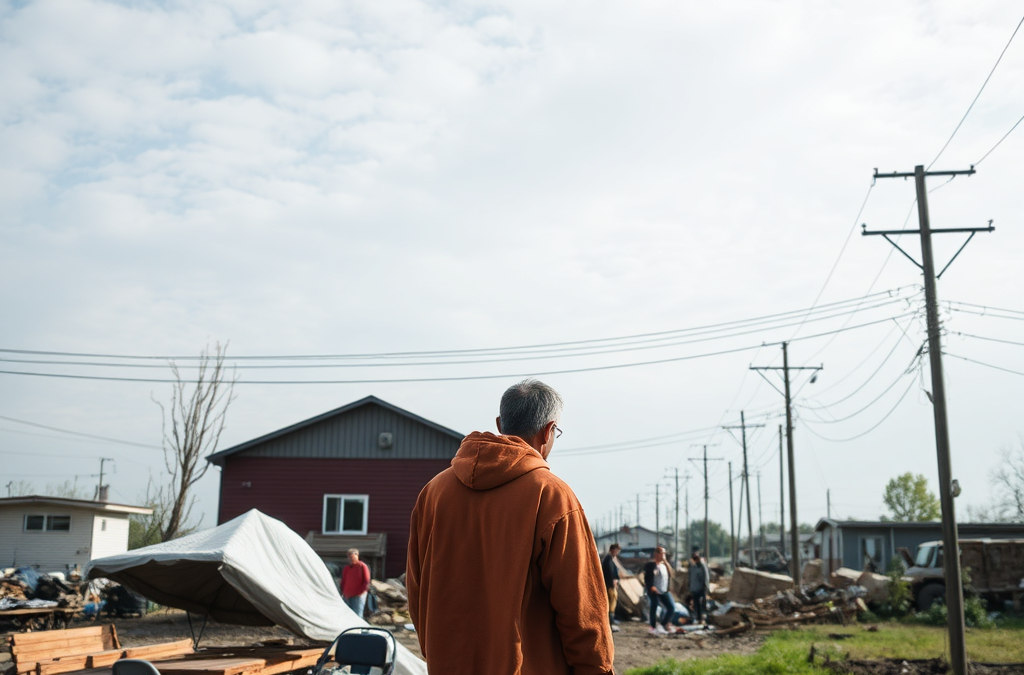
The psychological impact of disasters can be profound and long-lasting, affecting individuals and communities in various ways. After a disaster, people may experience a range of emotions including fear, anxiety, sadness, and confusion. Understanding these reactions is essential for effective preparation and response. Common psychological responses include post-traumatic stress disorder (PTSD), depression, and anxiety disorders, which can hinder recovery and everyday functioning.
Recognizing the signs of psychological distress is crucial. Symptoms may include intrusive memories of the event, emotional numbness, irritability, and difficulty concentrating. These responses are normal reactions to abnormal situations, but they may require attention and intervention. Preparing mentally for the possibility of a disaster can enhance individuals’ resilience and coping abilities, enabling them to manage their emotions more effectively.
Building a Support Network
Creating a strong support network is vital in preparing for the psychological aftermath of disasters. Family, friends, and community members can provide emotional support and practical assistance during challenging times. Building connections before a disaster occurs ensures that individuals have a reliable support system in place when they need it most.
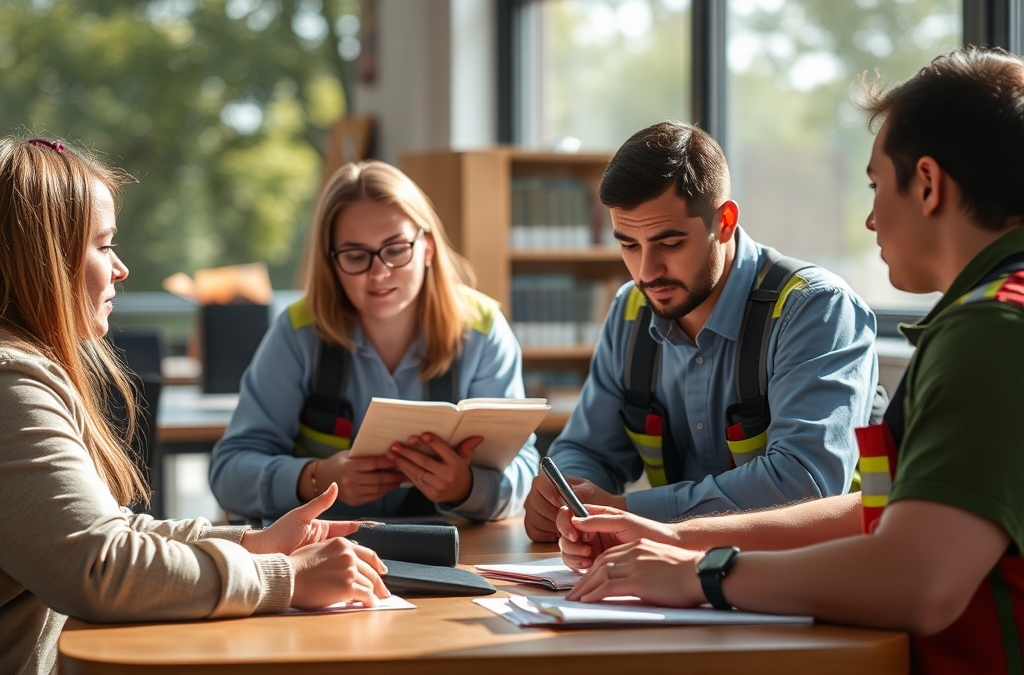
Consider participating in community preparedness programs or local support groups to foster relationships with others who share similar concerns. Engaging in these networks not only enhances social connections but also promotes a sense of belonging and shared purpose. Encouraging open communication about mental health within these networks can normalize discussions about feelings and experiences, making it easier for individuals to seek help when needed.
Coping Strategies for Emotional Resilience
Effective coping strategies are essential for managing the psychological impact of disasters. Techniques such as mindfulness, meditation, and deep-breathing exercises can help individuals manage stress and anxiety. Regular physical activity is also beneficial, as it releases endorphins that improve mood and reduce feelings of tension.
Another important strategy is to maintain a routine. Establishing daily habits can provide a sense of normalcy and control during chaotic times. Additionally, engaging in creative outlets such as art, music, or writing can facilitate emotional expression and processing of traumatic experiences.
It’s crucial to avoid isolating oneself during difficult times. Instead, reach out to others for support, whether through informal gatherings or organized community events. Sharing experiences and feelings with trusted individuals can alleviate feelings of loneliness and promote healing.
Accessing Professional Resources
In some cases, the psychological impact of a disaster may require professional intervention. Mental health professionals can provide valuable support through therapy, counseling, and medication management. It’s important to recognize when self-help strategies are insufficient and to seek professional guidance.
Communities often have resources available, such as crisis hotlines, mental health clinics, and support groups specifically tailored for disaster survivors. Familiarizing oneself with these resources ahead of time can enhance preparedness and ensure timely access to help when needed. Remember that seeking help is a sign of strength and an essential step toward recovery.
Frequently Asked Questions
What are common psychological reactions to disasters?
Common reactions include anxiety, depression, PTSD, and emotional numbness, which can affect daily functioning.
How can I build a support network for disaster preparedness?
Engage with family, friends, and community groups to establish relationships that can provide emotional and practical support.
What coping strategies are effective for managing stress after a disaster?
Mindfulness, physical activity, maintaining routines, and creative outlets are effective strategies for managing stress.
When should I seek professional help after a disaster?
If self-help strategies are insufficient, or if distress significantly impacts daily life, it's important to seek professional support.
Further Reading
For more information on mental health resources and coping strategies, consider exploring the following authoritative sources:
Authoritative Sources
National Institute of Mental Health nimh.nih.gov
This site offers comprehensive resources on mental health issues, including coping strategies for trauma
American Red Cross redcross.org
Provides disaster preparedness resources and mental health support information
Substance Abuse and Mental Health Services Administration samhsa.gov
A valuable resource for finding mental health services and support groups
Centers for Disease Control and Prevention cdc.gov
Offers guidance on managing mental health during and after disasters
Conclusion
Preparing for the psychological impact of disasters involves understanding potential emotional responses, building a supportive network, and developing effective coping strategies. Engaging with mental health professionals and utilizing community resources can further enhance resilience. By prioritizing mental health and fostering connections, individuals can better navigate the challenges posed by disasters and support their recovery journey.
Burnout is a psychological syndrome characterized by prolonged stress and emotional exhaustion, particularly prevalent among emergency responders due to the high-stakes and often traumatic nature of their work. Understanding the context of burnout in this field is crucial as these professionals regularly face life-or-death situations, leading to chronic emotional strain. This strain can manifest in various ways, making it essential for organizations to recognize and address burnout proactively.
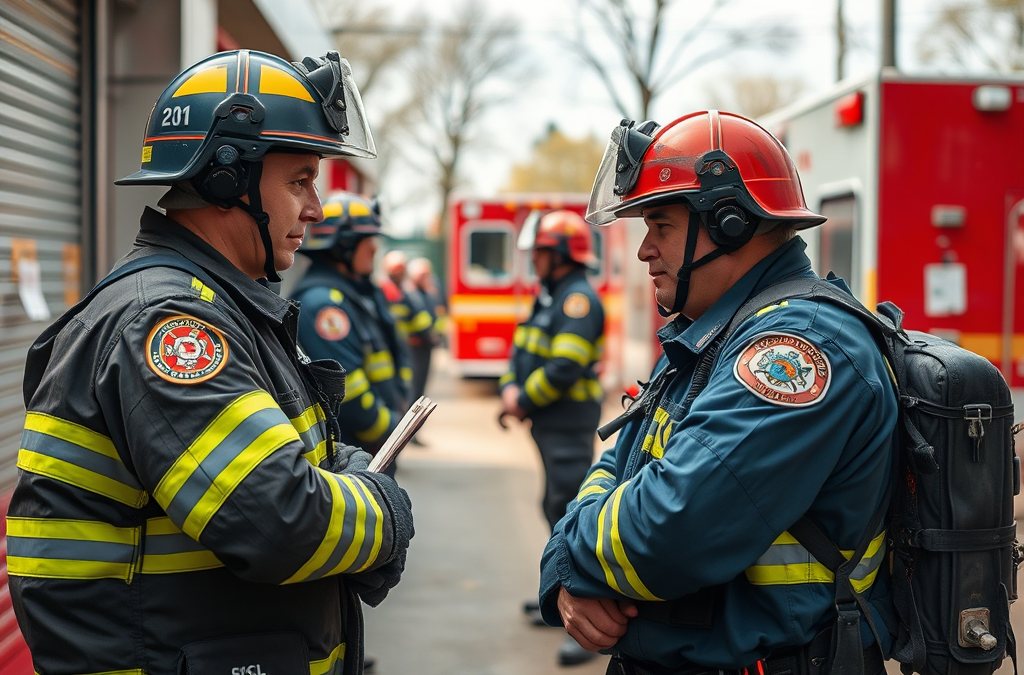
Emergency responders, including paramedics, firefighters, and police officers, often work long hours under stressful conditions, which may lead to feelings of helplessness, frustration, and fatigue. The culture within emergency services often emphasizes stoicism and resilience, which can discourage individuals from seeking help or acknowledging their struggles. Recognizing the signs of burnout is vital not only for the well-being of the responders but also for the safety of the communities they serve.
Key Signs and Symptoms of Burnout
Identifying the signs of burnout in emergency responders is critical for timely intervention. Common symptoms include:
Emotional Exhaustion: This is often the most prominent sign, characterized by feelings of being overwhelmed, drained, and unable to cope.
Reduced Performance: Responders may notice a decline in their effectiveness at work, leading to mistakes or oversight in critical situations.
Detachment: A sense of disconnection from colleagues, clients, or the job itself can emerge, leading to isolation and decreased teamwork.
Physical Symptoms: Chronic fatigue, headaches, and gastrointestinal issues can also be indicators of burnout.
Negative Attitude: Increased cynicism or negativity towards work and colleagues can signify underlying stress and burnout.
Being aware of these signs is the first step in addressing burnout effectively. Emergency responders must be encouraged to report these symptoms without fear of stigma or reprisal.
Impact of Burnout on Performance and Health
The consequences of burnout extend beyond individual well-being and can significantly impact organizational performance and public safety. When emergency responders experience burnout, their ability to make sound decisions can be compromised, increasing the risk of errors during critical interventions. For example, a fatigued paramedic may misinterpret a patient’s symptoms, leading to inappropriate treatment.
Moreover, prolonged burnout can lead to severe mental health issues, including anxiety, depression, and post-traumatic stress disorder (PTSD). These conditions not only affect the responders’ personal lives but can also lead to increased absenteeism, higher turnover rates, and a general decline in team morale.
Organizations must recognize that the health of their responders directly correlates with the quality of service they provide. Therefore, addressing burnout should be viewed as a strategic priority to maintain a capable and effective emergency response team.
Effective Strategies to Manage and Prevent Burnout
To combat burnout, it is essential to implement effective management strategies that promote mental health and well-being among emergency responders. Some effective strategies include:
Regular Mental Health Check-Ins: Establishing routine mental health evaluations can help identify early signs of burnout and provide necessary support.
Peer Support Programs: Encouraging peer support can foster a sense of community and provide a safe space for responders to share their experiences and challenges.
Training and Resources: Providing training on stress management techniques and access to mental health resources can empower responders to take proactive measures in managing their well-being.
Work-Life Balance Initiatives: Promoting a healthy work-life balance through flexible scheduling and adequate time off is crucial for preventing burnout.
Creating a Supportive Culture: Organizations should cultivate an environment where seeking help is normalized and encouraged, reducing the stigma around mental health issues.
Implementing these strategies can significantly reduce the incidence of burnout and enhance the overall effectiveness of emergency responders. Prioritizing mental health is not just beneficial for the individual; it is essential for the safety and well-being of the entire community.
Frequently Asked Questions
What are the main causes of burnout in emergency responders?
Main causes include high-stress environments, long hours, exposure to traumatic events, and lack of support.
How can organizations support emergency responders to prevent burnout?
Organizations can implement mental health resources, promote peer support, and encourage work-life balance.
Are there specific symptoms that indicate burnout in emergency responders?
Yes, symptoms include emotional exhaustion, detachment, reduced performance, and physical ailments.
What role does peer support play in managing burnout?
Peer support fosters community, allowing responders to share experiences and reduce feelings of isolation.
When should emergency responders seek professional help for burnout?
They should seek help when experiencing persistent symptoms that impact their personal and professional lives.
Further Reading
For those looking to explore this topic further, numerous resources are available that provide additional insights and guidance on recognizing and addressing burnout in emergency responders.
Authoritative Sources
American Psychological Association apa.org
This resource offers a wealth of information on mental health issues, including burnout, specifically tailored to professionals in high-stress environments
National Institute of Mental Health nimh.nih.gov
The NIMH provides research and insights on mental health, including the effects of stress and burnout
International Critical Incident Stress Foundation icisf.org
This organization focuses on the prevention and mitigation of stress and trauma in emergency responders
Conclusion
Recognizing and addressing burnout in emergency responders is crucial for maintaining their well-being and ensuring effective service delivery. By understanding the signs and implementing proactive strategies, organizations can create a supportive environment that prioritizes mental health. Emergency responders must be encouraged to seek help when needed, fostering a culture of care and resilience that benefits both the responders and the communities they serve.
Food security during disasters is critical for maintaining public health and community resilience. It encompasses access to sufficient, safe, and nutritious food to meet dietary needs. Disasters can disrupt food supply chains, leading to shortages and increased hunger. Understanding the dynamics of food security in these contexts is vital for effective disaster planning. This involves recognizing the potential impacts of disasters on local food systems, including agricultural losses, market disruptions, and logistical challenges in food distribution.
Addressing food security means planning for both immediate needs and long-term recovery. Without a focus on food, communities may face increased malnutrition and health issues, complicating recovery efforts. Therefore, integrating food security into disaster planning is not just about food distribution; it also involves understanding the broader implications of food access on community well-being.
Assessing Local Food Resources
A thorough assessment of local food resources is the first step in disaster planning. Communities should identify available food supplies, including local farms, food banks, and grocery stores. This assessment should also consider the types of food available, their nutritional value, and the capacity of local producers to meet emergency needs.
Engaging with local stakeholders, such as farmers and food distributors, can provide insight into the strengths and vulnerabilities of the food system. For example, understanding which crops are most resilient to disasters can help prioritize agricultural support during recovery phases. Additionally, mapping food resources allows planners to visualize access points and identify potential gaps in service.
Common mistakes in this assessment phase include overlooking smaller, local food producers or failing to account for seasonal variations in food availability. To mitigate these issues, planners should establish ongoing dialogues with food producers and community organizations to ensure a comprehensive understanding of local food dynamics.
Establishing Emergency Food Distribution Systems
Creating effective emergency food distribution systems is essential for addressing food security during disasters. These systems must be designed to deliver food quickly and efficiently to affected populations. Key components include identifying distribution sites, logistics for transportation, and methods for ensuring equitable access.
Distribution sites should be easily accessible and strategically located to reach the most vulnerable populations, including low-income households and those with limited mobility. Collaboration with local organizations can enhance the effectiveness of these systems, as they often have established networks and trust within communities.
Logistics play a crucial role in food distribution. This includes planning for transportation routes, storage facilities, and the management of perishable items. One common pitfall is failing to plan for the potential loss of transportation infrastructure due to a disaster, which can hinder food delivery. Therefore, planners should consider alternative transportation methods and establish contingency plans to ensure food reaches those in need.
Building Partnerships for Food Security
Partnerships are critical for enhancing food security in disaster planning. Collaborating with local farms, food banks, and non-profit organizations can create a robust support network that strengthens food systems. These partnerships can facilitate resource sharing, knowledge exchange, and collective action during emergencies.
For example, local farms can provide fresh produce for emergency food supplies, while food banks can coordinate distribution efforts. Additionally, partnerships with government agencies can secure funding and resources necessary for effective planning and response. Engaging community members in these partnerships fosters a sense of ownership and commitment to food security initiatives.
One common misconception is that food security is solely the responsibility of government agencies. In reality, it requires a multi-sectoral approach that includes input and participation from various stakeholders, including community members, private sector actors, and non-profit organizations. By building these partnerships, communities can create more resilient food systems that can withstand the impacts of disasters.
Frequently Asked Questions
What is food security in disaster planning?
Food security in disaster planning refers to ensuring access to sufficient, safe, and nutritious food during and after disasters, addressing both immediate needs and long-term recovery.
What are effective food distribution methods during disasters?
Effective food distribution methods include establishing accessible sites, planning transportation logistics, and collaborating with local organizations to ensure equitable access to food supplies.
Why are partnerships important for food security?
Partnerships enhance food security by fostering collaboration among local farms, food banks, and government agencies, creating a robust support network for food systems during disasters.
What common mistakes should be avoided in disaster food planning?
Common mistakes include overlooking local food producers, failing to plan for transportation disruptions, and not engaging community members in the planning process.
Further Reading
Authoritative Sources
Authoritative Sources
Food and Agriculture Organization (FAO) fao.org
FAO provides guidance on food security and disaster management, offering resources for effective planning and response
World Food Programme (WFP) wfp.org
WFP focuses on food assistance in emergencies and provides insights into best practices for disaster response
American Red Cross redcross.org
The Red Cross offers resources and training for communities to prepare for disasters and ensure food security
USDA National Agricultural Library nal.usda.gov
The USDA provides extensive information on agriculture and food systems, crucial for understanding local resources during disasters
Conclusion
Addressing food security in disaster planning is essential for ensuring community resilience and public health. By assessing local food resources, establishing effective distribution systems, and building partnerships, communities can better prepare for and respond to disasters. It is crucial to prioritize these elements to mitigate hunger and support recovery efforts. Engaging stakeholders and continuously evaluating food systems will create a more robust framework for food security during emergencies.
Understanding the Importance of Inclusive Emergency Planning
Inclusive emergency planning is crucial because it ensures that all family members, regardless of age or ability, can respond effectively during crises. When plans do not consider the diverse needs of children, seniors, and those with disabilities, it can lead to confusion and increased risk. An effective emergency plan not only protects physical safety but also fosters confidence and preparedness among all family members.
One key aspect is recognizing that different age groups may respond differently to emergencies. For instance, children may require reassurance and simple explanations, while seniors might need assistance with mobility or understanding complex instructions. By creating an inclusive plan, families can minimize anxiety and enhance the overall effectiveness of their emergency response.
Identifying Unique Needs Across Different Age Groups
To accommodate all ages in your emergency plan, start by identifying the specific needs of each family member. For children, consider their developmental stages; younger children might need visual aids and simple language, while teenagers may require involvement in decision-making to feel empowered. For seniors, assess any mobility issues, cognitive changes, or sensory impairments that may affect their ability to respond to emergencies.
Moreover, individuals with disabilities may require tailored resources, such as assistive devices or specific evacuation strategies. Engaging each family member in the planning process allows for a more comprehensive understanding of their needs, promoting a sense of ownership and preparedness.
Developing an Effective Communication Strategy
Communication is essential during emergencies, and it must be tailored to the understanding levels of all age groups. Develop a strategy that includes various methods, such as verbal instructions, written guides, and visual cues, to ensure clarity. For example, use diagrams or pictograms for younger children and provide written instructions in large print for seniors.
Consider utilizing technology, such as group messaging apps, to disseminate information quickly. However, ensure that all family members are comfortable using these tools and provide alternatives for those who may not be tech-savvy. Regularly review and practice these communication methods to ensure everyone knows how to access and understand the information during an emergency.
Conducting Regular Drills and Training
Regular drills are vital for reinforcing your emergency plan and ensuring that all ages are familiar with it. Schedule drills that involve every family member and simulate various scenarios, such as fire evacuations or severe weather responses. This practice not only builds confidence but also identifies areas where the plan may need improvement.
During drills, observe how different age groups respond and adapt the plan as necessary. For instance, younger children may need more guidance, while older family members may take on leadership roles. Discuss the outcomes of each drill afterward to gather feedback and foster a culture of continuous improvement.
For more comprehensive resources on inclusive emergency planning, consider reviewing guidelines from reputable organizations such as the Federal Emergency Management Agency (FEMA) or the American Red Cross, which provide useful templates and strategies tailored to diverse populations.
Frequently Asked Questions
What should be included in an emergency plan for all ages?
An effective emergency plan should include clear communication strategies, evacuation routes, specific roles for each family member, and resources tailored to different age groups.
How can I involve children in emergency planning?
Involve children by explaining the plan in simple terms, conducting practice drills, and letting them participate in decision-making to help them feel empowered.
What are some common mistakes in emergency planning for families?
Common mistakes include failing to account for the unique needs of different ages, not practicing the plan regularly, and assuming all family members understand the plan without verification.
How often should we review our emergency plan?
Review your emergency plan at least annually or whenever there are significant changes in family circumstances, such as new members or changes in health status.
Further Reading
Authoritative Sources
Ready.gov Preparedness Guidance ready.gov
Federal preparedness guidance for household planning, alerts, supplies, and emergencies
American Red Cross Emergency Preparedness redcross.org
Emergency preparedness resources for families, disasters, and practical safety planning
FEMA Preparedness Resources fema.gov
National preparedness resources for planning, mitigation, and response readiness
Understanding the unique risks and needs of your community is the first step in developing a comprehensive emergency training program. Conducting a thorough risk assessment helps identify potential hazards such as natural disasters, industrial accidents, or public health emergencies. Engaging with local emergency services, public health officials, and community organizations can provide valuable insights into specific vulnerabilities and existing resources.
For example, a community prone to flooding will have different training needs compared to one that faces wildfires. Recognizing these differences allows for targeted training that addresses the most pressing concerns. Additionally, surveys and focus groups can gather input from community members to ensure the program reflects their concerns and priorities.
Building Community Engagement and Collaboration
Successful emergency training programs rely heavily on community involvement. To foster engagement, it’s crucial to communicate the importance of preparedness and involve residents in the planning process. Hosting informational meetings and workshops can help raise awareness about potential risks and the benefits of training.
Collaboration with local organizations, schools, and businesses can also enhance the program’s reach and effectiveness. For instance, partnering with schools to integrate emergency preparedness into their curriculum can create a culture of safety from a young age. Establishing a network of volunteers trained in emergency response not only builds capacity but strengthens community ties.
Designing Effective Training Modules
Training modules should be tailored to address the specific risks identified during the assessment phase. Incorporating hands-on, scenario-based training allows participants to practice skills in a realistic environment. Topics may include first aid, evacuation procedures, and emergency communication strategies.
One effective method is to conduct drills that simulate real emergencies. For example, a community could organize a full-scale evacuation drill to test response times and coordination among various agencies. Feedback from these drills is invaluable for refining training programs and identifying areas for improvement.
Implementing and Evaluating the Program
Once the training modules are designed, the implementation phase begins. It’s essential to schedule regular training sessions and ensure they are accessible to all community members. Utilizing various platforms, such as online courses and in-person workshops, can accommodate different learning styles and schedules.
Evaluation is a critical component of any successful training program. Collecting feedback from participants after each training session can help assess effectiveness and areas needing adjustment. Additionally, conducting periodic reviews of the program in light of new risks or community changes ensures that the training remains relevant and effective.
Frequently Asked Questions
What are the first steps to create an emergency training program?
Start by assessing community risks and needs, engaging local stakeholders, and gathering input from residents to ensure the program is relevant and effective.
How can community members get involved in the training program?
Community members can participate by attending meetings, volunteering for training sessions, and providing feedback on the program's effectiveness and content.
What types of training should be included in the program?
Training should cover a range of topics, including first aid, emergency response procedures, evacuation plans, and effective communication during crises.
How often should the training be updated?
The training program should be evaluated and updated regularly, ideally every year or after significant changes in community risks or resources.
What common mistakes should be avoided in emergency training programs?
Common mistakes include failing to tailor training to specific community needs, neglecting to engage community members, and not regularly updating the training content.
Further Reading
Authoritative Sources
Ready.gov ready.gov
An official resource for emergency preparedness that provides guidelines and materials for community training programs
American Red Cross redcross.org
Offers training programs and resources for disaster preparedness and response
Centers for Disease Control and Prevention (CDC) cdc.gov
Provides information on public health emergencies and resources for community training initiatives
Conclusion
Developing a community-wide emergency training program requires careful planning, community engagement, and ongoing evaluation. By assessing local risks, involving community members in the process, and designing relevant training modules, communities can enhance their preparedness for emergencies. Regular updates and evaluations will ensure the program remains effective and responsive to changing needs. Taking these steps not only builds resilience but also fosters a culture of safety and preparedness among community members.