
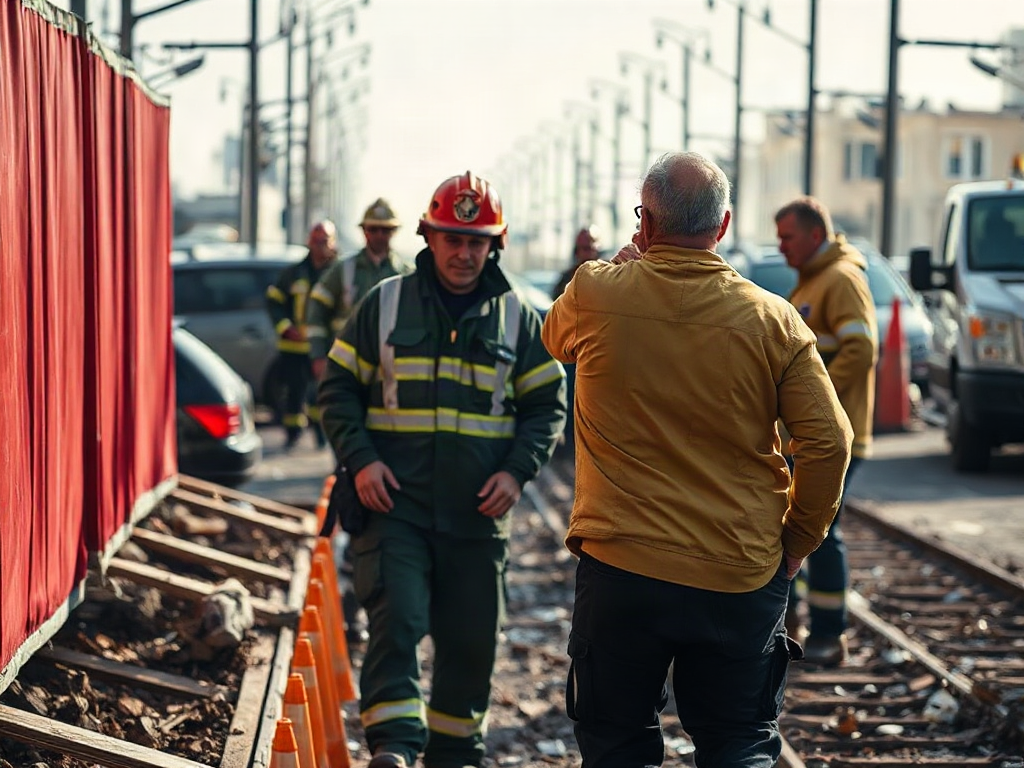
To identify essential skills for disaster response, focus on key competencies such as effective communication, problem-solving, and situational awareness. These skills are vital for coordinating efforts and making quick decisions in high-pressure environments. A practical approach involves participating in training exercises that simulate disaster scenarios, allowing responders to practice these skills in real-time. Additionally, fostering teamwork and leadership within response teams enhances overall effectiveness. Recognizing the importance of these competencies not only improves individual preparedness but also strengthens the collective response capability during emergencies.
What you’ll learn
This guide covers the following practical points:
- Understanding the Importance of Essential Skills — Essential skills for disaster response are critical for ensuring safety and efficiency during emergencies.
- Key Skills Required for Effective Disaster Response — Several core skills are vital for effective disaster response, including:
- Assessing Skills and Competencies — Assessing essential skills for disaster response involves evaluating both individual and team competencies.
- Practical Training and Development — Developing essential skills for disaster response requires ongoing training and education.
Understanding the Importance of Essential Skills
Essential skills for disaster response are critical for ensuring safety and efficiency during emergencies. These skills encompass a range of competencies that allow responders to navigate complex situations effectively. In high-stress environments, the ability to communicate clearly, make swift decisions, and adapt to rapidly changing scenarios can save lives and resources. Understanding these skills is the first step in building a competent disaster response team.
Moreover, the nature of disasters—whether natural or human-made—demands that responders are not only knowledgeable but also skilled in practical applications. This involves recognizing the limitations of one’s skills and being able to work collaboratively in diverse teams. The urgency and unpredictability of disaster situations further underline the need for well-developed competencies that can be applied in real-time.
Key Skills Required for Effective Disaster Response
Several core skills are vital for effective disaster response, including:
- Communication: Clear and concise communication is essential for coordinating efforts among team members and with the public. Miscommunication can lead to delays and potentially dangerous situations.
- Problem-Solving: The ability to assess situations quickly and devise effective solutions is crucial. Responders often face unexpected challenges that require immediate and innovative thinking.
- Situational Awareness: Understanding the dynamics of the environment and being aware of potential hazards allows responders to act effectively. This skill helps in anticipating challenges and mitigating risks.
- Leadership and Teamwork: Strong leadership is necessary to guide teams during crises, while teamwork ensures that all members contribute their strengths and skills effectively.
- Emotional Resilience: Responders must be able to manage stress and maintain composure in chaotic situations. Emotional resilience aids in decision-making and team morale.
Each of these skills plays a unique role in the overall effectiveness of disaster response efforts. For instance, during a natural disaster, effective communication can facilitate evacuation orders, while problem-solving skills can help teams address logistical challenges.
Assessing Skills and Competencies
Assessing essential skills for disaster response involves evaluating both individual and team competencies. Organizations can implement various methods to assess these skills, including:
- Performance Evaluations: Regular performance reviews can identify strengths and weaknesses in team members, allowing for targeted skill development.
- Simulations and Drills: Conducting simulated disaster scenarios helps in assessing how well individuals and teams respond under pressure. These exercises reveal gaps in skills and areas for improvement.
- Self-Assessments: Encouraging responders to evaluate their own skills can promote self-awareness and motivate personal development.
Furthermore, organizations should consider creating a skills matrix that outlines the required competencies for various roles within disaster response teams. This tool can assist in identifying training needs and ensuring that all necessary skills are covered.
Practical Training and Development
Developing essential skills for disaster response requires ongoing training and education. Practical training programs should focus on both theoretical knowledge and hands-on experience. Some effective training methods include:
- Workshops and Seminars: These can provide in-depth information on specific skills, such as crisis communication or logistics management.
- Field Training: Real-world exercises allow responders to practice their skills in a controlled but realistic environment. This hands-on experience is invaluable for building confidence and competence.
- Collaborative Learning: Encouraging team-based learning fosters a culture of support and shared knowledge, which is essential in high-stress situations.
It’s also critical to regularly revisit and update training programs to incorporate new techniques, technologies, and lessons learned from past disasters. Organizations should seek feedback from responders to improve training effectiveness continually.
Frequently Asked Questions
What are the essential skills needed for disaster response?
Essential skills include communication, problem-solving, situational awareness, leadership, teamwork, and emotional resilience.
How can I assess my skills for disaster response?
Skills can be assessed through performance evaluations, simulations, and self-assessments to identify strengths and areas for improvement.
Why is communication important in disaster response?
Effective communication ensures coordination among responders and the public, preventing misunderstandings that can lead to dangerous situations.
What role does emotional resilience play in disaster response?
Emotional resilience helps responders manage stress and maintain focus during chaotic situations, contributing to better decision-making.
How can I improve my problem-solving skills for disaster response?
Improving problem-solving skills can be achieved through training exercises, simulations, and practice in real-world scenarios.
Conclusion
Identifying and developing essential skills for disaster response is a vital process that enhances preparedness and effectiveness during emergencies. By focusing on key competencies like communication, problem-solving, and teamwork, organizations can build capable response teams. Regular assessment and targeted training programs ensure that responders are well-equipped to handle the complexities of disaster situations. Moving forward, investing in skill development will significantly contribute to successful disaster management and ultimately save lives.