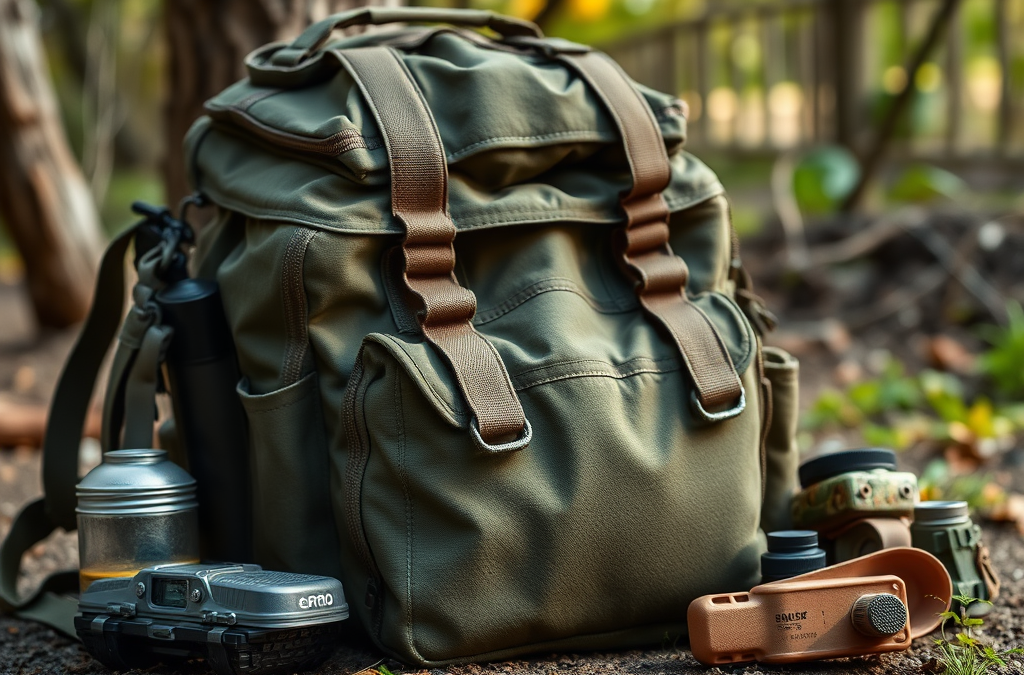
Selecting a durable and comfortable backpack is the first step in building an effective bug-out bag. It should be large enough to hold all essential items but not so large that it becomes cumbersome. Look for features like padded straps, multiple compartments, and weather-resistant materials to enhance functionality. A good size for a bug-out bag is typically between 40 to 70 liters, providing ample space for gear without excessive bulk.
Many people make the mistake of choosing an overly complicated bag with too many features. Instead, focus on a straightforward design that allows easy access to contents. Consider your personal comfort and how the bag fits your body, as you’ll need to carry it for extended periods during an emergency.
Essential Items to Include
Once you have a suitable backpack, the next step is to fill it with essential items. A well-prepared bug-out bag should include basic survival gear, such as a multi-tool, flashlight, whistle, and fire-starting kit. Each item plays a critical role in survival situations, providing the tools necessary for shelter building, signaling for help, and ensuring visibility at night.
Many individuals overlook the importance of including personal hygiene items. Things like toothbrushes, toothpaste, and biodegradable soap can help maintain health and morale in stressful situations. Additionally, ensure you have a compact first aid kit that covers essential medical needs, including bandages, antiseptics, and any personal medications.
Food and Water Considerations
food and water, prioritize lightweight, non-perishable items that provide high energy. Options like energy bars, dried fruits, and freeze-dried meals are excellent choices. Additionally, consider including a portable water filtration system or purification tablets to ensure you can access safe drinking water.
Many people underestimate their water needs in emergency situations. A general guideline is to have at least one gallon of water per person per day. Pack collapsible water containers for easy transport, and remember that hydration is crucial for maintaining energy and cognitive function during crises.
First Aid and Safety Gear
A comprehensive first aid kit is essential in any bug-out bag, as injuries can occur during emergencies. Include items such as adhesive bandages, gauze, antiseptic wipes, and pain relievers. Additionally, consider incorporating a CPR mask and instruction manual to enhance your ability to assist others.
Safety gear should also include a whistle, signaling mirror, and reflective emergency blanket. These items can help in alerting rescuers to your location and providing warmth in cold conditions. Many individuals fail to prepare adequately for emergencies, so ensure your bag is stocked with these vital items to increase your chances of survival.
Planning and Personalization
Every bug-out bag should be personalized to reflect individual needs and circumstances. Assess your environment and potential threats to determine what additional items may be necessary. For example, if you live in a region prone to natural disasters, consider including specific gear relevant to those scenarios.
Additionally, keep your bag updated regularly. Check expiration dates on food and medical supplies, and adjust the contents based on changing personal needs. A common mistake is to build a bag and forget about it; regular maintenance ensures that your bug-out bag remains a reliable resource when you need it most.
Frequently Asked Questions
What is the most important item in a bug-out bag?
The most important item is often considered to be water or a water purification method, as hydration is critical for survival.
How often should I update my bug-out bag?
Update your bug-out bag at least every six months to ensure all items, especially food and medications, are fresh and relevant.
Can I use a regular backpack for a bug-out bag?
Yes, but ensure it is durable, comfortable, and large enough to hold all essential items without being overly heavy.
What type of food should I pack?
Pack lightweight, non-perishable foods such as energy bars, nuts, and dehydrated meals that provide high calories and nutrition.
Should I include personal documents in my bug-out bag?
Yes, include copies of important documents like identification, insurance information, and medical records for easy access during emergencies.
Further Reading
Authoritative Sources
Build a Kit ready.gov
This source provides a comprehensive overview of what to include in an emergency kit, tailored for various situations
Survival Kit Supplies redcross.org
The American Red Cross offers detailed guidance on essential supplies required for a disaster preparedness kit
Emergency Kit Essentials npr.org
NPR discusses critical items to include in an emergency kit, focusing on practical considerations for everyday preparedness
Conclusion
Building a bug-out bag requires careful consideration of essential items tailored to individual needs and potential threats. Focus on including a durable backpack, critical survival gear, food, water, and personal items. Regular updates and personalization are key to ensuring your bag is a reliable resource when emergencies arise. Ultimately, preparation empowers you to respond effectively to unexpected situations.
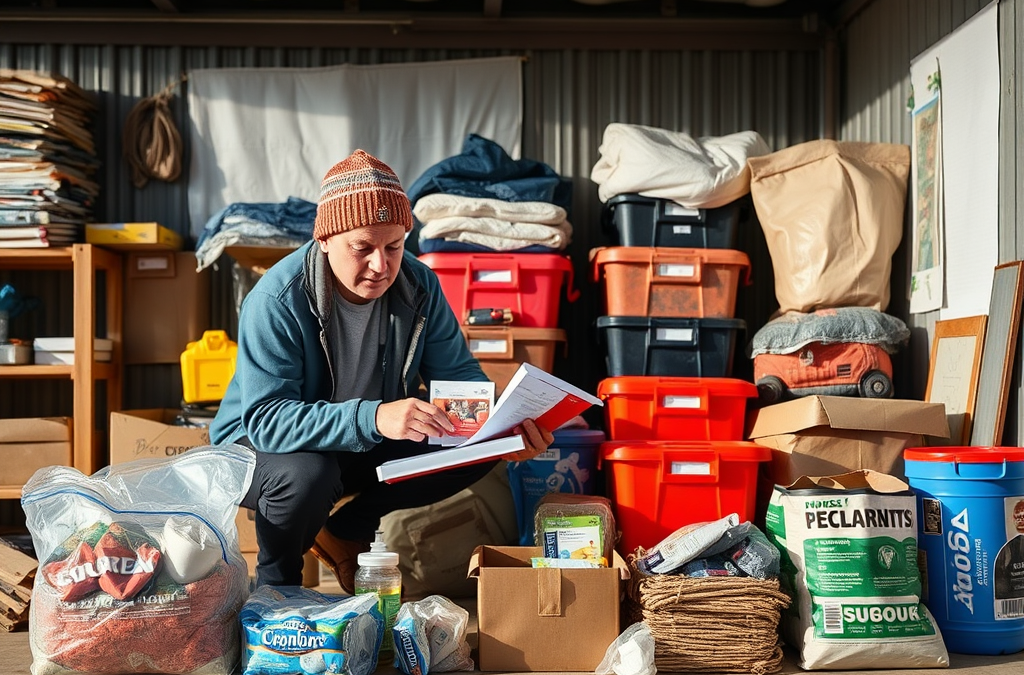
When considering DIY emergency supplies, it’s crucial to recognize that initial costs often don’t reflect the total financial commitment. Beyond the purchase price of items like food, water, and tools, hidden costs can include storage solutions, ongoing maintenance, and potential waste. Many assume that a one-time purchase will suffice, but effective preparedness requires continual investment in quality supplies that remain viable over time.
For instance, bulk purchasing may seem economical, yet it can lead to spoilage if items are not consumed or rotated properly. This mismanagement results in wasted resources and increased costs. Furthermore, overlooked expenses like proper storage containers or shelving can add up quickly, making it essential to account for these factors in your budget.
Common Financial Pitfalls in DIY Preparedness
One of the most significant pitfalls in DIY emergency preparedness is the tendency to underestimate the costs associated with maintaining supplies. Many people focus solely on the initial investment, neglecting ongoing expenses such as replacement items, restocking perishables, and ensuring that supplies remain functional. For example, batteries for flashlights and radios must be regularly replaced, adding to the overall expense.
Another common mistake is purchasing supplies based on trends rather than practical needs. Some individuals may buy items that are popular but not necessarily useful for their specific situation. This can lead to spending money on products that will never be utilized, ultimately wasting both time and finances. Evaluating your unique needs before purchasing is essential to avoid these costly errors.
Strategies to Mitigate Hidden Costs
To effectively manage the hidden costs of DIY emergency supplies, consider implementing a few strategic practices. Start by conducting a thorough inventory of what you already have and what you genuinely need. This assessment can help prevent unnecessary purchases and ensure that your spending aligns with your preparedness goals.
Additionally, investing in quality items may seem more expensive upfront, but it can save money in the long run. Durable tools and long-lasting food supplies reduce the need for frequent replacements, minimizing waste and maximizing efficiency. Furthermore, consider using a rotation system for perishable goods to ensure that nothing goes unused or expired.
Evaluating Quality vs. Cost
When selecting emergency supplies, the balance between quality and cost is critical. While it may be tempting to opt for lower-priced items, these often come with hidden costs in terms of durability and reliability. For example, cheaper flashlights may fail during critical moments, necessitating additional purchases and causing frustration during emergencies.
On the other hand, investing in higher-quality supplies can enhance your preparedness efforts. Quality items typically offer better performance and longevity, ultimately saving you money over time. Assessing the long-term value of products versus their initial cost can help guide your purchasing decisions and ensure that you’re making smart investments in your emergency preparedness.
Frequently Asked Questions
What are the hidden costs of DIY emergency supplies?
Hidden costs can include storage, maintenance, and waste from expired or unused items, which can add significantly to your overall budget.
How can I avoid wasting money on emergency supplies?
Conduct a thorough inventory before purchasing, focus on quality over quantity, and regularly rotate perishable items to minimize waste.
Why is quality important in emergency supplies?
Quality supplies are more reliable and durable, reducing the need for frequent replacements and ensuring effectiveness during emergencies.
What should I prioritize when budgeting for emergency supplies?
Prioritize essential items that meet your specific needs, focusing on long-lasting and versatile supplies to maximize your budget.
How often should I review my emergency supply inventory?
Review your inventory at least once a year, or more frequently if you live in an area prone to emergencies, to ensure all items are current and usable.
Further Reading
Authoritative Sources
Ready.gov ready.gov
This site provides comprehensive resources for emergency preparedness, including budgeting tips for supplies
Red Cross Emergency Preparedness redcross.org
Offers guidelines on how to prepare for emergencies, including cost considerations for supplies
Conclusion
Understanding the hidden costs associated with DIY emergency supplies is crucial for effective preparedness. By recognizing common financial pitfalls and implementing strategies to mitigate these costs, you can ensure a more efficient and cost-effective approach to your emergency planning. Prioritize quality items, conduct regular inventory assessments, and focus on practical needs to maximize your investments in safety and preparedness.
Soil health is the foundation of successful self-sufficient gardening. Healthy soil is rich in organic matter, has good structure, and supports a diverse array of microorganisms. One common pitfall is neglecting soil testing, which can lead to imbalances in nutrients and pH levels, adversely affecting plant growth. Regular soil testing allows gardeners to amend their soil based on specific needs, ensuring that plants receive the nutrients they require.
For instance, adding compost improves soil structure and increases nutrient availability. Additionally, incorporating cover crops can enhance soil fertility and prevent erosion. Gardeners should also be cautious of over-fertilization, which can lead to nutrient runoff and environmental harm. Establishing a balanced fertilization schedule based on soil tests can prevent these issues, promoting a thriving garden ecosystem.
Integrated Pest Management
Integrated Pest Management (IPM) is a holistic approach to managing pests that minimizes chemical use while maximizing effectiveness. A significant pitfall in self-sufficient gardening is the over-reliance on pesticides, which can disrupt local ecosystems and harm beneficial insects. Instead, gardeners should focus on preventive measures, such as promoting biodiversity and introducing natural predators.
For example, planting companion plants can deter pests while attracting pollinators. Gardeners can also employ traps and barriers to protect vulnerable crops. Monitoring pest populations regularly will help determine when intervention is necessary, allowing for more targeted and effective responses. This proactive approach not only protects crops but also sustains the garden’s ecological balance.
Crop Rotation Strategies
Crop rotation is a critical practice that helps prevent soil depletion and reduces pest and disease buildup. One common mistake is planting the same crops in the same location year after year, which can lead to nutrient deficiencies and increased vulnerability to pests. By rotating crops, gardeners can break pest cycles and enhance soil fertility.
A practical rotation plan might involve alternating between legumes, which fix nitrogen in the soil, and leafy greens or root vegetables. This strategy not only improves soil health but also maximizes yields by ensuring that plants receive a varied nutrient profile. Implementing a rotation schedule can be challenging but is essential for maintaining a productive garden over the long term.
Water Management Techniques
Effective water management is crucial in self-sufficient gardening, especially as climate variability increases. A common pitfall is overwatering, which can lead to root rot and other diseases. Gardeners should aim to establish a watering routine that considers plant needs and local weather conditions.
Utilizing methods such as drip irrigation can conserve water while ensuring that plants receive adequate moisture. Additionally, rainwater harvesting systems can provide a sustainable water source. Mulching around plants can help retain soil moisture and reduce evaporation. By adopting smart water management practices, gardeners can enhance plant health and reduce waste.
Frequently Asked Questions
What are the main pitfalls in self-sufficient gardening?
Common pitfalls include poor soil management, inadequate pest control, and neglecting crop rotation, all of which can hinder garden productivity.
How can I improve my soil health?
Improving soil health can be achieved through regular soil testing, adding organic matter like compost, and practicing crop rotation.
What is integrated pest management?
Integrated Pest Management (IPM) is a sustainable approach that combines various strategies to control pests while minimizing harm to the environment.
Why is crop rotation important?
Crop rotation helps prevent nutrient depletion, reduces pest and disease buildup, and enhances overall soil fertility.
What are effective water management techniques?
Effective techniques include drip irrigation, rainwater harvesting, and mulching to conserve moisture and prevent overwatering.
Further Reading
Authoritative Sources
USDA Natural Resources Conservation Service nrcs.usda.gov
Provides resources on soil health, conservation practices, and sustainable gardening methods.
Environmental Protection Agency epa.gov
Offers guidelines on integrated pest management and water conservation strategies.
Harvard University Extension extension.harvard.edu
Features research and articles on sustainable gardening techniques and crop rotation.
Further Reading
Authoritative Sources
USDA National Institute of Food and Agriculture nifa.usda.gov
Research and extension resources related to agriculture, plants, soil, and food systems
Extension Foundation Gardening Resources extension.org
University extension education resources for practical gardening and home agriculture topics
USDA Natural Resources Conservation Service nrcs.usda.gov
Soil, water, conservation, and land management resources for practical growing decisions
Conclusion
Successful self-sufficient gardening hinges on avoiding common pitfalls such as poor soil management, ineffective pest control, and lack of crop rotation. By prioritizing soil health, implementing integrated pest management, rotating crops, and managing water effectively, gardeners can create a productive and sustainable gardening environment. Taking these steps not only enhances garden yield but also fosters a resilient ecosystem. For those looking to delve deeper, exploring authoritative resources can provide further insights into effective gardening practices.
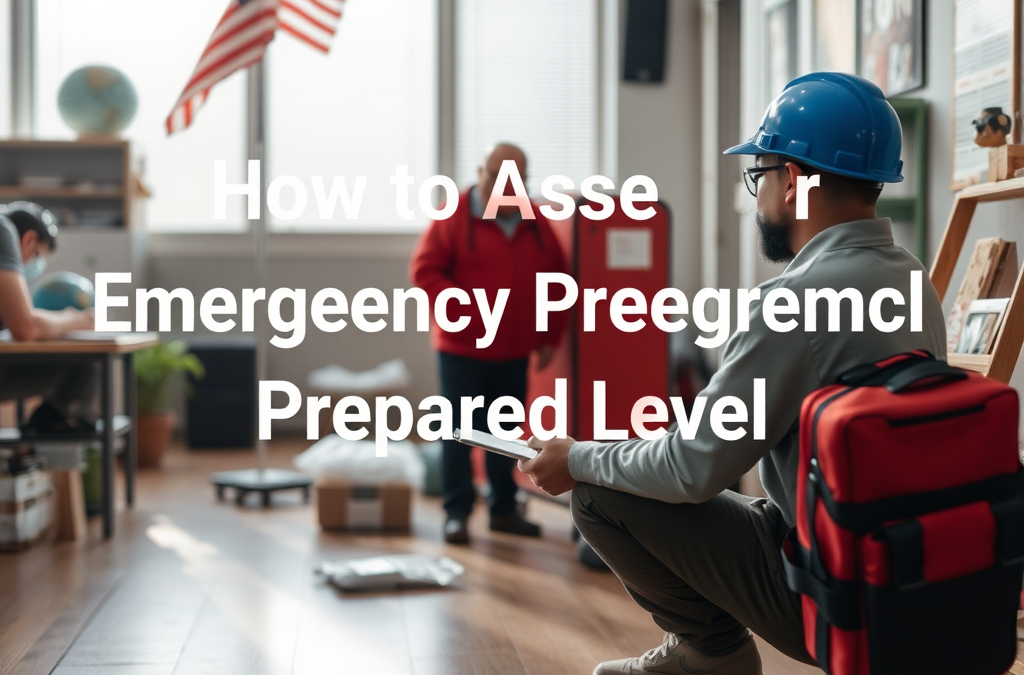
Emergency preparedness involves planning and organizing the resources needed to effectively respond to various emergencies, whether natural disasters or man-made crises. Understanding your preparedness level is crucial, as it shapes your ability to respond swiftly and efficiently when an emergency occurs. It’s not just about having supplies; it’s about knowing how to use them, where they are located, and having a plan to act quickly.
Many people assume they are prepared simply because they have some supplies on hand. However, preparedness requires a comprehensive approach that includes assessing risks, understanding the nature of potential emergencies, and knowing how to react. Conducting a thorough assessment will help identify gaps in your preparedness and ensure that you can handle unexpected situations effectively.
Evaluating Your Supplies
The first step in assessing your emergency preparedness level is to evaluate your supplies. Start by taking inventory of essential items such as food, water, medical supplies, and tools. The general recommendation is to have at least a three-day supply of water and non-perishable food for each person in your household. Ensure that you also have a battery-powered or hand-crank radio, flashlights, and extra batteries.
Common mistakes include underestimating the amount of food and water needed, neglecting to check expiration dates, and failing to include necessary medications and personal hygiene items. To avoid these pitfalls, regularly review and update your supplies, replacing expired items and adding new essentials as needed. Consider the specific needs of your household, including dietary restrictions or medical conditions, to tailor your supplies accordingly.
Creating and Reviewing Emergency Plans
A well-thought-out emergency plan is essential for effective preparedness. Begin by outlining specific actions for various scenarios, such as natural disasters, power outages, or medical emergencies. Identify safe meeting locations, evacuation routes, and transportation options. It’s crucial for all household members to be familiar with this plan, as clarity can reduce panic during emergencies.
Regularly review and practice your emergency plan to ensure it remains relevant. Conduct drills to familiarize everyone with their roles and responsibilities. One common oversight is failing to account for changes in circumstances, such as new family members, pets, or changes in local hazards. Keep your plan updated to reflect these changes and ensure that it remains practical.
Communication Strategies
Effective communication is a vital component of emergency preparedness. Establish clear communication strategies to ensure that all family members know how to reach each other during an emergency. This may include setting up a family emergency contact outside your immediate area, as local lines may become congested or unavailable.
Utilize technology to your advantage by setting up group chats or using emergency apps that can provide alerts and updates. One common mistake is assuming everyone will know what to do without discussing and practicing communication methods. Regularly discuss your communication plan with your family and conduct drills to test its effectiveness.
Frequently Asked Questions
What are the key components of an emergency preparedness plan?
A comprehensive emergency preparedness plan includes risk assessment, supply inventory, evacuation routes, and communication strategies.
How often should I review my emergency supplies?
It's advisable to review your emergency supplies at least twice a year to ensure everything is up to date and in working condition.
What types of emergencies should I prepare for?
Consider preparing for natural disasters like floods and earthquakes, as well as man-made emergencies such as power outages or civil unrest.
How can I involve my family in preparedness efforts?
Involve your family by discussing emergency plans together, assigning roles, and conducting regular drills to practice your responses.
Further Reading
Authoritative Sources
Ready.gov Preparedness Guidance ready.gov
Federal preparedness guidance for household planning, alerts, supplies, and emergencies
American Red Cross Emergency Preparedness redcross.org
Emergency preparedness resources for families, disasters, and practical safety planning
FEMA Preparedness Resources fema.gov
National preparedness resources for planning, mitigation, and response readiness
Conclusion
Assessing your emergency preparedness level is a crucial step in ensuring the safety and well-being of you and your loved ones. By evaluating your supplies, creating a comprehensive emergency plan, and establishing effective communication strategies, you can significantly enhance your readiness for unexpected situations. Make preparedness a family priority, regularly review your strategies, and stay informed about potential risks in your area to create a resilient household.
One of the most significant mistakes in emergency food storage is failing to maintain proper temperature control. Foods stored in areas that are too warm can spoil quickly, reducing their shelf life and safety. Ideal storage temperatures for most emergency foods are between 50°F and 70°F (10°C to 21°C). Storing food in basements or attics can lead to temperature fluctuations that compromise food integrity.
For example, canned goods, grains, and dehydrated foods can all be affected by heat. If your storage area is subject to high temperatures, consider investing in a temperature monitoring system or using a dedicated climate-controlled storage unit. Regularly check the temperatures of your storage area and adjust accordingly to prevent spoilage.
Neglecting Expiration Dates
Another common mistake is neglecting to monitor expiration dates. Many emergency food supplies have a shelf life that varies widely depending on the type of food and storage conditions. Foods such as freeze-dried fruits and vegetables can last up to 25 years, while others may only be safe for a few months.
Regularly reviewing your food inventory and marking items with purchase or expiration dates can help you stay organized. Implementing a first-in, first-out (FIFO) system ensures that older items are used before newer ones. This strategy not only maximizes food safety but also reduces waste and minimizes financial loss from expired products.
Inadequate Packaging
Inadequate packaging is a frequent oversight that can lead to food spoilage. Many individuals underestimate the importance of airtight containers and moisture-proof bags. Incorrect packaging can expose food to air, moisture, and pests, all of which can lead to contamination and spoilage.
For optimal storage, use vacuum-sealed bags or mylar bags with oxygen absorbers for dry goods. For canned foods, ensure the seals are intact and store them in a cool, dark place. This approach will help maintain the quality and safety of your emergency food supplies.
Failing to Rotate Supplies
Failing to rotate supplies is another mistake that can impact food safety. Many people store food without a clear plan for usage, leading to older items going unused while newer products take precedence. This can result in significant food waste.
To avoid this, create a regular schedule for checking your food supplies. Consider setting reminders to review your inventory every six months. By doing so, you can ensure that all items are used within their safe consumption windows, reducing waste and ensuring your emergency supplies remain fresh.
Ignoring Nutritional Needs
Many individuals overlook the importance of nutritional balance in their emergency food storage. Focusing solely on calorie-dense foods can lead to nutritional deficiencies during emergencies. It’s essential to include a variety of food groups, including proteins, carbohydrates, and fats, as well as vitamins and minerals.
Consider incorporating items like canned vegetables, fruits, and protein sources such as beans or canned meats into your storage plan. Planning meals that are nutritionally balanced not only supports health during emergencies but also enhances overall morale and satisfaction.
Frequently Asked Questions
What are the best temperatures for storing emergency food?
The best temperatures for storing emergency food are between 50°F and 70°F (10°C to 21°C) to prevent spoilage.
How often should I check my emergency food supplies?
Check your emergency food supplies every six months to ensure items are within their expiration dates and in good condition.
What types of food should I include in my emergency supplies?
Include a variety of foods such as canned vegetables, fruits, grains, and protein sources like beans or canned meats for balanced nutrition.
Why is proper packaging important for emergency food?
Proper packaging prevents exposure to air, moisture, and pests, which can lead to contamination and spoilage of food.
How can I ensure I use older food items first?
Implement a first-in, first-out (FIFO) system by marking items with purchase dates and regularly reviewing your inventory.
Further Reading
Authoritative Sources
USDA Food Safety and Inspection Service usda.gov
This resource provides guidelines on food safety and proper storage techniques
FDA Food Storage Guidelines fda.gov
Offers comprehensive information on food storage and safety regulations
Ready.gov Emergency Food Storage ready.gov
Guidance on how to prepare emergency food supplies effectively
Conclusion
Prioritizing proper practices in emergency food storage is essential for ensuring the longevity and safety of your supplies. By maintaining optimal temperatures, regularly checking expiration dates, using adequate packaging, rotating supplies, and addressing nutritional needs, you can effectively prepare for any emergency. Taking these steps will not only safeguard your food but also enhance your readiness for unforeseen circumstances.
Water scarcity during emergencies can lead to severe consequences, making it essential to understand how water usage impacts survival. Emergencies, such as natural disasters or infrastructure failures, often disrupt regular water supply, leading to increased demand for limited resources. Recognizing the significance of efficient water usage helps prioritize essential needs, such as hydration and sanitation, while minimizing waste.
In emergencies, water becomes a critical commodity. Understanding the mechanisms of water conservation can help in planning and executing effective strategies. For instance, knowing that the average person requires about two liters of water daily for hydration can guide rationing decisions. Additionally, awareness of the potential for contamination in stored water necessitates proper storage techniques to maintain safety and usability.
Practical Water Conservation Techniques
Implementing practical water conservation techniques can significantly reduce water usage in emergencies. One effective method is rainwater harvesting, which involves collecting rainwater from rooftops and directing it to storage tanks. This technique not only provides an alternative water source but also reduces reliance on municipal supplies. For example, a simple rain barrel can capture runoff from a roof, providing several gallons of usable water.
Another technique is utilizing water-efficient appliances and fixtures. Low-flow showerheads and faucets can greatly reduce water consumption without sacrificing performance. Additionally, adapting habits such as taking shorter showers or turning off taps while brushing teeth can lead to substantial savings. It’s crucial to educate individuals and families on these practices to ensure they are prepared to implement them quickly during an emergency.
Implementing Rationing Measures
Rationing measures are vital when water supplies dwindle. Establishing a clear plan for water distribution can prevent panic and ensure that everyone has access to necessary resources. For instance, setting daily water limits per person can help maintain an adequate supply for longer periods. This approach can be particularly effective in community settings, where collective effort enhances conservation.
Moreover, prioritizing water use based on necessity is essential. Drinking, cooking, and sanitation should take precedence, while non-essential uses like lawn watering or car washing should be minimized or eliminated. Regular communication about water usage goals can foster community cooperation and adherence to rationing strategies, ultimately enhancing overall resilience during emergencies.
Common Mistakes in Water Management
One of the most common mistakes in water management during emergencies is underestimating the importance of early preparation. Waiting until a crisis occurs to think about water needs can lead to chaotic situations and poor decision-making. It’s crucial to develop a water management plan well in advance, ensuring that all individuals are aware of their roles and responsibilities.
Another mistake is failing to account for water quality. Storing water without proper sanitation measures can lead to contamination, rendering it unsafe for consumption. Utilizing clean, food-grade containers and regularly checking stored water for signs of contamination can prevent health risks. Understanding these pitfalls allows for better planning and execution of water conservation strategies during emergencies.
Frequently Asked Questions
What are the best methods for conserving water during an emergency?
Best methods include rainwater harvesting, using water-efficient appliances, and implementing strict rationing measures to prioritize essential uses.
How much water should an individual have during an emergency?
Individuals should aim for at least one gallon of water per person per day for drinking and sanitation during emergencies.
What are common mistakes in water storage?
Common mistakes include using non-food grade containers, not checking for contamination, and failing to rotate stored water supplies regularly.
What are the health risks associated with contaminated water?
Contaminated water can lead to serious health issues, including gastrointestinal diseases, cholera, and other waterborne illnesses.
Further Reading
Authoritative Sources
Library of Congress Research Guides guides.loc.gov
Research guides that help readers locate reliable background sources on a wide range of subjects
USA.gov Official Information and Services usa.gov
Official U.S. government information and public resources for practical reference
Google Scholar scholar.google.com
Academic search resource for finding research literature and source material
Conclusion
Effectively reducing water usage in emergencies is crucial for survival and health. By understanding practical conservation techniques, implementing rationing measures, and avoiding common mistakes, individuals and communities can manage their water resources more effectively. Planning ahead and educating others are key steps in ensuring that everyone has access to safe water during critical times. Take action now to prepare for potential emergencies and safeguard this vital resource.
Find the gaps most families don’t notice until something goes wrong.
Free. Practical. No fear-mongering.
By requesting this resource, you agree to receive practical PREPARE Magazine guides, tools, and email updates. You can unsubscribe anytime. Privacy Policy