
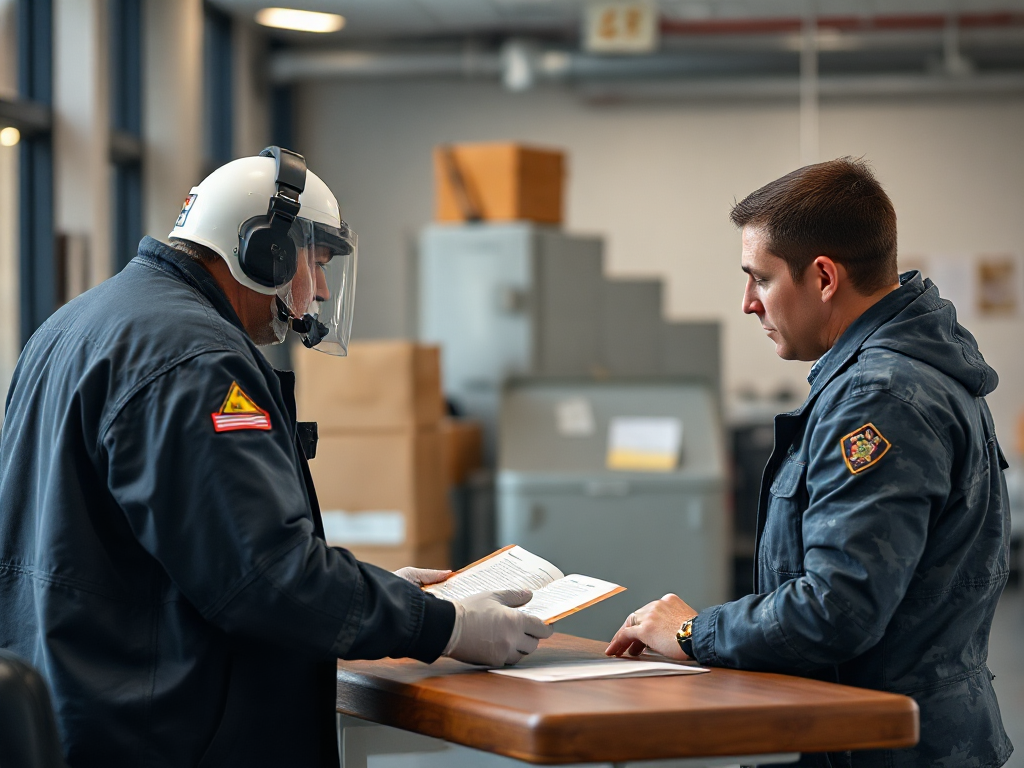
After a failed emergency drill, it's essential to conduct a thorough debriefing session with all participants to analyze what went wrong. Focus on gathering insights about communication issues, unclear roles, and resource inadequacies. Use structured questions during the debrief to encourage open dialogue, allowing participants to share their perspectives on the drill's execution. Once the feedback is collected, prioritize the identified issues and revise your emergency plans accordingly. Implementing these improvements can significantly enhance future drills and overall preparedness, ensuring that your team is better equipped for real-life emergencies.
Conduct a Debriefing Session
After any emergency drill, especially a failed one, it is crucial to hold a debriefing session with all participants. This meeting should focus on gathering insights from everyone involved to understand their perspectives on the drill’s execution. By encouraging open communication, you can identify specific problems encountered during the drill, such as miscommunication, unclear instructions, or equipment failures. Documenting these observations can provide valuable feedback for future improvements.
During the debriefing, consider using structured questions to guide the discussion. Ask participants what went well, what did not work, and what could have been done differently. This collaborative approach can help foster a culture of continuous improvement and ensure that lessons learned are taken seriously.
Identify Key Issues and Areas for Improvement
Once the debriefing session concludes, analyze the data collected to pinpoint key issues that contributed to the failure of the drill. Look for patterns in the feedback that may indicate recurring problems, such as inadequate training, poor communication protocols, or insufficient resources. Prioritize these issues based on their potential impact on real-life emergency situations.
For example, if multiple participants reported confusion regarding their roles, this suggests a need to clarify responsibilities in your emergency plans. Similarly, if equipment failures were a common theme, it may be time to evaluate your supply inventory and ensure that all necessary tools are functional and easily accessible. By addressing these areas, you can significantly enhance the effectiveness of future drills.
Revise Your Emergency Plans
After identifying the key issues, the next step is to revise your emergency plans accordingly. This may involve updating procedures, clarifying roles, or enhancing communication strategies. Ensure that all revisions are documented and easily accessible to all team members. It is essential that everyone understands the changes made and the reasons behind them.
Consider conducting a risk assessment to determine if there are new threats or challenges that need to be addressed in your emergency plans. Revising your plans is not a one-time task; it should be an ongoing process that reflects changes in your environment, resources, and personnel. Regularly scheduled reviews can help keep your emergency plans relevant and effective.
Re-Train Personnel
Re-training personnel is a critical component of improving overall preparedness. After revising your emergency plans, organize training sessions to ensure that all team members are familiar with the updated processes and their specific roles during emergencies. These sessions should include practical exercises, simulations, and discussions about the changes made to the emergency plans.
Engaging in hands-on training can help reinforce the information learned and ensure that participants feel confident in their abilities to respond effectively in real emergencies. Consider using a mix of training methods, such as workshops, online courses, and on-site drills, to cater to different learning styles and reinforce the material.
For additional insights on emergency preparedness and response strategies, consider exploring resources from recognized organizations such as FEMA, the American Red Cross, or local emergency management agencies. These resources often provide guidelines, checklists, and case studies that can enhance your understanding of effective emergency planning and execution.
Frequently Asked Questions
What should be the first step after a failed emergency drill?
The first step is to conduct a debriefing session with all participants to identify what went wrong and gather feedback.
How can I improve communication during emergency drills?
Improving communication can involve setting clear roles, using standardized communication protocols, and ensuring that all participants are trained on these methods.
What are common issues that lead to a failed emergency drill?
Common issues include miscommunication, lack of clarity in roles, inadequate training, and equipment failures.
How often should emergency plans be revised?
Emergency plans should be reviewed and revised regularly, especially after drills, incidents, or when there are changes in personnel or resources.
What is the importance of re-training personnel?
Re-training personnel ensures that everyone is familiar with the updated emergency plans and feels confident in their roles during an actual emergency.