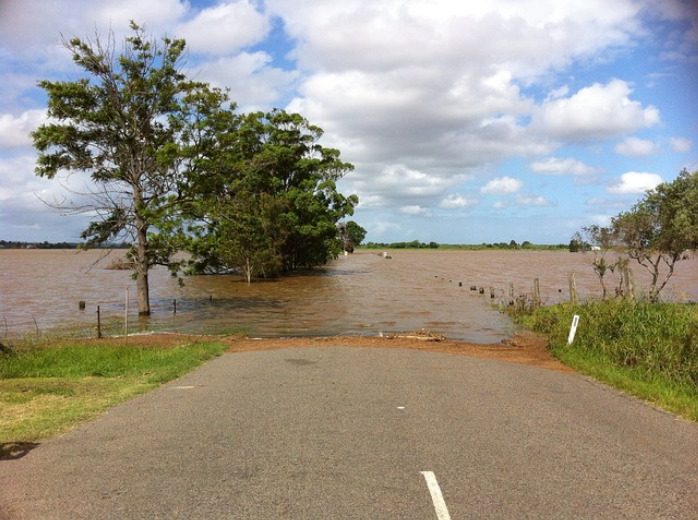
Household self-sufficiency is best treated as a time-limited capacity, not a permanent condition. A family might store water, cook without the grid, grow vegetables, and repair basic equipment, but those abilities do not replace hospitals, fuel distribution, municipal sanitation, specialized tools, or a functioning supply chain. The longer an emergency lasts, the more often one weak link affects every other system.
Short disruptions can hide these limits. A generator may run a refrigerator during a two-day outage, while a month-long interruption raises harder questions: Where will fuel come from? How will oil, filters, batteries, and spare parts be obtained? Can the generator be operated safely without disturbing neighbors or exhausting the household budget? A wood stove may provide heat, but it does not automatically provide clean cooking water, safe ventilation, or protection for someone with a respiratory condition.
Independence also depends on the people in the household. A plan built around one person’s medical knowledge, mechanical ability, or physical strength becomes fragile when that person is injured, exhausted, absent, or responsible for caregiving. Children, older adults, disabled family members, and pets add legitimate needs that cannot be reduced to extra calories or equipment.
A useful way to think about the issue is capacity versus demand. Capacity includes stored goods, skills, tools, energy, time, and physical labor. Demand includes drinking, sanitation, food preparation, medication, heating or cooling, security, repairs, and emotional support. If demand rises or capacity falls, the household reaches its limit even when shelves still contain supplies.
Linking this assessment to Self-sufficiency limits during prolonged emergencies helps reveal why a large inventory alone does not guarantee endurance. Supplies expire, skills degrade, and improvised solutions often consume more water, fuel, or labor than expected.
The Systems That Usually Fail First
Water and sanitation often become harder before food does. Stored water may cover drinking and cooking, yet handwashing, toilet use, cleaning, laundry, and wound care quickly increase consumption. A household that has planned only for bottles may resort to unsafe sources or delay hygiene. That creates risks that food storage cannot solve. Water treatment also has limits: a method suited to clear water may not remove every contaminant, and chemical disinfection does not make visibly polluted water safe in every situation.
Medical care is another boundary. Basic first-aid supplies can support minor cuts, sprains, burns, and routine discomfort, but they cannot substitute for diagnosis, surgery, blood products, dialysis, obstetric care, or emergency treatment. Prescription medication may be the decisive constraint for someone with diabetes, epilepsy, heart disease, or another ongoing condition. Plans should account for storage instructions, refill timing, power needs, and the clinician or pharmacy contacts that remain relevant during disruption.
Food production is frequently overestimated. A garden can supplement meals, but it may take a season to produce meaningful calories and depends on seeds, soil fertility, irrigation, weather, pest control, and labor. Fresh produce also lacks the dense energy supplied by grains, beans, oils, and preserved foods. Livestock introduces feed, water, veterinary, fencing, and slaughter concerns. A productive garden is valuable, but it is not equivalent to a complete food system.
Energy failures compound these problems. Electricity may be needed for refrigeration, communications, well pumps, medical devices, water treatment, and cooking. A battery bank provides quiet power but has finite capacity and charging requirements. Solar equipment can reduce fuel dependence but may be limited by weather, shading, panel damage, or inadequate storage. A fuel generator offers high output yet requires safe placement, fuel rotation, maintenance, and noise management.
Common mistakes include counting equipment without counting consumables, storing food without a preparation method, and assuming one backup can cover every load. A better comparison asks what each system needs to operate. For a well pump, that may mean a compatible inverter or generator; for dry beans, it may mean fuel and water for cooking; for sanitation, it may mean liners, absorbent material, disinfectant, and a disposal plan.
How To Measure A Household’s Real Capacity
A realistic capacity review measures how long essential functions can continue under reduced conditions. Do not begin with an ideal lifestyle. Define the minimum acceptable service for drinking, calories, hygiene, warmth, medication, communication, and waste control. A household may tolerate cold meals, limited lighting, and fewer showers, but it should not casually compromise drinking water, essential medicine, ventilation, or safe waste handling.
Use a written inventory that connects each need to its supporting resources. For example, “water” should include storage containers, treatment equipment, fuel or batteries, replacement parts, carrying capacity, and a way to identify a safer source. “Food” should include calories, dietary restrictions, cooking time, utensils, can-openers, and fuel. “Communication” should include charged devices, alternate power, contact information on paper, and a method that does not depend on a single network.
Then test the plan in controlled stages. A twelve-hour exercise can reveal whether everyone knows where supplies are and whether a stove works. A weekend without normal utilities can expose water use, bathroom problems, food-preparation fatigue, and charging conflicts. Testing should be safe and reversible; never disable medically necessary equipment or create a fire, carbon-monoxide, or sanitation hazard merely to imitate an emergency.
Record both consumption and friction. If a family expects to use four liters of water for cooking but actually uses more because of soaking, cleanup, and drinks, the inventory needs revision. If charging a phone competes with a medical device, the priority order is wrong or the power system is too small. If one person performs every repair, the household has a training and redundancy problem.
Measure duration: Estimate how long essential supplies last at normal use and at a reduced-use level.
Identify single points of failure: Note dependence on one pump, one fuel type, one skilled person, or one medication source.
Set escalation triggers: Decide when to contact emergency services, neighbors, health providers, relief organizations, or local authorities.
Review recovery needs: Include waste removal, equipment repair, replacement food, and rest after the immediate danger passes.
The most useful result is not a dramatic survival number. It is a short list of constraints that can be corrected. A family may discover that adding water containers matters more than buying another tool, or that learning safe food preservation is more valuable than expanding a garden.
Building Resilience Without Chasing Total Independence
The strongest approach combines household capability with deliberate interdependence. Neighbors, relatives, clinics, utilities, public works departments, community organizations, and emergency responders each provide functions that a private residence cannot duplicate efficiently. Accepting that reality does not weaken self-reliance; it prevents unrealistic plans from delaying necessary assistance.
Reciprocal relationships work best when they are specific. One household may have a pressure canner and food-preservation skills, another may have a chainsaw and repair experience, while a third may be able to check on an older resident. Agreements should address boundaries, accessibility, communication, fuel use, and what happens if the disruption affects everyone at once. Informal help is not a substitute for professional medical or emergency response, but it can reduce avoidable strain.
Redundancy should also be varied rather than duplicated. Two devices that require the same fuel are not two independent options. A better combination might include shelf-stable foods that need little cooking, a fuel-efficient stove, and a small reserve of ready-to-eat meals. Water resilience might pair stored water with a tested treatment method and knowledge of official advisories. Communications might combine a charged phone, written contacts, a battery-powered receiver, and a local check-in arrangement.
Tradeoffs deserve attention. More equipment can increase maintenance, clutter, theft exposure, and training demands. Large food stocks may be useless if household members will not eat them or if rotation is neglected. A sophisticated off-grid system may outperform a simple one under ideal conditions but fail harder when electronics, batteries, or specialized components break. Choose systems that match the household’s skills, climate, budget, and ability to maintain them.
Use Self-sufficiency limits during prolonged emergencies as a prompt to rank investments by consequence. Water, medication continuity, sanitation, safe cooking, and reliable information generally deserve attention before optional comfort equipment. The right question is not “Can we live without society?” but “Which services must we replace temporarily, which can we reduce, and which require outside support?”
When To Shift From Self-Reliance To Outside Help
Escalating to outside help is a preparedness skill, not a personal failure. Waiting too long can turn a manageable problem into a medical, fire, contamination, or security emergency. Immediate danger, serious bleeding, breathing difficulty, altered consciousness, suspected carbon-monoxide exposure, uncontrolled fire, and hazardous contamination require emergency services when available. Household improvisation should not delay urgent care.
Less dramatic warning signs also matter. A household is approaching its limit when water treatment becomes uncertain, essential medication is nearly exhausted, sanitation cannot be maintained, food preparation is causing unsafe fatigue, or the only working power source is being overloaded. Repeated equipment failures, worsening indoor temperatures, and inability to verify reliable information indicate that the plan is degrading rather than merely becoming inconvenient.
Prearranged thresholds make decisions clearer. For example, a family might decide that a medication problem triggers a call to a prescriber or pharmacy, a contaminated water concern triggers contact with local health authorities, and a failing heating system triggers relocation before indoor conditions become dangerous. The exact thresholds depend on the household and local resources, but they should be written while people are calm.
Relocation may be safer than extending an improvised setup. A home without a functioning well, safe heat, accessible bathroom, or adequate medical support may no longer be a suitable shelter, even if food remains. Moving to relatives, an official shelter, or another approved location involves tradeoffs, including transport, privacy, pets, and exposure to crowds. Those costs should be compared with the consequences of remaining in an unsafe environment.
Maintain a current contact sheet with emergency numbers, medical providers, utility information, nearby support, and alternate destinations. Store it on paper as well as digitally. A practical plan includes both the ability to endure a disruption and the judgment to stop doing so when the household’s margin of safety has disappeared.
Further Reading
For decisions about water safety, medication continuity, evacuation, sanitation, and local assistance, consult current guidance from relevant government agencies, public health departments, utility providers, and recognized emergency-management organizations. Local instructions take priority because water sources, hazards, shelter options, and available services vary by location.
Frequently Asked Questions
How long should a household expect to remain self-sufficient?
There is no universal duration. Set a minimum target for essential water, food, medication, sanitation, and power, then test it under realistic reduced-use conditions. A shorter plan that works reliably is more useful than a larger untested stockpile.
Why does water become a bigger problem than stored food?
Water supports drinking, cooking, hygiene, cleaning, and waste management. Those uses continue even when meals are simplified, so consumption can exceed estimates unless storage, treatment, and sanitation are planned together.
Can a garden make a family food-independent?
A garden can add fresh produce and useful skills, but it rarely replaces a complete calorie supply quickly. Weather, soil, seeds, pests, water, preservation, and labor all limit output, making stored staples and cooking capacity necessary complements.
What is the most dangerous self-sufficiency mistake?
Using an untested or unsafe workaround can create greater harm than the original outage. Carbon-monoxide exposure, contaminated water, spoiled food, medication interruptions, and delayed medical care deserve more attention than minor comfort losses.
How can neighbors improve prolonged-emergency resilience?
Agree on specific forms of mutual support, communication, accessibility checks, shared tools, and escalation procedures. Cooperation is strongest when responsibilities and limits are discussed before people are tired, frightened, or competing for scarce resources.
Conclusion
Self-sufficiency has a practical ceiling created by finite water, fuel, medication, labor, equipment, knowledge, and medical capability. Prolonged emergencies expose that ceiling gradually: sanitation becomes difficult, repairs accumulate, food production takes longer than expected, and a single exhausted or unavailable caregiver can disrupt the entire plan. Improve resilience by measuring actual consumption, testing essential systems, removing single points of failure, and setting clear triggers for outside assistance or relocation. Prioritize safe water, essential medicines, waste control, communication, and reliable cooking before adding specialized gear. A household does not need to duplicate every public service. It needs enough capacity to reduce immediate strain, recognize deterioration early, and connect with dependable help before a temporary disruption becomes an avoidable crisis.
Emergency preparedness is a capability, not a collection of dramatic supplies. For someone new to prepping, it means making reasonable arrangements for interruptions such as a power outage, severe weather, wildfire smoke, water-service failure, temporary evacuation, or a short disruption to local stores and communications. The aim is to keep people safe and functional while normal services are unavailable, not to predict every disaster or live permanently in crisis mode.
A useful preparedness setup combines four parts: supplies, skills, information, and decisions. Supplies cover immediate needs such as drinking water, food, prescriptions, first-aid materials, sanitation items, batteries, and light. Skills include using a fire extinguisher, storing food safely, treating minor injuries within one’s training, turning off utilities when appropriate, and communicating when internet or cellular service is unreliable. Information means knowing local alerts, shelter locations, road risks, household medical needs, and official instructions. Decisions establish who checks on children, pets, older relatives, or neighbors and what conditions trigger evacuation.
These parts work together. A battery radio is less useful if nobody knows which local agency issues evacuation orders. A pantry is less useful if its contents require cooking with electricity that may be unavailable. A first-aid kit cannot substitute for professional care during a serious injury, and a generator introduces carbon-monoxide and electrical hazards if it is operated incorrectly. The practical question is not “What do preppers own?” but “Which failure would create the greatest danger for this household, and what backup reduces it?”
New preppers often compare an ordinary household setup with an advanced off-grid system and assume they must choose one. That is a false choice. A renter with limited storage may begin with water containers, ready-to-eat food, a flashlight, medication information, and a paper contact list. A homeowner may add fuel storage where lawful, alternate cooking equipment, and a larger sanitation plan. The right scale depends on household size, climate, mobility, finances, and local hazards.
The preparedness planning process becomes clearer when it is treated as ordinary household management with emergency constraints. Start with disruptions your area has experienced or could reasonably experience, then account for the people and animals who depend on you.
Choosing Priorities Before Buying Gear
New preppers should prioritize life-sustaining needs, continuity of essential routines, and hazard-specific protection before specialized equipment. Water, medications, food, sanitation, temperature control, lighting, communication, and basic safety usually deserve attention before elaborate tactical gear. This order reflects consequences: dehydration, missed prescriptions, unsafe sanitation, and exposure can become urgent sooner than the absence of a niche tool.
Use a simple household inventory before shopping. Record the number of people, dietary restrictions, prescriptions, mobility limitations, pets, cooking methods, and likely shelter location. Then identify which utilities or services your household relies on. Someone using an electric medical device has a different priority from someone living alone in a mild climate. A family in an apartment may need compact, ready-to-eat foods and stair-access planning, while a rural household may need water pumping, fuel, and road-access contingencies.
Water deserves particular care because storage volume, container quality, rotation, and sanitation all matter. Keep drinking water in containers intended for that use, protect it from heat and contamination, and follow current public-health guidance for treatment when a supply is questionable. Food should be familiar, affordable, and usable with the available cooking method. Canned beans, nut butter, crackers, shelf-stable milk, oats, and packaged meals may be practical, but preferences and allergies determine whether they will actually be eaten. Buying food nobody likes creates waste rather than resilience.
A compact priority list can prevent impulse purchases:
Immediate safety: first aid, fire protection, flashlights, batteries, and weather-appropriate clothing.
Basic needs: water, food, medications, hygiene supplies, and waste management.
Information and contact: alerts, paper documents, chargers, radio access, and meeting points.
Hazard-specific items: masks for smoke, cooling supplies for heat, or evacuation bags for local threats.
Budget tradeoffs matter. A modest supply of reliable items is generally more useful than a large order of untested products. Choose equipment that household members can operate, replace, and store safely. The emergency preparedness approach that fits a household budget and living space is more sustainable than a costly setup that creates debt or clutter.
Building Skills, Plans, And Household Routines
Preparedness becomes dependable when people can act under stress without inventing a procedure at the worst possible moment. A household plan should state how members receive alerts, where they meet, how they leave, who carries essential medications, and how they contact one another if normal routes fail. Keep the plan short enough to read quickly and give a copy to people who may need it.
Practice should be small and specific. Test a flashlight at night, prepare one meal without the usual appliance, locate the main water shutoff, check the fit of smoke alarms, and walk the evacuation route. These exercises expose problems that shopping cannot reveal. A child may not know how to open a window, an older adult may be unable to carry the planned bag, or a phone contact list may exist only on a device with a dead battery.
Consider a winter outage in which the power fails during a cold evening. The household needs more than food. It must know how to keep doors closed, layer clothing, monitor vulnerable occupants, avoid unsafe indoor combustion, preserve phone power, and decide whether conditions require relocation. In a wildfire evacuation, the key sequence may instead involve receiving an official alert, loading pets, taking documents and prescriptions, and leaving before congestion increases. The plan changes with the hazard; the habit of checking it does not.
New preppers sometimes treat self-reliance as refusing outside assistance. That interpretation can increase risk. Preparedness includes knowing when to call emergency services, follow evacuation orders, use a shelter, or ask a trained neighbor for help. Learning a skill does not make a person qualified to perform complex medical, electrical, structural, or hazardous-material work. Responsible preparation improves judgment about limits as well as capabilities.
Assign roles without assuming one person will always be present. A backup caregiver, an out-of-area contact, and a paper list of phone numbers can matter when family members are separated. Include pets, accessibility needs, language needs, and work or school obligations. The new prepper’s plan should be readable by a guest or teenager, not dependent on one household member’s memory.
Testing Supplies And Correcting Weak Assumptions
Testing is the dividing line between stored equipment and usable preparedness. Check dates, seals, battery condition, water containers, fuel rules, clothing sizes, and the actual instructions for unfamiliar devices. Rotate food through normal meals so the household learns what it likes and notices digestive, allergy, or preparation problems before an emergency. Mark replacement dates on a calendar rather than relying on memory.
Run a short “no convenience” exercise, but keep it safe. For a few hours, use only the lighting, communication, and cooking options designated for an outage. Do not simulate dangerous conditions such as disabling heat, consuming untreated water, or operating fuel-burning equipment indoors. Ask what failed: Was the can opener available? Could someone find the batteries? Was the meal possible without excessive water? Did the power bank contain enough charge?
Several assumptions regularly weaken beginner systems. More gear does not compensate for poor organization. A large water reserve may be difficult to move or rotate. A generator may be useless without safe placement, compatible connections, fuel management, and practice. A stockpile that ignores prescriptions, infant supplies, menstrual products, pet food, or sanitation creates a misleading sense of completeness. Even a well-made plan can fail if it depends on one road, one phone, or one person.
Compare two approaches to improvement. An equipment-first approach buys a new item whenever a concern appears. A test-first approach identifies a failure, chooses the simplest correction, and repeats the exercise. The second approach is slower at the register but more informative. If a practice meal reveals that cooking requires too much water, changing the menu may be wiser than buying a complicated stove. If an evacuation drill takes too long because documents are scattered, creating one grab folder may outperform adding another bag.
Review the setup after a move, medical change, new pet, seasonal weather shift, or household addition. Signs that preparation is working include faster decisions, fewer forgotten essentials, familiar equipment, and realistic confidence about when to seek help. Signs it is failing include expired supplies, inaccessible storage, unclear responsibilities, unsafe fuel use, and plans nobody has practiced. For broader household priorities, the preparedness resources on this site can complement local government alerts and hazard guidance.
For hazard-specific instructions, use official local emergency-management notices, public-health departments, utility providers, and national emergency agencies. Their guidance is more useful than a generic shopping list when evacuation routes, water advisories, shelter rules, or weather risks change.
Frequently Asked Questions
What should a new prepper buy first?
Begin with safe water storage, familiar shelf-stable food, required medications, flashlights, batteries, sanitation supplies, first-aid basics, and a way to receive local alerts. Match quantities to household size and likely disruptions.
How long should a beginner prepare for?
Choose a manageable period based on budget, storage, and local guidance, then build gradually. A tested short-duration setup is more useful than an ambitious reserve that cannot be rotated or safely stored.
Does emergency preparedness require living off-grid?
No. Preparedness usually means maintaining essential needs during a temporary disruption while using official services and outside help when available. Off-grid systems are optional and introduce their own maintenance and safety demands.
What skills matter most for new preppers?
Practice alert monitoring, household communication, evacuation, safe food and water handling, basic first aid within your training, fire safety, utility awareness, and the correct use of backup lighting or power.
How often should a preparedness setup be reviewed?
Check consumables and batteries regularly, and conduct a fuller review after seasonal changes, household moves, medical changes, or new dependents. Short practice exercises reveal problems faster than visual inspections alone.
Conclusion
For a new prepper, preparedness is a practical household capability built through sensible supplies, usable skills, clear communication, and repeated testing. Put immediate needs ahead of specialized equipment: water, medications, food, sanitation, lighting, information, and hazard-specific protection form the workable base. Then write a short plan that covers sheltering, evacuation, separated household members, pets, and decisions that require outside assistance.
Choose one realistic disruption and test your response without creating danger. Eat the stored food, operate the lights, check the contact list, inspect storage conditions, and correct the first failure you find. Expand only after the basic arrangement is affordable, accessible, and familiar. That process turns preparedness from an intimidating identity or shopping project into a measured set of actions that can support real people during an ordinary but difficult interruption.
Guests do not need a household operations manual during their first few minutes in an unfamiliar home. They need to know what signal means danger, where to go first, which route is safest, and how to reconnect with the group. A useful guest briefing translates the household’s broader emergency planning into a few decisions that remain usable under stress.
Begin with the hazards that are plausible for the property and the current visit. A wildfire evacuation, a kitchen fire, a severe storm, and a medical emergency may require different actions. Telling visitors to “follow the emergency plan” is less useful than saying, “If the smoke alarm sounds, leave through the front door unless smoke blocks it; meet at the mailbox across the street.” The action, condition, and destination belong together.
Plain language matters because guests may be tired, unfamiliar with local terms, or unable to process a long explanation. Replace “egress,” “utility shutoff,” or “assembly area” with “way out,” “water valve,” or “meeting place.” If a door requires a key, code, or special release, say so directly. A locked exit that appears obvious on a floor plan can become a serious obstacle at night.
A compact briefing should cover:
the alarm or warning cue and the first action;
the primary and backup exits;
the outdoor meeting point or shelter location;
how to contact the host or household after separation;
hazards such as pets, stairs, gates, candles, generators, or locked doors.
The common mistake is trying to cover every possible disaster equally. That produces a dense document and weak recall. Prioritize the situations that could require immediate movement, then provide additional information for visitors who need it. A guest staying overnight may need more detail about nighttime exits than someone attending a short afternoon gathering.
Show Routes, Alarms, And Meeting Places
Physical demonstration usually communicates more reliably than verbal directions alone. Walk guests from the room where they will sleep or spend time to the nearest usable exit, then show the backup route. Point out stairs, exterior gates, porch steps, low visibility areas, and doors that open differently from ordinary household doors.
For example, a visitor in a basement may hear an alarm but assume the stairs are the only option. A host who demonstrates the window exit, explains whether it can be opened from inside, and identifies the outdoor meeting point has removed several guesses at once. The same principle applies to an apartment, cabin, or guest room above a garage: the route needs to be understood from the guest’s actual location, not just from the owner’s perspective.
Maps can help, but only when they are simple and current. Use a clear “You are here” marker, arrows for movement, labels for exits, and a recognizable meeting place. Avoid relying on color alone because lighting, printing quality, and color vision vary. A photograph of a gate or mailbox may be more useful than a technically accurate diagram with tiny labels.
Explain the difference between an alarm and an information source. A smoke alarm may require immediate evacuation; a weather alert may require moving to a designated interior location; a text message may provide updates but not replace an audible warning. Guests should know who is responsible for receiving official alerts and what they should do if their phone has no signal.
Weak plans often identify a meeting point that is too close to the hazard or too vague to find. “Outside” is not a meeting place if the property has multiple doors, a busy road, or a large yard. Choose a location that is recognizable, safe from likely immediate hazards, and accessible to people with mobility limitations. Recheck it when construction, landscaping, traffic patterns, or neighboring property use changes.
Design Guest-Friendly Instructions And Backups
A guest card works best when it answers urgent questions at a glance. Place it where visitors naturally look, such as near the entry, on a bedside table, or beside a rental information folder. Keep the first side limited to immediate actions; put nonurgent details, such as utility information or extended contact instructions, on the reverse.
Use large enough type for dim rooms and avoid abbreviations that only household members understand. Write “Call 911 for a life-threatening emergency” rather than assuming every visitor knows which number the household uses. Include the property address exactly as it would be needed by an emergency dispatcher, especially when a rural road, unit number, or shared driveway could cause confusion.
Instructions should account for realistic constraints. A guest may not have a charged phone, may speak another language, may be caring for a child, or may not be able to use stairs. The plan can identify an accessible route, a backup communication method, and the person who should help a particular visitor. It should not promise assistance that has not been arranged.
Separate fixed information from changeable information. Exit locations and alarm sounds may remain stable, while host phone numbers, temporary access codes, weather conditions, and meeting points can change. Mark the date reviewed and replace outdated pages promptly. A laminated card that contains an old gate code is less useful than a plain sheet that can be revised.
Consider a layered format:
Immediate action: what to do when the alarm or warning occurs.
Movement: where to go and which backup route to use.
Reconnection: where to meet and how to receive updates.
Special circumstances: mobility, language, children, pets, or medication needs.
The tradeoff is between completeness and speed. A detailed binder may be valuable for the host, but it should not be the only source for guests. Keep operational details in the household file and give visitors the short version they can read in seconds. This approach also supports clearer preparedness planning without asking guests to study unfamiliar systems.
Test Understanding Without Making Guests Uncomfortable
Testing does not need to resemble a drill or make visitors feel examined. A brief, respectful check can reveal whether the instructions are usable. After showing the route, ask an open question such as, “If the alarm sounds while you are upstairs, which way would you go?” The answer shows whether the guest noticed the route, understood the backup, and can apply it from a different starting point.
Watch for practical signs that the plan is working. Guests should be able to identify the first action without prompting, locate the primary exit, describe the meeting place, and explain what happens if the main route is blocked. If they repeat the host’s terminology but cannot point to the door or map, the wording may have been memorized without being understood.
Run a quiet review after changes to the home. Test the briefing when a guest room moves, a lock changes, a new pet is introduced, a gate is added, or a household member becomes less mobile. Nighttime conditions deserve separate attention because a route that is obvious in daylight may be dark, cluttered, or difficult to unlock after sleeping.
Do not stage a surprise evacuation for guests. Sudden alarms can create confusion, particularly for children, older adults, people with trauma histories, or visitors unfamiliar with the building. Explain the purpose of any practice, use a calm scenario, and allow people to ask questions. The objective is not to measure obedience; it is to find unclear instructions before an emergency does.
A useful review asks:
Could a first-time visitor act without finding the host?
Is the backup route physically usable and clearly marked?
Would the instructions still work during darkness or a phone outage?
Does the meeting place avoid the likely danger?
Can a guest understand the wording without household background?
When a guest hesitates, revise the plan rather than blaming the reader. Confusion usually points to an unlabeled door, an ambiguous destination, too many choices, or an assumption that the visitor knows the property. Official resources from Ready.gov and local emergency management agencies can help hosts align their household instructions with current hazard information.
Frequently Asked Questions
What should guests know first in an emergency?
They should know the warning signal, first action, nearest usable exit, backup route, and meeting place. Those details support immediate decisions before longer instructions are useful.
Should emergency instructions be printed or digital?
Use a printed copy for immediate access, with a digital backup for updates. Digital instructions alone may fail during a power outage, dead phone battery, or poor connectivity.
How long should a guest emergency briefing take?
It should take only a few focused minutes for ordinary visits. Longer stays, unfamiliar buildings, accessibility needs, or high-risk hazards justify a more detailed walkthrough.
How can hosts explain emergency plans to children?
Use simple action words, show the route, identify a trusted adult, and practice calmly. Avoid frightening detail while making clear that alarms and instructions must be taken seriously.
What makes an emergency plan confusing?
Common problems include jargon, too many possible actions, unclear maps, hidden backup routes, outdated contact information, and meeting places that are not specific or safe.
Further Reading
Authoritative Sources
Ready.gov ready.gov
Official household preparedness guidance, emergency plans, and supply checklist resources.
FEMA fema.gov
Federal emergency management information, disaster planning resources, and recovery guidance.
American Red Cross Emergency Preparedness redcross.org
Practical emergency preparation, safety, and response guidance for households.
CDC Emergency Preparedness and Response cdc.gov
Public health guidance for disasters, emergency response, and recovery conditions.
Conclusion
Guests can use an emergency plan when it reflects their actual experience of the property: where they sleep, which doors they can open, what warnings they will hear, and where they should regroup. Give them a short briefing, demonstrate the route, identify a backup, and provide a readable printed card with the address and contact method. Check understanding through calm questions rather than surprise drills, and review the instructions whenever the home, hazards, locks, or household needs change. The strongest plan is not the longest document. It is the set of directions a visitor can recall and follow when the host is unavailable, visibility is poor, or the expected route no longer works.
Start With Household Demand, Not Fear-Based Shopping
Waste usually begins before a product reaches the storage shelf. A sale, alarming news report, or vague goal such as “be ready for anything” can lead to buying quantities that do not match household size, dietary habits, available space, or likely scenarios. A better starting point is a short inventory of people, pets, medications, cooking methods, and hazards that are actually relevant to the home.
Separate supplies into three levels: items needed immediately, items useful during a several-day disruption, and optional equipment for less likely events. Water, shelf-stable meals, prescribed medications, sanitation supplies, lighting, and a way to receive information normally deserve attention before specialized tools. This ordering reduces the risk of spending a limited budget on niche gear while basic supplies remain missing.
Consumption history is more reliable than optimistic estimates. If nobody in the household eats a particular canned meal during normal life, buying a case for storage creates a predictable disposal problem. Purchase one or two units, prepare them using the intended method, and ask whether the taste, texture, portion, and required fuel are acceptable. The same test applies to water containers, portable stoves, filters, and battery-powered equipment.
A useful first-pass worksheet records the item, quantity on hand, normal use, expiration or replacement date, storage location, and intended scenario. Avoid treating every printed date as an automatic discard signal; product labeling varies, and condition and manufacturer guidance matter. For safety-sensitive products such as medications, infant items, or compromised packaged goods, follow the relevant official instructions rather than improvising.
The common mistake is buying for an imagined crowd or an extreme scenario before checking the household’s ordinary routine. A two-person home with limited shelving may need a compact, frequently rotated reserve, while a larger household may justify bulk packaging if it can consume the contents. The goal is not the largest stockpile; it is a usable reserve that remains usable.
Choose Supplies That Store Well and Serve More Than One Purpose
Low-waste purchasing favors products with long practical lives, familiar uses, and packaging suited to the storage environment. A shelf-stable food that can be eaten without special equipment has more flexibility than one requiring a particular appliance, large amounts of water, or a fuel source that may be unavailable. Multi-use items also reduce duplication: a sturdy flashlight, for instance, may serve routine power outages, vehicle needs, and evacuation packing.
Durability does not mean buying the most expensive version. Compare the item’s expected service life, repairability, replacement parts, storage footprint, and frequency of ordinary use. A small rechargeable light may reduce disposable battery purchases if the household can reliably recharge it, but it is a weaker choice where charging access is uncertain. Keeping a modest battery-powered backup alongside a rechargeable primary light may be less wasteful than owning several untested devices.
Packaging deserves careful attention. Oversized containers can create partial leftovers that are difficult to protect after opening. Individually portioned packs may cost more per unit but can reduce spoilage when only one person needs the item. Conversely, single-use packaging may create unnecessary waste when the household already owns clean, resealable containers suitable for storage. Select the format according to consumption speed, not simply the lowest shelf price.
Emergency-only products often fail because they are unfamiliar. A household that normally uses ordinary canned beans, rice, nut butter, or shelf-stable milk may rotate those foods naturally. A novelty meal with unusual ingredients may sit untouched until its quality declines. Food preferences, allergies, dental needs, and cooking capacity should shape the reserve; an item that no one can safely or comfortably use is not a successful purchase.
Before ordering, check compatibility. A water treatment device may require a specific cartridge, a stove may require a particular fuel canister, and a radio may use batteries that no other household device accepts. The tempting mistake is judging an item by its advertised function while ignoring the consumables and accessories that make it work. How to reduce waste in emergency supply buying depends on evaluating the complete operating system, not just the headline product.
Build Rotation Into Food, Water, and Battery Storage
Rotation works when supplies move through ordinary household use and are replaced with newer purchases at the back of the storage area. It is more dependable than setting a distant calendar reminder to inspect an untouched stockpile. Place older items where they are visible, label newly purchased items with the purchase month, and keep a simple list of quantities rather than relying on memory.
Food rotation should account for opening speed. A household may use canned vegetables frequently but rarely consume a large container of powdered drink mix. Store smaller formats for slow-moving products, and use opened packages promptly according to their label directions. Keep foods in a cool, dry, stable location; heat, moisture, pests, and repeated temperature swings can shorten practical storage life even when a date appears distant.
Water storage requires a different check because container condition matters as well as the water itself. Inspect containers for leaks, swelling, damage, contamination, or labels that have become unreadable. Follow the manufacturer’s storage and replacement guidance, and avoid placing containers where chemicals, direct sunlight, or freezing conditions can damage them. Buying more water than the home can safely store is not efficient preparedness.
Batteries and rechargeable devices need functional testing. Corroded batteries can damage equipment, while rechargeable cells gradually lose capacity when neglected. Test lights, radios, chargers, and power banks during a scheduled review, then replace only the failed component. If a device uses an uncommon battery, record that fact and decide whether maintaining a separate supply is worth the burden.
A practical rotation sequence is simple:
Use the oldest suitable food and household supplies first.
Move newer purchases behind existing stock.
Test powered equipment and inspect containers.
Remove damaged or unsafe products immediately.
Donate suitable surplus early, following the receiving organization’s rules.
The failure mode to avoid is treating rotation as an annual purge. A large discard event usually signals that the original quantities, formats, or storage location were poorly chosen. Smaller reviews tied to grocery shopping, seasonal household maintenance, or a recurring bill make correction cheaper and less disruptive. Related storage decisions can be compared with How to reduce waste in emergency supply buying when adjusting a reserve after an actual outage or near miss.
Use a Purchase Review System That Prevents Overstocking
A purchase review system should answer four questions before money is spent: Do we already own it? Can we use it under the likely conditions? How long will it remain usable? What will replace or consume it? If the answer to any question is unclear, delay the purchase until the gap is resolved. This short pause prevents duplicate flashlights, excessive water containers, incompatible fuel, and food no one wants to eat.
Divide the shopping list into “replace,” “use soon,” “test,” and “buy later.” Replace items that are damaged, unsafe, or essential and unavailable. Use soon identifies surplus that belongs in normal meals or household activity. Test covers equipment whose reliability is unknown. Buy later contains useful upgrades that should not displace missing fundamentals. This approach protects the budget from turning every preparedness concern into an immediate purchase.
Cost-per-use is more informative than sticker price. A compact first-aid item used during routine household care may justify its place more readily than a specialized tool that requires training and sits untouched. Yet repeated ordinary use should not consume the entire reserve; mark a minimum quantity and replenish when the level is reached. A reserve without a replenishment trigger gradually disappears, while an oversized reserve ties up cash and storage space.
Review the system after real events. If a power outage reveals that the family dislikes the stored meals, lacks a manual can opener, or cannot find the batteries, record those failures while they are fresh. Do not respond by buying everything that was inconvenient. Identify the specific bottleneck, test the least wasteful fix, and revise the list. A manual opener and a few familiar meals may solve more than another large emergency kit.
Discounts can still be useful, but only when the product passes the same tests as a full-price purchase. A lower unit cost is not a saving if the item expires before use, needs an accessory you lack, or occupies storage needed for higher-priority supplies. How to reduce waste in emergency supply buying is ultimately a budgeting and operations problem: purchase deliberately, verify function, consume on schedule, and replace selectively.
Frequently Asked Questions
What should be bought first to reduce waste?
Buy items that meet immediate needs, fit likely scenarios, and are already familiar to the household, such as water, routine foods, sanitation supplies, lighting, and required medications.
How often should emergency supplies be reviewed?
Review them at least seasonally and whenever household size, dietary needs, storage conditions, or equipment changes. Smaller checks linked to regular shopping often work better than one annual purge.
Is it wasteful to buy bulk emergency food?
Bulk buying is reasonable when the food is familiar, properly stored, and consumed before its quality declines. It is wasteful when the household has not tested the product or lacks space to protect it.
What should be done with surplus supplies?
Use suitable items in normal household routines, share or donate them before their use-by dates when accepted, and discard products that are damaged, contaminated, or unsafe.
How can duplicate emergency purchases be avoided?
Keep a dated inventory showing quantity, location, operating accessories, and replacement needs. Check it before shopping and separate urgent replacements from optional upgrades.
Further Reading
Authoritative Sources
Academy of Nutrition and Dietetics eatright.org
Professional nutrition guidance, healthy eating resources, and practical dietitian-reviewed advice.
U.S. Department of Agriculture usda.gov
Official food, nutrition, agriculture, and consumer guidance from the USDA.
NIH Office of Dietary Supplements ods.od.nih.gov
Research-based fact sheets on nutrients, supplements, dietary intake, and safety considerations.
International Society of Sports Nutrition sportsnutritionsociety.org
Evidence-informed sports nutrition resources and position stands for active people and athletes.
Conclusion
Waste falls when emergency buying becomes a controlled household system rather than a reaction to fear or discounts. Match quantities to real consumption, test unfamiliar foods and equipment, choose storage formats that suit the available space, and rotate older supplies through normal use. Water containers, batteries, medications, and other date-sensitive items deserve scheduled inspections, but not every product needs to be replaced at once. After an outage or other disruption, record the specific failure instead of responding with a larger shopping spree. A dated inventory, clear replenishment threshold, and short seasonal review can keep the reserve useful without allowing it to become expensive clutter. Buy the next item only when its purpose, storage conditions, and future use are clear.
Documents That Give Adults Decision-Making Authority
Emergency caregiving often fails at the point where a helper needs authority rather than goodwill. A relative may know a person’s medications and preferences but still be unable to authorize treatment, obtain account information, arrange services, or sign a facility form. The appropriate legal document depends on the decision involved and on whether the person can still make and communicate choices.
A durable power of attorney for health care, also called a health care proxy or medical power of attorney in some states, names an agent to make medical decisions when the individual cannot do so. A durable financial power of attorney can authorize tasks such as paying housing costs, managing insurance matters, accessing funds, or handling benefit paperwork. These are separate roles in many forms, and combining them casually can create confusion about who may act.
Durability matters. A power of attorney that is not durable may terminate when the principal becomes incapacitated, exactly when emergency assistance is most needed. The document may also be “springing,” meaning the agent’s authority begins only after a stated condition or determination, or effective immediately. That choice involves a tradeoff: immediate authority can reduce delay, while a delayed trigger may feel more protective to the person granting authority. State law and the document’s language control.
Consider an older adult evacuated after a storm. A neighbor may transport the person to a shelter, but a designated financial agent may be needed to pay for temporary lodging or communicate with an insurer. A medical agent may be able to speak with clinicians, yet that does not automatically grant access to bank accounts. Assuming that one document covers every task is a common and costly mistake.
Before an emergency, identify the decisions most likely to arise and verify that each named agent is willing, reachable, and geographically realistic. Use a lawyer familiar with the applicable state law when circumstances are complex, family members disagree, property is in multiple states, or a person has cognitive impairment. The related Which legal documents support emergency caregiving checklist should be treated as a coordination tool, not a substitute for legal review.
Medical Access, Privacy, And Treatment Permissions
Medical authority and medical information access are related but not identical. A health care power of attorney may allow an agent to make decisions under its conditions, while a HIPAA authorization identifies people who may receive protected health information. Without an authorization, a caregiver can encounter delays when requesting records, discussing test results, coordinating prescriptions, or confirming discharge instructions.
A HIPAA authorization generally does not appoint someone to make treatment choices. It is a permission to disclose specified health information to specified recipients, subject to its terms and applicable law. A person might therefore need both an agent appointment and an information-release authorization. A living will or other advance directive addresses the individual’s treatment wishes in defined end-of-life or incapacity situations; it is not a broad replacement for a health care agent.
Specificity improves usefulness. A form should identify the person granting permission, the recipient or class of recipients, the information covered, and any expiration or revocation terms required by the governing rules. Broad wording may be convenient, but a hospital, pharmacy, school-based clinic, or insurer may still require its own process. Conversely, a narrowly drafted authorization may omit the mental-health, substance-use, or other records that a caregiver needs to coordinate safely.
For example, if an adult is unconscious after an accident, a partner may need immediate updates from the hospital while a sibling handles transportation and medication pickup. If only one person is listed, the other may face preventable barriers. A practical arrangement can name a primary agent, a successor, and permitted information recipients, while preserving the patient’s right to make decisions whenever capacity is present.
Keep current copies with the primary care practice, relevant specialists, the named agents, and the person’s emergency records when appropriate. Ask the health system whether it accepts uploaded documents or requires an institutional form. The mistake to avoid is relying on a phone photograph with missing pages, an outdated agent, or an unsigned template. Guidance from Which legal documents support emergency caregiving is most useful when paired with the receiving organization’s actual intake requirements.
Children, Temporary Care, And Family Disruptions
Caregiving for a child requires a different set of permissions because a parent’s authority, custody orders, school rules, and medical consent requirements may intersect. A minor-child power of attorney, caregiver authorization, temporary delegation, or similar state-specific form may let a trusted adult handle routine education, health care, transportation, and daily supervision for a limited period. The document’s name and legal effect vary by jurisdiction.
Temporary authorization is not the same as transferring custody or creating a permanent guardianship. A parent may want a grandparent to obtain urgent treatment and collect a child from school during an evacuation, without giving that person authority over every major decision. A court-appointed guardian, emergency guardian, or temporary custody order may be necessary when parents are unavailable for a longer period, when there is a dispute, or when an agency or court requires formal authority.
Travel creates another weak point. A child crossing a border or traveling with a nonparent may need a signed travel-consent letter, identification documents, and evidence of the accompanying adult’s relationship or permission. A letter may help explain the arrangement, but it does not override a custody order, border rule, or carrier requirement. Families should check the destination and transportation provider rather than assume a notarized page is universally sufficient.
Imagine parents delayed in a distant city while their child remains with an aunt after a wildfire. The aunt may need permission to authorize treatment, communicate with a school, access medication information, and arrange a temporary address. A document that covers only medical care leaves educational and transportation gaps. A document that is unlimited in duration may create concerns that a narrower authorization would avoid.
Prepare a child-care packet containing the child’s identification details, insurance information, allergies, medication instructions, clinician contacts, school contacts, custody orders, and signed permissions. Name an alternate caregiver if the first person is unreachable. Review the packet after divorce, relocation, adoption, a new diagnosis, or a change in the child’s medications. Which legal documents support emergency caregiving should be reviewed alongside the specific school, clinic, and jurisdictional forms that will actually be presented.
Making Legal Papers Usable During An Emergency
A valid document is only helpful if people can locate it, recognize it, and accept it under pressure. Build an access system rather than placing every original in an unknown safe. Store originals according to the instructions of the drafting professional, and provide authorized agents with readable copies. A secure digital copy can support rapid sharing, but it should not be the only copy if phones lose power or internet service fails.
Use a short document inventory that records the document type, signing date, named agents, successor agents, state of execution, storage location, and review date. Do not put passwords or unnecessary sensitive information in an openly shared file. Tell the relevant people where the documents are and how to reach the drafting attorney, physician, insurer, bank, school, or facility. A legal paper that the agent has never seen can still produce hesitation at the moment of need.
Institutional acceptance is a practical constraint. Banks, hospitals, long-term-care facilities, and government offices may examine signatures, notarization, witnesses, dates, and revocation status. They may also have internal forms or may request a certified copy. This does not automatically mean the original document is invalid, but it can create delay. If a particular institution is likely to be involved, ask its records or legal-operations department in advance what it will accept.
Prioritize documents in this order: authority for immediate medical decisions, permission to share essential health information, financial authority for housing and care expenses, child-care or temporary-care permissions, and supporting identity and custody records. The order may change for a household’s circumstances. For example, a person caring for a dependent adult may need benefits and housing access before any treatment decision arises.
Review the package after a move, marriage, separation, death of an agent, diagnosis, change in family relationships, or change in state law. A successor who lives several states away may be legally eligible but operationally unavailable. Legal documents do not replace emergency contacts, advance conversations, or professional advice; they make those arrangements easier to verify when normal communication and family availability break down.
For practical emergency coordination, consult official guidance from Ready.gov, the American Red Cross, and FEMA. These sources address household planning and communication; a licensed attorney or the relevant state agency should confirm the legal requirements for powers of attorney, guardianship, and caregiver permissions.
Frequently Asked Questions
Does a health care power of attorney let a caregiver access medical records?
It may support decision-making authority, but it does not always function as a complete HIPAA authorization. A separate release may reduce delays when records or detailed updates are needed.
Is a general power of attorney enough for emergency caregiving?
Not necessarily. Its scope may exclude health care, and a non-durable form may end upon incapacity. The document should be reviewed for its exact powers and triggering language.
Can a parent authorize a relative to care for a child?
Many jurisdictions provide a temporary caregiver authorization or similar form, but the authority and duration vary. School, medical, travel, and custody requirements should be checked separately.
Should emergency legal documents be notarized?
Notarization and witness rules depend on the document and governing jurisdiction. Even when not legally required, an institution may have acceptance procedures, so confirm requirements before a crisis.
How often should caregiving documents be reviewed?
Review them after major family, health, residence, or agent changes and periodically with qualified legal advice. Replace outdated contact information and confirm that named agents remain willing and reachable.
Further Reading
Authoritative Sources
Ready.gov ready.gov
Official household preparedness guidance, emergency plans, and supply checklist resources.
FEMA fema.gov
Federal emergency management information, disaster planning resources, and recovery guidance.
American Red Cross Emergency Preparedness redcross.org
Practical emergency preparation, safety, and response guidance for households.
CDC Emergency Preparedness and Response cdc.gov
Public health guidance for disasters, emergency response, and recovery conditions.
Conclusion
Emergency caregiving works more smoothly when authority is matched to the decision: health care powers for treatment choices, HIPAA permissions for information, financial powers for money and benefits, and child-care or court orders for minors and custody situations. No single form reliably covers every need. Check whether the document is durable, whether it names a successor, whether it remains valid in the relevant jurisdiction, and whether the hospital, bank, school, or agency will accept its format. Give trusted agents usable copies, maintain a secure backup, and keep supporting identification and medical information together. A short review with a qualified local attorney is especially worthwhile after incapacity, relocation, divorce, or a change in caregivers.
Start With Health, Mobility, and Communication Needs
Older adults need an emergency plan shaped by daily function rather than by a generic supply list. A person who lives independently but uses a walker, relies on home oxygen, has hearing loss, or needs help reading instructions faces different risks from a healthy adult who can leave quickly and carry several bags. The first planning task is to identify what would become difficult if electricity, water, transportation, telephone service, or regular caregivers were unavailable.
Write down the practical details that another person would need during a stressful handoff. Include diagnoses only as useful, current information; medication names and doses; allergies; preferred pharmacy; primary-care contact information; mobility equipment; communication preferences; and the location of important documents. A printed copy should be stored in a waterproof sleeve, with a digital copy available to a trusted contact. The record needs review whenever a prescription, device, caregiver, or address changes.
A common mistake is treating age as the main planning variable. Age alone does not determine emergency needs, while arthritis, balance problems, memory changes, reduced vision, and chronic conditions may alter the safest response. Ask whether the person can open packaging, climb stairs, hear an alert, transfer from a chair, keep food cold, and explain needs to unfamiliar responders. Those answers reveal more than a standard checklist.
Use How older adults should adapt emergency preparations as a living household record, not a document put away after it is written. Recheck it seasonally and after any health or living-arrangement change. If a task requires assistance on an ordinary day, assume it may require more assistance during a power outage, evacuation, or crowded shelter.
Build Medication and Medical-Equipment Continuity
Medication continuity deserves early attention because missed doses, damaged supplies, or interrupted refrigeration can create problems before food and water become scarce. Ask the prescribing clinician and pharmacist how to manage prescriptions during travel, evacuation, or a prolonged outage. Do not change doses, stop treatment, or stockpile prescription medicine without professional advice. Keep an up-to-date list with generic and brand names, dosage, timing, prescriber, and pharmacy details.
Store medicines in their labeled containers and keep a modest reserve where legally and medically appropriate. A duplicate set of critical information can go in an evacuation bag, while the main supply remains in a secure, accessible location. Check expiration dates and storage instructions. Heat, freezing temperatures, moisture, and direct sunlight can damage some products, and insulin or other temperature-sensitive medicines may require a specific plan rather than an improvised cooler.
Medical equipment also needs an operating plan. Battery-dependent devices, power wheelchairs, oxygen concentrators, nebulizers, hearing aids, and communication systems should be matched with compatible backup power or an alternative approved by the equipment provider. A generator must never be operated indoors, in a garage, or near doors and windows because of carbon monoxide risk. Battery backup is not automatically adequate: confirm runtime, charging method, replacement availability, and whether the device can be used safely while charging.
For example, a person using a power wheelchair may need a route that avoids a threshold or stairway even if the building itself is accessible. A person with hearing loss may not notice a spoken shelter announcement and may need written instructions or a visual alert. The failure mode is often not lack of supplies but a mismatch between the supply and the person’s equipment, strength, or sensory needs. Review the emergency preparations checklist with a pharmacist, clinician, equipment supplier, or caregiver when a medical dependency is significant.
Make Evacuation and Shelter Plans Usable
An evacuation plan should specify who provides transportation, where the person will go, how mobility equipment will travel, and what happens if the primary destination is unavailable. “Leave early” is not a complete instruction for someone who does not drive, needs a wheelchair-accessible vehicle, or cannot stand in a long line. Confirm at least two transportation options, including a relative, neighbor, community service, paratransit provider, or local emergency program when available.
Choose destinations based on actual needs rather than distance alone. A nearby home with stairs, no accessible bathroom, and no space for medical equipment may be less suitable than a farther location with reliable power and a trained caregiver. Ask in advance whether the destination can accommodate a walker, service animal, refrigerated medicine, dietary restrictions, and assistance with bathing or transfers. Shelters may provide basic support, but they may not offer private medication storage, specialized equipment, or the level of personal care a resident normally receives.
Keep an evacuation bag light enough for the person or assigned helper to manage. Useful items may include identification, contact information, medications, glasses, hearing-aid supplies, a charger, spare batteries, comfortable clothing, hygiene products, water, easy-open foods, and copies of medical information. Avoid packing a large container that cannot be lifted or moved through a doorway. Divide weight among several small bags if that makes transport safer.
Practice the route without creating a hazardous drill. Walk or roll from the sleeping area to the exit, test the elevator alternative, and identify a safe place to wait for transportation. A person with limited balance may need a seated rest point; a person with dementia may need a familiar companion and simple written cues. The plan is working when the person can explain the first action, the helper knows where essential items are, and the route remains possible without rushing.
Set Up Check-Ins, Supplies, and Practice
A dependable check-in system reduces the chance that a delayed response will be mistaken for independence. Select two contacts who live in different locations and agree on who calls, texts, visits, or contacts emergency services if communication stops. Give them permission to share relevant information with responders when appropriate. Include a neighbor who can physically check the home, especially if family members live far away.
Communication planning should account for hearing, vision, memory, and technology. Write phone numbers in large print, keep a charged phone and backup battery within reach, and identify more than one way to receive official alerts. If texting is easier than speaking, make that the primary check-in method; if the person cannot use a smartphone reliably, arrange a human contact instead of assuming an app will solve the problem. Keep a paper map and written meeting locations because internet access may fail.
Household supplies should be accessible, familiar, and easy to use. Choose pull-tab foods or foods that require little preparation if hand strength is limited. Store water in containers that can be lifted safely, or divide larger quantities into smaller bottles. Add incontinence products, dentures supplies, backup glasses, skin-care items, and comfort items when they are part of daily life. Food that is technically shelf-stable but impossible to open or chew is not useful emergency food.
Review the setup on a schedule tied to real changes. Test flashlights, alarms, chargers, and backup batteries; rotate foods; confirm contact numbers; and check whether a new medication needs refrigeration. Do not rely on a single caregiver, one vehicle, or one phone number. A resilient arrangement has a primary option and a workable substitute, with instructions simple enough for a tired helper to follow.
Prioritize the Plan Under Real Constraints
Limited money, storage, strength, and caregiver availability require prioritization. Address life-sustaining and time-sensitive needs before adding convenience items: medication access, mobility, communication, temperature control, water, food, and transportation. A compact, well-labeled kit near the exit may be more valuable than a large stockpile hidden in a basement. Keep heavy items at waist height when possible and avoid placing essential supplies behind clutter.
Use a short review to identify weak points. Ask what would happen if the power failed overnight, the usual caregiver could not arrive, the elevator stopped, or the person had to leave within an hour. Then identify the first failure and fix that one before buying more general supplies. For a resident of an apartment, elevator dependence and building access may outrank backyard water storage. For someone in a rural area, transportation distance and pharmacy access may matter more.
Medical: Confirm prescriptions, equipment, storage, and backup power.
Movement: Clear exits and match transportation to mobility needs.
Communication: Provide large-print contacts and a human check-in system.
Basic care: Store manageable water, ready-to-eat food, hygiene items, and lighting.
Recovery: Keep documents, insurance information, and trusted contacts together.
The most misleading assumption is that a plan is complete because every item is present. Preparedness is stronger when the older adult can reach, identify, and use the supplies without unnecessary strain. Ask the person to demonstrate the first three actions during an outage or evacuation. If the process depends on lifting too much, reading tiny labels, remembering several steps, or waiting for one unavailable person, revise the arrangement rather than blaming the individual.
Frequently Asked Questions
How much medication should an older adult keep for an emergency?
Ask the prescribing clinician and pharmacist about a lawful, medically appropriate reserve. Keep medicines labeled, review storage requirements, and avoid changing doses without professional guidance.
What should someone do if they cannot evacuate independently?
Arrange at least two transportation or assistance options in advance, and confirm that vehicles and destinations can accommodate mobility equipment and personal-care needs.
How can emergency supplies be made easier to use?
Use large-print labels, pull-tab foods, smaller water containers, waist-height storage, reachable lighting, and clearly grouped medical information.
Should an older adult rely on a family caregiver?
Family may be the primary support, but a backup neighbor, community service, or alternate contact is necessary if the caregiver is traveling, injured, or unable to reach the home.
How often should an emergency plan be reviewed?
Review it after medication, health, equipment, address, or caregiver changes and conduct regular checks of batteries, food, contact numbers, and evacuation routes.
Further Reading
Authoritative Sources
Academy of Nutrition and Dietetics eatright.org
Professional nutrition guidance, healthy eating resources, and practical dietitian-reviewed advice.
U.S. Department of Agriculture usda.gov
Official food, nutrition, agriculture, and consumer guidance from the USDA.
NIH Office of Dietary Supplements ods.od.nih.gov
Research-based fact sheets on nutrients, supplements, dietary intake, and safety considerations.
International Society of Sports Nutrition sportsnutritionsociety.org
Evidence-informed sports nutrition resources and position stands for active people and athletes.
Conclusion
Older adults get a more reliable emergency plan by adapting it to actual daily tasks: taking medicine, moving through the home, communicating needs, preserving power-dependent equipment, and reaching safe transportation. Begin with the most consequential dependency, whether that is refrigerated medication, an elevator, oxygen equipment, or a caregiver who lives across town. Make supplies light, labeled, reachable, and familiar, then test the plan with the person who will use it. Add a second contact and a second destination before expanding the stockpile. A practical review after every health or household change keeps the plan aligned with reality and exposes failures while there is still time to correct them.