When unpredictable circumstances strike, being prepared is your best line of defense.
Having an emergency food supply is a crucial aspect of this preparation. But what are the best foods to store in case of an emergency? This post will delve into the essential food items you should always have in your pantry, ensuring you’re equipped to weather any storm.
From long-lasting staples to nutrient-rich options, we’ll guide you through building a robust emergency food supply. You’ll gain actionable insights into selecting foods with long shelf lives, nutritional value, and easy preparation.
Stay tuned as we unravel the mystery of emergency food storage, equipping you with the knowledge to face any unexpected situation with confidence and calm.
What foods have a long shelf life?
When preparing for emergencies, it’s crucial to stock up on foods that have a long shelf life. These include non-perishable items such as canned goods. Canned vegetables, fruits, and meats can last for years when stored in a cool, dry place.
Dry goods like rice, pasta, and beans also have impressive shelf lives. These staples are versatile and can be used in a variety of meals. Don’t forget about whole grains as they are packed with nutrients and can last for up to a year when stored properly.
Another category to consider is freeze-dried foods and dehydrated meals. These items can last for decades, making them ideal for emergency food storage.
Condiments such as salt, sugar, and honey are also essential. Not only do they add flavor to meals, but they also have indefinite shelf lives.
Canned goods
Dry goods
Whole grains
Freeze-dried foods
Condiments
Having a variety of these foods in your emergency pantry will ensure you’re prepared for any situation. Remember, the key is to store these foods properly to maintain their shelf life and nutritional value.
How to store water for emergencies?
In the event of a disaster, having an emergency water supply is as vital as having a stockpile of non-perishable food items. Water is essential for hydration, cooking, and hygiene. The rule of thumb is to store at least one gallon of water per person per day for a minimum of three days.
Storing water properly is crucial to ensure its safety and usability. First, choose the right containers. Food-grade water storage containers are recommended. These are made from a special type of plastic that will not transfer toxic substances into the water.
Next, treat the water before storing. Boiling is a common method, but you can also use household bleach. Add eight drops of bleach per gallon of water, stir and let it stand for 30 minutes.
Remember to store your water in a cool, dark place. This helps prevent the growth of algae and bacteria.
Lastly, rotate your stored water every six months. This ensures you always have a fresh supply in case of emergencies.
Remember, having a supply of stored water is as important as having emergency food supplies. In a crisis, these resources can be the difference between survival and disaster.
Can I store fresh fruits and vegetables?
When it comes to emergency food storage, fresh fruits and vegetables may not be your first choice due to their short shelf life. However, with the right preservation techniques, they can be a valuable addition to your emergency food supply. Canning, for instance, can extend the shelf life of fruits and vegetables for years. It involves sealing food in airtight containers and heating them to kill microorganisms that cause spoilage.
Another method is dehydration. Removing the water content from fruits and vegetables inhibits the growth of bacteria, making them safe to store for extended periods. Dehydrated fruits and vegetables can be rehydrated when needed, providing a nutritious addition to meals.
Freezing is another viable option. However, it requires a consistent power supply, which may not be guaranteed during emergencies. As such, it’s advisable to have a mix of canned, dehydrated, and frozen fruits and vegetables to ensure a balanced diet.
Canning – Preserves fruits and vegetables for years.
Dehydration – Extends the shelf life by removing water content.
Freezing – Requires consistent power supply.
Remember, food safety is paramount when storing fruits and vegetables for emergencies. Always use clean containers and follow proper preservation techniques to prevent foodborne illnesses.
What are the best canned foods for emergencies?
When faced with an emergency, having a stockpile of canned foods can be a lifesaver. Among the top choices for emergency food storage, canned beans stand out. They’re rich in protein and fiber, offering the necessary energy and nutrients for survival.
Canned fruits and vegetables are also essential. They provide a variety of vitamins and minerals and can be used in different meals, making your emergency food supply more diverse.
Another excellent option is canned meats, such as chicken, turkey, or tuna. These are rich in protein and can be eaten straight from the can or used in various recipes.
Canned soups and stews are also a must-have. They are easy to prepare, require minimal additional ingredients, and can provide a comforting meal in times of stress.
Canned dairy products, like condensed milk or evaporated milk, can be used in a variety of ways, from adding to coffee or tea to using in baking or cooking.
Lastly, don’t forget about canned fish. Rich in Omega-3 fatty acids, they’re an excellent source of protein and can be used in many dishes.
Remember, the key to a good emergency food supply is diversity and balance. So, when you’re choosing what canned foods to store, consider their nutritional value, shelf life, and your personal preferences.
How to rotate my emergency food supply?
Rotating your emergency food supply is a critical aspect of maintaining a fresh, nutritious, and safe stockpile. Start by organizing your supplies according to their expiration dates. Foods with the nearest expiry dates should be at the front, while those with later dates at the back. This “”first in, first out”” approach ensures that no food goes to waste.
Next, consider the type of food. Dry goods like rice, pasta, and beans have a long shelf life and require less frequent rotation. On the other hand, canned goods, although long-lasting, have a shorter shelf life and should be rotated more often.
Remember to keep a record of your stock. Having a detailed inventory will help you track what needs to be consumed first and what needs to be replaced.
Food rotation also involves using the stored food regularly. Use them in your day-to-day meals and replace them immediately. This method ensures that your emergency food supply remains fresh and familiarizes you with the preparation of these foods.
Lastly, storing a variety of foods not only provides nutritional balance but also prevents palate fatigue. Include a mix of grains, proteins, fruits, and vegetables in your emergency supply.
Remember, a well-rotated food supply is key to ensuring you have safe and nutritious food during emergencies.
Do I need to store cooking supplies?
Absolutely! When preparing for emergencies, storing cooking supplies is as essential as stocking up on non-perishable foods. You might have a pantry full of canned goods, but without the proper tools, you could find it challenging to prepare and consume these foods.
Consider keeping a manual can opener on hand, as electric ones will be useless during power outages. Also, a portable camp stove or grill can be invaluable for heating food when conventional cooking methods are unavailable. Including matches or a lighter in your emergency kit is a smart move too.
When it comes to utensils, opt for multi-purpose items. A Swiss Army knife, for instance, includes a blade, a can opener, and even a screwdriver – all in one compact tool.
Lastly, don’t forget about cleaning supplies. Hygiene is crucial in emergency situations to prevent the spread of disease. Include biodegradable soap, sponges, and disposable wipes in your kit.
Remember, the goal is to be self-sufficient during an emergency. Having the right cooking supplies on hand will ensure you can prepare and consume the foods you’ve stored safely and efficiently.
What is the importance of diversifying emergency food?
Diversifying your emergency food supply is vital for several reasons. Firstly, a variety of foods ensures a balanced intake of essential nutrients. Different foods provide different nutrients that your body needs to function optimally. For instance, canned vegetables are rich in vitamins and minerals, while whole grains provide much-needed fiber and energy.
Secondly, food diversity helps to prevent taste fatigue. Eating the same food repeatedly can lead to a lack of appetite, which can be detrimental in an emergency situation where maintaining strength and health is paramount. Including a mix of canned meats, fruits, vegetables, and grains can keep meals interesting.
Thirdly, certain foods can last longer than others. Combining non-perishable items with longer shelf life, like canned goods, with shorter shelf life items like dried fruits, ensures you have a food supply ready for immediate and long-term needs.
Lastly, diversification provides a safety net against food allergies or intolerances. Having a variety of foods ensures that if one or two items are unsuitable for someone, there are still plenty of other options available.
Remember, when building your emergency food supply, it’s not just about quantity, but also about quality and variety. This way, you’re prepared for any situation, from a short-term power outage to a long-term natural disaster.
Can I store dietary specific foods?
Absolutely! When planning your emergency food storage, it’s crucial to consider any specific dietary needs or restrictions. For those following a gluten-free diet, options like canned fruits and vegetables, rice, quinoa, and gluten-free crackers are excellent choices.
For vegetarians and vegans, canned and dried beans, nuts and seeds, and whole grains are nutrient-dense foods that store well.
People with diabetes should focus on low-glycemic foods like whole grains, beans, and certain fruits. It’s essential to have a variety of non-perishable food items that cater to your specific dietary needs.
For those with high blood pressure or heart conditions, low-sodium canned vegetables, fruits, beans, and lean proteins are recommended. Always remember to check the labels for sodium content.
If you’re on a high-protein diet, canned tuna, chicken, or salmon, and dehydrated meats can be part of your emergency food supplies.
Remember, the key to effective emergency food storage is variety, balance, and consideration of dietary needs. This ensures that you have a healthy mix of foods that not only cater to your dietary requirements but also provide essential nutrients during emergencies.
Long-term storage foods like canned goods, dry mixes, and other staples can provide essential nutrients and variety in your diet. These foods are typically high in calories and nutrients, providing the necessary energy during emergencies.
Lastly, don’t forget about water. It’s advisable to store at least one gallon of water per person per day for at least three days. Water is essential for hydration, cooking, and sanitation.
Conclusion: Planning Your Emergency Food Supply
In closing, planning for emergencies by storing the right foods is a crucial aspect of preparedness. We’ve discussed the importance of selecting foods with a long shelf life, such as canned goods and dried foods, and how to properly store water for emergencies. We’ve also explored the possibility of storing fresh fruits and vegetables, albeit with a shorter shelf-life, and the importance of rotating your food supply to ensure freshness.
We’ve highlighted the necessity of storing cooking supplies alongside your food, and the significance of diversifying your emergency food supply to cater for nutritional needs and to prevent food fatigue. This includes considering dietary-specific foods for those with unique nutritional requirements.
As you plan your emergency food supply, remember that the key is to be proactive and versatile. Future trends may introduce new, innovative ways of food preservation and storage, but the principles of longevity, nutrition, and variety remain paramount. Stay informed, stay prepared, and remember that a well-planned emergency food supply can make a significant difference in times of crisis.
A global outbreak of Bird Flu (Avian Influenza) with a 60% fatality rate in humans would represent a severe and unprecedented public health crisis, likely leading to widespread panic, significant societal disruption, and a considerable strain on global healthcare systems. The impact of such an outbreak could vary depending on several factors, including the speed of the spread, the effectiveness of the global response, and the availability of vaccines and antiviral treatments. Here’s an overview of what could happen and how families can prepare:
What Could Happen in a Global Outbreak?
Healthcare Systems Overwhelmed: Hospitals and healthcare facilities could be overwhelmed with the number of patients, leading to resource shortages, including hospital beds, medical supplies, and healthcare workers.
Economic Impact: Significant economic disruption due to reduced workforce, strained healthcare costs, impacts on trade, and decreased consumer spending. Industries such as travel, tourism, and retail could be particularly hard hit.
Social Disruption: Mandatory quarantines, travel restrictions, and social distancing measures could lead to isolation, changes in daily life, and disruptions to education and social services.
Global Efforts for Vaccine and Treatment: An intense global research effort would likely be underway to develop a vaccine and effective treatments. The speed and effectiveness of these efforts could significantly impact the course of the pandemic.
Public Fear and Panic: Fear of contracting the virus could lead to panic, hoarding of supplies, and widespread anxiety and stress.
How Families Can Prepare:
Stay Informed: Keep up to date with reliable information from health authorities and understand the symptoms and transmission methods of the virus.
Hygiene and Prevention: Emphasize regular handwashing, use of hand sanitizers, and adherence to respiratory hygiene practices like covering coughs and sneezes.
Stockpile Essentials: Maintain a supply of non-perishable food, water, medications, and other essentials to minimize trips to stores and potential exposure.
Plan for Healthcare: Know the symptoms of Bird Flu, when to seek medical attention, and the location of the nearest healthcare facilities that are prepared to treat Bird Flu patients.
Isolation and Quarantine Plans: Prepare for the possibility of self-isolation or quarantine by understanding how to care for a sick family member and prevent the spread of the virus within the household.
Mental Health and Well-being: Plan for ways to maintain mental health and well-being through communication with loved ones, maintaining routines, and staying physically active within the constraints of a pandemic situation.
Community and Social Support: Develop a plan to check on vulnerable neighbors or family members remotely and understand how to access community resources and support.
Emergency Contacts and Plans: Have a list of emergency contacts, including healthcare providers and local health departments, and develop a family emergency plan.
Financial Preparedness: Be prepared for possible economic impacts, including disruptions to employment. Consider building an emergency fund if possible.
Stay Flexible and Adaptable: The situation can change rapidly, so be ready to adapt plans based on new information and guidance from health authorities.
Vaccination and Compliance with Health Directives: If a vaccine becomes available, plan to get vaccinated. Follow health directives and guidelines to help reduce the spread of the virus.
In preparing for such a pandemic, the key is to balance vigilance and preparedness with maintaining a sense of calm and rationality. Staying informed, being prepared, and following public health advice are the best steps families can take to protect themselves and their communities.
Preparing for World War III: The Sobering Reality and Practical Steps
As tensions escalate around the globe, the once inconceivable prospect of World War III is now a sobering reality that must be considered. While the hope for peace remains paramount, the prudent course of action is preparing for World War III. In this article, we will explore five critical signs indicating the possibility of World War III and underscore the urgent need for preparedness.
Increased Military Mobilizations and Exercises
One of the most glaring indicators of a looming global conflict is the dramatic increase in military mobilizations and exercises. Nations worldwide are ramping up their military readiness through large-scale exercises, troop movements, and strategic deployments. These activities are not merely routine drills; they are often a signal of preparation for potential combat operations.
In recent years, we have witnessed massive troop movements near contentious borders, particularly in Eastern Europe and the Asia-Pacific region. The rapid deployment of naval fleets to strategic waters, such as the South China Sea, further exacerbates these tensions. The scale and frequency of these exercises are unprecedented, signaling that major powers are preparing for World War III.
Breakdown in Diplomatic Relations
The breakdown of diplomatic relations is another ominous sign that the world is inching closer to a large-scale conflict. Historically, the expulsion of diplomats, withdrawal from international treaties, and the closure of embassies have been precursors to war. Today, we see a marked deterioration in relations between major powers, with frequent diplomatic spats and a lack of meaningful dialogue.
Countries are increasingly resorting to rhetoric and actions that undermine decades of diplomatic progress. The erosion of communication channels between nuclear-armed states is particularly alarming, as it increases the risk of misunderstandings and miscalculations that could spiral into open conflict. This breakdown is a critical factor in preparing for World War III.
Escalation of Regional Conflicts
Regional conflicts have always had the potential to escalate into broader wars, and the current geopolitical climate is no exception. Localized conflicts involving major powers or their allies can quickly draw in other nations, leading to a cascading effect that results in a global confrontation.
We are currently witnessing intensified conflicts in regions like the Middle East, Eastern Europe, and the South China Sea. These hotspots are not isolated incidents; they are battlegrounds where superpowers are vying for influence and control. The involvement of major powers in these conflicts, whether directly or through proxies, raises the stakes and the risk of a broader war. Preparing for World War III means understanding these dynamics.
Cyber Attacks on Critical Infrastructure
In today’s interconnected world, cyber warfare has become a critical component of military strategy. Large-scale cyber attacks targeting essential services such as power grids, financial systems, and communication networks are not just acts of aggression; they are preparations for broader conflict.
The past few years have seen coordinated cyber assaults on critical infrastructure in multiple countries. These attacks are designed to cripple a nation’s ability to function, creating chaos and weakening its defense capabilities. As cyber attacks become more sophisticated and frequent, they serve as a grim reminder of the vulnerabilities that can be exploited in the lead-up to a major conflict. This is a significant aspect of preparing for World War III.
Economic Warfare and Sanctions
Severe economic sanctions, trade embargoes, and financial isolation are often preludes to military action. Economic warfare is a strategy used to weaken an adversary without immediate physical confrontation, but it can escalate into open conflict if the targeted nation decides to retaliate.
Comprehensive sanctions that cripple a nation’s economy, such as those imposed on Iran and North Korea, are becoming more common. These measures not only devastate the targeted country’s economy but also create significant geopolitical tensions. The imposition of such sanctions by major powers and the resulting retaliatory actions further heighten the risk of war. Understanding this is essential in preparing for World War III.
The Need for Preparedness
Given the sobering reality of these developments, the need for preparedness cannot be overstated. While it is impossible to predict precisely when or if World War III will break out, the signs are clear that we are living in increasingly perilous times. Preparing for World War III is not about succumbing to fear but about taking practical steps to ensure the safety and well-being of our families and communities.
1. Emergency Supplies and Resources
Start by building an emergency supply kit that includes food, water, medical supplies, and other essential items. Ensure that you have enough resources to sustain your household for an extended period. Stockpile non-perishable foods, water purification tablets, first aid kits, and essential medications.
2. Developing a Survival Plan
Create a comprehensive survival plan that outlines steps to take in the event of an emergency. Identify safe locations for evacuation, establish communication protocols with family members, and keep important documents and emergency contacts readily accessible. Regularly review and update your plan to account for any changes in circumstances.
3. Community Preparedness
Strengthen community ties and build a network of support with neighbors and local organizations. Community preparedness can make a significant difference in times of crisis. Work together to share resources, information, and skills that can help everyone survive and thrive in the face of adversity.
4. Staying Informed
Stay informed about global events and developments. Monitor reliable news sources and government advisories to keep abreast of any significant changes. Awareness of the evolving situation will enable you to respond quickly and appropriately. This is crucial in preparing for World War III.
5. Mental and Emotional Resilience
To wrap up, focus on building mental and emotional resilience. The stress and uncertainty of a potential global conflict can take a toll on mental health. Practice stress management techniques, maintain strong social connections, and seek professional support if needed.
Conclusion
The potential for World War III is a sobering reality that demands our attention and preparedness. By recognizing the signs of increasing military mobilizations, diplomatic breakdowns, escalating regional conflicts, cyber attacks, and economic warfare, we can better understand the gravity of the situation. Preparing for World War III is not about fear but about taking responsible actions to safeguard our lives and futures. In these uncertain times, preparedness is not just a choice; it is a necessity.
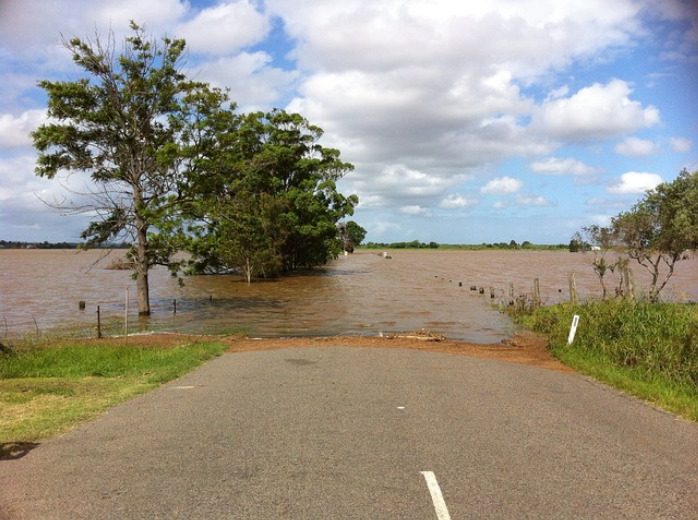
It is Hurricane season, and people who leave near coastal areas likely already have a Hurricane Emergency Preparedness plan. Local and National Government agencies along with insurance agencies, churches, and other non-profit and human service groups provide great information to help with Hurricane preparedness. If you live in an area that is sometimes affected by hurricanes, one of the most important things you can do to protect your family is to spend some time developing a plan. I know this, because I was ignorant and did not have a good plan in place and had to endure a terrible situation.
In 2004, my family lived in Southwest Florida and survived a direct and devastating encounter with Hurricane Charley. It was an event that changed our lives forever.
Like many people who lived in South Florida, we had basic supplies stored and ready in case we were impacted by a hurricane. We also had a general evacuation plan, but even with all the hurricanes we had encountered over the years we had never been forced or felt it necessary to evacuate. Living in Florida for years we kinda became numb to the warnings. Obviously, that was ignorant and cost us dearly.
As Charlie it made it’s way up the Florida coastline we were not in the projected path but when a sudden and dramatic turn occurred, Charlie now was barreling directly toward us with 150 mile-per-hour winds. It happened quickly and I’ll never forget the local news warnings that said “you do not have time to evacuate” so just do whatever you can to protect your life. That was a warning I hadn’t expected to hear.
Obviously, it was a pretty frantic time for our family. We grabbed the kids, huddled in a hallway, and pulled mattresses over us. As winds began quickly increasing, we could hear that damage was occurring all around us. Debris began to hammer our windows and doors as houses and structures were crushed by the fury of winds.
For several hours we were besieged by Charlie but the difficulty of that day lasted far beyond the brisk winds and heavy rains. In fact, the difficulty of that day still impacts us in profound ways.
I had always somewhat hoped to encounter a hurricane to see what it was like. Many people had talked about hurricane parties and the excitement of living through a hurricane. I was one of those people, and quickly found out how foolish I was when we were fearfully battling through the terrible storm.
The most difficult part of the hurricane came after the main force of Charlie had passed. Once the winds began to calm and we were able to emerge, we realized how fortunate we were to survive. Our roof had shifted (actually raised from the structure), our porch had collapsed, power lines were down all around us, and heavy debris was everywhere.
It was now time to deal with survival without electricity, and water. In sweltering 95 degree heat with no air conditioning, life was going to be rough. We were unable to travel because roads were littered with debris, but also there was no way of getting gas at stations without power.
For one week we battled without utilities, water, and other normal necessities. When gas stations In summary were able to open, people battled lines of traffic in order to fill their tanks and get fuel for generators. Fist fights broke-out because people were angry from their battles with terrible living conditions. National Guard units were called-in to patrol streets and maintain the peace.
The fact is, I thought my family was prepared for a hurricane. Turns out, we were only prepared to survive a minimal impacting storm. We had some food and water, but only for a few days.
Based on our difficult experience, I’d like to share some thoughts to help you better consider your hurricane preparedness plans.
If you live near the coast, you likely have a Hurricane There is nothing anyone can do when nature decides to leash out its fury. There is no way to stop it so people should heed the warnings, brace for the worse and seek shelter.
In order to minimize the loss of life, most towns and cities along coastlines have created emergency plans. Sirens are placed in strategic locations to announce a major evacuation; the emergency broadcast system is in place in the event that power and electricity has been cut off, and many agencies also stockpile food, water and medicine.
Those who live in the coastal communities will usually be battered by hurricanes. This happens between the months of June until November in the Atlantic and from May to November in the northern Pacific Ocean. When this is first spotted on radar, the forecaster will begin to inform the public about it. Obviously, hurricanes are erratic in their behavior, so it’s likely the trajectory path will not be very clear. There is no need to panic when your area is a potential target zone since weather conditions may change in the next few hours. But, begin planning and watch the system closely. If there are no improvements, it is time to activate your emergency procedures.
The hurricane may pack winds exceeding more than a 100 miles per hour which can make cars, pieces of metal, lawn furniture, trees, or wood cause severe damage to the home. It’s a good idea to board-up the windows and doors of the house with hurricane shutters and plywood. If you feel your home is secure enough and intend to stay in your home, you will need to get to the grocery store to stock up on food, water and other essentials. In addition to consumable items, you’ll also want to pick up candles, batteries for the radio and the flashlight, and fuel for the generator.
All of these things are necessary (especially water) to prevent dehydration. Water was the most essential item during our experience with Charley. People had purchased drinking water, but it simply was not enough for their needs. The sweltering heat (without air conditioning) created a far-greater need than most people had planned for. So, you will want to get plenty of water stored. In fact, you may want to fill every possible container (including the bathtub) to make certain you are able to last until utilities are restored.
Another vital item that must not be forgotten is a medical kit. This should have bandages and some antibiotics to be able to treat anyone who is ill or injured until the person can be taken to a medical facility for better treatment. If the hurricane is a devastating high-intensity storm, there may be a massive number of people overwhelming health-care facilities. Having a medical kit on hand for minor emergencies is essential.
Should the incoming hurricane be classified as a category 4 or 5, residents are advised to evacuate and seek higher ground. It will be a good idea to travel light so only a few pieces of clothing, food and water must be brought into the vehicle. It’s a good idea to have a bug-out bag (emergency backpack) always ready for a quick evacuation. In fact, you should pack several identical bags for each member of the family.
If you evacuate, you will want to leave plenty early. There will likely be heavy traffic so it is necessary to drive slowly and avoid panicking. You will not want to cause additional traffic delays by causing an accident.
The hurricane will pass within a few hours and depending on the severity of the damage you may be allowed to return home to assess damage. You’ll want to exercise extreme caution, as there will likely be broken glass or other sharp items that could cause you harm. In addition, snakes and other wild creatures may have been washed onto your property and will not be in a very good mood.
Emergency preparedness is key to properly dealing with a hurricane situation. People who live in a hurricane area typically know what to do, but may be numb to the constant warnings. Take it from a fortunate hurricane survivor and take the time to re-evaluate your hurricane preparedness plan. Also, those who are moving into the community should quickly prepare themselves and learn how to survive the onslaught of a hurricane.
My final suggestion is to rehearse your emergency preparedness plan to see if some improvements need to be made. Go through a quick evacuation plan. Practice procedures for staying in your home. You may also want to go so far as to cut off your electricity, water, and phone service to give you the full experience. This extra effort could save your life.
When the power goes out, and the chill sets in, how do you keep warm? It’s a question that often leaves us cold, literally and figuratively.
Exploring the world of alternative heating options during a blackout, this post delves into the heart of survivalist warmth. We navigate through traditional methods, innovative solutions, and eco-friendly alternatives, shedding light on the best ways to combat the cold during a power outage.
The journey to self-sufficiency in heating during a blackout is more than just about staying warm; it’s about resilience, resourcefulness, and readiness. So, let’s embark on this enlightening journey together, as we uncover the secrets of alternative heating options during a blackout.
Can fireplaces provide heat during blackouts?
Absolutely, fireplaces can be an effective source of heat during blackouts. They are a traditional heating method that doesn’t rely on electricity, making them a reliable alternative heating option. Wood-burning fireplaces are the most common type, and they can provide warmth for several hours with a good supply of wood.
The heat output of a fireplace depends on the type of wood used. Hardwoods like oak and hickory burn hotter and longer, while softwoods like pine and cedar ignite quickly but burn faster. It’s important to have a well-ventilated area for a fireplace to prevent carbon monoxide buildup.
Gas fireplaces are another option that can work during power outages. They use natural gas or propane as fuel, and many models come with a battery backup system. This ensures that the fireplace can still ignite even if there’s no electricity.
However, it’s worth noting that not all fireplaces are created equal. Some are more energy efficient than others. For instance, a fireplace insert, which is a closed-combustion system, can heat a room more effectively than an open-hearth fireplace.
Also, consider the safety aspects of using a fireplace during a blackout. Keep a fire extinguisher nearby, and ensure your smoke and carbon monoxide detectors are battery-operated or have a battery backup.
Remember, while fireplaces can indeed provide heat during blackouts, they should be used responsibly and safely.
What is a kerosene heater?
A kerosene heater is a portable, unvented heating device that is fueled by kerosene. This makes it an ideal alternative heating option during a blackout, as it does not rely on electricity. The heater operates by drawing kerosene from a storage tank into a wick, which is then ignited to produce heat.
Kerosene heaters provide a significant amount of heat, making them efficient for warming large spaces. They are also cost-effective, as kerosene is generally cheaper than other fuels. However, it’s important to use them in well-ventilated areas due to the risk of carbon monoxide poisoning.
Kerosene heaters are easy to operate, with most models featuring a simple manual control system. They are also lightweight and compact, making them easy to move around.
Despite their many benefits, kerosene heaters do have some drawbacks. These include the potential for fire hazards if not used properly, and the need for regular maintenance to ensure they remain safe and effective.
Here are some safety tips when using a kerosene heater:
Only use 1-K grade kerosene.
Never leave a lit heater unattended.
Keep the heater away from flammable materials.
Ensure proper ventilation to prevent carbon monoxide buildup.
To wrap up, a kerosene heater can be a reliable and efficient source of heat during a blackout. However, it’s crucial to understand how to use and maintain it properly to ensure safety.
Are propane heaters safe indoors?
Propane heaters are commonly used as alternative heating options during a blackout, but their safety indoors is often a concern. The main risk associated with indoor use of propane heaters is carbon monoxide (CO) poisoning. This colorless, odorless gas is produced when propane fuel doesn’t burn completely. Without proper ventilation, CO can build up to dangerous levels, leading to CO poisoning symptoms such as headaches, dizziness, and in severe cases, loss of consciousness.
However, this doesn’t mean that all propane heaters are unsafe for indoor use. Many modern units come with safety features designed to mitigate these risks. For instance, oxygen depletion sensors (ODS) can detect low oxygen levels, automatically shutting down the heater before CO levels become hazardous. Additionally, some propane heaters have built-in CO detectors that alert users when CO concentration is too high.
To ensure safety when using a propane heater indoors:
Choose a heater designed for indoor use.
Ensure the room is well-ventilated.
Never leave the heater unattended.
Regularly check and maintain the heater to ensure it’s in good working condition.
To wrap up, while there are risks associated with using propane heaters indoors, they can be effectively managed with the right safety measures and equipment.
How effective are wood-burning stoves?
In the face of a blackout, many homeowners turn to wood-burning stoves as an alternative heating option. Wood-burning stoves are highly efficient, able to convert up to 80% of the fuel’s energy into heat, making them a powerful source of warmth during power outages.
Moreover, these stoves are not reliant on electricity, thus providing a reliable heat source when the grid fails. They can also serve dual purposes, offering a cooking surface in addition to heat generation.
Wood as a fuel source is renewable and often locally available, reducing the carbon footprint associated with transporting other fuel types. However, it is crucial to use dry, seasoned wood to minimize smoke and maximize heat output.
Wood-burning stoves require manual operation, adding fuel, and adjusting air control.
They demand regular cleaning and maintenance to ensure efficient operation.
While wood-burning stoves are a viable solution for alternative heating during a blackout, they are not without their challenges. Proper installation and ventilation are critical to prevent the risk of carbon monoxide poisoning or house fires.
Despite these considerations, the effectiveness of wood-burning stoves as an alternative heating option during a blackout is undeniable. They provide reliable, efficient heat, and with proper use and maintenance, they can be a valuable addition to any home’s emergency preparedness plan.
When faced with a blackout, having alternative heating options is crucial. One such option is a gas stove. Gas stoves, typically used for cooking, can also provide a degree of warmth. However, it’s important to note that they are not designed as primary heating devices.
Firstly, gas stoves emit carbon monoxide, a colorless, odorless gas that can be harmful in enclosed spaces. Proper ventilation is necessary when using a gas stove for heating to prevent carbon monoxide poisoning.
Secondly, gas stoves can pose a fire risk. They should never be left unattended when in use as a heating source. Always keep flammable materials away from the stove and ensure the area is clear of any potential fire hazards.
Ensure proper ventilation
Never leave the stove unattended
Keep flammable materials away
Additionally, gas stoves are not energy-efficient as heaters. They can consume a significant amount of gas, leading to high energy costs.
In summary, while a gas stove can provide some warmth during a blackout, it is not a recommended or safe heating option. It’s always better to have a dedicated alternative heating source, like a portable heater, or wood-burning stove which are designed for safe, efficient heat production.
Remember, safety should always be the top priority when dealing with alternative heating options during a blackout.
How do thermal blankets work?
Thermal blankets, often referred to as emergency blankets, are a standout in the list of alternative heating options during a blackout. They are designed using a material called Mylar, which is a thin, flexible insulating material derived from polyester.
• Mylar’s primary function is to reflect heat back to its source, making it a perfect material for thermal blankets.
When a person is wrapped in a thermal blanket, it traps the body heat that would otherwise be lost to the environment, effectively keeping the person warm. This is particularly useful during a blackout when traditional heating methods may not be available.
In addition, thermal blankets are waterproof and windproof, providing an extra layer of protection against harsh weather conditions. They are lightweight and compact, making them an excellent addition to any emergency preparedness kit.
The effectiveness of thermal blankets in preserving body heat makes them a popular choice for outdoor adventurers, emergency responders, and anyone needing to stay warm during a power outage. They are a testament to human ingenuity in creating simple, yet effective, solutions to stay warm.
While they may not replace the comfort of a heated home, thermal blankets can be a life-saving tool during a blackout, helping to prevent hypothermia and other cold-related illnesses.
Remember, during a blackout, staying warm is of paramount importance, and thermal blankets are a practical, cost-effective solution.
What are battery-powered heaters?
Battery-powered heaters are an innovative solution for maintaining warmth during a blackout. Unlike traditional heating systems that rely on electricity or gas, these heaters operate on high-capacity batteries. This makes them an ideal alternative heating option when power outages occur.
The key advantage of these heaters is their portability. Being compact and lightweight, they can be easily moved around to heat specific areas, providing targeted warmth when and where you need it most. They come in various sizes and designs, catering to different heating needs.
Battery-powered heaters work by converting the battery’s stored energy into heat. Some models utilize infrared technology to generate heat, while others use ceramic elements. Regardless of the heating method, these heaters are designed to provide a comfortable temperature, even in the harshest of conditions.
Energy-efficient: Battery-powered heaters consume less energy compared to traditional heating systems, making them a cost-effective choice.
Safety: They are equipped with safety features such as automatic shut-off and tip-over protection, ensuring a safe heating solution during a blackout.
Despite their benefits, it’s important to note that the heating capacity of battery-powered heaters is usually lower than their electric counterparts. However, for short-term heating during a blackout, they are an excellent alternative heating option.
Is it safe to use candles for heating?
When considering alternative heating options during a blackout, many people turn to candles. While candles can provide a source of light and a small amount of heat, they are not a safe or effective heating solution.
The primary concern with using candles for heat is the risk of fire. Candles should never be left unattended, and they should always be placed in a stable holder away from flammable materials. Furthermore, the heat output of candles is minimal, making them an inefficient heating source.
In addition, candles can produce harmful indoor air pollutants, such as benzene and toluene. These pollutants can lead to health problems when inhaled over a long period.
Instead of relying on candles for heat, consider safer and more efficient alternatives. These could include portable propane heaters, which are designed for indoor use and provide a significant amount of heat. Another option is a wood-burning stove, which can heat a large area effectively.
Portable propane heaters: These heaters are safe for indoor use and can provide a substantial amount of heat. They are also easy to operate, making them a practical choice during a blackout.
Remember, while it’s important to stay warm during a blackout, safety should always be your top priority. Therefore, candles should not be used as a primary source of heat.
All in all, there are various alternative heating options available during a blackout. Fireplaces, for instance, can be an efficient source of heat, as can kerosene and propane heaters. However, safety should always be a priority, particularly with indoor propane heaters. Wood-burning stoves, while traditional, remain a highly effective heating solution.
Gas stoves, while not designed primarily for heating, can also be used to warm up your space. Thermal blankets, on the other hand, work by reflecting body heat and are a simple yet effective solution. Battery-powered heaters are a modern, portable option, although their heating capacity might be limited.
Candles, while providing a degree of warmth, should be used with caution due to the fire risk. It is crucial to remember that each heating option has its own pros and cons, and the choice will depend on your individual circumstances, needs, and safety considerations.
As we move forward, we may see advancements in heating technology that could provide more efficient and safer heating options during blackouts. Staying informed about these trends will ensure you’re well-prepared for any situation. Remember, planning ahead is key to staying warm and safe during a blackout.
The Essentials Revisited: Seven Must-Have Items for Your Bug-Out Bag
In the realm of emergency preparedness, the concept of a bug-out bag is not new. Yet, considering the unpredictability of life, revisiting what you pack in your emergency kit is a crucial exercise. Here’s an engaging reminder and a fresh perspective on the seven most critical items you absolutely must have in your bug-out bag. This list isn’t just about survival; it’s about maintaining a semblance of normalcy in the face of adversity.
1. Water: Your Lifeline in Liquid Form
Every survival guide stresses the importance of water, and it cannot be overstated. Dehydration can debilitate you within hours, making it impossible to manage in any crisis. Aim to pack at least one gallon of water per person per day. But since carrying all this might be impractical, invest in a dual-purpose tool like the LifeStraw or a Sawyer Mini. These water filters are compact, remove 99.9999% of bacteria and parasites, and can filter up to 100,000 gallons of water. Remember, hydration isn’t just about drinking—it’s also crucial for hygiene.
2. Calorie-Dense Foods: More Than Just Snacks
Forget your usual snacks; emergency food needs to be high in calories and nutrition to sustain energy. Pack calorie-dense items like protein bars, dried fruits, nuts, peanut butter, and canned beans that can be eaten with minimal preparation. The trick is to select foods that you actually enjoy eating, which can also provide a psychological comfort. A small, foldable stove and a metal pot can be included for heating food, expanding your dietary options.
Get a Free Subscription to PREPARE Magazine
3. First Aid Kit: Customized for You
A generic first aid kit won’t cut it. Customize your kit to cater to your specific health needs. Include prescription medications, an EpiPen if you have allergies, asthma inhalers, and basic first aid supplies like bandages, antiseptic creams, and pain relievers. An often overlooked but vital inclusion is a booklet on basic first aid procedures—because stress can make us forget even the most well-known practices.
4. Multipurpose Clothing and Shelter: Prepare for All Seasons
When packing clothing, think versatile and weather-appropriate. Convertible cargo pants, thermal underwear, a waterproof jacket, and sturdy boots can cover most scenarios. For shelter, beyond just a tent or a sleeping bag, a lightweight tarp can be invaluable. It can serve as a rain shield, ground cover, or a makeshift shelter. Also, remember to pack emergency thermal blankets which reflect back body heat and are crucial during cold nights.
5. Illumination and Power: Shedding Light and Keeping Powered
Lighting is essential not only for visibility but also for comfort and safety in darkness. LED headlamps, a solar-powered lantern, and waterproof matches should be in every bug-out bag. For power, solar chargers and power banks can keep your small electronics running longer. Investing in renewable power sources is wise, particularly if you are away from traditional power for several days.
6. Communication Tools: Your Link to the Outside World
In today’s connected world, being cut off can be terrifying. A hand-crank or solar-powered radio can keep you connected to weather alerts and news updates. Consider also packing a durable, waterproof phone case and a spare, charged battery for your mobile phone. Satellite phones or GPS devices can be lifesavers in remote locations where cellular service is unreliable.
7. Personal Documents and Cash: Identity and Trade
Pack copies of important documents like your ID, passport, insurance information, and medical records in a waterproof container. Cash, particularly in small bills, can be crucial for purchasing essentials when credit card systems are down. Additionally, include a list of emergency contacts and any critical personal information that could aid rescuers or medical professionals.
Wrap-Up
While packing your bug-out bag, remember that the goal is not just to survive but to do so with dignity and a level of comfort that can ease mental stresses during emergencies. Each item in your bag should serve a purpose, either for survival or for psychological comfort. Regularly revisit and adjust the contents of your bag as your needs and environmental conditions change. In preparedness, as in all things, the details matter. Stay safe, stay prepared, and remember, the right preparation today can make all the difference tomorrow.

 When preparing for emergencies, it’s crucial to stock up on foods that have a long shelf life. These include non-perishable items such as canned goods. Canned vegetables, fruits, and meats can last for years when stored in a cool, dry place.
 Rotating your emergency food supply is a critical aspect of maintaining a fresh, nutritious, and safe stockpile. Start by organizing your supplies according to their expiration dates. Foods with the nearest expiry dates should be at the front, while those with later dates at the back. This “”first in, first out”” approach ensures that no food goes to waste.
 As tensions escalate around the globe, the once inconceivable prospect of World War III is now a sobering reality that must be considered. While the hope for peace remains paramount, the prudent course of action is preparing for World War III. In this article, we will explore five critical signs indicating the possibility of World War III and underscore the urgent need for preparedness.
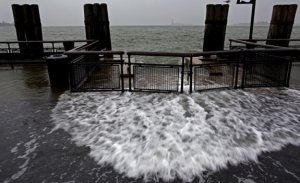 Like many people who lived in South Florida, we had basic supplies stored and ready in case we were impacted by a hurricane. We also had a general evacuation plan, but even with all the hurricanes we had encountered over the years we had never been forced or felt it necessary to evacuate. Living in Florida for years we kinda became numb to the warnings. Obviously, that was ignorant and cost us dearly.
 Battery-powered heaters are an innovative solution for maintaining warmth during a blackout. Unlike traditional heating systems that rely on electricity or gas, these heaters operate on high-capacity batteries. This makes them an ideal alternative heating option when power outages occur.