by PREPARE Magazine Editorial Team | Apr 5, 2025 | Blog, Coming Issue Updates
GOOD NEWS…
We are happy to announce that the next Digital issue of PREPARE magazine will be ready for release within a few days. It’s an amazing issue that we believe our subscribers are going to love.
GREAT NEWS…
We are now ready to officially launch PREPARE Magazine. It’s been a pretty challenging birth, but we are blessed with the opportunity and are now ready to cut the ribbon and begin releasing some amazing things that we have been working on. We are celebrating our launch with the release of our Print publication and also the Premium Membership Subscription. You will be hearing more about them within the next few days.
Our first-issue print, will be released shortly – as the designer has indicated the publication is almost ready. The first printed issue should be going out to our initial subscribers very soon.
BETTER NEWS….
Many folks who have been with us along the way along with the growing pains from the beginning are already grand-fathered in for some awesome perks with the Premium Members Subscription. We are truly grateful for your encouragement and support of this vision from so early on. Please continue to spread the word about PREPARE Magazine in order to help others see the need to prepare too.
Keep sharing and keep caring that others are preparing!
by PREPARE Magazine Editorial Team | Apr 5, 2025 | Blog
 Many sites that are not mainstream media are supporting this Notable News: “The Government orders Survival Kits for Banks.” While some sites will share potentially real documentation of the order for these kits (such as the section of the article below found on FreeBeacon.com )…
December 10, 2014 1:00 pm
The Department of Treasury is seeking to order survival kits for all of its employees who oversee the federal banking system, according to a new solicitation.
The emergency supplies would be for every employee at the Office of the Comptroller of the Currency (OCC), which conducts on-site reviews of banks throughout the country. The survival kit includes everything from water purification tablets to solar blankets.
The government is willing to spend up to $200,000 on the kits, according to the solicitation released on Dec. 4.
Other articles are focusing more on the reasons and content of the kits and what that may mean for the survivalists and conspiracy theorists such as these portions of an article found about the topic on WeasternJournalism.com
Preppers sometimes get a bad rap, especially the hardcore survivalists who stockpile tons of packaged food and ammunition in underground bunkers. But what about the apparent prepper mentality of U.S. government officials now awaiting bids on a solicitation they recently made for “emergency preparedness” survival kits for banks?
and
The Treasury Department doesn’t specifically say why it feels the kits are needed. But the contents of each survival kit are specifically named in the government’s solicitation for a contractor to provide them:
• 2400-calorie food bar (minimum 5-year shelf life)
• 3-pack 8.5 oz. water (minimum 5-year shelf life)
• 50 water purification tablets (minimum 5-year shelf life)
• Reusable solar blanket 52” x 84”
• Dust mask
• One-size fits all poncho with hood
• 12 hr. light stick
• 1 pair of latex gloves
• Whistle with lanyard
• 33 piece personal first aid kit
• 5 Wet Naps
• Dynamo rechargeable lantern with AM/FM radio
• Air-Aid emergency mask
We of course would like to see the exact information of this on the Treasury Website to verify the existence of the order. However, if it is true rather than use this information for some form of panic or paranoia that the Government knows that ‘something is up’ like so many of the tones set by other media and fear-mongers, we prefer a different approach to using this information.
If you have a family member or a friend who kind of wonders why you prepare or perhaps gives you some guff for it, this is a fantastic opportunity to show that you are not alone, nor are you a conspirator, nut-job or alarmist. If indeed you direct them to reputable sites that prove our Government does take preparedness seriously itself, and that being prepared is not all about bunkers, arsenals and only for the anti-social recluse, you may just win some of them over to see the light.
Take this opportunity to FACT find and rather than spread fear and distrust, use the information to help save the lives of those you love. Encourage them into action rather than frighten them. You’ll appear more sane and they’ll be more likely to grow more capable rather than simply react.
You have the power to help others. Wield it wisely.
by PREPARE Magazine Editorial Team | Apr 5, 2025 | Blog, Guest Bloggers
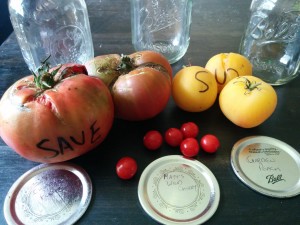
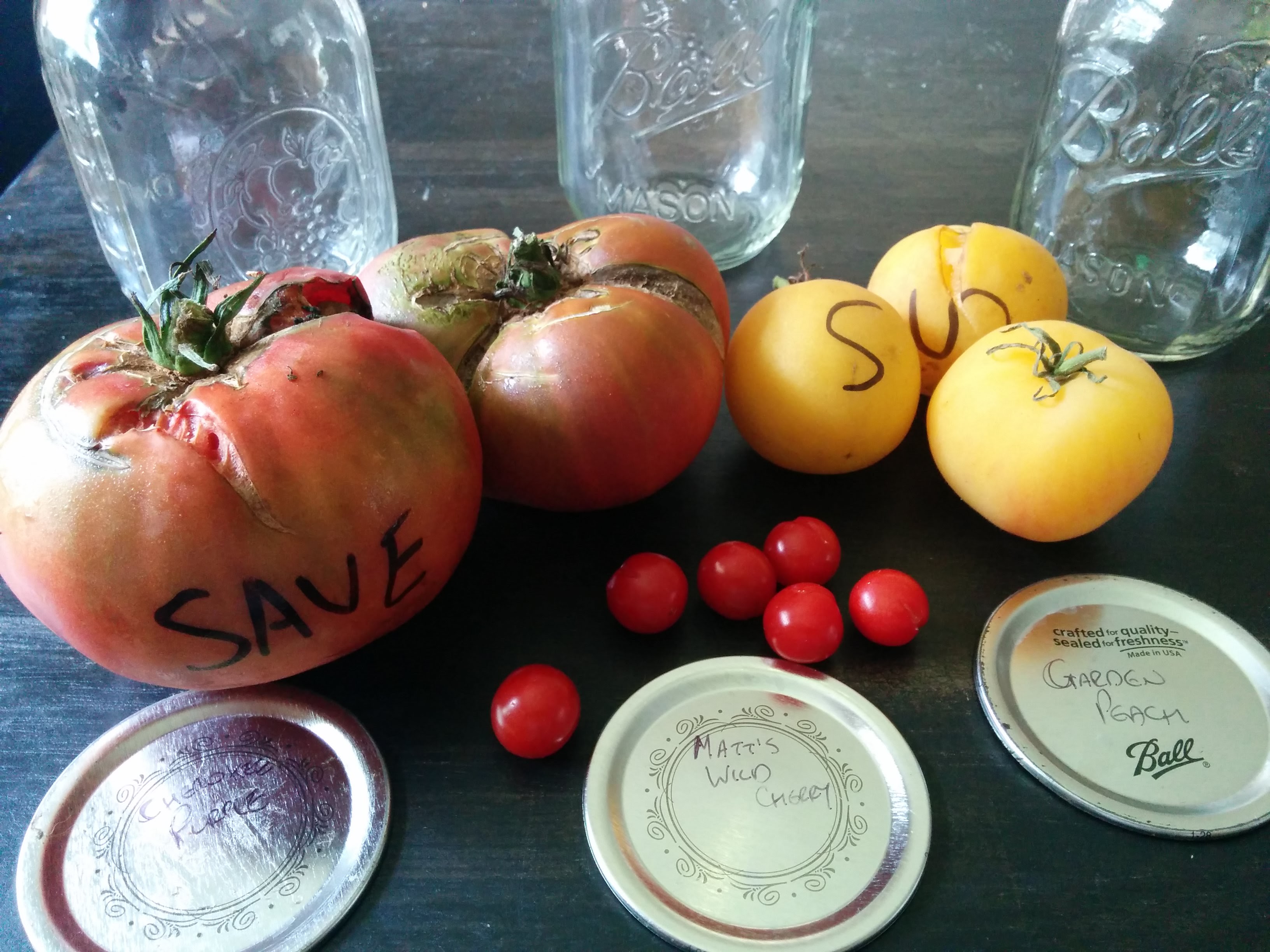
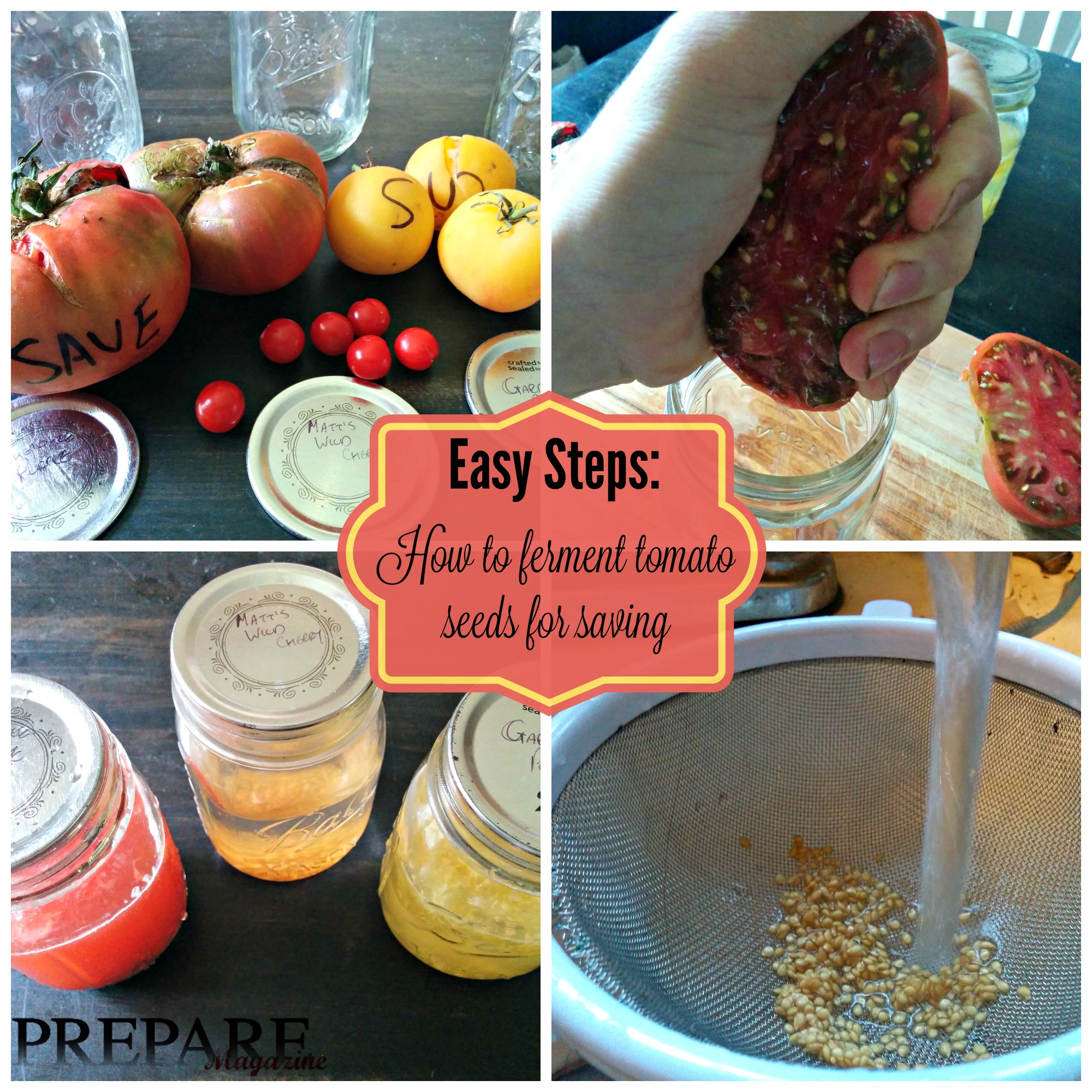
The traditional growing season is coming to a close. If you have grown heirloom tomatoes, then seed saving is next on the ‘to-do’ list. Here is a guest blog from one of our new writers here at PREPARE Magazine. We hope you enjoy these 8 Easy Steps to Fermenting Tomato Seed for Seed Saving.
——————————————————
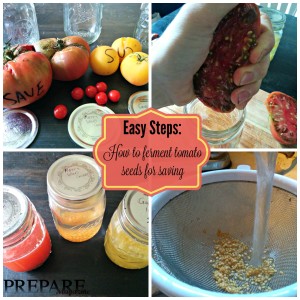
By Guest Blogger, Chris Smith
Some seeds need to be fermented in order to break down the gelatinous placental layer that surrounds the seed. Once this layer is broken down the seeds can be dried and stored in a cool, dark and dry location.
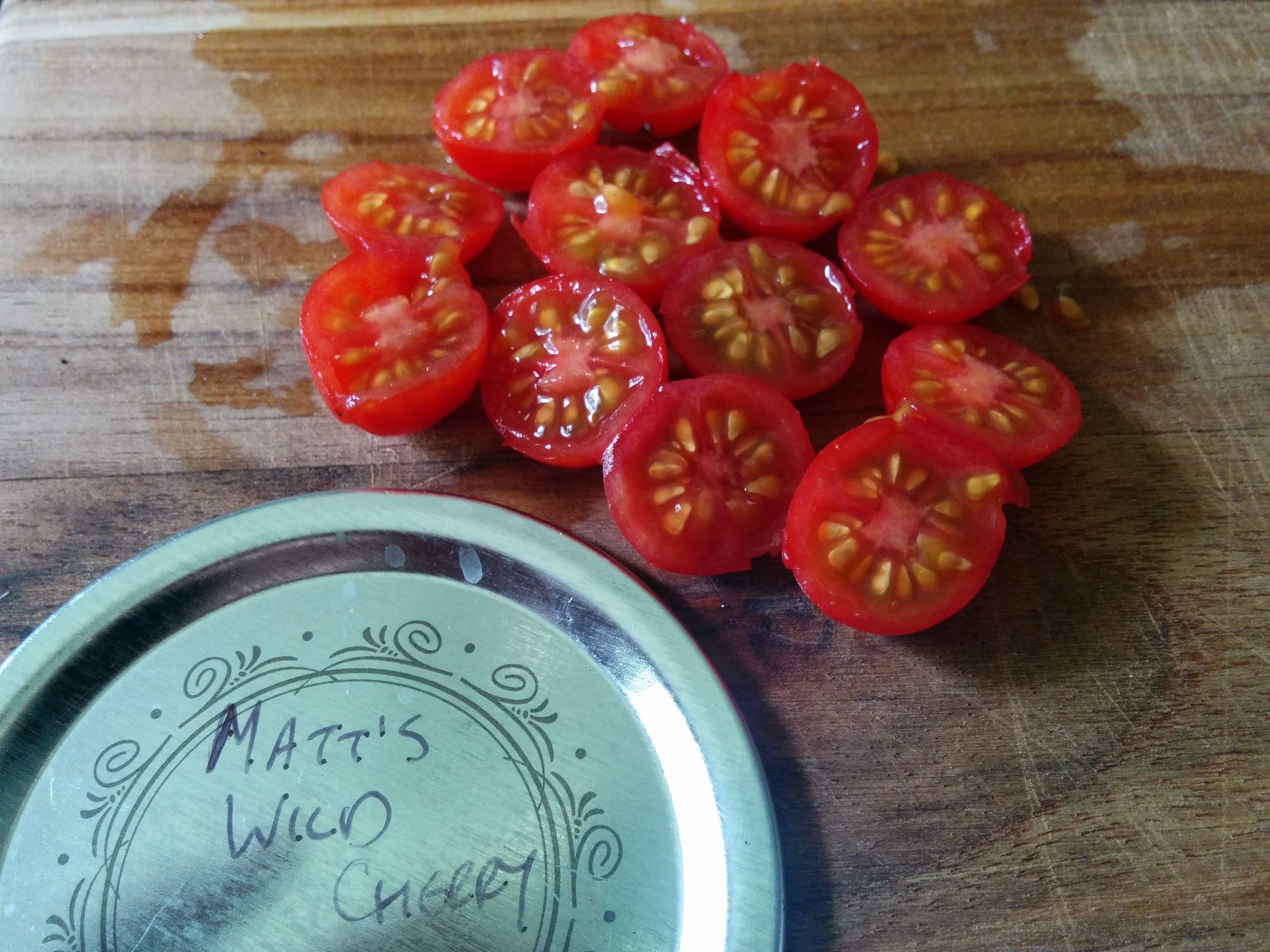
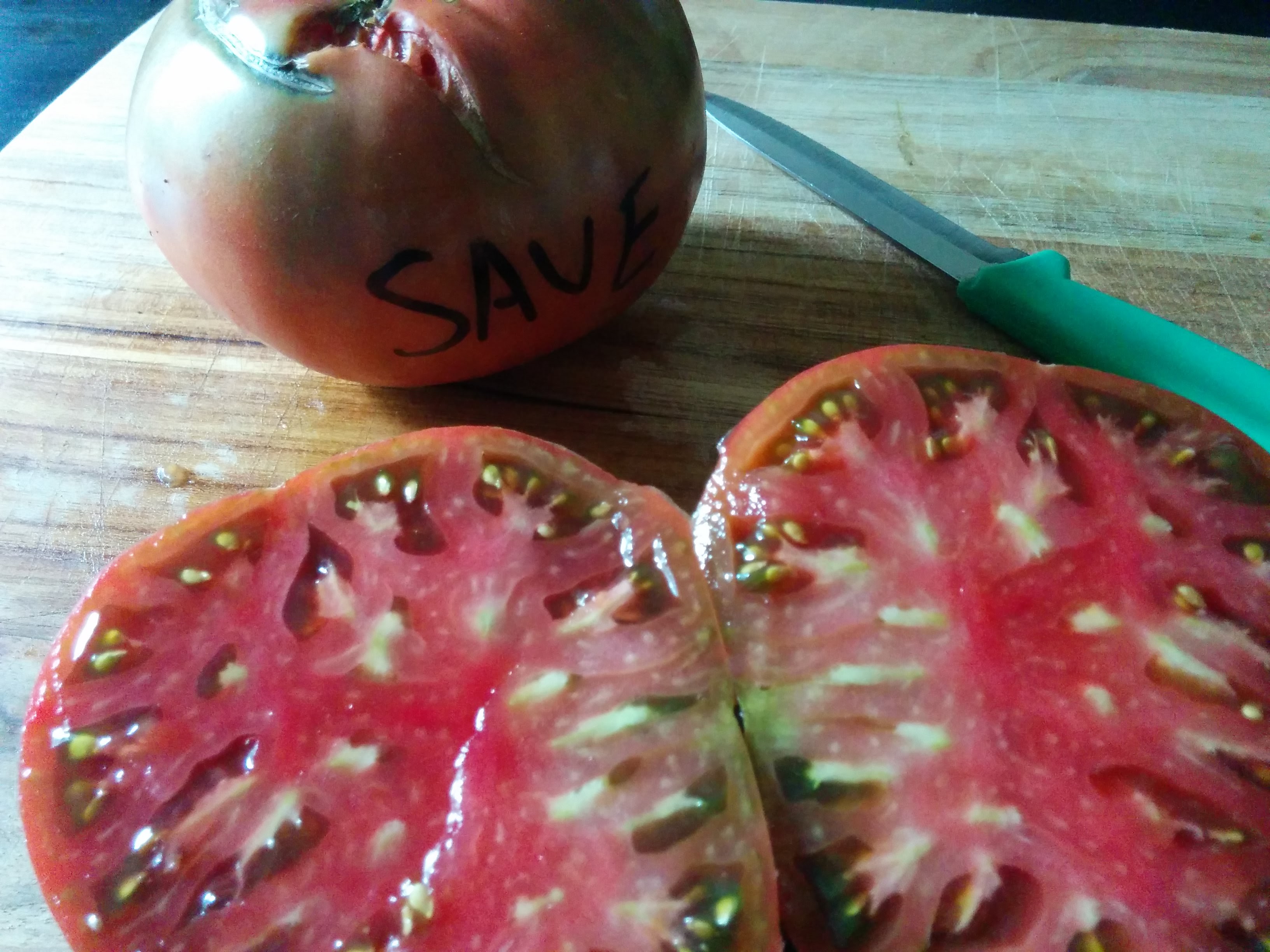
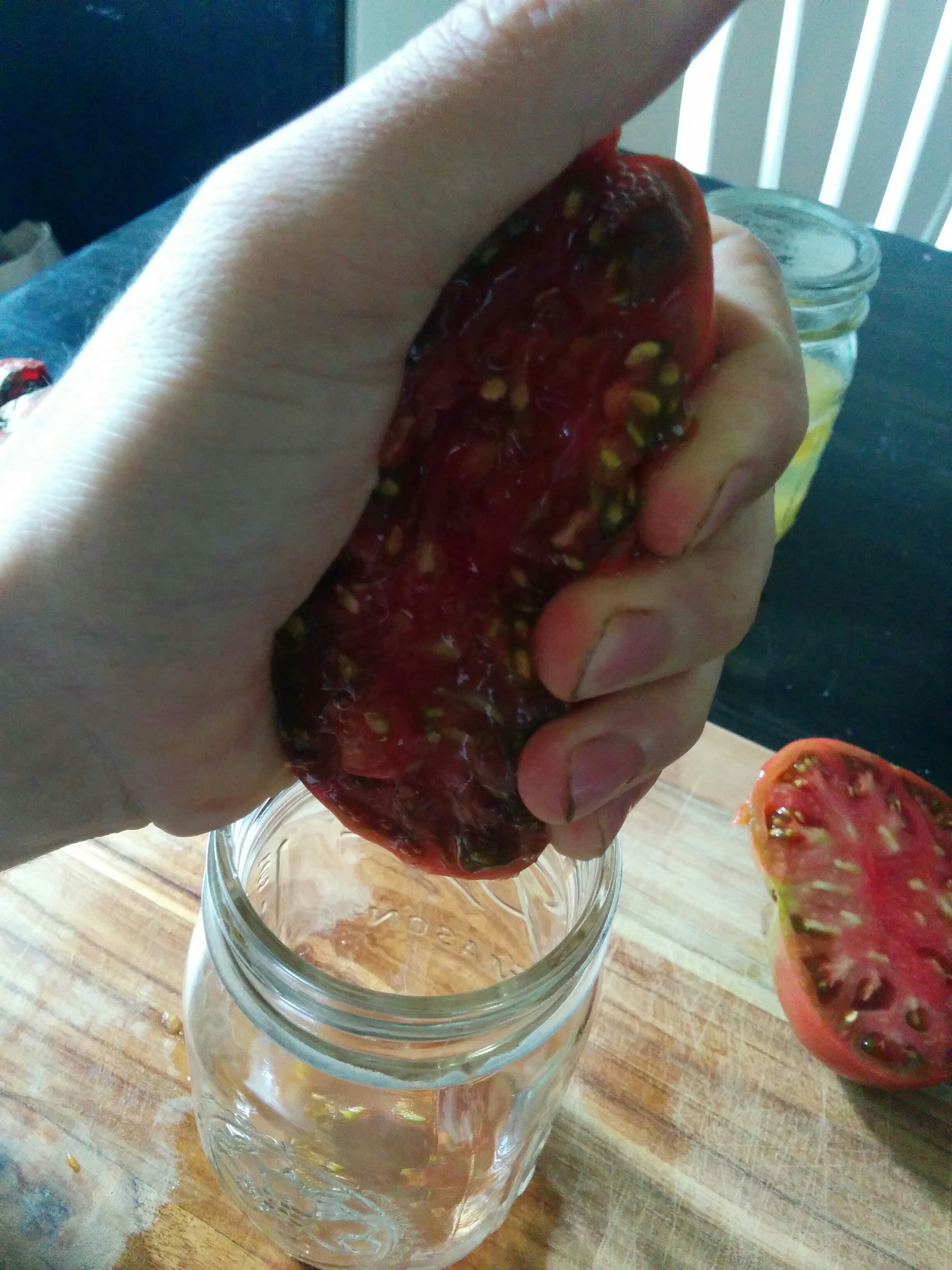
Step One – cut along the equator to reveal the seed categories

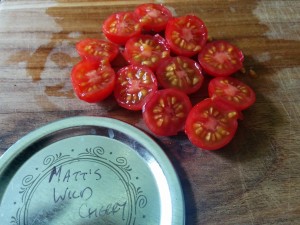
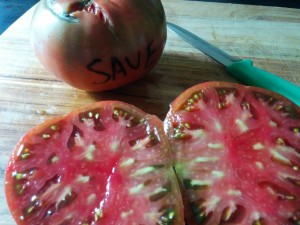
Step Two – squeeze or scrape seeds into a clean container


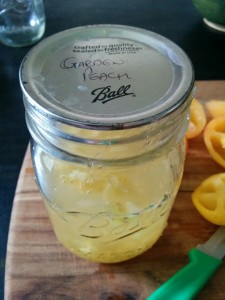
Step Three – top the container up with clean water and stir vigorously
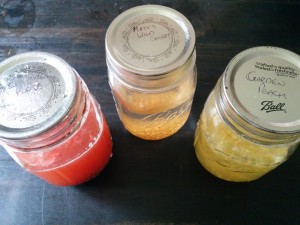
Step Four – leave to ferment for 2-3 days. Stir daily
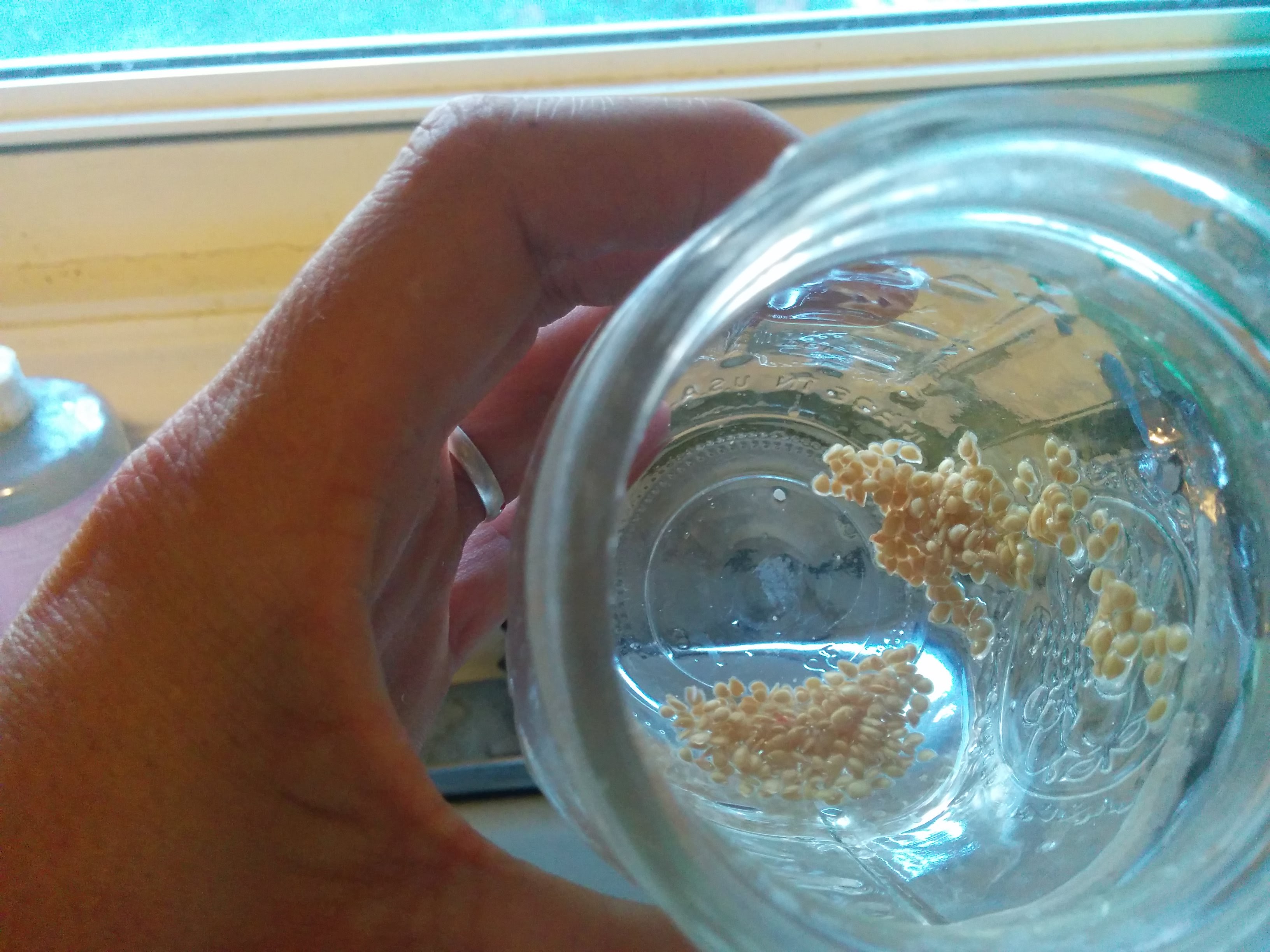
Step Five – seeds will sink to the bottom. Fermented gunk will form on top
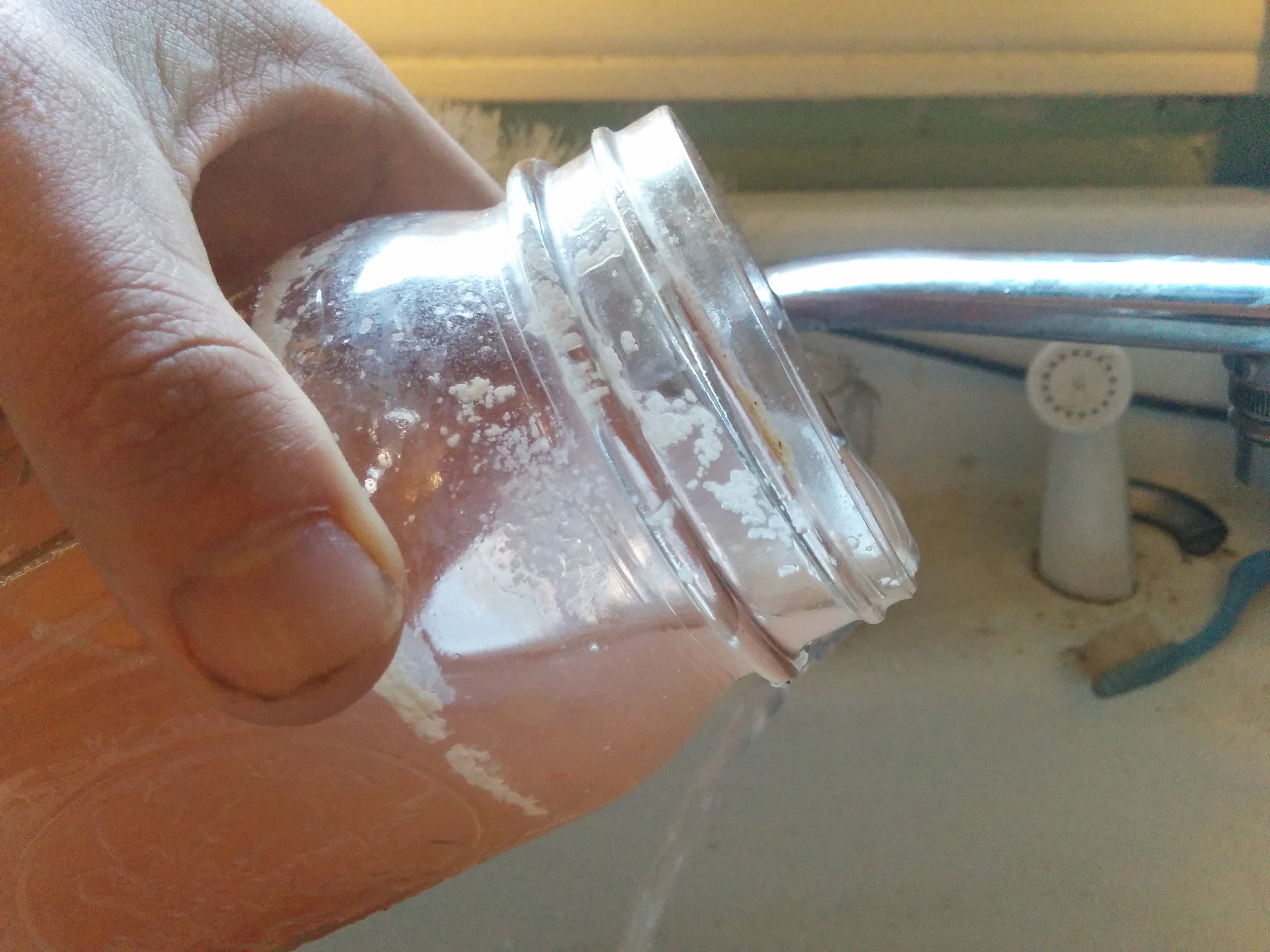
Step Six – pour off the gunk, fill with water and pour off the gunk. Repeat until most of the gunk is gone.
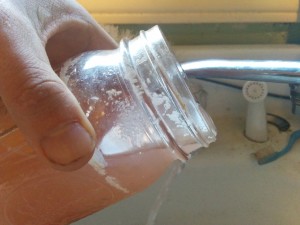
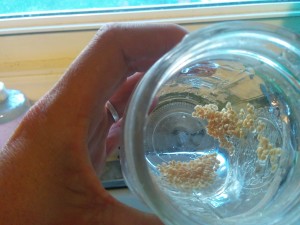
Step Seven – do a final rinse to make sure seeds are clean.
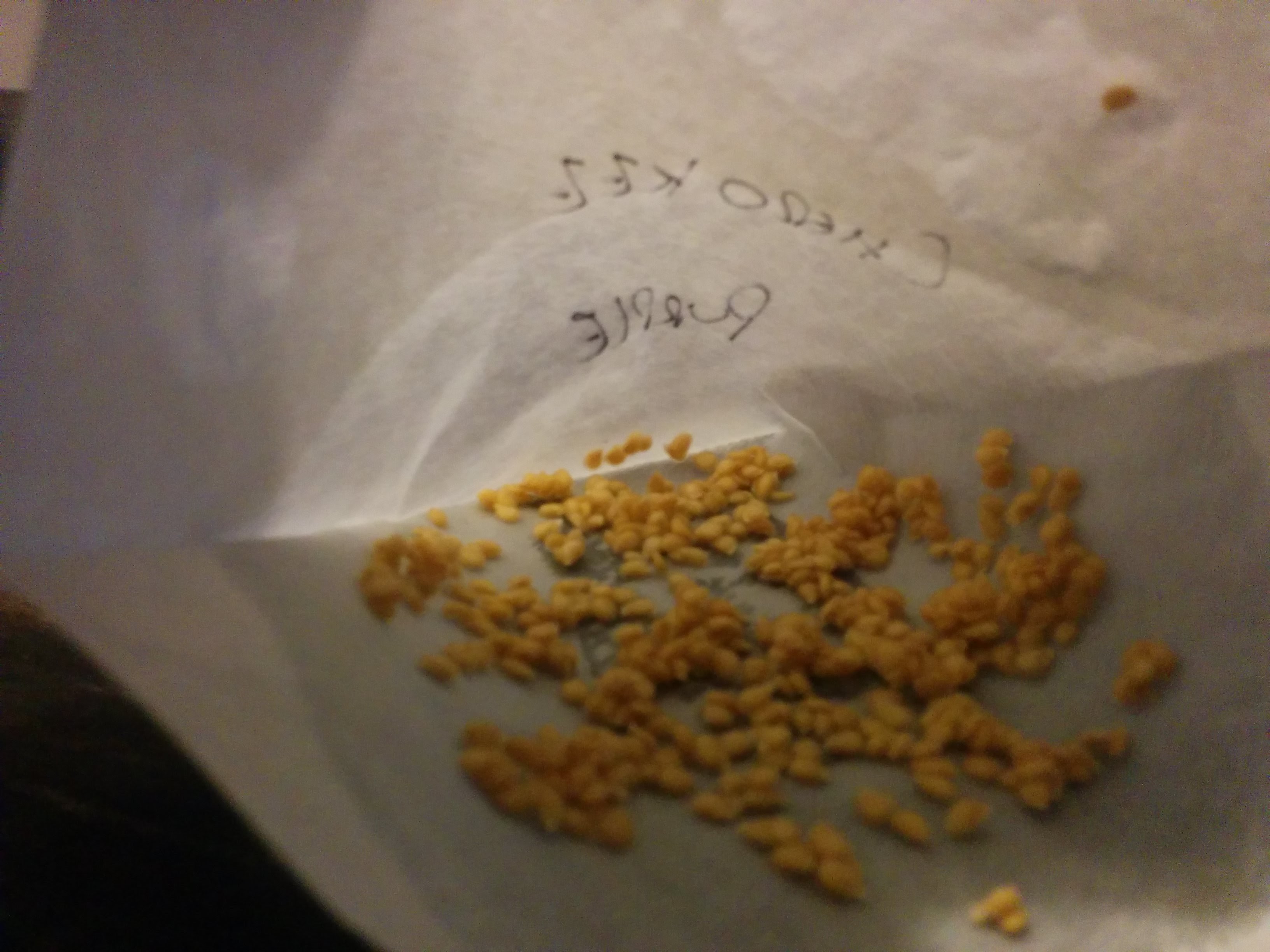
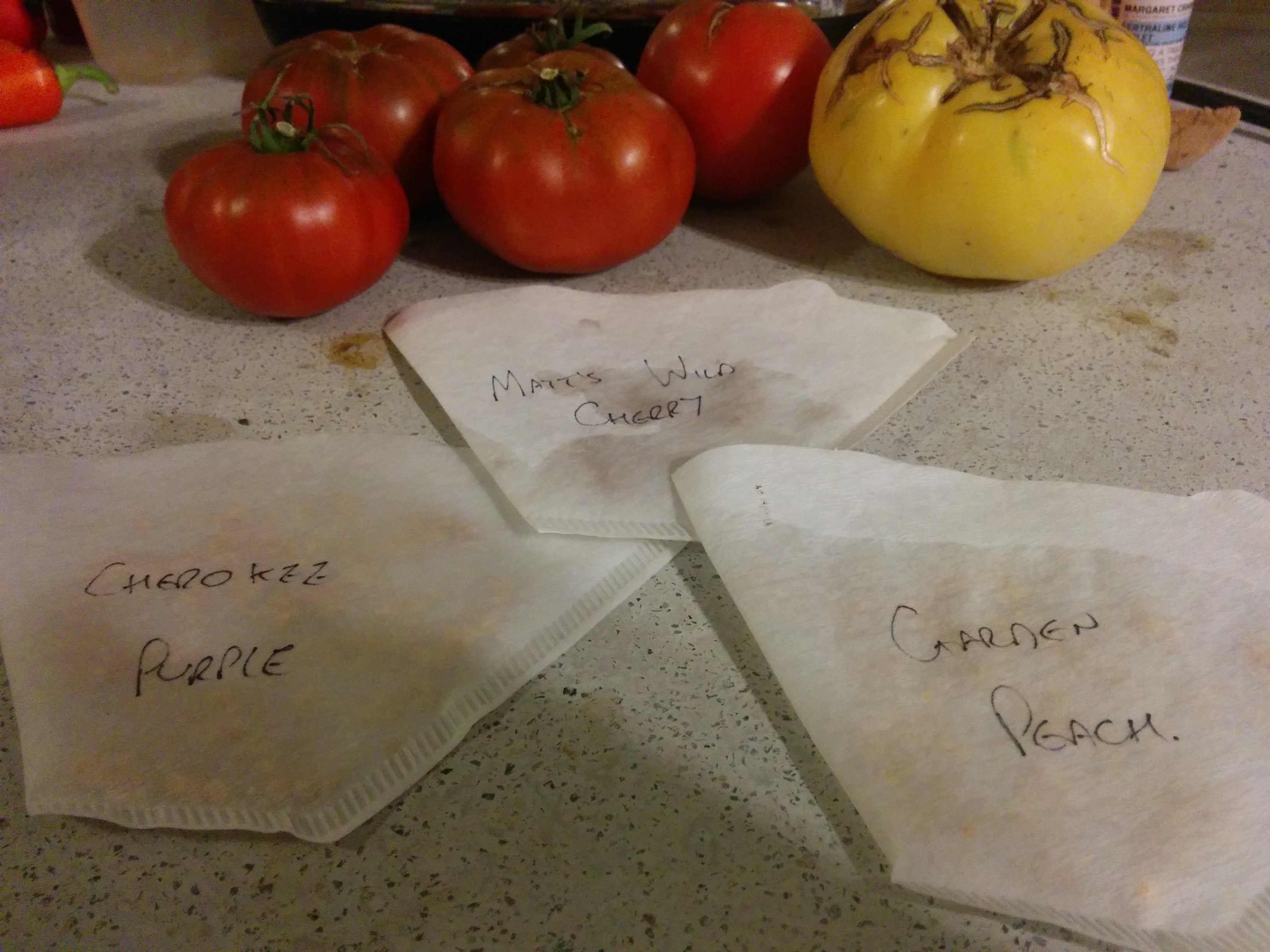
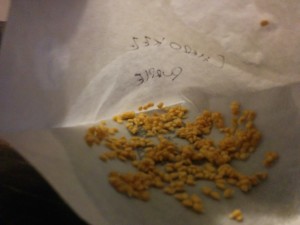
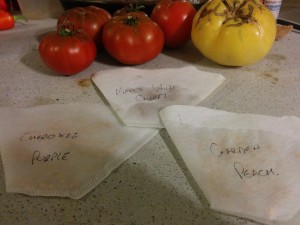
Step Eight – allow seeds to dry thoroughly before storing. I use coffee filters
___________________________________

Chris Smith is an enthusiastic grower and permaculture student from a green-thumbed family! On his ½ acre micro-farm, Chris is experimenting with landraces, selective seed saving, crop trials and seed grow outs. With a newborn in the family, the importance of resilient food systems is high in his mind. Chris works at Sow True Seed in Asheville, NC as the Community Coordinator and is active in promoting good quality, regionally adapted open-pollinated seed.
___________________________________
Popular Questions
What are the easy steps to ferment tomato seeds for saving?
To ferment tomato seeds for saving, start by cutting the tomato along the equator and squeezing the seeds into a clean container. Add clean water and stir vigorously, then let the mixture ferment for 2-3 days, stirring daily. After fermentation, the seeds will sink, and you can pour off the gunk that forms on top. Rinse the seeds thoroughly before allowing them to dry completely.
How long should you ferment tomato seeds for saving?
Fermenting tomato seeds typically takes about 2-3 days. During this time, it's important to stir the mixture daily to ensure even fermentation. After the fermentation period, the seeds will settle at the bottom, and you can remove the floating debris. This process helps break down the gelatinous layer surrounding the seeds, making them easier to clean.
What should you do after fermenting tomato seeds for saving?
Once the fermentation process is complete, pour off the gunk and rinse the seeds with clean water to remove any remaining debris. Repeat this rinsing process until most of the gunk is gone and the seeds are clean. After rinsing, allow the seeds to dry thoroughly, which is crucial for proper storage. Using coffee filters can help absorb moisture effectively during the drying process.
Why is it important to ferment tomato seeds before saving them?
Fermenting tomato seeds is essential because it helps break down the gelatinous layer that surrounds the seeds, which can inhibit germination if left intact. This process also helps eliminate any potential pathogens that may be present on the seeds. By fermenting, you ensure that the seeds are clean and ready for storage, increasing their viability for future planting. Properly fermented seeds can lead to healthier plants in the next growing season.
by PREPARE Magazine Editorial Team | Apr 5, 2025 | Blog, Guest Bloggers
 “One of the things I’d like to do is to show people how to start “positive” epidemics of their own.
The virtue of an epidemic, after all, is that just a little input is enough to get it started, and
it can spread very, very quickly.” ~ Malcolm Gladwell, The Tipping Point
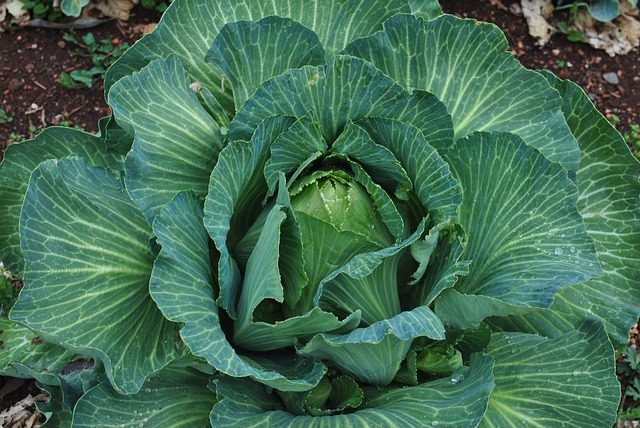
Growing a Sustainable Garden – The “Vital Few” or the “Trivial Many”? Which are you: one of the “Vital Few” or the “Trivial Many”?
I submit that your knowledge of the Mittleider Method of sustainable gardening makes you one of the “vital few.” With that knowledge, comes both opportunity and responsibility.
In his book, The Tipping Point, Malcolm Gladwell describes how the few can make a tremendous positive difference for everyone else, which he compares to an epidemic, or that point before which not much seems to be happening, and after which effects begin to explode.
We Need to Start An Epidemic … And You Can Help!
Family gardening can, and should, become as common and important again as the family car.
Why?
Because your garden can FEED you — even when:
• Your car won’t run because there’s no gasoline (or you can’t afford to buy it) …
• There’s no food to buy in the stores … or
• There’s no money (or not enough) to buy food – for whatever reason.
This is the context, or the overriding reason why the message YOU carry is so vital for everyone.
Gardening should be sustainable, using true, proven principles and the best methods and techniques, so it will yield the “most bang for the buck,” and be worthwhile and enjoyable for the long term.
The Mittleider Method will feed your family! It will give you “the garden you’d want if your life depended on it.” And it very well may.
Today truly effective family vegetable gardening is done by only about 1% of the people who may soon desperately need it.
The best growing principles, methods and procedures are the closely guarded secrets of the large field and hydroponic growers. Meanwhile, the large majority of gardening families are back in the 19th century mentality, using only manure and compost, scared into believing that ANY use of “chemicals” will threaten their health, or even their lives.
What makes the Mittleider Method so unique – and so vitally important – is that it teaches the best principles, procedures, and techniques used by large commercial and hydroponic growers, but adapted to the small family garden. It works in any soil, and in almost any climate. The procedures are easy to learn; simple and straightforward.
In addition, the Mittleider Method eliminates the problems so often associated with large-scale commercial food production, such as overuse of fertilizers, pesticides and herbicides, high cost, and lack of freshness and flavor.
Now here’s our opportunity … and my challenge to you!
Great changes have always been initiated by just a few people who knew what they wanted, were focused, and were willing to share their knowledge with everyone they could influence.
I challenge every person reading this article to be among the “vital few” who help people around you improve their lives while preparing for the uncertainties of the future.
How?
First, by learning how to grow your own food using the best system available as demonstrated and taught by The Food For Everyone Foundation, and then by promoting, teaching, and demonstrating what you’ve learned about sustainable gardening, and getting others to do the same.
Choose a group of people with whom you have a genuine, social relationship. Your church group, email list, gardening club, voting district, family, or neighborhood association are all good places to start.
Show them your own garden. Tell them of your own success. Loan them a book or CD. Offer to teach a seminar. Point out the benefits of learning and doing it NOW, before their need is urgent and it’s too late to learn or prepare.
Show and Tell!
Share articles, tips and advice from the Food for Everyone Foundation Website. Share important posts from the archives of the MittleiderGardeningMethod@yahoo.groups.com and encourage people to subscribe. And invite friends to add Mittleider Gardening to their Friends on Facebook.
Even if you do nothing more than persuade them to buy a can of vegetable seeds and a couple bags of fertilizer, you’ve done tremendous good. A triple-sealed #10 can of 22 heirloom vegetable varieties that can be stored for many years can be purchased at the Foundation website or at www.mvseeds.com.
Do something NOW! Make your voice heard, and your influence felt. You CAN make a difference for good in the world around you.
It’s time to spread an epidemic … (Not bird flu. The gardening “bug!”)
We can do it. Malcolm Gladwell says we can do it. And remember: “out of small things proceedeth that which is great.”
Thanks for your interest in gardening, your willingness to do it right, and your courage to share.
By Jim Kenard
Jim Kennard is the President of Food For Everyone Foundation (501)(c)(3) Charitable Foundation. Mission – “Teach the world to grow food one family at a time” with the world-renowned Mittleider Method.
Popular Questions
How can I start a growing epidemic of sustainable gardening in my community?
To initiate a growing epidemic of sustainable gardening, begin by sharing your own gardening experiences with friends and family. Organize small gatherings or workshops where you can teach others about the Mittleider Method and its benefits. Encourage participants to start their own gardens and provide them with resources, such as books or seed packets, to help them get started. By fostering a supportive environment, you can inspire others to join in and create a ripple effect of positive change.
What are the key principles of the Mittleider Method for creating a gardening epidemic?
The Mittleider Method emphasizes using proven techniques that maximize yield while minimizing resource use. It teaches gardeners how to adapt commercial growing practices to small family gardens, making it accessible for everyone. By focusing on soil health and efficient nutrient management, this method can help families grow food sustainably, even in challenging conditions. Sharing these principles can empower others to embrace gardening as a vital skill.
Why is it important to promote family gardening as a growing epidemic?
Promoting family gardening is crucial because it equips individuals with the ability to produce their own food, especially in uncertain times. As reliance on grocery stores can be risky, having a personal garden ensures access to fresh produce regardless of external circumstances. By encouraging others to garden, you help build a community that values self-sufficiency and resilience. This collective effort can lead to a significant shift in how families approach food security.
What steps can I take to encourage others to join the gardening epidemic?
Start by demonstrating your own gardening success and sharing the results with your social circles. Offer to host informational sessions or hands-on workshops where you can teach others about sustainable gardening practices. Provide resources and support, such as seed exchanges or gardening clubs, to foster a sense of community. By actively engaging with others and sharing your knowledge, you can inspire them to take action and join the gardening movement.
by PREPARE Magazine Editorial Team | Apr 5, 2025 | Blog, emergency preparedness, self-reliant living
In a world often riddled with uncertainty, self-sufficiency becomes more than a lifestyle; it’s a necessity. Imagine the empowering feeling of growing your food, knowing that you have a reliable source of sustenance at your fingertips.
Starting a seed bank for preparedness is the first step towards this independence. It’s about cultivating a diverse collection of seeds that will ensure your survival and nourish your family in any situation.
This journey towards self-reliance is not just about survival, but also about embracing a lifestyle that respects and nurtures the environment. So, are you ready to take the first step towards self-sufficiency? Join us as we delve into the fascinating world of seed banking. Together, we will explore how to start, maintain, and use a seed bank for preparedness.
Why Start a Seed Bank?
Starting a seed bank is an essential step towards preparedness and self-sufficiency. It provides a reliable source of diverse, high-quality seeds for future planting, ensuring food security in uncertain times. By preserving seeds, you’re safeguarding genetic diversity, which is crucial for adapting to changing environmental conditions and potential threats like disease or pests.
Seed banks also offer an opportunity to cultivate heirloom varieties, many of which have been passed down through generations and hold unique flavors and nutritional profiles. These seeds are often more resilient and adaptable than commercial seeds, making them a valuable asset in any survival situation.
Creating a seed bank isn’t just about survival, though. It’s about taking control of your food supply, knowing exactly where your food comes from, and ensuring it’s grown without harmful chemicals or GMOs. It’s a way to connect with nature, learn about different plant species, and contribute to the preservation of biodiversity.
Starting a seed bank requires some initial investment of time and resources, but the benefits far outweigh the costs. You’ll need to learn about seed saving techniques, storage conditions, and germination requirements for different species. But once you’ve mastered these skills, you’ll have a renewable source of food and the peace of mind that comes with being prepared for any situation.
Remember, a well-stocked seed bank is more than just a collection of seeds. It’s a living library of plant genetics, a tool for food sovereignty, and a testament to the resilience and foresight of its creator. So, why not start your seed bank today?
Choosing the Right Seeds
When starting a seed bank for preparedness, the first step is selection. It’s crucial to choose seeds that are hardy, easy to grow, and can thrive in your local climate. These might include vegetables like tomatoes, peppers, and beans, or grains such as wheat and corn.
Selecting heirloom seeds is another important consideration. Unlike hybrid seeds, heirloom varieties have been passed down through generations, and they retain their original traits. This makes them a reliable choice for a seed bank as they are known for their longevity and resilience.
Also, consider the nutritional value of the plants you’re growing. Opt for seeds that will produce nutrient-dense foods. This way, you’re not just growing food, but you’re also ensuring that your diet remains balanced and healthy during times of emergency.
Seed storage is another critical aspect. You’ll want to store your seeds in a cool, dark, and dry place to maintain their viability. It’s also advisable to regularly rotate your seed stock to ensure freshness.
In closing, remember to include seeds of plants that are beneficial to your garden’s ecosystem. These could be plants that attract beneficial insects or those that naturally repel pests.
Starting a seed bank for preparedness is a proactive step towards self-sufficiency. By choosing the right seeds, you’re laying the foundation for a sustainable and resilient food source.
How to Store Seeds?
Storing seeds properly is a crucial step in starting a seed bank for preparedness. The first step is to dry the seeds properly. This helps in preserving the viability of the seeds for a longer period. The drying process should be done in a cool, dark place with good air circulation.
Once the seeds are adequately dried, they should be stored in an airtight container. This prevents moisture from reaching the seeds, which can lead to mold growth and seed decay. Glass jars with rubber seals are often recommended for this purpose.
The stored seeds should be kept in a cool and dark place. This helps in preserving the seeds’ vitality. The ideal temperature for seed storage is below 40 degrees Fahrenheit.
It’s also important to label your seeds. This should include the type of seed and the date of storage. This information can be crucial when it’s time to use the seeds.
- Dry the seeds
- Store in an airtight container
- Keep in a cool, dark place
- Label your seeds
Remember, the key to a successful seed bank is not just about collecting seeds, but also about storing them properly. This ensures that when the time comes to use the seeds, they are still viable and ready to grow.
Long-term Seed Storage Tips
Starting a seed bank for preparedness is a crucial step towards ensuring food security. Seed storage plays an integral role in this process as it can significantly extend the lifespan of your seeds. The first tip for long-term seed storage is to keep seeds dry. Moisture can lead to the growth of mold and fungi, which can damage your seeds.
Another key tip is to store seeds in a cool place. High temperatures can reduce the seeds’ viability and shorten their lifespan. A temperature of about 40 degrees Fahrenheit is ideal for seed storage.
Proper packaging is also essential when storing seeds. Use airtight containers to prevent moisture and pests from reaching your seeds. Glass jars with tight-fitting lids or vacuum-sealed bags are excellent choices for seed storage.
One must also consider the seed variety. Some seeds, like those of tomatoes and peppers, can last for up to ten years if stored correctly. Others, like onions and parsley, have a shorter shelf life.
Lastly, regular seed testing is crucial. It ensures that your seeds are still viable and ready for planting when the time comes. This involves planting a few seeds from your storage and checking if they germinate.
Starting a seed bank for preparedness is a long-term commitment, but with these tips, you can ensure the longevity and viability of your seeds.
Maintaining Your Seed Bank
Maintaining a seed bank is an essential aspect of preparedness planning. Regularly check your seed bank to ensure the seeds are still viable and replace any that have passed their germination period. This practice, known as seed rotation, is crucial for the longevity of your seed bank.
Store your seeds in a cool, dark, and dry place to prevent them from sprouting prematurely. Airtight containers or vacuum-sealed bags are ideal for seed storage, as they protect seeds from moisture and pests.
Labeling is another important aspect of seed bank maintenance. Clearly mark each seed packet with the type of seed and the date of storage. This helps in effective seed rotation and prevents confusion during planting.
Seed diversity is also essential for a well-rounded seed bank. Including a variety of fruits, vegetables, herbs, and grains in your seed bank ensures you have a balanced diet in case of emergencies.
Remember, the key to a successful seed bank is regular maintenance and rotation. With these tips, you can ensure your seed bank remains a reliable source of food for years to come.
Trading and Sharing Seeds
The act of trading and sharing seeds is a vital part of establishing a successful seed bank for preparedness. This practice not only fosters community engagement, but also enhances biodiversity and ensures the survival of various plant species.
By trading seeds, you can diversify your seed bank, which is crucial for long-term sustainability. Different plant species have different growth requirements and resilience to environmental changes. Therefore, having a wide variety of seeds increases the chances of successful plant growth and food production, regardless of the circumstances.
Sharing seeds also plays a significant role in preserving heirloom varieties. These are plants that have been passed down through generations, selected for specific traits, and adapted to local conditions. By sharing these seeds, we can preserve our agricultural heritage and protect biodiversity.
Here are a few tips on how to effectively trade and share seeds:
- Always store seeds properly to maintain their viability.
- Ensure the seeds are labeled correctly with their variety and date of collection.
- Consider the needs and preferences of the person you are trading or sharing with.
Remember, the goal of a seed bank is not just survival, but also the preservation of biodiversity and agricultural heritage. By trading and sharing seeds, we can contribute to this goal and ensure a sustainable future.
Best Practices for Seed Germination
 When starting a seed bank for preparedness, it’s crucial to understand the best practices for seed germination. To ensure the viability of your seeds, proper storage is key. Keep your seeds in a cool, dry place, away from direct sunlight. The use of silica gel packets can help maintain low humidity levels, extending the lifespan of your seeds.
When you’re ready to plant, soak your seeds in water for 12-24 hours. This softens the seed coat and kickstarts the germination process. Plant your seeds at the correct depth; a general rule is to plant seeds three times as deep as their width.
Maintaining the optimal temperature for germination is vital. Different plant species have unique temperature requirements, so be sure to research this beforehand. A heating mat can help maintain consistent soil temperatures and improve germination rates.
Watering is another significant factor in seed germination. Overwatering can lead to rot, while underwatering can hinder germination. Maintain a balance by ensuring the soil is consistently moist, but not waterlogged.
Lastly, remember that patience is key. Germination can take anywhere from a few days to a few weeks, depending on the plant species. By following these best practices, you’ll be well on your way to starting a successful seed bank for preparedness.
Dealing with Seed Legislation and Restrictions
When starting a seed bank for preparedness, understanding the seed legislation in your region is vital. Seed laws vary widely, from restrictions on importing foreign species to rules governing the sale and trade of seeds. These laws are often in place to protect local ecosystems from invasive species, but they can also impact your ability to build a diverse seed bank.
Seed restrictions often apply to certain types of seeds, particularly those from plants considered invasive or potentially harmful to local ecosystems. It’s essential to research these restrictions before purchasing seeds to avoid legal complications.
In some regions, there may also be laws regarding the storage and preservation of seeds. For instance, some countries require that seeds be stored in specific conditions to maintain their viability. It’s crucial to understand these regulations to ensure your seed bank remains compliant.
In addition to legal restrictions, there may also be practical considerations. Certain seeds may require specific conditions for germination, making them less suitable for a general-purpose seed bank.
Seed legislation can also impact the sourcing of seeds. Some laws restrict the sale of seeds to licensed vendors, while others may prohibit the trade of certain species entirely. It’s crucial to understand these laws to ensure you’re sourcing your seeds legally and ethically.
In closing, remember that legislation can change, so it’s important to stay informed about any updates to seed laws in your region. Regularly checking with your local agricultural extension or seed trade organization can help keep you up-to-date on any changes.
Conclusion: Harvesting the Benefits of Seed Banking
Starting a seed bank is an essential step towards preparedness; it not only ensures food security but also contributes to preserving biodiversity. This article has extensively covered the importance of seed banking, from understanding why to start a seed bank, to the selection of appropriate seeds and their proper storage.
Long-term seed storage tips have been provided, highlighting the importance of maintaining the right conditions to ensure seed viability. We’ve also discussed the significance of maintaining your seed bank and the potential benefits of trading and sharing seeds, which can strengthen community resilience and promote diversity.
Best practices for seed germination have been shared, ensuring the successful growth of your seeds. We’ve also touched on the importance of being aware of seed legislation and restrictions, which can impact your seed banking efforts.
As we move forward, trends such as climate change and increased urbanization may pose challenges to seed banking. However, with the right knowledge and practices, these hurdles can be overcome. Remember, starting a seed bank is not just about preparedness, but also about taking part in a global effort to secure our food future and preserve our planet’s biodiversity. So, start your seed bank today and reap the benefits for years to come.
by PREPARE Magazine Editorial Team | Apr 5, 2025 | Blog, Coming Issue Updates, Preparedness planning
It has been a very busy couple of months for us at PREPARE Magazine. We are so thankful for the support and encouragement we’ve received, and have been humbled as we recently celebrated our one-year Anniversary of the digital publication. It’s been quite a journey. It hasn’t been easy, and we’ve made plenty of mistakes along the way, but our hearts are filled with joy and thanksgiving for each of our wonderful subscribers, expert contributors, and advertisers.
With our Celebration, we have released some excellent new services and resources. We continue to do our best to respond – as it fits our vision and mission – to the needs and requests from our preparedness community. We are blessed to have a small part in sharing good training, resources, and important strategies to help families in their preparation efforts.
Our desire is to share a message of hope and encouragement for the future. Certainly, there are difficulties ahead – but we can not allow the difficulties and challenges to drain us of hope. We believe we can work together to build a prosperous and happy future.
Here are some of the new resources that we have JUST LAUNCHED!:
New Premium Membership Subscription: In response to the growing requests and needs of more in-depth training in preparedness, we have created and launched a new Members Subscription. This new subscription-based service will allow us to go a bit deeper in training than what is typically found in a magazine format. We will be collaborating with some special experts to share regular monthly live-webinars to offer instruction and training on a wide-variety of preparedness topics. These monthly webinars will be offered as part of the benefits package for our Premium Members, and will be recorded so that our member have a growing library of expert resources and tools archived for their benefit.
There are other great resources that are included in the Premium Membership, including access to all previous released digital publications of PREPARE Magazine, how-to ebooks and special reports, videos, and much more.
For more information, go to: www.PrepareMember.com
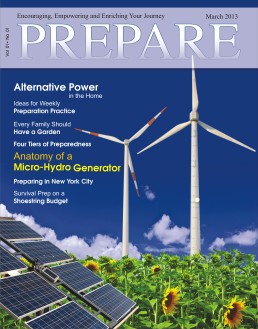 Print Publication of PREPARE Magazine: It has taken a bit longer than we thought, but we are pleased to say that we have launched the print version of PREPARE Magazine. It is beautiful.
The full-color, bi-monthly, print edition is now available for subscription. There is a special bonus to early-subscribers, so if you have an interest in a print version of PREPARE – you may want to take action now.
If you want more information, go now to: http://www.preparemag.com/print-subscription/
Coming This Month!
Special Preparedness Training Webinars and Events:
Our first live-Webinar training will be held this month (scheduled for May 16th).
Our monthly Webinars are special live training events that are video and audio recorded. These training webinars will be made available to Premium Members (free), and others by registration and appropriate fee.
The topics (and guest presenters) are different each month, and offer diverse training content on topics related to preparedness, self-reliance, and disaster survival.
Webinars will be recorded and archived for Premium Members
Webinar Attendees will be able to ask questions (either live, or prior to the event) of the expert presenters or host.
Downloadable written materials will be provided on the webinar topic, and made available to attendees
Premium Members will be able to attend the webinars and receive access to the recording free-of-charge. Others wishing to attend (who are not Premium Members) will need to pay a fee to attend these training events.
Preparedness Community Board and Forum:
One of great needs in Preparedness is joining and sharing within a community. Coming soon to our Members area will be an active forum where people can discuss and share ideas on Preparedness topics.
Popular Questions
What special events are coming this month for PREPARE Magazine?
This month, we are excited to host our first live-Webinar training on May 16th. These webinars will cover various preparedness topics and feature expert presenters. Premium Members can attend for free, while others can register for a fee. Each session will be recorded and archived for future access.
How can I participate in the upcoming training webinars?
To participate in the upcoming training webinars, you can register through our website. Premium Members will have complimentary access, while non-members will need to pay a registration fee. Each webinar will include downloadable materials related to the topic, enhancing your learning experience. Be sure to submit any questions you have for the presenters in advance or during the live session.
What new resources are being launched this month for subscribers?
This month, we are launching a new Premium Membership Subscription that offers in-depth training and resources. Members will gain access to monthly live webinars, a library of archived sessions, and various educational materials. Additionally, we are excited to announce the availability of our print edition of PREPARE Magazine, which subscribers can now order. These resources aim to better support our community's preparedness efforts.
Are there any community features coming soon for PREPARE Magazine members?
Yes, we are introducing a new community board and forum for our members. This platform will allow subscribers to engage with one another, share ideas, and discuss various preparedness topics. It aims to foster a sense of community and collaboration among our readers. Stay tuned for more details on how to join and participate!