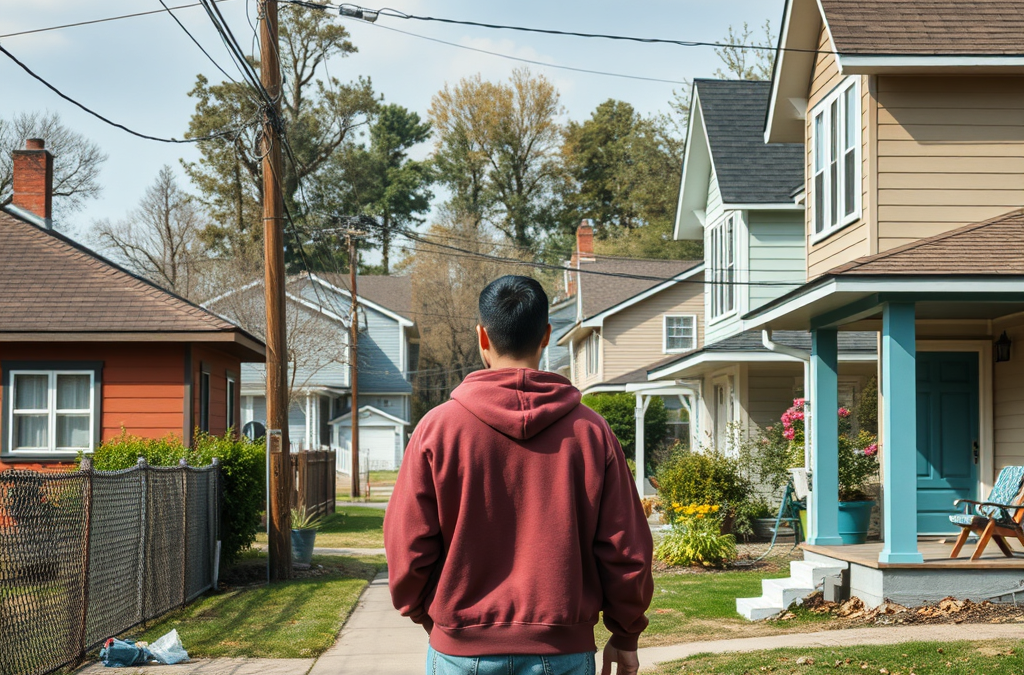
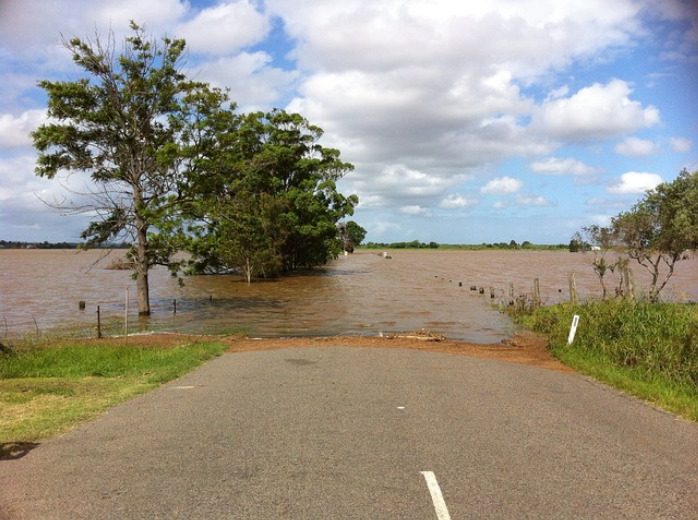
Identifying the types of hazards your neighborhood may face is crucial for assessing vulnerabilities. Common hazards include natural disasters such as floods, earthquakes, hurricanes, and wildfires, as well as human-made disasters like chemical spills or terrorist attacks. Each neighborhood has unique characteristics that may amplify these risks, such as proximity to water bodies, geological faults, or industrial zones.
To start, consult local government resources or emergency management agencies that provide hazard assessments. These documents often outline historical data on past incidents and their impacts. Understanding the frequency and severity of these hazards can help prioritize which vulnerabilities need immediate attention.
For example, if your neighborhood frequently experiences flooding, it may be wise to evaluate the drainage systems, the elevation of homes, and the availability of flood response resources. Conversely, areas prone to wildfires should assess vegetation management and access routes for evacuation.
Evaluating Community Resources
Once you have identified potential hazards, the next step is to evaluate the resources available within your community to respond to these threats. This includes assessing the readiness and capabilities of local emergency services, hospitals, and community organizations. Analyze the accessibility of these resources for all residents, especially vulnerable populations such as the elderly or disabled.
Consider conducting a resource inventory that lists local emergency services, shelters, and medical facilities. Also, evaluate the training and preparedness of community members by examining existing emergency plans and conducting drills. A well-informed community can significantly reduce vulnerabilities during a disaster.
For instance, if your area has a well-equipped fire department and an active community emergency response team (CERT), the community may be better prepared to handle a wildfire crisis. Conversely, if resources are lacking, identifying gaps can direct efforts towards enhancing local capabilities.
Engaging with Residents
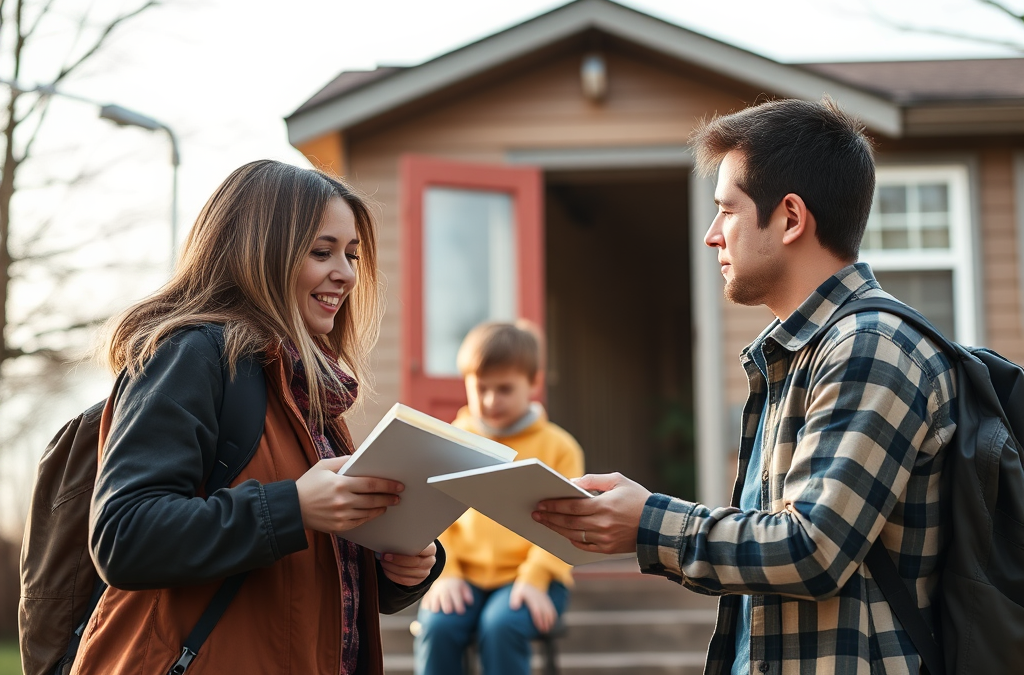
Community engagement is key to understanding the unique vulnerabilities faced by residents. Organizing meetings, surveys, or workshops can provide valuable insights into the concerns and experiences of neighborhood residents regarding disasters. This grassroots approach encourages participation and fosters a sense of ownership in disaster preparedness.
During these engagements, focus on gathering information about past experiences with disasters, perceived risks, and suggestions for improvement. Residents may highlight specific areas of concern, such as inadequate emergency notifications or insufficient evacuation routes. Addressing these concerns can enhance the community’s resilience and preparedness.
Moreover, collaboration with local organizations can strengthen community bonds and create a network of support. Establishing a neighborhood watch or a disaster response group can empower residents and encourage proactive measures to mitigate vulnerabilities.
Implementing Improvements
With a clear understanding of hazards, available resources, and community insights, the next step is to implement targeted improvements. This may involve advocating for infrastructure upgrades, such as better drainage systems or reinforced buildings, to withstand local hazards. It can also include developing comprehensive emergency plans that prioritize vulnerable populations.
Additionally, consider establishing regular training sessions and drills to ensure that residents know how to respond to emergencies. These exercises not only improve individual preparedness but also strengthen community ties and build trust in local emergency services.
For example, neighborhoods that conduct yearly disaster preparedness drills often see increased awareness and readiness among residents. This proactive approach can significantly reduce the impact of disasters when they occur.
Frequently Asked Questions
What are the first steps to assess my neighborhood's vulnerabilities?
Start by identifying local hazards, evaluating community resources, and engaging with residents to gather insights on past experiences and concerns.
How can I identify potential hazards in my area?
Consult local government resources or emergency management agencies that provide historical data on hazards specific to your neighborhood.
Why is community engagement important in disaster preparedness?
Engaging with residents helps identify specific vulnerabilities and fosters a sense of ownership and collaboration in improving community resilience.
How can I implement improvements in my neighborhood?
Advocate for infrastructure upgrades, develop comprehensive emergency plans, and conduct regular training sessions and drills to enhance preparedness.
Further Reading
Authoritative Sources
Library of Congress Research Guides guides.loc.gov
Research guides that help readers locate reliable background sources on a wide range of subjects
USA.gov Official Information and Services usa.gov
Official U.S. government information and public resources for practical reference
Google Scholar scholar.google.com
Academic search resource for finding research literature and source material
Conclusion
Assessing your neighborhood’s vulnerabilities to disasters is an essential step in building resilience and preparedness. By understanding local hazards, evaluating community resources, and engaging residents, you can identify key areas for improvement. Implementing targeted strategies not only enhances individual safety but also strengthens community ties, fostering a proactive culture of preparedness. Take the first step by starting conversations in your community and advocating for necessary changes that will protect everyone during a disaster.
Emergency drills are planned exercises designed to prepare families for various crisis situations, such as fires, earthquakes, or severe weather events. They serve as a critical component of family safety plans, allowing members to practice their responses and familiarize themselves with emergency procedures. By conducting regular drills, families can identify potential issues in their plans and improve overall safety.
The primary goal of these drills is to ensure that everyone knows their roles and responsibilities during an emergency. This clarity can significantly reduce confusion and panic when a real crisis occurs. For instance, knowing how to exit the home quickly and safely can mean the difference between life and death in a fire situation.
Benefits of Regular Drills
Engaging in regular emergency drills offers numerous benefits that contribute to family safety and preparedness. First and foremost, these drills help to build confidence among family members, as they become familiar with emergency procedures. This confidence is crucial during high-stress situations, where quick and decisive action is needed.
Additionally, regular drills enhance communication within the family. By practicing emergency scenarios, family members learn to work together effectively, identifying any gaps in their communication strategies. This teamwork is essential in ensuring that everyone can react promptly and appropriately during an emergency.
Moreover, conducting drills allows families to assess their emergency plans critically. They can evaluate the effectiveness of their escape routes, the accessibility of emergency supplies, and the overall feasibility of their safety strategies. Identifying weaknesses in advance ensures families are better prepared when a real emergency arises.
Implementing Effective Drills
To implement effective emergency drills, families should start by developing a clear plan that outlines the types of emergencies they may face. This plan should consider their specific environment, such as whether they live in a flood-prone area or a region susceptible to wildfires. Once the risks are identified, families can create tailored drills that address these scenarios.
It’s essential to involve all family members in the planning process, ensuring everyone understands the procedures and their roles. For example, children should know how to call for help, where to find emergency supplies, and the safest escape routes from the home.
When conducting the drills, families should simulate real-life scenarios as closely as possible. This might involve using timers to simulate urgency, blindfolding participants to mimic low visibility, or creating noise to replicate chaotic environments. The more realistic the drill, the better prepared family members will be for a real emergency.
Common Mistakes in Emergency Preparedness
Despite the importance of emergency drills, many families make common mistakes that can undermine their preparedness efforts. One significant error is neglecting to practice regularly. Conducting drills only once a year can lead to forgetfulness, and family members may not remember critical procedures when needed.
Another mistake is failing to adapt drills to the ages and abilities of all family members. For instance, young children may require different instructions compared to teenagers, and elderly family members might need additional support. Tailoring drills ensures that everyone can participate effectively.
Lastly, families often overlook the importance of reviewing and updating their emergency plans. As circumstances change, such as moving to a new home or changes in family dynamics, it’s crucial to reassess and adjust safety plans accordingly. Regularly revisiting these plans keeps everyone informed and ready for any eventuality.
For more in-depth resources on emergency preparedness and family safety, consider checking out reputable organizations such as the Ready.gov, which provides comprehensive guides on emergency planning.
Frequently Asked Questions
What types of emergencies should families prepare for?
Families should prepare for various emergencies, including fires, earthquakes, severe weather events, and medical emergencies. Tailoring preparations to specific risks in your area is essential.
How often should families conduct emergency drills?
It's recommended that families conduct emergency drills at least twice a year to ensure everyone remains familiar with the procedures and can respond effectively in a real emergency.
What should be included in an emergency kit?
An emergency kit should include water, non-perishable food, a first aid kit, flashlights, batteries, important documents, and any necessary medications. Families should customize their kits based on their specific needs.
How can families improve communication during emergencies?
Families can improve communication by establishing a designated meeting place, creating a family communication plan, and ensuring everyone has access to updated contact information for all family members.
What is the importance of reviewing emergency plans?
Reviewing emergency plans ensures they remain relevant and effective. As family dynamics change, such as moving to a new home or changes in family structure, it’s crucial to update safety plans accordingly.
Further Reading
Authoritative Sources
Ready.gov Preparedness Guidance ready.gov
Federal preparedness guidance for household planning, alerts, supplies, and emergencies
American Red Cross Emergency Preparedness redcross.org
Emergency preparedness resources for families, disasters, and practical safety planning
FEMA Preparedness Resources fema.gov
National preparedness resources for planning, mitigation, and response readiness
Conclusion
Regular emergency drills for families are essential for building confidence, enhancing communication, and ensuring effective responses during crises. By understanding the different types of emergencies, implementing tailored drills, and avoiding common mistakes, families can significantly improve their preparedness. Prioritizing these practices fosters a culture of safety that can save lives when it matters most. Start today by reviewing your emergency plans and scheduling your next drill to ensure your family is ready for any situation.
Understanding the Risks of Extreme Weather on Food Storage
Extreme weather conditions can drastically affect food storage, leading to spoilage, contamination, and waste. Temperature fluctuations can compromise the integrity of perishable items, while excessive humidity can promote mold growth. Understanding these risks helps in planning effective food storage strategies that mitigate potential losses. For instance, during heat waves, refrigeration systems may struggle to maintain optimal temperatures, increasing the risk of foodborne illnesses.
A common misconception is that food can remain safe indefinitely if it appears normal. However, invisible pathogens can proliferate even when food looks and smells fine. This underscores the importance of regular checks and being proactive about food safety. Additionally, power outages during storms can leave refrigerated items unsafe, making it crucial to have a plan that accounts for such events.
Best Practices for Food Storage Before Extreme Weather Hits
Preparation is key to effective food storage in anticipation of extreme weather. Start by assessing your current food supplies and identifying items that may be at risk. Ensure you have a mix of perishable and non-perishable foods. Stocking up on canned goods, dried fruits, and grains can provide sustenance when fresh items are compromised. Aim for a food supply that lasts at least a week, especially if you live in an area prone to severe weather.
Before a storm, check your refrigerator and freezer temperatures. The USDA recommends keeping your refrigerator at or below 40°F and your freezer at 0°F. Invest in thermometers to monitor these temperatures accurately. If a storm is forecasted, consider freezing water bottles to create ice packs that can help keep your refrigerator cool in case of a power outage.
How to Store Perishable Foods During Extreme Conditions
When extreme weather hits, the way you store perishable foods can make a significant difference. If you anticipate a power outage, minimize the number of times you open the refrigerator or freezer. Each time the door is opened, cold air escapes, raising the internal temperature. Instead, plan meals around the most perishable items first, and use cooked foods rather than raw ingredients when possible to reduce spoilage.
For additional protection, consider using insulated bags or coolers filled with ice or frozen gel packs to keep perishables at safe temperatures. If your power is out for an extended period, consume foods that are at the highest risk of spoiling first. Additionally, keep a supply of dry ice handy, which can help extend the life of frozen foods for a limited time.
Long-Term Food Storage Strategies for Emergencies
Long-term food storage requires careful planning and execution. Focus on items that have a long shelf life, such as canned goods, dehydrated meals, and freeze-dried products. Store these items in a cool, dark, and dry place to maximize their longevity. Additionally, consider vacuum sealing foods to extend their shelf life and prevent spoilage.
It’s also wise to rotate your stock regularly, using the oldest items first to ensure nothing goes to waste. Create a checklist of stored items, noting their expiration dates, which can help manage your inventory efficiently. Investing in airtight containers can protect against pests and moisture, further safeguarding your food supply.
Frequently Asked Questions
What foods should I prioritize for storage during extreme weather?
Focus on non-perishable items such as canned goods, grains, and dried fruits, which can withstand temperature fluctuations and remain safe for extended periods.
How can I keep food safe during a power outage?
Minimize door openings, use ice packs or dry ice, and consume perishable items first. Monitor the temperature inside your refrigerator and freezer if possible.
What are the best containers for long-term food storage?
Airtight containers, vacuum-sealed bags, and food-grade buckets are ideal for long-term food storage, protecting against moisture and pests.
How often should I check my food supplies?
Conduct regular checks—at least every few months—to ensure that your food supplies are not expired and are being rotated properly.
Can I store fresh fruits and vegetables during extreme weather?
Yes, but prioritize those with a longer shelf life and consume them quickly. Consider freezing excess produce before extreme weather strikes.
Further Reading
Authoritative Sources
NIH Office of Dietary Supplements ods.od.nih.gov
Evidence-based information on vitamins, minerals, supplements, and nutrition-related questions
USDA FoodData Central fdc.nal.usda.gov
USDA nutrient data for foods and ingredients used in nutrition decisions
Harvard T.H. Chan School of Public Health Nutrition Source hsph.harvard.edu
Public health nutrition guidance and educational resources
Conclusion
Effectively handling food storage in extreme weather conditions requires proactive planning, awareness of risks, and practical strategies. By prioritizing non-perishable items, monitoring temperatures, and utilizing proper storage techniques, you can safeguard your food supply against spoilage and waste. Preparing in advance not only helps ensure you have adequate resources during emergencies but also promotes food safety and health for you and your family.
Understanding the various types of crisis situations is crucial for effective family safety planning. Crises can range from natural disasters like hurricanes and earthquakes to man-made events such as civil unrest or pandemics. Each type of crisis has unique characteristics and requires different responses. For instance, during a natural disaster, the focus may be on evacuation, while in a civil emergency, securing the home may take precedence.
Recognizing the specific threats your family may encounter is essential. This involves assessing your geographical location, the local climate, and recent historical events. For example, families living in coastal areas might prioritize flood and hurricane preparedness, while those in urban settings may need to address risks related to crime or civil disturbances. Understanding these factors helps in tailoring emergency plans that are relevant and effective.
Creating an Emergency Plan
Creating a detailed emergency plan is the cornerstone of prioritizing family safety during crises. Start by designating a safe meeting place where family members can gather in case of an evacuation. This location should be familiar to everyone and ideally situated away from high-risk areas.
Next, establish a communication strategy. Ensure that all family members have a list of emergency contacts, including local authorities, relatives, and friends. Use text messaging or social media platforms for communication during crises when traditional phone lines may be overwhelmed.
Additionally, consider potential evacuation routes. Familiarize your family with these routes and practice them regularly. It’s important to have multiple options, as some routes may become inaccessible during an emergency. Incorporating these elements into your emergency plan will enhance your family’s preparedness and confidence.
Essential Supplies for Family Safety
Stocking essential supplies is a vital aspect of family safety in a crisis. Create an emergency kit that includes food, water, first aid supplies, flashlights, batteries, and necessary medications. Aim for supplies that can sustain your family for at least 72 hours.
Consider the specific needs of each family member, including infants, elderly individuals, and pets. For instance, if you have a baby, include diapers and formula in your kit. If you have pets, ensure you have food and water for them as well. Regularly check and update your supplies to ensure everything is within expiration dates and functioning properly.
Moreover, think about including important documents in your emergency kit, such as identification, insurance policies, and medical records. Keeping these documents organized and accessible can save time and stress during a crisis.
Practicing Safety Drills
Practicing safety drills is crucial for ensuring that your family knows how to respond effectively in a crisis. Schedule regular drills that simulate various emergency scenarios, such as fire evacuations, severe weather responses, or lockdown procedures during civil unrest.
During these drills, emphasize the importance of staying calm and following the established emergency plan. Involve all family members in the drills, allowing them to take on different roles to understand their responsibilities better. This practice not only builds confidence but also helps identify areas of your plan that may need improvement.
After each drill, conduct a debriefing session to discuss what went well and what could be improved. This feedback loop is essential for refining your emergency plan and ensuring that it remains relevant as your family’s needs evolve.
Further Reading
For more information on family safety in crisis situations, consider the following resources:
Authoritative Sources
Ready.gov ready.gov
A comprehensive resource for emergency preparedness and family safety tips
American Red Cross redcross.org
Offers training, resources, and guides to help families prepare for emergencies
FEMA fema.gov
Provides information on disaster preparedness and recovery resources
Identifying the ideal location for your safe room is critical to its effectiveness. The best options are typically interior rooms on the lowest level of your home, away from windows and exterior walls. Basements or windowless areas are preferable as they offer additional protection against external threats, such as severe weather or intruders. Consider accessibility when choosing a location; it should be easily reachable by all family members, especially during emergencies.
One common mistake is assuming that any room can be a safe room. It is essential to evaluate the structural integrity of the chosen space. Look for features like sturdy walls, a solid door, and minimal windows. If your home lacks a suitable interior room, you might need to consider retrofitting an existing space to enhance its safety features.
Reinforcing the Safe Room: Security Measures
Once you have selected a location, the next step is to reinforce the room to withstand various threats. Start by installing a solid core or metal door with high-quality deadbolts. Reinforce door frames with steel plates to prevent forced entry. Windows should be minimized, but if present, consider using security film or bars to deter break-ins.
In addition to physical barriers, consider installing a surveillance system or alarm that can alert you to potential dangers. This not only provides peace of mind but also enhances your ability to respond effectively in an emergency. Make sure to regularly test these systems to ensure they are functioning correctly.
Essential Supplies for Your Safe Room
Your safe room should be stocked with essential supplies to ensure comfort and safety during an emergency. Start with non-perishable food items, at least a three-day supply of water, and any necessary medications. A first aid kit is also crucial; it should include basic medical supplies and any personal medications.
In addition to food and medical supplies, include items that facilitate communication and comfort. A battery-powered or hand-crank radio can keep you informed during emergencies when power is out. Flashlights, extra batteries, and blankets are also important to have on hand. A multi-tool or Swiss army knife can be invaluable in various situations, providing utility for minor repairs or tasks.
Planning for Emergency Scenarios
Emergency preparedness involves planning for various scenarios, including natural disasters, home invasions, or civil unrest. Create a communication plan that outlines how family members will reach the safe room and signal for help if needed. Establish roles for each family member so that everyone knows what to do during an emergency.
Regular drills can help your family become familiar with the plan and the layout of the safe room. During these exercises, emphasize the importance of remaining calm and following the established protocols. This practice can significantly improve your family’s response time and effectiveness during an actual emergency.
For more information on emergency preparedness and safe room construction, consider consulting resources from local safety organizations or government emergency management agencies. They often provide guidelines and best practices tailored to your specific area and risks.
Frequently Asked Questions
What is the best location for a safe room?
The best location for a safe room is an interior space on the lowest level of your home, away from windows and external walls.
How can I reinforce my safe room against intruders?
Reinforce your safe room by installing a solid core or metal door, high-quality deadbolts, and strengthening door frames with steel plates.
What supplies should I keep in my safe room?
Essential supplies include non-perishable food, water, a first aid kit, communication devices, flashlights, and blankets.
How often should I check my safe room supplies?
Check your safe room supplies at least every six months to ensure that food and medications are not expired and that equipment is functional.
What should I do during an emergency?
During an emergency, follow your family’s communication plan, stay calm, and take shelter in your safe room with all essential supplies.
Further Reading
Authoritative Sources
Library of Congress Research Guides guides.loc.gov
Research guides that help readers locate reliable background sources on a wide range of subjects
USA.gov Official Information and Services usa.gov
Official U.S. government information and public resources for practical reference
Google Scholar scholar.google.com
Academic search resource for finding research literature and source material
Find the gaps most families don’t notice until something goes wrong.
Free. Practical. No fear-mongering.
By requesting this resource, you agree to receive practical PREPARE Magazine guides, tools, and email updates. You can unsubscribe anytime. Privacy Policy