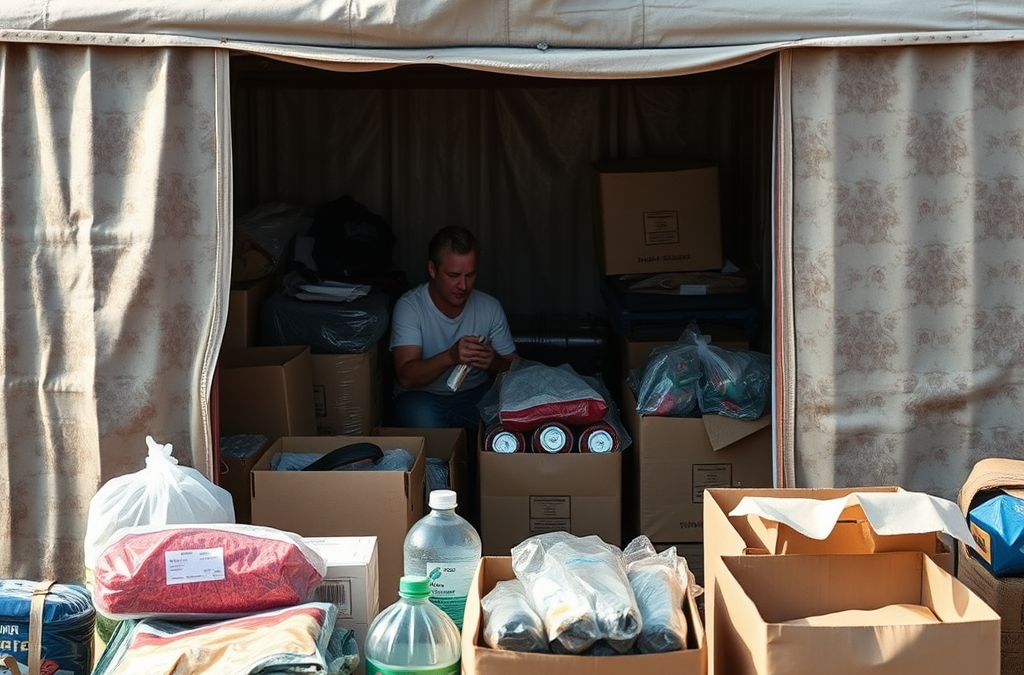
To manage resources effectively during a prolonged emergency, the first step involves a thorough assessment of your immediate and long-term needs. Start by inventorying your current supplies, including food, water, medical essentials, and any other critical items. Understanding your baseline allows you to identify gaps and prioritize what is necessary for survival.
Consider factors such as the number of people in your household, dietary requirements, and any medical conditions that may necessitate specific supplies. For instance, families with young children or elderly members may require additional nutritional items and medications. Take into account the duration of the emergency; for longer crises, you will need to focus not only on immediate supplies but also on sustainable practices to extend your resources.
Additionally, keep in mind that resources can be affected by external factors such as supply chain disruptions. Therefore, it is crucial to remain flexible and adaptive in your planning. Regularly review your inventory, and be prepared to adjust your resource management strategies as conditions change.
Food and Water Management Strategies
Effective food and water management is critical during any prolonged emergency. Begin by determining how much water your household requires daily. The general guideline is one gallon per person per day for drinking and sanitation. For a family of four over a week, this translates to 28 gallons. Consider storing water in clean containers and utilizing purification tablets or filters to ensure safety.
food, focus on non-perishable items that are nutrient-dense and easy to prepare. Canned goods, dried beans, rice, and pasta are excellent options. Aim for a balanced selection that includes proteins, carbohydrates, fats, and vitamins. A common mistake is to stockpile only items that are easy to eat, like snacks, while neglecting essential nutrients.
Moreover, consider implementing food preservation techniques such as canning, dehydrating, or freezing to extend the shelf life of fresh produce. Gardening can also be a valuable skill during an emergency; growing your own food can supplement your supplies and provide a sustainable food source.
Lastly, keep track of expiration dates and rotate your supplies regularly to prevent waste. Create a meal plan that utilizes the items in your stockpile, ensuring you consume older products first.
Medical Supplies and First Aid Preparedness
Having a well-stocked medical supply kit is vital for managing health needs during an emergency. Start by assembling a comprehensive first aid kit that includes bandages, antiseptics, pain relievers, and any prescription medications required by household members. Remember to check the expiration dates of medications regularly, replacing them as needed to ensure they remain effective.
In addition to basic supplies, consider including items that address specific health concerns within your household. For example, if someone has allergies, antihistamines should be part of your kit. Moreover, familiarize yourself with basic first aid procedures, as knowledge can be just as crucial as having the right supplies.
Another aspect to consider is mental health. Prolonged emergencies can lead to increased stress and anxiety. Stocking resources such as books, games, or activities can help maintain morale and provide distractions during tough times. It’s also beneficial to stay connected with friends and family for emotional support.
Community Resources and Support Systems
During a prolonged emergency, community resources can play a significant role in resource management. Building a network of neighbors and local organizations can provide essential support, whether through shared resources or assistance in times of need. Establishing communication with community members allows for resource sharing, such as food, tools, or skills, which can enhance resilience.
Consider joining local preparedness groups or online forums where individuals share information, tips, and resources. Many communities have programs for food banks, medical assistance, or emergency preparedness workshops that can be invaluable. By pooling resources and knowledge, you can create a stronger support system that benefits everyone involved.
Another key point is to stay informed about local emergency services and resources available in your area. Knowing where to access help can save critical time and provide peace of mind during challenging situations.
Frequently Asked Questions
How can I ensure my food supplies last longer?
To ensure food supplies last longer, store items in a cool, dry place, use proper sealing techniques, and rotate your stock regularly to consume older items first.
What should I include in a medical supply kit?
A medical supply kit should include bandages, antiseptics, pain relievers, prescription medications, and any specific items needed for chronic conditions.
How can my community help during an emergency?
Your community can offer support through shared resources, local emergency services, and organized preparedness programs that enhance collective resilience.
What steps can I take to prepare for mental health challenges during an emergency?
To prepare for mental health challenges, include activities for relaxation and entertainment in your supplies, and maintain connections with friends and family for emotional support.
Further Reading
Authoritative Sources
Ready.gov ready.gov
This resource offers comprehensive guidelines on emergency preparedness, including resource management and planning
American Red Cross redcross.org
Find first aid resources, emergency kits, and community preparedness programs
CDC Emergency Preparedness cdc.gov
Guidance on health-related preparedness and response during emergencies
Conclusion
Effectively managing resources during a prolonged emergency requires careful planning, continuous assessment, and community engagement. Start by thoroughly evaluating your needs and stockpiling essential supplies such as food, water, and medical items. Implement sustainable practices to prolong your resources, and do not underestimate the power of community support. By prioritizing these strategies, you can enhance your resilience and ensure the safety and well-being of your household in challenging times.
Staying informed during a crisis is vital for personal safety and community well-being. When traditional power sources fail, access to real-time information becomes challenging yet essential. Having reliable information helps individuals make informed decisions, avoid dangerous situations, and respond effectively to emergencies. Understanding the potential consequences of misinformation or lack of information can motivate preparedness and resourcefulness during crises.
Moreover, during emergencies, misinformation can spread rapidly, leading to panic and poor decision-making. By prioritizing accurate and timely information, individuals can navigate crises with greater confidence and clarity. The need for effective communication strategies becomes paramount, especially when usual channels are disrupted.
Effective Communication Methods Without Power
When power is out, consider alternative methods to access information. Battery-operated or hand-crank radios are invaluable tools for receiving emergency broadcasts and updates from local authorities. These devices can often run for extended periods without power, making them a reliable choice during outages.
Mobile phones can still play a role in staying informed, particularly through text alerts. Many local governments and organizations offer SMS updates for emergencies. Ensure your phone is charged before a crisis, and consider carrying a portable charger. However, be aware that network congestion can occur during emergencies, leading to delays in receiving messages.
Another effective method is to establish a communication plan with family and friends. Designate specific points of contact and agree on how to relay information during a crisis. This approach can help ensure everyone stays informed, even if traditional communication methods fail.
Utilizing Community Resources
Community resources play a crucial role in disseminating information during a crisis. Local bulletin boards, community centers, and libraries often provide updates and resources during emergencies. Participating in community preparedness programs can also enhance your understanding of local resources and response strategies.
Additionally, local authorities often set up emergency hotlines or information centers to share critical updates. Familiarize yourself with these resources before a crisis occurs, ensuring you know where to go for reliable information when needed. Engaging with neighbors and community members can also facilitate information sharing, creating a support network that enhances safety and awareness.
Preparing for Information Access
Preparation is key to staying informed during crises. Start by gathering essential tools, such as a battery-operated radio, flashlights, and extra batteries. Create an emergency kit that includes a communication plan, important documents, and a list of local resources. Having these items ready can make a significant difference when power is lost.
Additionally, consider investing in solar chargers or hand-crank devices that can power small electronics during outages. These tools can help maintain communication with family and emergency services when traditional power sources are unavailable.
Regularly review and update your emergency plan, ensuring that everyone in your household understands their roles and responsibilities. Conduct drills to practice your communication strategy, which can enhance preparedness and confidence when facing real emergencies.
For additional information on staying informed during a crisis, consider exploring resources from local emergency management agencies or the Federal Emergency Management Agency (FEMA). They offer guidelines on preparedness, communication strategies, and available community resources.
Frequently Asked Questions
What should I do first when a crisis occurs?
Assess your situation and ensure your safety first. Then, use a battery-operated radio or mobile phone to gather information about the crisis.
How can I charge my phone during a power outage?
Consider using a portable charger or solar-powered charger to keep your phone charged. Hand-crank chargers are also an option if you have one available.
What types of information should I prioritize during a crisis?
Focus on information related to safety, evacuation routes, emergency services, and any updates from local officials regarding the crisis.
How can I prepare for a power outage?
Gather essential supplies, such as a battery-operated radio, flashlights, and food supplies. Create a communication plan with family and ensure all devices are charged.
Further Reading
Authoritative Sources
Library of Congress Research Guides guides.loc.gov
Research guides that help readers locate reliable background sources on a wide range of subjects
USA.gov Official Information and Services usa.gov
Official U.S. government information and public resources for practical reference
Google Scholar scholar.google.com
Academic search resource for finding research literature and source material
Conclusion
Staying informed during a crisis without power is essential for safety and effective response. By utilizing battery-operated radios, community resources, and maintaining a proactive communication strategy, individuals can navigate emergencies with greater confidence. Preparation is key; ensure you have the necessary tools and a clear plan in place. By prioritizing information access and community engagement, you can enhance your resilience during challenging times.
Disaster scenarios can range from natural events like hurricanes and earthquakes to human-made crises such as chemical spills or terrorist attacks. Understanding the specific risks associated with your location is vital for effective preparedness. For instance, coastal areas are more susceptible to hurricanes, while regions near fault lines may face earthquakes. Identifying these risks allows individuals and communities to tailor their emergency plans and responses accordingly.
One common mistake is underestimating the likelihood or severity of certain disasters. Many people may assume that because they have never experienced a particular disaster, it won’t happen to them. However, historical data shows that disasters can strike unexpectedly, making it crucial to prepare for a variety of scenarios.
Creating an Emergency Plan
An effective emergency plan is the backbone of disaster preparedness. It should outline specific actions to take in various scenarios, including evacuation routes, communication strategies, and designated meeting points. Start by involving all family members in the planning process to ensure everyone understands their roles and responsibilities during a crisis.
For instance, if a wildfire threatens your area, your plan should include the quickest escape routes, a checklist of essential items to pack, and a way to communicate with each other if separated. Regular drills can help reinforce these plans and identify areas for improvement.
Another pitfall is failing to update your emergency plan regularly. Life changes, such as moving to a new location, having children, or changes in family dynamics, can impact your preparedness needs. Review and practice your plan at least once a year.
Essential Supplies for Different Disasters
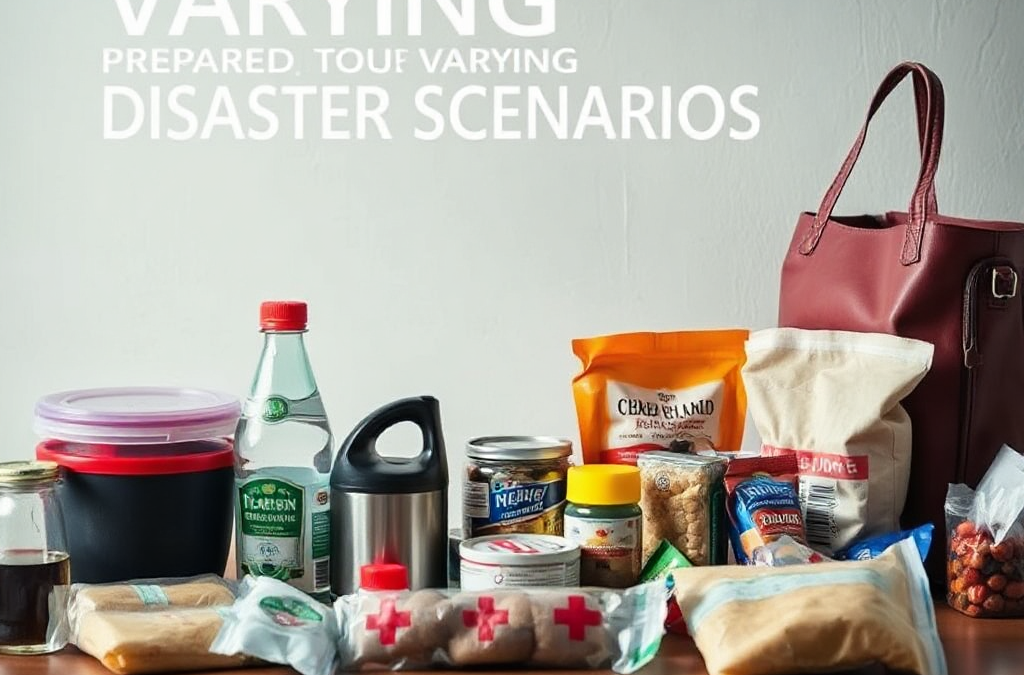
Having the right supplies on hand is critical for surviving a disaster. While basic preparedness kits often include food, water, and first aid supplies, the specific items you need can vary based on the type of disaster. For example, during a flood, having waterproof bags and a supply of clean water is essential, while in the case of an earthquake, sturdy shoes and tools for debris removal may be more important.
Assemble a disaster kit that includes:
Non-perishable food and water: Aim for at least a three-day supply for each person.
First aid kit: Include bandages, antiseptics, and prescription medications.
Flashlights and batteries: Essential for power outages.
Multi-tool or knife: Useful for various situations.
Personal hygiene items: Such as wet wipes and hand sanitizer.
Regularly check and replace expired items in your kit to ensure everything is usable in an emergency.
Staying Informed and Engaged
Knowledge is power disaster preparedness. Stay informed about the types of disasters that could affect your area by subscribing to local emergency alerts and following relevant organizations on social media. Additionally, familiarize yourself with the emergency services available in your community and how to access them during a crisis.
Engagement with local preparedness initiatives can also enhance your readiness. Many communities offer training sessions on first aid, CPR, and disaster response. Participating in these programs not only increases your skills but also helps foster a sense of community resilience.
To wrap up, avoid the misconception that preparedness is solely an individual responsibility. Building a network of neighbors who are also prepared can create a support system during emergencies, making it easier to share resources and information.
Frequently Asked Questions
What should I include in my emergency kit?
Your emergency kit should include non-perishable food, water, first aid supplies, flashlights, batteries, personal hygiene items, and any necessary medications.
How often should I review my emergency plan?
Review your emergency plan at least once a year or after any significant life changes, such as moving or having children.
What are the most common types of disasters?
Common types of disasters include natural disasters like hurricanes, earthquakes, floods, and wildfires, as well as human-made disasters such as chemical spills or terrorist attacks.
How can I stay informed about potential disasters?
Subscribe to local emergency alerts, follow relevant organizations on social media, and stay engaged with community preparedness initiatives to stay informed about potential disasters.
What role does community play in disaster preparedness?
Community engagement is essential for building resilience; participating in local preparedness initiatives can foster a support network during emergencies.
Further Reading
For those looking to delve deeper into disaster preparedness, numerous resources are available:
Authoritative Sources
Ready.gov ready.gov
A comprehensive resource provided by the U.S. Department of Homeland Security for emergency preparedness planning
American Red Cross Preparedness redcross.org
Offers guidance on creating emergency plans and assembling disaster kits
FEMA fema.gov
The Federal Emergency Management Agency provides resources for disaster preparedness and response
NOAA Disaster Resources ncdc.noaa.gov
noaa.govInformation on climate-related disasters and preparedness strategies
Conclusion
Preparing for varying disaster scenarios requires a proactive approach that includes developing a comprehensive emergency plan, assembling essential supplies, and staying informed. Regularly reviewing and practicing your plan ensures that all family members are ready to act when needed. By understanding the specific risks in your area and fostering a sense of community preparedness, you enhance your resilience and ability to respond effectively during crises.
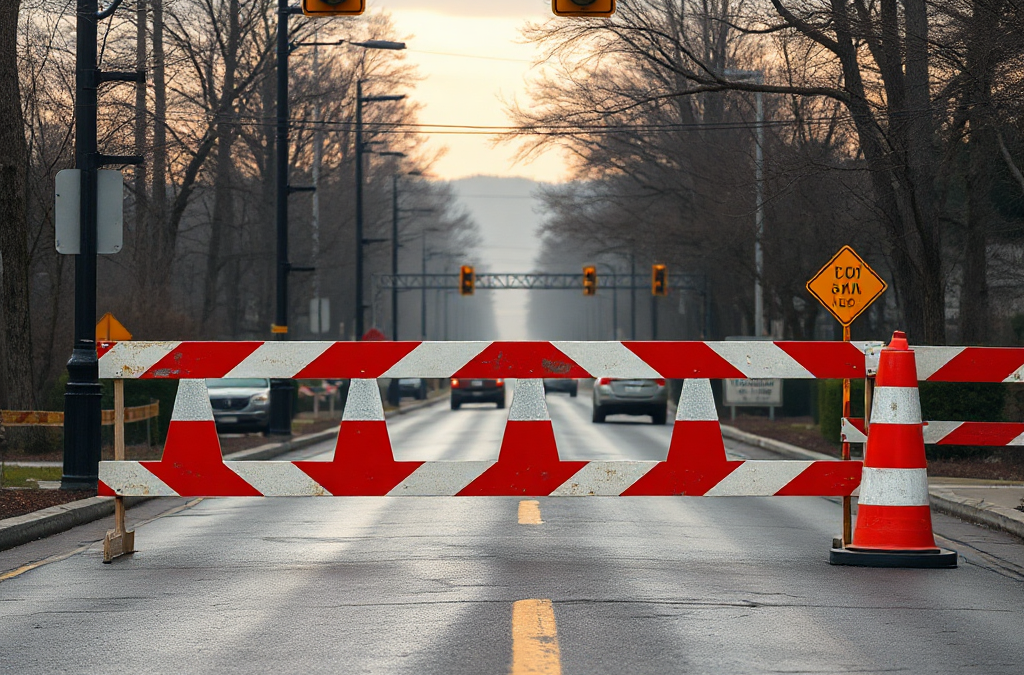
When faced with a blocked evacuation route, the first step is to assess the situation around you. This includes evaluating the reason for the blockage, such as an accident, natural disaster, or road construction. Understanding the nature of the obstruction helps in determining the best immediate actions to take. Use local news outlets, emergency services updates, or social media to gather real-time information about road conditions.
It is important to remain calm during this assessment phase. Panic can cloud judgment and lead to hasty decisions. Instead, take a moment to evaluate your surroundings and ensure that you and your family are safe. If you are in a vehicle, secure it and turn on your hazard lights to alert other drivers.
Finding Alternative Routes
Once you have a clear understanding of the situation, the next step is to find alternative routes. Utilize a GPS device or mapping application to explore nearby roads that can bypass the blockage. Familiarity with local geography can be beneficial; if you know secondary roads or less-traveled paths, consider using them to avoid congested areas.
In addition to technology, consult with other evacuees or local residents who may have knowledge of alternative routes. Often, those who live in the area can provide insights into back roads or shortcuts that are not widely known. Prioritize routes that lead away from danger while keeping in mind potential obstacles, such as other traffic or road conditions.
Communication and Coordination
Effective communication is crucial when evacuating through blocked routes. Keep your phone charged and maintain contact with family members or emergency services. Inform them of your current location and intended route to ensure that someone is aware of your movements.
In some cases, local authorities may provide updates through emergency broadcasts, social media, or community alerts. Stay tuned to these channels for the latest information on road conditions and safety advisories. If possible, share updates with others around you to help coordinate efforts and gather collective knowledge on the situation.
Safety Precautions
During an evacuation, safety should be your top priority. Ensure that your vehicle is fueled and equipped with emergency supplies, such as water, food, a first aid kit, and flashlights. If you must leave your vehicle due to the blockage, be cautious and aware of your surroundings.
Additionally, if you encounter other travelers, consider forming a convoy for safety. Traveling in a group can provide security and increase the chances of finding a successful route. Always prioritize well-lit and populated areas when choosing routes.
Further Reading
Authoritative Sources
Evacuating Your Home ready.gov
This resource offers comprehensive guidelines on evacuation procedures and safety measures during emergencies
FEMA Emergency Management fema.gov
FEMA provides information on disaster preparedness, including evacuation strategies and local emergency contacts
Understanding the Importance of a Family Emergency Response Team
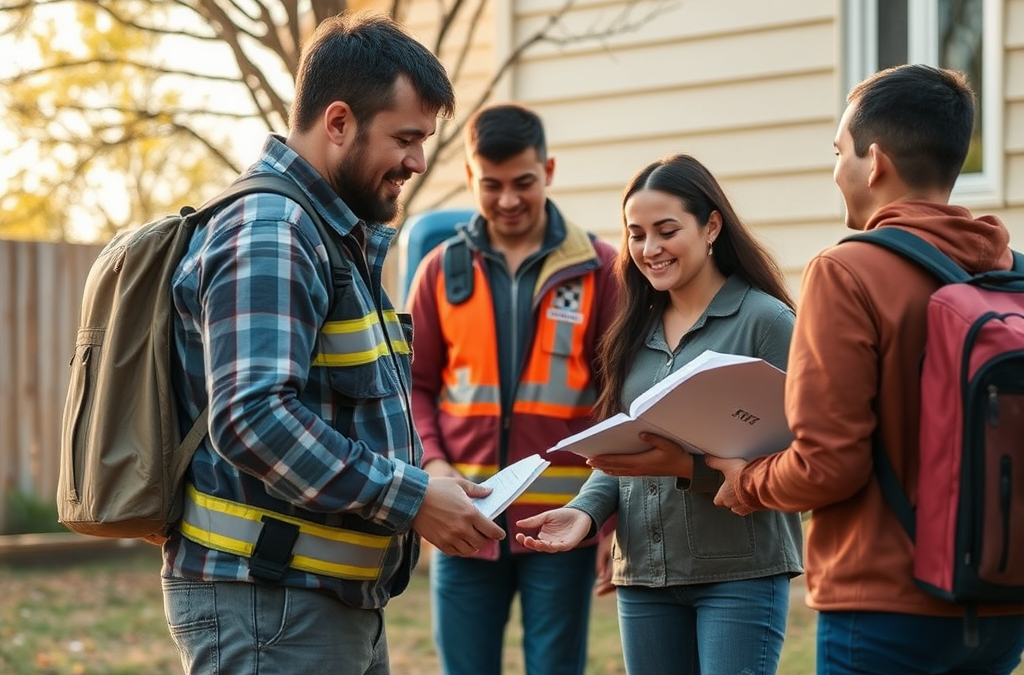
Creating a family emergency response team is crucial for ensuring that your household can react swiftly and effectively in the face of various emergencies. Emergencies can range from natural disasters like earthquakes and floods to man-made crises such as fires or medical emergencies. By having a dedicated team, families can minimize chaos and confusion during a crisis, significantly enhancing their chances of safety and survival.
Moreover, a well-prepared family is less likely to panic, as each member knows their role and responsibilities. This preparedness not only fosters a sense of security but also encourages proactive thinking and problem-solving under pressure. Understanding the potential risks in your area and preparing accordingly is a vital first step in forming your emergency response team.
Steps to Forming Your Emergency Response Team
The first step in forming an effective family emergency response team is to conduct a thorough risk assessment. Identify the types of emergencies that could affect your area and consider the specific vulnerabilities of your family. For instance, families living in hurricane-prone regions should prioritize planning for evacuation routes and shelter options.
Once you have a clear understanding of potential risks, gather your family members to discuss the importance of the team and what it will entail. Assign roles based on individual strengths and capabilities. For example, designate a leader to coordinate efforts, a communicator to relay information, and individuals responsible for specific tasks such as first aid, supplies management, and child care.
Next, establish a communication plan that includes how family members will reach each other in an emergency. This could involve setting up a group chat, using walkie-talkies, or designating a meeting point. Ensure that everyone understands the plan and can access the necessary tools to communicate effectively.
Roles and Responsibilities Within the Team
Clearly defined roles and responsibilities are essential for the smooth operation of your family emergency response team. Each member should know their specific tasks to prevent confusion during an emergency. For example, the team leader should oversee the overall response, ensuring that everyone is performing their assigned duties.
The communicator is vital for relaying information to family members and, if necessary, to emergency services. This role may also include keeping a list of emergency contacts and resources. Those responsible for first aid must be familiar with basic medical procedures and have access to a first aid kit, while others may focus on securing the home or gathering important documents.
It’s also beneficial to have a designated “runner” who can quickly gather supplies or reach out for help. By clearly outlining these roles, families can operate more efficiently during a crisis, improving their overall response capability.
Practicing and Maintaining Your Emergency Plan
Regular practice is critical for ensuring your family emergency response team functions effectively. Schedule drills to simulate various emergency scenarios, such as natural disasters or medical emergencies. These drills help reinforce roles and responsibilities, allowing family members to become comfortable with their tasks.
After each drill, gather as a family to discuss what went well and what could be improved. This reflection helps identify any gaps in your plan and allows for adjustments to be made. Additionally, as your family grows or changes, revisit and update your emergency response plan to ensure it remains relevant and effective.
It’s also important to stay informed about local emergency management resources and updates. This knowledge can help your family adapt to any changes in emergency protocols or available resources in your area.
Building an Effective Emergency Kit
An essential component of your family emergency response plan is a well-stocked emergency kit. This kit should contain supplies that will sustain your family for at least 72 hours in case of an emergency. Key items to include are non-perishable food, water, first aid supplies, flashlights, batteries, and any necessary medications.
When assembling your kit, consider the specific needs of your family members, such as dietary restrictions or medical conditions. Regularly check and update your emergency kit to ensure that all items are in good condition and have not expired. This proactive approach helps ensure that when an emergency occurs, your family is ready to respond effectively.
Frequently Asked Questions
What is a family emergency response team?
A family emergency response team is a group of family members organized and trained to respond effectively during emergencies, ensuring safety and minimizing chaos.
How do I start preparing my family for emergencies?
Begin by assessing potential risks your family may face, then gather family members to discuss roles and create a communication plan.
What should be included in an emergency kit?
Your emergency kit should contain non-perishable food, water, first aid supplies, flashlights, batteries, and any necessary medications.
How often should we practice our emergency plan?
Regularly practice your emergency plan, ideally at least twice a year, to ensure everyone is familiar with their roles and responsibilities.
Why is communication important in an emergency response plan?
Effective communication ensures that all family members are aware of the situation, know their roles, and can coordinate actions to enhance safety.
Further Reading
Authoritative Sources
Ready.gov ready.gov
This resource offers comprehensive guidance on emergency preparedness, including creating family emergency plans
American Red Cross redcross.org
The American Red Cross provides valuable resources for disaster preparedness and response training
FEMA fema.gov
FEMA offers guidance on creating effective emergency response plans tailored to different types of disasters
CDC Emergency Preparedness cdc.gov
The CDC provides information on health-related emergencies and how to prepare for them
Conclusion
Establishing a family emergency response team is a proactive measure that enhances safety and preparedness during crises. By understanding potential risks, defining roles, practicing regularly, and maintaining an effective emergency kit, families can significantly improve their response capabilities. Prioritize open communication and continuous training to ensure your team is ready when it matters most. Taking these steps not only prepares your family for emergencies but also fosters resilience and confidence in facing unforeseen challenges.
Find the gaps most families don’t notice until something goes wrong.
Free. Practical. No fear-mongering.
By requesting this resource, you agree to receive practical PREPARE Magazine guides, tools, and email updates. You can unsubscribe anytime. Privacy Policy