A short-notice evacuation plan begins with a clear decision rule, not a large supply pile. Families lose time when they debate whether an alert is serious, wait for a neighbor’s interpretation, or assume they can collect everything after leaving. Decide in advance which official instructions, local hazard signals, or household conditions will trigger departure. An evacuation order from local authorities should take priority over personal guesses about how quickly a fire, flood, chemical release, severe storm, or other hazard may spread.
Write the decision rule in plain language. For example, “When authorities direct our area to evacuate, adults leave work or school instructions behind and follow the family contact plan,” is more useful than “Leave if conditions become unsafe.” The first version identifies an action and reduces argument. It also prevents a common mistake: treating an evacuation warning as permission to postpone all preparation until roads become crowded or communications fail.
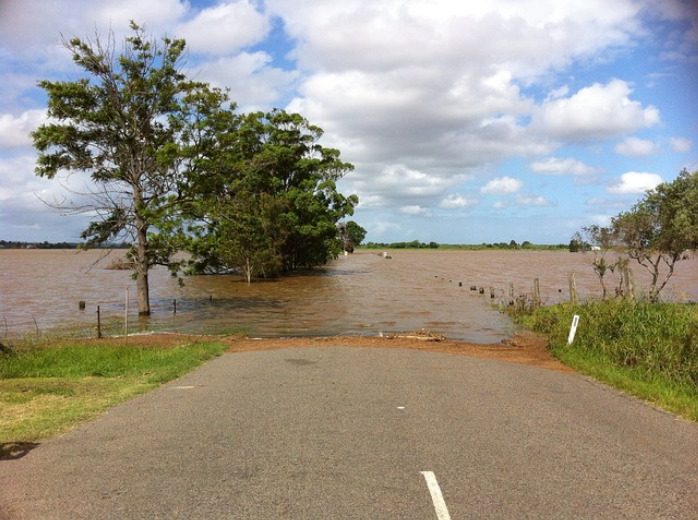
Map two routes from home and identify a destination beyond the likely hazard area. A relative’s home may be suitable, but a public shelter, hotel, or community reception location may be necessary if that option is unavailable. Do not assume the shortest route is the safest; roads may close, bridges may flood, and traffic can reverse normal travel times. Save offline maps and keep a paper map because mobile networks, vehicle navigation, and electrical service may not remain available.
Use a compact departure sequence that can be followed under stress:
Confirm the official instruction and immediate hazard.
Contact the designated out-of-area person if communications work.
Collect the departure bags, medications, documents, and animals.
Turn off utilities only when authorities or utility guidance makes that appropriate and safe.
Leave by the selected route and report arrival at the agreed destination.
Keep this sequence near the main exit and inside the family emergency folder. The goal is not to predict every disaster. It is to eliminate avoidable decisions during the first few minutes.
Assign Family Roles, Contacts, and Meeting Places
Every household member should have a defined role that matches age, mobility, and location. A single adult trying to find children, secure pets, gather documents, load supplies, and monitor alerts may overlook a critical task. Assign one person to collect the departure bags, another to check bedrooms and bathrooms, and another to manage pets or mobility equipment when the household has enough capable members. Children can carry their own small comfort bag or check a simple room list, but adults remain responsible for safety decisions.
School, work, and caregiving arrangements need their own instructions. A parent may not be able to reach a child immediately, and a school or care facility may have a release procedure that takes precedence. List authorized pickup adults, facility phone numbers, transportation options, and the location where family members should reunite if home is inaccessible. A nearby meeting point is useful when people are separated inside the neighborhood; an out-of-area meeting point is more useful when local roads or phone service are disrupted.
Choose one out-of-area contact who can relay updates between relatives. Text messages may work when voice calls do not, but no communication method is guaranteed. Each person should carry the contact’s name and number on paper as well as in a phone. Include a simple message format such as name, current location, destination, and immediate need. “We are safe at the library shelter, leaving for Aunt Maya’s, no medical needs” is easier to act on than a series of vague messages.
Use a household information sheet containing names, birth dates, medical conditions, allergies, prescriptions, insurance details, emergency contacts, pet identification information, and copies of important documents. Protect sensitive information and update it when prescriptions, schools, addresses, or caregivers change. A frequent failure is storing the only copy in a phone that is lost, damaged, locked, or out of battery. Keep a protected paper copy with the evacuation supplies and a secure digital copy accessible to the appropriate adults.
The plan should also state what happens if one person cannot drive, one vehicle fails, or a family member is already away. Two independent transportation options—such as a second driver, rideshare arrangement, transit connection, or trusted neighbor—are more resilient than a plan built around one car and one person.
Pack for Speed Without Overloading the Vehicle
A rapid-departure kit should support the first period away from home without becoming so heavy or disorganized that it slows evacuation. Prioritize items that are difficult to replace, needed every day, or required to move safely: prescription medicines, identification, communication and charging equipment, eyeglasses, mobility aids, infant supplies, pet necessities, and basic clothing. Cash in small denominations, sanitation supplies, water, ready-to-eat food, and a small first-aid kit can fill practical gaps when stores are closed or crowded.
Separate supplies by function. A small grab bag for each person is easier to find than one large container buried under household items. Place documents and medications in a clearly marked pouch, and keep a vehicle kit separate from the bags so it remains available during travel. Rotate medicines and perishable items according to their labels and the advice of a pharmacist or clinician. Do not place critical medication in a locked container that only one person knows how to open.
Clothing should match the season and destination rather than an imagined expedition. Include durable shoes, layers, rain protection, underwear, and any required personal-care items. Families with young children may need diapers, formula, bottles, wipes, comfort objects, and a change of clothes. A pet kit may include food, water, bowls, a leash or carrier, waste supplies, medications, vaccination records, and a recent photo. Many shelters and hotels have animal restrictions, so identify pet-friendly alternatives before an evacuation notice.
Vehicle capacity creates a real tradeoff. A large supply bin may look efficient at home but can block visibility, delay loading, or consume space needed for people and animals. Test the packed arrangement in advance. Heavy items should be secured low, loose objects should not become projectiles, and fuel should be maintained according to safe vehicle practices rather than improvised storage. If the family has only a small car, prioritize people, medication, documents, and safe transport over bulky household gear.
A useful test is the “dark doorway” drill: without turning on extra lights, each adult should be able to locate the bags, keys, shoes, pet carriers, and document pouch. If an item cannot be found quickly, the kit is not ready, regardless of how complete its inventory appears.
Practice Routes, Transportation, and Communication
Practice converts a written plan into a sequence people can perform while tired, distracted, or separated. A family does not need to simulate a disaster with dangerous conditions; a timed daylight drill can reveal whether bags are reachable, children know where to go, pets resist carriers, and the vehicle can be loaded without confusion. Repeat the exercise at different times of day and from more than one starting point if family members commonly leave for school or work.
Drive both planned routes when conditions are normal, noting fuel stations, bridges, steep roads, rail crossings, narrow streets, and areas where phone service may be weak. The purpose is not to predict which roads will remain open. It is to give the driver a mental map and identify reasonable alternatives. Check official local alert channels during an actual event because a familiar route may be closed or redirected.
Communication practice should include failure. Turn off one phone, separate family members in different rooms, and test whether everyone can locate the paper contact card and meeting-place instructions. Children should know how to identify a trusted adult and what information they should not share publicly. Older adults or relatives with cognitive, hearing, vision, or mobility limitations may need a tailored signal, an accessible transportation plan, or a designated helper who confirms departure rather than assuming it.
A common misconception is that a group should wait at home until every person arrives. That choice may be unsafe when authorities instruct immediate evacuation. The better approach is to define separate actions: each person follows the safest available route to the designated destination or meeting point, then reports location. The plan should identify who has authority to make a transport decision when communication is unavailable.
After each drill, record the actual time and the points of delay. If loading takes 25 minutes because the carrier is behind stored furniture, moving the carrier matters more than buying another flashlight. If nobody knows which destination is active, rewrite the contact card. Practical success means fewer decisions, not a perfect performance.
Review the Plan for Children, Pets, and Special Needs
Household plans fail when they describe an average family instead of the people who must actually evacuate. Infants, children, older adults, disabled family members, people with chronic conditions, and animals may need more time, space, supervision, or specialized equipment. List those needs explicitly and identify what can be carried immediately, what must be loaded first, and what requires assistance from someone outside the household.
For children, use short instructions and repetition. A child may remember “shoes, coat, bag, car” more readily than a long explanation about hazards. Keep a familiar comfort item available because distress can slow cooperation, but avoid relying on a device that needs internet access or charging. Tell children where the family will reunite and which adults are authorized to help them. Never make a child responsible for supervising a younger sibling during a dangerous departure.
Medical and mobility needs deserve a backup plan. Keep a current medication list, spare batteries or charging equipment for essential devices, mobility aids, and relevant care instructions together. Ask a clinician or pharmacist about safe emergency medication planning rather than changing doses or storage practices independently. If evacuation requires stairs, identify who can assist and what alternative transportation is available. The absence of a tested assistance plan is more serious than a missing convenience item.
Pets should be included in every drill. Carriers need to be accessible, animals should have identification, and a backup caregiver should know the plan. Never assume a frightened animal will come when called or tolerate a crowded vehicle. Practice calmly placing the animal in its carrier and secure the carrier during travel. Keep a list of boarding facilities, veterinary contacts, and pet-friendly lodging options, recognizing that availability may change during a regional evacuation.
Review the plan whenever someone moves, changes jobs or schools, begins a new medication, adopts an animal, or buys a different vehicle. A quarterly check is useful, but a significant household change should trigger an immediate update. For a detailed household planning reference, see the Family preparedness plan for short-notice evacuation resources elsewhere on the site.
Frequently Asked Questions
How quickly should a family be able to leave?
Set a realistic household target, such as 15 minutes, then test it. The correct time depends on mobility, pets, children, medications, and the hazard; official evacuation instructions always take priority over a personal time goal.
Where should evacuation supplies be stored?
Keep grab bags near a main exit, documents and medicines in an accessible protected pouch, and vehicle supplies secured in the vehicle. Avoid locations that may become blocked, flooded, or inaccessible during the hazard.
What if family members are in different places?
Use a designated out-of-area contact, separate pickup instructions, and two meeting locations. Each person should carry the contact information on paper and know whether to go directly to the destination or wait at an approved meeting point.
What should be packed first?
Prioritize people, prescription medicines, identification, communication equipment, mobility aids, infant supplies, pet carriers, and critical documents. Add food, water, clothing, sanitation items, and comfort items after those needs are covered.
How often should the plan be practiced?
Run a short drill several times a year and whenever the household changes. Test the actual bags, carriers, route, contact cards, and loading order so the exercise reveals practical delays rather than confirming a plan only on paper.
Further Reading
Authoritative Sources
Evacuation ready.gov
Provides federal guidance on evacuation decisions, routes, alerts, transportation, and household readiness
Make a Plan ready.gov
Offers planning considerations for family communication, meeting places, special needs, and emergency contacts
Make an Emergency Plan redcross.org
Explains household planning, reunification, emergency supplies, and considerations for children and pets
Conclusion
A family evacuation plan earns its value before an alert arrives. Set a clear departure rule, name destinations and backup routes, assign responsibilities, and keep medication, documents, communication tools, mobility equipment, and pet supplies where they can be reached without searching. Test the vehicle loading order and communication process under ordinary conditions, then correct the delays you observe. Children, older adults, disabled relatives, and animals need specific instructions rather than a general promise that everyone will manage. Review the plan after household or work changes and follow official local directions during an incident. A compact, practiced plan is more useful than an oversized kit that nobody can find or carry.
A useful earthquake kit is designed for the first hours and days after shaking, when electricity, water service, phone networks, transportation, and ordinary shopping may be unreliable. The most valuable items are not necessarily specialized survival products; they are dependable tools that address immediate risks. Water, illumination, first aid, communication, sanitation, and a way to open food containers usually deserve priority over comfort items or elaborate gadgets.
Begin with access. A large storage bin in a garage may be inaccessible if the garage door will not open, while a cabinet near a heavy mirror or tall bookcase may be blocked by fallen contents. Keep the main supplies in a stable, easy-to-reach location and avoid placing them beneath shelves, glass, or unsecured furniture. A smaller kit beside each bed can contain shoes, a flashlight, gloves, and a whistle. This arrangement recognizes a practical constraint: people may need to move through darkness and debris before reaching the larger reserve.
Power-independent equipment should be simple enough for every household member to use. LED flashlights are generally more practical than candles because they reduce open-flame risk, but they still need working batteries. A battery or hand-crank radio can provide local instructions when internet access is unavailable. Add spare batteries in their original packaging, a phone power bank kept charged, and a charging cable that fits the household’s devices. Test the radio and flashlight rather than assuming new-looking equipment works.
A common mistake is buying one impressive multipurpose tool and treating it as a complete solution. A combination tool may be useful, but it does not replace water containers, illumination, medication, or sanitation supplies. Use the home kit essentials as a priority sequence: immediate hydration and light first, then medical, communication, food, hygiene, and comfort. If money is limited, buy dependable basics in stages instead of accumulating specialty gear that nobody has practiced using.
Build Water, Food, and Sanitation Reserves
Water is the first storage problem to solve because tap service may be interrupted or the water may require an official safety determination. Store commercially packaged water or food-grade containers, and account for every household member, including pets. The amount should reflect household size, local guidance, storage space, climate, and whether anyone has medical or mobility needs that affect hydration. Rotate stored water according to the manufacturer’s instructions and inspect containers for leaks, damage, or contamination.
Food should require little or no cooking, refrigeration, or cleanup. Choose familiar items such as canned beans, fruit, vegetables, fish, nut or seed butter, crackers, shelf-stable milk, dried fruit, and ready-to-eat meals. Include a manual can opener and utensils. A household with allergies, diabetes, infant-feeding needs, or texture restrictions needs a more deliberate selection than a generic box of energy bars. Familiar foods also reduce waste: supplies that nobody will eat are not a reliable reserve.
Cooking equipment involves a tradeoff. A small stove may provide hot water or a warm meal, but it introduces fuel, ventilation, storage, and fire-safety concerns. Never use charcoal grills, gasoline-powered equipment, or fuel-burning appliances indoors or in enclosed spaces. Food that can be eaten cold is often the safer first option. If the household already owns an approved outdoor cooking device, store its fuel according to manufacturer instructions and treat it as a secondary convenience rather than the foundation of the kit.
Sanitation deserves equal attention because broken plumbing and limited water make ordinary handwashing difficult. Pack soap, hand sanitizer, toilet paper, moist wipes, heavy-duty garbage bags, disposable gloves, menstrual products, diapers if needed, and a compact bucket or portable toilet arrangement. Add disinfecting supplies only if they can be used safely and kept away from food. The failure mode to avoid is storing plenty of food while ignoring waste, hygiene, and cleanup; those omissions can make an otherwise adequate supply difficult to use inside a damaged or crowded home.
Cover Injury, Medication, and Household Safety Needs
Earthquake injuries often arise from broken glass, fallen objects, exposed nails, and unstable surroundings, so protective equipment belongs near the kit rather than buried beneath food. Pack a first-aid kit with sterile dressings, adhesive bandages, medical tape, antiseptic wipes, scissors, tweezers, disposable gloves, and any household-specific items recommended by a clinician. Include a written list of medications, allergies, medical conditions, emergency contacts, and preferred healthcare providers. The list is useful when stress, poor lighting, or a damaged phone makes details hard to recall.
Prescription planning requires personal judgment and professional advice. Keep medicines in their original labeled containers when possible, monitor expiration dates, and ask a pharmacist or prescriber about safe backup quantities and storage requirements. Refrigerated medicines may need a temperature plan that cannot be solved by simply placing them in an ordinary cooler. Batteries for hearing aids, spare glasses, mobility-device accessories, and infant supplies should be treated as essential equipment when relevant, not optional extras.
Protective clothing changes what a person can safely do after shaking. Store sturdy closed-toe shoes, work gloves, long sleeves, dust masks, and a hard hat if appropriate for the household’s surroundings. Shoes beside beds matter because bare feet can encounter glass before anyone reaches a closet. A wrench for shutting off utilities may be useful only when household members know the location of the shutoffs and understand that gas service should not be restored without proper authorization or inspection where applicable.
Safety equipment should not encourage unnecessary entry into damaged structures. Keep a whistle, high-visibility item, basic goggles, and a fire extinguisher that household members know how to operate, but do not assume these tools make a structurally unsafe room safe. For example, a flashlight can reveal a fallen cabinet but cannot establish whether a wall or ceiling is stable. The better approach is to leave visibly damaged areas, follow local emergency instructions, and reserve hands-on utility actions for situations that are clearly safe and appropriate.
Store, Test, and Maintain the Kit
Storage determines whether earthquake supplies remain usable. Divide the inventory by function and location: bedside mini-kits for immediate movement, a main household reserve for water and food, and personal grab bags for documents, medication information, keys, and work or school needs. Keep supplies off the floor where water intrusion is possible, but not so high that they can fall or become difficult to lift. Label the container and leave a clear path to it.
Use a short maintenance routine rather than waiting for an annual inspection. Every few months, check water containers, food dates, batteries, power banks, medication information, clothing sizes, pet supplies, and the condition of first-aid materials. Test flashlights and radios. Replace items after use, including seemingly minor supplies such as gloves, wipes, and can-openers. A kit that was complete last year may fail today because a child grew, a prescription changed, a pet joined the household, or a battery discharged in storage.
Practice the decisions that equipment cannot make. Household members should know where the kit is, how to turn on the radio, where shoes and flashlights are located, how to contact one another, and where to reunite if staying home is not safe. Keep paper copies of essential phone numbers and copies of identification or insurance information in a protected container, while safeguarding sensitive personal data. Digital records are useful, but they may be inaccessible if devices are lost or uncharged.
Prioritize additions according to observed gaps:
Access gap: add bedside light, shoes, gloves, or a smaller backup container.
Health gap: add medication information, mobility aids, glasses, hearing-aid batteries, or allergy-safe food.
Information gap: add a radio, paper contacts, local maps, and household meeting instructions.
The common maintenance mistake is treating the kit as a sealed box. Sealing protects supplies from dust and casual use, but an entirely inaccessible box, dead battery, or expired food creates false confidence. Open it during checks, verify each component, and adjust the contents to the actual people, pets, building, and hazards in the home.
Frequently Asked Questions
Where should an earthquake kit be stored?
Keep the main reserve in a dry, accessible location away from windows, tall furniture, and likely falling objects. Add smaller bedside kits because the main container may be blocked.
What food belongs in a home earthquake kit?
Choose familiar, shelf-stable food that can be eaten with little or no cooking, such as canned foods, crackers, nut butter, dried fruit, and ready-to-eat meals. Include a manual can opener.
Should candles be included?
Flashlights are generally a safer primary lighting choice because candles add an open-flame hazard around damaged materials. If candles are stored, keep them secondary and use strict fire precautions.
How often should earthquake supplies be checked?
Inspect the kit every few months and after any use. Check food, water containers, batteries, medication information, clothing sizes, pet supplies, and equipment operation.
Does a first-aid kit need prescription medicine?
Prescription planning is separate from ordinary first aid. Keep current medication information and ask a pharmacist or prescriber about safe backup quantities and storage requirements.
Further Reading
Authoritative Sources
Earthquakes ready.gov
Provides federal guidance on earthquake actions, household supplies, communication, and recovery considerations
Individual and Community Preparedness fema.gov
Offers planning and supply guidance that can help households adapt an earthquake kit to their needs
Earthquake Hazards Program usgs.gov
Explains earthquake hazards and provides location-based information for more informed household decisions
Emergency Water, Sanitation, and Hygiene cdc.gov
Supplies public-health information about water safety, hygiene, and sanitation after disruptions
Conclusion
Build the household earthquake kit around conditions that could change immediately: dark rooms, broken glass, interrupted water, limited cooking, unavailable pharmacies, and uncertain communication. Put water, ready-to-eat food, lighting, sanitation, first aid, protective footwear, medication information, and a radio ahead of specialty equipment. Split supplies so a blocked garage or fallen cabinet does not remove every resource at once. Then test the actual kit, not just the shopping list. Replace expired food, weak batteries, used dressings, outgrown clothing, and outdated medical details. A smaller kit that household members can reach and operate is more dependable than a large container filled with unfamiliar equipment. Use local hazard information and official instructions to refine storage, utility, and evacuation decisions for the home.
Signs Your Preparedness Plan Has Become Too Complex
An overloaded preparedness plan creates friction at the exact moment it is supposed to provide direction. The problem is not necessarily the number of pages. A two-page document can be confusing if it uses unfamiliar terms, assigns the same task to several people, or scatters key instructions across text messages, notebooks, and apps. A longer plan may still work if its first actions are obvious and its details are easy to retrieve.
Look for operational warning signs rather than judging the plan by its appearance. If household members cannot say where to meet, who checks on a child or dependent adult, or how to receive local alerts, the plan has more information than usable structure. Repeatedly postponing drills, failing to rotate stored items, or discovering that nobody knows which version is current also points to excess complexity.
A plan becomes especially vulnerable when it treats every imaginable disruption as a separate procedure. A power outage, winter storm, wildfire smoke event, and short evacuation may have different hazards, but their first actions often overlap: identify immediate danger, account for people, obtain reliable information, protect medications, and decide whether to shelter or leave. Duplicating those steps under several headings makes the document harder to follow.
Complexity can also hide weak assumptions. A household may list a generator without assigning fuel storage, ventilation rules, maintenance, or a safe operating location. It may specify several evacuation routes without checking whether drivers can identify the alternatives. Compare a polished binder that nobody opens with a plain card showing the meeting place, contacts, medication needs, and first-hour actions. The second may offer more practical protection.
Use When to simplify an overloaded preparedness plan as a review trigger when any of these conditions appear:
People disagree about the first action or the destination.
Critical information is mixed with optional equipment ideas.
Instructions depend on one person being present.
Supplies cannot be checked within a normal household routine.
A drill exposes delays that the written plan does not acknowledge.
The goal is not to make the household less prepared. It is to reduce decision load while preserving the actions that address the most serious local risks.
What to Keep, Combine, and Remove First
Keep instructions that protect life, support communication, or prevent a predictable secondary problem. Immediate hazard actions belong near the front: leave an unsafe area, move away from smoke or floodwater, shut off equipment only when it can be done safely, and follow official alerts. Household-specific needs deserve the same priority. Include prescriptions, mobility equipment, infant supplies, pet arrangements, language needs, and the information a caregiver would need if the usual planner were unavailable.
Combine repeated actions into a shared core. Instead of separate opening pages for every hazard, create a short “first actions” section followed by hazard-specific differences. For example, the common sequence might cover alert verification, household accounting, communication, and shelter-or-evacuation decisions. A later page can explain why a wildfire smoke event calls for indoor air protection while a flood warning may require moving to higher ground.
Remove detail that has no owner, trigger, or realistic use. A list of advanced tools is not a plan if nobody has practiced them. Multiple food menus can become one rotation method based on familiar meals, safe storage, allergies, cooking fuel, and available water. Several distant meeting places can become one nearby location and one out-of-area contact, with a backup chosen for a specific reason such as road access or family connection.
Do not simplify by deleting uncomfortable constraints. A person who relies on refrigerated medication may need a separate temperature and transport decision. Someone without a vehicle may need transit, neighbor, or public-information options rather than a generic evacuation instruction. A household with a large dog cannot treat pet transport as a footnote. These details are not clutter; they change what a workable plan requires.
Rank each item by consequence and frequency of use. A flashlight, contact card, water containers, first-aid materials, and medication list may support several scenarios. A specialized tool for a rare event may remain useful, but it should not compete with everyday-access items. Readers can cross-check broad household guidance through Ready.gov and local emergency-management information, then adapt the plan to their own hazards.
A Practical Method for Rebuilding the Plan
Rebuild an overloaded plan around decisions rather than possessions. Begin by writing the three situations most likely to disrupt this household, such as a multi-hour power outage, severe weather warning, or rapid evacuation notice. Then identify what must happen in the first ten minutes, the first few hours, and the following day. This time structure exposes details that belong in a later reference section instead of the urgent sequence.
For each stage, assign one primary person and one backup. “Someone checks the children” is weaker than “the adult at home checks both bedrooms; the backup is the neighbor named on the contact card.” Assignments should reflect real availability, age, mobility, work schedules, and communication limits. A plan that assumes one person will always be home may fail during school pickup, a commute, or a medical appointment.
Use a three-layer format:
Action card: the few steps and contacts needed during the first response.
Household plan: locations, responsibilities, medical and access needs, routes, and communication arrangements.
Reference file: maintenance notes, inventory details, hazard background, and less frequent procedures.
This arrangement solves a common tradeoff. A single-page plan is easy to carry but may omit information needed for a longer disruption; a comprehensive binder preserves detail but can slow decisions. Separating urgent instructions from reference material keeps both functions. Store paper copies where they remain available during an internet or power interruption, and keep digital copies only as a supplement.
Test every instruction for clarity and physical feasibility. “Evacuate” should connect to a trigger, a destination, transportation, essential items, and a way to confirm departure. “Shelter indoors” should identify the room, alerts to monitor, ventilation considerations, and when the decision changes. Avoid promising that one route, device, or contact method will work in every incident.
Review the draft with the least-informed household member. Ask that person to locate the go-bag, explain the meeting place, and identify what happens if the primary contact does not answer. Their hesitation is useful evidence. Revise the wording, placement, or assignment rather than blaming the user for not understanding it. The plan review process is successful when another person can act without a private explanation from its author.
Testing the Shorter Version Without Losing Protection
A simplified plan earns trust through small, repeatable tests. Conduct a table exercise first: read a plausible alert aloud and ask each person what they would do, where they would go, and what information they need. Follow with a physical check of doors, chargers, lights, medication storage, water containers, and transportation supplies. These exercises reveal different failures. A discussion may expose an ambiguous decision, while a physical test may show that the bag is too heavy or the flashlight batteries are missing.
Use realistic limits without creating unnecessary danger. A household can practice gathering during an evening power interruption, sending a predetermined check-in message, or packing essential medications. It should not simulate unsafe smoke, floodwater, fire, or generator operation. For technical equipment, follow the manufacturer’s instructions and applicable local guidance; training should improve competence, not reward improvisation.
Measure the plan by observable performance. Can everyone identify the alert source? Can the household account for people and animals? Can someone who did not write the plan find critical supplies? Can the family explain when to shelter and when to leave? If the answer is no, add clarity or remove a competing choice. Adding another product rarely fixes an instruction that nobody understands.
After each test, record only the changes that affect action. A short review might reveal that the contact card lacks an area code, the meeting place is inaccessible after dark, or food requires more water and cooking time than expected. Correct the highest-consequence problem first, then schedule a modest monthly or seasonal check. A smaller plan that is reviewed after household changes is more dependable than a detailed plan left untouched.
Revisit the plan when people move, medications change, a child becomes more independent, a pet joins the household, work locations shift, or local hazard information changes. Official weather and hazard information from the National Weather Service can inform weather-specific decisions, while local authorities remain the appropriate source for current instructions. Simplification is not a one-time deletion exercise; it is controlled maintenance.
Frequently Asked Questions
How short should a preparedness plan be?
The urgent action card should be short enough to scan under stress, often one page. Keep household-specific details and maintenance information in supporting pages rather than forcing every instruction into the first view.
What should never be removed during simplification?
Retain immediate hazard actions, contacts, meeting locations, medication and accessibility needs, transportation limits, and instructions for children, dependent adults, and pets.
Is a digital plan enough?
A digital copy is useful, but it should not be the only copy. Power loss, damaged devices, poor reception, or locked accounts can make paper contacts and instructions more dependable.
How can I tell whether simplification went too far?
If people cannot identify triggers, responsibilities, supplies, or safe alternatives, important protection was removed. Run a short scenario test and restore details that affect a real decision.
How often should the plan be reviewed?
Review it after household, medication, transportation, or local hazard changes, and use seasonal checks to verify contacts, supplies, batteries, routes, and assigned responsibilities.
Further Reading
Authoritative Sources
Academy of Nutrition and Dietetics eatright.org
Professional nutrition guidance, healthy eating resources, and practical dietitian-reviewed advice.
U.S. Department of Agriculture usda.gov
Official food, nutrition, agriculture, and consumer guidance from the USDA.
NIH Office of Dietary Supplements ods.od.nih.gov
Research-based fact sheets on nutrients, supplements, dietary intake, and safety considerations.
International Society of Sports Nutrition sportsnutritionsociety.org
Evidence-informed sports nutrition resources and position stands for active people and athletes.
Conclusion
Simplify a preparedness plan when its length, duplication, or maintenance burden prevents people from acting reliably. Preserve the decisions that protect life and address household-specific constraints; move technical notes, inventories, and rare contingencies into a clearly labeled reference section. Rebuild around likely hazards, time windows, assigned primary and backup responsibilities, and dependable communication. Then test the shortened version with people who did not write it. Confusion, missing supplies, and unrealistic assumptions are evidence for revision, not reasons to add more pages. Keep a paper action card available, verify local alerts and hazard information, and schedule reviews after meaningful household changes. The best plan is not the most comprehensive document; it is the one people can understand, locate, practice, and adapt when conditions change.
Guests do not need a household operations manual during their first few minutes in an unfamiliar home. They need to know what signal means danger, where to go first, which route is safest, and how to reconnect with the group. A useful guest briefing translates the household’s broader emergency planning into a few decisions that remain usable under stress.
Begin with the hazards that are plausible for the property and the current visit. A wildfire evacuation, a kitchen fire, a severe storm, and a medical emergency may require different actions. Telling visitors to “follow the emergency plan” is less useful than saying, “If the smoke alarm sounds, leave through the front door unless smoke blocks it; meet at the mailbox across the street.” The action, condition, and destination belong together.
Plain language matters because guests may be tired, unfamiliar with local terms, or unable to process a long explanation. Replace “egress,” “utility shutoff,” or “assembly area” with “way out,” “water valve,” or “meeting place.” If a door requires a key, code, or special release, say so directly. A locked exit that appears obvious on a floor plan can become a serious obstacle at night.
A compact briefing should cover:
the alarm or warning cue and the first action;
the primary and backup exits;
the outdoor meeting point or shelter location;
how to contact the host or household after separation;
hazards such as pets, stairs, gates, candles, generators, or locked doors.
The common mistake is trying to cover every possible disaster equally. That produces a dense document and weak recall. Prioritize the situations that could require immediate movement, then provide additional information for visitors who need it. A guest staying overnight may need more detail about nighttime exits than someone attending a short afternoon gathering.
Show Routes, Alarms, And Meeting Places
Physical demonstration usually communicates more reliably than verbal directions alone. Walk guests from the room where they will sleep or spend time to the nearest usable exit, then show the backup route. Point out stairs, exterior gates, porch steps, low visibility areas, and doors that open differently from ordinary household doors.
For example, a visitor in a basement may hear an alarm but assume the stairs are the only option. A host who demonstrates the window exit, explains whether it can be opened from inside, and identifies the outdoor meeting point has removed several guesses at once. The same principle applies to an apartment, cabin, or guest room above a garage: the route needs to be understood from the guest’s actual location, not just from the owner’s perspective.
Maps can help, but only when they are simple and current. Use a clear “You are here” marker, arrows for movement, labels for exits, and a recognizable meeting place. Avoid relying on color alone because lighting, printing quality, and color vision vary. A photograph of a gate or mailbox may be more useful than a technically accurate diagram with tiny labels.
Explain the difference between an alarm and an information source. A smoke alarm may require immediate evacuation; a weather alert may require moving to a designated interior location; a text message may provide updates but not replace an audible warning. Guests should know who is responsible for receiving official alerts and what they should do if their phone has no signal.
Weak plans often identify a meeting point that is too close to the hazard or too vague to find. “Outside” is not a meeting place if the property has multiple doors, a busy road, or a large yard. Choose a location that is recognizable, safe from likely immediate hazards, and accessible to people with mobility limitations. Recheck it when construction, landscaping, traffic patterns, or neighboring property use changes.
Design Guest-Friendly Instructions And Backups
A guest card works best when it answers urgent questions at a glance. Place it where visitors naturally look, such as near the entry, on a bedside table, or beside a rental information folder. Keep the first side limited to immediate actions; put nonurgent details, such as utility information or extended contact instructions, on the reverse.
Use large enough type for dim rooms and avoid abbreviations that only household members understand. Write “Call 911 for a life-threatening emergency” rather than assuming every visitor knows which number the household uses. Include the property address exactly as it would be needed by an emergency dispatcher, especially when a rural road, unit number, or shared driveway could cause confusion.
Instructions should account for realistic constraints. A guest may not have a charged phone, may speak another language, may be caring for a child, or may not be able to use stairs. The plan can identify an accessible route, a backup communication method, and the person who should help a particular visitor. It should not promise assistance that has not been arranged.
Separate fixed information from changeable information. Exit locations and alarm sounds may remain stable, while host phone numbers, temporary access codes, weather conditions, and meeting points can change. Mark the date reviewed and replace outdated pages promptly. A laminated card that contains an old gate code is less useful than a plain sheet that can be revised.
Consider a layered format:
Immediate action: what to do when the alarm or warning occurs.
Movement: where to go and which backup route to use.
Reconnection: where to meet and how to receive updates.
Special circumstances: mobility, language, children, pets, or medication needs.
The tradeoff is between completeness and speed. A detailed binder may be valuable for the host, but it should not be the only source for guests. Keep operational details in the household file and give visitors the short version they can read in seconds. This approach also supports clearer preparedness planning without asking guests to study unfamiliar systems.
Test Understanding Without Making Guests Uncomfortable
Testing does not need to resemble a drill or make visitors feel examined. A brief, respectful check can reveal whether the instructions are usable. After showing the route, ask an open question such as, “If the alarm sounds while you are upstairs, which way would you go?” The answer shows whether the guest noticed the route, understood the backup, and can apply it from a different starting point.
Watch for practical signs that the plan is working. Guests should be able to identify the first action without prompting, locate the primary exit, describe the meeting place, and explain what happens if the main route is blocked. If they repeat the host’s terminology but cannot point to the door or map, the wording may have been memorized without being understood.
Run a quiet review after changes to the home. Test the briefing when a guest room moves, a lock changes, a new pet is introduced, a gate is added, or a household member becomes less mobile. Nighttime conditions deserve separate attention because a route that is obvious in daylight may be dark, cluttered, or difficult to unlock after sleeping.
Do not stage a surprise evacuation for guests. Sudden alarms can create confusion, particularly for children, older adults, people with trauma histories, or visitors unfamiliar with the building. Explain the purpose of any practice, use a calm scenario, and allow people to ask questions. The objective is not to measure obedience; it is to find unclear instructions before an emergency does.
A useful review asks:
Could a first-time visitor act without finding the host?
Is the backup route physically usable and clearly marked?
Would the instructions still work during darkness or a phone outage?
Does the meeting place avoid the likely danger?
Can a guest understand the wording without household background?
When a guest hesitates, revise the plan rather than blaming the reader. Confusion usually points to an unlabeled door, an ambiguous destination, too many choices, or an assumption that the visitor knows the property. Official resources from Ready.gov and local emergency management agencies can help hosts align their household instructions with current hazard information.
Frequently Asked Questions
What should guests know first in an emergency?
They should know the warning signal, first action, nearest usable exit, backup route, and meeting place. Those details support immediate decisions before longer instructions are useful.
Should emergency instructions be printed or digital?
Use a printed copy for immediate access, with a digital backup for updates. Digital instructions alone may fail during a power outage, dead phone battery, or poor connectivity.
How long should a guest emergency briefing take?
It should take only a few focused minutes for ordinary visits. Longer stays, unfamiliar buildings, accessibility needs, or high-risk hazards justify a more detailed walkthrough.
How can hosts explain emergency plans to children?
Use simple action words, show the route, identify a trusted adult, and practice calmly. Avoid frightening detail while making clear that alarms and instructions must be taken seriously.
What makes an emergency plan confusing?
Common problems include jargon, too many possible actions, unclear maps, hidden backup routes, outdated contact information, and meeting places that are not specific or safe.
Further Reading
Authoritative Sources
Ready.gov ready.gov
Official household preparedness guidance, emergency plans, and supply checklist resources.
FEMA fema.gov
Federal emergency management information, disaster planning resources, and recovery guidance.
American Red Cross Emergency Preparedness redcross.org
Practical emergency preparation, safety, and response guidance for households.
CDC Emergency Preparedness and Response cdc.gov
Public health guidance for disasters, emergency response, and recovery conditions.
Conclusion
Guests can use an emergency plan when it reflects their actual experience of the property: where they sleep, which doors they can open, what warnings they will hear, and where they should regroup. Give them a short briefing, demonstrate the route, identify a backup, and provide a readable printed card with the address and contact method. Check understanding through calm questions rather than surprise drills, and review the instructions whenever the home, hazards, locks, or household needs change. The strongest plan is not the longest document. It is the set of directions a visitor can recall and follow when the host is unavailable, visibility is poor, or the expected route no longer works.
Decisions That Depend Most on Local Hazard Information
Local hazard data matters whenever a decision depends on where a person lives, works, travels, or receives essential services. A general emergency checklist can suggest broad categories of supplies, but it cannot determine whether a household should prioritize flood evacuation, wildfire smoke protection, earthquake bracing, extreme-heat cooling, or winter travel restrictions. Those choices require information tied to a specific address and community.
The highest-value decisions usually involve movement, shelter, water, communications, medical continuity, and backup power. A home outside a mapped flood area may still be cut off by a flooded bridge. A rural property may have more space for supplies but a longer response time and fewer alternate roads. An apartment resident may need stairwell and building-assembly information rather than a vehicle-focused evacuation plan. Local data exposes these differences.
Useful sources include county emergency management offices, municipal alert systems, fire departments, state geological or environmental agencies, utility providers, public-health departments, and the National Weather Service. The goal is not to collect every available map. It is to identify the hazards that can change an actual choice.
Evacuation: hazard zones, official routes, bridges, road closures, and destination procedures.
Sheltering: safe rooms, public shelters, cooling centers, smoke exposure, and accessibility.
Communication: warning methods, cellular limitations, radio coverage, and local reporting channels.
A common mistake is treating a national risk ranking as a personal decision tool. National information provides context, while local maps and official instructions determine what a household should do first. Readers can use Which preparedness decisions need local hazard data as a starting point, then verify each choice against current local information.
How Local Conditions Change Evacuation and Shelter Choices
Evacuation decisions are among the most location-sensitive parts of preparedness. The correct response depends on the hazard’s direction, speed, warning time, road network, terrain, and local instructions. A route that is efficient during a winter storm may be unsafe during a wildfire, while a familiar road beside a creek may become unusable during flash flooding.
Flood data helps identify low-water crossings, drainage channels, levees, and roads that may be closed before a neighborhood appears obviously threatened. Wildfire information can reveal the wildland-urban interface, likely smoke movement, and evacuation-zone terminology used by local authorities. Coastal residents may need storm-surge maps rather than rainfall totals alone. Earthquake information may shift attention toward bridge damage, falling hazards, and the need to shelter in place initially instead of attempting immediate travel.
Two routes should not be treated as equal merely because both appear on a map. Compare their elevation, bridges, narrow sections, exposure to the same hazard, fuel access, and likely congestion. A route with fewer miles may pass through a floodplain; a longer route may provide greater separation from the hazard but require more fuel and earlier departure. Households with mobility limitations, children, pets, or medical equipment need additional time and may need destinations arranged before an official evacuation order.
Shelter decisions also require local detail. Public shelters may have different rules for pets, medications, accessibility equipment, and electrical devices. A designated shelter may be appropriate for a hurricane but not for a hazardous-material release if it lies downwind. During extreme heat or cold, a library, community center, or other public facility may serve as a local resource, but operating hours and transportation options must be confirmed.
The weak assumption is that “shelter in place” and “evacuate” are permanent household categories. They are hazard-specific actions. Check local alerts, identify at least two destinations, save official route information offline, and establish a trigger for leaving before roads become crowded. Do not use an old map as proof that conditions are unchanged; development, construction, vegetation, and road controls can alter the practical route.
Supplies, Utilities, and Communications Shaped by Place
Local hazard information changes what supplies are sensible and how much redundancy a household needs. A coastal area with frequent storm-related outages may call for protected documents, battery charging, medications, and food that needs no cooking. A region with winter storms may place greater emphasis on safe heat, layered clothing, traction, and protection from carbon-monoxide hazards. A wildfire-prone community may need respiratory protection appropriate to smoke conditions, indoor-air strategies, and a plan for leaving with little notice.
Water planning is especially dependent on infrastructure. A municipal outage may affect pumping, pressure, treatment, or access even when no visible damage exists nearby. A private well may depend on electricity, while a household using a septic system may face different sanitation constraints than an apartment connected to a shared system. Local public-health instructions should guide treatment and reuse decisions; do not assume that a familiar method addresses every contamination warning.
Utility data can also expose hidden dependencies. A home may have a generator but no safe placement, no transfer arrangement, or no way to operate a well pump. A battery system may charge phones but not medical equipment or refrigeration. Compare the load that must continue with the load that would merely be convenient. Fuel availability, storage rules, ventilation, noise, and maintenance are part of the decision, not afterthoughts.
Communication plans should reflect how local warnings are delivered. Some communities rely heavily on emergency text alerts; others supplement them with sirens, reverse calls, local radio, or law-enforcement announcements. Cellular networks may be congested, power-dependent, or unreliable in remote areas. Choose more than one channel, keep alert registrations current, and write down the names used for local zones or evacuation areas so a warning can be interpreted quickly.
For example, a household near a river may spend heavily on bottled water while neglecting a route around a frequently closed bridge. Reversing those priorities may provide greater protection: first identify the bridge alternatives and warning levels, then size water and sanitation supplies around the plausible interruption. The practical test is whether each item answers a local failure mode. Readers comparing household needs can also consult local hazard data for preparedness decisions before buying specialized equipment.
A Practical Method for Turning Hazard Data Into Decisions
Local data becomes useful when it changes a specific action. Begin with the address or area that matters, then gather information from official sources rather than relying on generalized hazard imagery or social-media posts. Record the source date, warning terminology, and any uncertainty. A map without a decision attached to it is reference material, not a plan.
Use this compact process:
List plausible hazards: include hazards identified by local emergency management, not only those that have affected the property recently.
Locate exposure: check flood, wildfire, storm-surge, earthquake, severe-weather, and infrastructure information where relevant.
Identify dependencies: note roads, bridges, power, water, communications, medical services, schools, and workplaces that could fail together.
Assign an action: specify whether the response is early evacuation, sheltering, relocation, conservation, or contacting a service provider.
Test the decision: review it with household members and account for nighttime, bad weather, limited mobility, pets, and unavailable vehicles.
Prioritize hazards by consequence and decision time, not by how dramatic they sound. A low-probability event with almost no warning may justify simple protective measures, while a recurring event with several hours of notice may require a practiced departure plan. Avoid spending the same amount on every hazard. A modest investment in document access, transportation coordination, and alerting may matter more than an expensive piece of gear that addresses a rare scenario.
Plans should include verification points. Check whether an alert arrives on every relevant phone, whether a chosen destination is open, whether a backup route crosses the same flood-prone area, and whether equipment operates under the expected weather conditions. An approach is failing when household members cannot explain who makes the departure decision, where they reunite, or how they obtain trustworthy updates. Revisit local information after moving, road changes, major construction, new medical needs, or a significant household change.
Common Errors When Local Data Is Missing or Misread
The most common error is confusing proximity with exposure. A property may be outside a hazard boundary yet depend on a road, substation, water plant, or bridge inside it. Preparedness therefore needs both a property view and a service-network view. Ask what must function for the household to remain safely at home and what could isolate it even without direct damage.
Another error is using a single source for every decision. A weather service may explain the hazard, but a county agency may issue evacuation instructions and a utility may provide outage information. These sources answer different questions. Official information can also change during an event, so saved screenshots should supplement, not replace, live alerts and current instructions.
People also misread maps by treating boundaries as precise guarantees. Hazard maps represent modeling assumptions and may not capture blocked drainage, falling trees, smoke, debris, or changing river conditions. Being outside a mapped zone does not mean being unaffected. Being inside one does not predict the exact timing or severity of every event. Use the map to identify questions, then confirm operational guidance.
In closing, preparedness plans often stop at the household door. Local data should inform arrangements with employers, schools, caregivers, neighbors, and transportation providers. A caregiver who cannot reach a dependent person needs a backup authorization and communication path. A pet owner needs a destination that accepts animals. A resident who cannot use stairs needs building-specific information before an outage or evacuation order.
Keep a short local decision sheet with official alert links, zone names, two routes, two destinations, utility contacts, meeting places, and the date of the last review. That document is more useful than a large binder no one can search during a warning. For broader planning context, preparedness planning decisions should remain tied to the actual neighborhood, infrastructure, and people who will use them.
Frequently Asked Questions
Which preparedness decision needs local data first?
Evacuation and shelter decisions usually deserve first attention because routes, zones, destinations, and warning procedures vary sharply by location.
Are national preparedness checklists enough?
They provide useful baseline categories, but local hazard maps, alert systems, utility conditions, and transportation limits are needed to choose priorities.
How often should local hazard information be reviewed?
Review it at least annually and after moving, major construction, infrastructure changes, new household needs, or a local emergency.
What if official hazard maps disagree?
Check the map date and purpose, then contact the relevant local or state agency. Different maps may measure different hazards or planning thresholds.
Should renters use local hazard data too?
Yes. Renters should examine building exits, flood or wildfire exposure, utility dependencies, alert registration, transportation, and property-specific shelter procedures.
Further Reading
Authoritative Sources
Academy of Nutrition and Dietetics eatright.org
Professional nutrition guidance, healthy eating resources, and practical dietitian-reviewed advice.
U.S. Department of Agriculture usda.gov
Official food, nutrition, agriculture, and consumer guidance from the USDA.
NIH Office of Dietary Supplements ods.od.nih.gov
Research-based fact sheets on nutrients, supplements, dietary intake, and safety considerations.
International Society of Sports Nutrition sportsnutritionsociety.org
Evidence-informed sports nutrition resources and position stands for active people and athletes.
Conclusion
Local hazard data should shape the decisions that determine whether a household can move, shelter, communicate, and maintain essential services. Start with official information for the address, identify hazards that can disrupt roads or utilities, and connect each finding to a clear action. A flood map may change a route; a utility profile may change backup-power priorities; a shelter policy may change transportation and pet arrangements. Review assumptions rather than simply adding supplies, especially when a route, warning channel, or service dependency could fail. Build a short decision sheet, test it with the people who will use it, and update it when local conditions or household needs change. Practical preparedness is not identical everywhere because the hazards and constraints are not identical everywhere.
Find the gaps most families don’t notice until something goes wrong.
Free. Practical. No fear-mongering.
By requesting this resource, you agree to receive practical PREPARE Magazine guides, tools, and email updates. You can unsubscribe anytime. Privacy Policy