What Disaster-Ready Physical Capacity Actually Requires
A useful physical preparedness program trains repeated, moderate-effort work rather than a single impressive feat. During a power outage, evacuation, flood, wildfire, storm, or extended interruption of services, physical demands may include carrying containers, lifting awkward objects, walking farther than expected, kneeling to work, climbing stairs, and staying alert while tired. The relevant question is not whether someone can perform one heavy lift in a gym. It is whether that person can complete several necessary tasks safely, recover, and make sound decisions afterward.
Five qualities deserve attention: leg and hip strength, upper-body pushing and pulling, aerobic endurance, balance and coordination, and joint mobility. Strength makes a load feel manageable; endurance allows the task to be repeated; balance helps when surfaces are wet or cluttered; mobility permits safer positions; and recovery determines how much capacity remains for the next demand. Neglecting any one quality creates a predictable weakness. Someone who walks well but cannot lift from the floor may struggle with debris, while someone who is strong but unaccustomed to sustained work may become overheated or exhausted quickly.
Household responsibilities should shape the program. A person living in an apartment may need stair climbing and compact indoor exercises, while someone responsible for a rural property may need walking with tools, carrying feed, or moving through uneven terrain. A parent may prioritize carrying a child and a small bag together. These are different applications of General physical preparedness program for disaster readiness, not reasons to copy another person’s routine.
A common misconception is that readiness requires specialized equipment or extreme conditioning. A backpack, water containers, stairs, resistance bands, and bodyweight movements can cover many useful patterns. The tradeoff is precision: improvised loads shift and may be harder to control, so they should be introduced conservatively. The aim is dependable capacity with a low injury risk, not training that creates soreness severe enough to interfere with work or daily life.
How to Build the Core Training Pattern
The core pattern should include a lower-body movement, an upper-body push, an upper-body pull, a carry, a locomotion exercise, and brief mobility work. Together, these movements resemble the positions and forces that occur during household response tasks. A session might use step-ups, incline push-ups, band rows, a backpack carry, brisk walking, and ankle or hip mobility. The exact exercise can change, but the movement demands should remain recognizable.
Begin with a workload that leaves several controlled repetitions in reserve. For strength movements, two or three sets of a manageable number of repetitions are usually more sustainable than repeated maximum efforts. Carries can begin with a light pack or two evenly filled containers for short distances. Walking should be easy enough that breathing remains controlled, with occasional moderate intervals added later. If technique changes, grip fails early, or discomfort becomes sharp rather than muscular fatigue, the load or duration is too high.
Training should also expose the body to realistic transitions. Pick an object up from a raised surface before progressing toward the floor. Walk on normal ground before adding hills. Practice carrying a load while turning, stopping, and placing it down rather than only walking in a straight line. These details matter because emergency tasks rarely occur under perfect gym conditions. A person may need to pause at a doorway, step around clutter, or place a container without twisting forcefully.
Choose between home-based and gym-based training according to consistency and transfer. A gym offers adjustable weights and machines, but a home routine may better match the equipment available during a disruption. Neither setting replaces practice with the loads and footwear used for actual household duties. One failure mode is adding weight whenever a session feels easy while ignoring movement quality. Progression should first improve control, range of motion, and repeatability; heavier resistance is only one way to advance.
Strength: squats to a chair, step-ups, hinges, presses, rows, and controlled floor-to-stand practice.
Work capacity: brisk walking, stair intervals, light circuit work, and repeated carries.
Movement resilience: balance drills, trunk bracing, footwork, and mobility for hips, ankles, shoulders, and the upper back.
Recovery: rest days, adequate fluids, sleep, and gradual exposure to heat or cold rather than sudden environmental stress.
Readers comparing routines can use the preparedness program comparison to check whether a plan trains real tasks instead of collecting unrelated exercises.
A Practical 12-Week Progression
A 12-week progression works because it gives the body time to adapt while allowing the trainee to identify weak links. Divide the period into three four-week blocks. The first block establishes movement quality and regularity. Use two strength sessions and two easy aerobic sessions each week, with short carries included after strength work. Keep loads light enough to practice bracing, stable foot placement, and controlled breathing.
The second block increases useful volume rather than chasing maximal intensity. Add a set to selected exercises, extend walking time, or increase carry distance while keeping the load unchanged. For example, a person who begins with four short carries can add one additional trip or a modest amount of time, not both at once. Add a stair or hill interval only if ordinary walking remains comfortable and the next-day response is normal.
The final block introduces task combinations. A session could pair step-ups with a backpack carry, followed by a short recovery walk and a light pulling exercise. Another option is a continuous circuit using a container lift, push, row, and walk. The purpose is not to simulate panic or exhaustion; it is to learn how coordination and breathing change when several moderate demands occur close together. Stop before technique deteriorates.
A simple weekly structure might look like this:
Day one: lower-body strength, push, pull, and a short carry.
Day two: easy walking plus balance and mobility.
Day three: rest or gentle movement.
Day four: hinge, step-up, push, pull, and a longer carry.
Day five: moderate walking or carefully controlled intervals.
Remaining days: recovery, ordinary activity, and brief mobility as needed.
The schedule is a template, not a requirement. Beginners may need two sessions weekly, while experienced trainees may tolerate more frequent work if recovery remains good. People with chronic conditions, recent injuries, significant joint pain, or unusual breathlessness should obtain individualized medical guidance before increasing exertion. A common mistake is treating the calendar as more important than the body’s response. Reduce volume when soreness changes movement, sleep worsens, or routine tasks become unusually difficult.
Testing, Recovery, and Common Failure Points
Testing should measure repeatable readiness tasks, not ego-driven maximums. Select two or three simple measures and repeat them every four weeks under similar conditions. Options include a comfortable timed walk, the number of controlled chair stands, a carry over a fixed distance, or the ability to climb a known number of stairs without losing safe breathing control. Record load, distance, rest, and perceived effort. Improvement may appear as steadier technique or faster recovery even when the weight stays the same.
Physical capacity is useful only when it can be preserved during disruption. Recovery planning therefore belongs inside the program. Hydration, food intake, sleep opportunity, footwear, and temperature all affect performance. A person carrying supplies in summer heat may need shorter work periods and more frequent cooling breaks than the same person working indoors in mild weather. Protective gloves can improve handling, but they do not compensate for an unstable load or poor lifting position.
Several approaches look demanding but transfer poorly. Exhaustion-only circuits may teach a person to move carelessly. Heavy backpack work may irritate the knees or back before walking endurance improves. Training exclusively on smooth floors leaves balance and foot placement untested. Another weak assumption is that household chores automatically provide complete conditioning. Chores can build tolerance, but they may be uneven, sporadic, and difficult to progress safely.
Use a practical review after each training block:
Can the planned load be lifted and set down without twisting or rushing?
Does breathing settle during the planned rest period?
Can the person repeat the task the next day without altered movement?
Do shoes, gloves, pack straps, and containers remain secure?
Which task causes the earliest technical failure: stairs, carrying, pushing, pulling, or getting up from the floor?
The answers identify the next priority. If grip fails while legs remain fresh, shorter carries with better handles may be more useful than heavier squats. If stairs cause rapid fatigue, gradual step-up volume and walking may deserve emphasis. The physical readiness checklist should be reviewed alongside household evacuation routes, medical needs, and equipment choices so fitness supports—not replaces—broader readiness.
For responsible program adjustments, consult physical-activity guidance from the Centers for Disease Control and Prevention, the American College of Sports Medicine, and local public-health or emergency-management agencies. These sources can help readers compare general activity guidance with personal medical advice and official hazard-specific instructions.
Frequently Asked Questions
What exercises belong in a disaster-readiness fitness program?
Use movements that reflect likely tasks: step-ups or squats, hinges, pushing, pulling, loaded carries, walking, balance work, and mobility. Choose versions that permit controlled technique and gradual progression.
How often should someone train for physical readiness?
Two strength sessions and two aerobic sessions per week provide a reasonable starting structure for many healthy adults, but beginners may need less. Recovery, age, health, and existing activity should determine the pace.
Should I train with a fully loaded emergency backpack?
Practice with a light, stable load first. Increase either distance or weight gradually, and use the actual pack only after straps, balance, footwear, and lifting technique are reliable.
How can I train without gym equipment?
Chair squats, step-ups, incline push-ups, resistance-band rows, brisk walking, stair work, and carefully filled containers can cover the principal movement patterns. Improvised loads should be secure and easy to put down.
When should training be reduced or stopped?
Reduce or stop for sharp pain, dizziness, unusual breathlessness, loss of coordination, or technique that cannot be restored with rest. Persistent symptoms or relevant medical conditions warrant professional advice.
Conclusion
Effective disaster-readiness conditioning is built around repeatable tasks: walking, climbing, lifting, carrying, changing position, and continuing to work without sacrificing control. Start with movements that match your household responsibilities, then develop strength, aerobic capacity, balance, mobility, and recovery in measured increments. A 12-week structure can organize that work, but the useful test is whether capacity improves without persistent pain, excessive fatigue, or declining technique. Review the program every four weeks using a few consistent task measures, and adjust the weak link rather than adding difficulty everywhere. Pair physical training with route knowledge, equipment practice, and medical planning. The result should be a body that can contribute reliably during disruption—not a routine that creates avoidable injury before a crisis arrives.
What Physical Readiness for Supplies Actually Requires
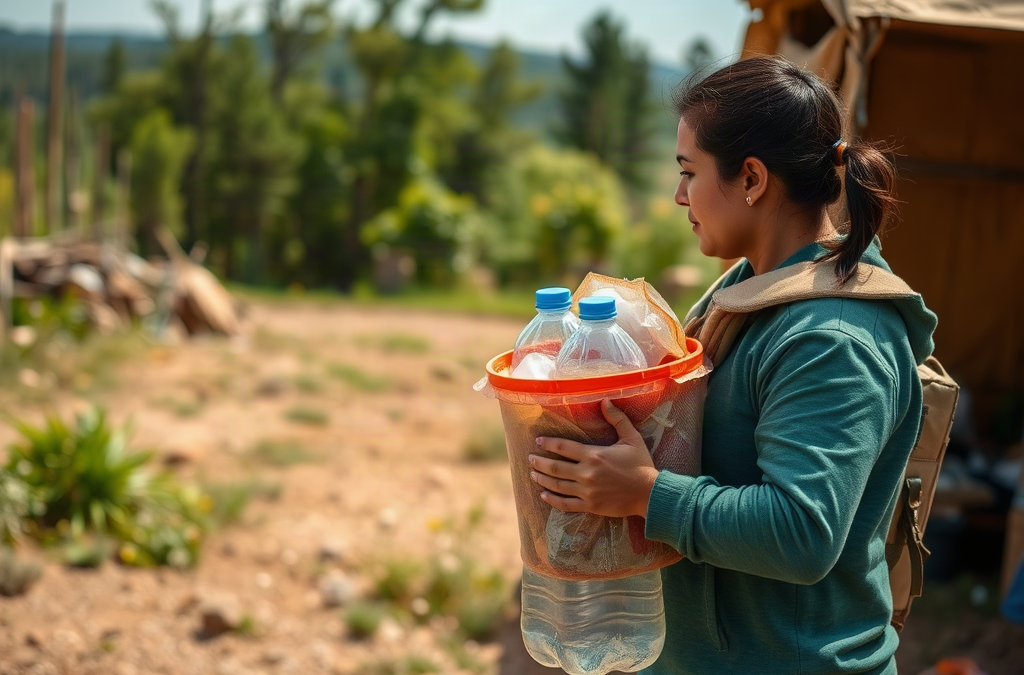
Physical readiness for supply work is task-specific rather than a single measure of fitness. Carrying a case of bottled water, dragging a storage tote, opening a stiff valve, filling a bucket, and moving over uneven ground place different demands on the body. A person may have good cardiovascular fitness yet struggle with grip endurance, or lift a heavy object once but lack the balance to transport it safely across stairs.
The first step is to inventory the movements your supplies require. Note the approximate weight, size, handles, distance, height, and route involved. A compact water container may be heavy but easy to hold close to the body; a large sack of pet food may be lighter yet awkward because it blocks vision and shifts during movement. These differences affect whether you need more leg strength, shoulder control, trunk stability, grip endurance, or walking capacity.
Use the actual equipment when possible. Practicing with a gym dumbbell does not reveal that a storage bin has no comfortable handhold or that a jerry can swings into your knee. The Physical preparedness for carrying and using supplies process becomes more useful when training reflects the shape and handling demands of stored items.
A common mistake is preparing for maximum weight while ignoring repetition. Moving one container from a garage is different from carrying several loads, returning for more, and working while tired. Another error is treating pain, dizziness, numbness, or loss of balance as a normal part of readiness. Those signs indicate that the load, pace, technique, environment, or recovery plan needs adjustment.
Strength and Movement Patterns for Real Loads
Supply handling depends most on controlled lower-body lifting, bracing, pulling, pressing, and gripping. These patterns allow the legs and hips to share work that would otherwise be forced onto the lower back and shoulders. A practical routine can include sit-to-stand movements, hip hinges, step-ups, rows, wall or counter push-ups, loaded carries, and grip practice with manageable resistance.
Technique matters more than chasing a dramatic training weight. To lift a box from the floor, bring it close, place the feet securely, bend through the hips and knees, brace the trunk, and rise without twisting. Turning should happen with the feet rather than rotating under load. For a long container, test whether carrying it close to the torso is safer than holding it away from the body; the latter increases leverage against the back and arms.
Different loads call for different carry styles. Two-handed front carries can provide control but may restrict vision. A one-sided carry challenges balance and may be useful for a small container, though switching sides reduces uneven fatigue. A backpack leaves the hands free but transfers pressure to the shoulders and hips, making fit and load distribution decisive. No single method is best for every person or object.
For example, someone moving water from a basement may need step-ups and controlled stair practice more than faster jogging. Someone using hand tools during a prolonged outage may benefit from shoulder mobility, wrist endurance, and short bouts of repetitive work. Training only one exercise can hide a weak link: strong legs do not compensate for a grip that fails halfway through the route.
Begin with a load that allows clean repetitions and stable breathing. Increase one variable at a time: weight, distance, repetitions, terrain, or speed. If posture collapses, the container starts swinging, or the hands must be put down unexpectedly, reduce the demand rather than rehearsing poor mechanics.
Building Carrying Endurance Without Overtraining
Carrying endurance is the ability to repeat useful work while maintaining control. It combines walking capacity with local endurance in the hands, forearms, shoulders, trunk, and legs. A short loaded walk followed by a rest is often more relevant to household preparedness than an uninterrupted distance goal because real supply tasks include loading, setting items down, opening doors, and changing direction.
Start with ordinary walking and add a light, evenly distributed load. Choose a clear route, wear the footwear used for outdoor work, and practice stopping before fatigue changes your gait. Progress by adding a few minutes or a small amount of weight, not both at once. Recovery is part of the progression: persistent soreness, declining sleep, or weaker performance on ordinary tasks suggests that training is advancing too quickly.
Terrain changes the demand substantially. Grass, gravel, wet pavement, stairs, and narrow paths require more ankle control and attention than a flat indoor floor. A heavier load may be reasonable for a short, level transfer but unsafe on a slippery slope. Conversely, a lighter awkward object can be harder than a compact heavy one because it shifts the center of mass and interferes with sightlines.
Consider a household that stores water on a lower level and uses it upstairs. A useful rehearsal might involve moving a partially filled container over the actual route, placing it down safely, and returning without rushing. The goal is to identify whether the route, container size, lighting, or stair rail creates the greatest risk. Smaller containers may require more trips but can reduce fall and strain exposure.
Breathing and pacing provide useful feedback. Holding the breath during a lift can increase tension and make a person rush the next movement. Short pauses, deliberate turns, and setting loads down before form deteriorates generally outperform an attempt to finish every task continuously. People with cardiovascular, respiratory, joint, or balance concerns should obtain individualized medical guidance before adding loaded exercise.
Practicing Safe Use of Stored Equipment
Physical preparedness includes using supplies, not merely transporting them. Hand pumps, can openers, camp stoves, saws, axes, water filters, coolers, and fastening tools require coordination after repeated lifting. Familiarity reduces awkward experimentation, while physical practice reveals whether controls are too stiff, handles are poorly positioned, or the user cannot maintain a stable stance.
Practice one equipment task at a time under normal conditions. Place the item at a realistic height, assemble it according to its instructions, and note the reach, force, and body position required. A tool used from a crouch may tax the knees; a pump operated with one arm may cause the torso to twist; a large cooler may require two people even when its empty weight seems manageable. The solution may be relocation, a smaller unit, a hand truck, or a shared lifting plan rather than more exercise.
Work surfaces and routes deserve as much attention as muscles. Clear floor space, improve lighting, keep cords and loose packaging out of walkways, and avoid placing frequently used heavy items above shoulder height. Store dense supplies where they can be reached without climbing or excessive bending. The Physical preparedness for carrying and using supplies assessment should include the environment because a capable person can still be injured by a slick threshold or an unstable stack.
Two-person handling is appropriate when an object is bulky, blocks vision, shifts unexpectedly, or cannot be held close. Agree on who leads, where the load will go, and when it will be set down. A common misconception is that teamwork makes any object safe; poor communication can produce sudden turns or dropped weight. If the item has no secure grips, divide the contents or use a suitable cart instead.
Disposable gloves, stable footwear, and eye protection may be appropriate for certain tools or cleanup tasks, but protective equipment does not correct an oversized load or unsafe route. Equipment should make the movement easier to control, not encourage a person to exceed a sensible limit.
A Practical Readiness Test and Progression Plan
A simple readiness test should measure the tasks you expect to perform while preserving safe movement. Select several representative items, define the route, and record whether you can lift, carry, place, and use them without pain, breathlessness that does not settle, loss of balance, or deteriorating technique. Repeat the test occasionally after changes in storage, health, footwear, or equipment.
Use this compact checklist to find the weakest link:
Lift: Can the item come from its stored height without twisting or rounding under strain?
Carry: Can you maintain a steady pace and clear vision for the full route?
Place: Can you set it down with control rather than dropping it?
Use: Can you operate the equipment from a stable stance?
Repeat: Can you complete another trip after a reasonable recovery pause?
Fix the highest-risk limitation first. If grip fails, use smaller containers and train carries. If stairs cause instability, improve lighting, clear the route, use a rail, and reduce load size before adding intensity. If the route is the problem, a cart or different storage location may produce a larger safety improvement than a stronger workout.
Beginner and experienced individuals should not use the same progression. A beginner may practice unloaded movement, then light household objects, while an experienced person can add varied terrain or repeated trips. Neither should test emergency capacity by exhaustion. Stop when control declines, and seek professional advice for persistent pain, significant medical conditions, or rehabilitation needs.
Keep a brief record of load, distance, repetitions, rest, and symptoms. Improvement looks like steadier handling, fewer pauses, cleaner lifting, and faster recovery—not simply a larger number on a scale. Recheck stored supplies after seasonal changes so physical capability, container choice, and placement remain matched.
Frequently Asked Questions
How heavy should a practice load be?
Use a load you can lift, carry, and place with stable posture and normal breathing. Increase weight only after the route and technique remain controlled.
Is walking with a loaded backpack enough?
No. A backpack develops one carrying pattern but does not fully prepare you for floor lifts, one-sided containers, stairs, pushing, pulling, or tool use.
Should supplies be stored in smaller containers?
Smaller containers may be preferable when large ones block vision, strain grip, or create stair hazards. They require more trips, so balance handling safety against time and storage space.
What signs mean I should stop training?
Stop for sharp or persistent pain, dizziness, chest symptoms, unusual shortness of breath, numbness, or worsening balance. Medical conditions may require individualized guidance.
How often should supply-handling skills be practiced?
Brief periodic rehearsals are useful, especially after changing containers or storage locations. Practice often enough to retain technique without allowing fatigue or soreness to accumulate.
Further Reading
Authoritative Sources
NIOSH Workplace Safety and Health cdc.gov
/nioshOffers government safety information relevant to lifting, material handling, ergonomics, and injury-risk reduction
OSHA Ergonomics osha.gov
Provides practical background on awkward postures, force, repetition, and safer manual handling
Conclusion
Reliable supply handling comes from matching physical capacity to the actual objects, routes, and tools in a household. Assess lifting height, container shape, stairs, terrain, grip demands, and repeated trips instead of relying on a general fitness label. Build gradually with hinges, step-ups, carries, pulling, pushing, and walking, then rehearse the equipment under realistic but controlled conditions. Smaller containers, carts, better lighting, and improved storage may solve a risk more effectively than adding weight to a workout. Make clean technique and steady recovery the standard for progress. A short readiness test can reveal the limiting task now, giving you time to adjust both your body and your supply system before those demands arrive unexpectedly.
Emergency buying becomes more rational when each item is judged by the harm it addresses rather than by how impressive it looks. A household facing a short power outage has different needs from one preparing for evacuation, extreme weather, contaminated water, or a prolonged supply interruption. The first question is not “What preparedness product should I buy?” but “Which missing capability could create the most serious problem for these people?”
Water, prescribed medication, sanitation, dependable food, lighting, and communication often deserve early attention because their absence can affect health or basic decision-making quickly. The exact order changes with the hazard. A person dependent on refrigerated medication may place backup power or a medical continuity plan above additional shelf-stable meals. Someone in a flood-prone area may need waterproof document storage and transportation access before buying bulky equipment.
A useful ranking method combines consequence, likelihood, duration, and replaceability. A missing item scores higher when failure would be dangerous, the event is plausible, the disruption may last, and local replacement is uncertain. This approach prevents a common mistake: spending heavily on rare scenarios while ignoring ordinary interruptions such as a closed pharmacy, a water main problem, or a dead phone during a storm.
First: items that protect life, medication continuity, hydration, sanitation, and safe shelter.
Next: tools that preserve information, mobility, cooking, temperature control, and basic hygiene.
Later: convenience, comfort, specialty equipment, and duplicate upgrades.
Priorities should be personal rather than copied from a universal list. A household with infants, older adults, pets, mobility limitations, allergies, or dietary restrictions may need different supplies and quantities. The practical test is whether the purchase closes a real gap for a named person under a named condition. If nobody can explain when and how the item would be used, it probably belongs behind more basic needs. See also Self priorities for choosing emergency purchases when comparing a new purchase with an existing household plan.
Test Function, Compatibility, and Shelf Life
An emergency purchase has value only if it works when ordinary services are unavailable. Function means more than the product operating in a demonstration. Check the fuel, batteries, charging method, water requirements, replacement parts, instructions, and environmental limits that apply in your setting. A device that depends on a phone app or a proprietary cable may be less useful during a communications or power disruption than a simpler tool with fewer dependencies.
Compatibility deserves special attention. A portable power station may not run a high-wattage appliance for long; a water filter may not address every contaminant; a cooking device may be unsafe indoors; and a radio may require batteries that are not included. The same product can be sensible for one household and poor value for another. Before buying, write down the equipment it must support and test the connection, capacity, and operating procedure.
Shelf life also changes the economics of emergency spending. Food, batteries, medications, fuel, water containers, and chemical supplies need rotation or inspection. A low-priced item that quietly expires can cost more than a durable alternative once waste is counted. Store dates, opening instructions, and replacement intervals in a simple inventory. Rotate goods into normal use when appropriate, then replace them with fresh stock.
Consider a household buying a battery-powered fan for summer outages. The purchase may be useful if the fan uses standard batteries already stocked, fits the sleeping area, and has been tested under warm conditions. It is weaker if the family assumes rechargeable cells will always be available but has no charging method. An ordinary fan paired with a tested power source may be a better choice than a larger model with unfamiliar controls.
A frequent failure mode is confusing technical specifications with usable capacity. Advertised runtime may vary with load, temperature, battery age, and operating mode. Buy for demonstrated performance, not the most attractive number on the package. Keep a small operating note with each specialized item so another household member can use it without guessing.
Spend for Household Constraints, Not Marketing Claims
Budget, storage space, mobility, skills, and attention are part of every emergency purchase. A product that cannot be lifted, maintained, secured, or explained to the intended user is not a strong investment. Self-priorities mean accepting that the best choice may be smaller, simpler, or less technically advanced when those traits make it more dependable.
Use a total-cost view. Include the purchase price, consumables, batteries, fuel, replacement filters, protective storage, training time, and disposal requirements. Compare a product against a lower-cost alternative and state what the extra money buys. A more expensive item may justify itself through durability, repairability, reduced dependence on scarce supplies, or easier operation. It should not be selected merely because it is marketed as professional or tactical.
Storage conditions can decide whether an item remains usable. Heat, moisture, freezing temperatures, sunlight, pests, and theft may damage supplies or shorten their life. Heavy water containers may be sensible only where floors and shelves can support them and where the household can move them safely. Large food buckets can create an illusion of readiness if nobody has planned for cooking, dietary needs, or rotation.
Imagine two households with the same modest budget. One buys a premium multitool, a specialized shelter accessory, and several duplicate gadgets. The other fills medication gaps, adds potable water, improves lighting, stores basic sanitation supplies, and tests a backup communication method. The second household may own fewer eye-catching products but has closed more consequential gaps. That comparison does not make specialty gear useless; it shows why sequence matters.
Marketing language often hides the question of user competence. A complicated filter, generator, or communications device may require practice, ventilation precautions, maintenance, or troubleshooting. Choose the tool the household can operate during fatigue, darkness, cold, or anxiety. A product that works only when one knowledgeable person is present creates a single point of failure. For more context, connect these decisions with Self priorities for choosing emergency purchases and record who is responsible for each capability.
Build a Purchase Sequence That Survives Stress
A purchase sequence should convert a vague shopping list into a series of tested improvements. Begin with an inventory rather than a cart. Record what is already available, its condition, its location, and the people who depend on it. Then identify the shortest credible disruption and the longer event that would expose a different weakness. This reveals whether the next dollar should buy quantity, redundancy, training, or a missing category.
A practical sequence has four passes. The first closes urgent personal and household needs. The second adds basic redundancy, such as a second lighting method, an alternate way to prepare food, or another means of accessing important information. The third improves duration through rotation, storage, and replenishment. The fourth covers comfort and specialized scenarios after core systems have been tested.
Define the disruption: name the hazard, likely location, expected duration, and whether staying or leaving is more realistic.
Identify the failure: specify what stops working first, such as water access, refrigeration, transport, heat, or communication.
Choose the simplest workable option: favor familiar operation and available inputs over unnecessary complexity.
Test and document it: use the purchase under realistic conditions, then note limits and maintenance dates.
Reallocate the next budget: buy only after the test reveals the next meaningful gap.
Testing changes priorities. A family may discover that its emergency cooking plan is unusable indoors, that its stored water is difficult to move, or that a flashlight switch is confusing at night. Those findings are more valuable than another untested purchase. Practice also exposes missing accessories, such as a manual can opener, suitable cookware, spare connectors, or safe storage containers.
The common mistake is treating completion of a list as proof of readiness. A stocked tote can still fail if it is inaccessible, unlabeled, scattered across floors, or located where the hazard is likely to damage it. Keep essential items reachable, communicate their locations, and let more than one person practice the basic procedures. A purchase sequence is working when it reduces hesitation and reveals fewer unknowns during a drill or ordinary outage.
Review Mistakes and Adjust the Inventory
Emergency purchasing should be reviewed after use, testing, relocation, health changes, seasonal changes, and major household purchases. Needs are not static: a new medication, a different work schedule, a pet, a move, or a change in transportation can make yesterday’s priorities inaccurate. A quarterly inspection is often enough to catch expired goods, depleted batteries, damaged containers, and missing instructions.
Review each item with three questions: Did it solve the problem expected? Could the intended user operate it without help? What new dependency did it create? The last question catches hidden weaknesses. A generator may provide power but introduce fuel storage, ventilation, noise, and maintenance requirements. A large food supply may provide calories but require water, cooking fuel, and equipment. A purchase is not a complete solution if it shifts the bottleneck elsewhere.
Track failures without turning them into reasons to buy more immediately. If a flashlight failed because its batteries were old, improve rotation and storage before purchasing several new models. If a water container leaked, inspect the material, placement, and handling method. If a communication plan failed because contacts were stored only in a phone, create a paper copy and practice the contact sequence. Corrective action is often cheaper than replacement.
Use a simple priority record with the item, purpose, owner, test date, replacement need, and next action. Mark purchases as essential, useful, conditional, or unnecessary. This creates a visible basis for future spending and reduces impulse buying after alarming news or aggressive promotions. It also helps distinguish a genuine gap from a duplicate that merely feels reassuring.
Reassessment should preserve flexibility. Do not spend every available dollar on long-duration supplies if immediate medical, housing, transportation, or communication needs remain unresolved. Conversely, do not postpone a high-consequence item because it is less exciting than a broad collection of small accessories. The sound decision is the one that lowers a specific risk while remaining usable, maintainable, and appropriate for the people involved. Keep the record alongside Self priorities for choosing emergency purchases so future decisions build on tested information.
Frequently Asked Questions
What should be bought first during an emergency?
Address immediate life-safety and continuity needs first: drinking water, essential medication, sanitation, dependable food, lighting, and communication. Adjust the order for household-specific risks.
How can I avoid wasting money on preparedness products?
Inventory existing supplies, define the problem each purchase solves, calculate maintenance costs, and test the item before buying duplicates or upgrades.
Are expensive emergency products better?
Not automatically. Extra cost is worthwhile only when it provides useful durability, easier operation, repairability, or lower dependence on scarce inputs for your household.
Why does compatibility matter in emergency buying?
Many products depend on specific batteries, fuel, connectors, cookware, filters, or power levels. A compatibility check prevents owning equipment that cannot operate with the rest of your supplies.
How often should emergency purchases be reviewed?
Inspect supplies at least seasonally and after use, relocation, health changes, or a change in household members. Check expiration dates, damage, storage conditions, and operating instructions.
Conclusion
Good emergency purchases close the most consequential gaps first and remain usable under the household’s real constraints. Rank needs by hazard, duration, personal dependence, and replacement difficulty; then examine compatibility, shelf life, storage, maintenance, and user skill before spending. Water, medication continuity, sanitation, food, lighting, communication, and safe shelter commonly deserve attention before specialty equipment, but the right order depends on who lives in the household and what disruptions are plausible. Start with an inventory, choose one specific gap, test the solution, and record what failed or required extra supplies. That process protects the budget from impulse buying while steadily improving capability. Revisit the priorities as seasons, health needs, storage conditions, and household responsibilities change.
Limited resources change preparedness from a shopping exercise into a sequence of decisions. Money, storage space, time, transportation, and physical energy may all be constrained at once. A household that tries to cover every possible need can end up with scattered supplies but no dependable water, medication access, communication method, or way to leave an unsafe location.
Self-prioritizing means preserving the conditions that allow you to remain safe and make decisions. It does not mean ignoring neighbors, relatives, or people who need help. It means avoiding a preventable situation in which your assistance leaves you unable to protect yourself or dependents. Someone who gives away necessary medication, fuel reserved for evacuation, or the household’s only working phone battery may create a second emergency.
Think in terms of function rather than comfort. A backup coffee supply may improve morale, but a charged light, clean water, and a way to communicate have more direct consequences during a power outage. Likewise, buying specialized equipment before addressing a known medical need reverses the order of risk. The useful question is not whether an item is valuable in general; it is whether its absence creates immediate danger or removes an important option.
A practical first pass divides needs into three groups: survival, continuity, and convenience. Survival covers water, essential medication, basic shelter, safe food, and urgent sanitation. Continuity includes power for critical devices, transportation, identification, cash access, and contact information. Convenience includes upgrades that make an experience easier but do not materially change safety. This simple separation makes it easier to protect yourself without treating every purchase as equally urgent.
Readers comparing their own situation with broader Self-prioritizing when preparedness resources are limited guidance should account for personal vulnerabilities. A person with mobility limitations, refrigerated medication, a baby, or an indoor animal may place different items at the top of the list. The priority is not a universal kit; it is a functioning household under the conditions most likely to disrupt it.
Ranking Supplies by Consequence and Replaceability
Supplies deserve priority according to the harm caused by failure and the difficulty of obtaining a replacement. This is more reliable than choosing items by popularity or assuming that a large quantity automatically creates resilience. A low-cost item may deserve early attention if it prevents a serious problem, while an expensive item may wait if an ordinary alternative performs the same job.
Use four questions for each need: What happens if it is unavailable? How quickly does the problem become serious? Can another item perform the same function? Can it be replaced locally if stores, roads, or payment systems are disrupted? These questions expose weak assumptions. For example, a portable battery is useful, but it does not replace a communication plan, a charging cable, or a way to conserve power. A large food supply is less useful if it requires cooking fuel that you do not have.
Water usually receives early attention because it serves several functions: drinking, food preparation, medication use, and limited hygiene. Food should then be matched to available preparation methods, dietary needs, and rotation habits. Essential medications and medical supplies require special care because substitutes may not be acceptable, available, or safe. Keep prescriptions within lawful and medically appropriate limits, and ask a pharmacist or clinician about storage and continuity questions rather than improvising.
Use a priority table on paper or in a notes app:
Immediate consequence: serious harm or loss of function if unavailable.
Time pressure: the number of hours or days before the shortage matters.
Substitution: whether a safe household alternative exists.
Access risk: how likely normal purchasing or services are to be interrupted.
Consider two households. The first owns a compact camping stove but has little drinkable water and no plan for charging a necessary device. The second has basic food, water, a manual can opener, lighting, and written contacts but no specialized stove. The second household may be less comfortable, yet it has protected more essential functions. Equipment becomes a priority when it solves a defined failure, not simply because it appears useful in a preparedness catalog.
One common mistake is buying duplicates of easy-to-replace goods while postponing difficult-to-replace needs. Another is treating “multi-use” as automatically superior. A tool with five claimed functions is a poor choice if it is complicated, fragile, or unfamiliar. Test the items that remain on your shortlist and remove anything that creates more training, storage, or maintenance burden than value.
Building a Small Reserve That Protects Function
A limited budget works best when it creates a dependable minimum reserve before adding depth. Start with what would keep the household operating during a short interruption, then extend the reserve gradually through normal purchases. This approach reduces the risk of spending everything on a dramatic scenario while leaving everyday vulnerabilities untouched.
Begin with an inventory, not a shopping list. Record what is already in the home, where it is stored, how it is used, and whether it depends on electricity, refrigeration, internet access, or a particular person. A pantry item that nobody eats is not a practical reserve. A battery that has not been tested may be only an assumption. Rotate ordinary foods, label expiration-sensitive supplies, and store frequently needed items where the person responsible can reach them.
Build around a few operating capabilities:
Hydration and food: water containers, familiar shelf-stable foods, and a manual opener or preparation method.
Light and information: accessible lighting, spare batteries where appropriate, a charged phone, and written contact details.
Health: routine medications, first-aid basics, sanitation supplies, and documentation of important medical information.
Movement and shelter: suitable clothing, footwear, keys, transportation options, and a way to leave if staying becomes unsafe.
The best reserve is not necessarily the cheapest item-by-item. A low-cost food can become waste if it conflicts with allergies or digestive needs. A used device may be a good value only if its battery and charging method are dependable. Buying less of a suitable item is often wiser than buying more of an unsuitable one. Cash flow matters too: exhausting funds for supplies can make it harder to pay for fuel, repairs, prescriptions, or temporary lodging.
Test the plan with a deliberately modest exercise. Prepare one meal without the usual appliance, spend an evening using backup lighting, locate documents without internet access, or identify how a dependent would be transported. The exercise should reveal friction, not prove readiness. If the household cannot find the supplies, does not know who carries them, or discovers that a key item needs a missing adapter, revise the arrangement before expanding it.
Use the related Self-prioritizing when preparedness resources are limited principle to protect function first. A compact, tested setup can outperform a larger collection that is disorganized, inaccessible, or built around optimistic assumptions.
Setting Boundaries While Supporting Others
Sharing becomes safer when your personal minimum is defined before someone asks for help. Without a boundary, urgency, guilt, or social pressure can cause decisions that place the household at risk. A clear limit makes assistance more deliberate: you can offer what is genuinely surplus instead of negotiating with supplies required for your own safety.
Separate resources into three categories: protected, shareable, and adaptable. Protected resources include essential medication, the water and food needed for household members, evacuation fuel, and equipment required for a disability or medical condition. Shareable resources may include extra blankets, information, tools, or food beyond the minimum reserve. Adaptable resources are items that could be exchanged or divided after you confirm that doing so will not create a later shortage.
For example, giving a neighbor directions to an open service, helping charge a phone for a limited period, or sharing instructions may preserve more of your reserve than handing over a week of food. A household with spare water containers might lend one, while retaining enough capacity for its own needs. Assistance does not have to be measured only in objects; time, information, transportation coordination, and practical skills can also be useful, provided the activity does not expose you to unreasonable danger.
Boundaries should reflect changing conditions. If a disruption is expected to last longer than first assumed, the shareable category may shrink. If a family member arrives unexpectedly, your protected minimum must be recalculated. Avoid promising specific quantities before checking inventory. A simple response such as “I can spare one container, but not the reserve needed for my household” is clearer than an open-ended commitment.
Do not confuse self-prioritizing with isolation. Trusted cooperation can reduce duplicated effort, but informal agreements need limits. Confirm who has transportation, which tools are available, how communication will work, and what happens if one person cannot contribute. A group plan that assumes every participant will remain healthy, solvent, and reachable may fail precisely when support is most needed.
The failure mode to avoid is generosity without a stopping rule. Decide your minimum reserve, communicate it to household members, and revisit it when the number of people, duration, or hazard changes. That discipline protects both the ability to help and the people who depend on you.
Reviewing the Plan as Conditions Change
Priorities are temporary judgments, not permanent rankings. A forecast, outage, illness, income change, move, or new dependent can alter the order of need. Reviewing the plan prevents old assumptions from controlling current decisions, especially when resources are too limited to replace mistakes quickly.
Schedule a short review whenever a major condition changes and periodically during routine household planning. Check quantities, expiration dates, battery condition, medication arrangements, transportation access, and contact information. Confirm that every adult knows the location and purpose of essential supplies. If a person with special needs cannot use the backup method independently, the plan has a practical gap even when the item is present.
Look for signs that the approach is working: the household can locate essentials quickly, prepare a basic meal, communicate without relying on one service, and identify which resources are protected. Signs of failure include repeated expired items, supplies stored out of reach, purchases that exceed the budget, reliance on one device or route, and disagreement about who may use what. These are management problems, not reasons to buy more immediately.
When money is tight, direct new funds toward the largest unresolved consequence rather than the most interesting upgrade. A repair to a leaking water container, replacement of worn footwear, or replenishment of a necessary prescription may outrank a new gadget. When time is tight, improve organization and written instructions before adding inventory. When storage is tight, favor familiar, compact, frequently used items and remove products that cannot be maintained.
A useful review ends with one concrete next action: label the water supply, test the light, write down contacts, ask about medication continuity, or price the next small purchase. The purpose is not to create a perfect system. It is to reduce the chance that a foreseeable shortage will remove your ability to think, move, communicate, or care for the people in your household.
That practical focus complements Self-prioritizing when preparedness resources are limited by turning scarcity into an ordered plan rather than a reason for paralysis.
For additional planning detail, consult current guidance from local emergency-management offices, public health departments, utility providers, and pharmacists. These sources can provide location-specific information about alerts, medication continuity, evacuation routes, utility disruptions, and community assistance that a household inventory cannot supply on its own.
Frequently Asked Questions
Is self-prioritizing selfish during a crisis?
No. Protecting essential household needs preserves your ability to make decisions and offer sustainable help. Sharing should come from a defined surplus, not from supplies required for immediate safety.
What should receive priority when money is very limited?
Address water, essential medications, basic food, lighting, communication, sanitation, and the ability to move to safety before buying specialized equipment or comfort items.
How can I decide whether to buy an item?
Ask what happens if it is unavailable, how soon the consequence appears, whether a safe substitute exists, and whether replacement access could be interrupted.
Should I prepare for others outside my household?
Plan for household members first, then designate a realistic shareable surplus. Information, transportation coordination, and limited tool use may help others without consuming protected supplies.
When should preparedness priorities be reviewed?
Review them after changes in health, household size, income, location, transportation, or expected disruption, and periodically to catch expired, inaccessible, or untested supplies.
Conclusion
Scarcity rewards order, not accumulation. Protect the needs whose failure would quickly threaten health, mobility, communication, or safe shelter; then strengthen continuity and add convenience only when the foundation works. Inventory what you own, test how it performs without normal services, and keep essential medications, water, food, lighting, and transportation options distinct from supplies you can lend. Set a household minimum before pressure arrives, because improvised generosity can consume resources needed later. Review the ranking whenever the people, hazard, budget, or expected duration changes. Your next step can be small and specific: check water storage, document contacts, test a light, or identify the next unreplaced critical need. A modest reserve that remains accessible and usable gives you more real protection than a larger collection built on assumptions.
Household self-sufficiency is best treated as a time-limited capacity, not a permanent condition. A family might store water, cook without the grid, grow vegetables, and repair basic equipment, but those abilities do not replace hospitals, fuel distribution, municipal sanitation, specialized tools, or a functioning supply chain. The longer an emergency lasts, the more often one weak link affects every other system.
Short disruptions can hide these limits. A generator may run a refrigerator during a two-day outage, while a month-long interruption raises harder questions: Where will fuel come from? How will oil, filters, batteries, and spare parts be obtained? Can the generator be operated safely without disturbing neighbors or exhausting the household budget? A wood stove may provide heat, but it does not automatically provide clean cooking water, safe ventilation, or protection for someone with a respiratory condition.
Independence also depends on the people in the household. A plan built around one person’s medical knowledge, mechanical ability, or physical strength becomes fragile when that person is injured, exhausted, absent, or responsible for caregiving. Children, older adults, disabled family members, and pets add legitimate needs that cannot be reduced to extra calories or equipment.
A useful way to think about the issue is capacity versus demand. Capacity includes stored goods, skills, tools, energy, time, and physical labor. Demand includes drinking, sanitation, food preparation, medication, heating or cooling, security, repairs, and emotional support. If demand rises or capacity falls, the household reaches its limit even when shelves still contain supplies.
Linking this assessment to Self-sufficiency limits during prolonged emergencies helps reveal why a large inventory alone does not guarantee endurance. Supplies expire, skills degrade, and improvised solutions often consume more water, fuel, or labor than expected.
The Systems That Usually Fail First
Water and sanitation often become harder before food does. Stored water may cover drinking and cooking, yet handwashing, toilet use, cleaning, laundry, and wound care quickly increase consumption. A household that has planned only for bottles may resort to unsafe sources or delay hygiene. That creates risks that food storage cannot solve. Water treatment also has limits: a method suited to clear water may not remove every contaminant, and chemical disinfection does not make visibly polluted water safe in every situation.
Medical care is another boundary. Basic first-aid supplies can support minor cuts, sprains, burns, and routine discomfort, but they cannot substitute for diagnosis, surgery, blood products, dialysis, obstetric care, or emergency treatment. Prescription medication may be the decisive constraint for someone with diabetes, epilepsy, heart disease, or another ongoing condition. Plans should account for storage instructions, refill timing, power needs, and the clinician or pharmacy contacts that remain relevant during disruption.
Food production is frequently overestimated. A garden can supplement meals, but it may take a season to produce meaningful calories and depends on seeds, soil fertility, irrigation, weather, pest control, and labor. Fresh produce also lacks the dense energy supplied by grains, beans, oils, and preserved foods. Livestock introduces feed, water, veterinary, fencing, and slaughter concerns. A productive garden is valuable, but it is not equivalent to a complete food system.
Energy failures compound these problems. Electricity may be needed for refrigeration, communications, well pumps, medical devices, water treatment, and cooking. A battery bank provides quiet power but has finite capacity and charging requirements. Solar equipment can reduce fuel dependence but may be limited by weather, shading, panel damage, or inadequate storage. A fuel generator offers high output yet requires safe placement, fuel rotation, maintenance, and noise management.
Common mistakes include counting equipment without counting consumables, storing food without a preparation method, and assuming one backup can cover every load. A better comparison asks what each system needs to operate. For a well pump, that may mean a compatible inverter or generator; for dry beans, it may mean fuel and water for cooking; for sanitation, it may mean liners, absorbent material, disinfectant, and a disposal plan.
How To Measure A Household’s Real Capacity
A realistic capacity review measures how long essential functions can continue under reduced conditions. Do not begin with an ideal lifestyle. Define the minimum acceptable service for drinking, calories, hygiene, warmth, medication, communication, and waste control. A household may tolerate cold meals, limited lighting, and fewer showers, but it should not casually compromise drinking water, essential medicine, ventilation, or safe waste handling.
Use a written inventory that connects each need to its supporting resources. For example, “water” should include storage containers, treatment equipment, fuel or batteries, replacement parts, carrying capacity, and a way to identify a safer source. “Food” should include calories, dietary restrictions, cooking time, utensils, can-openers, and fuel. “Communication” should include charged devices, alternate power, contact information on paper, and a method that does not depend on a single network.
Then test the plan in controlled stages. A twelve-hour exercise can reveal whether everyone knows where supplies are and whether a stove works. A weekend without normal utilities can expose water use, bathroom problems, food-preparation fatigue, and charging conflicts. Testing should be safe and reversible; never disable medically necessary equipment or create a fire, carbon-monoxide, or sanitation hazard merely to imitate an emergency.
Record both consumption and friction. If a family expects to use four liters of water for cooking but actually uses more because of soaking, cleanup, and drinks, the inventory needs revision. If charging a phone competes with a medical device, the priority order is wrong or the power system is too small. If one person performs every repair, the household has a training and redundancy problem.
Measure duration: Estimate how long essential supplies last at normal use and at a reduced-use level.
Identify single points of failure: Note dependence on one pump, one fuel type, one skilled person, or one medication source.
Set escalation triggers: Decide when to contact emergency services, neighbors, health providers, relief organizations, or local authorities.
Review recovery needs: Include waste removal, equipment repair, replacement food, and rest after the immediate danger passes.
The most useful result is not a dramatic survival number. It is a short list of constraints that can be corrected. A family may discover that adding water containers matters more than buying another tool, or that learning safe food preservation is more valuable than expanding a garden.
Building Resilience Without Chasing Total Independence
The strongest approach combines household capability with deliberate interdependence. Neighbors, relatives, clinics, utilities, public works departments, community organizations, and emergency responders each provide functions that a private residence cannot duplicate efficiently. Accepting that reality does not weaken self-reliance; it prevents unrealistic plans from delaying necessary assistance.
Reciprocal relationships work best when they are specific. One household may have a pressure canner and food-preservation skills, another may have a chainsaw and repair experience, while a third may be able to check on an older resident. Agreements should address boundaries, accessibility, communication, fuel use, and what happens if the disruption affects everyone at once. Informal help is not a substitute for professional medical or emergency response, but it can reduce avoidable strain.
Redundancy should also be varied rather than duplicated. Two devices that require the same fuel are not two independent options. A better combination might include shelf-stable foods that need little cooking, a fuel-efficient stove, and a small reserve of ready-to-eat meals. Water resilience might pair stored water with a tested treatment method and knowledge of official advisories. Communications might combine a charged phone, written contacts, a battery-powered receiver, and a local check-in arrangement.
Tradeoffs deserve attention. More equipment can increase maintenance, clutter, theft exposure, and training demands. Large food stocks may be useless if household members will not eat them or if rotation is neglected. A sophisticated off-grid system may outperform a simple one under ideal conditions but fail harder when electronics, batteries, or specialized components break. Choose systems that match the household’s skills, climate, budget, and ability to maintain them.
Use Self-sufficiency limits during prolonged emergencies as a prompt to rank investments by consequence. Water, medication continuity, sanitation, safe cooking, and reliable information generally deserve attention before optional comfort equipment. The right question is not “Can we live without society?” but “Which services must we replace temporarily, which can we reduce, and which require outside support?”
When To Shift From Self-Reliance To Outside Help
Escalating to outside help is a preparedness skill, not a personal failure. Waiting too long can turn a manageable problem into a medical, fire, contamination, or security emergency. Immediate danger, serious bleeding, breathing difficulty, altered consciousness, suspected carbon-monoxide exposure, uncontrolled fire, and hazardous contamination require emergency services when available. Household improvisation should not delay urgent care.
Less dramatic warning signs also matter. A household is approaching its limit when water treatment becomes uncertain, essential medication is nearly exhausted, sanitation cannot be maintained, food preparation is causing unsafe fatigue, or the only working power source is being overloaded. Repeated equipment failures, worsening indoor temperatures, and inability to verify reliable information indicate that the plan is degrading rather than merely becoming inconvenient.
Prearranged thresholds make decisions clearer. For example, a family might decide that a medication problem triggers a call to a prescriber or pharmacy, a contaminated water concern triggers contact with local health authorities, and a failing heating system triggers relocation before indoor conditions become dangerous. The exact thresholds depend on the household and local resources, but they should be written while people are calm.
Relocation may be safer than extending an improvised setup. A home without a functioning well, safe heat, accessible bathroom, or adequate medical support may no longer be a suitable shelter, even if food remains. Moving to relatives, an official shelter, or another approved location involves tradeoffs, including transport, privacy, pets, and exposure to crowds. Those costs should be compared with the consequences of remaining in an unsafe environment.
Maintain a current contact sheet with emergency numbers, medical providers, utility information, nearby support, and alternate destinations. Store it on paper as well as digitally. A practical plan includes both the ability to endure a disruption and the judgment to stop doing so when the household’s margin of safety has disappeared.
Further Reading
For decisions about water safety, medication continuity, evacuation, sanitation, and local assistance, consult current guidance from relevant government agencies, public health departments, utility providers, and recognized emergency-management organizations. Local instructions take priority because water sources, hazards, shelter options, and available services vary by location.
Frequently Asked Questions
How long should a household expect to remain self-sufficient?
There is no universal duration. Set a minimum target for essential water, food, medication, sanitation, and power, then test it under realistic reduced-use conditions. A shorter plan that works reliably is more useful than a larger untested stockpile.
Why does water become a bigger problem than stored food?
Water supports drinking, cooking, hygiene, cleaning, and waste management. Those uses continue even when meals are simplified, so consumption can exceed estimates unless storage, treatment, and sanitation are planned together.
Can a garden make a family food-independent?
A garden can add fresh produce and useful skills, but it rarely replaces a complete calorie supply quickly. Weather, soil, seeds, pests, water, preservation, and labor all limit output, making stored staples and cooking capacity necessary complements.
What is the most dangerous self-sufficiency mistake?
Using an untested or unsafe workaround can create greater harm than the original outage. Carbon-monoxide exposure, contaminated water, spoiled food, medication interruptions, and delayed medical care deserve more attention than minor comfort losses.
How can neighbors improve prolonged-emergency resilience?
Agree on specific forms of mutual support, communication, accessibility checks, shared tools, and escalation procedures. Cooperation is strongest when responsibilities and limits are discussed before people are tired, frightened, or competing for scarce resources.
Conclusion
Self-sufficiency has a practical ceiling created by finite water, fuel, medication, labor, equipment, knowledge, and medical capability. Prolonged emergencies expose that ceiling gradually: sanitation becomes difficult, repairs accumulate, food production takes longer than expected, and a single exhausted or unavailable caregiver can disrupt the entire plan. Improve resilience by measuring actual consumption, testing essential systems, removing single points of failure, and setting clear triggers for outside assistance or relocation. Prioritize safe water, essential medicines, waste control, communication, and reliable cooking before adding specialized gear. A household does not need to duplicate every public service. It needs enough capacity to reduce immediate strain, recognize deterioration early, and connect with dependable help before a temporary disruption becomes an avoidable crisis.
Find the gaps most families don’t notice until something goes wrong.
Free. Practical. No fear-mongering.
By requesting this resource, you agree to receive practical PREPARE Magazine guides, tools, and email updates. You can unsubscribe anytime. Privacy Policy