
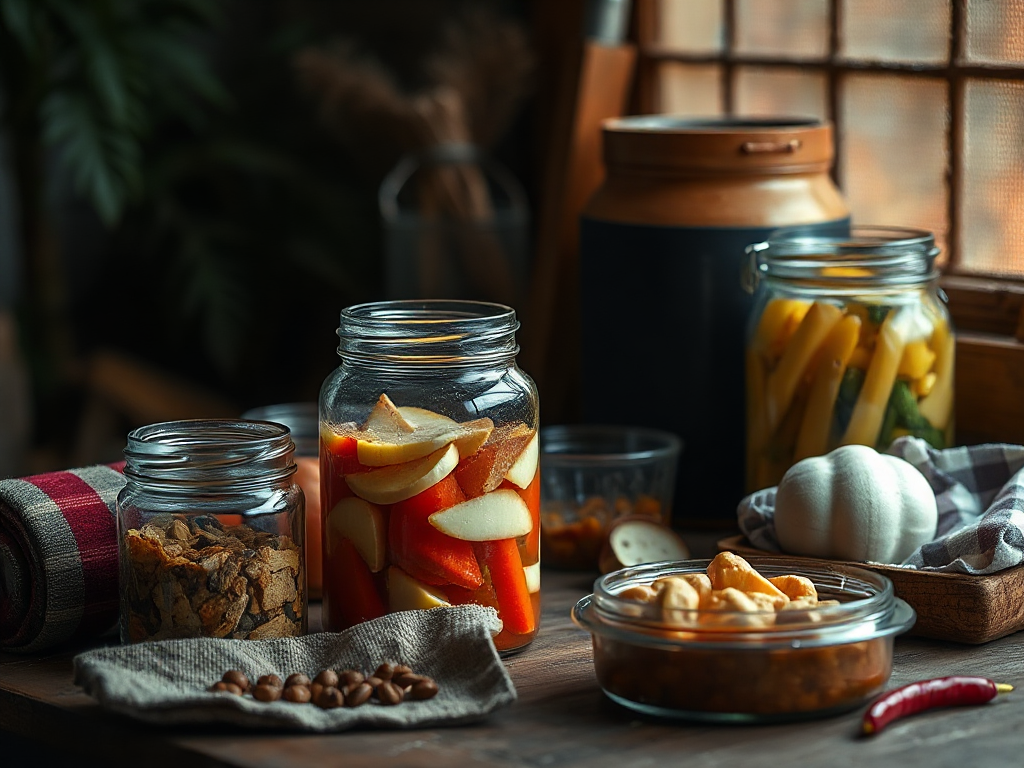
Effective food preservation during emergencies is essential for maintaining access to safe and nutritious options. Key methods include canning, dehydrating, and freezing, each with distinct advantages. For instance, canning allows for long-term storage of fruits and vegetables, while dehydrating reduces food weight and volume, making it easier to manage. A common mistake is neglecting proper sterilization during canning, which can lead to foodborne illnesses. By mastering these techniques, individuals can significantly extend the shelf life of their food supplies and minimize waste during crises.
Understanding Food Preservation Methods
Effective food preservation is crucial during emergencies, as it helps maintain nutritional value and prevents food waste. Different methods cater to various types of food and storage conditions, each with unique advantages and limitations. Knowing how to properly preserve food not only ensures that you have access to safe and nutritious options but also extends the usability of perishable items.
Common methods include canning, dehydrating, and freezing. Each technique has its own set of best practices and requires different levels of preparation and equipment. For instance, canning is a great way to store fruits and vegetables for long periods, while dehydrating can significantly reduce the weight and volume of food, making it easier to store and transport. Freezing is often the quickest method, but it requires a consistent power supply and is less effective for long-term storage.
Understanding these methods allows individuals to make informed decisions based on their specific needs, available resources, and potential risks associated with food spoilage. For example, a common mistake is underestimating the importance of sterilization during canning, which can lead to contamination and foodborne illnesses.
Canning: A Time-Tested Technique
Canning is one of the oldest and most reliable methods of food preservation. It involves sealing food in airtight containers and heating them to destroy harmful microorganisms. This process not only preserves the food but also enhances its shelf life, allowing for storage without refrigeration.
There are two primary canning methods: water bath canning and pressure canning. Water bath canning is suitable for high-acid foods like fruits, jams, and pickles, while pressure canning is necessary for low-acid foods such as vegetables and meats to ensure safety. A common misconception is that all canned foods are safe regardless of the method used, which is not true. Using the wrong canning technique can lead to serious health risks, such as botulism.
When canning, it is crucial to follow tested recipes and guidelines to ensure safety. Invest in quality canning equipment, including jars, lids, and a proper canner. Always check for signs of spoilage before consuming canned goods, such as bulging lids or off odors. Properly canned foods can last for years, making this method an excellent choice for long-term food storage during emergencies.
Dehydrating Foods for Long-Term Storage
Dehydrating is an effective method for preserving food by removing moisture, which inhibits bacterial growth and spoilage. This technique is particularly useful for fruits, vegetables, and even meats, allowing for lightweight and compact storage options.
There are several methods for dehydrating food, including air drying, oven drying, and using a food dehydrator. Each method has its own efficiency and effectiveness. For instance, using a food dehydrator often yields the best results in terms of speed and quality, while air drying can be labor-intensive and weather-dependent.
One significant advantage of dehydrated foods is their long shelf life, often exceeding a year when stored in airtight containers in a cool, dark place. However, a common mistake is failing to properly prepare the food prior to dehydration, such as not blanching vegetables, which can affect the final product’s taste and texture. Additionally, ensuring that food is fully dehydrated before sealing is critical to prevent mold growth during storage.
Dehydrated foods are versatile and can be rehydrated for use in soups, stews, and snacks, making them a valuable asset in emergency preparedness.
Freezing: Keeping Food Fresh
Freezing is one of the simplest and fastest methods for preserving food, maintaining its taste and nutritional value. This method works by slowing down enzyme activity that causes spoilage, thus extending the shelf life of various foods.
When freezing food, it is essential to prepare items properly to ensure quality and safety. For instance, blanching vegetables before freezing can help preserve color, flavor, and texture. Additionally, using appropriate packaging materials, such as freezer bags or vacuum-sealed containers, can prevent freezer burn and maintain food quality.
A common error is overcrowding the freezer, which can lead to uneven freezing and potential spoilage. Ensure that air can circulate around the food items for optimal freezing. While most foods can be frozen, some items, like dairy products or certain fruits, may not perform well when thawed.
Freezing is particularly effective for preserving cooked meals, allowing for quick meal options during emergencies. However, it is crucial to have a reliable power source, as prolonged power outages can compromise frozen food safety.
Frequently Asked Questions
What is the best method for preserving food during an emergency?
The best method depends on the type of food; canning, dehydrating, and freezing are all effective strategies for preserving food during emergencies.
How long can canned foods last?
Properly canned foods can last for several years, but it's essential to check for signs of spoilage before consumption.
Is dehydrated food nutritious?
Yes, dehydrated food retains most of its nutrients if prepared and stored correctly, making it a healthy option for emergencies.
Can all foods be frozen?
No, not all foods freeze well; items like dairy and some fruits may not maintain quality after thawing.
What are common mistakes in food preservation?
Common mistakes include improper sterilization during canning, inadequate preparation before dehydrating, and overcrowding the freezer.
Conclusion
Food preservation during emergencies is a critical skill that can significantly impact your access to safe and nutritious food. By understanding and employing methods such as canning, dehydrating, and freezing, you can effectively extend the shelf life of various foods. Prioritize proper techniques and equipment to ensure safety and quality, and remain aware of the limitations and common mistakes associated with each method. Taking proactive steps in food preservation not only safeguards your food supply but also prepares you for unexpected situations.
Further Reading
Authoritative Sources
- Long-Term Food Preservations Methods
grow.ifa.coopThis technique involves heating jars to destroy microorganisms that cause food to spoil and creating a vacuum seal that prevents new bacteria from entering.
- Food Preservation Techniques for Families
kitchenonthestreet.orgBy mastering techniques like canning, freezing, dehydrating, fermenting, pickling, smoking, and vacuum sealing, families can ensure a steady supply of healthy ...
- Seven food preservation methods to cut food waste
davidsuzuki.orgFood is heated in boiling water to eliminate pathogens and seal jars. Acidity in the food helps inhibit bacterial growth. Pressure canning. Used for low-acid ...
- Preparing an Emergency Food Supply, Short Term Food ...
fcs.uga.eduIt is important to keep dry foods in airtight, moisture-proof containers away from direct light in cool places. Consider stocking zipper-closure plastic food ...