
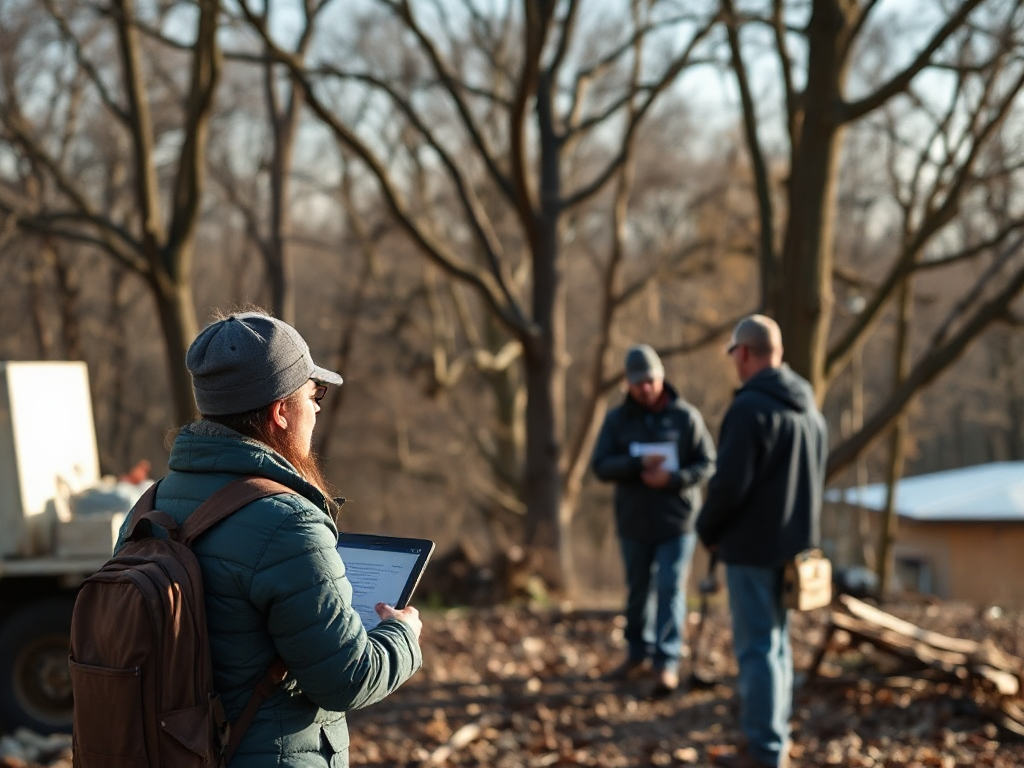
Common pitfalls in disaster communication plans include inadequate engagement with stakeholders, unclear messaging, and dependence on a single communication channel. These shortcomings can create confusion and misinformation during critical moments. To enhance communication effectiveness, it is essential to actively involve all relevant parties in the planning process, ensuring that messages are tailored and delivered through multiple channels. Additionally, addressing the diverse needs of the community can prevent vital information from being overlooked, ultimately leading to a more coordinated and efficient disaster response.
Understanding the Importance of Effective Communication
Effective communication during a disaster is essential for coordinating response efforts, ensuring public safety, and minimizing chaos. Without a solid communication plan, organizations can face significant challenges, including misinformation, panic, and inefficient resource allocation. The key to effective disaster communication lies in understanding its role in both the preparation phase and the response phase. A well-structured communication plan not only disseminates information but also builds trust and credibility among stakeholders.
One common mistake is underestimating the complexity of communication needs during a disaster. Different stakeholders, including first responders, government agencies, and the public, require tailored messaging based on their specific roles and concerns. Failing to address these varied needs can lead to a breakdown in communication, resulting in confusion and delayed responses.
Inadequate Stakeholder Engagement
One of the most critical pitfalls in disaster communication plans is the failure to engage stakeholders adequately. Stakeholders include not just emergency responders but also local organizations, community leaders, and the public. When stakeholders are not involved in the planning process, the resulting communication strategies may not address their needs or concerns effectively.
For example, if a community’s communication plan does not consider the linguistic diversity of its population, critical information may not reach all residents. Engaging stakeholders in the planning stages allows for feedback and input that can shape a more effective communication strategy. This collaboration fosters a sense of ownership and commitment to the plan, which can enhance its execution during an actual disaster.
To avoid this pitfall, organizations should establish a stakeholder engagement process that includes regular meetings, surveys, and feedback mechanisms. This ongoing dialogue ensures that the communication plan remains relevant and effective in addressing the needs of all parties involved.
Unclear or Conflicting Messaging
Another significant pitfall is the issuance of unclear or conflicting messages. During a disaster, timely and accurate information is paramount. However, if messages are ambiguous or contradictory, it can lead to confusion, panic, and a lack of trust in the information being provided.
For instance, if one agency communicates a specific evacuation route while another agency suggests a different path, residents may become unsure of where to go, potentially putting their safety at risk. To mitigate this risk, communication plans should establish clear protocols for message development and dissemination. This includes designating a single point of contact for information and ensuring that all messages are vetted for clarity and consistency.
Additionally, organizations should prioritize training for personnel involved in communication efforts. This training can help ensure that all team members understand the importance of coherent messaging and are equipped to convey information effectively during a crisis.
Overreliance on a Single Communication Channel
Overreliance on a single communication channel can severely limit the effectiveness of a disaster communication plan. While social media, for example, has become a popular tool for disseminating information quickly, not all community members may have access to or trust these platforms. Relying solely on one channel can leave significant gaps in outreach and information sharing.
A comprehensive communication plan should leverage multiple channels, including traditional media (TV, radio), community meetings, text alerts, and social media. By diversifying communication methods, organizations can reach a broader audience and ensure that critical information is accessible to everyone, regardless of their technological capabilities or preferences.
Moreover, organizations should regularly assess the effectiveness of their communication channels. This evaluation can help identify which channels are most effective for reaching different segments of the population and allow for adjustments as needed.
Frequently Asked Questions
What are the main components of a disaster communication plan?
A disaster communication plan typically includes stakeholder engagement strategies, clear messaging protocols, and multiple communication channels to ensure effective outreach.
How can organizations improve stakeholder engagement?
Organizations can improve stakeholder engagement by involving diverse community members in the planning process and establishing regular communication channels for feedback.
What are the risks of unclear messaging during a disaster?
Unclear messaging can lead to confusion, panic, and a lack of trust among the public, ultimately hindering effective disaster response.
Why is it important to use multiple communication channels?
Using multiple communication channels ensures that critical information reaches a broader audience, accommodating different preferences and access levels among community members.
How often should organizations review their communication plans?
Organizations should review their communication plans regularly, ideally at least once a year, to ensure they remain relevant and effective in addressing current needs.
Conclusion
Addressing common pitfalls in disaster communication plans is essential for ensuring effective responses during emergencies. By prioritizing stakeholder engagement, clarifying messaging, and utilizing multiple communication channels, organizations can enhance their communication strategies significantly. Regularly reviewing and updating these plans further ensures that they remain effective and relevant, ultimately improving public safety and trust during disasters.