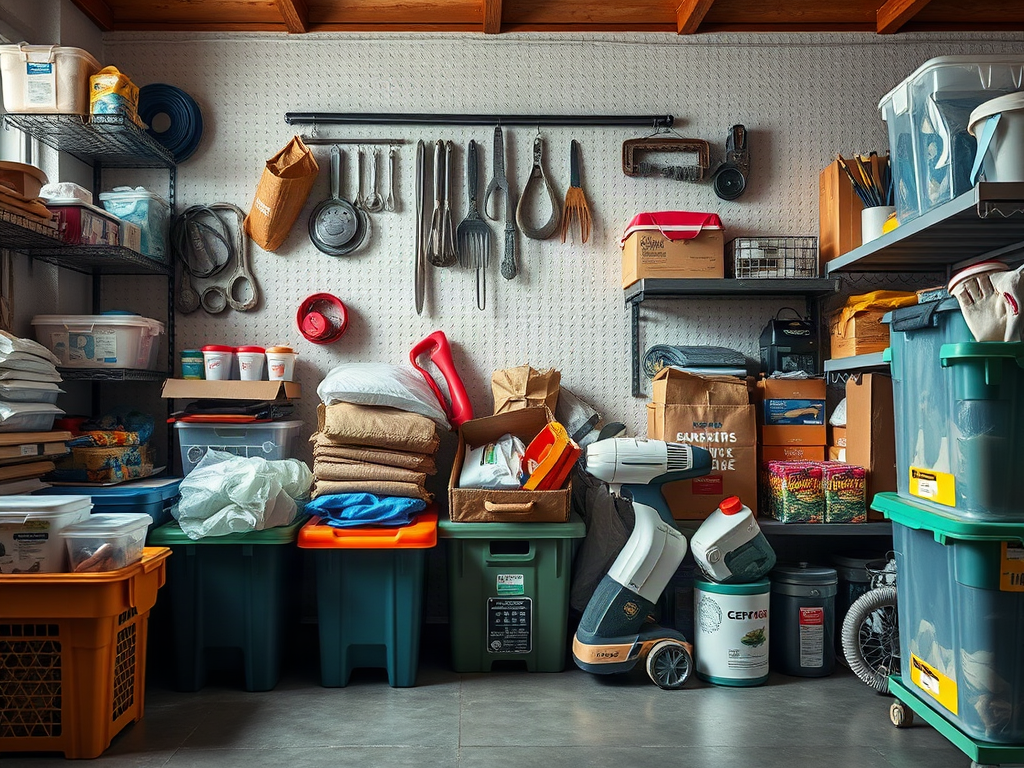
Quick Answer: To get started with disaster preparedness, create an emergency kit that includes essentials like water, non-perishable food, a flashlight, and a first aid kit. The Ready.gov website offers comprehensive guidelines for building your kit and planning for emergencies.
Why This Happens: Many people underestimate the likelihood of disasters, leading to a lack of preparation. Natural disasters, such as hurricanes or earthquakes, can strike unexpectedly, making it crucial to be ready.
How To Fix It:
Assess your specific risks based on your location and climate.
Gather supplies for a basic emergency kit, including food, water, and medical supplies.
Develop a family communication plan to ensure everyone knows what to do during a disaster.
Stay informed about local emergency services and evacuation routes.
Regularly review and update your preparedness plan and supplies.
A Simple, Repeatable Plan for Disaster Preparedness
In an unpredictable world where natural disasters can strike with little warning, the importance of being prepared cannot be overstated. Many individuals overlook the potential risks that lurk in their own backyards, whether it’s the threat of a sudden hurricane or an unexpected earthquake. Establishing a simple, repeatable plan for disaster preparedness is essential, starting with the creation of an emergency kit stocked with vital supplies like water, non-perishable food, and a first aid kit. By assessing local risks and formulating a family communication strategy, you can ensure that everyone is equipped to respond effectively when the unexpected occurs. Regularly updating your preparedness plan not only reinforces your readiness but also fosters a sense of security in the face of uncertainty.
1. Assess Your Risks
The first step in disaster preparedness is to understand the specific risks in your area. Research the types of disasters that are most likely to occur where you live. For example, if you live in a coastal region, hurricanes and flooding may be a significant concern. In contrast, those in the Midwest might be more at risk for tornadoes. To assess your risks, consider the following:
Local History: Look into past disasters in your area. How often do they occur, and what were their impacts?
Geographic Features: Are you near a fault line, river, or coastline?
Community Resources: What resources does your community have in place for disaster response?
2. Create a Family Emergency Plan
Once you understand your risks, the next step is to create a family emergency plan. This plan should outline how your family will respond to different types of emergencies. Here are key components to include:
Communication Plan: Establish how family members will communicate during a disaster. Designate a meeting place and a contact person outside of your area who can help relay information.
Evacuation Routes: Identify multiple routes out of your neighborhood and community. Practice these routes with your family to ensure everyone knows where to go.
Emergency Contacts: Compile a list of important phone numbers, including local emergency services, family members, and friends.
3. Build an Emergency Kit
An emergency kit is essential for any disaster preparedness plan. It should contain supplies that can sustain you and your family for at least 72 hours. Here’s a list of items to include:
Water: Store at least one gallon of water per person per day for at least three days.
Non-Perishable Food: Include items like canned goods, granola bars, and dried fruits. Make sure to have a manual can opener.
First Aid Kit: Stock a comprehensive first aid kit that includes bandages, antiseptic wipes, and any necessary prescription medications.
Flashlight and Batteries: A reliable flashlight is crucial, along with extra batteries to keep it operational.
Multi-tool or Swiss Army Knife: This can be invaluable for a variety of tasks in an emergency situation.
Personal Hygiene Items: Include items like hand sanitizer, wet wipes, and toilet paper.
Important Documents: Keep copies of critical documents such as insurance policies, identification, and medical records in a waterproof container.
4. Stay Informed
Knowledge is power when it comes to disaster preparedness. Stay informed about potential threats and local emergency plans. Here are some ways to keep yourself updated:
Weather Alerts: Sign up for local weather alerts through your phone or email. Many communities offer services that send alerts about severe weather.
Community Meetings: Attend local emergency preparedness meetings to learn about resources and plans in your area.
Social Media: Follow local emergency management agencies on social media for real-time updates and information.
5. Practice Your Plan
Having a plan is only effective if everyone knows how to execute it. Regularly practice your emergency plan with your family. This can include:
Drills: Conduct fire drills, earthquake drills, or evacuation drills to ensure everyone knows what to do in an emergency.
Reviewing the Kit: Check your emergency kit every six months to replace expired items and ensure it’s fully stocked.
Role Assignments: Assign roles to family members during drills, such as who will grab the emergency kit or who will check on pets.
6. Involve Your Community
Disaster preparedness is not just an individual effort; it’s a community endeavor. Engage with your neighbors and local organizations to enhance your preparedness:
Neighborhood Watch: Form or join a neighborhood watch group that can help keep everyone informed and safe during emergencies.
Community Preparedness Programs: Participate in local workshops or training sessions on disaster response and first aid.
Resource Sharing: Share resources and information with neighbors, such as tools, supplies, or knowledge about local hazards.
7. Review and Update Your Plan Regularly
Your disaster preparedness plan should be a living document. As your family grows or your circumstances change, be sure to review and update your plan regularly. Consider the following:
Changes in Family Dynamics: If you have a new baby, elderly family members, or pets, adjust your plan to accommodate their needs.
New Risks: Stay informed about new risks that may arise in your area, such as changes in climate or infrastructure.
Feedback from Drills: After practicing your plan, discuss what worked well and what could be improved.
By following these steps, you can create a comprehensive disaster preparedness plan that will help protect you and your loved ones in times of crisis. Remember, the key to effective preparedness is planning, practicing, and staying informed. Start today, and you’ll be better equipped to face whatever challenges may come your way.
How to Apply Disaster Preparedness Without Guesswork
Strong results with disaster preparedness come from matching the method to the actual goal, checking the most important conditions first, and adjusting one part of the process at a time. The reliable pattern is simple: define the result, choose a repeatable starting method, measure what changes, and correct the weakest point before adding more complexity.
Match the method to the goal
Before choosing a more advanced approach, compare setup time, cost, maintenance needs, and the most likely failure point. A beginner-friendly method that can be repeated consistently is usually more valuable than a complicated method that is difficult to monitor or troubleshoot.
Common Mistakes to Avoid
The most common mistake is changing too many variables at once. That makes it hard to know what actually improved the result. Keep notes, adjust one factor at a time, and confirm the outcome before moving to the next change.
Practical Next Steps
Choose the simplest method that fits the goal behind disaster preparedness.
Track one or two measurable results so progress is clear.
Correct the most obvious weak point before adding tools or complexity.
Review the outcome after a short test period and refine the process.
People Also Ask
What is disaster preparedness and why does it matter?
disaster preparedness is a specific approach or topic with practical steps you can learn and apply. Start by understanding the core definition, then practice one small technique at a time so you can measure results and improve quickly.
How do you get started with disaster preparedness?
Start with a small beginner setup, follow a proven checklist, and keep simple notes as you learn. Once you can repeat your results consistently, expand your system or add more advanced techniques.
What are common mistakes with disaster preparedness?
Common mistakes include skipping the basics, changing too many variables at once, and not measuring results. Make one change at a time and give it enough time to see what actually helped.
In many climates, relying solely on air conditioning can be costly and energy-intensive, leading to the need for alternative cooling strategies. Implementing these methods can create a more comfortable indoor environment while also being environmentally friendly.
One common mistake people make is underestimating the power of airflow. Properly utilizing windows, doors, and fans can significantly reduce indoor temperatures. For instance, opening windows during cooler parts of the day and using fans to circulate air can create a refreshing cross-breeze. Additionally, shading windows with curtains or reflective materials prevents sunlight from heating the indoor space.
Effective Ventilation Techniques
One of the most effective ways to cool your home without air conditioning is through proper ventilation. Opening windows to create a cross-breeze can significantly lower indoor temperatures. This method works best when outside temperatures are cooler than indoors, typically during the evening or early morning. Additionally, using exhaust fans in kitchens and bathrooms can help push out hot air.
Common pitfalls include failing to utilize all available windows or only opening them during the hottest parts of the day. To maximize airflow, open windows on opposite sides of your home and use fans to direct the air. This can enhance the cooling effect and make your living space more comfortable.
Utilizing Fans for Cooling
Fans can be a powerful ally in staying cool without air conditioning. Ceiling fans, box fans, and oscillating fans can create a wind-chill effect that lowers perceived temperatures. When using fans, it’s essential to ensure they are set to rotate counterclockwise in the summer to push cool air downwards.
Many people make the mistake of relying solely on fans without considering their placement. Positioning fans near windows can help draw in cooler air from outside. Additionally, using fans in combination with ice or cold water can further enhance cooling. For example, placing a bowl of ice in front of a fan can create a makeshift air conditioner.
Shading and Insulation Strategies
Shading your home effectively can prevent heat from entering your living space. This can be achieved through outdoor shading devices like awnings, pergolas, or strategically placed trees. Using reflective window film or heavy curtains can also block out sunlight and keep your home cooler.
It’s crucial to understand the importance of insulation in maintaining a comfortable temperature. Poorly insulated homes can lead to significant heat gain. Ensuring your home is well-insulated can help keep cool air in and hot air out, reducing the overall temperature inside.
Hydration and Clothing Choices
Staying hydrated is vital for regulating body temperature. Drinking plenty of water helps your body cool down, especially in hot weather. Additionally, wearing light, breathable fabrics can help keep you comfortable by allowing your body to maintain a lower temperature.
People often overlook the impact of clothing on comfort. Loose-fitting clothes made from natural fibers like cotton can enhance airflow and wick moisture away from the skin. Choosing the right clothing can make a significant difference in how cool you feel throughout the day.
Frequently Asked Questions
What are some natural ways to cool down my home?
Natural ventilation, using fans for airflow, and shading windows are effective ways to cool your home without air conditioning.
How can I improve airflow in my home?
Open windows on opposite sides of your home to create a cross-breeze and use fans to enhance air circulation.
What materials can help keep my home cooler?
Reflective window films, heavy curtains, and outdoor shading devices like awnings can help block heat from entering your home.
Is it important to stay hydrated in hot weather?
Yes, staying hydrated is crucial for regulating body temperature and preventing heat-related illnesses.
What type of clothing is best for staying cool?
Light, breathable fabrics such as cotton are ideal for keeping your body cool in hot weather.
Foods that provide the highest calories per serving are essential for individuals seeking to increase their energy intake efficiently. These foods primarily include nuts, seeds, oils, avocados, and certain dairy products, which are rich in healthy fats and protein. Understanding the caloric density of these foods allows for better planning, especially for those who may struggle to consume sufficient calories through regular meals.
When considering high-calorie foods, it’s important to focus on quality as well as quantity. Many high-calorie options, like nuts and nut butters, are not only energy-dense but also packed with essential nutrients, fiber, and healthy fats. However, the challenge lies in balancing caloric intake with overall nutritional needs, as excessive consumption of high-calorie foods can lead to unwanted weight gain if not managed properly.
Nuts and Seeds
Nuts and seeds are among the highest calorie foods available, providing a significant amount of energy per serving. For instance, a quarter cup of almonds contains approximately 200 calories, primarily from healthy fats. Additionally, they are rich in protein, fiber, vitamins, and minerals, making them a nutritious option.
Incorporating a variety of nuts and seeds into your diet can enhance energy levels and support overall health. However, it’s essential to be mindful of portion sizes, as it’s easy to consume a large number of calories quickly. A practical way to enjoy them is by adding them to smoothies, salads, or yogurt.
Oils and Fats
Oils, such as olive oil, avocado oil, and coconut oil, are very calorie-dense, with about 120 calories per tablespoon. These fats are not only high in calories but also provide essential fatty acids that are beneficial for heart health. Using oils in cooking or as dressings can significantly increase caloric intake.
Choosing high-quality oils and incorporating them into dishes can enhance flavor while boosting calorie content. However, it’s important to balance their use with other food groups to maintain a well-rounded diet. Consider using oils in moderation, especially if you are monitoring caloric intake for weight management.
Dairy Products
Cream, cheese, and full-fat yogurt are examples of dairy products that provide high calories per serving. For instance, one ounce of cheese can contain around 110 calories. These products are not only energy-rich but also provide protein and calcium, which are important for bone health.
When selecting dairy options, opting for full-fat versions can help increase caloric intake without the need to consume large quantities. However, individuals who are lactose intolerant should consider lactose-free alternatives or plant-based options that offer similar caloric density.
Avocados
Avocados are a unique fruit that offers a high caloric content, with around 240 calories in a medium-sized avocado. They are rich in monounsaturated fats, fiber, and various nutrients, making them an excellent addition to a calorie-dense diet.
Including avocados in meals can enhance flavors and textures while boosting caloric intake. They can be used in salads, spreads, or smoothies, providing versatility in meal preparation. However, portion control is crucial, as their high fat content can lead to excessive calorie consumption if not monitored.
For those looking to delve deeper into the nutritional aspects of high-calorie foods, consider exploring resources from reputable health organizations or nutritionists. Understanding how to incorporate these foods into a balanced diet can provide insights into healthy weight management and energy levels.
Frequently Asked Questions
What are the highest calorie foods?
The highest calorie foods include nuts, seeds, oils, avocados, and fatty dairy products, all of which are energy-dense and nutrient-rich.
How can I incorporate high-calorie foods into my diet?
You can add high-calorie foods like nuts to snacks, use oils for cooking, and include avocados in salads or smoothies to boost calorie intake.
Are high-calorie foods healthy?
Yes, many high-calorie foods are healthy, offering essential nutrients, healthy fats, and proteins; however, moderation is key to avoid excessive weight gain.
How many calories should I consume daily?
Daily caloric needs vary by individual; however, the average adult requires about 2,000 to 2,500 calories depending on activity level and health goals.
Can high-calorie diets help with weight gain?
Yes, a high-calorie diet can help individuals gain weight, especially if they struggle to consume enough calories through regular meals.
Conclusion
Incorporating high-calorie foods into your diet can be beneficial for those looking to increase their energy intake or gain weight. Focus on nutrient-dense options such as nuts, seeds, oils, avocados, and high-fat dairy products to achieve your caloric goals effectively. Remember to manage portion sizes and maintain a balanced diet to ensure overall health and well-being.
To effectively avoid panic buying during crises, it’s crucial to approach shopping with a clear plan and mindset. Panic buying often stems from fear and uncertainty, which can lead individuals to over-purchase essential items irrationally. By preparing in advance, you can minimize the impulse to buy excessively during stressful situations.
Understanding the psychological triggers behind panic buying can help individuals combat the urge to stockpile. Fear of shortages or missing out can cloud judgment, pushing people to buy more than they need. Prioritizing a rational approach, such as creating a shopping list based on actual needs rather than fear, can significantly reduce unnecessary purchases.
Recognizing the Triggers of Panic Buying
Panic buying is often triggered by emotions such as fear, anxiety, and uncertainty. Recognizing these feelings is the first step in preventing impulsive shopping behaviors. When a crisis occurs, the media can amplify fears, leading to a rush on stores as people try to secure what they believe will be scarce resources.
It’s essential to acknowledge these emotions without allowing them to dictate shopping behavior. Instead of giving in to panic, take a moment to assess the actual situation. Understanding that the supply chain typically remains intact during most crises can help mitigate fears and prevent unnecessary purchases.
Creating a Preparedness Plan
Having a preparedness plan is a proactive way to avoid panic buying. This plan should include a list of essential items you may need during a crisis, such as food, water, medical supplies, and other necessities. By identifying these items beforehand, you can avoid the chaos often associated with last-minute shopping.
Regularly reviewing and updating your preparedness plan ensures that you are ready for any situation. Consider implementing a system for inventory management at home to track what you have on hand and what needs replenishing, which can further reduce the impulse to overbuy.
Effective Communication and Community Support
Engaging with your community can also play a crucial role in preventing panic buying. Open communication with neighbors and local organizations can provide a sense of reassurance and shared responsibility. By discussing needs and resources with others, you can help create a more balanced approach to shopping during crises.
Consider forming a community group to share information about local resources, availability of items, and collective buying strategies. This collaborative approach can lessen the feeling of isolation and fear that often drives panic buying.
Practicing Mindfulness and Staying Informed
Practicing mindfulness can significantly impact your shopping habits during a crisis. Being aware of your emotions and reactions can help you make more rational decisions when it comes to purchasing. Take a moment to reflect on whether you truly need an item before placing it in your cart.
Staying informed with reliable information from trusted sources can also help reduce anxiety. Understanding the current situation, such as supply chain status and local availability of goods, can empower you to make informed choices rather than succumbing to panic.
Frequently Asked Questions
What are the main triggers for panic buying?
The main triggers for panic buying include fear of shortages, anxiety during crises, and media influence that exaggerates the urgency of the situation.
How can I prepare for a crisis to avoid panic buying?
Preparing involves creating a list of essential items, regularly reviewing your supplies, and having a clear plan in place before a crisis occurs.
What role does community support play in preventing panic buying?
Community support fosters communication and shared resources, helping individuals feel less isolated and more balanced in their purchasing decisions during a crisis.
How can mindfulness help during a crisis?
Mindfulness allows individuals to recognize their emotions and reactions, promoting more rational decision-making about purchasing rather than impulsive buying based on fear.
Why is staying informed important during a crisis?
Staying informed helps individuals understand the actual situation regarding supplies and resources, reducing anxiety and the impulse to panic buy.
Conclusion
In summary, avoiding panic buying during crises requires a combination of preparedness, community engagement, and mindful decision-making. By recognizing emotional triggers and implementing a solid shopping plan, individuals can avoid the chaos that often accompanies crises. Maintaining open communication with others and staying informed are essential strategies that empower individuals to act rationally rather than reactively. Prioritizing these steps can lead to more thoughtful purchasing habits and a sense of control during uncertain times.
What is the safest way to use candles can feel sudden, but it usually has a cause. The safest first step is to look for recent changes in routine, environment, stress level, health, sleep, exercise, or training consistency. Once the likely trigger is clear, the solution becomes much easier to apply without confusing the puppy.
Check What Changed First
Look at anything that changed in the last few days or weeks. A new schedule, visitors, less exercise, a move, a loud event, a new pet, or inconsistent rules can all affect a puppy’s behavior. Puppies learn through repetition, so even small changes can create confusion when expectations are not clear.
Rule Out Stress or Health Issues
If the behavior appears suddenly, do not assume it is stubbornness. Pain, stomach upset, teething, fear periods, overstimulation, or poor sleep can make a puppy act differently. If the behavior is intense, unusual, or paired with appetite changes, lethargy, limping, vomiting, diarrhea, or distress, a veterinary check is the safer next step.
Return to Simple Consistency
Use one clear response every time the problem appears. Interrupt calmly, redirect to the behavior you want, and reward quickly when the puppy chooses the better option. Avoid long corrections, emotional reactions, or changing the rule from one moment to the next. Consistency is what helps the puppy understand which behavior works.
Rebuild the Habit Gradually
Short sessions usually work better than long, frustrating ones. Practice in an easier environment first, then slowly add distractions. If the puppy fails repeatedly, the step is probably too difficult. Make the situation easier, reward the right response, and build back up from there.
Conclusion
The best way to handle what is the safest way to use candles is to find the trigger, remove unnecessary pressure, and return to a repeatable training pattern. A calm routine, clear rewards, and steady expectations help the puppy recover faster than punishment or random corrections. If the change seems extreme or health-related, involve a veterinarian before treating it as a training problem only.