
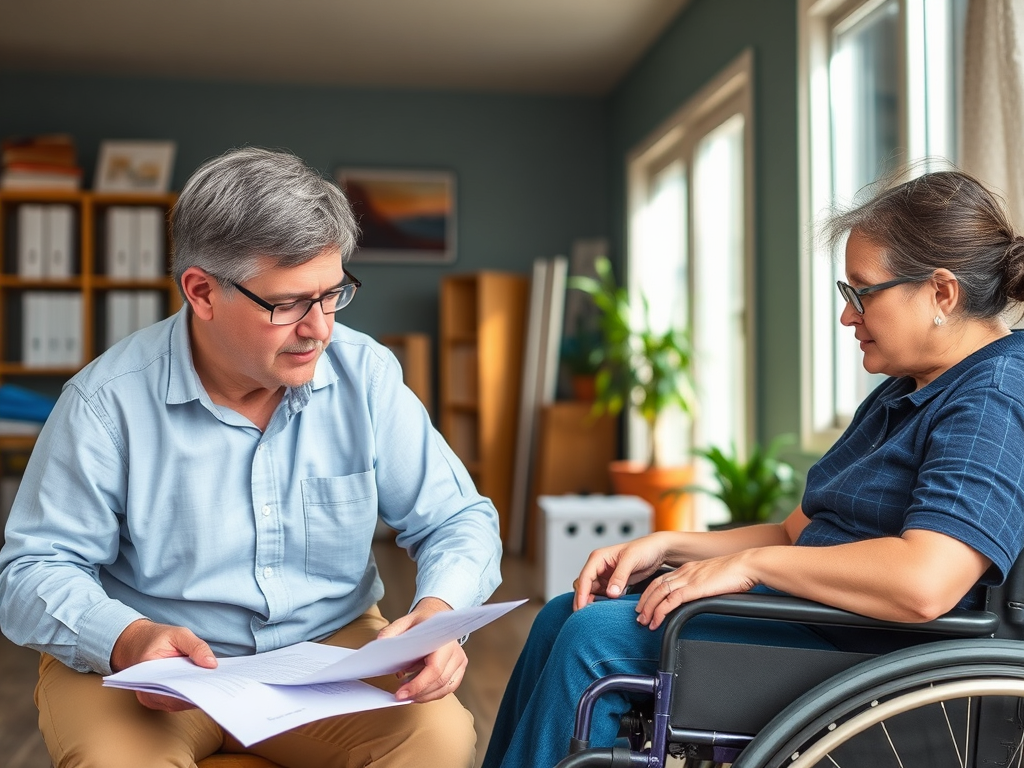
To effectively address the needs of individuals with disabilities during emergencies, it is essential to create inclusive and accessible emergency plans. This involves developing clear evacuation protocols that consider various disabilities, ensuring transportation options are available, and providing communication methods that cater to different needs. Engaging individuals with disabilities in the planning process can help identify specific requirements and foster a sense of community inclusion. Regularly updating these plans to reflect demographic changes and feedback from the disabled community is vital for maintaining their effectiveness and ensuring safety during crises.
Understanding the Unique Needs of Individuals with Disabilities
Individuals with disabilities often face distinct challenges during emergencies that can hinder their safety and well-being. These challenges may include mobility impairments, sensory disabilities, cognitive limitations, or medical conditions that require immediate attention. Understanding these unique needs is crucial for developing effective emergency responses. For instance, a person with a mobility impairment may require assistance evacuating from a building, while someone with a hearing impairment might miss crucial alerts if they are not provided in accessible formats.
Recognizing the diverse range of disabilities helps emergency planners identify specific accommodations necessary for safe evacuations and access to emergency services. A common mistake is assuming that standard emergency procedures are adequate for everyone. Tailoring plans to include the needs of individuals with disabilities not only enhances safety but also fosters a sense of inclusion within the community.
Creating Accessible Emergency Plans
Developing accessible emergency plans is a critical step in ensuring the safety of individuals with disabilities. These plans should include detailed protocols for evacuation routes, transportation options, and shelter facilities that are equipped to accommodate various disabilities. For example, evacuation routes should be free of obstacles and clearly marked, with accessible transportation options available for those who cannot use standard vehicles.
Additionally, emergency plans should be regularly reviewed and updated to reflect changes in community demographics and the needs of individuals with disabilities. Engaging individuals with disabilities in the planning process can provide valuable insights and ensure that their perspectives are considered. A practical approach is to conduct community drills that involve individuals with disabilities to test the efficacy of the emergency plans and identify areas for improvement.
Training Emergency Responders
Training emergency responders is essential to ensure they are prepared to assist individuals with disabilities effectively. This training should include information on recognizing different types of disabilities, understanding specific needs, and employing appropriate communication methods. For instance, responders should learn how to communicate with individuals who have hearing impairments, such as using sign language or written communication.
Moreover, first responders should be educated on the various types of equipment that may aid individuals with disabilities, such as wheelchairs, service animals, or communication devices. A common pitfall is insufficient training, which can lead to misunderstandings and inadequate support during emergencies. Regular training sessions, simulations, and workshops can help maintain a high level of preparedness among emergency personnel.
Effective Communication Strategies
Effective communication is vital during emergencies, particularly for individuals with disabilities who may require specific accommodations. Emergency messaging should be clear, concise, and available in multiple formats to reach everyone in the community. For example, using visual alarms, text alerts, and audio announcements can ensure that individuals with varying disabilities receive critical information.
It is also important to consider the timing and methods of communication. During an emergency, information should be disseminated rapidly to minimize confusion and panic. Establishing a centralized communication system that includes community partners can facilitate the timely sharing of information. Additionally, engaging individuals with disabilities to provide feedback on communication methods can help refine and improve these strategies.
Community Engagement and Collaboration
Building a collaborative community network is essential for addressing the needs of individuals with disabilities during emergencies. This involves forming partnerships with local organizations, advocacy groups, and service providers to create a support system that can mobilize resources quickly. Community engagement ensures that emergency plans are inclusive and reflect the needs of all residents.
Involving individuals with disabilities in community planning initiatives fosters a sense of ownership and encourages active participation. Regular community meetings can provide a platform for discussing concerns, sharing experiences, and brainstorming solutions. A successful example of this collaboration can be seen in communities that have established disability advisory boards to guide emergency planning and response efforts.
Frequently Asked Questions
What are the main challenges faced by individuals with disabilities during emergencies?
Individuals with disabilities may face challenges such as mobility barriers, lack of accessible information, and inadequate support from emergency responders, which can impede their safety during crises.
How can communities ensure their emergency plans are inclusive?
Communities can ensure inclusivity by involving individuals with disabilities in the planning process, conducting accessibility assessments, and regularly updating emergency plans to reflect changing needs.
What role do emergency responders play in supporting individuals with disabilities?
Emergency responders are responsible for providing assistance, understanding specific needs, and implementing appropriate communication methods to ensure the safety of individuals with disabilities during emergencies.
How can communication be improved during emergencies for individuals with disabilities?
Communication can be improved by using multiple formats, such as visual alarms, text alerts, and audio announcements, to ensure critical information reaches individuals with varying disabilities effectively.
What are some effective strategies for community engagement in emergency planning?
Effective strategies include forming partnerships with local organizations, conducting regular community meetings, and establishing disability advisory boards to guide emergency planning efforts.
Conclusion
Addressing the needs of individuals with disabilities during emergencies requires a multifaceted approach that encompasses understanding unique challenges, creating accessible plans, training responders, and fostering effective communication. By prioritizing these strategies, communities can significantly improve safety and support for all residents during crises. Engaging individuals with disabilities in the planning process not only enhances preparedness but also ensures that emergency responses are inclusive and effective. Moving forward, communities must remain vigilant in assessing and adapting their emergency plans to meet the evolving needs of individuals with disabilities.