
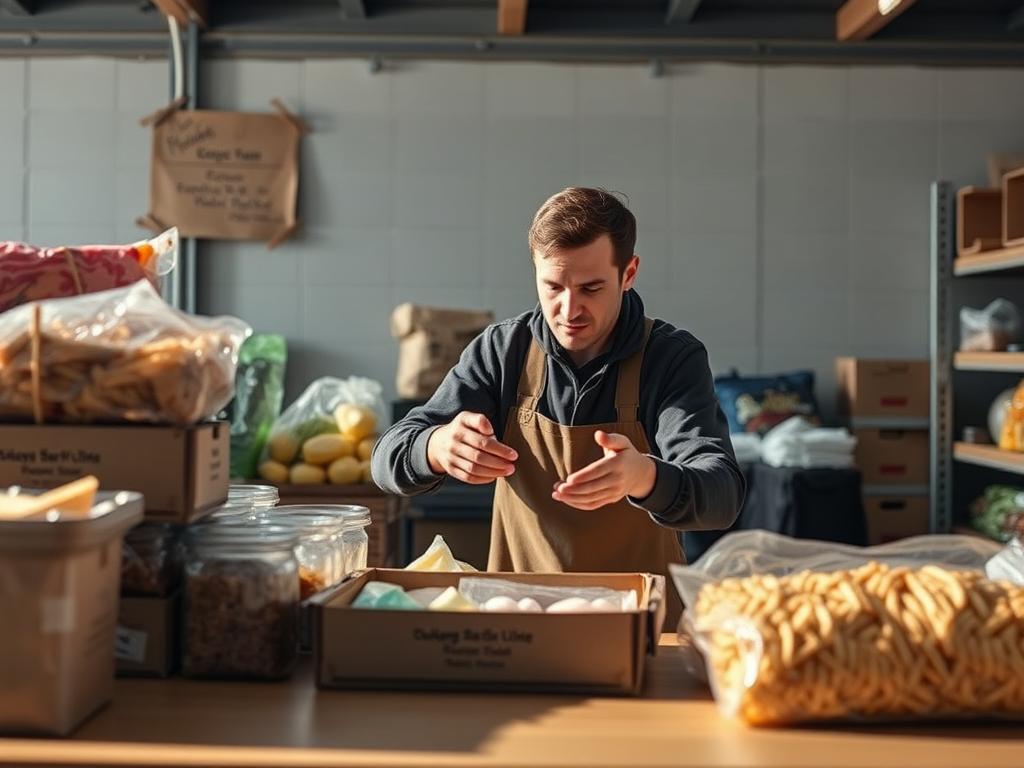
Preparing for potential food shortages involves assessing your current food supply, creating a stockpiling plan, and understanding resource management. Start by evaluating what you currently have, then aim to store non-perishable items like canned goods, grains, and dried foods. Consider the shelf life of items and rotate your stock regularly to avoid waste. Additionally, learn preservation methods like canning and dehydrating to extend the life of fresh produce. Being proactive can help mitigate the impact of shortages.
Assessing Your Current Food Supply
Before you can effectively prepare for potential food shortages, it is crucial to assess your current food supply. Start by taking an inventory of what you have on hand, focusing on both perishable and non-perishable items. A clear understanding of your existing resources allows you to identify gaps and make informed decisions about what to stockpile.
When assessing your supply, consider the nutritional value of your food items. Aim for a balanced mix of proteins, carbohydrates, and fats, as well as vitamins and minerals essential for maintaining health. Check expiration dates and the condition of your items; expired or damaged goods should be discarded.
One common mistake is overestimating the quantity of food needed. Assess your household’s consumption patterns to determine how much food you realistically require. For instance, if you know your family consumes a certain amount of rice or pasta weekly, calculate how many weeks’ worth of these staples you should store. This approach not only prevents waste but also ensures you have enough to sustain your family during shortages.
Creating a Stockpiling Plan
Having a stockpiling plan is essential for effective preparation against food shortages. Start by determining which items are most critical for your household. Focus on non-perishable foods, including canned goods, dried beans, rice, pasta, and freeze-dried meals. These items have long shelf lives and can form the backbone of your emergency food supply.
When creating your stockpiling plan, consider the following factors:
- Shelf Life: Understand the shelf life of the foods you plan to store. Some items may last years, while others may only last a few months.
- Storage Conditions: Ensure you have appropriate storage conditions, such as a cool, dry place, to maximize the longevity of your supplies.
- Variety: Include a variety of foods to prevent meal fatigue and ensure a balanced diet.
Another critical aspect of your stockpiling plan is budgeting. Food shortages can lead to price increases, making it wise to purchase items over time rather than all at once. Look for sales and discounts to build your stockpile without overspending.
Understanding Resource Management
Resource management is key in times of scarcity. This involves not just food but also water and other essential supplies. Ensure you have a sufficient water supply, ideally one gallon per person per day for at least three days. Water purification methods, such as boiling or using purification tablets, should also be part of your plan.
In addition to food and water, consider other resources that may be critical during shortages. This includes items such as:
- First aid supplies
- Hygiene products
- Basic tools for repairs
- Fuel for cooking or heating
Being resourceful can also mean learning skills that reduce reliance on store-bought goods. For example, gardening can provide fresh produce, and learning to preserve foods can extend the life of seasonal bounty.
Preservation Techniques for Long-term Storage
Preservation techniques are invaluable for ensuring your food supply lasts as long as possible. Familiarize yourself with methods like canning, dehydrating, and vacuum sealing. Each method has its own advantages:
- Canning: This method involves sealing food in airtight containers to prevent spoilage. It’s suitable for a wide variety of foods, including fruits, vegetables, and meats.
- Dehydrating: Removing moisture from food prevents bacterial growth and spoilage. Dried fruits, vegetables, and jerky can last for years when stored properly.
- Vacuum Sealing: Vacuum sealing removes air from packaging, which can help preserve freshness and prevent freezer burn for frozen items.
When employing these techniques, always follow reliable recipes and guidelines to ensure food safety. A common mistake novices make is not properly sterilizing jars for canning, leading to the risk of botulism. Proper preparation and knowledge are essential for successful preservation.
For readers seeking more information on how to prepare for potential food shortages, consider exploring resources from local agricultural extensions or government food safety websites. These sources often provide valuable insights into food preservation techniques and emergency preparedness planning tailored to your region.
Frequently Asked Questions
What types of food should I stockpile for shortages?
Focus on non-perishable items like canned goods, dried beans, rice, pasta, and freeze-dried meals. Ensure a variety of nutrients for balanced meals.
How do I know how much food to store?
Assess your household's consumption patterns and calculate how much food you would need for at least several weeks, factoring in personal preferences and dietary needs.
What is the best way to preserve food long-term?
Techniques like canning, dehydrating, and vacuum sealing can effectively extend the shelf life of food items. Each method has its own benefits depending on the type of food.
How should I store my food stockpile?
Store food in a cool, dry place, ideally in airtight containers to protect against pests and moisture. Regularly check items for expiration dates.
What other supplies should I consider besides food?
In addition to food, consider water, first aid supplies, hygiene products, basic tools, and fuel for cooking or heating as part of your emergency preparedness.
Conclusion
Preparing for potential food shortages requires careful planning and proactive measures. Start by assessing your current food supply and creating a stockpiling plan that focuses on non-perishable items. Understanding resource management is crucial, as is learning preservation techniques to extend the shelf life of your stockpile. By taking these steps, you can ensure your household is better equipped to handle food shortages when they arise.