Choosing the right tools for homesteading involves understanding your specific needs as a homesteader. Effective tools can transform your ability to cultivate crops, manage livestock, and maintain your property. The key is to select tools that are not only durable but also multifunctional, allowing you to tackle various tasks without unnecessary expense.
Consider the type of homesteading you plan to engage in, whether it’s gardening, animal husbandry, or both. Each area has its unique requirements, and understanding these can guide your tool selection. For instance, if you aim to grow vegetables, tools that assist in soil preparation and planting will be vital, while livestock management may require different equipment such as feeders and waterers.
Essential Hand Tools for Every Homesteader
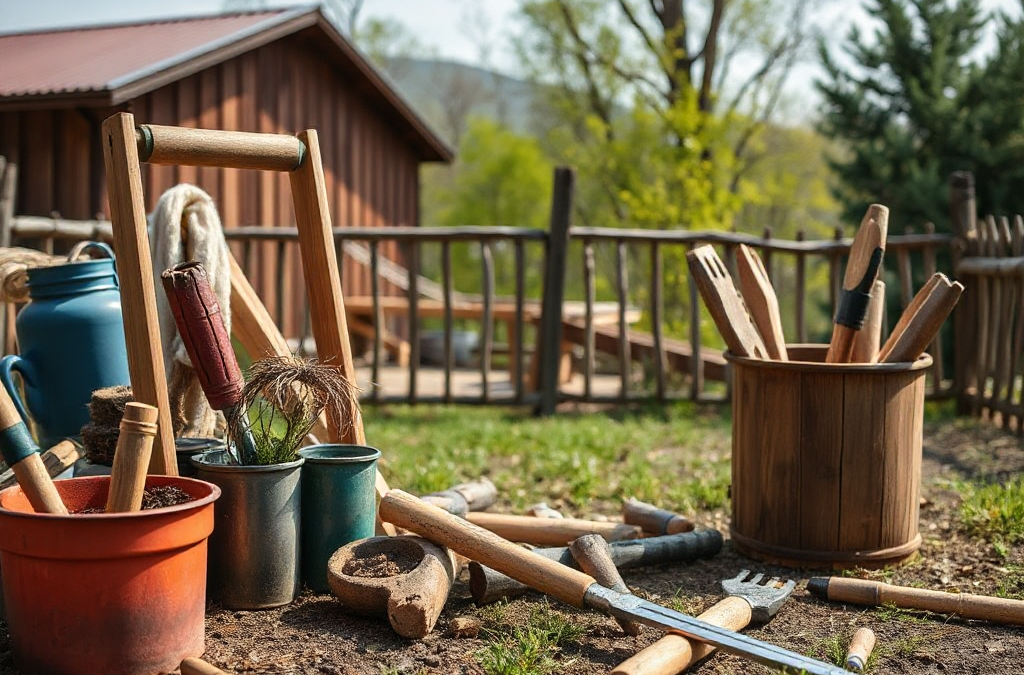
Hand tools form the backbone of any homesteading toolkit. Key items include a sturdy shovel, hoe, and rake. Each tool serves a distinct purpose: the shovel is essential for digging and moving soil, the hoe allows for effective weeding and soil aeration, and the rake helps in leveling soil and collecting debris.
When selecting hand tools, prioritize quality over quantity. A well-made shovel can last for decades, while cheaper alternatives may need frequent replacement. Look for ergonomic designs that reduce strain during use, especially if you plan to engage in extensive gardening or landscaping. Additionally, consider the storage space available; hand tools should be easy to store and access.
Choosing the Right Power Tools
Power tools can significantly ease the workload on a homestead, especially for larger projects. Essential power tools include a tiller for soil preparation, a chainsaw for managing trees and brush, and a generator for backup power. Each tool can save time and effort, but they also come with considerations such as maintenance and safety.
When investing in power tools, assess the scale of your homestead. For smaller plots, a lightweight tiller may suffice, while larger areas may benefit from a more robust model. Always prioritize safety features and ease of use, as power tools can pose risks if not handled correctly. Additionally, consider the noise levels and energy consumption of these tools, especially in a rural setting where power sources may vary.
Investing in Sustainable Equipment
As homesteading often emphasizes self-sufficiency and sustainability, consider tools that align with these values. Solar-powered equipment, for instance, can be a great investment for reducing energy costs and environmental impact. Rainwater collection systems and composting tools also contribute to a sustainable homestead.
Investing in quality materials that will last and require less replacement is also key. Tools made from recycled or sustainably sourced materials can further enhance your commitment to sustainability while providing the durability needed for homesteading tasks. Remember that the initial investment in sustainable tools can lead to long-term savings and efficiency.
Frequently Asked Questions
What are the most important tools for starting a homestead?
Essential tools include a shovel, hoe, rake, and possibly a tiller for soil preparation, along with basic hand tools for maintenance.
How do I choose the right hand tools for gardening?
Opt for durable, ergonomic tools that suit the specific tasks of your garden, such as digging, planting, and weeding.
Are power tools necessary for homesteading?
Power tools can save time and effort, especially for larger projects, but they are not strictly necessary for smaller homesteads.
What sustainable tools should I consider?
Look for solar-powered tools, rainwater collection systems, and composting equipment to enhance sustainability on your homestead.
How can I maintain my homesteading tools?
Regular cleaning, proper storage, and routine inspections will help maintain your tools and extend their lifespan.
Further Reading
Authoritative Sources
Library of Congress Research Guides guides.loc.gov
Research guides that help readers locate reliable background sources on a wide range of subjects
USA.gov Official Information and Services usa.gov
Official U.S. government information and public resources for practical reference
Google Scholar scholar.google.com
Academic search resource for finding research literature and source material
Conclusion
Choosing the right tools for homesteading is foundational to achieving efficiency and productivity in your self-sufficient endeavors. By investing in quality hand and power tools, as well as sustainable equipment, you can significantly enhance your ability to manage land and livestock. Prioritize versatility and durability in your selections, and remember to maintain your tools regularly to ensure they remain effective for years to come.
The concept of shelf life is often misunderstood, leading to misconceptions about long-term food storage. Shelf life refers to the period during which food retains its safety and quality when stored under recommended conditions. Many people mistakenly believe that expiration dates indicate when food becomes unsafe. In reality, these dates are often about quality rather than safety. For example, canned goods can often be consumed well past their expiration dates if the can remains intact and stored properly.
It’s crucial to differentiate between “best by,” “sell by,” and “use by” dates. “Best by” dates indicate when the product will be at its best quality, while “sell by” dates are meant for retailers to manage inventory. Understanding these terms helps consumers make informed decisions about food safety and waste reduction.
The Role of Packaging in Food Storage
Packaging plays a significant role in preserving food quality during long-term storage. Many assume that any container will suffice, but this is a misconception. Proper packaging can prevent exposure to air, moisture, and light, which can degrade food quality. For instance, vacuum sealing is an effective method for extending the shelf life of many foods by removing air that can cause oxidation.
Moreover, using appropriate materials is essential. Not all plastics are suitable for long-term storage, as some can leach chemicals into food over time. Glass jars, Mylar bags, and food-grade buckets are often recommended for safe long-term storage. Understanding the right packaging materials can significantly enhance the effectiveness of food preservation efforts.
Common Mistakes in Food Storage Practices
One prevalent mistake in long-term food storage is neglecting to consider environmental conditions. Temperature fluctuations and humidity can drastically affect food longevity. For instance, storing food in a damp basement can lead to mold growth and spoilage. It’s essential to choose a cool, dry location for storage and to monitor conditions regularly.
Another common misconception is that all foods can be stored in the same way. While some items, like grains and legumes, are resilient, others, like dairy products or fresh produce, require specific conditions to maintain quality. Understanding the unique storage needs of different food types helps avoid spoilage and waste.
Best Practices for Long-Term Food Storage
To maximize the effectiveness of long-term food storage, follow these best practices: start with high-quality foods that have been properly processed and packaged. Ensure that your storage area is cool, dark, and dry, and regularly check for signs of spoilage or pest infestations.
Additionally, consider rotating your food supplies using the FIFO (First In, First Out) method to ensure older items are used first. Labeling containers with purchase dates can help keep track of storage times. By implementing these practices, you can significantly extend the life of your food supplies while maintaining their safety and quality.
Frequently Asked Questions
What foods are best for long-term storage?
Foods like rice, beans, and freeze-dried fruits are ideal for long-term storage due to their low moisture content and stability.
How can I tell if my stored food is still safe to eat?
Check for signs of spoilage such as off smells, discoloration, or mold. If in doubt, it's best to discard the food.
Can I store foods in plastic containers?
Yes, but ensure they are food-grade and suitable for long-term storage to prevent chemical leaching and spoilage.
What is the best temperature for food storage?
The ideal temperature for long-term food storage is below 70°F (21°C), in a cool, dark, and dry environment.
How often should I check my food storage?
Regular checks every few months are recommended to ensure conditions remain stable and to catch any signs of spoilage early.
Further Reading
Authoritative Sources
USDA Food Safety and Inspection Service fsis.usda.gov
This source provides comprehensive guidelines on safe food storage practices and understanding food labels
FoodSafety.gov foodsafety.gov
A reliable resource for food safety information, including storage recommendations and expiration date clarifications
Iowa State University Extension and Outreach extension.iastate.edu
Offers educational materials on food preservation and storage techniques
Conclusion
Addressing misconceptions about long-term food storage is crucial for maintaining food safety and maximizing shelf life. By understanding shelf life distinctions, utilizing proper packaging, and avoiding common mistakes, you can effectively store food for extended periods. Implementing best practices such as environmental monitoring and FIFO rotation will help ensure your food remains safe and of high quality. Start applying these insights today to enhance your food storage strategy and reduce waste.
When an emergency plan fails, the first step is to assess the situation thoroughly. This involves identifying the specific failure points in your plan, whether they are logistical, technical, or communication-related. Understanding why the plan did not work as intended is crucial for making informed adjustments. For instance, if communication systems failed, consider alternative methods such as satellite phones or walkie-talkies.
Evaluating the current environment is also essential. Are there new threats or changes in conditions that were not accounted for in your original plan? By taking stock of the situation, you can prioritize immediate actions that ensure safety and stability.
Communicating Effectively
Effective communication is vital during a crisis, especially when your emergency plan has failed. Ensure that everyone involved is aware of the changes in strategy and understands their roles. Use clear, direct language to avoid confusion, and consider using multiple communication channels to reach all parties.
Establishing a central point of contact can streamline communication efforts. This person can relay information, coordinate responses, and manage updates. Regular check-ins help maintain situational awareness and ensure that everyone is on the same page, which is critical for successful recovery.
Resource Management
Managing resources effectively is another key component when your emergency plan fails. Begin by inventorying available supplies and personnel to determine what can still be utilized. This includes food, water, medical supplies, and shelter options. Understanding your available resources allows you to make informed decisions about immediate needs.
Consider reallocating resources based on the current situation. If certain areas are more heavily impacted, directing supplies and personnel there can help mitigate further damage. Additionally, engaging with local organizations or community groups can provide additional support and resources that may not be immediately available.
Adapting Your Strategy
Flexibility is crucial when adapting your strategy after a failed emergency plan. Take the insights gained from your assessment and communication efforts to formulate a new approach. This may involve pivoting to alternative solutions or strategies that were not initially considered.
For example, if an evacuation route is blocked, researching alternative paths or modes of transport can be essential. Documenting these changes and making them part of your revised emergency plan can improve resilience against future failures.
Frequently Asked Questions
What should I do first if my emergency plan fails?
Immediately assess the situation to identify what went wrong and prioritize safety for yourself and others involved.
How can I improve my emergency plan after a failure?
Analyze the failure points, gather feedback from participants, and adapt your strategy based on real-time conditions and available resources.
What communication methods are best during an emergency?
Use multiple channels such as text messages, social media, and radio to ensure everyone receives critical updates.
What if I need to adapt my strategy quickly?
Be flexible and open to new solutions while documenting any changes to improve your emergency plan for future situations.
Further Reading
Authoritative Sources
Ready.gov Preparedness Guidance ready.gov
Federal preparedness guidance for household planning, alerts, supplies, and emergencies
American Red Cross Emergency Preparedness redcross.org
Emergency preparedness resources for families, disasters, and practical safety planning
FEMA Preparedness Resources fema.gov
National preparedness resources for planning, mitigation, and response readiness
Conclusion
When your emergency plan fails, the key is to remain calm and methodically assess the situation. Prioritize safety, communicate effectively, manage your resources wisely, and adapt your strategy as needed. By learning from failures and making necessary adjustments, you can enhance your preparedness for future emergencies and reduce the impact of unforeseen challenges.
After any emergency drill, especially a failed one, it is crucial to hold a debriefing session with all participants. This meeting should focus on gathering insights from everyone involved to understand their perspectives on the drill’s execution. By encouraging open communication, you can identify specific problems encountered during the drill, such as miscommunication, unclear instructions, or equipment failures. Documenting these observations can provide valuable feedback for future improvements.
During the debriefing, consider using structured questions to guide the discussion. Ask participants what went well, what did not work, and what could have been done differently. This collaborative approach can help foster a culture of continuous improvement and ensure that lessons learned are taken seriously.
Identify Key Issues and Areas for Improvement
Once the debriefing session concludes, analyze the data collected to pinpoint key issues that contributed to the failure of the drill. Look for patterns in the feedback that may indicate recurring problems, such as inadequate training, poor communication protocols, or insufficient resources. Prioritize these issues based on their potential impact on real-life emergency situations.
For example, if multiple participants reported confusion regarding their roles, this suggests a need to clarify responsibilities in your emergency plans. Similarly, if equipment failures were a common theme, it may be time to evaluate your supply inventory and ensure that all necessary tools are functional and easily accessible. By addressing these areas, you can significantly enhance the effectiveness of future drills.
Revise Your Emergency Plans
After identifying the key issues, the next step is to revise your emergency plans accordingly. This may involve updating procedures, clarifying roles, or enhancing communication strategies. Ensure that all revisions are documented and easily accessible to all team members. It is essential that everyone understands the changes made and the reasons behind them.
Consider conducting a risk assessment to determine if there are new threats or challenges that need to be addressed in your emergency plans. Revising your plans is not a one-time task; it should be an ongoing process that reflects changes in your environment, resources, and personnel. Regularly scheduled reviews can help keep your emergency plans relevant and effective.
Re-Train Personnel
Re-training personnel is a critical component of improving overall preparedness. After revising your emergency plans, organize training sessions to ensure that all team members are familiar with the updated processes and their specific roles during emergencies. These sessions should include practical exercises, simulations, and discussions about the changes made to the emergency plans.
Engaging in hands-on training can help reinforce the information learned and ensure that participants feel confident in their abilities to respond effectively in real emergencies. Consider using a mix of training methods, such as workshops, online courses, and on-site drills, to cater to different learning styles and reinforce the material.
For additional insights on emergency preparedness and response strategies, consider exploring resources from recognized organizations such as FEMA, the American Red Cross, or local emergency management agencies. These resources often provide guidelines, checklists, and case studies that can enhance your understanding of effective emergency planning and execution.
Frequently Asked Questions
What should be the first step after a failed emergency drill?
The first step is to conduct a debriefing session with all participants to identify what went wrong and gather feedback.
How can I improve communication during emergency drills?
Improving communication can involve setting clear roles, using standardized communication protocols, and ensuring that all participants are trained on these methods.
What are common issues that lead to a failed emergency drill?
Common issues include miscommunication, lack of clarity in roles, inadequate training, and equipment failures.
How often should emergency plans be revised?
Emergency plans should be reviewed and revised regularly, especially after drills, incidents, or when there are changes in personnel or resources.
What is the importance of re-training personnel?
Re-training personnel ensures that everyone is familiar with the updated emergency plans and feels confident in their roles during an actual emergency.
Further Reading
Authoritative Sources
Ready.gov Preparedness Guidance ready.gov
Federal preparedness guidance for household planning, alerts, supplies, and emergencies
American Red Cross Emergency Preparedness redcross.org
Emergency preparedness resources for families, disasters, and practical safety planning
FEMA Preparedness Resources fema.gov
National preparedness resources for planning, mitigation, and response readiness
One of the primary purposes of home security systems is to deter crime. Evaluating their effectiveness in this regard involves analyzing crime statistics in areas before and after installation. Studies show that homes equipped with visible security systems are less likely to be targeted by burglars. This deterrent effect can often be quantified by examining the reduction in local crime rates.
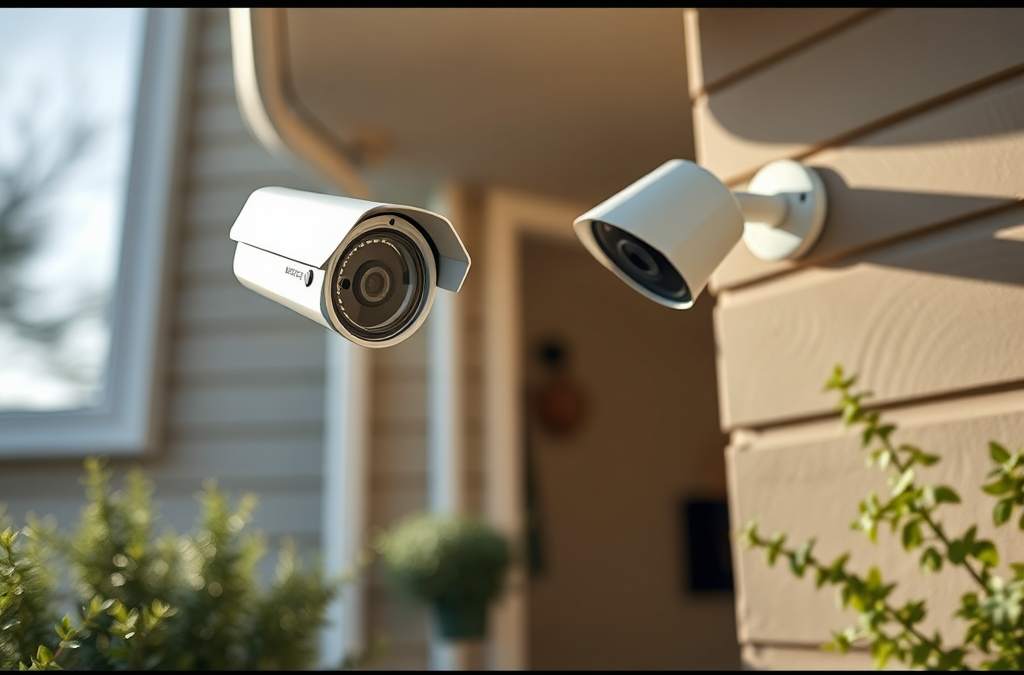
For instance, a neighborhood that implements a community-wide security system may see a significant decrease in break-ins. Homeowners should also consider the visibility of their security measures; systems that are easily seen, such as cameras and alarm signs, tend to have a stronger deterrence factor. Additionally, understanding the types of crime most prevalent in your area can help tailor security measures to be most effective.
Response Times and Emergency Protocols
Another critical aspect of evaluating home security systems is their response times and the protocols they have in place for emergencies. A rapid response can be the difference between a minor incident and a significant loss. Home security systems typically offer features such as direct connections to local law enforcement or emergency services.
When assessing a system, inquire about the average response time in your area. Many security companies provide this data as part of their marketing materials. Additionally, consider the reliability of these emergency protocols; a system that fails to alert authorities in a timely manner can undermine its effectiveness. Testing the system regularly and understanding how it integrates with local services can provide peace of mind and ensure that it operates as intended when needed most.
User Satisfaction and System Reliability
User satisfaction is an essential metric when evaluating the effectiveness of home security systems. Surveys and reviews can provide insights into how well a system meets user expectations. High satisfaction rates often correlate with a system’s reliability, ease of use, and customer support.
When researching systems, pay attention to user feedback regarding installation processes, everyday functionality, and customer service experiences. A highly rated system may offer features like mobile app access, remote monitoring, and customizable settings, which enhance user experience. Additionally, understanding common issues users face can help identify systems that might not meet your needs, allowing you to make a more informed decision.
Cost-Benefit Analysis
Conducting a cost-benefit analysis is crucial when evaluating home security systems. This involves weighing the financial investment against the potential savings from theft prevention and property protection. Security systems can range significantly in price, from basic alarm systems to comprehensive surveillance packages.
Homeowners should consider factors such as installation costs, monthly monitoring fees, and potential discounts on home insurance premiums for having a security system in place. Additionally, consider the long-term value of peace of mind and safety that a reliable system provides. Balancing upfront costs with the potential for reduced risk and increased safety can help determine the best system for your budget and needs.
For readers seeking more information on evaluating home security systems, consider exploring official resources from local law enforcement agencies or consumer safety organizations. These sources often provide insights into effective security measures and local crime statistics.
Frequently Asked Questions
What are the main benefits of home security systems?
Home security systems primarily provide protection against theft, increased peace of mind, and potential reductions in home insurance premiums.
How do I choose the right home security system?
Consider factors like your budget, the size of your home, specific security needs, and whether you prefer professional monitoring or a DIY system.
Are smart home security systems more effective?
Smart home security systems offer advantages like remote monitoring and automation, which can enhance their effectiveness compared to traditional systems.
How often should I test my home security system?
It's recommended to test your home security system at least once a month to ensure all components are functioning correctly.
Can I integrate my home security system with other smart devices?
Many modern security systems can integrate with smart home devices, allowing for enhanced automation and control over your home environment.
Further Reading
Authoritative Sources
Library of Congress Research Guides guides.loc.gov
Research guides that help readers locate reliable background sources on a wide range of subjects
USA.gov Official Information and Services usa.gov
Official U.S. government information and public resources for practical reference
Google Scholar scholar.google.com
Academic search resource for finding research literature and source material
Conclusion
Evaluating the effectiveness of home security systems is essential for making informed decisions about your safety. Focus on key metrics such as crime deterrence, response times, user satisfaction, and cost-effectiveness. By understanding these factors, you can select a system that not only meets your security needs but also provides peace of mind and protection for your home.