BREAKING EVENTS … What Happens If We Get Hit by an EMP Attack?

BREAKING EVENTS … What Happens If We Get Hit by an EMP Attack?

With the recent breaking news from the US Government that there is a serious National Security Threat, we all should be very concerned.  We should also intensity our efforts to get better prepared.

The report raises a very significant topic that we should all be aware of and prepare for.  Read on …

What Happens If We Get Hit by an EMP Attack?

Imagine one day your phone, computer, and even your car suddenly stop working. This could happen if we were hit by an EMP, or Electromagnetic Pulse, attack. It sounds like something out of a movie, but it’s a real threat that could change our lives in an instant. Here’s what you need to know, broken down so it’s easy to understand.

Right Away Trouble

  • Gadgets Gone Wild: First off, anything electronic might just quit. This means no texting, no internet, and even cars might not start. Imagine trying to do anything without any of your tech.
  • Lights Out: The power could go out everywhere. It’s not just about not being able to charge your phone; hospitals, stores, and basically everything that needs power would stop working.
  • Can’t Call for Help: With phones and the internet down, calling for help or finding out what’s going on would be really hard. We’d be cut off from each other.
  • Stuck Where You Are: Without cars or buses, getting anywhere would be a huge challenge.

Problems That Follow

  • Hospitals in a Crunch: Without power, hospitals would struggle to take care of sick people, especially those who need machines to stay alive.
  • Money Trouble: Businesses wouldn’t be able to work right, and buying things would be tough. This could lead to a big economic mess.
  • People Getting Scared: With everything out of whack, people might start to panic. This could lead to chaos in the streets.
  • No Water: This is a big one. With no power, getting clean water could become a problem. Water pumps need electricity, so no power means no water.

Bouncing Back?

Fixing everything wouldn’t be quick or easy. We’d have to rebuild a lot of what makes our world work, like the power grid and communication networks. And we’d have to think about how to make them tough enough to survive if this ever happened again.

Why We Need to Get Ready

This all sounds pretty scary, but there are things we can do to get ready, just in case. Here’s why it’s important:

  • Be Informed: Knowing about the risks and what to do can make a big difference.
  • Make a Plan: Have a family plan for what to do if there’s no power or water. Know where to meet and how to stay safe.
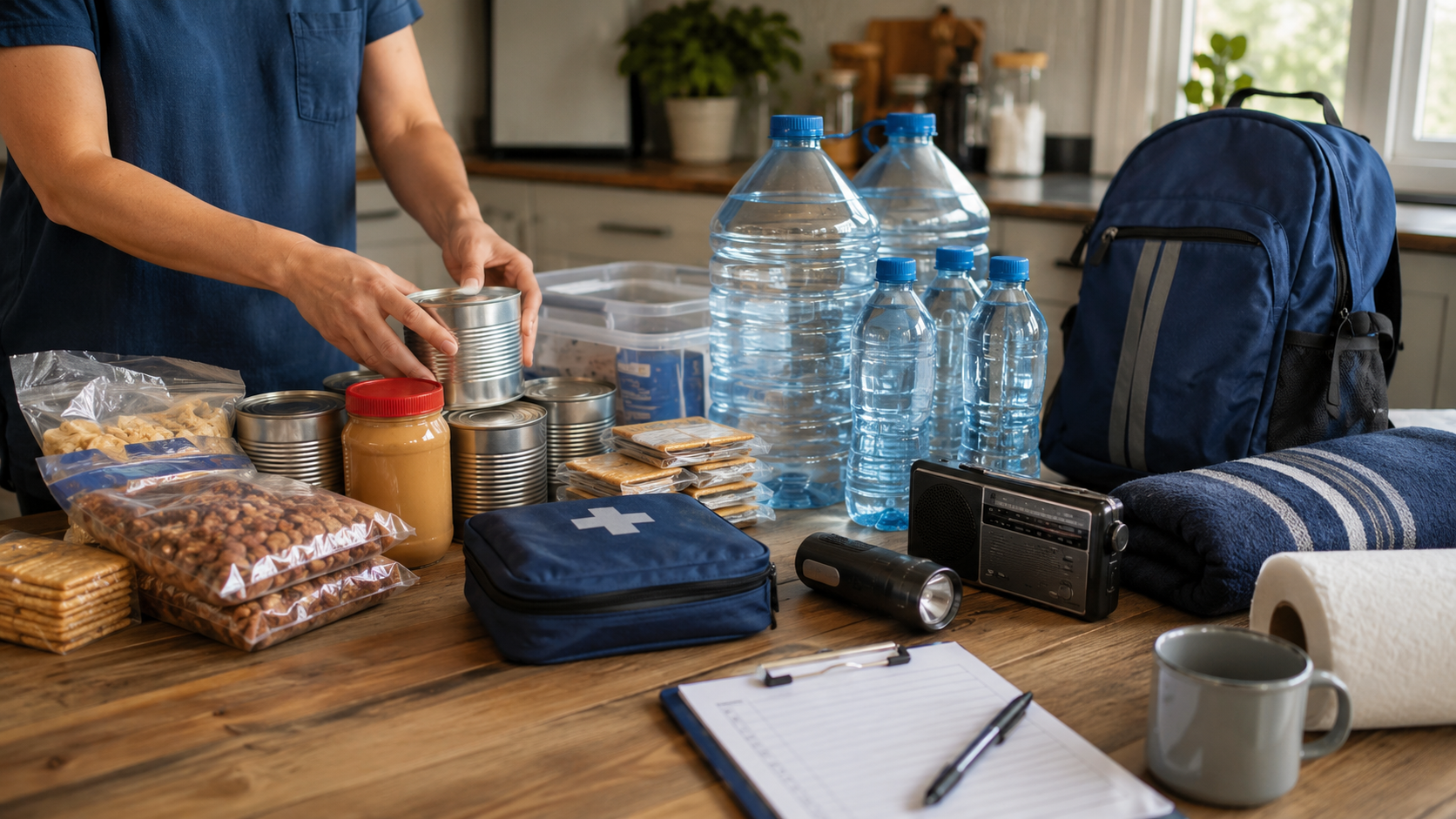
  • Emergency Kit: Put together a kit with things you might need, like water, food that doesn’t go bad, a flashlight, and a radio that doesn’t need electricity.

Wrapping Up

An EMP attack could seriously mess up our way of life, but by being aware and getting ready, we can handle it better. It’s all about knowing what could happen and having a plan to deal with it. Let’s not wait until it’s too late to start thinking about what we’d do.

Disaster Readiness: Building a Resilient Family Through Emergency Preparedness

Disaster Readiness: Building a Resilient Family Through Emergency Preparedness

Emergency preparedness is often one of those things we think we’ll get around to “someday.” Yet, the reality is that emergencies and disasters can strike at any time, often without warning. Whether it’s a natural disaster like an earthquake or hurricane, a power outage, or a health emergency, being prepared can make a significant difference in the safety and well-being of your family. In this article, we’ll explore why emergency preparedness is so crucial, offering both motivation and guidance to help you take action today.

Understanding the Importance

Firstly, let’s consider the unpredictable nature of life. Emergencies, by definition, are unexpected. They disrupt our normal lives, often dramatically. The primary goal of being prepared is to ensure that you and your family can remain as safe and comfortable as possible during these times. It’s about minimizing the impact of these disruptions on your daily life.

Safety First

At the heart of emergency preparedness is the safety of your loved ones. In the chaos that follows a disaster, having a plan in place can be a lifeline. Knowing exactly what to do, where to go, and how to communicate can prevent panic and confusion. For instance, in the event of a fire, does everyone in your household know the quickest and safest way out of your home? Establishing a family emergency plan and practicing it regularly can save lives.

Self-Reliance

In the aftermath of a major disaster, it can take time for help to arrive. Emergency services are often stretched to their limits, and depending on the severity of the situation, you may need to rely on your own resources for days, or even weeks. Having supplies like water, food, medications, and other essentials on hand means you can take care of your family until help can reach you. This self-reliance not only ensures your family’s needs are met but also reduces the burden on emergency responders, allowing them to focus on the most critical cases.

Peace of Mind

Knowing that you are prepared for emergencies brings a sense of calm and confidence. In a world that can sometimes feel uncertain, having control over your preparedness efforts provides peace of mind not just to you, but to your entire family. Children, in particular, can sense when adults are worried. Seeing that steps have been taken to ensure their safety can significantly reduce their anxiety during stressful times.


Get a Free Subscription to PREPARE Magazine


Community Support

Preparedness goes beyond just looking after your own family. In times of crisis, communities that are prepared fare better than those that are not. By preparing your family, you’re also contributing to the resilience of your community. Prepared families can offer support to others, whether it’s through sharing supplies or information, or providing emotional support. This collective strength is crucial for recovery after a disaster.

Taking Action

So, how do you start preparing? It doesn’t have to be overwhelming. Begin with simple steps:

  1. Create a Plan: Talk with your family about potential emergencies that could occur in your area and what your responses should be. Decide on meeting places outside of your home in case of evacuation.
  2. Build an Emergency Kit: Assemble supplies that could sustain your family for at least 72 hours. This includes water, non-perishable food, first aid supplies, flashlights, batteries, and personal hygiene items.
  3. Stay Informed: Keep up-to-date with local news and weather forecasts. Consider investing in a weather radio that can operate on batteries or a hand crank in case of power outages.
  4. Practice Regularly: Conduct emergency drills with your family. Practice evacuating your home and meeting at your designated spot. Familiarity with the plan can ease panic in a real emergency.
  5. Learn Basic First Aid: Knowing how to treat minor injuries can be invaluable when medical help is not immediately available.


Get a Free Subscription to PREPARE Magazine

Conclusion

Emergency preparedness is not just a task for the “someday” list—it’s an essential part of caring for your family. By taking steps today to prepare for the unexpected, you’re not only ensuring the safety and comfort of your loved ones but also contributing to the strength and resilience of your community. Let’s not wait for a disaster to remind us of the importance of being prepared. Start the conversation, make a plan, and take action now. Your future self, and your family, will thank you.

On the Brink: The Imminent Threat of a Global Pandemic

On the Brink: The Imminent Threat of a Global Pandemic

The reality is, there is an Imminent Threat of a Global Pandemic…

The world is interconnected like never before thanks to globalization but this also means that a pandemic could have catastrophic consequences. Unfortunately many people overlook or ignore these warning signs until its too late – and they may be closer than we think! Here are some of the indicators pointing towards an impending health crisis on a massive scale.

Alarming Changes in Animal Populations

The world is facing unprecedented changes in wildlife behavior and population dynamics due to human encroachment and environmental degradation. This disruption goes beyond an ecological crisis – it poses a direct threat to human health as well. The increased interaction between humans and animals accelerates the chances of zoonotic diseases jumping species. Observing unusual patterns of illness or death among animals should serve as more than just a sign; its an urgent call for action against pathogens brewing at the crossroads of different species.

Mysterious Illness Clusters

When mysterious illnesses suddenly emerge in clusters with unfamiliar symptoms it serves as a warning sign for what could be an impending nightmare scenario. These enigmas are whispers from potential pathogens that may soon spread across populations if ignored or dismissed as isolated incidents without taking necessary measures immediately. This delay could result in allowing the disease to gain ground and escalate into another pandemic situation. It is imperative not to take these occurrences lightly by acting swiftly before its too late!

The Unprecedented Spread of Diseases Across Borders

In todays interconnected world diseases can spread across continents in mere hours by hitching rides with unsuspecting travelers. When an infectious disease starts to make its presence felt across different regions at a speed and pattern that goes against historical trends it becomes clear that we may be witnessing the onset of a pandemic right before our eyes.

The Rise of Drug-Resistant Pathogens – A Concern

The threat of antimicrobial resistance is real and looming large over our healthcare system. As pathogens evolve into drug resistant strains they become potential killers that were once easily treatable diseases. This silent alarm signals the possibility for a global catastrophe if we don’t act now against this growing problem. Don’t underestimate its impact – it goes beyond just being an issue affecting individual health; rather, it has far reaching implications on society as well.

Global Health Monitoring Systems – Alarming Signs

The digital age has brought about significant advancements in health monitoring systems that scan vast amounts of data for patterns indicating an outbreak. These sentinels serve as our first line of defense against potential epidemics yet their warnings are often met with hesitation or neglect. Ignoring these alerts is akin to disregarding the rumbles preceding an impending storm – both situations carry equally severe consequences if left unchecked.

The possibility of a global pandemic is no longer an abstract risk – it’s an imminent threat that looms large over our interconnected world. The early signs serve as a clarion call for immediate action from international bodies, governments and individuals alike. Complacency at this critical juncture could prove catastrophic; heeding warnings now may be the difference between life or death later on down the line.

As we stand here today facing such challenges head-on – let us choose wisely: either take proactive measures towards preventing another outbreak or remain complacent at great peril to ourselves and others around us. It all comes down to how much value we place upon human lives versus personal convenience in times like these when everything hangs in balance.


Get your Free Subscription to PREPARE Magazine


So, What Can Families do to Be Ready for a Global Pandemic?

In the shadow of an imminent pandemic, preparation at every level, including at the heart of our communities—our families—is not just prudent; it’s paramount. Here are some practical steps that families can take to fortify themselves against the impending crisis:

1. Educate and Stay Informed

Knowledge is the first line of defense. Ensure every family member understands the importance of hygiene practices such as regular handwashing, respiratory etiquette (like covering coughs), and the proper use of masks when necessary. Stay informed about the latest developments and guidelines from reliable sources like the WHO or CDC. Misinformation can spread faster than a virus, so it’s crucial to rely on credible sources.

2. Create a Pandemic Preparedness Kit

Prepare a kit with essentials that can last for several weeks. This should include:

  • Non-perishable food items and a safe water supply.
  • A first-aid kit, along with a supply of necessary prescription medications.
  • Hygiene supplies such as soap, hand sanitizer, and disinfectants.
  • Protective items like masks and gloves.
  • Copies of important documents in case of evacuation.

3. Develop a Family Emergency Plan

Discuss and develop a clear plan covering various scenarios. Ensure every family member knows what to do in case of sickness or quarantine. Decide on a room to isolate a sick family member if needed. Plan for child care in case parents or guardians become ill. Discuss how to care for vulnerable family members, including the elderly or those with chronic health conditions.

4. Strengthen Your Immune System

A healthy body is more capable of fighting off infections. Maintain a balanced diet, get enough sleep, stay active, and manage stress. Encourage everyone in the family to adopt these healthy habits.

5. Establish Lines of Communication

Maintain regular contact with neighbors, friends, and relatives, especially those who might need extra assistance, such as the elderly or disabled. Establish a community network to share resources and support one another during a lockdown or quarantine.

6. Plan for Disruptions

Prepare for the possibility of significant disruptions to daily life. This includes potential school closures, work-from-home scenarios, and the suspension of public services. Ensure you have the necessary resources, like a stable internet connection and educational materials for children, to manage these changes.

7. Financial Preparedness

Pandemics can have severe economic impacts. If possible, set aside an emergency fund to cover unexpected medical costs or loss of income. Review your health insurance policies and understand what is covered.

8. Mental Health and Wellbeing

The psychological impact of a pandemic can be profound. Promote a positive home environment, and be open to discussions about fears and concerns. Consider online resources or professional help if stress or anxiety becomes overwhelming.

By taking proactive steps now, families can navigate the uncertainties of a pandemic with resilience and solidarity. Preparation not only eases the burden on healthcare systems but also fosters a sense of control and calm in the midst of chaos, empowering communities to face the storm together.

Preparing for Domestic Terrorism and Political Violence in the U.S.

Preparing for Domestic Terrorism and Political Violence in the U.S.

It’s not always an encouraging topic, but the reality is we need to be aware and PREPARE.   With that, let’s discuss the topic of Preparing for Domestic Terrorism and Political Violence in the U.S.

In today’s world where domestic terrorism and political violence pose a significant threat in the United States it is crucial for citizens to be well informed and prepared. This comprehensive guide provides practical advice along with strategies that will help you stay safe, vigilant, and resilient when faced with such threats.


Get Your FREE SUBSCRIPTION to PREPARE


The Dangers of Understanding

Understanding the nuances between domestic terrorism and political violence is crucial before diving into preparedness strategies. Domestic terrorism refers to acts of terror committed by citizens or permanent residents against their own government or fellow countrymen while political violence encompasses a wider range of violent actions motivated by politics – from protests turned deadly to targeted attacks on politicians.
To ensure effective preparation for potential threats it’s essential that we have an accurate understanding of these terms.

Keep Up To Date
Staying informed is key when it comes to preparedness. Keep tabs on trusted news sources and official government updates regularly so you can stay abreast of any potential threats or escalating situations that could lead to violence. This will help ensure your safety during times of uncertainty.

Identify Red Flags
Recognizing and understanding the warning signs of impending violence is crucial for staying safe. This includes recognizing unusual behaviors or threats made in person or on social media, suspicious packages found lying around public spaces as well as individuals acting erratically within them. If something seems off its always better to err on caution by reporting it immediately to authorities rather than ignoring it altogether.

Create a Safety Plan
A personal safety plan is an essential component of keeping yourself and loved ones safe. This should include strategies for leaving your home or workplace quickly as well as designated meeting points in case something goes wrong. Don’t forget to share this information with everyone involved so they know what steps to take if needed.

Emergency Communication Plan – What You Need To Know
When crisis strikes its essential to have a reliable communication plan in place with those closest to you. Traditional methods may not always be available so consider alternative options such as text messaging, social media or emergency specific apps for efficient and effective contact during difficult times.


Mental and Physical Preparedness – 5 Tips

Preparing for emergencies transcends the realm of plans and provisions; it’s a holistic approach encompassing both mental agility and physical readiness. Here are five crucial tips to fortify your mental and physical preparedness:

  1. Regular Exercise and Fitness: Physical stamina and strength are your allies in times of crisis. Engage in regular exercise that simulates real-life scenarios, such as hiking with a packed bag or practicing sprints. This not only builds endurance but also prepares your body to handle the physical demands during emergencies.
  2. Mental Rehearsal and Visualization: Visualize various crisis scenarios and rehearse your response mentally. This practice, often used by athletes and professionals, enhances mental resilience, ensuring you’re mentally equipped to make swift, calm decisions under pressure.
  3. Skills Training: Equip yourself with essential survival skills such as first aid, self-defense, or emergency navigation. Regular practice ensures these skills become second nature, enabling you to act effectively and confidently when every second counts.
  4. Mindfulness and Stress Management: Incorporate mindfulness practices such as meditation or yoga into your routine. These techniques are instrumental in managing stress, enhancing focus, and maintaining emotional balance amidst chaos, ensuring you remain composed and clear-headed during a crisis.
  5. Nutrition and Rest: A well-nourished body and mind are crucial for peak performance. Maintain a balanced diet rich in essential nutrients to fuel your body. Prioritize sleep and rest to ensure your mind and body are well-rested and ready to face challenges with vigor and clarity.

By integrating these tips into your daily life, you can elevate your readiness, ensuring you’re physically robust and mentally sharp, turning you into a resilient force ready to face any emergency.


Home Security Measures You Can Take
Transform your home into a safer haven by enhancing its security measures. This can include installing state of the art security systems, ensuring all doors and windows are locked tightly shut at night and being cautious about who enters or exits through them during the daytime too. With these precautions in place you’ll feel more confident knowing that your loved ones are protected from harm within their own four walls.

Community Involvement
Be proactive about keeping your community safe by participating in local safety initiatives. Community watch programs and workshops provide valuable knowledge while also fostering a sense of unity against potential threats. Don’t miss out on these opportunities to make a difference!

Basic First Aid and Self-Defense – 8 Essentials
In times of crisis having basic first aid and self defense knowledge can be indispensable. Its worthwhile investing in courses that teach these skills as they could make all the difference during an emergency situation.

Emergency Kits – What You Need To Know
When disaster strikes its essential to have an emergency kit on hand with essentials like water, non perishable foods, a first aid kit and important documents. A flashlight is also necessary for navigating dark spaces during power outages or other crises. By having everything you need in one place – known as a go bag- you can save valuable time when seconds count most! Don’t wait until it’s too late; prepare now by creating your own customized emergency kit today.

Beware of Misinformation
When crisis strikes misinformation can quickly spread like wildfire. To avoid falling prey to falsehoods or propagating them yourself verify all information through official sources before taking any action or sharing it with others.

Conclusion
Domestic terrorism and political violence are unfortunate realities that we must face in todays world. However living in fear is not the answer – instead being informed about potential risks having a plan of action ready at hand and actively participating within your community’s safety measures can help you contribute towards both personal security as well as overall resilience against such threats. Remember that preparedness requires continuous effort; staying vigilant through regular updates on any developments related to these issues while taking proactive steps will enable us all to navigate successfully through this complex period.

On the Brink: The Imminent Threat of a Global Pandemic

Are you ready if the water system collapses? – The Unseen Threat to our Everyday Lives

Imagine a day without running water. Not a temporary outage, but a complete, prolonged collapse of our water system. Can you picture it? The reality is, our water systems aren’t infallible. From natural disasters to aging infrastructure, the risk of a water system collapse is more real than we’d like to admit. This is not a doomsday prophecy, but a call for preparedness. In the following sections, we will delve deeper into understanding the potential causes, effects, and most importantly, the strategies to survive a water system collapse. So, are you ready to navigate life if the taps run dry? Let’s explore this together, ensuring you’re well-equipped to face any water-related contingency that may arise in our unpredictable world. What is the water system collapse? A water system collapse refers to a catastrophic failure in the infrastructure that supplies water for consumption, sanitation, and other uses. This can be triggered by natural disasters, aging infrastructure, or even human error. When this happens, the availability of safe, clean water is significantly compromised, posing a major threat to public health and safety.

In the event of a water system collapse, the immediate effects can be dire. Without access to clean water, people are at risk of dehydration and waterborne diseases. Sanitation becomes a challenge, increasing the risk of outbreaks of diseases like cholera and typhoid. Moreover, firefighting efforts can be hampered, and industries that rely heavily on water can come to a standstill.

To prepare for a potential water system collapse, it’s important to have a water disaster plan in place. This includes storing enough water for drinking, cooking, and hygiene, as well as having a way to purify water if necessary. It’s also crucial to have a plan for how to dispose of waste safely to prevent the spread of disease.

In addition, being informed about the state of your local water system and the risks it faces can help you be better prepared. For instance, if you live in an area prone to earthquakes, you should be aware that these can damage water infrastructure and disrupt supply.

Remember, a water system collapse can have far-reaching consequences, affecting every aspect of life. Therefore, being ready for such a situation is a crucial part of disaster preparedness.


Get Your FREE SUBSCRIPTION Now


How to prepare for a water system collapse?

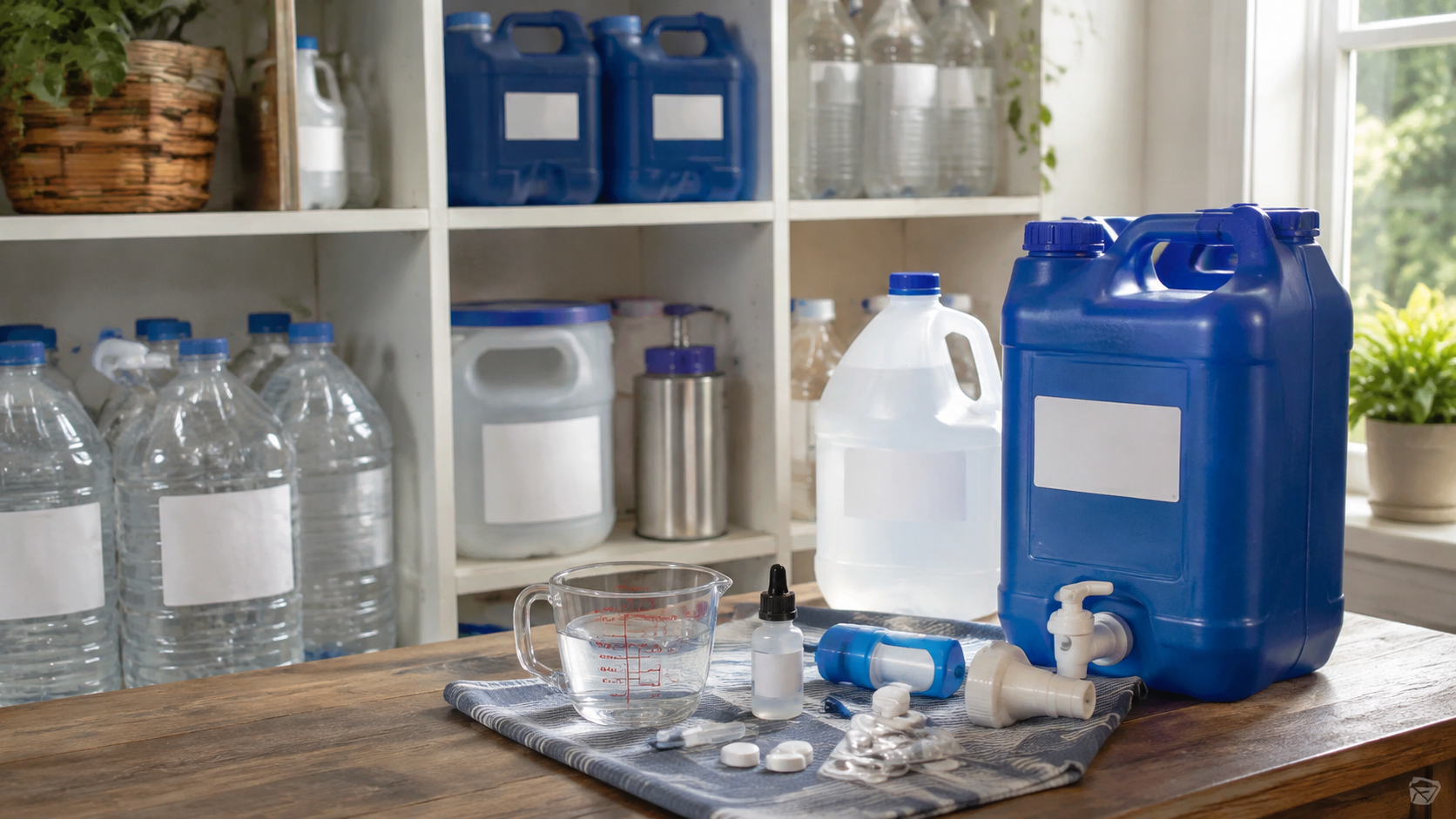
Understanding the potentiality of a water system collapse is crucial for survival. Stockpiling water is the first step. Experts recommend storing at least one gallon of water per person per day for a minimum of two weeks. This should cover both drinking and sanitation needs. Water storage containers should be food-grade and thoroughly cleaned before use.

Another critical aspect is learning how to purify water. Various methods can be used, including boiling, distillation, and chemical treatment. Having a water purification device on hand is also beneficial.

Knowledge of alternative water sources is also important. Rainwater, snow, and dew can be collected and purified for use. Rivers, lakes, and springs can also serve as water sources in an emergency.

Emergency preparedness should also include a plan for sanitation in the absence of running water. This might involve using portable toilets or digging latrines.

Remember, in a water system collapse, conserving water becomes paramount. Simple measures like not flushing toilets unnecessarily and avoiding activities that require large amounts of water can make a significant difference.

In summary, keep abreast of the latest water conservation and purification techniques. Knowledge is power, especially when it comes to survival.

In a world where water system collapse is a possibility, being prepared can make all the difference.

What are the signs of a water system collapse?

Noticing the signs of a potential water system collapse is crucial for preventive measures. One major indication is the presence of discolored water. This could be a sign of pipe corrosion or contamination, which can severely degrade the water system.

Another sign is a sudden change in water pressure. A significant drop could imply a leak or break in the system, while an increase might indicate a blockage.

Frequent water outages are another red flag. If your water supply is constantly being interrupted, it could mean that the water system is struggling to maintain its functionality.

The presence of unusual odors or tastes in your water is also a sign. This could indicate the presence of harmful bacteria or other contaminants.

To help you identify these signs, here are a few things to look out for:

1. Discolored water: Brown, yellow, or cloudy water can indicate pipe corrosion or contamination. 2. Changes in water pressure: Sudden drops or increases in water pressure can signal a leak or blockage in the system. 3. Frequent water outages: Regular interruptions in your water supply could be a sign of a struggling water system. 4. Unusual odors or tastes: If your water tastes or smells off, it could be due to bacteria or other contaminants.

By recognizing these signs early, you can take steps to prepare for a potential water system collapse, ensuring your family’s safety and well-being. Remember to seek professional help if you notice any of these signs, as handling water system issues can be complex and dangerous if not done correctly.

How can I store water for emergencies?

In the event of a water system collapse, storing water for emergencies becomes a matter of utmost importance. The first step involves identifying suitable containers for water storage. It’s recommended to use food-grade water storage containers, which are designed to prevent the growth of harmful bacteria.

Emergency water storage is not just about having enough quantity, but also ensuring the quality of water. Hence, it is essential to treat stored water to kill any pathogens. This can be done through boiling, distillation, or using water purification tablets.

Another critical factor to consider is the storage location. Ideally, water should be stored in a cool, dark place to prevent the growth of algae and bacteria. Also, remember to rotate your stored water every six months to keep it fresh and safe for consumption.

Here are a few steps you can follow for effective water storage:

  1. Choose the right containers: Use food-grade water storage containers or cleaned, sanitized soda bottles.
  2. Treat the water: Use water purification tablets or boil the water before storing.
  3. Store in the right place: Keep the containers in a cool, dark place.
  4. Rotate regularly: Replace stored water every six months.

In addition to storing water, you might want to consider installing a rainwater harvesting system. This can provide a sustainable water source when the regular water system fails.

Remember, water is a vital resource during emergencies. Having a well-thought-out plan for water storage can make the difference between survival and disaster in the event of a water system collapse.


Get Your FREE SUBSCRIPTION Now


What are the alternatives to a collapsed water system?

In the event of a water system collapse, it’s crucial to know the alternatives available for sourcing clean, drinkable water. One such option is rainwater harvesting, a sustainable method that collects and stores rainwater for future use. With proper filtration, this water can be used for drinking, cooking, and hygiene needs.

Another alternative is well water. If your location permits, drilling a well can provide a consistent source of water. However, this option requires regular testing to ensure the water’s safety.

Bottled water can also be a viable option, especially in the short term. It’s convenient and safe, but relying solely on bottled water can be costly and environmentally unfriendly.

If you live near a natural water source like a river or lake, it can serve as a water supply. However, it’s essential to purify this water before use to eliminate potential pathogens.

Furthermore, portable water filters and purification tablets have become increasingly popular for emergency preparedness. These devices can make almost any water source safe to drink, making them a valuable tool in a water system collapse scenario.

Lastly, solar stills are an innovative solution that uses the sun’s energy to evaporate and condense water, effectively purifying it. This method is especially useful in arid regions with abundant sunlight.

Each of these alternatives has its advantages and challenges, and the best choice will depend on your specific circumstances. However, having a plan in place and being prepared is the best defense against a potential water system collapse.

How long can I survive without water?

The human body is roughly 60% water, and this crucial substance plays a vital role in numerous bodily functions. Survival without water varies based on several factors, including the individual’s health, age, and the surrounding environment. However, experts generally agree that a person can only survive for about 3-5 days without water.

When the water system collapses, your body will start to dehydrate, leading to a series of health issues. Initial symptoms of dehydration include fatigue, dry mouth, and increased thirst. As the condition worsens, you may experience dizziness, rapid heartbeat, and even unconsciousness.

Preparation for a potential water system collapse should include storing safe drinking water. The U.S. Federal Emergency Management Agency (FEMA) recommends storing at least one gallon of water per person per day for at least three days. This supply should be enough to cover drinking and sanitation needs.

  • Water purification tablets
  • Portable water filters
  • Boiling

These methods can make unsafe water safe to drink, which can be a lifesaver in a situation where the water system has collapsed.

Remember, water isn’t just for drinking. It’s also necessary for cooking, cleaning, and sanitation. Therefore, it’s essential to consider all of these needs when preparing for a potential water system failure.

In the face of a water system collapse, understanding how long you can survive without water and knowing how to purify and store water can make a significant difference in your survival chances.

What are the risks of a water system collapse?

A water system collapse poses significant risks to human health, the economy, and the environment. One of the primary concerns is the lack of access to clean, safe drinking water. This can lead to dehydration, malnutrition, and the spread of waterborne diseases, such as cholera and typhoid fever.

Additionally, a collapse could disrupt essential services that rely on water, including hospitals, schools, and businesses. This can lead to economic instability and a decline in living standards.

From an environmental perspective, a water system failure could lead to uncontrolled sewage spills, causing severe pollution in rivers, lakes, and oceans. This can harm aquatic life and disrupt ecosystems.

The risks associated with a water system collapse are not limited to these areas, but also include:

  • Food production: Agriculture heavily relies on water for irrigation. A water system collapse could lead to crop failure and food shortages.
  • Energy production: Many power plants require water for cooling. A collapse could disrupt energy supplies, causing blackouts and hindering industrial processes.
  • Public health: Without a functioning water system, sanitation services would be compromised, leading to increased risk of disease outbreaks.

Understanding these risks is the first step towards preparing for a potential water system collapse. It’s crucial to have contingency plans in place, including water storage solutions, water purification methods, and alternative sources of water.

How can I purify water in emergencies?

In the event of a water system collapse, having the ability to purify water becomes a critical skill. Boiling water is the simplest and most effective method of purification. It eliminates bacteria, viruses, and parasites that can cause illness. Boil the water for at least one minute to ensure it’s safe to drink.

Chemical treatment, using chlorine or iodine, is another method. These chemicals kill most pathogens in the water. However, some parasites may be resistant. It’s important to follow the instructions on the packaging to ensure effective treatment.

A water filter is also a viable option. There are portable filters designed for emergency situations. They can remove bacteria, parasites, and often, chemicals. However, viruses are usually too small to be filtered out.

Ultraviolet light is an effective, though less common, method. Portable UV devices can kill bacteria, viruses, and parasites. However, they require a power source and may not be as effective in cloudy or turbid water.

Lastly, distillation is a method that involves boiling water and then collecting the condensed steam. This method can remove bacteria, viruses, parasites, and chemicals.

Remember, in an emergency, having multiple methods of water purification increases your chances of survival. Each method has its pros and cons, and the best option may depend on your specific situation.


Get Your FREE SUBSCRIPTION Now


Conclusion: Preparing for a Water System Collapse

In closing, understanding the concept of a water system collapse and recognizing its signs are crucial steps towards preparedness. It’s imperative to know how to store water for emergencies and be aware of alternatives to a collapsed water system. The human body can survive only a few days without water, which underscores the importance of this issue.

The risks associated with a water system collapse are severe and can impact our daily lives significantly. Hence, learning how to purify water in emergencies is a vital survival skill. Being prepared not only involves having the knowledge and resources but also being proactive in implementing these measures.

Looking ahead, advancements in technology and infrastructure may provide new solutions to these challenges. However, the possibility of a water system collapse remains a pertinent issue. Therefore, it’s essential to stay informed about developments and trends that could affect our water supply.

To wrap up, being ready for a water system collapse is not just about survival – it’s about taking responsibility for our lives and those of our loved ones. So, let’s take the lessons from this post and make sure we are prepared, come what may.