Signs of Thunder: Are We on the Brink of World War III?

Signs of Thunder: Are We on the Brink of World War III?

Signs of Thunder: Are We on the Brink of World War III?

In a world that seems to spin faster every day, whispers of old fears and worries about new global conflicts are getting louder. It’s like looking at dark clouds gathering on the horizon, warning us of a storm. But are we paying attention? This article dives into the signs that might be telling us a massive storm, perhaps World War III, is closer than we think. But it’s not all doom and gloom; we’ll also talk about how we, especially families, can start preparing, especially when it comes to our food and water supplies.

Rising Tensions Between Countries

Imagine two people who can’t stand each other, always arguing, never agreeing on anything. Now, imagine those people are countries with armies. That’s what’s happening in many parts of the world today. Countries are bickering over land, over who’s stronger, and who has more influence. Just like in history, these arguments can lead to fights, and with countries, fights mean war. The tension is like a tightly coiled spring, ready to snap at any moment.


The Comeback of Nationalism

Remember reading about how, before the world wars, countries were all about showing how great they were, often at the expense of others? That same “my country is the best” attitude is making a big comeback. It’s dangerous because it often means countries are less willing to talk and more ready to fight to prove their point.

The Arms Race is On… Again

It’s like countries are in a competition on who can lift the heaviest weights, but with weapons. Everyone is trying to have the biggest, baddest weapons out there. This isn’t just about tanks and planes anymore; it’s also about who can hack into the other’s computers or shut down their satellites. More weapons mean it’s easier to start a war and harder to stop it.

Money Troubles and Fighting Over Resources

When times are tough, people can get desperate, and so do countries. Right now, the world is like a group of people who’ve been lost in the desert and just found a small water source. Everyone wants a sip, and no one wants to share. Countries are struggling with their economies and are worried about not having enough resources, like water and oil. This struggle can lead countries to fight over who gets what.

Not Getting Along on the World Stage

There used to be places where countries could talk about their problems, like a school counselor’s office. But now, it seems like fewer countries trust these places to help. It’s like if the school counselor was ignored, and the kids had to solve their problems on their own, which can lead to more fights.

What Does This Mean for Our Food and Water?

Here’s the thing: wars, especially big ones, can make it really hard to get basic stuff like food and water. Imagine going to the store and finding empty shelves or turning on the tap and getting no water. Scary, right? But there’s something we can do about it.

Start Preparing Now

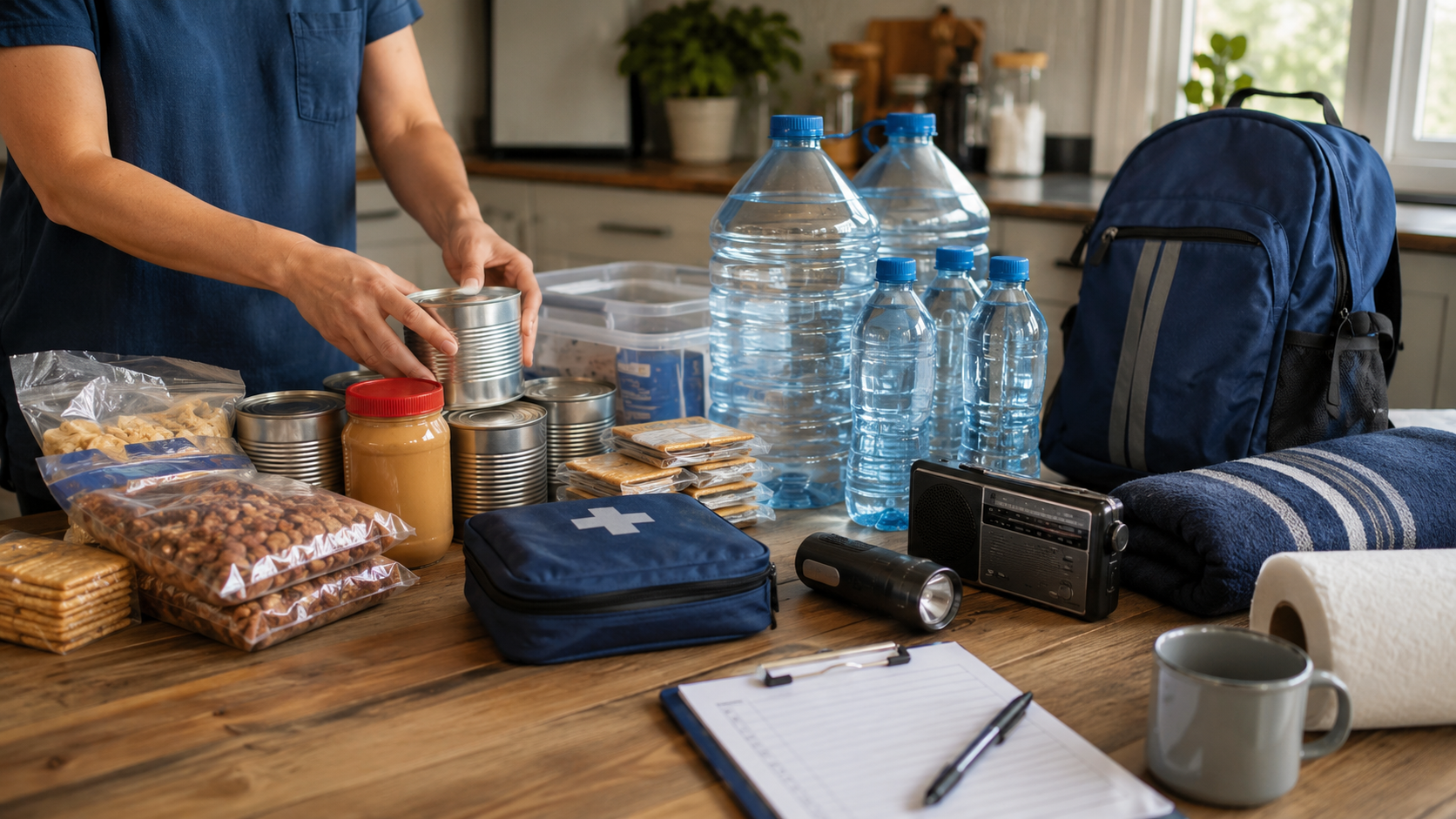
Families should start thinking about having extra food and water at home, just in case. It’s like packing an emergency kit before a big storm hits. Here are a few tips:

  • Stock up slowly: Every time you go shopping, pick up a few extra non-perishable items, like canned goods or dried beans.
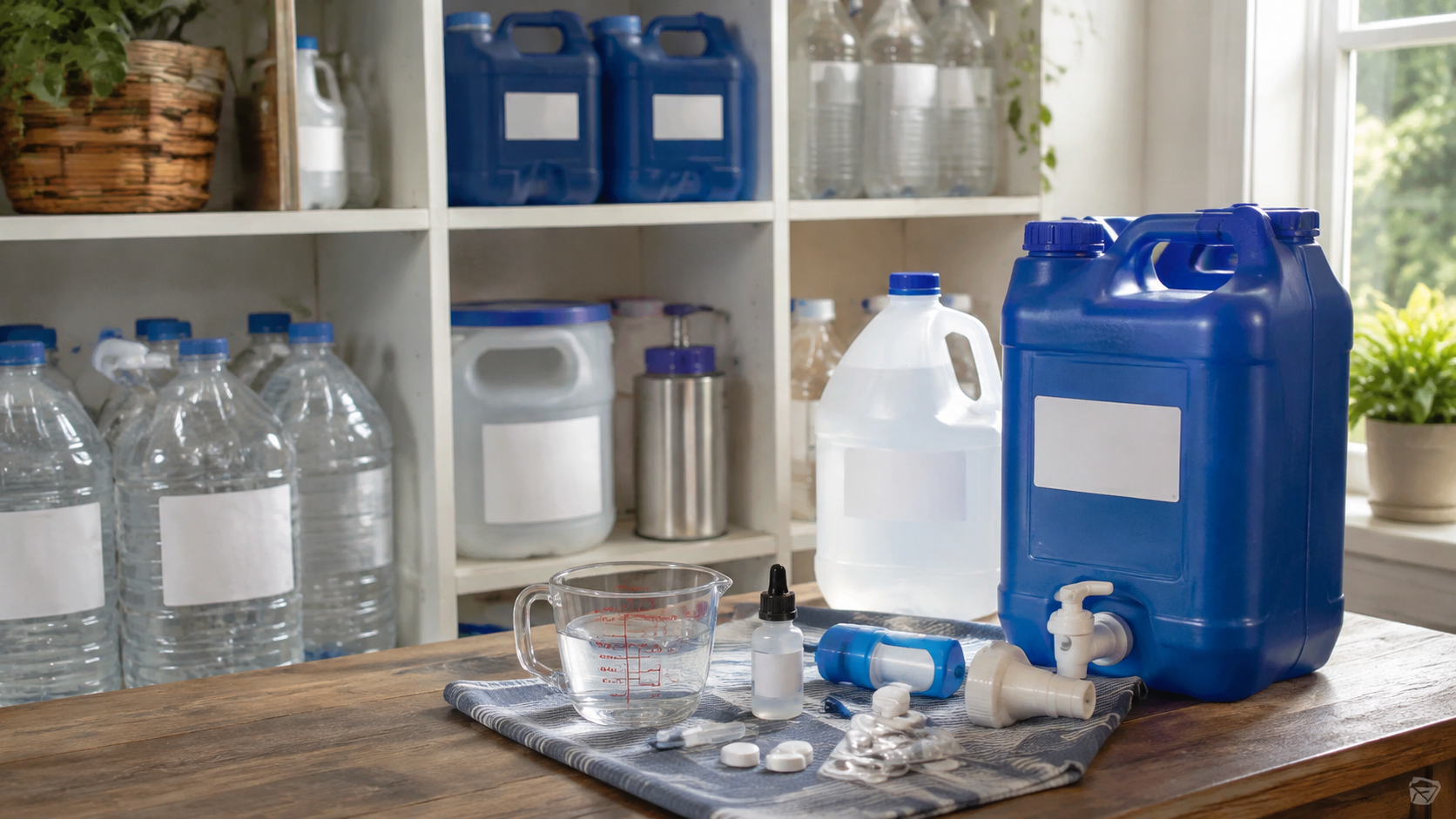
  • Water is key: Make sure you have enough water stored. A good rule is one gallon per person per day for at least three days.
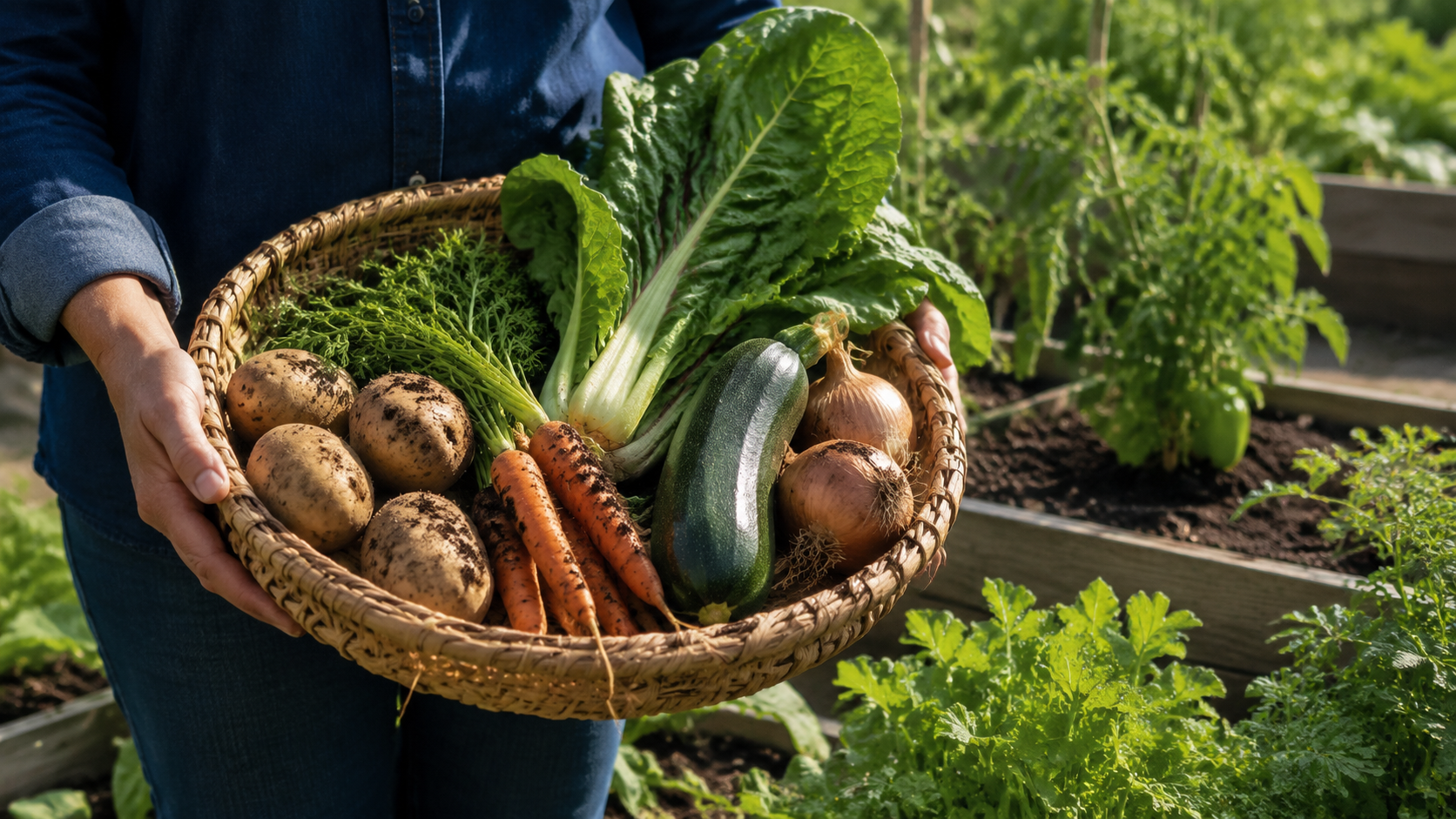
  • Learn to be a bit old-fashioned: Knowing how to do things like growing your own vegetables or collecting rainwater can be really handy.

The Silver Lining

While the signs might seem scary, knowing about them means we can work to change things. Just like preparing for a storm can make it less scary, understanding what’s happening in the world and getting ready can make a big difference. It’s not just about avoiding a war; it’s about making sure we can take care of ourselves and our loved ones if things get tough.

Conclusion

The clouds might be gathering, but there’s always something we can do, both as countries and as individuals. By paying attention to these signs and starting to prepare, especially when it comes to basic needs like food and water, we’re not just waiting for the storm to hit; we’re building shelters and making sure we’re ready to face whatever comes. Let’s not repeat the mistakes of the past but learn from them to build a safer, more prepared future.

Essential Strategies for Water Preparedness

Essential Strategies for Water Preparedness


Securing Your Lifeline: Essential Strategies for Water Preparedness

In the face of ongoing global disasters and emergencies that disrupt our daily lives, the importance of water—the essence of life—cannot be overstated.  We live in a volatile time that beckons us to be prepared.  With the potential for power outages, supply chain interruptions, and infrastructure failures, reliance on traditional water sources can become a critical vulnerability. This comprehensive guide outlines five unique “how-to” methods to ensure you maintain an independent and reliable water supply, even when conventional systems fail.

1. Mastering Rainwater Harvesting

Rainwater harvesting is a simple yet effective way to collect and store water for non-potable and, with proper treatment, potable uses. Here’s how to set up a basic system:

  • Installation: Install gutters and downspouts on your roof to channel rainwater into a collection system. Use a first-flush diverter to ensure the initial dirt-laden water doesn’t enter your storage.
  • Storage: Utilize food-grade barrels or dedicated rainwater tanks to store the collected water. Keep them in a dark place to inhibit algae growth and cover them to prevent debris and mosquito breeding.
  • Purification: For drinking purposes, purify the collected rainwater using filtration, boiling, or chemical treatment methods detailed later in this article.

Subscribe to PREPARE Magazine

2. Utilizing Atmospheric Water Generation (AWG)

Atmospheric water generators extract moisture from the air, an innovative solution that requires no traditional water source. Although some systems rely on electricity, solar-powered options offer a sustainable alternative:

  • Choose a Solar-Powered AWG: Invest in a solar-powered atmospheric water generator. These devices range from portable to larger, home-based systems.
  • Placement: Position your AWG in an area with high humidity and direct sunlight for maximum efficiency.
  • Maintenance: Regularly check and clean the air filters and water collection tanks to ensure the quality of the water produced.

3. Digging or Drilling Your Own Well

Accessing groundwater through a well can provide a continuous water supply, independent of external systems. This method requires more effort and resources but is a long-term solution:

  • Research Local Regulations: Check with local authorities for any permits or regulations regarding well digging or drilling.
  • Professional Assessment: Consult with a hydrologist or a well-drilling company to assess the groundwater availability in your area.
  • Manual Digging vs. Drilling: For shallow water tables, manual digging might be feasible. However, for deeper sources, professional drilling equipment will be necessary.

4. Solar Water Distillation

A solar distiller purifies water by using the sun’s energy to evaporate water, leaving contaminants behind, and then condensing it into a clean container. Building a simple solar distiller involves:

  • Constructing the Distiller: Use a shallow tray and a piece of glass or clear plastic to create an angled roof over the tray. The tray should be painted black to absorb heat.
  • Water Source: Fill the tray with any available water, including non-potable water.
  • Condensation and Collection: Place a clean container at the lower end of the angled roof to collect the condensed, purified water.

5. Implementing a Hand-Pumped Desalinator

For those living near saltwater sources, a hand-pumped desalinator can convert seawater into drinkable water. Here’s how to utilize this method:

  • Purchase a Portable Desalinator: Choose a portable, manual desalination pump designed for emergencies or marine use.
  • Operation: Follow the manufacturer’s instructions for pumping and maintaining the device to ensure efficiency and longevity.
  • Storage: Collect and store the desalinated water in clean, airtight containers to prevent contamination.

Conclusion

In closing, developing and maintaining your water supplies without relying on electricity, grocery stores, or neighbors is both a prudent and necessary step toward ensuring resilience in the face of uncertainties. By implementing the strategies outlined—rainwater harvesting, utilizing atmospheric water generators, digging or drilling your own well, solar water distillation, and hand-pumped desalination—you can secure a dependable water source for your household. Taking action today to establish these systems will safeguard your access to this vital resource, ensuring your independence and preparedness for any situation.

Preparing for a Long-Term Power Grid Outage.  Are You Ready When the Lights go Out?

Preparing for a Long-Term Power Grid Outage. Are You Ready When the Lights go Out?

Navigating the Darkness: Preparing for a Long-Term Power Grid Outage

In today’s digital and interconnected communities, the very fabric of daily life is powered by electricity. From the moment we wake up to the minute we fall asleep, our routines, comforts, and conveniences are all facilitated by power. But what happens when the lights go out, not just for an hour, or a day, but for an extended period?

Recent events, such as the major cell service outage that threw daily life and commerce into chaos, have highlighted our vulnerability. Such disruptions can indeed be eye-openers, possibly even tests by adversaries to gauge our readiness.  We want to explore the ramifications of a long-term power grid outage and underscores the importance of individual and family preparedness in facing such a scenario.

The Domino Effect of a Power Grid Outage

Immediate Disruptions

The first and most apparent impact of a long-term power outage is the loss of lighting and electronic device functionality. But the ramifications extend far beyond mere inconvenience. Refrigeration systems fail, leading to food spoilage. Heating and cooling systems cease to operate, exposing families to extreme temperatures. Communication networks go down, isolating individuals from critical information and contact with loved ones.

Water Supply and Sanitation

Water treatment and pumping stations rely heavily on electricity. Without power, the flow of clean water halts, and sanitation services deteriorate, posing severe health risks through the potential spread of disease.

Economic and Commercial Impact

The recent cell service outage provided a glimpse into how commerce grinds to a halt without power. ATMs and card transactions become impossible, supply chains are disrupted, and businesses incur significant losses. The economic ripple effect can lead to a downturn that affects everyone.

Healthcare Services Disruption

Healthcare facilities, despite having backup generators, are not immune to the strains of a prolonged power outage. Equipment failure and the inability to provide routine care can result in healthcare crises, particularly for those with critical medical needs.

Safety and Security Concerns

With alarm systems and street lighting down, there’s an increase in safety and security concerns. The dark becomes a cover for criminal activities, and in the absence of a functioning communication network, emergency services struggle to respond effectively.

Preparing for the Long Haul

Stockpile Essentials

Families should maintain a stockpile of essential supplies, including water, non-perishable food, medications, and first aid kits. Aim for a supply that can last at least two weeks to a month.

Alternative Power Sources

Invest in alternative power sources such as solar panels, portable generators, or battery-powered devices. Understand the operation and safety precautions of these alternatives to ensure they can be utilized effectively during an outage.

Water Purification

Learn methods of water purification and storage. Having the ability to purify water from various sources can be a lifesaver in prolonged power outages.

Communication Plans

Develop a family communication plan that doesn’t rely on digital networks. Consider two-way radios or satellite phones as backups. Establish a meeting point and a check-in routine in case communication networks fail.

Protect Financial Assets

Keep a small amount of cash on hand, as digital transactions may not be possible. Additionally, secure important documents in a safe, easily accessible place in case of evacuation.

Community Collaboration

Engage with your community to develop a collective response plan. Sharing resources and information can make a significant difference in the resilience of a neighborhood during extended outages.

Emergency Skills

Acquire basic emergency skills. CPR, first aid, and the ability to use a fire extinguisher can be crucial in a crisis. Similarly, knowing how to shut off your home’s gas, water, and electricity can prevent further disasters.

The Bigger Picture

While the thought of a long-term power outage and its accompanying challenges may seem daunting, preparedness can significantly mitigate the risks and impacts. The recent cell service outage, whether an anomaly or a test of our readiness, serves as a stark reminder of our dependence on power and the need for resilience. By taking proactive steps towards preparedness, families can ensure their safety and well-being, even in the darkest times.

To wrap up, as we reflect on our vulnerabilities and the potential for disruption, let us also recognize our capacity for resilience and adaptation. Preparing for a power grid outage not only enhances our ability to withstand such events but also strengthens the bonds within our communities. Together, we can navigate the darkness, emerging more connected and prepared for whatever challenges the future holds.

Preparing for the Unthinkable: Understanding and Mitigating the Impact of a Middle Eastern Conflict

Preparing for the Unthinkable: Understanding and Mitigating the Impact of a Middle Eastern Conflict

The Shadow of ConflictIn the modern world, the thought of a war, particularly in a region as volatile as the Middle East, is a chilling prospect. This area, rich in history, culture, and resources, has often been a flashpoint for tensions that have implications far beyond its geographical boundaries. A conflict here could have a domino effect, leading to a cascade of disasters—economic turmoil, fuel shortages, food scarcity, and in the worst-case scenario, a global nuclear confrontation. As daunting as these possibilities are, understanding and preparing for them is essential. This piece aims to outline what families might expect in such a scenario and underscore the importance of individual and family preparedness.

The Ripple Effects of War

Economic Instability

The first and most immediate impact of a conflict in the Middle East would be economic instability. The region is a vital artery for the world’s oil supply, accounting for a significant portion of global production. Any disruption can lead to skyrocketing fuel prices, affecting everything from transportation costs to the price of goods and services. Families might find their household budgets stretched to breaking points as the cost of living increases sharply.

Fuel Losses

With the Middle East being a cornerstone in the global energy market, a conflict would likely lead to substantial fuel shortages. These shortages could have a two-fold effect: directly, in the difficulty of obtaining fuel for personal use, and indirectly, by hampering the transportation of goods. This scenario could result in limited mobility for individuals and critical delays in the delivery of essential items, including food and medical supplies.

Food Scarcity

Food security would be severely compromised. The Middle East conflict might disrupt agricultural production and supply chains, leading to shortages and soaring prices. Families might face difficulties in accessing affordable, nutritious food, potentially leading to health issues and increased pressure on already strained social services.

Potential Global Nuclear Conflict

The gravest concern would be the escalation into a global nuclear conflict. While this remains the least likely scenario, its possibility cannot be entirely dismissed. The fallout from such an event would be catastrophic, not just in terms of immediate casualties but also in the long-term environmental and health impacts. It underscores the necessity of global diplomacy and conflict prevention.

The Imperative of Preparedness

Given these daunting prospects, preparedness is not just wise; it’s essential. Here’s how families can prepare:

Economic Preparedness

Families should focus on building a financial safety net. This might include saving money, investing in non-perishable goods, and reducing unnecessary expenses. Having a reserve can provide a buffer against economic instability.

Fuel Conservation

In anticipation of fuel shortages, consider reducing dependence on vehicles that require fossil fuels. Exploring alternative modes of transportation, such as bicycles or electric vehicles, can be a step towards mitigating the impact of fuel losses.

Food Security

Invest in a sustainable food supply. This can range from stocking up on non-perishable food items to starting a home garden. Learning about food preservation techniques can also ensure that families have access to nutritious meals even during times of scarcity.

Community Resilience

Building strong community ties is crucial. In times of crisis, communities that work together can better navigate challenges, from sharing resources to providing emotional support. Joining or establishing local preparedness groups can enhance collective resilience.

Staying Informed and Educated

Knowledge is a powerful tool. Stay informed about global and regional politics and understand the basics of emergency preparedness. Educational resources can equip individuals and families with the skills needed to navigate crises effectively.

Conclusion

While the prospect of a conflict in the Middle East and its potential fallout is daunting, it is a reality that cannot be ignored. The interconnectedness of today’s world means that the impacts of such a conflict would ripple across the globe, affecting economic stability, food security, and potentially leading to global military escalations. However, through informed preparedness, individuals and families can mitigate these impacts and contribute to a resilient community. It is through such preparedness that we can hope to navigate the uncertainties of our times, ensuring not just survival but the continuation of our way of life. Let us take action today to safeguard our tomorrow.

Bracing for Impact: Navigating the Inevitability of the Next Global Pandemic

Bracing for Impact: Navigating the Inevitability of the Next Global Pandemic

Bracing for Impact: Navigating the Inevitability of the Next Global Pandemic


As the dust settles on the tumultuous landscape left in the wake of COVID-19, the world breathes a collective, albeit tentative, sigh of relief. However, the echoes of empty supermarket aisles, the stark solitude of lockdowns, and the relentless toll on mental and physical health serve as harbingers of what could come again. The question is not if, but when the next global pandemic will strike. In “Bracing for Impact: Navigating the Inevitability of the Next Global Pandemic,” we delve into the critical lessons from our recent past to prepare individuals and families for the future’s uncertainties.

The Unforgiving Cycle of History

Historically, pandemics have been recurrent nightmares, each unique yet devastating in their impact. The Spanish Flu, H1N1,

and COVID-19 are stark reminders of our perpetual vulnerability to viral threats. These crises have shaped human civilization, prompting advancements in medicine and public health yet continuously testing our resilience.

The Harsh Realities We Faced

The COVID-19 pandemic unearthed vulnerabilities in our societies and personal lives. Grocery shelves emptied as panic buying ensued, revealing the fragility of our supply chains. The imposition of lockdowns and social distancing measures, though necessary, led to unprecedented levels of isolation, exacerbating mental health issues and placing immense strain on familial relationships. Economic downturns led to job losses, financial instability, and a palpable sense of despair.

Beyond Basic Preparedness

The traditional narrative on pandemic preparedness often focuses on stockpiling essentials and maintaining personal hygiene. While these steps are vital, they barely scratch the surface of what true preparedness entails, especially considering the breadth of challenges experienced during the last pandemic. Here, we explore comprehensive strategies to ensure individuals and families are better equipped for the next global health crisis.

Embracing Emotional Resilience

Mental health became a crisis within a crisis during the COVID-19 pandemic. Building emotional resilience is paramount, involving strategies to cope with stress, anxiety, and isolation. This can include establishing routines, seeking virtual support groups, and exploring mindfulness and relaxation techniques. Encouraging open communication within families and communities fosters a support network that can withstand the pressures of a pandemic.

Financial Stability and Diversification

The economic impact of a pandemic can be as devastating as its health consequences. Developing a financial safety net, diversifying income streams, and learning basic economic management skills can provide a buffer against the shockwaves. Encouraging savings, exploring remote work options, and investing in skills development can enhance financial resilience.


Get a FREE Subscription to PREPARE Magazine


Reinventing Community and Connection

The isolation experienced during lockdowns highlighted the importance of community and social connections. Leveraging technology to maintain relationships and establish new forms of community engagement can mitigate feelings of loneliness. Virtual clubs, online learning communities, and social media platforms can serve as lifelines during times of physical separation.

Strategic Stockpiling and Local Sourcing

While stockpiling is a common response to impending crises, strategic approaches to storing essentials can prevent shortages and ensure equitable access. This involves not just hoarding non-perishable foods and toiletries but also understanding the logistics of supply chains. Supporting local producers and exploring home gardening can reduce reliance on overwhelmed supermarket chains.

Health Literacy and Self-Care

A well-informed public is a resilient public. Enhancing health literacy—understanding how viruses transmit, the importance of vaccines, and basic first aid—can empower individuals to make informed decisions. Promoting a culture of health and wellness, including regular exercise, balanced nutrition, and preventive healthcare, strengthens communal immunity.

The Path Forward

As we stand at the precipice of future uncertainties, the lessons from our recent past illuminate the path forward. Preparing for the next pandemic transcends physical necessities, touching on the need for emotional strength, financial prudence, and community solidarity. By adopting a holistic approach to preparedness, we can aspire not just to survive the next global health crisis but to emerge from it with our humanity and collective spirit intact.

All in all, the inevitability of another global pandemic is a stark reality we must confront with wisdom, foresight, and unity. “Bracing for Impact” is not merely a call to action; it is a blueprint for building a future where individuals and families are equipped to face pandemics with resilience, adaptability, and compassion. Let us harness the lessons of our shared ordeal to foster a world prepared not just in resources, but in heart and spirit, for whatever challenges lie ahead.