The Essentials Revisited: Seven Must-Have Items for Your Bug-Out Bag
In the realm of emergency preparedness, the concept of a bug-out bag is not new. Yet, considering the unpredictability of life, revisiting what you pack in your emergency kit is a crucial exercise. Here’s an engaging reminder and a fresh perspective on the seven most critical items you absolutely must have in your bug-out bag. This list isn’t just about survival; it’s about maintaining a semblance of normalcy in the face of adversity.
1. Water: Your Lifeline in Liquid Form
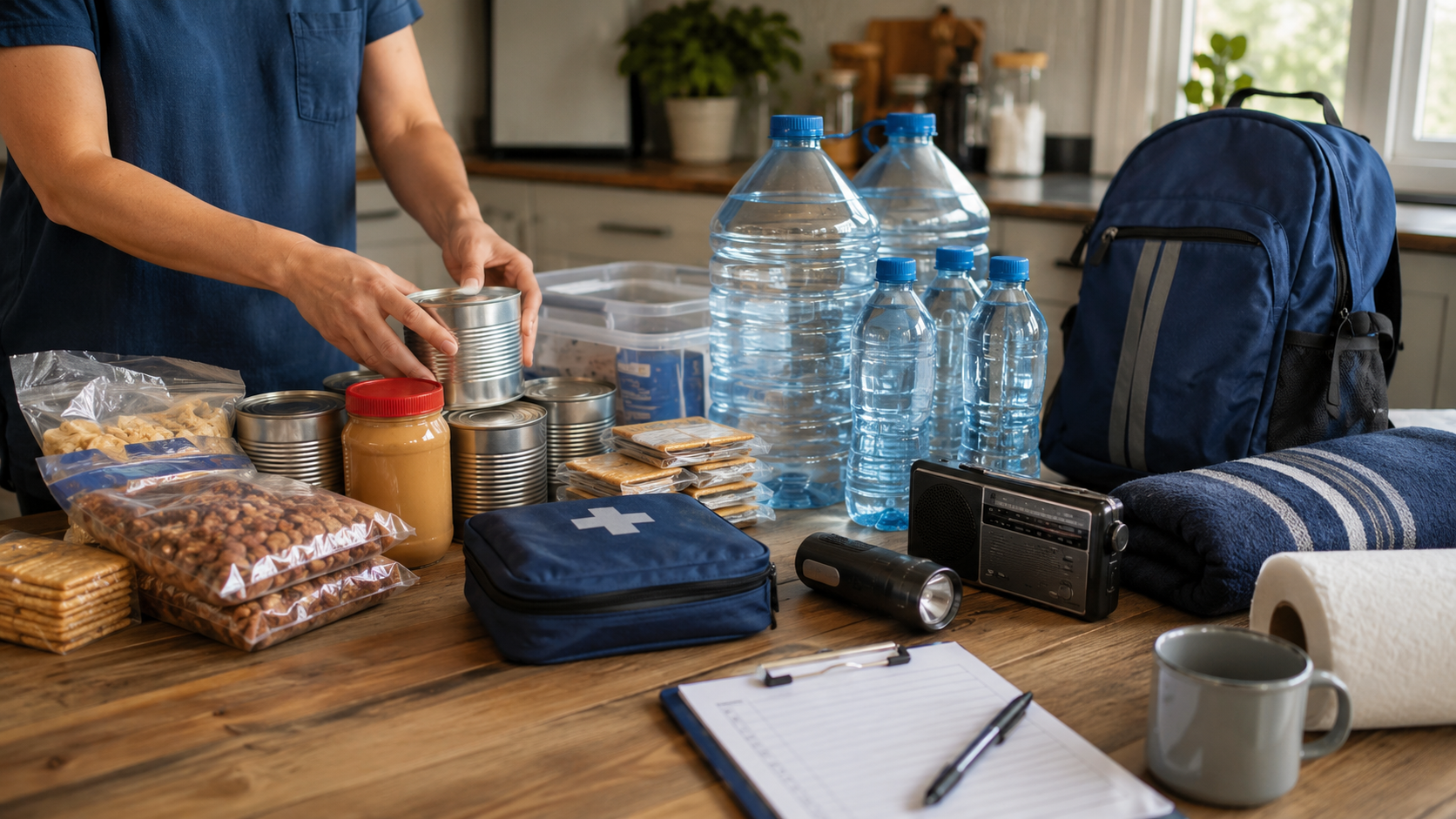
Every survival guide stresses the importance of water, and it cannot be overstated. Dehydration can debilitate you within hours, making it impossible to manage in any crisis. Aim to pack at least one gallon of water per person per day. But since carrying all this might be impractical, invest in a dual-purpose tool like the LifeStraw or a Sawyer Mini. These water filters are compact, remove 99.9999% of bacteria and parasites, and can filter up to 100,000 gallons of water. Remember, hydration isn’t just about drinking—it’s also crucial for hygiene.
2. Calorie-Dense Foods: More Than Just Snacks
Forget your usual snacks; emergency food needs to be high in calories and nutrition to sustain energy. Pack calorie-dense items like protein bars, dried fruits, nuts, peanut butter, and canned beans that can be eaten with minimal preparation. The trick is to select foods that you actually enjoy eating, which can also provide a psychological comfort. A small, foldable stove and a metal pot can be included for heating food, expanding your dietary options.
Get a Free Subscription to PREPARE Magazine
3. First Aid Kit: Customized for You
A generic first aid kit won’t cut it. Customize your kit to cater to your specific health needs. Include prescription medications, an EpiPen if you have allergies, asthma inhalers, and basic first aid supplies like bandages, antiseptic creams, and pain relievers. An often overlooked but vital inclusion is a booklet on basic first aid procedures—because stress can make us forget even the most well-known practices.
4. Multipurpose Clothing and Shelter: Prepare for All Seasons
When packing clothing, think versatile and weather-appropriate. Convertible cargo pants, thermal underwear, a waterproof jacket, and sturdy boots can cover most scenarios. For shelter, beyond just a tent or a sleeping bag, a lightweight tarp can be invaluable. It can serve as a rain shield, ground cover, or a makeshift shelter. Also, remember to pack emergency thermal blankets which reflect back body heat and are crucial during cold nights.
5. Illumination and Power: Shedding Light and Keeping Powered
Lighting is essential not only for visibility but also for comfort and safety in darkness. LED headlamps, a solar-powered lantern, and waterproof matches should be in every bug-out bag. For power, solar chargers and power banks can keep your small electronics running longer. Investing in renewable power sources is wise, particularly if you are away from traditional power for several days.
6. Communication Tools: Your Link to the Outside World
In today’s connected world, being cut off can be terrifying. A hand-crank or solar-powered radio can keep you connected to weather alerts and news updates. Consider also packing a durable, waterproof phone case and a spare, charged battery for your mobile phone. Satellite phones or GPS devices can be lifesavers in remote locations where cellular service is unreliable.
7. Personal Documents and Cash: Identity and Trade
Pack copies of important documents like your ID, passport, insurance information, and medical records in a waterproof container. Cash, particularly in small bills, can be crucial for purchasing essentials when credit card systems are down. Additionally, include a list of emergency contacts and any critical personal information that could aid rescuers or medical professionals.
Wrap-Up
While packing your bug-out bag, remember that the goal is not just to survive but to do so with dignity and a level of comfort that can ease mental stresses during emergencies. Each item in your bag should serve a purpose, either for survival or for psychological comfort. Regularly revisit and adjust the contents of your bag as your needs and environmental conditions change. In preparedness, as in all things, the details matter. Stay safe, stay prepared, and remember, the right preparation today can make all the difference tomorrow.
A global outbreak of Bird Flu (Avian Influenza) with a 60% fatality rate in humans would represent a severe and unprecedented public health crisis, likely leading to widespread panic, significant societal disruption, and a considerable strain on global healthcare systems. The impact of such an outbreak could vary depending on several factors, including the speed of the spread, the effectiveness of the global response, and the availability of vaccines and antiviral treatments. Here’s an overview of what could happen and how families can prepare:
What Could Happen in a Global Outbreak?
Healthcare Systems Overwhelmed: Hospitals and healthcare facilities could be overwhelmed with the number of patients, leading to resource shortages, including hospital beds, medical supplies, and healthcare workers.
Economic Impact: Significant economic disruption due to reduced workforce, strained healthcare costs, impacts on trade, and decreased consumer spending. Industries such as travel, tourism, and retail could be particularly hard hit.
Social Disruption: Mandatory quarantines, travel restrictions, and social distancing measures could lead to isolation, changes in daily life, and disruptions to education and social services.
Global Efforts for Vaccine and Treatment: An intense global research effort would likely be underway to develop a vaccine and effective treatments. The speed and effectiveness of these efforts could significantly impact the course of the pandemic.
Public Fear and Panic: Fear of contracting the virus could lead to panic, hoarding of supplies, and widespread anxiety and stress.
How Families Can Prepare:
Stay Informed: Keep up to date with reliable information from health authorities and understand the symptoms and transmission methods of the virus.
Hygiene and Prevention: Emphasize regular handwashing, use of hand sanitizers, and adherence to respiratory hygiene practices like covering coughs and sneezes.
Stockpile Essentials: Maintain a supply of non-perishable food, water, medications, and other essentials to minimize trips to stores and potential exposure.
Plan for Healthcare: Know the symptoms of Bird Flu, when to seek medical attention, and the location of the nearest healthcare facilities that are prepared to treat Bird Flu patients.
Isolation and Quarantine Plans: Prepare for the possibility of self-isolation or quarantine by understanding how to care for a sick family member and prevent the spread of the virus within the household.
Mental Health and Well-being: Plan for ways to maintain mental health and well-being through communication with loved ones, maintaining routines, and staying physically active within the constraints of a pandemic situation.
Community and Social Support: Develop a plan to check on vulnerable neighbors or family members remotely and understand how to access community resources and support.
Emergency Contacts and Plans: Have a list of emergency contacts, including healthcare providers and local health departments, and develop a family emergency plan.
Financial Preparedness: Be prepared for possible economic impacts, including disruptions to employment. Consider building an emergency fund if possible.
Stay Flexible and Adaptable: The situation can change rapidly, so be ready to adapt plans based on new information and guidance from health authorities.
Vaccination and Compliance with Health Directives: If a vaccine becomes available, plan to get vaccinated. Follow health directives and guidelines to help reduce the spread of the virus.
In preparing for such a pandemic, the key is to balance vigilance and preparedness with maintaining a sense of calm and rationality. Staying informed, being prepared, and following public health advice are the best steps families can take to protect themselves and their communities.
Disaster preparedness is a critical aspect of ensuring the safety and security of your family during unforeseen emergencies. Whether facing a natural calamity like a hurricane, earthquake, or flood, or dealing with human-made crises such as power outages or civil disturbances, being well-prepared can significantly mitigate risks and help maintain your family’s well-being. This detailed guide delves into the top five disaster preparedness essentials, providing a thorough overview to equip your family with the necessary knowledge and tools to navigate emergencies confidently. These essentials include establishing an emergency communication plan, securing life essentials such as water and food supplies, ensuring appropriate shelter and clothing, stocking up on first aid and medical supplies, and formulating comprehensive emergency evacuation plans.
Emergency Communication Plan in Place
Effective communication is the cornerstone of disaster response and recovery. The aftermath of a disaster often brings chaos and confusion, making it challenging to stay connected with family members. An emergency communication plan serves as a vital tool to overcome these challenges, ensuring that every family member knows how to contact one another and where to rendezvous if separated during a crisis.
The creation of a family emergency communication plan starts with identifying a common meeting place outside your home, a familiar and easily accessible location such as a community center or a local park. This is crucial if an emergency prevents access to or egress from your home. Additionally, appointing an out-of-state friend or relative as a central point of contact can provide an invaluable communication link. During disasters, local communication networks might be overwhelmed or down, while long-distance communications could still be operational.
The plan should encompass various communication methods, including text messages, social media, and emergency notification systems, which can be more reliable than voice calls in strained networks. Ensure that every family member, including children, knows how to use these methods. Distributing physical and digital copies of important contact information, including emergency services, medical facilities, and family contacts, is also essential. Regularly practicing and updating your communication plan ensures it remains effective and that everyone understands their role during an emergency.
Life Essentials – Water and Food Supply for the Family
Access to clean water and sufficient food is paramount in disaster situations. The Federal Emergency Management Agency (FEMA) recommends storing at least one gallon of water per person per day for drinking and sanitation, aiming for a minimum three-day supply. For a family of four, this equates to storing at least 12 gallons of water. When selecting containers for water storage, opt for clean, food-grade containers, and replace the water every six months to ensure its safety.
Food supplies should focus on non-perishable items that do not require refrigeration, cooking, or significant water for preparation. Stock up on canned goods, including fruits, vegetables, and meats, alongside ready-to-eat cereals, energy bars, and dried fruits. Consider the dietary needs and preferences of your family members, including any allergies or health conditions that may dictate specific food choices. Aiming for a two-week supply offers greater security for extended emergencies. Regular rotation of your food stock ensures freshness and reduces waste by using items close to their expiration date.
Shelter and Clothing
The importance of reliable shelter and appropriate clothing cannot be overstated in disaster preparedness. Your home is your primary shelter; thus, reinforcing its safety to withstand various disaster scenarios is crucial. This may involve securing heavy furniture to walls, reinforcing windows against storms, or retrofitting structures in earthquake-prone areas.
In addition to fortifying your home, prepare for potential evacuation or situations where parts of your home may become unsafe. Emergency blankets, sleeping bags, and portable shelters can provide temporary refuge. Clothing plays a significant role in protection against the elements. Assemble a set of emergency clothing for each family member, including durable footwear, weather-appropriate outerwear, and special items for extreme conditions, such as thermal layers in cold climates or breathable fabrics in hot environments.
First Aid and Medical Supplies
A comprehensive first aid kit is a lifeline during emergencies, equipped to address minor injuries and stabilize conditions until professional medical help is available. Essential items include various sizes of bandages, antiseptics, sterile gloves, pain relievers, and prescription medications specific to family members’ needs. Also, consider adding items like thermal blankets, which can be crucial for treating shock, and tools like tweezers and scissors.
Knowledge of basic first aid procedures complements your medical supplies. Consider enrolling in first aid and CPR courses offered by organizations such as the American Red Cross. Familiarity with these lifesaving techniques empowers you to act confidently and effectively in emergency situations, potentially saving lives.
Emergency Evacuation Plans
Understanding when and how to evacuate is a critical component of disaster preparedness. Develop a clear evacuation plan that includes multiple escape routes from your home and neighborhood, taking into account different types of disasters that could necessitate leaving your area. Identify locations of local emergency shelters and plan your route to these safe havens. For those dependent on vehicles for evacuation, maintaining a half-full gas tank at all times ensures readiness for immediate departure. For families without personal transportation, research public transportation options and community evacuation plans.
Each family member should have a personal “go bag” packed with essentials such as important documents, basic necessities, and personal items. These bags should be easily accessible and regularly updated to reflect changes in personal or medical information. Regular drills and discussions about the evacuation plan enhance familiarity with the process, reducing confusion and panic during actual emergencies.
Conclusion
Preparing for disasters requires a multifaceted approach, encompassing clear communication strategies, securing essential supplies, ensuring safe shelter and clothing, maintaining comprehensive first aid kits, and formulating detailed evacuation plans. By addressing these five critical areas, you can significantly enhance your family’s resilience in the face of disasters. Remember, the effectiveness of your preparedness efforts lies not only in the acquisition of supplies and knowledge but also in the continuous review and practice of your plans. Adopting a proactive stance towards disaster preparedness can safeguard your family’s well-being, providing peace of mind amidst the uncertainties of emergency situations.
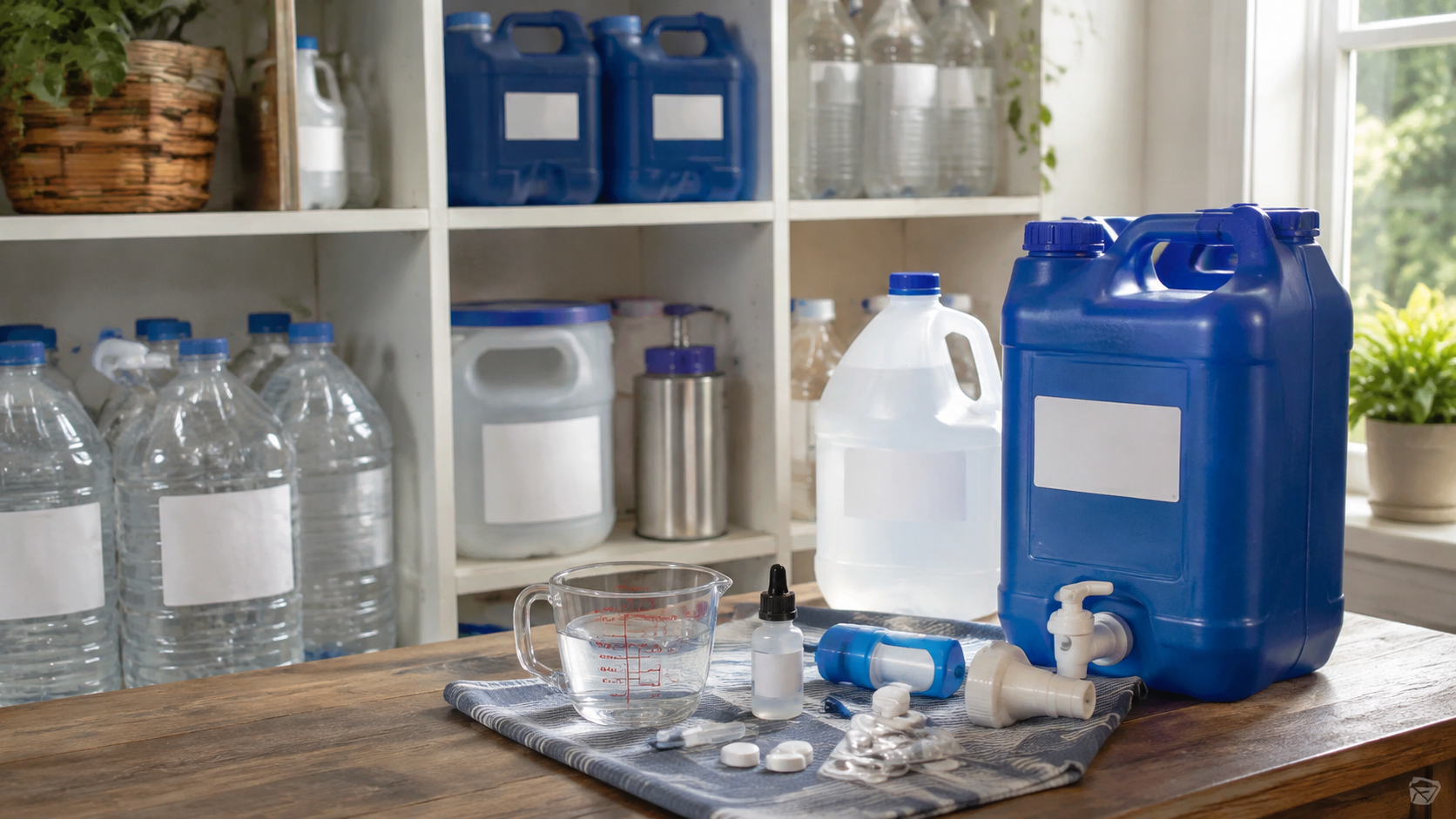
Potentially, the most critical area that is needed for preparedness is securing your family water source. It seems that most families begin to focus on food storage when they are concerned about an emergency situation, but neglect to really prioritize their water supply. We have been groomed to assume that water will simply continue to flow from the faucet – even during a massive disaster. The reality is, our water supply is fragile and we must take actions now to be better prepared for any possible water emergency.
Understanding the paramount importance of water treatment is crucial for ensuring our health and safety. Contaminated water is a breeding ground for myriad illnesses, but with the right purification methods, we can significantly reduce these risks. The most effective approach to water purification involves integrating various techniques, such as chlorination, boiling, filtration, and distillation, to achieve the best results.
Chlorination is a powerful ally in the battle against waterborne pathogens. By adding chlorine to water, we can eliminate harmful bacteria and viruses, reduce unpleasant odors and tastes, and inhibit the growth of algae and molds in water storage areas. This process not only guarantees safer drinking water but also prolongs the cleanliness of storage containers. For household disinfection, using regular, unscented liquid bleach containing 5.25 to 6 percent sodium hypochlorite is recommended. A precise measurement of 1/8 teaspoon of bleach per gallon of water, left to sit for 30 minutes, can effectively purify the water, provided it retains a slight bleach scent indicating successful treatment.
Boiling water is perhaps the simplest and quickest method for purifying water. This age-old technique eradicates viruses, bacteria, parasites, and other pathogens, ensuring the water is safe for consumption. Simply boiling water for one minute can significantly improve its safety. To enhance the taste of boiled water, transferring it between two clean containers or adding a pinch of salt can make it more palatable.
Portable water filters offer a convenient solution for on-the-go water purification. They are capable of removing bacteria and parasites, thereby preventing waterborne diseases. By following the manufacturer’s guidelines, these filters can provide clean and safe water from virtually any source.
Distillation goes a step further by eliminating microbes, heavy metals, salts, and most chemicals that other methods may leave behind. The process of distillation involves boiling water and collecting the condensed vapor, resulting in water that is not only pure but also free from trace elements. This purified water can contribute to improved bodily functions and the prevention of kidney stones.
In addition to understanding the core methods of water purification, it’s paramount to be proactive in addressing the looming challenges of water scarcity. Below are some tips on how you can start preparing now to ensure you’re not caught off guard:
Adopt Water-Saving Habits: Simple changes in daily activities can make a big difference. Be mindful of water usage in your home by fixing leaks promptly, taking shorter showers, and turning off the tap while brushing your teeth. These habits not only conserve water but also instill a culture of sustainability within the household.
Invest in Rainwater Collection: Installing a rainwater collection system is a practical step towards self-sufficiency. This collected water can be used for gardening, washing, and, with proper treatment, even drinking. It’s a way to decrease your dependence on municipal water supplies and safeguard against shortages.
Establish a Water Reserve: Keeping an emergency water supply is wise. Begin by storing bottled water and consider larger, more durable containers for long-term storage. Regular maintenance of your storage ensures the water remains fresh and safe for consumption when needed.
Explore Water Recycling: Educating yourself on the benefits and methods of greywater recycling can open up new avenues for water conservation. Reusing water from baths, sinks, and laundry machines for irrigation purposes can significantly reduce your household’s water footprint.
Community Engagement: Participating in community efforts to promote water conservation can amplify the impact of individual actions. Support local policies and initiatives aimed at sustainable water use and encourage others to join in these efforts.
By taking these steps today, you’re not just preparing for a potential water shortage; you’re also contributing to the broader effort of preserving our most precious resource. Water is the lifeline of our communities, and through mindful conservation and efficient purification practices, we can ensure its availability for generations to come.
To wrap up, safeguarding our water supply through effective treatment methods is essential for maintaining our health. By combining chlorination, boiling, filtration, and distillation, we can ensure that our water is free from contaminants and safe for consumption. Educating ourselves and taking proactive steps towards water purification will not only protect us from diseases but also contribute to our overall well-being.
During the global Pandemic, it was hard to get the items we needed from the grocery stores. During the early phase of the crisis, people rushed to the stores and empties the shelves of the supplies they felt they needed for their families. Fear fueled the push for people to grab and hoard so their family didn’t go without the things they needed. Unfortunately, the supply chaos was compounded as suppliers were unable to adequately get products to stores. Everyone was severely impacted with the disruption. When stores did get supplies, they were forced to limit quantities people could purchase.
In times of emergency, such as a global pandemic, supply chains can be significantly impacted, leading to shortages and the imposition of quantity purchasing limits on essential items. These restrictions can make it challenging for individuals to obtain the supplies they need. However, there are strategies you can adopt to navigate these limitations and ensure you and your family remain well-stocked. Below are some practical steps to overcome the difficulties and quantity purchasing limits during crises.
1. Plan Ahead and Prioritize
Begin by assessing your household’s needs and prioritizing items that are essential for your health, hygiene, and sustenance. Create a list of necessities, including medications, non-perishable food, personal hygiene products, and any other critical supplies. Having a clear understanding of what you need will help you focus your efforts on acquiring these items first.
2. Explore Alternative Shopping Venues
Large retailers and grocery stores are not your only options. Local smaller stores, ethnic markets, and online platforms may not face the same degree of demand and could have more relaxed purchasing limits. Exploring these alternatives can increase your chances of finding what you need without running into restrictive buying limits.
3. Leverage Community Networks
Community support networks, such as neighborhood groups on social media platforms, can be invaluable during emergencies. These groups often share information about which stores are well-stocked, and members may be willing to trade items or offer extras of what they have. Participating in these networks not only helps you find supplies but also strengthens community bonds.
4. Bulk Buying Clubs and Co-ops
Joining a bulk buying club or a cooperative can be an effective way to access larger quantities of essentials. These organizations often purchase directly from suppliers, bypassing retail limits. Membership might come with a fee, but the access to necessary goods without restrictions can be well worth the cost.
5. Build Relationships with Local Retailers
Establishing a rapport with the staff and management at local stores can provide you with insider information on delivery schedules and when new stock is expected. Some stores may also be willing to set aside items for regular customers, allowing you to bypass general purchasing limits.
6. Alternative Products and DIY Solutions
When specific products are in short supply, consider alternatives that meet the same needs. For example, if disinfectant wipes are unavailable, you can make your own sanitizing solutions with bleach or alcohol. Being flexible and creative with the products you use can help mitigate the impact of purchasing limits.
7. Monitor and Respond to Changing Restrictions
Keep abreast of news and updates from retailers and government sources regarding purchasing limits and supply chain developments. Being informed allows you to adjust your strategies as the situation evolves, helping you to better navigate restrictions.
8. Practice Ethical Shopping
In closing, while it’s important to ensure your household has what it needs, it’s equally important to shop ethically. Hoarding contributes to shortages and affects the most vulnerable members of our communities. Purchase responsibly, keeping in mind the needs of others.
The bottom line is … PREPARE. Don’t wait until an emergency or disaster to hit to get prepared. By then, it could be too late and your family could be severely impacted. By adopting the above simple strategies, you can navigate purchasing limits and mitigate the impact of supply chain disruptions during emergencies. Planning, community cooperation, and flexibility are key to overcoming these challenges, ensuring you and your loved ones remain safe and well-provided for.