Preparing for Emergencies on a Budget: 7 Cost-Effective Strategies

Preparing for Emergencies on a Budget: 7 Cost-Effective Strategies

7 Clever Strategies to Prepare for Emergencies without breaking the bank.

When it comes to emergency preparedness, being ready does not have to mean breaking the bank. In today’s world, where uncertainties abound—from natural disasters to unforeseen economic troubles—it’s crucial to prepare in a way that’s both effective and economical. Here are seven top strategies to get your family prepared without overstretching your finances.

1. Start Small and Scale Up

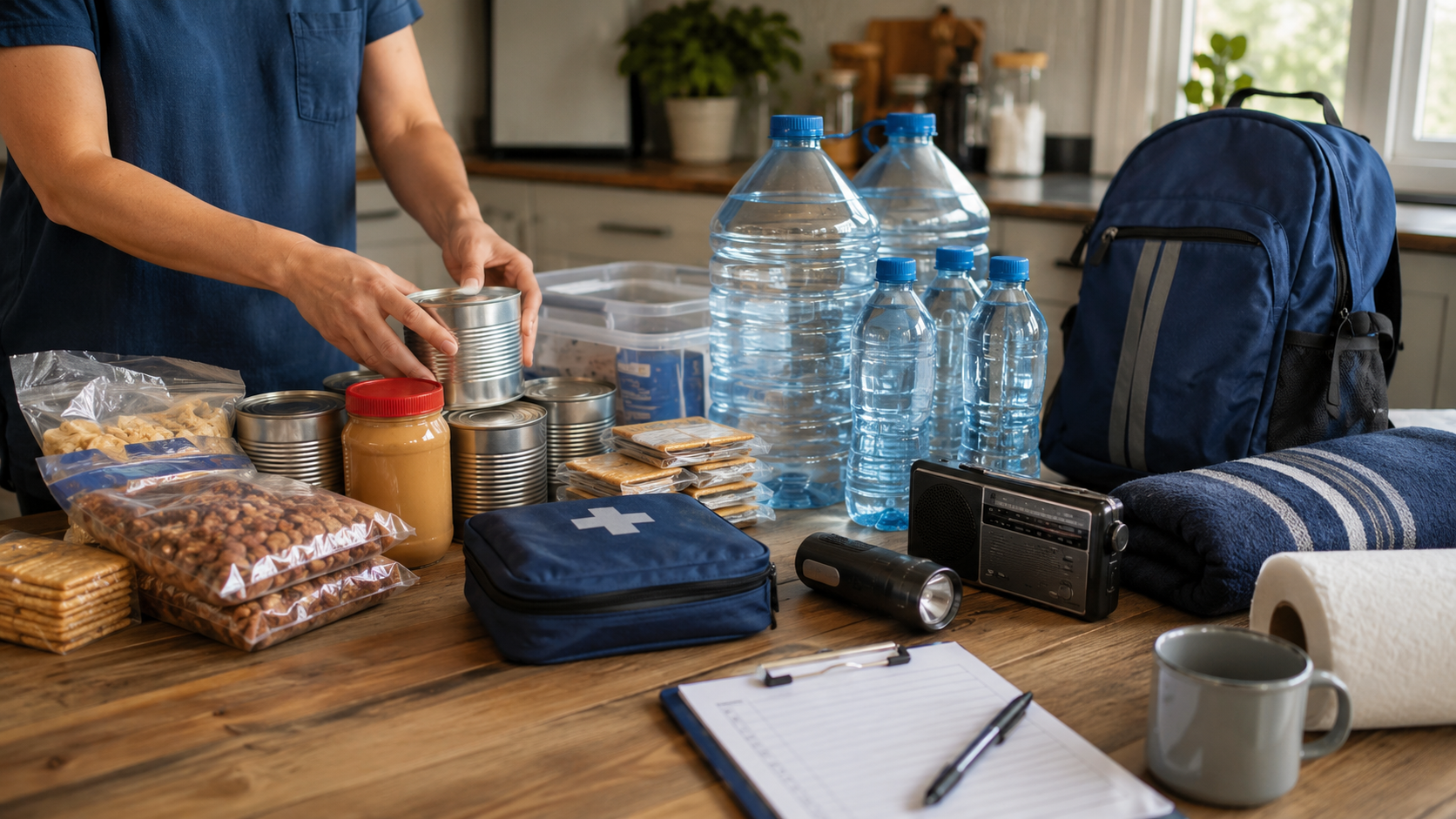
The key to budget-friendly preparedness is starting small. Begin by assessing your current supplies before buying anything new. Often, items already in your home can be repurposed for emergency use. For example, candles, matches, blankets, and basic first aid supplies are common in many households. Each month, add one or two items to your emergency kit, spreading out the cost over time. This gradual approach minimizes financial strain and allows you to build a comprehensive kit without a significant upfront investment.

2. Take Advantage of Sales and Bulk Buying

One of the most effective ways to gather your supplies on a budget is to shop sales and buy in bulk. Non-perishable food items, such as canned goods, rice, and pasta, often go on sale and can be stored for extended periods. Watch for discounts and promotions at local grocery stores or wholesale clubs where you can buy larger quantities at lower prices. Remember, the goal is to accumulate a diverse array of foods to sustain your family for several days or even weeks if necessary.

3. DIY Where Possible

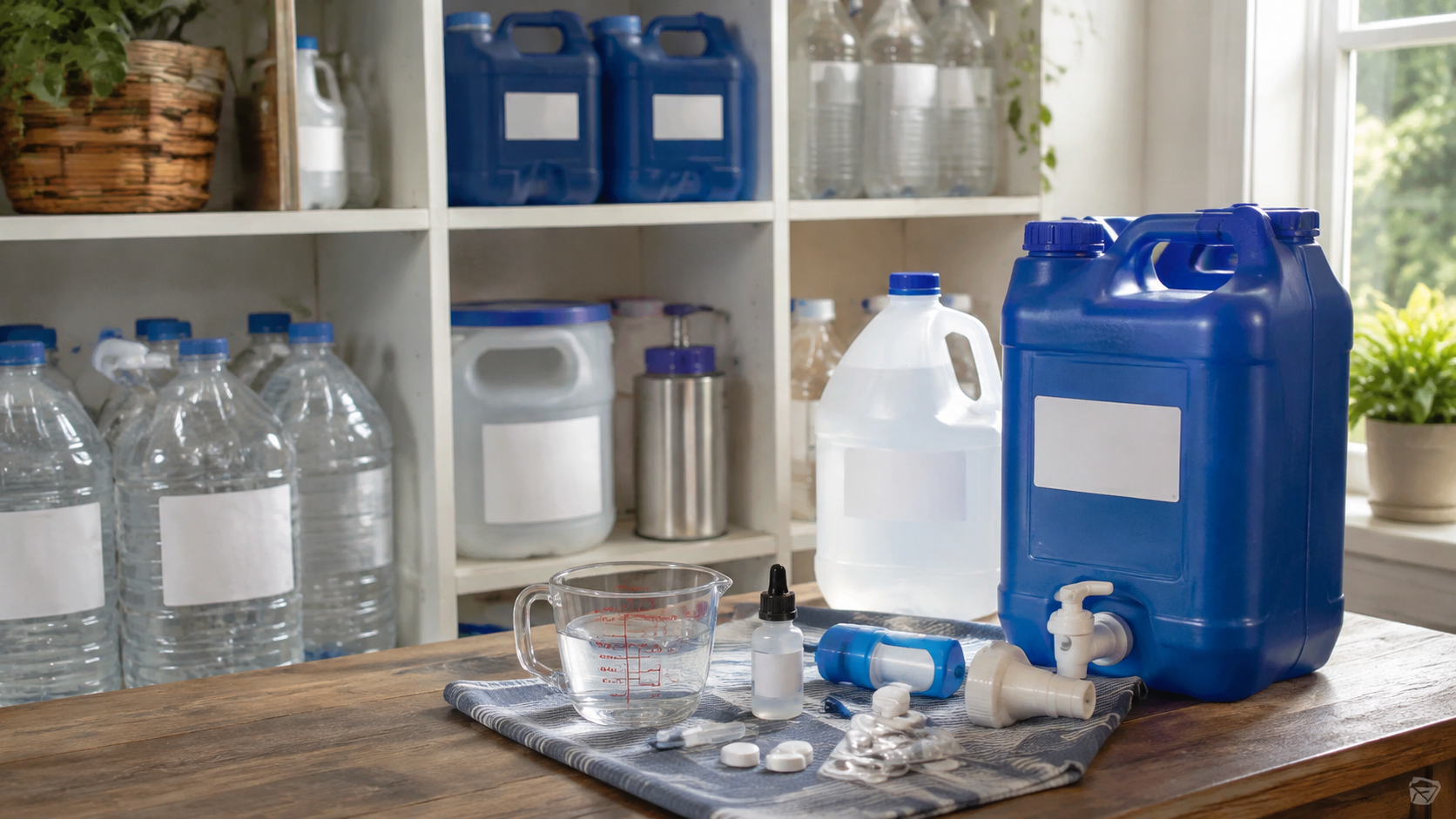
There are numerous DIY projects for emergency preparedness that can save money. For instance, instead of buying expensive ready-made emergency kits, create your own. Assemble a basic first aid kit using common household items such as band-aids, antibacterial ointment, and over-the-counter medications. You can also make your own water filters or learn to purify water with bleach. Not only is DIY more budget-friendly, but it also ensures you know exactly what’s in your supplies and how to use them.

4. Leverage Community Resources

Often, local community centers, fire departments, or health departments offer free or low-cost training sessions on various aspects of emergency preparedness, such as CPR, first aid, and disaster response strategies. These resources can be invaluable and help you prepare without spending much money. Additionally, community groups or online platforms often organize swap meets where you can trade items with neighbors, allowing you to diversify your emergency supplies at no additional cost.

5. Focus on Multipurpose Items

When purchasing supplies, prioritize items that serve multiple purposes to maximize your investment. For example, duct tape and bungee cords are versatile tools that can be used in various scenarios, from repairs to securing items. Similarly, choose foods that can be used in multiple recipes. This approach not only saves money but also reduces the storage space needed for your supplies.

6. Plan for Natural Solutions

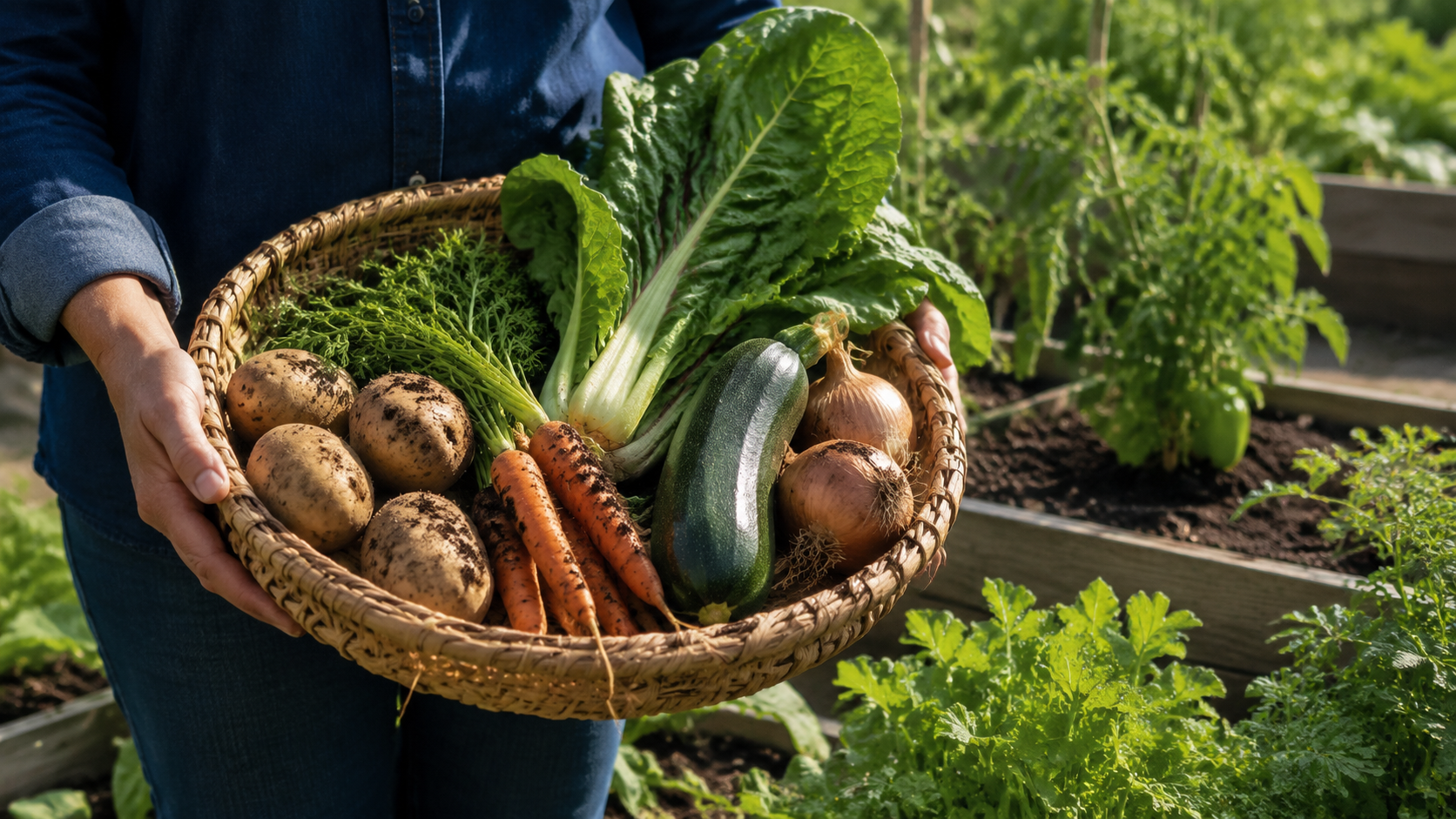
Nature offers a plethora of resources that can be tapped into during emergencies. Learn about local edible plants and natural medicine, which can supplement your food and medical supplies. Also, consider natural water sources near your home and methods for purification. Knowledge about your local environment can be a lifesaver and is completely free.

7. Educate and Practice Regularly

The most crucial aspect of emergency preparedness is knowledge. Educate yourself and your family about potential disasters in your area and have regular discussions about what to do in different scenarios. Practice evacuation routes, communication plans, and safety procedures. The more familiar these plans are, the better you will manage in real situations, ensuring that your preparation is not only cost-effective but also life-saving.

Conclusion

Preparing for emergencies does not need to be an expensive endeavor. With thoughtful planning, strategic purchasing, and a focus on education, you can ensure that your family is well-prepared without overspending. Remember, the goal of emergency preparedness is to provide peace of mind and safety for your family. By employing these budget-friendly strategies, you’re not just saving money—you’re building resilience and security in an unpredictable world.

Preserving food for long-term storage

Preserving food for long-term storage

Preserving food for long-term storage is a valuable skill, allowing you to extend the shelf life of seasonal produce and bulk purchases, ensuring a supply of food during shortages, emergencies, or simply for convenience.

Here are five of the best and easiest methods for long-term food preservation:

1. Canning

Canning is a popular method for preserving a wide variety of foods, including fruits, vegetables, meats, and seafood. This method involves placing foods in jars or cans and heating them to a temperature that destroys microorganisms and inactivates enzymes. After heating, the jars are sealed to create an airtight and sterile environment. Canning can be done in two ways: water bath canning, suitable for high-acid foods like fruits, tomatoes, and pickles; and pressure canning, needed for low-acid foods like vegetables, meats, and poultry.

Benefits:

  • Kills harmful bacteria and prevents spoilage.
  • Retains nutrients, especially those sensitive to oxygen.

Considerations:

  • Requires careful attention to sterilization and processing times to avoid the risk of botulism and other foodborne illnesses.

2. Freezing

Freezing is one of the simplest ways to preserve food. Nearly all foods can be frozen, including fruits, vegetables, meats, dairy products, cooked dishes, and bread. Freezing slows down the movement of molecules, causing microorganisms to enter a dormant state. This process preserves food by preventing the growth of bacteria, yeasts, and molds, and slowing down enzyme activity that causes food to spoil.

Benefits:

  • Maintains the quality and taste close to fresh.
  • Very easy and convenient, requiring minimal preparation.

Considerations:

  • Not all foods freeze well (e.g., creamy or custard-based items can separate and become grainy).
  • Requires consistent electricity supply to maintain storage conditions.

3. Drying

Dehydrating food removes moisture, which bacteria, yeasts, and molds need to thrive. This method is suitable for a variety of foods, including fruits, vegetables, meats (jerky), and herbs. Dried foods are nutrient-dense, lightweight, and easy to store. Methods include air drying, oven drying, and using a food dehydrator.

Benefits:

  • Reduces weight and volume, making storage and transport easier.
  • Long shelf life when stored in a cool, dark place.

Considerations:

  • Can change the texture and flavor of food.
  • Requires proper airtight packaging after drying to prevent moisture reabsorption.

4. Vacuum Sealing

Vacuum sealing involves removing air around food in a plastic bag or container before sealing it. This method is often used in conjunction with other preservation techniques, like freezing or refrigerating. By removing oxygen, vacuum sealing inhibits the growth of aerobic organisms and prevents oxidation, which can lead to spoilage and freezer burn.

Benefits:

  • Extends shelf life significantly when combined with refrigeration or freezing.
  • Reduces volume, saving space in storage.

Considerations:

  • Requires initial investment in a vacuum sealer.
  • Not suitable for all foods (e.g., soft cheeses and fresh vegetables without blanching).

5. Salt Curing and Smoking

Salt curing involves preserving food by adding salt, which draws moisture out through the process of osmosis. Smoking can be combined with curing to add flavor and further extend the shelf life by adding antimicrobial compounds from smoke. These methods are traditionally used for meats and fish.

Benefits:

  • Imparts unique flavors.
  • Effective at preserving without refrigeration.

Considerations:

  • Can be labor-intensive and requires careful handling to avoid excessive saltiness or under-curing, which can lead to spoilage.

Conclusion Each of these methods offers distinct advantages and considerations, and the choice of technique often depends on the type of food, available storage space, and personal preferences. Properly preserved foods can provide security and variety in your diet and are an excellent way to make the most of your food purchases. Whether you are a novice or experienced at food preservation, these methods can be adapted to suit various needs and preferences, ensuring your pantry is stocked with nutritious and enjoyable food year-round.

In-Depth Look at Essential Medicinal Herbs for Holistic Health Preparedness

In-Depth Look at Essential Medicinal Herbs for Holistic Health Preparedness

As we seek more autonomy over our health and well-being, understanding and utilizing medicinal herbs becomes key. Here’s a closer examination of some of the most effective natural remedies that you should consider including in your health preparedness kit.


Enhanced Insights into Essential Medicinal Herbs

  1. Echinacea

Properties: Immune-stimulating, anti-inflammatory, antiviral. Historical Uses: Native Americans used echinacea for centuries before it was discovered by European settlers. They applied it to wounds, burns, and insect bites and used it for toothaches and throat infections. Modern Applications: Recent research underlines its efficacy in shortening the duration of the common cold and flu, and possibly reducing the odds of developing colds by stimulating phagocytosis, an immune response in which cells engulf harmful particles.

  1. Ginger

Properties: Anti-inflammatory, anti-nausea, carminative, and circulatory stimulant. Historical Uses: Ancient texts from India, China, and the Middle East include ginger as a staple in natural medicine, particularly for gastrointestinal distress. Modern Applications: Modern studies confirm its effectiveness in treating nausea associated with pregnancy and chemotherapy. It’s also shown to reduce muscle pain intensity when consumed regularly, and it can help lower blood sugar levels according to some studies.

  1. Peppermint

Properties: Antispasmodic, carminative, and mild sedative. Historical Uses: Peppermint has been used in herbal remedies for thousands of years for digestive disorders, headaches, and cold symptoms. Modern Applications: Clinically proven to relieve symptoms of irritable bowel syndrome (IBS), including pain, bloating, gas, and diarrhea. Peppermint oil capsules are an FDA-approved treatment for IBS.

Get a Free Subscription to PREPARE Magazine

  1. Lavender

Properties: Anxiolytic (anxiety-reducing), antidepressant, sedative, and antibacterial. Historical Uses: Used in ancient Egypt for mummification and perfume. The Romans used lavender for bathing, cooking, and scenting the air. Modern Applications: Supported by numerous clinical trials, lavender oil is used in aromatherapy for reducing stress, anxiety, and mild pain. It is also applied topically to help heal cuts, burns, and insect bites.

  1. Turmeric

Properties: Anti-inflammatory, antioxidant, and hepatoprotective. Historical Uses: Turmeric has been a pivotal medicinal herb in Ayurvedic and traditional Chinese medicine for over 4,000 years, primarily to treat inflammation, skin diseases, wounds, digestive ailments, and liver conditions. Modern Applications: Curcumin, the active component in turmeric, has been shown in clinical trials to be effective in reducing symptoms of arthritis and is being investigated for its potential benefits in managing heart disease, Alzheimer’s, and cancer.

  1. Garlic

Properties: Antimicrobial, antithrombotic, and lipid-lowering. Historical Uses: Ancient civilizations, including the Egyptians, Babylonians, Greeks, and Romans, used garlic for its therapeutic benefits, particularly in treating respiratory problems, parasites, and poor digestion. Modern Applications: Current research supports garlic’s effectiveness in reducing cholesterol levels, lowering blood pressure, and preventing heart disease. Its allicin content is responsible for its potent antibacterial and antiviral properties.

  1. Chamomile

Properties: Anti-inflammatory, antispasmodic, and sedative. Historical Uses: Used in ancient Egypt, Greece, and Rome as a medicinal herb for nausea and vomiting or as a salve for wounds. Modern Applications: Chamomile is widely recognized for its effectiveness in treating insomnia and other sleep disorders. It is also used for soothing stomach ailments and as a topical application for skin conditions like eczema.

  1. Willow Bark

Properties: Anti-inflammatory, analgesic, and antipyretic. Historical Uses: Used throughout history for pain and inflammation; the active ingredient salicin was identified from willow bark and led to the development of aspirin in the 19th century. Modern Applications: Used today as a natural remedy for headache, muscle pain, menstrual cramps, arthritis, osteoarthritis, gout, and ankylosing spondylitis. It’s considered a natural alternative to aspirin, particularly for those who experience stomach upset from synthetic forms.

  1. Aloe Vera

Properties: Emollient, anti-inflammatory, antifungal, and healing properties. Historical Uses: Aloe vera has been used medicinally since at least the first century AD. It was known as the “plant of immortality” in ancient Egypt. Modern Applications: Aloe is most commonly used topically for sunburns, burns, and other skin conditions. Taken orally, it can help treat constipation and digestive disorders.

  1. St. John’s Wort

Properties: Antidepressant, antiviral, and anti-inflammatory. Historical Uses: Used by the ancient Greeks and extensively throughout the Middle Ages for its healing properties, especially for wounds and nerve disorders. Modern Applications: Widely used today as a natural treatment for depression, anxiety, and seasonal affective disorder. Research shows that it can be as effective as some prescription antidepressants for mild to moderate depression.

Conclusion

Understanding and using these medicinal herbs can provide a natural way to maintain health and treat common ailments. They offer a way to harness nature’s power for both preventative health measures and active treatment of acute conditions. Remember, while these herbs are powerful, they should complement modern medical advice, especially for serious or chronic conditions.

These detailed insights offer a more comprehensive understanding of each herb’s extensive benefits and applications, illustrating why they are so valuable in a holistic health approach.

The Essentials Revisited: Seven Must-Have Items for Your Bug-Out Bag

The Essentials Revisited: Seven Must-Have Items for Your Bug-Out Bag

The Essentials Revisited: Seven Must-Have Items for Your Bug-Out Bag

In the realm of emergency preparedness, the concept of a bug-out bag is not new. Yet, considering the unpredictability of life, revisiting what you pack in your emergency kit is a crucial exercise. Here’s an engaging reminder and a fresh perspective on the seven most critical items you absolutely must have in your bug-out bag. This list isn’t just about survival; it’s about maintaining a semblance of normalcy in the face of adversity.

1. Water: Your Lifeline in Liquid Form

Every survival guide stresses the importance of water, and it cannot be overstated. Dehydration can debilitate you within hours, making it impossible to manage in any crisis. Aim to pack at least one gallon of water per person per day. But since carrying all this might be impractical, invest in a dual-purpose tool like the LifeStraw or a Sawyer Mini. These water filters are compact, remove 99.9999% of bacteria and parasites, and can filter up to 100,000 gallons of water. Remember, hydration isn’t just about drinking—it’s also crucial for hygiene.

2. Calorie-Dense Foods: More Than Just Snacks

Forget your usual snacks; emergency food needs to be high in calories and nutrition to sustain energy. Pack calorie-dense items like protein bars, dried fruits, nuts, peanut butter, and canned beans that can be eaten with minimal preparation. The trick is to select foods that you actually enjoy eating, which can also provide a psychological comfort. A small, foldable stove and a metal pot can be included for heating food, expanding your dietary options.


Get a Free Subscription to PREPARE Magazine

3. First Aid Kit: Customized for You

A generic first aid kit won’t cut it. Customize your kit to cater to your specific health needs. Include prescription medications, an EpiPen if you have allergies, asthma inhalers, and basic first aid supplies like bandages, antiseptic creams, and pain relievers. An often overlooked but vital inclusion is a booklet on basic first aid procedures—because stress can make us forget even the most well-known practices.

4. Multipurpose Clothing and Shelter: Prepare for All Seasons

When packing clothing, think versatile and weather-appropriate. Convertible cargo pants, thermal underwear, a waterproof jacket, and sturdy boots can cover most scenarios. For shelter, beyond just a tent or a sleeping bag, a lightweight tarp can be invaluable. It can serve as a rain shield, ground cover, or a makeshift shelter. Also, remember to pack emergency thermal blankets which reflect back body heat and are crucial during cold nights.

5. Illumination and Power: Shedding Light and Keeping Powered

Lighting is essential not only for visibility but also for comfort and safety in darkness. LED headlamps, a solar-powered lantern, and waterproof matches should be in every bug-out bag. For power, solar chargers and power banks can keep your small electronics running longer. Investing in renewable power sources is wise, particularly if you are away from traditional power for several days.

6. Communication Tools: Your Link to the Outside World

In today’s connected world, being cut off can be terrifying. A hand-crank or solar-powered radio can keep you connected to weather alerts and news updates. Consider also packing a durable, waterproof phone case and a spare, charged battery for your mobile phone. Satellite phones or GPS devices can be lifesavers in remote locations where cellular service is unreliable.

7. Personal Documents and Cash: Identity and Trade

Pack copies of important documents like your ID, passport, insurance information, and medical records in a waterproof container. Cash, particularly in small bills, can be crucial for purchasing essentials when credit card systems are down. Additionally, include a list of emergency contacts and any critical personal information that could aid rescuers or medical professionals.

Wrap-Up

While packing your bug-out bag, remember that the goal is not just to survive but to do so with dignity and a level of comfort that can ease mental stresses during emergencies. Each item in your bag should serve a purpose, either for survival or for psychological comfort. Regularly revisit and adjust the contents of your bag as your needs and environmental conditions change. In preparedness, as in all things, the details matter. Stay safe, stay prepared, and remember, the right preparation today can make all the difference tomorrow.

Bird Flu Outbreak Top 6 Preparations to keep your family safe

A global outbreak of Bird Flu (Avian Influenza) with a 60% fatality rate in humans would represent a severe and unprecedented public health crisis, likely leading to widespread panic, significant societal disruption, and a considerable strain on global healthcare systems. The impact of such an outbreak could vary depending on several factors, including the speed of the spread, the effectiveness of the global response, and the availability of vaccines and antiviral treatments. Here’s an overview of what could happen and how families can prepare:

What Could Happen in a Global Outbreak?

  1. Healthcare Systems Overwhelmed: Hospitals and healthcare facilities could be overwhelmed with the number of patients, leading to resource shortages, including hospital beds, medical supplies, and healthcare workers.
  2. Economic Impact: Significant economic disruption due to reduced workforce, strained healthcare costs, impacts on trade, and decreased consumer spending. Industries such as travel, tourism, and retail could be particularly hard hit.
  3. Social Disruption: Mandatory quarantines, travel restrictions, and social distancing measures could lead to isolation, changes in daily life, and disruptions to education and social services.
  4. Global Efforts for Vaccine and Treatment: An intense global research effort would likely be underway to develop a vaccine and effective treatments. The speed and effectiveness of these efforts could significantly impact the course of the pandemic.
  5. Public Fear and Panic: Fear of contracting the virus could lead to panic, hoarding of supplies, and widespread anxiety and stress.

How Families Can Prepare:

  1. Stay Informed: Keep up to date with reliable information from health authorities and understand the symptoms and transmission methods of the virus.
  2. Hygiene and Prevention: Emphasize regular handwashing, use of hand sanitizers, and adherence to respiratory hygiene practices like covering coughs and sneezes.
  3. Stockpile Essentials: Maintain a supply of non-perishable food, water, medications, and other essentials to minimize trips to stores and potential exposure.
  4. Plan for Healthcare: Know the symptoms of Bird Flu, when to seek medical attention, and the location of the nearest healthcare facilities that are prepared to treat Bird Flu patients.
  5. Isolation and Quarantine Plans: Prepare for the possibility of self-isolation or quarantine by understanding how to care for a sick family member and prevent the spread of the virus within the household.
  6. Mental Health and Well-being: Plan for ways to maintain mental health and well-being through communication with loved ones, maintaining routines, and staying physically active within the constraints of a pandemic situation.
  7. Community and Social Support: Develop a plan to check on vulnerable neighbors or family members remotely and understand how to access community resources and support.
  8. Emergency Contacts and Plans: Have a list of emergency contacts, including healthcare providers and local health departments, and develop a family emergency plan.
  9. Financial Preparedness: Be prepared for possible economic impacts, including disruptions to employment. Consider building an emergency fund if possible.
  10. Stay Flexible and Adaptable: The situation can change rapidly, so be ready to adapt plans based on new information and guidance from health authorities.
  11. Vaccination and Compliance with Health Directives: If a vaccine becomes available, plan to get vaccinated. Follow health directives and guidelines to help reduce the spread of the virus.

In preparing for such a pandemic, the key is to balance vigilance and preparedness with maintaining a sense of calm and rationality. Staying informed, being prepared, and following public health advice are the best steps families can take to protect themselves and their communities.