by PREPARE | Apr 5, 2025 | emergency preparedness, preparing for disaster, self-reliant living
When unpredictable circumstances strike, being prepared is your best line of defense.
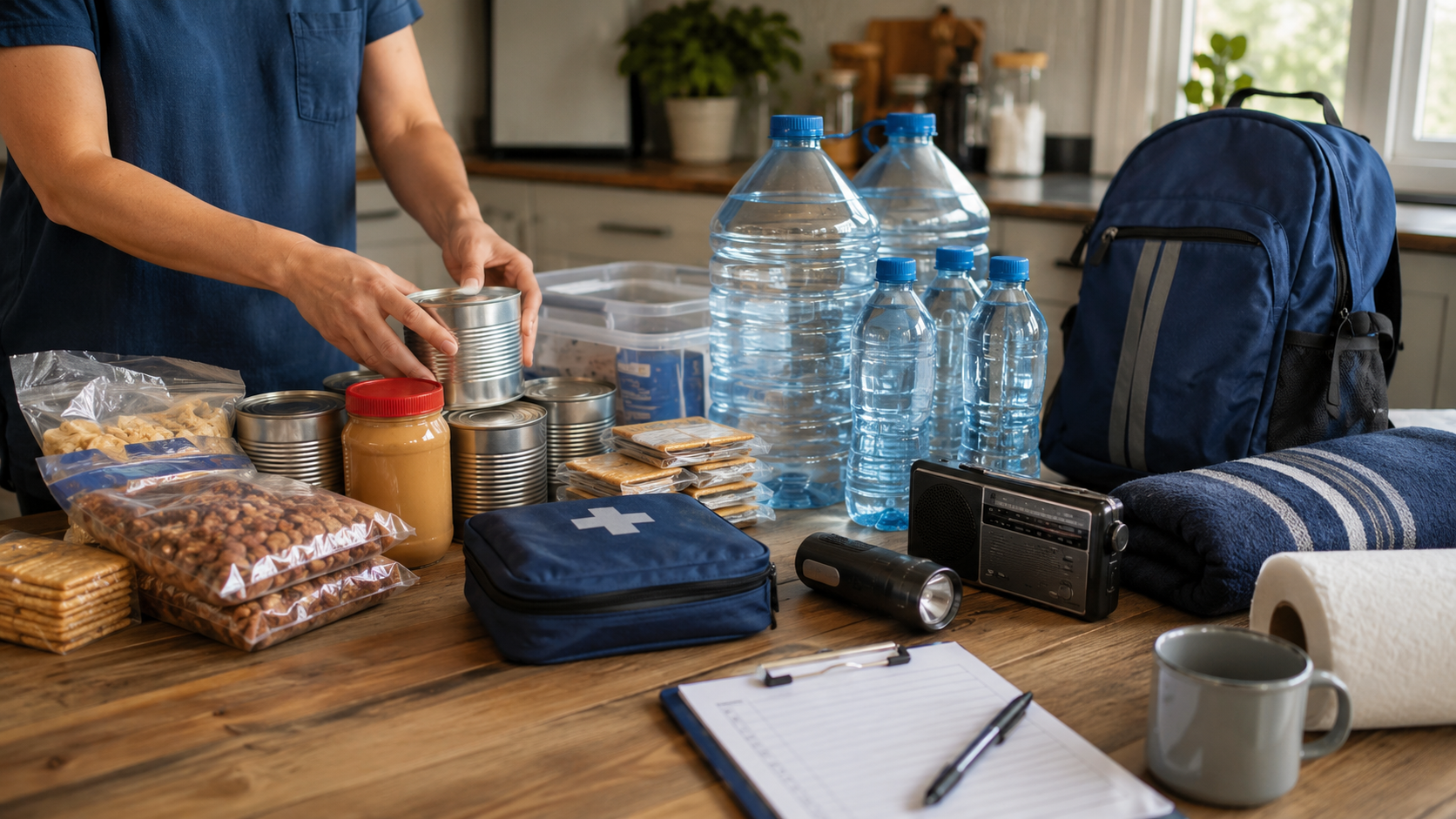
Having an emergency food supply is a crucial aspect of this preparation. But what are the best foods to store in case of an emergency? This post will delve into the essential food items you should always have in your pantry, ensuring you’re equipped to weather any storm.
From long-lasting staples to nutrient-rich options, we’ll guide you through building a robust emergency food supply. You’ll gain actionable insights into selecting foods with long shelf lives, nutritional value, and easy preparation.
Stay tuned as we unravel the mystery of emergency food storage, equipping you with the knowledge to face any unexpected situation with confidence and calm.
What foods have a long shelf life?
When preparing for emergencies, it’s crucial to stock up on foods that have a long shelf life. These include non-perishable items such as canned goods. Canned vegetables, fruits, and meats can last for years when stored in a cool, dry place.
Dry goods like rice, pasta, and beans also have impressive shelf lives. These staples are versatile and can be used in a variety of meals. Don’t forget about whole grains as they are packed with nutrients and can last for up to a year when stored properly.
Another category to consider is freeze-dried foods and dehydrated meals. These items can last for decades, making them ideal for emergency food storage.
Condiments such as salt, sugar, and honey are also essential. Not only do they add flavor to meals, but they also have indefinite shelf lives.
- Canned goods
- Dry goods
- Whole grains
- Freeze-dried foods
- Condiments
Having a variety of these foods in your emergency pantry will ensure you’re prepared for any situation. Remember, the key is to store these foods properly to maintain their shelf life and nutritional value.
How to store water for emergencies?
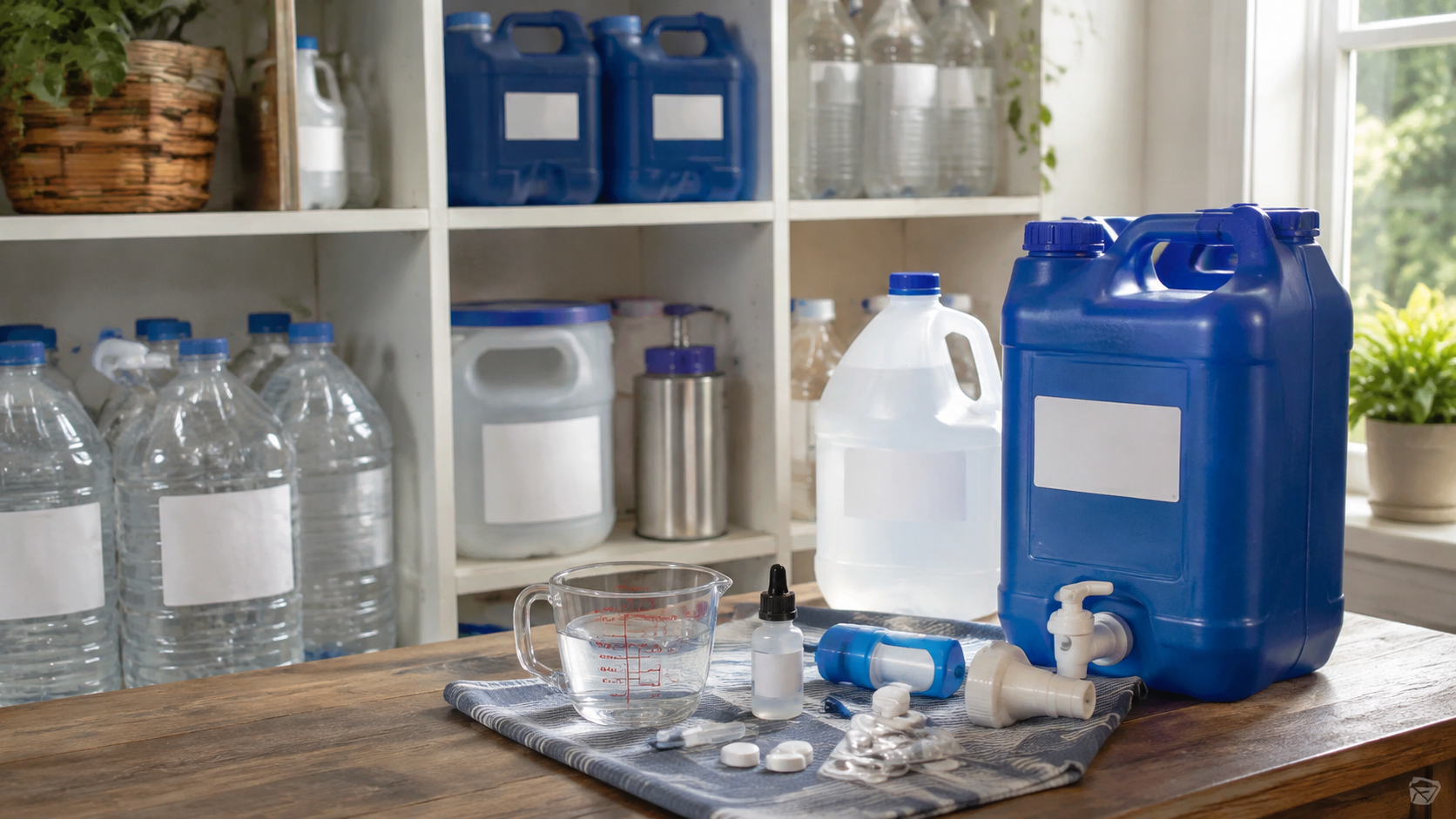
In the event of a disaster, having an emergency water supply is as vital as having a stockpile of non-perishable food items. Water is essential for hydration, cooking, and hygiene. The rule of thumb is to store at least one gallon of water per person per day for a minimum of three days.
Storing water properly is crucial to ensure its safety and usability. First, choose the right containers. Food-grade water storage containers are recommended. These are made from a special type of plastic that will not transfer toxic substances into the water.
Next, treat the water before storing. Boiling is a common method, but you can also use household bleach. Add eight drops of bleach per gallon of water, stir and let it stand for 30 minutes.
Remember to store your water in a cool, dark place. This helps prevent the growth of algae and bacteria.
Lastly, rotate your stored water every six months. This ensures you always have a fresh supply in case of emergencies.
Remember, having a supply of stored water is as important as having emergency food supplies. In a crisis, these resources can be the difference between survival and disaster.
Can I store fresh fruits and vegetables?
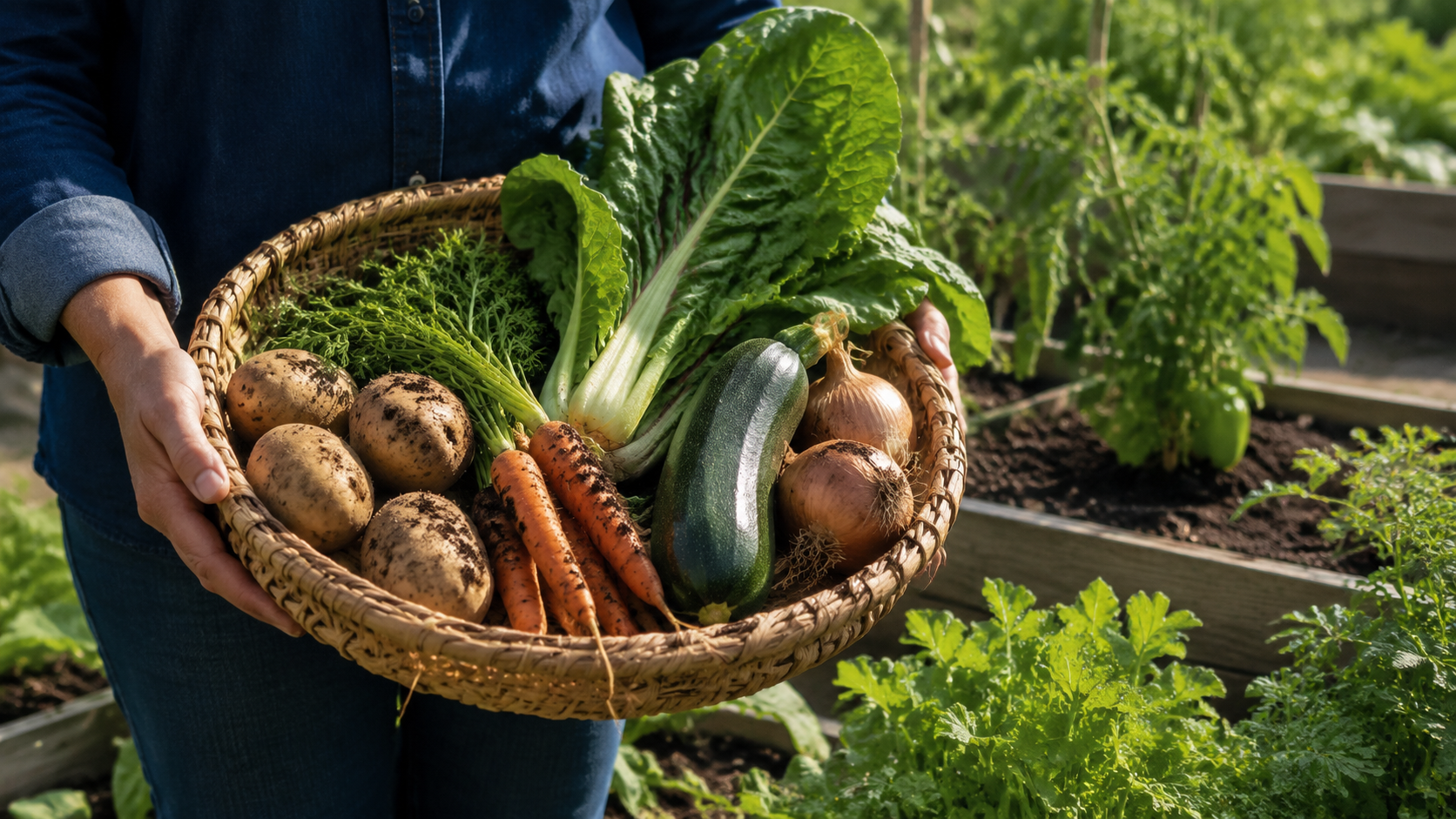
When it comes to emergency food storage, fresh fruits and vegetables may not be your first choice due to their short shelf life. However, with the right preservation techniques, they can be a valuable addition to your emergency food supply. Canning, for instance, can extend the shelf life of fruits and vegetables for years. It involves sealing food in airtight containers and heating them to kill microorganisms that cause spoilage.
Another method is dehydration. Removing the water content from fruits and vegetables inhibits the growth of bacteria, making them safe to store for extended periods. Dehydrated fruits and vegetables can be rehydrated when needed, providing a nutritious addition to meals.
Freezing is another viable option. However, it requires a consistent power supply, which may not be guaranteed during emergencies. As such, it’s advisable to have a mix of canned, dehydrated, and frozen fruits and vegetables to ensure a balanced diet.
- Canning – Preserves fruits and vegetables for years.
- Dehydration – Extends the shelf life by removing water content.
- Freezing – Requires consistent power supply.
Remember, food safety is paramount when storing fruits and vegetables for emergencies. Always use clean containers and follow proper preservation techniques to prevent foodborne illnesses.
What are the best canned foods for emergencies?
When faced with an emergency, having a stockpile of canned foods can be a lifesaver. Among the top choices for emergency food storage, canned beans stand out. They’re rich in protein and fiber, offering the necessary energy and nutrients for survival.
Canned fruits and vegetables are also essential. They provide a variety of vitamins and minerals and can be used in different meals, making your emergency food supply more diverse.
Another excellent option is canned meats, such as chicken, turkey, or tuna. These are rich in protein and can be eaten straight from the can or used in various recipes.
Canned soups and stews are also a must-have. They are easy to prepare, require minimal additional ingredients, and can provide a comforting meal in times of stress.
Canned dairy products, like condensed milk or evaporated milk, can be used in a variety of ways, from adding to coffee or tea to using in baking or cooking.
Lastly, don’t forget about canned fish. Rich in Omega-3 fatty acids, they’re an excellent source of protein and can be used in many dishes.
Remember, the key to a good emergency food supply is diversity and balance. So, when you’re choosing what canned foods to store, consider their nutritional value, shelf life, and your personal preferences.
How to rotate my emergency food supply?
Rotating your emergency food supply is a critical aspect of maintaining a fresh, nutritious, and safe stockpile. Start by organizing your supplies according to their expiration dates. Foods with the nearest expiry dates should be at the front, while those with later dates at the back. This “”first in, first out”” approach ensures that no food goes to waste.
Next, consider the type of food. Dry goods like rice, pasta, and beans have a long shelf life and require less frequent rotation. On the other hand, canned goods, although long-lasting, have a shorter shelf life and should be rotated more often.
Remember to keep a record of your stock. Having a detailed inventory will help you track what needs to be consumed first and what needs to be replaced.
Food rotation also involves using the stored food regularly. Use them in your day-to-day meals and replace them immediately. This method ensures that your emergency food supply remains fresh and familiarizes you with the preparation of these foods.
Lastly, storing a variety of foods not only provides nutritional balance but also prevents palate fatigue. Include a mix of grains, proteins, fruits, and vegetables in your emergency supply.
Remember, a well-rotated food supply is key to ensuring you have safe and nutritious food during emergencies.
Do I need to store cooking supplies?
Absolutely! When preparing for emergencies, storing cooking supplies is as essential as stocking up on non-perishable foods. You might have a pantry full of canned goods, but without the proper tools, you could find it challenging to prepare and consume these foods.
Consider keeping a manual can opener on hand, as electric ones will be useless during power outages. Also, a portable camp stove or grill can be invaluable for heating food when conventional cooking methods are unavailable. Including matches or a lighter in your emergency kit is a smart move too.
When it comes to utensils, opt for multi-purpose items. A Swiss Army knife, for instance, includes a blade, a can opener, and even a screwdriver – all in one compact tool.
Lastly, don’t forget about cleaning supplies. Hygiene is crucial in emergency situations to prevent the spread of disease. Include biodegradable soap, sponges, and disposable wipes in your kit.
Remember, the goal is to be self-sufficient during an emergency. Having the right cooking supplies on hand will ensure you can prepare and consume the foods you’ve stored safely and efficiently.
What is the importance of diversifying emergency food?
Diversifying your emergency food supply is vital for several reasons. Firstly, a variety of foods ensures a balanced intake of essential nutrients. Different foods provide different nutrients that your body needs to function optimally. For instance, canned vegetables are rich in vitamins and minerals, while whole grains provide much-needed fiber and energy.
Secondly, food diversity helps to prevent taste fatigue. Eating the same food repeatedly can lead to a lack of appetite, which can be detrimental in an emergency situation where maintaining strength and health is paramount. Including a mix of canned meats, fruits, vegetables, and grains can keep meals interesting.
Thirdly, certain foods can last longer than others. Combining non-perishable items with longer shelf life, like canned goods, with shorter shelf life items like dried fruits, ensures you have a food supply ready for immediate and long-term needs.
Lastly, diversification provides a safety net against food allergies or intolerances. Having a variety of foods ensures that if one or two items are unsuitable for someone, there are still plenty of other options available.
Remember, when building your emergency food supply, it’s not just about quantity, but also about quality and variety. This way, you’re prepared for any situation, from a short-term power outage to a long-term natural disaster.
Can I store dietary specific foods?
Absolutely! When planning your emergency food storage, it’s crucial to consider any specific dietary needs or restrictions. For those following a gluten-free diet, options like canned fruits and vegetables, rice, quinoa, and gluten-free crackers are excellent choices.
- For vegetarians and vegans, canned and dried beans, nuts and seeds, and whole grains are nutrient-dense foods that store well.
People with diabetes should focus on low-glycemic foods like whole grains, beans, and certain fruits. It’s essential to have a variety of non-perishable food items that cater to your specific dietary needs.
For those with high blood pressure or heart conditions, low-sodium canned vegetables, fruits, beans, and lean proteins are recommended. Always remember to check the labels for sodium content.
If you’re on a high-protein diet, canned tuna, chicken, or salmon, and dehydrated meats can be part of your emergency food supplies.
Remember, the key to effective emergency food storage is variety, balance, and consideration of dietary needs. This ensures that you have a healthy mix of foods that not only cater to your dietary requirements but also provide essential nutrients during emergencies.
Long-term storage foods like canned goods, dry mixes, and other staples can provide essential nutrients and variety in your diet. These foods are typically high in calories and nutrients, providing the necessary energy during emergencies.
Lastly, don’t forget about water. It’s advisable to store at least one gallon of water per person per day for at least three days. Water is essential for hydration, cooking, and sanitation.
Conclusion: Planning Your Emergency Food Supply
To wrap up, planning for emergencies by storing the right foods is a crucial aspect of preparedness. We’ve discussed the importance of selecting foods with a long shelf life, such as canned goods and dried foods, and how to properly store water for emergencies. We’ve also explored the possibility of storing fresh fruits and vegetables, albeit with a shorter shelf-life, and the importance of rotating your food supply to ensure freshness.
We’ve highlighted the necessity of storing cooking supplies alongside your food, and the significance of diversifying your emergency food supply to cater for nutritional needs and to prevent food fatigue. This includes considering dietary-specific foods for those with unique nutritional requirements.
As you plan your emergency food supply, remember that the key is to be proactive and versatile. Future trends may introduce new, innovative ways of food preservation and storage, but the principles of longevity, nutrition, and variety remain paramount. Stay informed, stay prepared, and remember that a well-planned emergency food supply can make a significant difference in times of crisis.
by PREPARE | Apr 5, 2025 | Uncategorized
When disaster strikes, will you be ready? Understanding what to hoard for emergencies is crucial in navigating unforeseen circumstances with ease and confidence. The importance of preparedness cannot be overstated, as it often makes the difference between survival and despair.
From food supplies to medical kits, the list of essential items is extensive. However, knowing what to prioritize can be a daunting task, especially for those new to emergency preparedness. This guide aims to demystify the process, providing you with a comprehensive overview of the items you should consider hoarding for emergencies.
So, whether you’re preparing for a natural disaster, a pandemic, or any other unforeseen event, this guide will serve as your roadmap. Let’s delve into the world of emergency preparedness, ensuring you’re equipped with the knowledge to face any crisis head-on.
What food items should I hoard for emergencies?
In the face of emergencies, having a well-stocked pantry can be a lifesaver. The key is to focus on non-perishable food items that have a long shelf life. Staple items like rice and pasta are ideal, as they can be stored for long periods and can be used in a variety of dishes.
Canned goods, such as fruits, vegetables, and meats, are also essential. They are already cooked, making them ready to eat if you lack electricity or cooking facilities. Don’t forget to include canned soups and stews in your emergency stash, as they can provide a warm, comforting meal during stressful times.
Protein bars and dried fruits are excellent choices for quick energy and can be easily stored and transported. Likewise, nuts and seeds are nutrient-dense and have a long shelf life, making them an ideal emergency food item.
-
-
-
- Instant meals like ramen noodles or macaroni and cheese can be prepared quickly with just hot water.
- Bottled water is crucial for hydration and cooking, so make sure to store enough for each family member.
- Don’t forget about comfort foods like chocolate or cookies, as they can provide a morale boost in difficult times.
Remember, it’s not just about stocking up on food, but also ensuring variety and nutritional balance. Consider dietary restrictions and allergies when choosing what to hoard. Rotate your emergency food supply to keep it fresh and check expiration dates regularly. When emergencies strike, having a well-prepared food stash can make a significant difference.
What medical supplies are essential for emergencies?
In the event of an emergency, having the right medical supplies on hand can make a significant difference. The first item to consider is a well-stocked first aid kit. This should include essentials such as bandages, antiseptic wipes, tweezers, medical tape, and a digital thermometer.
A good supply of over-the-counter medications is also crucial. This includes pain relievers, anti-diarrhea medication, antacids, and allergy medication. Always ensure you have a sufficient supply of any prescription medications you or your family members may need.
In addition, consider adding items like a manual suction device, which can help clear airways, and a first-aid manual for quick reference. Having a supply of masks and gloves can also be beneficial in certain situations.
- First aid kit
- Over-the-counter medications
- Prescription medications
- Manual suction device
- First-aid manual
- Masks and gloves
Remember, the goal is to be prepared for any situation that may arise. Having these items readily available can provide peace of mind, knowing you’re ready to handle any medical emergencies that may occur. It’s also important to regularly check your supplies and replace any expired or used items. This ensures your emergency medical supplies remain effective and ready for use when needed.
How much water should I store for emergencies?
When planning for emergencies, water is a critical resource to consider. The U.S. Federal Emergency Management Agency (FEMA) recommends storing at least one gallon of water per person per day for both drinking and sanitation. This means for a family of four, you should store at least four gallons of water per day.
If you anticipate a short-term emergency, a three-day supply of water, or 12 gallons for a family of four, may suffice. However, for long-term disasters, it’s advisable to store a two-week supply. That’s 56 gallons of water for a family of four.
Remember, these are minimum recommendations. Factors such as health conditions, age, and physical activity can increase individual water needs. Pregnant women and children, for example, may require more water.
Storing water can be done in commercially bottled water, which has a longer shelf-life, or in food-grade water storage containers. If using tap water, it’s important to treat it to kill bacteria and parasites. Boiling is the most effective method, but you can also use water purification tablets or household bleach.
In summary, store your water in a cool, dark place to prevent the growth of algae and bacteria, and replace it every six months if not commercially bottled.
Emergency preparedness is crucial, and having an adequate water supply can make a significant difference in survival situations. It’s always better to be safe than sorry.
GET A FREE SUBSCRIPTION TO PREPARE MAGAZINE
What survival tools are necessary in emergencies?
In emergencies, having the right survival tools can make all the difference. A crucial item to have on hand is a first aid kit, packed with essentials like bandages, antiseptic wipes, and pain relievers. A multi-tool, including a knife, can opener, and screwdriver, is another must-have.
Water purification tablets or a life straw are also vital for survival, as they allow you to drink from any water source safely. Portable chargers or solar-powered chargers ensure your communication devices stay powered, keeping you connected even in dire circumstances.
Emergency blankets, also known as space blankets, provide warmth and protection from the elements. They are lightweight and compact, making them a valuable addition to your emergency stash.
A flashlight, preferably hand-cranked or solar-powered, is another essential tool. It can help you navigate in the dark and signal for help if necessary.
In addition to these, food supplies that have a long shelf life, such as canned goods or freeze-dried meals, are crucial. Don’t forget a manual can opener if your multi-tool doesn’t include one.
In closing, having a battery-operated or hand-crank radio can provide you with vital information during an emergency. Remember, the goal is to be prepared, not scared. By equipping yourself with these survival tools, you can face any emergency situation with confidence.
Should I hoard cash for emergencies?
In a world where digital transactions are becoming the norm, it’s pertinent to ask, “”Should I hoard cash for emergencies?“”. The answer isn’t binary. While having a stash of physical currency can be beneficial in certain situations, it’s not always the most practical or safe option.
Think about the risks associated with storing large amounts of cash. Theft, loss, and damage from unforeseen events like fires or floods are all potential hazards. Banks and other financial institutions offer protections that your home safe or mattress simply can’t.
Moreover, in the event of a widespread power outage or digital systems failure, having cash on hand could be critical. But, these scenarios are relatively rare and usually short-lived.
Instead of hoarding cash, consider building a diversified emergency fund. This could include a mix of liquid assets like cash, but also easily accessible funds in a savings account, and perhaps a credit card reserved solely for emergencies.
Remember, the goal is to have resources available to you in a crisis, not necessarily to have a pile of cash sitting around.
In terms of other items to hoard for emergencies, consider the following:
- Non-perishable food and water
- First-aid supplies
- Essential medications
- Important documents
- Emergency contact information
These items are universally useful in a variety of emergency situations, making them a more practical choice than simply hoarding cash.
GET A FREE SUBSCRIPTION TO PREPARE MAGAZINE
What personal hygiene items are essential in emergencies?
In the face of an emergency, maintaining personal hygiene becomes a crucial part of survival. The first item on your list should be water. Not only for drinking but also for cleaning purposes. Next, stockpile a substantial amount of soap, both bar and liquid forms. Soap is essential for washing hands and body, helping to prevent disease spread.
Toilet paper is another item that is often overlooked. It’s a basic necessity for maintaining personal cleanliness. Hand sanitizers also play a vital role, especially when access to water is limited. They help kill germs and reduce the risk of infection.
Dental hygiene items such as toothbrushes, toothpaste and dental floss should not be forgotten. Oral health is directly linked to overall health, and neglecting it can lead to serious complications.
Consider including feminine hygiene products like sanitary pads and tampons in your emergency kit. These are essential for women during their menstrual cycle.
Disposable razors can be useful for maintaining cleanliness and personal comfort. Lastly, include deodorant in your kit. While it might not be a life-saving item, it can significantly improve comfort and morale during stressful situations.
Remember, hygiene items are often the first to run out in emergency situations, so it’s wise to have a sufficient stock at hand. These items not only ensure cleanliness but also help in preventing diseases and infections that can arise due to lack of hygiene.
What are essential documents to keep for emergencies?
In the face of an unexpected crisis, having access to certain key documents can make a significant difference. One of the most vital documents to have on hand is your identification. This can include your passport, driver’s license, or any other form of government-issued ID.
Another crucial document is your Social Security card. This card serves as proof of your identity and citizenship, and it is often required for various legal and financial transactions.
Healthcare documents such as your health insurance card and a list of your current medications are also essential. In a medical emergency, these documents can provide vital information to healthcare providers.
Financial documents, such as your bank account details and insurance policies, are also important to keep readily available. These can help ensure that you have access to funds and are covered in case of property damage or personal injury.
- Identification (passport, driver’s license)
- Social Security card
- Healthcare documents (health insurance card, medication list)
- Financial documents (bank account details, insurance policies)
In addition, it’s a good idea to have copies of your property deeds or rental agreements, vehicle titles, and any other documents related to your assets. These can prove ownership and may be necessary for insurance claims or other legal matters.
Remember, in an emergency, having these documents readily accessible can save you a lot of stress and hassle. So, it’s worth taking the time to gather these documents and store them in a safe, easily accessible place.
How to store fuel safely for emergencies?
Storing fuel for emergencies is a crucial aspect of disaster preparedness. However, it must be done with utmost care to prevent accidents. The first step is to choose the right containers. Use only approved fuel containers that are designed for long-term storage. Avoid using random bottles or jugs, as they may not be resistant to the corrosive nature of fuel.
Storing fuel in a cool, dry, well-ventilated area is a must. It should be away from living spaces and out of reach of children and pets. Never store fuel near a heat source or an open flame, as it is highly flammable.
To keep your fuel fresh for longer periods, consider using a fuel stabilizer. This additive can extend the life of your fuel, making it a valuable addition to your emergency supplies.
Regularly check your stored fuel for signs of degradation. If the fuel has changed color or has a strange smell, it is likely no longer safe to use.
Lastly, remember to rotate your fuel supply. Use the oldest fuel first and replace it with fresh fuel. This ensures that your emergency fuel supply is always fresh and ready to use.
Remember, safety should always be your top priority when storing fuel for emergencies.
Final Thoughts on Preparing for Emergencies
In closing, preparing for emergencies involves a comprehensive approach that encompasses various aspects of daily life. It is essential to have a stockpile of food and water, with the latter being stored in appropriate quantities to sustain you and your family. Medical supplies are a crucial part of any emergency kit, as they can be life-saving in crisis situations.
Survival tools are another key component of emergency preparedness, and their importance cannot be understated. Having cash on hand can also be beneficial in situations where electronic transactions are not possible. Personal hygiene items are equally important, as maintaining cleanliness can prevent the spread of diseases during emergencies.
Essential documents should be safely stored and easily accessible, as they may be needed for identification or legal purposes. Safe fuel storage is also a critical aspect of emergency preparedness, as it can provide a source of heat and cooking.
As we move forward, it’s crucial to stay informed about new advancements or trends that may impact emergency preparedness. This could include new survival tools, storage methods, or even changes in emergency response protocols. Ultimately, being prepared for emergencies is not just about hoarding items, but about being ready to adapt and respond to any situation that may arise. Remember, preparation today can make a significant difference tomorrow.
GET A FREE SUBSCRIPTION TO PREPARE MAGAZINE
by PREPARE | Apr 5, 2025 | emergency preparedness, off-grid, preparing for disaster, self-reliant living, water storage
In the face of a crisis, water is the essence of survival. It’s not just about quenching thirst, but also maintaining hygiene and potentially warding off diseases.
Understanding how to locate and purify water is a vital skill, one that could mean the difference between life and death. This knowledge isn’t exclusive to wilderness survival, but extends to urban emergencies as well, where conventional water sources may become compromised.
In the forthcoming sections, we will delve into practical methods of finding water, including natural sources and man-made reservoirs, along with essential purification techniques. So, whether you’re a seasoned survivalist or a novice prepper, this guide is your go-to resource for securing the most crucial element of survival – water.
Where to find water in a disaster?
In the face of a catastrophe, finding water becomes a critical survival strategy. This is because water is the cornerstone of life, and its scarcity can lead to dehydration and death. One of the most reliable sources of water during a disaster is your home’s water heater. It typically holds up to 50 gallons of drinkable water, which can be accessed by opening the drain valve at the bottom.
Another potential source is the toilet tank, not the bowl. The water stored here is usually clean and safe to drink. However, if you’re unsure about its cleanliness, it’s advisable to purify it before consumption.
Additionally, the outdoors offer several water sources. Natural bodies of water such as rivers, streams, and lakes can provide water, though it’s crucial to purify this water to eliminate any potential contaminants. Rainwater is another viable option, and it can be collected using buckets or other containers.
In an urban setting, public facilities such as schools, parks, or municipal buildings often have water fountains or taps that can be used.
Remember, purification is key in all these scenarios. Boiling, using water purification tablets, or a portable water filter can help ensure the water is safe to drink.
Conservation is equally important during a disaster. Avoid wasting water and ration your supply wisely to ensure it lasts until you can find a new source.
In emergencies, knowing where to find water can mean the difference between life and death. Therefore, understanding these strategies is vital for anyone seeking to be prepared for disaster scenarios.
In an emergency situation, having access to clean, drinkable water is paramount. One of the most effective methods is boiling. Boiling water kills many types of disease-causing organisms. Simply heat the water until it reaches a rolling boil and maintain for at least one minute.
Another method is using iodine tablets or chlorine bleach. These chemicals kill most pathogens found in water. Follow the instructions on the package to determine the correct dosage. Note that this method may leave an unpleasant taste in the water.
Another option is using a portable water filter. These devices remove bacteria, parasites and other harmful substances from the water. They are compact, lightweight, and easy to use, making them an excellent choice for emergency situations.
Distillation is another effective method of purifying water. This involves boiling the water and then collecting the steam, which condenses back into water. This method removes all impurities, including chemicals and salts.
In closing, exposure to sunlight can also be used to purify water. This method, known as SODIS (Solar Disinfection), involves filling a transparent plastic bottle with water and leaving it in direct sunlight for at least 6 hours. The UV rays from the sun kill harmful microorganisms in the water.
Remember that these methods should be used as a last resort when no other source of safe drinking water is available. It’s always best to prepare for emergencies by storing a sufficient supply of bottled water.
Can I drink flood water?
In the midst of an emergency situation, finding water can be a critical challenge. One might wonder, can I drink flood water? The short answer is, no. Flood water is often contaminated with numerous pollutants, including bacteria, viruses, and chemicals that could lead to serious health issues.
Flood water is not a safe or reliable source of drinking water. It can contain sewage overflow, harmful bacteria like E.coli, and hazardous substances washed away from roads and industrial areas. Drinking such water can lead to waterborne diseases such as cholera, typhoid, and dysentery, among others.
Instead, look for alternative sources of water in an emergency situation. Some of these include:
1. Rainwater: Collect and store rainwater for consumption. However, ensure to boil it before drinking to kill any potential pathogens.
2. Snow and ice: Melt snow and ice for drinking water. Avoid colored or dirty snow.
3. Natural springs: These can be a good source of water, but it’s crucial to purify the water before drinking.
4. Water from canned goods: Many canned foods contain water which can be used for hydration in emergencies.
Remember, in an emergency situation, finding water is crucial but ensuring its safety for consumption is equally vital. Always purify water before drinking to avoid health risks.
How to store water for emergencies?
Storing water for emergencies is a critical task that requires careful planning and execution. Water storage containers are a must-have for anyone looking to prepare for an emergency. These containers should be food-grade, meaning they are safe to store water that you plan to drink.
Next, consider the water source. Tap water, if it’s safe to drink, can be stored directly in the containers. If you’re using water from a well or a spring, it’s essential to purify it before storage. Boiling is a common method, but you can also use water purification tablets or a water purifier.
Equally important is the storage location. Ideally, the water should be stored in a cool, dark place to prevent the growth of algae and bacteria. Avoid places with direct sunlight or high temperatures.
Here are a few steps to follow when storing water:
1. Clean the water storage containers thoroughly.
2. Fill the container with water, leaving some space at the top.
3. Securely close the container to prevent contamination.
4. Store the container in a suitable location.
Remember, the storage duration also matters. As a rule of thumb, stored water should be used and replaced every six months. This ensures that the water remains fresh and safe to drink.
Lastly, don’t forget about water purification methods during emergencies. Having a plan to purify water can be a lifesaver when your stored water supply runs out. This can include boiling water, using purification tablets, or a portable water filter.
In essence, proper water storage is paramount in any emergency preparedness plan. By following these guidelines, you can ensure that you have a safe and reliable water supply when you need it most.
What is the best emergency water filter?
In an emergency situation, finding a reliable source of drinking water is paramount. Among the plethora of water filters available, the Sawyer Mini stands out as the best emergency water filter. It’s compact, lightweight, and capable of filtering up to 100,000 gallons of water.
The Sawyer Mini uses a 0.1 micron absolute filtration system, effectively removing 99.99999% of all bacteria, such as salmonella, cholera, and E.coli, and 99.9999% of all protozoa, such as giardia and cryptosporidium. It’s a highly efficient tool for emergency water purification.
Moreover, this filter can be attached directly to a drinking pouch, hydration pack, or even a disposable water bottle, making it an ideal choice for emergency situations. It also comes with a drinking straw for direct use from a water source.
Survivalists often recommend having multiple methods of water purification in an emergency. Other options include:
- Boiling: Kills most types of pathogens but does not remove chemical contaminants.
- Chemical treatment: Effective against most pathogens but may leave an unpleasant taste.
- Distillation: Effective against most pathogens and chemical contaminants but requires a heat source and time.
While these methods can be effective, they require time, resources, and may not be feasible in all situations. In contrast, the Sawyer Mini is ready to use instantly, providing clean, safe drinking water in any circumstance. Its efficiency, portability, and ease of use make it the top choice for an emergency water filter.
Can you drink rainwater in emergencies?
In dire circumstances, when access to clean water is limited, rainwater can serve as a potential source of hydration. However, it is essential to understand that while rainwater is generally pure as it falls from the sky, it can pick up various contaminants as it lands. It may collect pollutants from the atmosphere, rooftops, and even the containers used for collection.
Purification is a vital step when considering drinking rainwater in emergencies. Simple methods like boiling, using water purification tablets, or solar disinfection can be effective. These techniques can help eliminate potential pathogens and make the water safer for consumption.
When collecting rainwater, it is advisable to wait for a few minutes after the rain starts. This allows the rain to wash away most of the atmospheric pollutants. Using clean, sanitized containers for collection can further minimize the risk of contamination.
Here are some steps to purify rainwater:
1. Collect rainwater in a clean container.
2. Let it stand for at least an hour. This allows larger particles to settle at the bottom.
3. Filter the water using a cloth or coffee filter to remove smaller particles.
4. Boil the water for at least one minute or use water purification tablets as directed.
Remember, rainwater should only be used as a last resort and must be treated before consumption. Always prioritize finding a reliable source of clean, potable water in emergency situations.
How to collect rainwater for drinking?
Collecting rainwater for drinking during an emergency situation can be a lifesaver. The process is simple and requires only a few basic tools. First, you need a clean container to collect the rainwater. This could be a bucket, a barrel, or even a clean garbage can.
Next, find an open space where rainwater can easily be collected. This could be a rooftop or a yard. Avoid areas near trees or buildings, as these can contaminate the water with debris. Once you’ve found the perfect spot, place your container there and wait for the rain to fill it up.
After collecting the rainwater, it’s important to purify it before drinking. This can be done by boiling the water for at least 10 minutes, using water purification tablets, or a portable water filter.
- Collect rainwater in a clean container
- Find an open space for collection
- Purify the collected water before drinking
Remember, during an emergency situation, having access to safe drinking water is crucial. Knowing how to collect and purify rainwater can make a significant difference in your survival.
While rainwater is a great source of water during emergencies, it’s also a sustainable way to conserve water in daily life. So, mastering the skill of collecting rainwater is not only useful for emergencies but also for promoting sustainability and self-sufficiency.
Is snow a safe water source during emergencies?
Snow, a form of frozen water, is often considered a potential water source during emergencies. However, it’s crucial to understand that consuming snow directly can pose health risks. One of the primary concerns is the low temperature of snow. Consuming it directly can lead to a decrease in body temperature, potentially resulting in hypothermia.
Another concern is the potential presence of impurities in the snow. Snow can contain dirt, bacteria, or even harmful chemicals. Therefore, it’s advised to purify snow before consumption. The safest way to consume snow is by melting it first and then boiling the water. This process eliminates most of the harmful bacteria and parasites that could be present.
- Melt the snow: Collect clean, fresh snow and melt it. Avoid colored or dirty snow as it might contain impurities.
- Boil the water: After melting the snow, boil the water for at least one minute to kill any remaining bacteria or parasites.
Remember, finding water during an emergency situation is crucial, but it’s equally important to ensure the water source is safe. While snow can be a viable option, it should be consumed with caution, following the appropriate purification steps.
Conclusion: Navigating Water Needs During Emergency Scenarios
Navigating the landscape of water sourcing and purification during emergency situations can be daunting. This post has aimed to provide you with the knowledge and tools necessary to ensure your survival and well-being during such times. We’ve explored where to find water during a disaster, how to purify it, and whether or not certain sources such as flood water or snow are safe to consume.
The importance of storing water for emergencies was also discussed, along with the best emergency water filters available. Rainwater, often overlooked, can be a viable source of hydration in emergencies, provided you know how to collect and purify it effectively.
Remember, each situation is unique and requires different approaches. It’s crucial to understand the risks associated with each water source and to take the necessary steps to ensure its safety before consumption.
As we move forward, advancements in technology and survival strategies may further enhance our ability to secure clean water in emergency situations. It’s important to stay informed and prepared. Remember, knowledge is your best tool in any emergency situation. Stay safe and stay hydrated.
by PREPARE | Apr 5, 2025 | emergency preparedness, off-grid, preparing for disaster
When calamity strikes, preparedness is key. A well-stocked bug-out bag can mean the difference between survival and disaster. This post will delve deep into the essentials you need to pack in your bug-out bag, ensuring you’re equipped for any eventuality.
From life-saving tools to sustenance supplies, we’ll explore the must-haves for any survival kit. We’ll also touch on the importance of customizing your bag to suit your specific needs and circumstances.
Stay tuned as we unravel the mystery of survival preparedness. Whether you’re a seasoned prepper or a novice, you’ll find valuable insights here. Let’s embark on this journey together, and ensure you’re ready to face any emergency head-on.
What is a bug-out bag?
A bug-out bag is a portable kit that contains all the items one would require to survive for 72 hours when evacuating from a disaster. The concept originates from the military, with the term ‘bug out’ referring to the rapid withdrawal in the face of an impending threat.
A well-equipped bug-out bag holds a balance of survival essentials. These include water and a method to purify it, non-perishable food, and basic tools like a multi-tool, a flashlight, and a fire starter.
First aid supplies are also crucial, along with personal hygiene items. To maintain communication and receive emergency updates, consider including a hand-crank radio or a compact solar charger for your devices.
Moreover, it’s essential to pack for the weather. Include a lightweight, waterproof jacket, a hat, and good quality, durable footwear. To wrap up, remember to include important documents such as identification, cash, and maps of your local area.
A bug-out bag is not a one-size-fits-all solution. Personalize it based on your needs, considering factors such as dietary restrictions, personal health conditions, and the local climate. Remember, the goal is to keep you safe and comfortable during a critical situation.
Why is a bug-out bag important?
A bug-out bag is a crucial element in emergency preparedness. It is a portable kit that contains the items one would require to survive for 72 hours when evacuating from a disaster. The importance of these bags cannot be understated, as they provide essential supplies for survival situations.
Food, water, shelter, and warmth are the basic requirements for survival, and a well-equipped bug-out bag will contain items to fulfill these needs. High-energy, non-perishable food items and water purification tablets or filters are must-haves. A lightweight tent, sleeping bag, and emergency blanket can provide shelter and warmth.
First aid supplies are another crucial component of a bug-out bag. Injuries can occur during a disaster, and having the necessary supplies to treat them can make a significant difference in survival scenarios.
Communication and navigation tools, such as a radio and compass, are also vital. They can provide necessary information about the situation and help you navigate to safety.
Lastly, a bug-out bag should contain personal items, such as medication, personal documents, and cash. These items can prove invaluable in a disaster situation.
Having a bug-out bag ready not only prepares you for emergencies but also gives you peace of mind knowing that you’re prepared for any situation. It is a small investment that can potentially save lives.
What should be in a bug-out bag?
A bug-out bag, often referred to as a 72-hour kit, is a lifeline during emergencies. One of the primary items to include is water, either in the form of bottled water or purification tablets. Food is equally crucial; opt for non-perishable items like canned goods, energy bars, and MREs (Meals Ready to Eat).
Shelter and warmth are also essential components of a bug-out bag. This can include a lightweight tent, a sleeping bag, and emergency blankets. A good quality first-aid kit is indispensable for treating injuries.
Navigation tools such as a compass and maps of your local area can be vital for finding your way in unfamiliar terrain. A multi-tool, which includes a knife, can opener, and various other tools, can also prove very useful.
Lastly, remember to include a flashlight and extra batteries, a radio for receiving emergency broadcasts, and personal items such as prescription medications and important documents.
Fire-starting equipment — matches, lighters, or a fire starter — can be life-saving, providing warmth and a means to cook food.
All in all, a well-stocked bug-out bag can be the difference between life and death in an emergency situation. It’s crucial to consider all potential needs and scenarios when packing your bag.
Can food be stored in a bug-out bag?
Absolutely, food is a crucial component of any well-stocked bug-out bag. However, it’s not just about tossing in a few snacks. The key lies in selecting the right kind of food. Non-perishable, lightweight, and high-energy foods are the ideal choices. Items such as energy bars, dehydrated meals, canned goods with easy-open lids, and trail mix offer a good balance of protein, fats, and carbohydrates.
Remember to pack a manual can opener if your canned goods require one. You don’t want to be caught in a survival situation with cans of food and no way to open them.
It’s also essential to consider the shelf life of the food you pack. While canned goods can last for years, they are often heavy. Dehydrated meals and energy bars are lighter and also have long shelf lives.
Water is another vital element. While not technically food, it’s arguably the most critical survival necessity. Pack as much as you can feasibly carry, and include water purification tablets or a life straw to ensure you have access to clean drinking water.
• Rotate your food supplies: To ensure your food remains fresh and safe to eat, it’s a good idea to rotate the supplies in your bug-out bag periodically. Check the expiry dates and replace any items that are about to expire.
Food storage in a bug-out bag is not just practical; it’s a survival necessity. By packing wisely, you can have the energy and nutrition you need in an emergency situation. Remember, the goal isn’t gourmet dining; it’s survival. Choose your food items with that in mind.
How to pack a bug-out bag efficiently?
Packing a bug-out bag efficiently involves careful selection and organization of survival essentials. The first item on your list should be water and a means to purify it. This could be in the form of a purification tablet or a portable filter.
Next, a well-packed bug-out bag needs food. Opt for lightweight, high-energy food items like energy bars or freeze-dried meals. Don’t forget a compact cooking system, such as a portable stove and a metal pot.
Shelter and warmth are equally crucial. A lightweight tent or a bivvy sack, along with a compact sleeping bag, can protect you from the elements.
Your bag should also contain a first-aid kit, including bandages, antiseptic wipes, tweezers, medical tape, and pain relievers.
Communication and navigation tools are essential too. These can be a compass, maps, a whistle, and a solar-powered or hand-crank radio.
Lastly, remember to pack multi-purpose tools, such as a Swiss army knife or a multi-tool, and fire-starting items like waterproof matches or a lighter.
When packing these items, remember to balance the weight evenly in your bag. This will make carrying it over long distances more manageable. The goal is to be prepared for any situation while also maintaining mobility.
Efficient packing of a bug-out bag can mean the difference between survival and hardship in an emergency situation. Proper planning and thoughtful packing are key.
What are the best bug-out bag backpacks?
When it comes to bug-out bags, the backpack you choose is as important as the items you pack. The 5.11 Tactical Rush72 is a popular choice among survivalists. This military-grade backpack offers ample storage space and has a robust construction, ensuring durability in harsh conditions.
Another top-rated bug-out bag backpack is the Maxpedition Falcon-II. Known for its compact design and high-quality materials, it is ideal for those who prefer a lightweight yet sturdy bag. The Falcon-II features multiple compartments, allowing for organized storage of essential survival items.
The Condor 3 Day Assault Pack is another excellent option. It boasts a large carrying capacity, making it perfect for storing all the crucial bug-out bag items. Plus, its comfortable shoulder straps reduce strain during long treks.
For those who prioritize comfort, the Osprey Atmos AG 65 is a must-consider. It’s renowned for its Anti-Gravity suspension system that makes heavy loads feel lighter. The Atmos AG 65 also offers various pockets and compartments for easy access to your survival gear.
Lastly, the Mystery Ranch 2-Day Assault Pack is worth mentioning. Its unique 3-ZIP design allows quick access to your gear, and it’s built to withstand rugged use.
Remember, the best bug-out bag backpack for you depends on your individual needs and preferences. Consider factors such as comfort, durability, size, and organization when making your choice.
Is a first-aid kit necessary in a bug-out bag?
Absolutely, a first-aid kit is a critical component of any bug-out bag. When facing an emergency situation, injuries are often inevitable. Having a well-stocked first-aid kit can make the difference between a minor and a major injury, or even life and death.
The kit should include items such as bandages, antiseptic wipes, tweezers, medical tape, and pain relievers. These items can treat a range of injuries, from minor cuts and scrapes to more serious wounds. Additionally, it’s advisable to include personal medication or any specific medical supplies that you or your family members might need.
Another reason why a first-aid kit is essential in a bug-out bag is its utility in survival situations. For instance, the medical tape can be used for repairs, while the tweezers can be helpful in removing splinters or ticks.
Remember, the goal of a bug-out bag is to ensure survival during an emergency. Therefore, every item in the bag must serve a specific purpose. A first-aid kit, with its versatile and lifesaving components, undoubtedly fulfills this requirement. So, when packing your bug-out bag, make sure a first-aid kit is at the top of your list.
How much water should be in a bug-out bag?
The amount of water to pack in your bug-out bag is a crucial factor to consider. As a general rule, it is recommended to carry at least one liter of water per person per day. However, the exact amount can vary based on individual needs, physical exertion, and climate conditions.
For instance, in hot or arid environments, more water may be necessary. It’s also important to remember that water is heavy, so balance is key. You don’t want your bag to be too heavy to carry comfortably.
In addition to actual water, consider including water purification tablets or a life straw in your bug-out bag. These items can be life-savers in situations where you have access to water, but it’s not safe to drink.
- 1 liter of water per person per day
- Water purification tablets
- Life straw
Remember, staying hydrated is vital for survival. So, while it’s essential to pack other items like food, first aid kits, and shelter supplies, water should always be a priority in your bug-out bag.
Concluding Thoughts on Essential Bug-Out Bag Items
To wrap up, understanding the concept of a bug-out bag and its importance is crucial for anyone who wants to be prepared for any unforeseen circumstances. It’s not just about having a bag, but about knowing what to put in it. From food and water supplies to a first-aid kit, the contents of your bug-out bag can make a significant difference in a survival scenario.
Packing your bag efficiently is also a key factor, as is choosing the right backpack. A bug-out bag should be compact yet capable of holding all the necessary items. The inclusion of a first-aid kit is not just an option but a necessity. As for water, the amount to store depends on various factors, including the size of your bag and your personal needs.
In the future, the concept of a bug-out bag may evolve with new survival gear developments and trends. Therefore, it’s important to stay informed and update your bag accordingly. Remember, the goal is to ensure your survival and comfort during a crisis. So, keep refining your bug-out bag and stay prepared.
by PREPARE | Apr 5, 2025 | Blog, emergency preparedness, Food Storage, preparing for disaster
The world can be unpredictable. Natural disasters, financial crises, health emergencies – these are all realities we might face. But how prepared are we to handle such situations? This is where the concept of a ‘preparedness mindset’ comes into play.
Having a preparedness mindset means being ready for the unexpected. It’s about being proactive rather than reactive, planning ahead, and having the mental fortitude to face any challenge head-on.
We’ll delve into the intricacies of this mindset, exploring its importance and how it can be cultivated. From personal preparedness to community readiness, we will uncover the various facets of this essential life skill.
So, whether you’re a survivalist, a planner, or simply someone looking to enhance your resilience, you are in the right place. Let’s embark on this journey of preparedness together, and uncover the power of a mindset ready for anything.
What Is A Preparedness Mindset?
A preparedness mindset is a state of mental readiness, a proactive approach that emphasizes the importance of being equipped for potential challenges or emergencies. This mindset can be applied in various aspects of life, including personal safety, financial stability, and even in managing business risks.
Key elements of a preparedness mindset include:
1. Anticipation: This involves identifying potential risks and threats in advance. It’s about foreseeing possible scenarios and planning accordingly.
2. Planning: A person with a preparedness mindset doesn’t just anticipate risks; they devise strategies and contingency plans to cope with them. This could involve creating an emergency fund, establishing an evacuation plan, or developing a business continuity strategy.
3. Training: Preparedness is not just about theoretical knowledge; it’s about practical skills. Whether it’s first aid training, financial literacy, or crisis management skills, a preparedness mindset encourages continuous learning and skill development.
4. Resource Management: Effective resource management is a crucial part of preparedness. This involves knowing how to allocate and utilize resources wisely, ensuring they’re available when needed.
5. Resilience: A preparedness mindset fosters resilience, the ability to bounce back from adversity. It’s about developing mental toughness and an optimistic outlook, even in the face of challenges.
A preparedness mindset is not about living in fear or constant worry. Instead, it’s about empowering oneself through knowledge, planning, and action. It’s about taking control of one’s life and future, rather than leaving things to chance. Embracing a preparedness mindset can lead to a more secure, confident, and resilient life.
How To Develop A Preparedness Mindset?
Developing a preparedness mindset is about cultivating an attitude of readiness for any situation. This mindset is rooted in the understanding that unexpected events can occur at any time, and it is essential to be prepared.
Firstly, practicing situational awareness is a key step. This involves constantly observing your surroundings and identifying potential risks or hazards. By doing so, you can anticipate possible outcomes and plan accordingly.
Secondly, acquiring knowledge and skills relevant to survival and emergency situations is crucial. This could range from learning first aid procedures to understanding how to find food and water in the wilderness.
Thirdly, it’s essential to maintain a positive mental attitude. Challenges are inevitable, but with a positive mindset, you can overcome obstacles and adapt to changing circumstances.
Lastly, regular practice is crucial. This involves putting your knowledge and skills to the test in real-life scenarios to ensure you are ready to handle any situation.
- Practice situational awareness
- Acquire knowledge and skills
- Maintain a positive mental attitude
- Regular practice
Through these steps, you can effectively cultivate a preparedness mindset, equipping yourself to face any unexpected event with confidence and resilience.
Why Is Preparedness Mindset Important?
A preparedness mindset is an invaluable asset in navigating life’s unpredictable challenges. This mindset, often associated with emergency response or survival situations, is equally applicable in everyday scenarios. It allows individuals to anticipate potential obstacles and strategize solutions in advance, thereby reducing stress and enhancing decision-making capabilities.
Having a preparedness mindset cultivates resilience, a quality that enables individuals to bounce back from setbacks and adapt to change. This resilience is not just about surviving, but thriving amidst adversity. It promotes a proactive approach, encouraging individuals to take control of their circumstances rather than being passive victims of fate.
Furthermore, a preparedness mindset fosters personal growth. It pushes individuals to step out of their comfort zones, learn new skills, and adapt to new situations. This continuous learning and adaptability is crucial in today’s rapidly changing world.
In terms of professional settings, a preparedness mindset can significantly enhance productivity and efficiency. It can help in identifying potential risks and devising contingency plans, thereby minimizing downtime and maximizing output.
In essence, a preparedness mindset is not just about preparing for disasters, but about equipping oneself with the skills and mindset to handle any situation, big or small, with confidence and composure.
What Are The Elements Of A Preparedness Mindset?
A preparedness mindset is not just about having a plan; it’s about building resilience and being able to adapt to changing circumstances. It involves developing a proactive attitude and a willingness to take responsibility for one’s own safety and wellbeing.
The first element of a preparedness mindset is awareness. This involves understanding the risks you face in your daily life and being conscious of your environment.
The second element is knowledge. Gathering information about potential threats and learning how to mitigate them is crucial. This could involve formal training, self-education, or simply staying informed about current events.
The third element is planning. Having a plan in place for various scenarios can give you a sense of control and reduce anxiety during a crisis.
In closing, a preparedness mindset involves practice. Regularly rehearsing your plans and updating them as necessary ensures that you are ready to act when the time comes.
Remember, a preparedness mindset is not about living in fear, but rather about empowering oneself through awareness, knowledge, planning, and practice. It’s about being ready for whatever life throws your way.
Can A Preparedness Mindset Reduce Stress?
Having a preparedness mindset can significantly reduce stress levels. When you’re prepared, you have a plan in place to handle unexpected situations, which reduces the fear of the unknown and the stress associated with it. This mindset is not just about having a physical readiness but also about mental and emotional readiness.
A preparedness mindset encourages proactive behavior. Proactivity minimizes the panic and anxiety that often accompany unexpected situations. Instead of reacting to problems, you’re anticipating them and preparing solutions in advance, which can significantly lower stress levels.
A key aspect of a preparedness mindset is resilience. Resilience is the ability to bounce back from adversity. It’s about having the mental strength to face challenges head-on and the flexibility to adapt to changing circumstances. Resilience can serve as a buffer against stress, providing a sense of control in unpredictable situations.
• Preparedness also promotes a sense of self-efficacy, the belief in one’s ability to handle situations effectively. Self-efficacy can reduce stress by fostering confidence in your abilities and reducing feelings of helplessness.
In closing, a preparedness mindset fosters a positive attitude. A positive outlook can help manage stress by promoting optimism and reducing negative thinking. It encourages you to view challenges as opportunities for growth rather than threats, reducing the stress associated with facing difficulties.
In essence, a preparedness mindset provides you with the tools to manage stress effectively. It promotes proactive behavior, resilience, self-efficacy, and a positive attitude, all of which can significantly reduce stress levels.
How To Maintain A Preparedness Mindset?
Maintaining a preparedness mindset is essential in navigating through life’s unexpected challenges. It involves being ready to face any situation, including disasters, economic downturns, or personal crises. This mindset equips you with the resilience to withstand and recover from setbacks, thereby enhancing your survival skills and overall wellbeing.
To foster a preparedness mindset, you must first understand the risks associated with your environment. This includes familiarizing yourself with potential hazards and developing an action plan to address them. Regularly updating your knowledge and skills is also crucial to stay ahead of unforeseen circumstances.
Secondly, embracing a proactive lifestyle is vital. This goes beyond merely reacting to situations but involves anticipating possible scenarios and devising strategies to mitigate their impacts. It also includes maintaining a healthy lifestyle, as physical wellbeing contributes significantly to mental readiness.
Next, cultivating a positive outlook is key to maintaining a preparedness mindset. This involves believing in your ability to overcome challenges and viewing setbacks as opportunities for growth. It also entails practicing gratitude and focusing on the positive aspects of life.
Lastly, it’s important to practice stress management techniques, such as meditation and yoga, to maintain mental clarity and focus. These practices not only enhance your mental strength but also improve your decision-making skills, which are crucial in crisis situations.
In essence, maintaining a preparedness mindset requires continuous learning, proactive living, positive thinking, and effective stress management. By adopting these strategies, you can navigate life’s uncertainties with confidence and resilience.
What Are The Benefits Of Having A Preparedness Mindset?
A preparedness mindset is an invaluable asset in navigating the unpredictability of life. It equips an individual with the ability to anticipate potential challenges and develop proactive strategies to mitigate them. This mindset fosters resilience, empowering individuals to bounce back from adversities with relative ease.
A key benefit of the preparedness mindset is stress reduction. By planning ahead and considering possible outcomes, one can effectively manage anxiety and worry associated with uncertainty. This mental state also promotes better decision-making, as individuals can assess situations objectively and make informed choices.
Another advantage is the enhancement of self-confidence. When you are prepared, you are confident in your ability to handle whatever comes your way. This boosted self-esteem can translate into improved performance in various life areas, from work to personal relationships.
In terms of personal growth, a preparedness mindset encourages continuous learning and skill development. By preparing for different scenarios, individuals can acquire new skills and knowledge, fostering personal and professional growth.
Furthermore, a preparedness mindset can foster a sense of control. Even in chaotic situations, being prepared can help maintain a sense of order and stability, providing a psychological buffer against stress and anxiety.
Lastly, a preparedness mindset can lead to improved health. By being prepared for health-related emergencies, one can make swift decisions that could potentially save lives.
In essence, cultivating a preparedness mindset can significantly enhance an individual’s resilience, confidence, and overall quality of life.
Does Preparedness Mindset Apply To Everyday Life?
A preparedness mindset isn’t just for emergency situations or survival scenarios. It’s a way of life that can be applied to everyday situations. This mindset involves anticipating potential outcomes and planning accordingly, which can be beneficial in many aspects of daily life.
For example, a preparedness mindset can help in managing finances. By anticipating potential financial hurdles, one can plan and save for the future. This can lead to financial stability and peace of mind.
In the workplace, a preparedness mindset can be the difference between success and failure. Being prepared can mean researching a client before a meeting, or studying for a presentation, which can lead to improved performance and job satisfaction.
• In relationships, having a preparedness mindset can mean anticipating the needs and wants of your partner, leading to a more fulfilling and harmonious partnership.
In health, a preparedness mindset can mean regular check-ups and healthy lifestyle choices, leading to improved longevity and quality of life.
In essence, a preparedness mindset is not just about being ready for disasters, but being ready for life. It’s about anticipating challenges, planning for the future, and taking control of your destiny. This mindset can be applied to all aspects of everyday life, from finances to health, to relationships and work. A preparedness mindset can lead to a more fulfilling, successful, and stress-free life.
Wrapping Up: The Power of a Preparedness Mindset
Ultimately, a preparedness mindset is a crucial life skill that can be cultivated and maintained. It is not only about being ready for emergencies but also about dealing with everyday challenges. Developing such a mindset involves understanding its importance, knowing its elements, and consistently practicing it. The benefits of a preparedness mindset are numerous, including stress reduction and improved overall well-being.
It is important to remember that maintaining a preparedness mindset is a continuous process. It requires constant learning and adapting, especially in the face of new developments and trends that can impact our lives. This mindset can indeed be applied to everyday life and can significantly enhance one’s ability to navigate through various situations with confidence and ease.
To truly harness the power of a preparedness mindset, it is recommended to practice mindfulness, engage in regular self-reflection, and embrace a proactive approach to life. By doing so, you can better anticipate and respond to potential challenges, thus leading a more balanced and fulfilling life. The journey towards a preparedness mindset is a rewarding one, and the benefits are well worth the effort.