Battling the Freeze: Strategies for Surviving Cold Weather Emergencies

Battling the Freeze: Strategies for Surviving Cold Weather Emergencies

When a crippling cold weather event strikes, it can bring life to a complete standstill.  News articles have bombarded us with images showing the devastating impact of severe cold on communities. The lower the temperatures or the longer they persist, the more havoc they wreak on our lives. Therefore, understanding how to survive a cold weather event is imperative.

Unlike hot weather crises, cold weather events often involve ice or snow, making roads impassable and trapping residents in their homes without food, water, or power. The difference is stark and dangerous, highlighting the importance of preparation and knowledge.

The Danger of Cold Weather for the Unprepared

Preparation is key to surviving almost any situation, including weather events. For those unprepared, the consequences can be severe, risking health and even life. A loss of electricity, a common occurrence during such events, means no heating for most people. Even those with fireplaces often don’t have enough firewood stocked to last through the ordeal.

Frostbite is a real danger, even indoors. It can develop in less than half an hour when temperatures are extremely low. As the mercury drops closer to zero, the likelihood of this emergency increases. In just fifteen minutes, frostbite can occur, especially if temperatures in your home fall below 32 degrees Fahrenheit.

Understanding these risks and preparing accordingly can make the difference between a manageable situation and a life-threatening one. By staying informed and ready, you can safeguard your well-being against the icy clutches of a severe cold weather event.


Get a FREE Subscription to PREPARE Magazine

Let’s look at some practical tips and Strategies…

When the temperature drops and the winter storms rage, it’s important to be prepared for the dangers that come with cold weather emergencies. Understanding the nature of these emergencies, how to prepare for them, coping with injuries, survival strategies, as well as rescue and recovery are all vital in ensuring safety and well-being in extreme conditions.

I. Understanding Cold Weather Emergencies

Extreme cold can be a serious threat to health and safety, leading to a variety of cold weather injuries such as hypothermia and frostbite. Cold weather emergencies can be caused by harsh winter conditions, snowstorms, freezing rain, and blizzards. These conditions can result in accidents, power outages, and transportation disruptions, making it vital to understand the risks and take necessary precautions.

II. Preparing for Cold Weather Emergencies

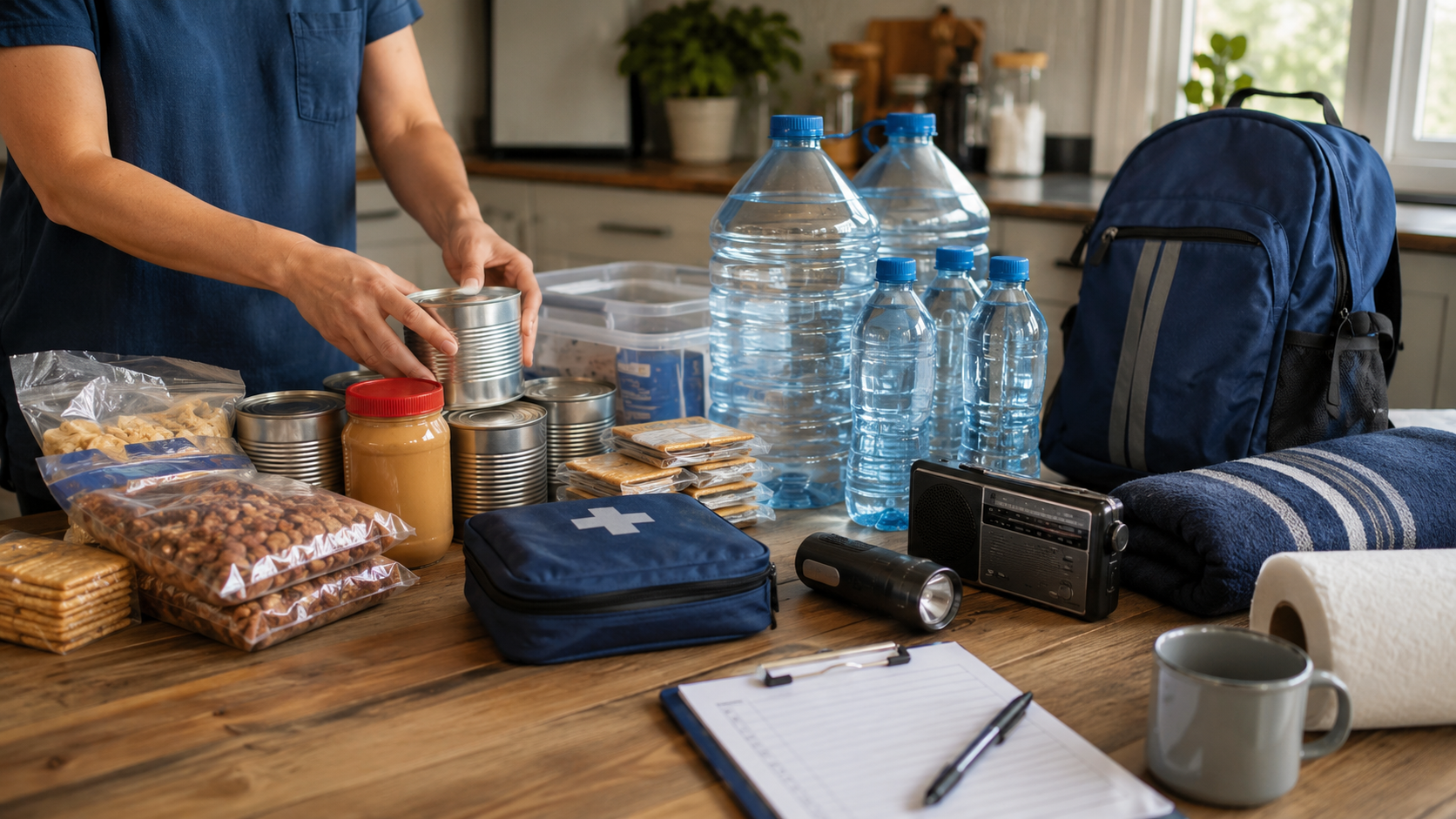
A well-stocked emergency kit is essential for surviving cold weather emergencies. Items such as blankets, warm clothing, non-perishable food, and a first aid kit are important to include. Dressing in layers and wearing appropriate cold weather gear is also crucial in preventing cold weather injuries. Additionally, having access to safe shelter and heating options, as well as communication and emergency plans, will ensure readiness for unforeseen circumstances.

III. Coping with Cold Weather Injuries

Hypothermia and frostbite are common cold weather injuries, and it’s important to recognize the symptoms and provide immediate first aid. Treatment and management of these injuries are essential to prevent complications, and seeking medical help when necessary will promote recovery and prevent long-term damage.

IV. Survival Strategies in Cold Weather Emergencies

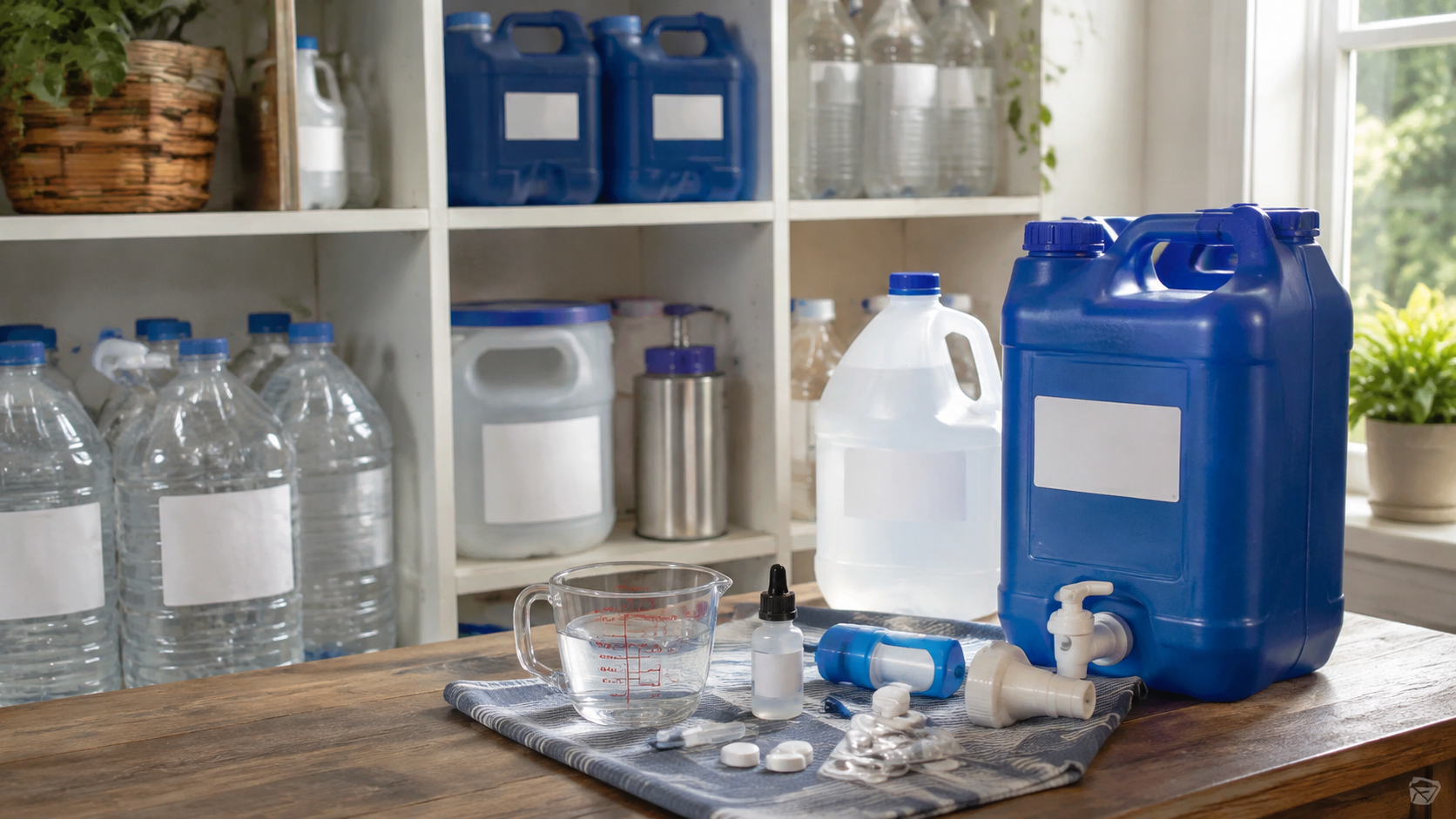
In the event of being stranded in extreme conditions, it’s important to know how to build shelter, create and maintain fire, find and purify water, as well as navigate and signal for help. Mental and emotional resilience is also crucial in survival situations, as maintaining a positive mindset can significantly impact the outcome.

V. Rescue and Recovery in Cold Weather Emergencies

In the event of needing rescue or assistance, it’s important to know how to signal for help and how to navigate roadside and remote assistance. Treating and transporting injured individuals, as well as providing post-rescue care and management, are necessary for a successful recovery.

Here are some FAQ’s:  Battling the Freeze: Strategies for Surviving Cold Weather Emergencies

Q: What are common cold weather injuries?

A: Common cold weather injuries include hypothermia and frostbite, caused by prolonged exposure to cold temperatures.

Q: How can I prepare for a cold weather emergency?

A: Creating an emergency kit, dressing in appropriate cold weather gear, and having access to safe shelter, heating options, and communication plans are essential in preparing for a cold weather emergency.

Q: What should I do if I suspect someone has hypothermia or frostbite?

A: Providing immediate first aid, seeking medical help, and preventing long-term complications are important when coping with cold weather injuries.

Q: What are some survival strategies for cold weather emergencies?

A: Building shelter, creating and maintaining fire, finding and purifying water, as well as maintaining mental and emotional resilience are vital in survival situations.

Q: What should I do in the event of needing rescue or assistance?

A: Knowing how to signal for help, navigating roadside and remote assistance, as well as providing post-rescue care and management are necessary for a successful recovery.

Consider Building a Root Cellar for Preparedness – A Step Towards Self-Sufficiency

Consider Building a Root Cellar for Preparedness – A Step Towards Self-Sufficiency

In the realm of preparedness and self-sufficiency, few measures can compare to the practicality and long-term benefits of building a root cellar. This age-old method of food storage, steeped in tradition yet remarkably relevant in today’s world, serves as a reliable safeguard against unexpected circumstances.

Imagine a space, right in your backyard, that harnesses the earth’s natural insulation to preserve your harvests. A root cellar not only extends the shelf-life of your fruits and vegetables but also reduces reliance on artificial refrigeration.

As we delve deeper into the art and science of root cellaring, you’ll discover its potential to transform your approach to food storage and overall preparedness. Join us as we explore the steps of constructing a root cellar, the ideal conditions for various produce, and the immense satisfaction of self-reliance. Your journey towards a more resilient lifestyle starts here.

Why Build a Root Cellar?

A root cellar can be a vital asset for those seeking to enhance their preparedness for unexpected circumstances. Primarily, it serves as a natural storage method for preserving various types of food. The cool, stable temperatures and high humidity levels inside a root cellar create an ideal environment for storing fruits, vegetables, and other perishable items. This allows for extended shelf life, reducing the risk of food wastage and ensuring a steady supply of fresh produce even in off-season periods.

Furthermore, building a root cellar contributes to self-sufficiency. In the event of a power outage or a disruption in supply chains, a well-stocked root cellar can provide a reliable source of nourishment. It eliminates the dependency on electric refrigeration and supermarkets, offering peace of mind in times of uncertainty.

Building a root cellar also offers economic benefits. By storing homegrown or locally sourced produce, you can save significantly on grocery bills. Moreover, it reduces the energy costs associated with conventional refrigeration methods.

In addition to these practical benefits, a root cellar can also be seen as a sustainable choice. It utilizes the earth’s natural insulation, requiring no additional energy input for maintaining optimal storage conditions. This makes it a green alternative to electric-powered storage methods.

In terms of construction, a root cellar can be built using simple materials and techniques, making it a feasible project for DIY enthusiasts. It can be a standalone structure or incorporated into an existing building, offering flexibility in design and placement.

Ultimately, building a root cellar is a strategic move for those seeking to enhance their preparedness, promote self-sufficiency, and adopt a more sustainable lifestyle.

What is a Root Cellar?

A root cellar is a structure, often subterranean, used for storing vegetables, fruits, nuts, or other foods. Its purpose is to maintain temperature, humidity, and other conditions that help prolong the life and preserve the quality of produce. Root cellars have been utilized for centuries and are making a comeback as more individuals seek sustainable and self-sufficient living methods.

Building a root cellar is a practical step towards preparedness. It provides a cool, dark, and humid environment perfect for storing a variety of crops. This can be particularly beneficial in times of emergency, where access to fresh produce may be limited.

A few things to consider when building a root cellar for preparedness include:

  • Location: It’s best to choose a spot with good drainage and easy access.
  • Size: The size of the root cellar will depend on your storage needs.
  • Materials: Common materials used include wood, stone, and earth.

Moreover, a well-designed root cellar can help reduce reliance on refrigeration, thus saving energy. It also allows for the enjoyment of homegrown produce year-round, contributing to healthier eating habits.

In the face of uncertain times, a root cellar serves as a practical and cost-effective solution for food storage. It’s a testament to the wisdom of our ancestors and a valuable tool for modern-day preparedness.

How to Build a Root Cellar?

A root cellar is a practical solution for anyone considering preparedness strategies. It is a low-cost, energy-efficient way to store food supplies, particularly fruits and vegetables, throughout the year. Here are a few steps to build one:

1. Location Selection: Choose a well-drained area with a slight slope. The location should ideally be north-facing to keep the cellar cool during summer.

2. Design and Size: The design of your root cellar will depend on your needs. A walk-in cellar is ideal for large-scale storage while a box-type cellar is suitable for smaller quantities.

3. Construction: Dig a hole that is slightly larger than your intended cellar size. Line the hole with insulation material like straw or polystyrene to maintain a consistent temperature.

4. Ventilation: Proper ventilation is crucial to prevent the build-up of harmful gases. Install a PVC pipe for air inflow and another pipe for outflow.

5. Shelving: Install shelves or bins for storage. Remember to keep different types of produce separated to prevent cross-contamination.

Building a root cellar is a proactive step towards preparedness. It not only ensures a steady supply of fresh produce but also fosters sustainability and self-reliance. A well-constructed root cellar is a valuable addition to any homestead, providing peace of mind and food security.


Get a FREE SUBSCRIPTION

Best Location for a Root Cellar?

When considering building a root cellar for preparedness, location is crucial. The ideal location is a north-facing slope, which offers natural insulation and protection from the sun’s heat. A root cellar built into a hillside provides superior temperature control, maintaining a consistent cool temperature ideal for storing fruits, vegetables, and canned goods.

Another option is to build your root cellar underneath your house. This option offers easy access but requires careful consideration of drainage and ventilation. A root cellar in a basement must be well-insulated to maintain optimal temperatures, and you’ll need to ensure that it’s sealed off from pests.

If you don’t have a hillside or a basement, you can still build a root cellar in your backyard. The key is to make sure it’s well-insulated and buried deep enough to take advantage of the earth’s natural coolness.

Here are a few factors to consider:

  • Soil type: Sandy or loamy soil is ideal for drainage.
  • Water table: The cellar should be above the water table to avoid flooding.
  • Accessibility: Ensure easy access to your house, especially during harsh weather conditions.

Remember, the location of your root cellar plays a significant role in its effectiveness. It’s a critical aspect of preparedness planning, ensuring you have a sustainable food storage solution in case of emergencies.

Ideal Temperature for a Root Cellar?

When considering building a root cellar for preparedness, the temperature is a crucial factor. A root cellar serves as a natural refrigerator, using the earth’s stable temperature to store fruits, vegetables, and other perishables. For optimal preservation, the ideal temperature range for a root cellar is between 32°F and 40°F. This cool, stable environment helps to slow the produce’s respiration rate, extending its shelf life.

Ensuring your root cellar maintains this temperature range can be achieved through proper design and location. Building your root cellar into a hillside or partially underground can help take advantage of the earth’s natural insulation. Additionally, proper ventilation is essential to maintaining a cool temperature and preventing the buildup of ethylene gas, which can hasten spoilage.

It’s also important to consider the types of produce you plan to store. Different types of fruits and vegetables have varying temperature and humidity requirements. For instance, apples and pears prefer temperatures near 30°F while potatoes and onions do well around 40°F.

Proper planning and understanding of these temperature needs can ensure the success of your root cellar and contribute to your overall preparedness efforts. Remember, a well-maintained root cellar can provide a reliable food source, especially during winter months when fresh produce may be scarce.

What to Store in a Root Cellar?

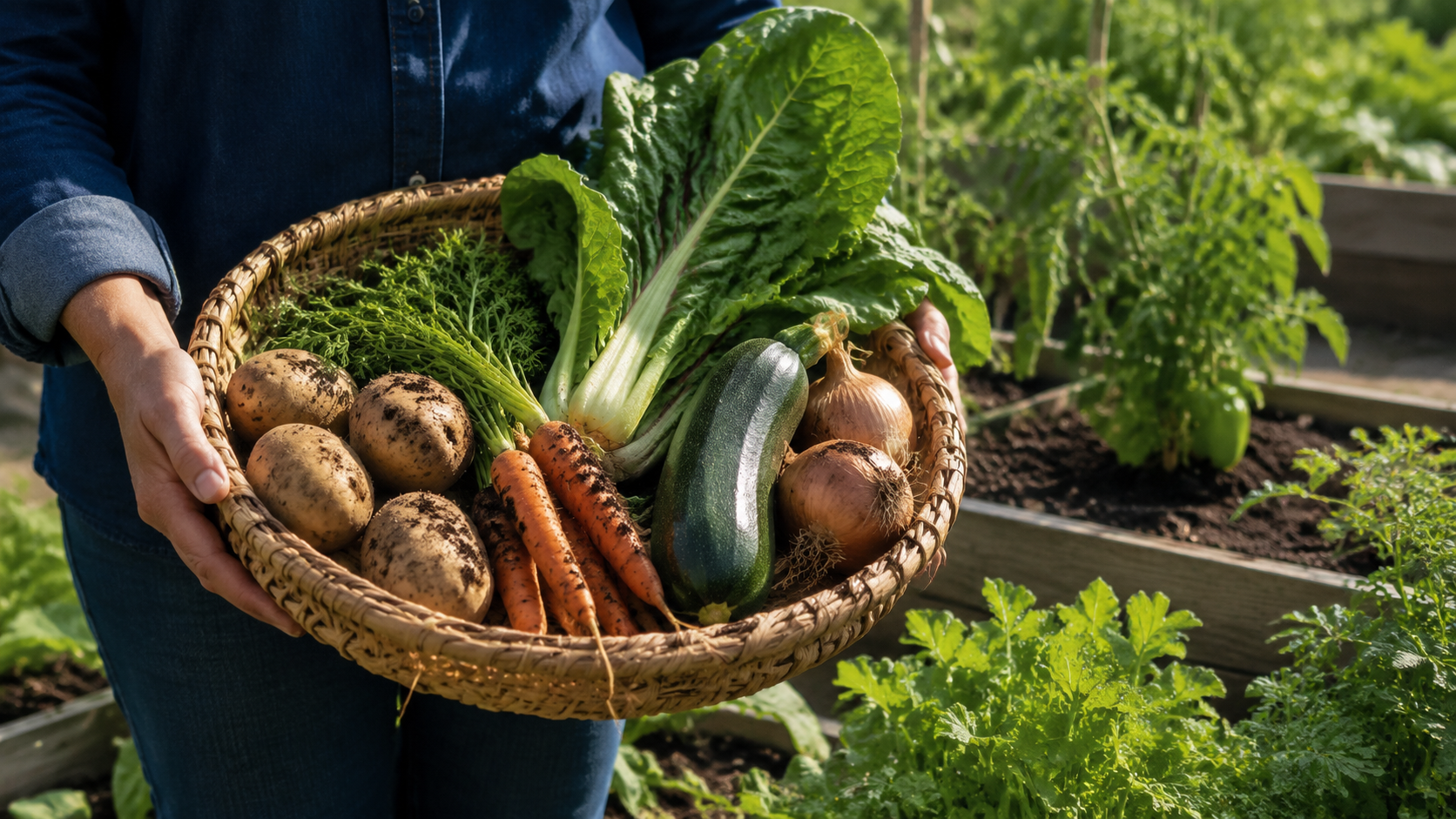
A root cellar is a practical and energy-efficient way to store food, particularly if you’re considering building one for preparedness. The cool, dark, and humid conditions in a root cellar make it an ideal place to store a variety of produce. Common items to store include root vegetables such as carrots, potatoes, and beets, as they thrive in this environment and can last for several months.

In addition to root vegetables, you can also store fruits that do well in cooler conditions. Apples and pears, for instance, can be kept in a root cellar for an extended period. Besides, a root cellar is great for preserving canned goods, as the consistent temperature helps maintain their quality.

Next, consider storing hardy winter squashes like butternut, acorn, and spaghetti squash. These vegetables have a long shelf life and will do well in a root cellar.

  • Carrots
  • Potatoes
  • Beets
  • Apples
  • Pears
  • Canned goods
  • Winter squashes

Moreover, a root cellar can be a safe place to store dairy products like cheese, as the constant cool temperature slows down the ripening process.

Remember, a root cellar is more than just a storage space. It is a strategic approach to food preservation, reducing waste, and promoting sustainability. By understanding what to store in a root cellar, you’re taking a step towards self-sufficiency and preparedness.


Maintaining a Root Cellar

A well-maintained root cellar can be an essential part of your home’s preparedness plan. This age-old storage method is not only cost-effective but also eco-friendly, providing a natural and energy-efficient way to store vegetables, fruits, and other perishables.

To keep your root cellar functional, proper ventilation is critical. It helps regulate temperature and humidity, preventing rot and mold growth. Regularly check and clean the vents to ensure optimal airflow.

Another crucial aspect is monitoring the temperature. A typical root cellar should maintain a temperature between 32°F and 40°F. You can use a thermometer to keep track of this.

Humidity is also vital for a root cellar. Ideal humidity levels should be between 85% and 95%. This can be achieved by placing trays of water in the cellar or using a humidifier.

Proper organization is key in a root cellar. Store your produce correctly to prevent spoilage. Here are some tips:

  • Store fruits and vegetables separately to avoid ethylene gas build-up.
  • Check your produce regularly and remove any that’s starting to spoil.
  • Keep produce off the floor and avoid overcrowding.

Maintaining a root cellar is not a one-time task but a continuous process. Regular checks and adjustments will keep your cellar in optimal condition, ensuring your home’s preparedness for any situation. Remember, a well-maintained root cellar is a valuable asset in any home.

Benefits of a Root Cellar for Preparedness?

A root cellar is an invaluable asset when it comes to preparedness. It serves as a natural storage area, maintaining a consistent temperature and humidity level, ideal for preserving food. This food security aspect is one of the key benefits of having a root cellar.

The root cellar’s cool and moist environment is perfect for storing various produce, including fruits, vegetables, and even canned goods. This makes it a sustainable choice for those considering their food preservation options. Not only does it reduce reliance on electricity-dependent appliances, but it also minimizes waste, as food stored in a root cellar tends to last longer.

Another noteworthy benefit is the root cellar’s potential for storing water and other emergency supplies. In the event of a disaster, having a stockpile of essential items can be life-saving. The root cellar’s naturally cool temperature can also prove beneficial for storing certain medicines.

When considering building a root cellar for preparedness, it’s worth noting the flexibility and adaptability of these structures. They can be built in various sizes and designs, fitting into different spaces. Whether you have a large backyard or a small urban plot, there’s a root cellar design that can work for you.

To summarize, a root cellar offers a range of benefits for those looking to enhance their preparedness. From food security to emergency supply storage, it’s a worthwhile investment for anyone seeking self-sufficiency and peace of mind.

Summing Up: The Importance of Building a Root Cellar for Preparedness

Ultimately, the concept of building a root cellar for preparedness is not only practical but also vital for sustainable living. The key points covered in this post have encompassed the ‘why’, ‘what’, ‘how’, ‘where’, ‘when’ and ‘what to store’ in a root cellar.

The root cellar’s purpose and benefits are clear: it provides a natural and cost-effective means for food storage, contributing significantly to preparedness in case of emergencies. The ideal location and temperature for a root cellar have been discussed, highlighting the importance of careful planning before construction.

The process of building a root cellar is not as daunting as it may seem, with numerous resources available to guide you. The benefits of having a root cellar for preparedness are numerous, from saving on grocery bills to having a reliable food source during unforeseen circumstances.

As we move forward, the trend towards self-sustainability and preparedness is likely to continue to grow. Building a root cellar is a step in the right direction, offering both practical and long-term benefits. So, consider building a root cellar as a part of your preparedness plan, it’s a worthy investment.

Preparedness Skill:  Learning How to Save Seeds from Existing Plants

Preparedness Skill: Learning How to Save Seeds from Existing Plants

Learning How to Save Seeds from Existing Plants is an important skill to learn for self-reliance and preparedness.  In the article below, we share some important tips for learning and developing this important skill.

Saving seeds from existing plants is an empowering practice that not only allows you to preserve heirloom seeds but also turns you into an active participant in the fascinating world of seed saving. By mastering the art of seed saving, you can create a self-sustaining garden while contributing to the preservation of diverse heirloom varieties. This chapter will guide you through the process, from simple techniques like dry harvesting to more complex methods such as fermentation. Not only will you ensure the continuity of these precious plant resources, but you can also share your knowledge within your community, fostering a resilient and interconnected gardening network.

Get your free Subscription to PREPARE Magazine

Benefits of Saving Seeds:

1. Preservation of Heirloom Seeds: Saving seeds from existing plants is a vital practice in preserving heirloom seeds. Heirloom varieties carry the history and genetic diversity of our plants and are at risk of being lost without conservation efforts.

2. Self-Sustaining Garden: By learning how to save seeds, you can create a self-sustaining garden. Instead of relying on external sources for seeds each season, you can harvest, store, and replant your own seeds, reducing costs and ensuring a continuous supply.

3. Customization and Adaptation: Saving seeds allows you to tailor your plants to your specific needs and preferences. Over time, you can select seeds from plants with desirable traits, such as disease resistance, flavor, or productivity, resulting in a garden perfectly adapted to your unique growing conditions.

Seed Saving Techniques:

1. Dry Harvesting: Dry harvesting is a simple and commonly used method for saving seeds. It involves allowing the plants to mature fully and dry on the plant before harvesting the seeds. This method is suitable for plants with dry seeds, such as beans, peppers, or sunflowers.

2. Wet Processing: Some plants, like tomatoes or cucumbers, have seeds surrounded by a gel-like substance. Wet processing is required to separate the seeds from this gel. The process includes fermenting the seeds in water to remove the gel, rinsing, and drying them before storage.

3. Biennial Plants: Biennial plants, like carrots or beets, form seeds in their second year, requiring overwintering. These plants require specific techniques, including overwintering the plants or storing them in a cool and dry place until the following spring.

Get your free Subscription to PREPARE Magazine

Storing Saved Seeds:

1. Proper Labeling: It is crucial to label your saved seeds accurately. Include the plant’s name, variety, and the date of collection. Proper labeling ensures you can keep track of your seeds and share them with others confidently.

2. Cool and Dry Storage: To maintain seed viability, store them in a cool and dry place, ideally between 32 and 41°F (-5°C). Low humidity levels and consistent temperatures will prolong their shelf life.

3. Seed Containers: Use airtight containers, such as glass jars or seed envelopes, to store your saved seeds. These containers protect the seeds from moisture, light, and pests.

Sharing Seeds and Knowledge:

1. Community Seed Exchanges: Seed saving is a perfect opportunity to foster community resilience and interconnectedness. Participate in community seed exchanges or start one in your area to share your saved seeds and gain access to new varieties from fellow gardeners.

2. Educating Others: Share your seed-saving knowledge and experience with others. Conduct workshops or host events to empower fellow gardeners to become seed savers themselves. By spreading this information, you contribute to a more sustainable and diverse gardening community.


Learning how to save seeds from existing plants is a valuable skill that not only enables you to preserve heirloom seeds but also empowers you to take control of your garden’s sustainability. By utilizing techniques like dry harvesting and wet processing, you can successfully save a wide range of seeds. Ensure proper storage and labeling, and consider participating in seed exchanges and educating your community to promote a resilient and interconnected network of gardeners. Embrace the art of seed saving, become a steward of biodiversity, and contribute to the preservation of our precious plant resources.

Starting a Seed Bank for Preparedness – Your Guide to Self-Sufficiency

Starting a Seed Bank for Preparedness – Your Guide to Self-Sufficiency

In a world often riddled with uncertainty, self-sufficiency becomes more than a lifestyle; it’s a necessity. Imagine the empowering feeling of growing your food, knowing that you have a reliable source of sustenance at your fingertips.

Starting a seed bank for preparedness is the first step towards this independence. It’s about cultivating a diverse collection of seeds that will ensure your survival and nourish your family in any situation.

This journey towards self-reliance is not just about survival, but also about embracing a lifestyle that respects and nurtures the environment. So, are you ready to take the first step towards self-sufficiency? Join us as we delve into the fascinating world of seed banking. Together, we will explore how to start, maintain, and use a seed bank for preparedness.

Why Start a Seed Bank?

Starting a seed bank is an essential step towards preparedness and self-sufficiency. It provides a reliable source of diverse, high-quality seeds for future planting, ensuring food security in uncertain times. By preserving seeds, you’re safeguarding genetic diversity, which is crucial for adapting to changing environmental conditions and potential threats like disease or pests.

Seed banks also offer an opportunity to cultivate heirloom varieties, many of which have been passed down through generations and hold unique flavors and nutritional profiles. These seeds are often more resilient and adaptable than commercial seeds, making them a valuable asset in any survival situation.

Creating a seed bank isn’t just about survival, though. It’s about taking control of your food supply, knowing exactly where your food comes from, and ensuring it’s grown without harmful chemicals or GMOs. It’s a way to connect with nature, learn about different plant species, and contribute to the preservation of biodiversity.

Starting a seed bank requires some initial investment of time and resources, but the benefits far outweigh the costs. You’ll need to learn about seed saving techniques, storage conditions, and germination requirements for different species. But once you’ve mastered these skills, you’ll have a renewable source of food and the peace of mind that comes with being prepared for any situation.

Remember, a well-stocked seed bank is more than just a collection of seeds. It’s a living library of plant genetics, a tool for food sovereignty, and a testament to the resilience and foresight of its creator. So, why not start your seed bank today?

FREE SUBSCRIPTION TO PREPARE MAGAZINE


Choosing the Right Seeds

When starting a seed bank for preparedness, the first step is selection. It’s crucial to choose seeds that are hardy, easy to grow, and can thrive in your local climate. These might include vegetables like tomatoes, peppers, and beans, or grains such as wheat and corn.

Selecting heirloom seeds is another important consideration. Unlike hybrid seeds, heirloom varieties have been passed down through generations, and they retain their original traits. This makes them a reliable choice for a seed bank as they are known for their longevity and resilience.

Also, consider the nutritional value of the plants you’re growing. Opt for seeds that will produce nutrient-dense foods. This way, you’re not just growing food, but you’re also ensuring that your diet remains balanced and healthy during times of emergency.

Seed storage is another critical aspect. You’ll want to store your seeds in a cool, dark, and dry place to maintain their viability. It’s also advisable to regularly rotate your seed stock to ensure freshness.

Ultimately, remember to include seeds of plants that are beneficial to your garden’s ecosystem. These could be plants that attract beneficial insects or those that naturally repel pests.

Starting a seed bank for preparedness is a proactive step towards self-sufficiency. By choosing the right seeds, you’re laying the foundation for a sustainable and resilient food source.

How to Store Seeds?

Storing seeds properly is a crucial step in starting a seed bank for preparedness. The first step is to dry the seeds properly. This helps in preserving the viability of the seeds for a longer period. The drying process should be done in a cool, dark place with good air circulation.

Once the seeds are adequately dried, they should be stored in an airtight container. This prevents moisture from reaching the seeds, which can lead to mold growth and seed decay. Glass jars with rubber seals are often recommended for this purpose.

The stored seeds should be kept in a cool and dark place. This helps in preserving the seeds’ vitality. The ideal temperature for seed storage is below 40 degrees Fahrenheit.

It’s also important to label your seeds. This should include the type of seed and the date of storage. This information can be crucial when it’s time to use the seeds.

  • Dry the seeds
  • Store in an airtight container
  • Keep in a cool, dark place
  • Label your seeds

FREE SUBSCRIPTION TO PREPARE MAGAZINE

Remember, the key to a successful seed bank is not just about collecting seeds, but also about storing them properly. This ensures that when the time comes to use the seeds, they are still viable and ready to grow.

Long-term Seed Storage Tips

Starting a seed bank for preparedness is a crucial step towards ensuring food security. Seed storage plays an integral role in this process as it can significantly extend the lifespan of your seeds. The first tip for long-term seed storage is to keep seeds dry. Moisture can lead to the growth of mold and fungi, which can damage your seeds.

Another key tip is to store seeds in a cool place. High temperatures can reduce the seeds’ viability and shorten their lifespan. A temperature of about 40 degrees Fahrenheit is ideal for seed storage.

Proper packaging is also essential when storing seeds. Use airtight containers to prevent moisture and pests from reaching your seeds. Glass jars with tight-fitting lids or vacuum-sealed bags are excellent choices for seed storage.

One must also consider the seed variety. Some seeds, like those of tomatoes and peppers, can last for up to ten years if stored correctly. Others, like onions and parsley, have a shorter shelf life.

Lastly, regular seed testing is crucial. It ensures that your seeds are still viable and ready for planting when the time comes. This involves planting a few seeds from your storage and checking if they germinate.

Starting a seed bank for preparedness is a long-term commitment, but with these tips, you can ensure the longevity and viability of your seeds.

Maintaining Your Seed Bank

Maintaining a seed bank is an essential aspect of preparedness planning. Regularly check your seed bank to ensure the seeds are still viable and replace any that have passed their germination period. This practice, known as seed rotation, is crucial for the longevity of your seed bank.

Store your seeds in a cool, dark, and dry place to prevent them from sprouting prematurely. Airtight containers or vacuum-sealed bags are ideal for seed storage, as they protect seeds from moisture and pests.

Labeling is another important aspect of seed bank maintenance. Clearly mark each seed packet with the type of seed and the date of storage. This helps in effective seed rotation and prevents confusion during planting.

Seed diversity is also essential for a well-rounded seed bank. Including a variety of fruits, vegetables, herbs, and grains in your seed bank ensures you have a balanced diet in case of emergencies.

Remember, the key to a successful seed bank is regular maintenance and rotation. With these tips, you can ensure your seed bank remains a reliable source of food for years to come.

FREE SUBSCRIPTION TO PREPARE MAGAZINE


Trading and Sharing Seeds

The act of trading and sharing seeds is a vital part of establishing a successful seed bank for preparedness. This practice not only fosters community engagement, but also enhances biodiversity and ensures the survival of various plant species.

By trading seeds, you can diversify your seed bank, which is crucial for long-term sustainability. Different plant species have different growth requirements and resilience to environmental changes. Therefore, having a wide variety of seeds increases the chances of successful plant growth and food production, regardless of the circumstances.

Sharing seeds also plays a significant role in preserving heirloom varieties. These are plants that have been passed down through generations, selected for specific traits, and adapted to local conditions. By sharing these seeds, we can preserve our agricultural heritage and protect biodiversity.

Here are a few tips on how to effectively trade and share seeds:

  • Always store seeds properly to maintain their viability.
  • Ensure the seeds are labeled correctly with their variety and date of collection.
  • Consider the needs and preferences of the person you are trading or sharing with.

Remember, the goal of a seed bank is not just survival, but also the preservation of biodiversity and agricultural heritage. By trading and sharing seeds, we can contribute to this goal and ensure a sustainable future.

Best Practices for Seed Germination

When starting a seed bank for preparedness, it’s crucial to understand the best practices for seed germination. To ensure the viability of your seeds, proper storage is key. Keep your seeds in a cool, dry place, away from direct sunlight. The use of silica gel packets can help maintain low humidity levels, extending the lifespan of your seeds.

When you’re ready to plant, soak your seeds in water for 12-24 hours. This softens the seed coat and kickstarts the germination process. Plant your seeds at the correct depth; a general rule is to plant seeds three times as deep as their width.

Maintaining the optimal temperature for germination is vital. Different plant species have unique temperature requirements, so be sure to research this beforehand. A heating mat can help maintain consistent soil temperatures and improve germination rates.

Watering is another significant factor in seed germination. Overwatering can lead to rot, while underwatering can hinder germination. Maintain a balance by ensuring the soil is consistently moist, but not waterlogged.

Lastly, remember that patience is key. Germination can take anywhere from a few days to a few weeks, depending on the plant species. By following these best practices, you’ll be well on your way to starting a successful seed bank for preparedness.

Dealing with Seed Legislation and Restrictions

When starting a seed bank for preparedness, understanding the seed legislation in your region is vital. Seed laws vary widely, from restrictions on importing foreign species to rules governing the sale and trade of seeds. These laws are often in place to protect local ecosystems from invasive species, but they can also impact your ability to build a diverse seed bank.

Seed restrictions often apply to certain types of seeds, particularly those from plants considered invasive or potentially harmful to local ecosystems. It’s essential to research these restrictions before purchasing seeds to avoid legal complications.

In some regions, there may also be laws regarding the storage and preservation of seeds. For instance, some countries require that seeds be stored in specific conditions to maintain their viability. It’s crucial to understand these regulations to ensure your seed bank remains compliant.

In addition to legal restrictions, there may also be practical considerations. Certain seeds may require specific conditions for germination, making them less suitable for a general-purpose seed bank.

Seed legislation can also impact the sourcing of seeds. Some laws restrict the sale of seeds to licensed vendors, while others may prohibit the trade of certain species entirely. It’s crucial to understand these laws to ensure you’re sourcing your seeds legally and ethically.

In closing, remember that legislation can change, so it’s important to stay informed about any updates to seed laws in your region. Regularly checking with your local agricultural extension or seed trade organization can help keep you up-to-date on any changes.

Conclusion: Harvesting the Benefits of Seed Banking

Starting a seed bank is an essential step towards preparedness; it not only ensures food security but also contributes to preserving biodiversity. This article has extensively covered the importance of seed banking, from understanding why to start a seed bank, to the selection of appropriate seeds and their proper storage.

Long-term seed storage tips have been provided, highlighting the importance of maintaining the right conditions to ensure seed viability. We’ve also discussed the significance of maintaining your seed bank and the potential benefits of trading and sharing seeds, which can strengthen community resilience and promote diversity.

Best practices for seed germination have been shared, ensuring the successful growth of your seeds. We’ve also touched on the importance of being aware of seed legislation and restrictions, which can impact your seed banking efforts.

As we move forward, trends such as climate change and increased urbanization may pose challenges to seed banking. However, with the right knowledge and practices, these hurdles can be overcome. Remember, starting a seed bank is not just about preparedness, but also about taking part in a global effort to secure our food future and preserve our planet’s biodiversity. So, start your seed bank today and reap the benefits for years to come.

Alternative Heating Options during a blackout – Embracing the Dark with Warmth

Alternative Heating Options during a blackout – Embracing the Dark with Warmth

When the power goes out, and the chill sets in, how do you keep warm? It’s a question that often leaves us cold, literally and figuratively.

Exploring the world of alternative heating options during a blackout, this post delves into the heart of survivalist warmth. We navigate through traditional methods, innovative solutions, and eco-friendly alternatives, shedding light on the best ways to combat the cold during a power outage.

The journey to self-sufficiency in heating during a blackout is more than just about staying warm; it’s about resilience, resourcefulness, and readiness. So, let’s embark on this enlightening journey together, as we uncover the secrets of alternative heating options during a blackout.

Can fireplaces provide heat during blackouts?

prepare magazineAbsolutely, fireplaces can be an effective source of heat during blackouts. They are a traditional heating method that doesn’t rely on electricity, making them a reliable alternative heating option. Wood-burning fireplaces are the most common type, and they can provide warmth for several hours with a good supply of wood.

The heat output of a fireplace depends on the type of wood used. Hardwoods like oak and hickory burn hotter and longer, while softwoods like pine and cedar ignite quickly but burn faster. It’s important to have a well-ventilated area for a fireplace to prevent carbon monoxide buildup.

Gas fireplaces are another option that can work during power outages. They use natural gas or propane as fuel, and many models come with a battery backup system. This ensures that the fireplace can still ignite even if there’s no electricity.

However, it’s worth noting that not all fireplaces are created equal. Some are more energy efficient than others. For instance, a fireplace insert, which is a closed-combustion system, can heat a room more effectively than an open-hearth fireplace.

Also, consider the safety aspects of using a fireplace during a blackout. Keep a fire extinguisher nearby, and ensure your smoke and carbon monoxide detectors are battery-operated or have a battery backup.

Remember, while fireplaces can indeed provide heat during blackouts, they should be used responsibly and safely.

What is a kerosene heater?

A kerosene heater is a portable, unvented heating device that is fueled by kerosene. This makes it an ideal alternative heating option during a blackout, as it does not rely on electricity. The heater operates by drawing kerosene from a storage tank into a wick, which is then ignited to produce heat.

Kerosene heaters provide a significant amount of heat, making them efficient for warming large spaces. They are also cost-effective, as kerosene is generally cheaper than other fuels. However, it’s important to use them in well-ventilated areas due to the risk of carbon monoxide poisoning.

Kerosene heaters are easy to operate, with most models featuring a simple manual control system. They are also lightweight and compact, making them easy to move around.

Despite their many benefits, kerosene heaters do have some drawbacks. These include the potential for fire hazards if not used properly, and the need for regular maintenance to ensure they remain safe and effective.

Here are some safety tips when using a kerosene heater:

  • Only use 1-K grade kerosene.
  • Never leave a lit heater unattended.
  • Keep the heater away from flammable materials.
  • Ensure proper ventilation to prevent carbon monoxide buildup.

SUBSCRIBE TO PREPARE MAGAZINE

In closing, a kerosene heater can be a reliable and efficient source of heat during a blackout. However, it’s crucial to understand how to use and maintain it properly to ensure safety.

Are propane heaters safe indoors?

Propane heaters are commonly used as alternative heating options during a blackout, but their safety indoors is often a concern. The main risk associated with indoor use of propane heaters is carbon monoxide (CO) poisoning. This colorless, odorless gas is produced when propane fuel doesn’t burn completely. Without proper ventilation, CO can build up to dangerous levels, leading to CO poisoning symptoms such as headaches, dizziness, and in severe cases, loss of consciousness.

However, this doesn’t mean that all propane heaters are unsafe for indoor use. Many modern units come with safety features designed to mitigate these risks. For instance, oxygen depletion sensors (ODS) can detect low oxygen levels, automatically shutting down the heater before CO levels become hazardous. Additionally, some propane heaters have built-in CO detectors that alert users when CO concentration is too high.

To ensure safety when using a propane heater indoors:

  1. Choose a heater designed for indoor use.
  2. Ensure the room is well-ventilated.
  3. Never leave the heater unattended.
  4. Regularly check and maintain the heater to ensure it’s in good working condition.

All in all, while there are risks associated with using propane heaters indoors, they can be effectively managed with the right safety measures and equipment.

How effective are wood-burning stoves?

In the face of a blackout, many homeowners turn to wood-burning stoves as an alternative heating option. Wood-burning stoves are highly efficient, able to convert up to 80% of the fuel’s energy into heat, making them a powerful source of warmth during power outages.

Moreover, these stoves are not reliant on electricity, thus providing a reliable heat source when the grid fails. They can also serve dual purposes, offering a cooking surface in addition to heat generation.

Wood as a fuel source is renewable and often locally available, reducing the carbon footprint associated with transporting other fuel types. However, it is crucial to use dry, seasoned wood to minimize smoke and maximize heat output.

  • Wood-burning stoves require manual operation, adding fuel, and adjusting air control.
  • They demand regular cleaning and maintenance to ensure efficient operation.

While wood-burning stoves are a viable solution for alternative heating during a blackout, they are not without their challenges. Proper installation and ventilation are critical to prevent the risk of carbon monoxide poisoning or house fires.

Despite these considerations, the effectiveness of wood-burning stoves as an alternative heating option during a blackout is undeniable. They provide reliable, efficient heat, and with proper use and maintenance, they can be a valuable addition to any home’s emergency preparedness plan.

SUBSCRIBE TO PREPARE MAGAZINE

Can gas stoves be used for heating?

When faced with a blackout, having alternative heating options is crucial. One such option is a gas stove. Gas stoves, typically used for cooking, can also provide a degree of warmth. However, it’s important to note that they are not designed as primary heating devices.

Firstly, gas stoves emit carbon monoxide, a colorless, odorless gas that can be harmful in enclosed spaces. Proper ventilation is necessary when using a gas stove for heating to prevent carbon monoxide poisoning.

Secondly, gas stoves can pose a fire risk. They should never be left unattended when in use as a heating source. Always keep flammable materials away from the stove and ensure the area is clear of any potential fire hazards.

  • Ensure proper ventilation
  • Never leave the stove unattended
  • Keep flammable materials away

Additionally, gas stoves are not energy-efficient as heaters. They can consume a significant amount of gas, leading to high energy costs.

All in all, while a gas stove can provide some warmth during a blackout, it is not a recommended or safe heating option. It’s always better to have a dedicated alternative heating source, like a portable heater, or wood-burning stove which are designed for safe, efficient heat production.

Remember, safety should always be the top priority when dealing with alternative heating options during a blackout.

How do thermal blankets work?

Thermal blankets, often referred to as emergency blankets, are a standout in the list of alternative heating options during a blackout. They are designed using a material called Mylar, which is a thin, flexible insulating material derived from polyester.

• Mylar’s primary function is to reflect heat back to its source, making it a perfect material for thermal blankets.

When a person is wrapped in a thermal blanket, it traps the body heat that would otherwise be lost to the environment, effectively keeping the person warm. This is particularly useful during a blackout when traditional heating methods may not be available.

In addition, thermal blankets are waterproof and windproof, providing an extra layer of protection against harsh weather conditions. They are lightweight and compact, making them an excellent addition to any emergency preparedness kit.

The effectiveness of thermal blankets in preserving body heat makes them a popular choice for outdoor adventurers, emergency responders, and anyone needing to stay warm during a power outage. They are a testament to human ingenuity in creating simple, yet effective, solutions to stay warm.

While they may not replace the comfort of a heated home, thermal blankets can be a life-saving tool during a blackout, helping to prevent hypothermia and other cold-related illnesses.

Remember, during a blackout, staying warm is of paramount importance, and thermal blankets are a practical, cost-effective solution.

What are battery-powered heaters?

Battery-powered heaters are an innovative solution for maintaining warmth during a blackout. Unlike traditional heating systems that rely on electricity or gas, these heaters operate on high-capacity batteries. This makes them an ideal alternative heating option when power outages occur.

The key advantage of these heaters is their portability. Being compact and lightweight, they can be easily moved around to heat specific areas, providing targeted warmth when and where you need it most. They come in various sizes and designs, catering to different heating needs.

Battery-powered heaters work by converting the battery’s stored energy into heat. Some models utilize infrared technology to generate heat, while others use ceramic elements. Regardless of the heating method, these heaters are designed to provide a comfortable temperature, even in the harshest of conditions.

  • Energy-efficient: Battery-powered heaters consume less energy compared to traditional heating systems, making them a cost-effective choice.
  • Safety: They are equipped with safety features such as automatic shut-off and tip-over protection, ensuring a safe heating solution during a blackout.

Despite their benefits, it’s important to note that the heating capacity of battery-powered heaters is usually lower than their electric counterparts. However, for short-term heating during a blackout, they are an excellent alternative heating option.

Is it safe to use candles for heating?

When considering alternative heating options during a blackout, many people turn to candles. While candles can provide a source of light and a small amount of heat, they are not a safe or effective heating solution.

The primary concern with using candles for heat is the risk of fire. Candles should never be left unattended, and they should always be placed in a stable holder away from flammable materials. Furthermore, the heat output of candles is minimal, making them an inefficient heating source.

In addition, candles can produce harmful indoor air pollutants, such as benzene and toluene. These pollutants can lead to health problems when inhaled over a long period.

Instead of relying on candles for heat, consider safer and more efficient alternatives. These could include portable propane heaters, which are designed for indoor use and provide a significant amount of heat. Another option is a wood-burning stove, which can heat a large area effectively.

  • Portable propane heaters: These heaters are safe for indoor use and can provide a substantial amount of heat. They are also easy to operate, making them a practical choice during a blackout.

Remember, while it’s important to stay warm during a blackout, safety should always be your top priority. Therefore, candles should not be used as a primary source of heat.

SUBSCRIBE TO PREPARE MAGAZINE

Wrapping Up: Staying Warm During Blackouts

All in all, there are various alternative heating options available during a blackout. Fireplaces, for instance, can be an efficient source of heat, as can kerosene and propane heaters. However, safety should always be a priority, particularly with indoor propane heaters. Wood-burning stoves, while traditional, remain a highly effective heating solution.

Gas stoves, while not designed primarily for heating, can also be used to warm up your space. Thermal blankets, on the other hand, work by reflecting body heat and are a simple yet effective solution. Battery-powered heaters are a modern, portable option, although their heating capacity might be limited.

Candles, while providing a degree of warmth, should be used with caution due to the fire risk. It is crucial to remember that each heating option has its own pros and cons, and the choice will depend on your individual circumstances, needs, and safety considerations.

As we move forward, we may see advancements in heating technology that could provide more efficient and safer heating options during blackouts. Staying informed about these trends will ensure you’re well-prepared for any situation. Remember, planning ahead is key to staying warm and safe during a blackout.