
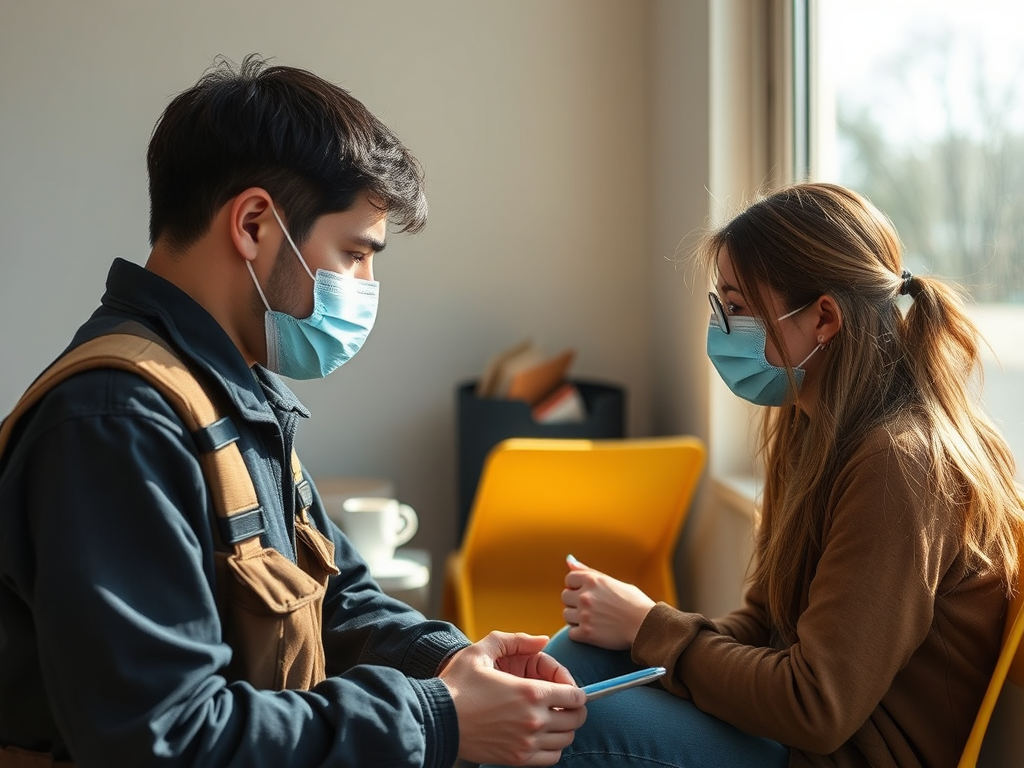
To cope with post-traumatic stress after a disaster, individuals can benefit from therapy, particularly cognitive-behavioral therapy (CBT), which helps reframe negative thoughts related to trauma. Building a strong support network is essential, as connecting with others who understand the experience fosters healing and reduces feelings of isolation. Mindfulness practices, such as meditation and deep breathing exercises, can also help manage anxiety and promote emotional well-being. Recognizing personal triggers and developing coping strategies tailored to those triggers are vital steps in the recovery process. Seeking professional help when symptoms persist is crucial for long-term resilience and emotional health.
Understanding Post-Traumatic Stress Disorder (PTSD)
Post-Traumatic Stress Disorder (PTSD) is a mental health condition triggered by experiencing or witnessing a traumatic event, such as a natural disaster. Individuals with PTSD often experience severe anxiety, flashbacks, and uncontrollable thoughts about the event. Understanding the symptoms and causes of PTSD is crucial for those seeking to cope with it after a disaster.
PTSD can manifest in various ways, including emotional numbness, irritability, and difficulty concentrating. These symptoms can significantly impact daily life, making it essential for affected individuals to recognize them and seek help. Misconceptions about PTSD often lead to stigma and isolation, which can exacerbate feelings of distress. By acknowledging PTSD as a legitimate mental health issue, individuals can take proactive steps toward recovery.
Common triggers for PTSD include loud noises, reminders of the disaster, or even discussions about the event. Identifying these triggers is vital for developing coping strategies that help manage symptoms effectively. Understanding that PTSD is a common response to trauma can also reduce feelings of shame or guilt, allowing individuals to seek support without hesitation.
Effective Coping Strategies
Implementing effective coping strategies is key to managing post-traumatic stress after a disaster. One of the most beneficial approaches is engaging in therapy, particularly cognitive-behavioral therapy (CBT), which helps individuals reframe negative thought patterns associated with their trauma. CBT has been shown to reduce symptoms of PTSD and improve overall mental health.
Another important strategy is establishing a routine. A predictable daily schedule can provide a sense of normalcy and control, which is often disrupted after a disaster. This routine should include time for self-care activities, such as exercise, hobbies, and relaxation techniques.
Journaling is another effective tool for processing emotions related to trauma. Writing about experiences can facilitate emotional expression and help individuals understand their feelings better. Additionally, creative outlets such as art or music can serve as therapeutic methods for expressing complex emotions that might be difficult to articulate verbally.
While coping strategies can be highly effective, it is essential to avoid common pitfalls. For instance, some individuals may resort to substance use as a means of escaping their feelings. This approach often leads to further complications and can hinder the recovery process. Recognizing these harmful behaviors and seeking healthier alternatives is crucial for lasting recovery.
The Role of Support Systems
Support systems play a pivotal role in coping with post-traumatic stress after a disaster. Having a strong network of family, friends, or support groups can provide emotional reassurance, reduce feelings of isolation, and foster resilience. Sharing experiences with others who have faced similar challenges can create a sense of community and understanding.
Joining a support group specifically for individuals affected by trauma can be particularly beneficial. These groups often provide a safe space for members to express their feelings and share coping strategies. Participants can learn from one another’s experiences, which can help normalize their reactions and promote healing.
It is also essential to communicate openly with loved ones about one’s needs and feelings. Those who support individuals coping with PTSD should be educated about the condition to provide informed and empathetic assistance. Simple gestures, such as listening without judgment or offering practical help, can significantly impact someone’s recovery journey.
However, it is important to remember that not everyone responds to support in the same way. Some individuals may prefer solitude or find it challenging to share their feelings. Respecting personal boundaries and allowing individuals to seek support at their own pace is vital for fostering healthy relationships during recovery.
Mindfulness and Self-Care Techniques
Mindfulness and self-care techniques are essential components of coping with post-traumatic stress after a disaster. Practicing mindfulness involves focusing on the present moment and acknowledging feelings without judgment. Techniques such as deep breathing exercises, meditation, and yoga can help individuals ground themselves and reduce anxiety.
Incorporating regular physical activity into one’s routine can also enhance emotional well-being. Exercise has been shown to release endorphins, which can alleviate symptoms of depression and anxiety. Activities such as walking, running, or engaging in team sports can provide both physical and mental benefits.
Establishing a self-care routine that includes adequate sleep, balanced nutrition, and hydration is crucial for overall mental health. Individuals should prioritize restful sleep and avoid caffeine or alcohol, which can exacerbate anxiety. Maintaining a nutritious diet rich in fruits, vegetables, and whole grains can support emotional resilience.
It is also essential to allow oneself to grieve and acknowledge feelings of loss related to the disaster. Engaging in activities that honor those affected can provide a sense of closure and promote healing. This may include memorial services, community gatherings, or personal rituals that allow for emotional expression.
Frequently Asked Questions
What are the symptoms of PTSD after a disaster?
Common symptoms include flashbacks, nightmares, severe anxiety, and emotional numbness.
How can therapy help with PTSD?
Therapy, especially cognitive-behavioral therapy, can help individuals reframe negative thoughts and reduce symptoms.
What role do support groups play in recovery?
Support groups provide community and shared experiences, fostering understanding and healing among participants.
Are mindfulness techniques effective for PTSD?
Yes, mindfulness techniques like meditation and deep breathing can help reduce anxiety and promote emotional grounding.
What should I do if I experience triggers?
Recognize triggers and practice grounding techniques; seek support if symptoms become overwhelming.
Conclusion
Coping with post-traumatic stress after a disaster involves understanding PTSD, implementing effective coping strategies, leveraging support systems, and practicing mindfulness. By acknowledging the impact of trauma and actively engaging in recovery methods, individuals can foster resilience and emotional healing. Seeking professional help and building a strong support network are vital steps towards managing symptoms and achieving long-term recovery. Remember that healing is a journey, and it’s important to be patient with oneself throughout the process.