
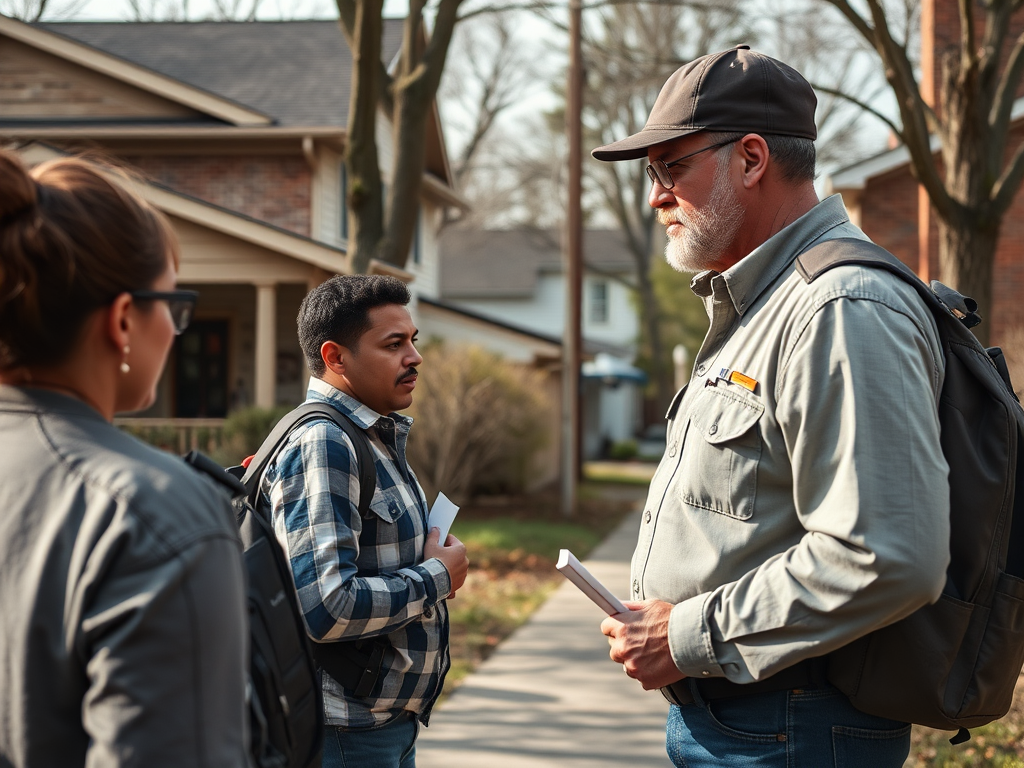
To create a neighborhood watch for emergency preparedness, begin by rallying community members who share a commitment to safety. Organize an initial meeting to discuss concerns and establish clear objectives, such as crime prevention and emergency response. Appoint leaders to facilitate ongoing communication and coordination. Develop a comprehensive response plan that addresses various emergency scenarios, and engage local law enforcement for training and support. This collaborative effort not only enhances neighborhood security but also builds trust and resilience among residents, ensuring a quicker and more effective response during crises.
What you’ll learn
This guide covers the following practical points:
- Understanding Neighborhood Watch Programs — A neighborhood watch program is a community-based initiative designed to enhance safety and security through local involvement.
- Steps to Establishing a Neighborhood Watch — Establishing a neighborhood watch requires careful planning and community involvement.
- Engaging the Community — Community engagement is vital for the success of a neighborhood watch program.
- Training and Resources — Training is an essential component of an effective neighborhood watch program.
Understanding Neighborhood Watch Programs
A neighborhood watch program is a community-based initiative designed to enhance safety and security through local involvement. These programs empower residents to monitor their neighborhoods for suspicious activities and foster a collaborative approach to crime prevention. The importance of such initiatives is particularly pronounced in times of emergency, where organized community response can significantly mitigate risks and enhance preparedness.
Neighborhood watch programs work on the principle of vigilant observation and communication. By engaging local residents, these programs create a network of support that can respond to emergencies more effectively than isolated individuals. They also help build trust and cooperation among community members, leading to a more cohesive neighborhood.
Steps to Establishing a Neighborhood Watch
Establishing a neighborhood watch requires careful planning and community involvement. Here are the essential steps:
- Gather Interest: Start by identifying residents who are interested in forming a neighborhood watch. Host an initial meeting to discuss common concerns and gauge interest levels.
- Define Goals: Clearly outline the objectives of the neighborhood watch. This could include crime prevention, emergency preparedness, or community engagement.
- Establish Leadership: Appoint coordinators or leaders who will facilitate meetings and organize activities. This leadership structure is crucial for maintaining momentum and accountability.
- Develop Communication Channels: Set up effective communication methods, such as group chats, newsletters, or community boards, to share information and updates quickly.
- Create a Response Plan: Work with community members to develop a response plan for various emergencies, including natural disasters, medical emergencies, and security threats.
- Engage Local Authorities: Collaborate with local law enforcement and emergency services to ensure your plans align with community safety protocols.
These steps lay the groundwork for a successful neighborhood watch program, facilitating a proactive approach to safety and community engagement.
Engaging the Community
Community engagement is vital for the success of a neighborhood watch program. Residents must feel invested in the initiative for it to thrive. Here are some strategies to encourage participation:
- Host Regular Meetings: Schedule regular meetings to discuss updates, share experiences, and plan upcoming activities. This helps maintain interest and involvement.
- Organize Events: Plan social events, such as barbecues or clean-up days, to foster relationships among neighbors. These events can help build trust and a sense of community.
- Provide Educational Resources: Share information about emergency preparedness and safety practices through workshops or informational pamphlets. Educating residents enhances their ability to respond effectively in crises.
- Celebrate Achievements: Acknowledge the contributions of members and celebrate the successes of the neighborhood watch. Recognition fosters a positive atmosphere and encourages continued participation.
By actively engaging the community, neighborhood watch programs can create a supportive network that enhances both safety and social cohesion.
Training and Resources
Training is an essential component of an effective neighborhood watch program. It equips volunteers with the skills and knowledge necessary to respond appropriately during emergencies. Consider the following resources:
- Local Law Enforcement Training: Many police departments offer training sessions for neighborhood watch groups. These may cover topics such as crime prevention tactics, emergency response protocols, and effective communication.
- Emergency Preparedness Workshops: Collaborate with local emergency management agencies to host workshops on disaster preparedness, first aid, and CPR. This training empowers residents to act confidently during emergencies.
- Online Resources: Utilize online platforms to access materials and training modules related to neighborhood safety and emergency preparedness. Websites from recognized organizations often provide valuable insights and tools.
Investing in training and resources not only enhances the effectiveness of the neighborhood watch but also builds a community of informed and capable residents ready to respond to emergencies.
Frequently Asked Questions
What is the purpose of a neighborhood watch?
The purpose of a neighborhood watch is to enhance community safety through resident vigilance, communication, and collaboration with law enforcement.
How can I get my neighbors involved in a neighborhood watch?
Engage your neighbors by hosting an initial meeting, discussing safety concerns, and outlining the benefits of participation to build interest.
What training is available for neighborhood watch groups?
Neighborhood watch groups can access training from local law enforcement, emergency management agencies, and online resources focusing on safety and preparedness.
How often should neighborhood watch meetings be held?
Regular meetings should be held at least quarterly to maintain engagement, discuss updates, and plan future activities effectively.
What are common mistakes when starting a neighborhood watch?
Common mistakes include failing to engage the community, lack of clear communication, and not involving local law enforcement for support and guidance.
Conclusion
Creating a neighborhood watch for emergency preparedness is a proactive step toward enhancing community safety and resilience. By fostering engagement, establishing clear communication, and providing necessary training, residents can work together effectively during emergencies. Prioritize building relationships within your community and involve local authorities to ensure a well-rounded approach to safety. Taking these steps not only prepares the neighborhood for potential crises but also strengthens the bonds among residents, leading to a more connected and supportive environment.