In the realm of preparedness and self-reliance, there is a crucial distinction between raising awareness about potential threats based on facts and engaging in fearmongering. While it is essential to discuss the importance of being prepared for possible disasters, it is equally vital to recognize the dangers of exaggerated claims, unrealistic fears, and harmful ideologies that can divide communities and cause unnecessary panic.
Fearmongering is the act of deliberately spreading alarming and exaggerated rumors of an impending danger or threat, often with the intention of manipulating public perception and emotions. This tactic is commonly used by some websites and media outlets to attract attention, increase traffic, and push a specific agenda. Fearmongering often relies on sensationalism, conspiracy theories, and cherry-picked data to paint a picture of imminent doom, even when the facts do not support such claims.
The proliferation of fearmongering and negative claims can have severe consequences for individuals and society as a whole. When people are constantly bombarded with messages of impending catastrophe, it can lead to heightened anxiety, stress, and even panic. This can result in irrational decision-making, such as hoarding supplies, engaging in dangerous activities, or adopting extremist ideologies.
Moreover, fearmongering often exploits and amplifies existing social, political, and economic divisions, creating an “us vs. them” mentality that can further erode community cohesion and trust. This divisiveness can hinder efforts to work together and find common ground in the face of real challenges.
It is important to acknowledge that humans have a natural tendency to be drawn towards negative news events and painful stories. This innate fascination with the negative can be attributed to various factors, including evolutionary instincts that prioritize threat detection and a desire to make sense of the world around us. However, this inclination towards negativity can also be exploited by those engaging in fearmongering.
In today’s digital age, where information is readily accessible and rapidly shared, our societies seem to be inundated with a constant stream of tales of woe and impending doom. This proliferation of negative content can create a vicious cycle, where the more we consume, the more we crave, leading to a heightened sense of anxiety and a distorted perception of reality.
While it is crucial to stay informed about potential risks and challenges, it is equally important to maintain a balanced perspective and not let our innate fascination with the negative override rational thinking. By being aware of our own biases and actively seeking out fact-based information from credible sources, we can counteract the allure of fearmongering and make informed decisions about preparedness.
In contrast to fearmongering, genuine preparedness is based on a rational assessment of potential risks and taking appropriate measures to mitigate those risks. It involves analyzing credible sources of information, such as scientific studies, historical data, and expert opinions, to identify realistic threats that may impact our lives. Preparedness focuses on empowering individuals with knowledge and skills to face challenges, rather than paralyzing them with fear.
To navigate the line between fearmongering and fact-based preparedness, consider the following:
Rely on credible sources: Seek information from reputable organizations, government agencies, and experts in relevant fields. Be cautious of websites or individuals that make bold claims without providing verifiable evidence.
Maintain a balanced perspective: Approach potential threats with a level-headed and rational mindset. While it is important to be aware of risks, avoid falling into the trap of worst-case scenario thinking or apocalyptic predictions.
Focus on practical solutions: Preparedness should be about empowering yourself and your community with practical knowledge, skills, and resources to face challenges. Avoid sources that primarily focus on instilling fear without offering constructive advice or solutions.
Foster community resilience: Work towards building strong, supportive, and inclusive communities that can withstand and recover from adversity. Encourage open dialogue, cooperation, and mutual aid rather than division and mistrust.
Prioritize mental health: Engage in self-care practices and seek support if you find yourself overwhelmed by fear or anxiety. Remember that preparedness is about enhancing your overall well-being, not compromising it.
By being mindful of the dangers of fearmongering, recognizing our own biases towards negativity, and focusing on fact-based preparedness, we can cultivate a more resilient and united society. It is crucial to approach challenges with a clear head, a compassionate heart, and a commitment to working together for the common good. Through responsible preparedness efforts, we can empower ourselves and our communities to face adversity with courage, wisdom, and hope, while resisting the allure of sensationalism and fearmongering.
Have you ever wondered what might happen if our Country was attacked with an EMP? With the ongoing wars and chaos around the world it is not out of the realm of possibility that we could face an EMP attack.
In an age heavily reliant on advanced technology, the thought of a widespread electromagnetic pulse (EMP) attack strikes fear at the heart of our society. With a single burst of electromagnetic energy, effectively neutralizing electronic devices, the consequences could be dire. In this article, we delve into the problems that would arise amidst an EMP attack, shedding light on the potential devastation that awaits our modern world – and how we can get our family better prepared..
Communication Gridlock: With the collapse of power grids, communication infrastructure will crumble, leaving us isolated and disconnected. Whether it’s the failure of cellular networks, darkened computer screens, or silent radios, the inability to communicate electronically will impede disaster response efforts, hinder the dissemination of essential information, and exacerbate panic and confusion among the population. Without the ability to coordinate medical aid, law enforcement responses, or even simple reassurance, societies will be thrown into chaos.
Transportation Standstill: Modern transportation systems, which are heavily reliant on computers and electronic systems, will come to a screeching halt during an EMP attack. Traffic lights blinking out of existence will plunge roads into chaos, creating congestion and rendering familiar routes impassable. Public transportation, including trains and airplanes, will be grounded, trapping commuters and tourists alike. The loss of navigational aids such as Global Positioning System (GPS) will further hinder travel, leaving individuals stranded and communities isolated.
Economic Meltdown: The crippling effects of an EMP attack on the economy cannot be overstated. Financial transactions, predominantly electronic in nature, will be disrupted, plunging the global financial system into turmoil. Stock markets will shut down, rendering investments valueless and causing massive losses for individuals and institutions alike. Industries reliant on uninterrupted power, such as manufacturing and healthcare, will lurch to a standstill, resulting in severe unemployment, supply shortages, and diminished access to vital services.
Impending Health Crisis: The functioning of modern healthcare systems hinges on the uninterrupted availability of electricity. An EMP attack would plunge hospitals into darkness, rendering life-saving equipment useless, and leaving critically ill patients without proper care. With refrigeration units offline, medicines, vaccines, and blood supplies will deteriorate rapidly, leading to potential outbreaks of diseases and escalating the already dire situation. Furthermore, the failure of wastewater treatment plants and the interruption of water supply systems will exacerbate the threat of epidemics, plunging the population further into jeopardy.
The prospect of an EMP attack is a chilling reminder of our society’s vulnerability in the face of advanced technology. The catastrophic consequences of such an event would encompass communication breakdowns, transportation standstills, economic collapse, and an impending health crisis. It is crucial that policymakers, security experts, and individuals alike recognize the urgency to fortify our critical infrastructure against this potential threat. The stakes are high, and preparedness in the face of an EMP attack may be our only saving grace as we strive to safeguard our modern world.
So, what can we do?
Don’t Be Left in the Dark: Preparing for an EMP Attack
As we have discussed, in an increasingly technology-dependent world, the potential threat of an electromagnetic pulse (EMP) attack looms ominously. While the occurrence of such an attack remains uncertain, it is crucial to be prepared for any eventuality. Let’s discuss some practical guidance on how individuals and families can best prepare for an EMP attack, ensuring their safety and security in the face of this potential disaster.
Emergency Supplies and Essentials Stocking up on essential supplies is a critical step in EMP preparedness. Ensure you have at least a two-week supply of non-perishable food, bottled water, and necessary medications for you and your family. Consider additional necessities like batteries, flashlights, hand-crank radios, and basic first-aid kits. A well-prepared emergency kit can provide you with the means to sustain yourselves until services are restored.
Alternative Power Options With the power grid likely to be incapacitated after an EMP attack, having alternative power sources becomes paramount. Invest in battery-powered or hand-cranked devices such as radios, solar-powered chargers, and power banks for your essential communication needs. Additionally, consider purchasing a generator or solar panels, ensuring a reliable power supply for emergency situations. Remember to familiarize yourself with the operation and maintenance of these devices in advance.
Communication Strategies Communication is key during an emergency. Since traditional communication systems may be disrupted, establish a backup communication plan with your family and loved ones beforehand. Agree on a designated meeting place, and establish alternative methods of communication such as walkie-talkies or pre-arranged coded messages. Additionally, consider preparing a list of emergency contacts and important documents, both physical and digital, and store them in a secure, easily accessible location.
Learn and Develop Survival Skills To increase your chances of survival during an EMP attack, acquiring basic survival skills is invaluable. Learn how to purify water, start a fire without matches, and forage for food. Familiarize yourself with basic self-defense techniques to protect yourself and your loved ones. Additionally, consider taking first-aid and CPR courses, as these skills may be vital in the absence of medical services.
Fortifying Your Home and Community Strengthening your home’s resilience can significantly increase your chances of surviving an EMP attack. Consider installing sturdy doors and windows, reinforcing walls, and creating a secure shelter space within your home. Take measures to fortify your community as well, such as organizing neighborhood watch programs, sharing emergency resources and skills, and developing contingency plans as a collective.
Conclusion: While the threat of an EMP attack may seem daunting, being equipped and prepared can make a significant difference in the aftermath of such an event. By stocking up on essential supplies, securing alternative power sources, establishing communication plans, developing survival skills, and fortifying our homes and communities, we can strive towards a more resilient society. Remember, preparedness is not just about fear; it is about empowering ourselves to face any challenge that may come our way.
Signs of Thunder: Are We on the Brink of World War III?
In a world that seems to spin faster every day, whispers of old fears and worries about new global conflicts are getting louder. It’s like looking at dark clouds gathering on the horizon, warning us of a storm. But are we paying attention? This article dives into the signs that might be telling us a massive storm, perhaps World War III, is closer than we think. But it’s not all doom and gloom; we’ll also talk about how we, especially families, can start preparing, especially when it comes to our food and water supplies.
Rising Tensions Between Countries
Imagine two people who can’t stand each other, always arguing, never agreeing on anything. Now, imagine those people are countries with armies. That’s what’s happening in many parts of the world today. Countries are bickering over land, over who’s stronger, and who has more influence. Just like in history, these arguments can lead to fights, and with countries, fights mean war. The tension is like a tightly coiled spring, ready to snap at any moment.
The Comeback of Nationalism
Remember reading about how, before the world wars, countries were all about showing how great they were, often at the expense of others? That same “my country is the best” attitude is making a big comeback. It’s dangerous because it often means countries are less willing to talk and more ready to fight to prove their point.
The Arms Race is On… Again
It’s like countries are in a competition on who can lift the heaviest weights, but with weapons. Everyone is trying to have the biggest, baddest weapons out there. This isn’t just about tanks and planes anymore; it’s also about who can hack into the other’s computers or shut down their satellites. More weapons mean it’s easier to start a war and harder to stop it.
Money Troubles and Fighting Over Resources
When times are tough, people can get desperate, and so do countries. Right now, the world is like a group of people who’ve been lost in the desert and just found a small water source. Everyone wants a sip, and no one wants to share. Countries are struggling with their economies and are worried about not having enough resources, like water and oil. This struggle can lead countries to fight over who gets what.
Not Getting Along on the World Stage
There used to be places where countries could talk about their problems, like a school counselor’s office. But now, it seems like fewer countries trust these places to help. It’s like if the school counselor was ignored, and the kids had to solve their problems on their own, which can lead to more fights.
What Does This Mean for Our Food and Water?
Here’s the thing: wars, especially big ones, can make it really hard to get basic stuff like food and water. Imagine going to the store and finding empty shelves or turning on the tap and getting no water. Scary, right? But there’s something we can do about it.
Start Preparing Now
Families should start thinking about having extra food and water at home, just in case. It’s like packing an emergency kit before a big storm hits. Here are a few tips:
Stock up slowly: Every time you go shopping, pick up a few extra non-perishable items, like canned goods or dried beans.
Water is key: Make sure you have enough water stored. A good rule is one gallon per person per day for at least three days.
Learn to be a bit old-fashioned: Knowing how to do things like growing your own vegetables or collecting rainwater can be really handy.
The Silver Lining
While the signs might seem scary, knowing about them means we can work to change things. Just like preparing for a storm can make it less scary, understanding what’s happening in the world and getting ready can make a big difference. It’s not just about avoiding a war; it’s about making sure we can take care of ourselves and our loved ones if things get tough.
Conclusion
The clouds might be gathering, but there’s always something we can do, both as countries and as individuals. By paying attention to these signs and starting to prepare, especially when it comes to basic needs like food and water, we’re not just waiting for the storm to hit; we’re building shelters and making sure we’re ready to face whatever comes. Let’s not repeat the mistakes of the past but learn from them to build a safer, more prepared future.
Power Outage Survival Guide: How to Stay Cool and Safe During Extreme Summer Heat
Summer Power Outage Survival Guide will help you prepare as climate change continues to impact our weather patterns, the frequency and intensity of heatwaves are on the rise. With this comes an increased risk of power outages during the hottest months of the year. Losing power during a heatwave can be more than just an inconvenience – it can be downright dangerous. Extreme heat is the leading cause of weather-related deaths in the United States, claiming an average of 702 lives per year, according to the Centers for Disease Control and Prevention (CDC). In this comprehensive guide, we’ll cover everything you need to know to prepare for and survive a summer power outage, including the risks, essential supplies, cooling strategies, and the importance of community support.
The Risks of Power Outages During Extreme Heat:
Power outages during heatwaves can occur for various reasons, including increased energy demand, heat-related equipment failures, and severe weather events. When the power grid is strained and unable to meet the high demand for air conditioning, rolling blackouts may be implemented to prevent a complete system failure. In other cases, extreme heat can cause transformers and other electrical equipment to malfunction, leading to outages.
During a power outage, the lack of air conditioning, fans, and other cooling devices can quickly lead to dangerous indoor temperatures. This puts everyone at risk for heat-related illnesses, such as heat exhaustion and heat stroke, but some populations are more vulnerable than others. The elderly, young children, and people with chronic medical conditions are particularly susceptible to the effects of extreme heat. Additionally, those living in urban areas may be at higher risk due to the “urban heat island” effect, where concrete and asphalt surfaces absorb and radiate more heat than natural landscapes.
Essential Supplies for a Summer Power Outage:
To prepare for a summer power outage, it’s crucial to have an emergency kit stocked with essential supplies. This kit should include enough water and non-perishable food to last at least 72 hours, with a minimum of one gallon of water per person per day. Other essential items include a first aid kit, prescription medications, a battery-powered or hand-crank radio for updates on the outage and weather conditions, flashlights and extra batteries, portable battery-operated fans, cooling towels or gel packs, and backup power sources, such as a generator or solar chargers (if possible).
In addition to your emergency kit, it’s important to prepare your home for extreme heat. This can include installing blackout curtains or thermal blinds to block out sunlight, sealing air leaks to keep hot air out and cool air in, and ensuring your air conditioner is in good working order before a heatwave strikes.
Staying Cool During a Summer Blackout:
If a power outage occurs during extreme heat, your top priority should be staying cool and hydrated. Drink plenty of water throughout the day, even if you don’t feel thirsty. Avoid alcohol and caffeine, as these can contribute to dehydration. Dress in loose, lightweight, and light-colored clothing to help your body regulate its temperature.
To create a cooler environment inside your home, close windows and blinds during the hottest part of the day to keep the sun’s heat out. In the evening, open windows on opposite sides of your home to create a cross-breeze and use battery-operated fans to circulate the air. You can also create a makeshift cooling station by placing a bowl of ice or frozen water bottles in front of a fan.
If your home becomes too hot to bear, seek out cool public spaces such as shopping malls, libraries, or designated cooling centers. Many cities and towns offer these air-conditioned spaces during heatwaves to provide relief for those without power.
The Role of Community in Surviving a Summer Power Outage:
Community support is essential during a summer power outage. Check on elderly neighbors, young children, and those with medical conditions to ensure they are staying cool and have access to necessary supplies. If you have a backup power source, consider sharing it with neighbors who may be more vulnerable to the heat.
Local governments and community organizations often play a crucial role in providing resources and support during extreme heat events. Stay informed about available resources, such as cooling centers, transportation to cool locations, and distribution of water and other essential supplies. You can find this information through local news outlets, social media, and your city or town’s website.
It’s also important to be aware of the signs of heat-related illnesses and to check on loved ones and neighbors regularly. Our Summer Power Outage Survival Guide will help identify symptoms of heat exhaustion include heavy sweating, weakness, cold and clammy skin, fast or weak pulse, nausea, and fainting – so you are better aware. If left untreated, heat exhaustion can progress to heat stroke, a life-threatening condition characterized by a high body temperature, hot and dry skin, rapid pulse, and altered mental state. If you suspect someone is experiencing a heat-related illness, call emergency services immediately.
Conclusion:
As the threat of summer power outages during extreme heat continues to rise, it’s more important than ever to be prepared. By understanding the risks, stocking up on essential supplies, knowing how to stay cool, and supporting your community, you can weather the storm and stay safe during a summer blackout.
Remember, preparation is key. Don’t wait until the power goes out to start thinking about how to stay cool and safe. Take action now to create an emergency plan, build your kit, and fortify your home against extreme heat. By doing so, you’ll not only protect yourself and your loved ones but also contribute to the resilience of your community in the face of a changing climate.
The world can be unpredictable. Natural disasters, financial crises, health emergencies – these are all realities we might face. But how prepared are we to handle such situations? This is where the concept of a ‘preparedness mindset’ comes into play.
Having a preparedness mindset means being ready for the unexpected. It’s about being proactive rather than reactive, planning ahead, and having the mental fortitude to face any challenge head-on.
We’ll delve into the intricacies of this mindset, exploring its importance and how it can be cultivated. From personal preparedness to community readiness, we will uncover the various facets of this essential life skill.
So, whether you’re a survivalist, a planner, or simply someone looking to enhance your resilience, you are in the right place. Let’s embark on this journey of preparedness together, and uncover the power of a mindset ready for anything.
What Is A Preparedness Mindset?
A preparedness mindset is a state of mental readiness, a proactive approach that emphasizes the importance of being equipped for potential challenges or emergencies. This mindset can be applied in various aspects of life, including personal safety, financial stability, and even in managing business risks.
Key elements of a preparedness mindset include:
1. Anticipation: This involves identifying potential risks and threats in advance. It’s about foreseeing possible scenarios and planning accordingly.
2. Planning: A person with a preparedness mindset doesn’t just anticipate risks; they devise strategies and contingency plans to cope with them. This could involve creating an emergency fund, establishing an evacuation plan, or developing a business continuity strategy.
3. Training: Preparedness is not just about theoretical knowledge; it’s about practical skills. Whether it’s first aid training, financial literacy, or crisis management skills, a preparedness mindset encourages continuous learning and skill development.
4. Resource Management: Effective resource management is a crucial part of preparedness. This involves knowing how to allocate and utilize resources wisely, ensuring they’re available when needed.
5. Resilience: A preparedness mindset fosters resilience, the ability to bounce back from adversity. It’s about developing mental toughness and an optimistic outlook, even in the face of challenges.
A preparedness mindset is not about living in fear or constant worry. Instead, it’s about empowering oneself through knowledge, planning, and action. It’s about taking control of one’s life and future, rather than leaving things to chance. Embracing a preparedness mindset can lead to a more secure, confident, and resilient life.
How To Develop A Preparedness Mindset?
Developing a preparedness mindset is about cultivating an attitude of readiness for any situation. This mindset is rooted in the understanding that unexpected events can occur at any time, and it is essential to be prepared.
Firstly, practicing situational awareness is a key step. This involves constantly observing your surroundings and identifying potential risks or hazards. By doing so, you can anticipate possible outcomes and plan accordingly.
Secondly, acquiring knowledge and skills relevant to survival and emergency situations is crucial. This could range from learning first aid procedures to understanding how to find food and water in the wilderness.
Thirdly, it’s essential to maintain a positive mental attitude. Challenges are inevitable, but with a positive mindset, you can overcome obstacles and adapt to changing circumstances.
Lastly, regular practice is crucial. This involves putting your knowledge and skills to the test in real-life scenarios to ensure you are ready to handle any situation.
Practice situational awareness
Acquire knowledge and skills
Maintain a positive mental attitude
Regular practice
Through these steps, you can effectively cultivate a preparedness mindset, equipping yourself to face any unexpected event with confidence and resilience.
Why Is Preparedness Mindset Important?
A preparedness mindset is an invaluable asset in navigating life’s unpredictable challenges. This mindset, often associated with emergency response or survival situations, is equally applicable in everyday scenarios. It allows individuals to anticipate potential obstacles and strategize solutions in advance, thereby reducing stress and enhancing decision-making capabilities.
Having a preparedness mindset cultivates resilience, a quality that enables individuals to bounce back from setbacks and adapt to change. This resilience is not just about surviving, but thriving amidst adversity. It promotes a proactive approach, encouraging individuals to take control of their circumstances rather than being passive victims of fate.
Furthermore, a preparedness mindset fosters personal growth. It pushes individuals to step out of their comfort zones, learn new skills, and adapt to new situations. This continuous learning and adaptability is crucial in today’s rapidly changing world.
In terms of professional settings, a preparedness mindset can significantly enhance productivity and efficiency. It can help in identifying potential risks and devising contingency plans, thereby minimizing downtime and maximizing output.
In essence, a preparedness mindset is not just about preparing for disasters, but about equipping oneself with the skills and mindset to handle any situation, big or small, with confidence and composure.
What Are The Elements Of A Preparedness Mindset?
A preparedness mindset is not just about having a plan; it’s about building resilience and being able to adapt to changing circumstances. It involves developing a proactive attitude and a willingness to take responsibility for one’s own safety and wellbeing.
The first element of a preparedness mindset is awareness. This involves understanding the risks you face in your daily life and being conscious of your environment.
The second element is knowledge. Gathering information about potential threats and learning how to mitigate them is crucial. This could involve formal training, self-education, or simply staying informed about current events.
The third element is planning. Having a plan in place for various scenarios can give you a sense of control and reduce anxiety during a crisis.
To wrap up, a preparedness mindset involves practice. Regularly rehearsing your plans and updating them as necessary ensures that you are ready to act when the time comes.
Remember, a preparedness mindset is not about living in fear, but rather about empowering oneself through awareness, knowledge, planning, and practice. It’s about being ready for whatever life throws your way.
Can A Preparedness Mindset Reduce Stress?
Having a preparedness mindset can significantly reduce stress levels. When you’re prepared, you have a plan in place to handle unexpected situations, which reduces the fear of the unknown and the stress associated with it. This mindset is not just about having a physical readiness but also about mental and emotional readiness.
A preparedness mindset encourages proactive behavior. Proactivity minimizes the panic and anxiety that often accompany unexpected situations. Instead of reacting to problems, you’re anticipating them and preparing solutions in advance, which can significantly lower stress levels.
A key aspect of a preparedness mindset is resilience. Resilience is the ability to bounce back from adversity. It’s about having the mental strength to face challenges head-on and the flexibility to adapt to changing circumstances. Resilience can serve as a buffer against stress, providing a sense of control in unpredictable situations.
• Preparedness also promotes a sense of self-efficacy, the belief in one’s ability to handle situations effectively. Self-efficacy can reduce stress by fostering confidence in your abilities and reducing feelings of helplessness.
In closing, a preparedness mindset fosters a positive attitude. A positive outlook can help manage stress by promoting optimism and reducing negative thinking. It encourages you to view challenges as opportunities for growth rather than threats, reducing the stress associated with facing difficulties.
In essence, a preparedness mindset provides you with the tools to manage stress effectively. It promotes proactive behavior, resilience, self-efficacy, and a positive attitude, all of which can significantly reduce stress levels.
How To Maintain A Preparedness Mindset?
Maintaining a preparedness mindset is essential in navigating through life’s unexpected challenges. It involves being ready to face any situation, including disasters, economic downturns, or personal crises. This mindset equips you with the resilience to withstand and recover from setbacks, thereby enhancing your survival skills and overall wellbeing.
To foster a preparedness mindset, you must first understand the risks associated with your environment. This includes familiarizing yourself with potential hazards and developing an action plan to address them. Regularly updating your knowledge and skills is also crucial to stay ahead of unforeseen circumstances.
Secondly, embracing a proactive lifestyle is vital. This goes beyond merely reacting to situations but involves anticipating possible scenarios and devising strategies to mitigate their impacts. It also includes maintaining a healthy lifestyle, as physical wellbeing contributes significantly to mental readiness.
Next, cultivating a positive outlook is key to maintaining a preparedness mindset. This involves believing in your ability to overcome challenges and viewing setbacks as opportunities for growth. It also entails practicing gratitude and focusing on the positive aspects of life.
Lastly, it’s important to practice stress management techniques, such as meditation and yoga, to maintain mental clarity and focus. These practices not only enhance your mental strength but also improve your decision-making skills, which are crucial in crisis situations.
In essence, maintaining a preparedness mindset requires continuous learning, proactive living, positive thinking, and effective stress management. By adopting these strategies, you can navigate life’s uncertainties with confidence and resilience.
What Are The Benefits Of Having A Preparedness Mindset?
A preparedness mindset is an invaluable asset in navigating the unpredictability of life. It equips an individual with the ability to anticipate potential challenges and develop proactive strategies to mitigate them. This mindset fosters resilience, empowering individuals to bounce back from adversities with relative ease.
A key benefit of the preparedness mindset is stress reduction. By planning ahead and considering possible outcomes, one can effectively manage anxiety and worry associated with uncertainty. This mental state also promotes better decision-making, as individuals can assess situations objectively and make informed choices.
Another advantage is the enhancement of self-confidence. When you are prepared, you are confident in your ability to handle whatever comes your way. This boosted self-esteem can translate into improved performance in various life areas, from work to personal relationships.
In terms of personal growth, a preparedness mindset encourages continuous learning and skill development. By preparing for different scenarios, individuals can acquire new skills and knowledge, fostering personal and professional growth.
Furthermore, a preparedness mindset can foster a sense of control. Even in chaotic situations, being prepared can help maintain a sense of order and stability, providing a psychological buffer against stress and anxiety.
Lastly, a preparedness mindset can lead to improved health. By being prepared for health-related emergencies, one can make swift decisions that could potentially save lives.
In essence, cultivating a preparedness mindset can significantly enhance an individual’s resilience, confidence, and overall quality of life.
Does Preparedness Mindset Apply To Everyday Life?
A preparedness mindset isn’t just for emergency situations or survival scenarios. It’s a way of life that can be applied to everyday situations. This mindset involves anticipating potential outcomes and planning accordingly, which can be beneficial in many aspects of daily life.
For example, a preparedness mindset can help in managing finances. By anticipating potential financial hurdles, one can plan and save for the future. This can lead to financial stability and peace of mind.
In the workplace, a preparedness mindset can be the difference between success and failure. Being prepared can mean researching a client before a meeting, or studying for a presentation, which can lead to improved performance and job satisfaction.
• In relationships, having a preparedness mindset can mean anticipating the needs and wants of your partner, leading to a more fulfilling and harmonious partnership.
In health, a preparedness mindset can mean regular check-ups and healthy lifestyle choices, leading to improved longevity and quality of life.
In essence, a preparedness mindset is not just about being ready for disasters, but being ready for life. It’s about anticipating challenges, planning for the future, and taking control of your destiny. This mindset can be applied to all aspects of everyday life, from finances to health, to relationships and work. A preparedness mindset can lead to a more fulfilling, successful, and stress-free life.
Wrapping Up: The Power of a Preparedness Mindset
In closing, a preparedness mindset is a crucial life skill that can be cultivated and maintained. It is not only about being ready for emergencies but also about dealing with everyday challenges. Developing such a mindset involves understanding its importance, knowing its elements, and consistently practicing it. The benefits of a preparedness mindset are numerous, including stress reduction and improved overall well-being.
It is important to remember that maintaining a preparedness mindset is a continuous process. It requires constant learning and adapting, especially in the face of new developments and trends that can impact our lives. This mindset can indeed be applied to everyday life and can significantly enhance one’s ability to navigate through various situations with confidence and ease.
To truly harness the power of a preparedness mindset, it is recommended to practice mindfulness, engage in regular self-reflection, and embrace a proactive approach to life. By doing so, you can better anticipate and respond to potential challenges, thus leading a more balanced and fulfilling life. The journey towards a preparedness mindset is a rewarding one, and the benefits are well worth the effort.
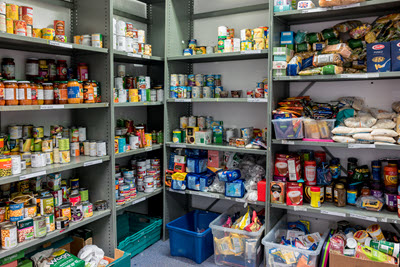
During the global Pandemic, it was hard to get the items we needed from the grocery stores. During the early phase of the crisis, people rushed to the stores and empties the shelves of the supplies they felt they needed for their families. Fear fueled the push for people to grab and hoard so their family didn’t go without the things they needed. Unfortunately, the supply chaos was compounded as suppliers were unable to adequately get products to stores. Everyone was severely impacted with the disruption. When stores did get supplies, they were forced to limit quantities people could purchase.
In times of emergency, such as a global pandemic, supply chains can be significantly impacted, leading to shortages and the imposition of quantity purchasing limits on essential items. These restrictions can make it challenging for individuals to obtain the supplies they need. However, there are strategies you can adopt to navigate these limitations and ensure you and your family remain well-stocked. Below are some practical steps to overcome the difficulties and quantity purchasing limits during crises.
1. Plan Ahead and Prioritize
Begin by assessing your household’s needs and prioritizing items that are essential for your health, hygiene, and sustenance. Create a list of necessities, including medications, non-perishable food, personal hygiene products, and any other critical supplies. Having a clear understanding of what you need will help you focus your efforts on acquiring these items first.
2. Explore Alternative Shopping Venues
Large retailers and grocery stores are not your only options. Local smaller stores, ethnic markets, and online platforms may not face the same degree of demand and could have more relaxed purchasing limits. Exploring these alternatives can increase your chances of finding what you need without running into restrictive buying limits.
3. Leverage Community Networks
Community support networks, such as neighborhood groups on social media platforms, can be invaluable during emergencies. These groups often share information about which stores are well-stocked, and members may be willing to trade items or offer extras of what they have. Participating in these networks not only helps you find supplies but also strengthens community bonds.
4. Bulk Buying Clubs and Co-ops
Joining a bulk buying club or a cooperative can be an effective way to access larger quantities of essentials. These organizations often purchase directly from suppliers, bypassing retail limits. Membership might come with a fee, but the access to necessary goods without restrictions can be well worth the cost.
5. Build Relationships with Local Retailers
Establishing a rapport with the staff and management at local stores can provide you with insider information on delivery schedules and when new stock is expected. Some stores may also be willing to set aside items for regular customers, allowing you to bypass general purchasing limits.
6. Alternative Products and DIY Solutions
When specific products are in short supply, consider alternatives that meet the same needs. For example, if disinfectant wipes are unavailable, you can make your own sanitizing solutions with bleach or alcohol. Being flexible and creative with the products you use can help mitigate the impact of purchasing limits.
7. Monitor and Respond to Changing Restrictions
Keep abreast of news and updates from retailers and government sources regarding purchasing limits and supply chain developments. Being informed allows you to adjust your strategies as the situation evolves, helping you to better navigate restrictions.
8. Practice Ethical Shopping
Ultimately, while it’s important to ensure your household has what it needs, it’s equally important to shop ethically. Hoarding contributes to shortages and affects the most vulnerable members of our communities. Purchase responsibly, keeping in mind the needs of others.
The bottom line is … PREPARE. Don’t wait until an emergency or disaster to hit to get prepared. By then, it could be too late and your family could be severely impacted. By adopting the above simple strategies, you can navigate purchasing limits and mitigate the impact of supply chain disruptions during emergencies. Planning, community cooperation, and flexibility are key to overcoming these challenges, ensuring you and your loved ones remain safe and well-provided for.


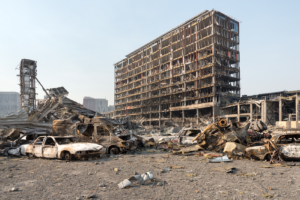 In a world that seems to spin faster every day, whispers of old fears and worries about new global conflicts are getting louder. It’s like looking at dark clouds gathering on the horizon, warning us of a storm. But are we paying attention? This article dives into the signs that might be telling us a massive storm, perhaps World War III, is closer than we think. But it’s not all doom and gloom; we’ll also talk about how we, especially families, can start preparing, especially when it comes to our food and water supplies.
 1. Plan Ahead and Prioritize