Drinking snow carries inherent health risks, primarily due to contaminants that can accumulate in the snow. Snow is not just frozen water; it can trap pollutants from the air, including bacteria, viruses, and chemicals. When ingested, these contaminants can lead to various health issues, such as gastrointestinal distress, and in some cases, more severe health problems. Therefore, understanding the source and condition of the snow is critical for anyone considering consuming it.
Many people mistakenly believe that snow is pure and safe to consume simply because it is frozen water. However, snow can be a medium for harmful pathogens, especially if it has fallen in urban areas or near roads where it can pick up pollutants. It’s essential to prioritize safety by identifying clean snow sources, such as freshly fallen snow away from roads and industrial areas. Furthermore, melting snow before consumption can help reduce some risks, but it does not guarantee safety.
Understanding Snow Contamination
Snow can accumulate a variety of contaminants from the atmosphere, including dust, pollen, and pollutants. These materials can come from both natural and human-made sources. For instance, snow that falls in urban environments is more likely to contain harmful substances due to vehicle emissions and industrial activities. This contamination can pose health risks if the snow is consumed without proper consideration.
To avoid these risks, it’s important to evaluate the environment where the snow has fallen. Snow that is collected from remote, uncontaminated areas is generally safer than that which is gathered near populated regions. Additionally, the type of snow also matters; for example, wet, slushy snow may harbor more bacteria than dry, powdery snow.
Health Risks of Consuming Snow
The primary health risks associated with drinking snow stem from the potential presence of pathogens and contaminants. Bacteria and viruses can be present in snow, especially in areas with high human activity. Consuming contaminated snow can lead to illnesses such as gastroenteritis, which is characterized by symptoms like nausea, vomiting, and diarrhea.
In addition to biological contaminants, snow can also contain chemicals from the environment, such as heavy metals or pesticides. These substances can have long-term health effects if ingested, including toxicity and organ damage. Therefore, it is crucial to assess the snow’s cleanliness before considering it safe for consumption.
Best Practices for Drinking Snow
If one is determined to consume snow, there are several best practices to follow to minimize health risks. First, always choose snow that is freshly fallen and avoid snow that has been on the ground for an extended period, as it is more likely to be contaminated. Second, avoid snow that has fallen near roads, industrial areas, or locations where animals frequently roam.
It’s also advisable to melt and boil the snow before drinking it. Boiling can kill many pathogens that may be present, making it safer for consumption. However, boiling does not remove chemical contaminants, so being mindful of the snow’s source remains essential.
Further Reading
Authoritative Sources
CDC on Drinking Water Safety cdc.gov
This source provides guidelines on safe drinking water and discusses contaminants that can be present in snow
EPA Water Quality Standards epa.gov
The Environmental Protection Agency outlines water quality standards that can help assess risks associated with snow consumption
Health Impacts of Water Contaminants ncbi.nlm.nih.gov
This article details the health risks associated with various contaminants found in drinking water, including those that could also be present in snow
Frequently Asked Questions
Is it safe to drink snow?
It can be safe to drink snow if it comes from a clean source, but risks exist due to potential contaminants.
What contaminants can be found in snow?
Snow can contain bacteria, viruses, chemicals, and pollutants from the environment.
How can I make snow safe to drink?
Melting and boiling the snow can help eliminate many pathogens, making it safer for consumption.
Can drinking snow make you sick?
Yes, drinking contaminated snow can lead to illnesses like gastroenteritis.
Where should I avoid collecting snow for drinking?
Avoid collecting snow near roads, industrial areas, or places where animals frequently roam.
Conclusion
In closing, while drinking snow may seem like a viable option in survival situations, it is essential to recognize the health risks involved. Contaminants present in snow can lead to serious health issues, so prioritizing safety is crucial. Always ensure the snow is clean and consider melting and boiling it before consumption. By following these precautions, you can minimize the risks associated with drinking snow and make informed choices about your health.
Protecting documents during disasters is vital to preserving important information and memories. The best approach involves storing physical documents in waterproof and fireproof containers, ensuring that they remain secure against water, fire, and other environmental hazards. Additionally, making digital copies of essential documents provides an extra layer of protection and accessibility.
Many individuals overlook the importance of securing their documents until it’s too late. Common mistakes include keeping important papers in easily damaged locations, such as standard filing cabinets or drawers, which can be destroyed in floods or fires. To mitigate this risk, consider using specialized storage solutions designed for disaster preparedness. Furthermore, maintaining backups in digital formats, such as cloud storage, ensures that you can access your documents even if physical copies are compromised.
Why Document Protection is Crucial
Document protection during disasters is crucial because losing important papers can lead to significant financial and legal repercussions. Vital records such as birth certificates, property deeds, and medical records are often necessary for recovery and rebuilding after an emergency. Without these documents, individuals may face challenges in accessing services or proving their identity.
Moreover, a lack of preparedness can lead to panic during disasters, making it harder to focus on recovery efforts. By taking proactive steps to protect documents, you can streamline the recovery process and minimize stress during an already challenging time.
Methods for Physical Document Protection
To effectively protect physical documents, consider the following methods:
Store documents in waterproof and fireproof safes.
Use airtight containers to prevent moisture damage.
Keep documents elevated off the ground to avoid flood damage.
Each of these methods adds layers of security against various threats. High-quality safes are designed to withstand extreme temperatures and moisture, making them an excellent investment for safeguarding essential papers. Additionally, placing documents in elevated locations ensures they remain safe from rising water levels.
Digitizing Documents: Benefits and Best Practices
Digitizing documents provides several benefits, including ease of access and enhanced security. Scanning important papers and saving them in secure cloud storage can protect against physical loss. Utilize high-resolution scans and ensure that files are organized systematically for easy retrieval.
When digitizing, prioritize sensitive documents and consider using encryption for additional security. Regularly back up your digital files to multiple locations to ensure redundancy. This approach not only protects against data loss but also allows for quick access in emergencies.
Emergency Preparedness Plans for Document Safety
Creating an emergency preparedness plan that includes document safety is essential. Identify key documents and their storage locations, whether physical or digital. Regularly review and update your plan to account for any changes in personal circumstances or document importance.
Additionally, involve family members in the planning process to ensure everyone knows where to find important documents during a disaster. Conduct drills to practice document retrieval, making the process more efficient and less stressful during an actual emergency.
Frequently Asked Questions
What types of documents should I prioritize for protection?
Prioritize documents like birth certificates, passports, property deeds, and medical records, as they are often essential for recovery and identity verification.
How can I effectively digitize my important documents?
Use a high-resolution scanner to create digital copies, save them in organized folders, and back them up in secure cloud storage for easy access.
What is the best way to store physical documents?
Store physical documents in waterproof and fireproof safes or containers to protect them from environmental damage during disasters.
How often should I update my document protection plan?
Regularly review and update your plan at least once a year or whenever there are significant changes in your personal circumstances or important documents.
Can I use online storage for document security?
Yes, using reputable cloud storage services provides secure, accessible backups for your documents, ensuring they are retrievable in case of physical loss.
Conclusion
Ultimately, protecting documents during disasters requires a proactive approach that combines physical storage solutions and digital backups. Prioritize the preservation of essential records by investing in quality storage options and implementing a systematic digitization process. Regularly review your preparedness plan to ensure that you and your family can easily access critical documents when needed most. By taking these steps, you can significantly reduce the risk of losing important information and streamline your recovery efforts in the event of a disaster.
When evaluating what is the best emergency lighting option, LED flashlights and battery-powered lanterns stand out for their efficiency and reliability. These solutions are essential during power outages or emergencies, providing crucial illumination for safety and visibility. LED lights are particularly favored for their long battery life and brightness, making them a top choice.
In practical terms, the effectiveness of emergency lighting hinges on several factors: brightness, battery longevity, portability, and ease of use. Understanding these features can help prevent common mistakes, such as choosing underpowered lights or those with short battery life. For instance, while traditional incandescent bulbs may seem cheaper, they often consume more power and provide less light over time.
Additionally, consider the specific scenarios where emergency lighting will be used. For home use, a combination of lanterns for room illumination and flashlights for mobility is recommended. In contrast, outdoor scenarios may require waterproof options or solar-powered lights for extended use. Assessing your needs and potential situations is crucial in making the right choice.
Types of Emergency Lighting
Emergency lighting typically falls into several categories: flashlights, lanterns, and headlamps. Each type serves different purposes and situations. Flashlights are compact and easy to carry, making them ideal for quick access during emergencies. Lanterns provide broader illumination, suitable for lighting up larger areas. Headlamps offer hands-free operation, beneficial for tasks requiring both light and mobility.
Understanding the specific benefits of each type can guide your choices. For instance, while flashlights are portable, they may not adequately light a whole room. Lanterns, on the other hand, can provide ambient light but are bulkier to store. Consider your primary uses and storage options when selecting.
Key Features to Consider
When choosing emergency lighting, focus on features like brightness (measured in lumens), battery life, and durability. LED lights are preferred for their high lumen output and efficiency. A flashlight with 300 lumens can effectively illuminate an entire room, while a lantern with similar lumens may provide sufficient light for outdoor use.
Battery life is another critical factor. Some lights offer rechargeable options, while others use disposable batteries. Assessing your ability to recharge or replace batteries during emergencies can influence your choice. In summary, consider durability; waterproof or impact-resistant designs are essential for outdoor or rugged use, ensuring your lighting options withstand various conditions.
Real-World Applications
In real-world scenarios, the best emergency lighting option depends on the environment. For home use during power outages, a combination of lanterns and flashlights is effective. Lanterns can illuminate common areas, while flashlights are handy for navigating dark spaces.
In outdoor situations, such as camping or hiking, portable solar-powered lanterns or headlamps are advantageous. They provide consistent light without relying on disposable batteries. Consider your typical environments and plan accordingly to ensure you have the right lighting tools for various situations.
Common Mistakes to Avoid
When selecting emergency lighting, avoid common pitfalls like overlooking battery types or neglecting to test equipment regularly. Many users purchase lights without considering how they will maintain power during extended outages. Always opt for lights with interchangeable batteries or reliable rechargeability.
Additionally, don’t underestimate the importance of having multiple light sources. Relying solely on one flashlight may leave you in the dark if it fails. Instead, invest in a variety of lighting options to cover different needs and scenarios.
For more information on emergency lighting options, consider exploring resources from reputable organizations such as the National Fire Protection Association or the American Red Cross. These organizations provide valuable guidelines and recommendations for emergency preparedness.
Frequently Asked Questions
What is the best type of emergency lighting?
LED flashlights and battery-powered lanterns are generally considered the best types of emergency lighting due to their efficiency and reliability.
How long do emergency lights last?
The lifespan of emergency lights varies, but LED options can last for several hours to days depending on the battery type and usage.
Are solar-powered lights effective for emergency use?
Yes, solar-powered lights can be effective for emergency use, especially in outdoor scenarios where recharging is possible.
How many emergency lights should I have?
It’s advisable to have multiple emergency lights in various locations to ensure adequate lighting in different scenarios.
What should I consider when buying emergency lights?
Consider brightness, battery life, durability, and the specific scenarios in which you will use the lights.
Conclusion
Choosing the best emergency lighting option involves evaluating specific needs and understanding the available types and features. Prioritize LED flashlights and battery-powered lanterns for their reliability and efficiency. Ensure you have multiple sources of light to cover varying situations, and regularly test your equipment to avoid failures during emergencies. By preparing effectively, you can enhance your safety and readiness for unexpected events.
Filtering water using household items is a practical solution in situations where clean drinking water is unavailable. You can effectively remove impurities and contaminants by utilizing common materials found around the house, such as coffee filters, charcoal, and sand. These items work together to create a simple yet effective filtration system.
It’s important to understand the limitations of household filtration methods. While they can significantly reduce particulate matter and some contaminants, they may not eliminate all harmful pathogens or chemicals. Prioritizing the use of clean and safe materials is essential, as using contaminated items can worsen the situation. Always collect water from the cleanest source available, and consider additional purification methods when possible.
Materials Needed for Water Filtration
To filter water effectively, gather the following household items: coffee filters or a clean cloth, activated charcoal (from pet stores or health food stores), sand, gravel, and a clean container for collecting filtered water. Each material plays a crucial role in the filtration process, contributing to the removal of different types of contaminants.
When selecting materials, ensure they are clean and free from any chemicals or residues. Coffee filters are excellent for catching larger particles, while activated charcoal absorbs impurities and odors. Sand and gravel help with the initial filtration by trapping larger debris before the water reaches the finer layers.
Step-by-Step Filtration Process
To filter water using household items, follow these steps: First, prepare your filtration container by placing a coffee filter or clean cloth at the bottom. Next, layer activated charcoal, followed by sand, and then gravel. To wrap up, pour the water slowly into the container, allowing it to pass through each layer.
This method works by progressively filtering out larger particles and impurities. The gravel traps larger debris, the sand catches smaller particles, and the activated charcoal absorbs chemicals and odors. Collect the filtered water in a clean container, and remember that this method does not guarantee complete purification.
Common Mistakes to Avoid
One common mistake is using contaminated materials, which can introduce more harmful substances into the water. Always ensure that the items used for filtration are clean and rinsed before use. Additionally, rushing the filtration process can lead to incomplete filtering; allow the water to flow through each layer slowly for better results.
Another pitfall is relying solely on this method for drinking water, especially in emergencies. Household filtration should be seen as a temporary solution, and it is advisable to boil or chemically treat the filtered water to ensure safety.
When to Use Household Filtration
Household filtration methods are best utilized in emergency situations where clean water sources are scarce, such as during natural disasters or when traveling in remote areas. This method can also be beneficial for pre-filtering water from questionable sources before further treatment.
However, it should not replace proper water purification methods. Always aim to boil water or use water purification tablets after filtering to eliminate potential pathogens. Understanding the limitations of household filtration is crucial for ensuring safe drinking water.
Frequently Asked Questions
Can I use regular sand for filtration?
Yes, regular sand can be used, but ensure it’s clean and free from contaminants.
How effective is charcoal in removing contaminants?
Activated charcoal is effective at absorbing many chemicals and odors but may not eliminate all pathogens.
Is boiling necessary after filtering?
Yes, boiling is recommended to kill any remaining bacteria or viruses after filtration.
Can I use a cloth instead of coffee filters?
Yes, a clean cloth can be used as an alternative to coffee filters for catching larger particles.
How often should I change the filtration materials?
Change the materials whenever they become clogged or after filtering a significant amount of water.
Conclusion
Filtering water using household items is a practical skill that can help ensure access to cleaner water in emergencies. By understanding the materials and methods involved, you can effectively reduce contaminants. However, always prioritize boiling or further purification to ensure safety. Remember that while these techniques can aid in obtaining potable water, they should not replace professional purification methods.
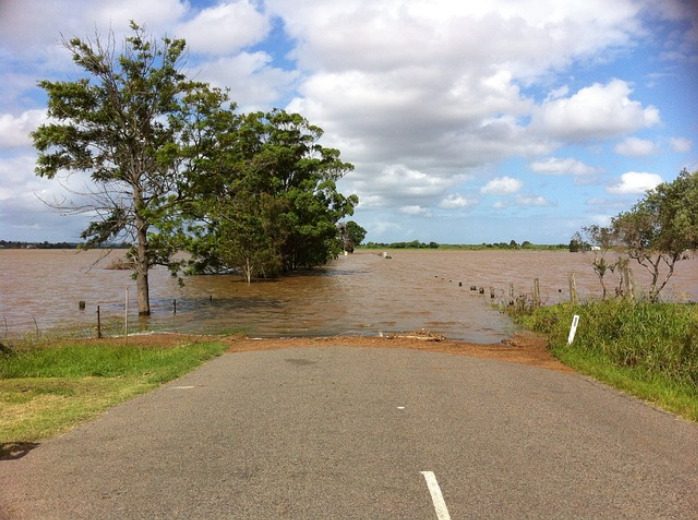
If roads are blocked, the immediate response involves assessing your transportation options and identifying alternative routes. Blockages can occur due to various reasons, including natural disasters, traffic accidents, or construction work. Understanding the cause of the blockage is crucial, as it determines your next steps. For instance, if inclement weather is the cause, it may be safer to wait until conditions improve rather than attempting to navigate hazardous roads.
In practical terms, staying informed is essential. Utilize navigation apps like Google Maps or Waze, which provide real-time updates on traffic conditions and suggest alternate routes. Additionally, local news outlets often report on significant road closures, which can help you make informed decisions. If you find yourself stuck in traffic due to a blockage, remain patient and avoid aggressive driving behaviors that could exacerbate the situation.
Assessing the Situation
To effectively respond to blocked roads, begin by assessing the situation. Determine the cause of the blockage and how long it might last. This can involve checking traffic reports or using navigation apps that provide updates on road conditions. Understanding the severity of the blockage allows you to decide whether to wait it out or seek an alternative route.
Additionally, consider the traffic levels in your area. In some cases, a blockage may cause significant delays, while in others, it might be a temporary issue that clears up quickly. If you decide to wait, ensure your vehicle is in a safe location and that you have access to essentials like food, water, and communication devices.
Finding Alternative Routes
Once you have assessed the situation, explore alternative routes. This may involve using side streets, back roads, or even public transportation options if available. Navigation apps can be invaluable in this regard, as they often suggest the fastest and safest alternatives based on current traffic data.
When selecting an alternate route, consider factors such as road conditions, traffic levels, and safety. Some routes may be longer but offer less congestion, while others might be shorter but more hazardous. Always prioritize your safety and the safety of others when navigating around blocked roads.
Communicating with Others
Effective communication is vital when dealing with blocked roads, especially if you are traveling with others. Keep passengers informed about the situation and any changes in your route. If you are expected at a destination, notify the relevant parties about potential delays. This can help manage expectations and reduce anxiety.
In addition, if you are driving in an area with blocked roads, consider sharing updates with others on social media or through messaging apps. This can assist fellow travelers who may also be affected by the same blockages and promote a sense of community during challenging situations.
Safety Precautions
When navigating blocked roads, safety should always be your top priority. If you are stuck in traffic, remain calm and avoid aggressive driving behaviors that could lead to accidents. Ensure your vehicle is in good working condition, with enough fuel and operational lights. If you are forced to park due to a blockage, do so in a safe location and use hazard lights to alert other drivers.
Additionally, be prepared for emergencies. Carry essential supplies in your vehicle, such as water, snacks, a first aid kit, and blankets. In case of severe weather or other emergencies, these supplies can be crucial in ensuring your safety and comfort.
Popular Questions
What is the fastest way to improve Table of Contents without making beginner mistakes?
The fastest way to improve Table of Contents is to simplify the process and control one variable at a time. Start with the most important baseline: define the goal, identify the main failure point, and test one change before making another. Keep short notes so you can connect the outcome to the adjustment you made. This prevents guesswork and helps you build a repeatable method instead of chasing random fixes.
What should you check first when Table of Contents is not working well?
Check the most immediate bottlenecks first: setup errors, missing inputs, bad timing, or inconsistent follow-through. Before buying anything new or changing the whole system, confirm that the basics are being done correctly and consistently. A small diagnostic checklist usually reveals the real problem faster than broad trial and error. Once the weak point is clear, make one correction and watch the result before adjusting anything else.
What common mistakes make Table of Contents harder than it needs to be?
The most common mistakes are changing too many variables at once, skipping the basics, and judging results too quickly. Many people also copy generic advice without adapting it to their exact situation, which leads to weak results and confusion. A better approach is to work from a simple baseline, make measured changes, and give each change enough time to show whether it helped. That makes progress easier to track and repeat.
Conclusion
Dealing with blocked roads requires a strategic approach that prioritizes safety and adaptability. Assess the situation, utilize technology for real-time updates, and communicate effectively with others impacted by the blockage. By staying informed and prepared, you can navigate road challenges more effectively. Always remember that safety should be your primary concern, and do not hesitate to wait for conditions to improve if necessary.
In many climates, relying solely on air conditioning can be costly and energy-intensive, leading to the need for alternative cooling strategies. Implementing these methods can create a more comfortable indoor environment while also being environmentally friendly.
One common mistake people make is underestimating the power of airflow. Properly utilizing windows, doors, and fans can significantly reduce indoor temperatures. For instance, opening windows during cooler parts of the day and using fans to circulate air can create a refreshing cross-breeze. Additionally, shading windows with curtains or reflective materials prevents sunlight from heating the indoor space.
Effective Ventilation Techniques
One of the most effective ways to cool your home without air conditioning is through proper ventilation. Opening windows to create a cross-breeze can significantly lower indoor temperatures. This method works best when outside temperatures are cooler than indoors, typically during the evening or early morning. Additionally, using exhaust fans in kitchens and bathrooms can help push out hot air.
Common pitfalls include failing to utilize all available windows or only opening them during the hottest parts of the day. To maximize airflow, open windows on opposite sides of your home and use fans to direct the air. This can enhance the cooling effect and make your living space more comfortable.
Utilizing Fans for Cooling
Fans can be a powerful ally in staying cool without air conditioning. Ceiling fans, box fans, and oscillating fans can create a wind-chill effect that lowers perceived temperatures. When using fans, it’s essential to ensure they are set to rotate counterclockwise in the summer to push cool air downwards.
Many people make the mistake of relying solely on fans without considering their placement. Positioning fans near windows can help draw in cooler air from outside. Additionally, using fans in combination with ice or cold water can further enhance cooling. For example, placing a bowl of ice in front of a fan can create a makeshift air conditioner.
Shading and Insulation Strategies
Shading your home effectively can prevent heat from entering your living space. This can be achieved through outdoor shading devices like awnings, pergolas, or strategically placed trees. Using reflective window film or heavy curtains can also block out sunlight and keep your home cooler.
It’s crucial to understand the importance of insulation in maintaining a comfortable temperature. Poorly insulated homes can lead to significant heat gain. Ensuring your home is well-insulated can help keep cool air in and hot air out, reducing the overall temperature inside.
Hydration and Clothing Choices
Staying hydrated is vital for regulating body temperature. Drinking plenty of water helps your body cool down, especially in hot weather. Additionally, wearing light, breathable fabrics can help keep you comfortable by allowing your body to maintain a lower temperature.
People often overlook the impact of clothing on comfort. Loose-fitting clothes made from natural fibers like cotton can enhance airflow and wick moisture away from the skin. Choosing the right clothing can make a significant difference in how cool you feel throughout the day.
Frequently Asked Questions
What are some natural ways to cool down my home?
Natural ventilation, using fans for airflow, and shading windows are effective ways to cool your home without air conditioning.
How can I improve airflow in my home?
Open windows on opposite sides of your home to create a cross-breeze and use fans to enhance air circulation.
What materials can help keep my home cooler?
Reflective window films, heavy curtains, and outdoor shading devices like awnings can help block heat from entering your home.
Is it important to stay hydrated in hot weather?
Yes, staying hydrated is crucial for regulating body temperature and preventing heat-related illnesses.
What type of clothing is best for staying cool?
Light, breathable fabrics such as cotton are ideal for keeping your body cool in hot weather.