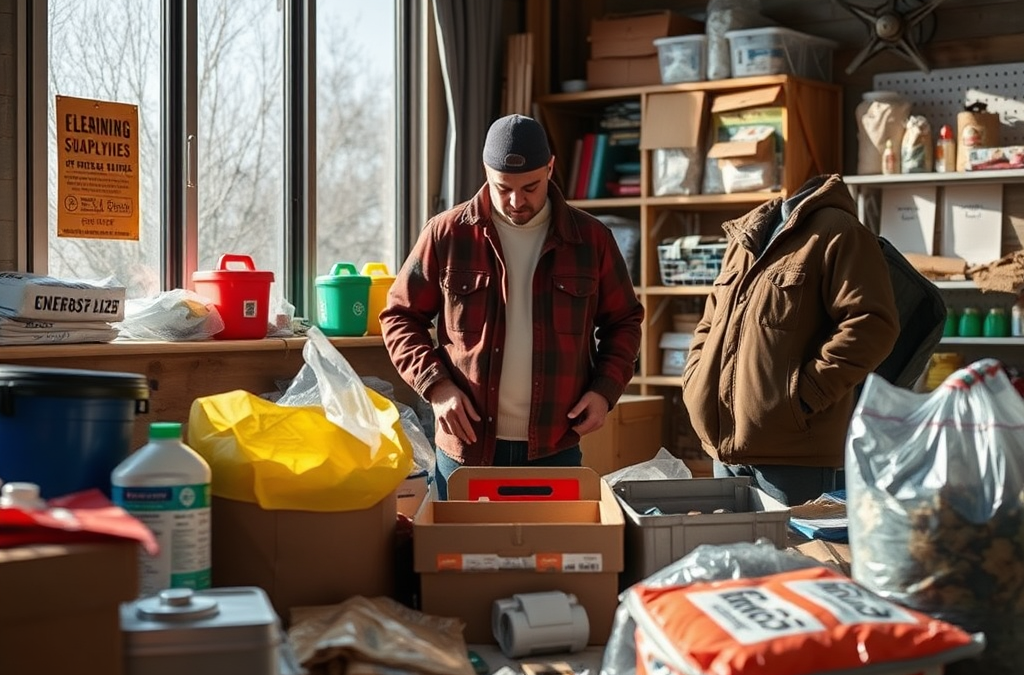
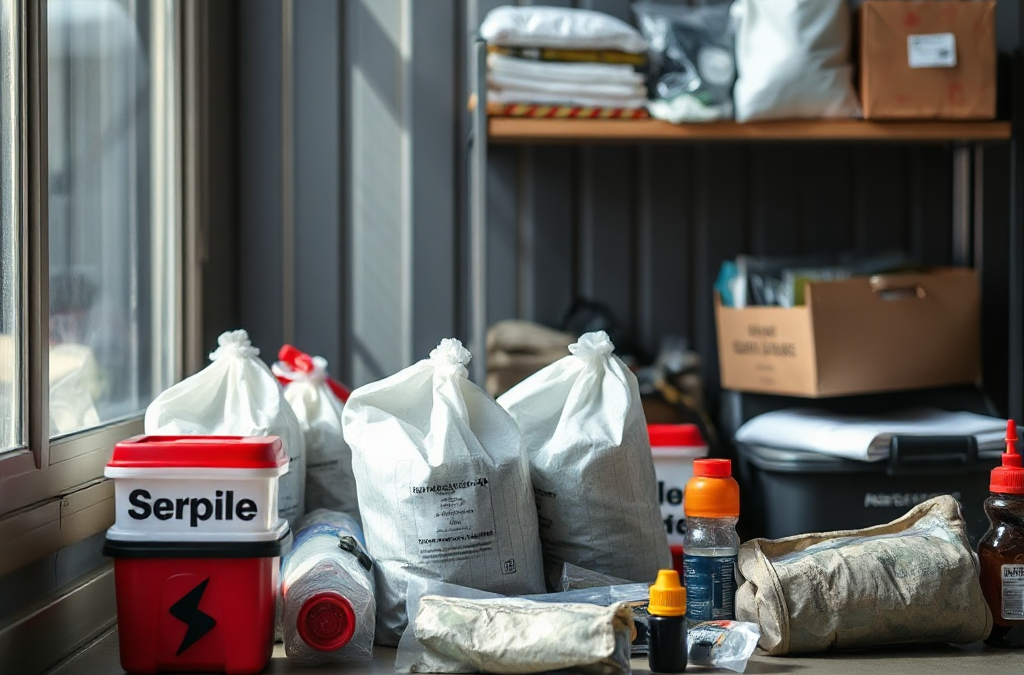
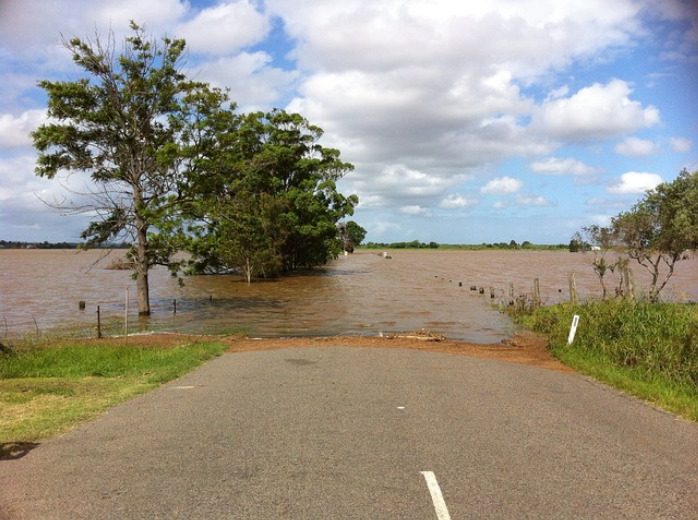
One of the most significant mistakes people make when selecting emergency supplies is failing to assess their unique needs based on their specific circumstances. Every household is different, and factors such as location, family size, health conditions, and even pets can influence what supplies are necessary. For instance, a family with young children may need additional items such as baby formula and diapers, while those living in a flood-prone area might prioritize waterproof gear and food storage.
Understanding personal requirements is crucial because it helps in prioritizing the right supplies. For example, someone with dietary restrictions must ensure their emergency food supply meets those needs. Neglecting these specifics can lead to inadequate preparedness, resulting in panic during emergencies. To avoid this mistake, conduct a thorough assessment of your household’s needs and create a tailored list of supplies.
Quality Over Quantity
Another prevalent error is focusing on the quantity of supplies rather than their quality. Many individuals believe that having a larger stockpile of supplies will better prepare them for emergencies. However, low-quality items can fail when needed most, rendering the stockpile useless. For example, purchasing cheap flashlights may seem like a good idea initially, but if they break during a power outage, the investment is wasted.
Investing in high-quality items ensures reliability. For instance, opting for durable, well-reviewed multi-tools and first-aid kits can significantly enhance preparedness. Moreover, quality items tend to have longer shelf lives, which means less frequent replacements. In this context, consider the long-term value of your purchases and prioritize items from reputable brands known for their reliability.
Regularly Updating Your Supplies
Many people overlook the importance of regularly updating their emergency supplies. Items like food and medications have expiration dates, and failing to replace them can lead to a false sense of security. A common mistake is stocking up on supplies and then forgetting about them until an emergency arises, only to find that many items have expired or degraded in quality.
To mitigate this risk, establish a routine to check and refresh your supplies at least once a year. During this review, check expiration dates, replace expired items, and assess whether your current supplies still meet your needs. This proactive approach not only ensures that you have reliable supplies but also allows you to adjust your stock based on any changes in your household or lifestyle.
Prioritizing Versatile Items
When selecting emergency supplies, it’s essential to prioritize versatile items that can serve multiple purposes. A common mistake is choosing specialized products that may only be useful in specific situations. For example, instead of buying various single-use items, consider multi-tools, which can perform several functions and save space.
Versatile items like water purification tablets, which can ensure safe drinking water, or a solar-powered charger, which can keep essential devices powered, are excellent choices. These items not only reduce clutter but also enhance your preparedness for various scenarios. When evaluating products, think about how each item can be utilized in multiple situations to maximize your investment.
Frequently Asked Questions
What are the most critical emergency supplies to have?
Essential emergency supplies include water, non-perishable food, a first-aid kit, a flashlight, and a multi-tool. Tailor your list based on specific needs.
How often should I check my emergency supplies?
It's advisable to check your emergency supplies at least once a year to replace expired items and adjust for any changes in your household.
What should I do if my emergency supplies expire?
Replace expired items immediately to ensure your emergency kit remains functional and reliable in case of an emergency.
Can I use regular household items as emergency supplies?
Yes, many household items can serve as emergency supplies, but ensure they meet safety and functionality standards for emergency situations.
What is the best way to store emergency supplies?
Store emergency supplies in a cool, dry place in waterproof containers to protect them from moisture and damage.
Further Reading
Authoritative Sources
Ready.gov Preparedness Guidance ready.gov
Federal preparedness guidance for household planning, alerts, supplies, and emergencies
American Red Cross Emergency Preparedness redcross.org
Emergency preparedness resources for families, disasters, and practical safety planning
FEMA Preparedness Resources fema.gov
National preparedness resources for planning, mitigation, and response readiness
Conclusion
Selecting emergency supplies requires careful consideration of personal needs, quality, regular updates, and item versatility. By avoiding common mistakes, such as neglecting unique requirements and focusing solely on quantity, you can create a more effective emergency preparedness plan. Regularly assessing and updating your supplies will ensure that you are always ready for unexpected situations. Prioritize essential items that serve multiple purposes to maximize your preparedness and enhance your confidence in facing emergencies.
Having the right supplies is fundamental when preparing for long-term isolation. This includes food, water, medical supplies, and other essentials that ensure your survival and comfort. A well-planned supply list should feature non-perishable food items such as canned goods, dried fruits, and grains. Aim for a variety of food types to maintain nutritional balance and avoid monotony.
Water is another critical resource. The general guideline is to have at least one gallon of water per person per day for at least two weeks. Consider incorporating water purification options such as filters or purification tablets into your supplies to ensure access to clean water.
Don’t overlook medical supplies. Stock first aid kits, prescription medications, over-the-counter drugs for common ailments, and hygiene products. A well-equipped first aid kit should include bandages, antiseptics, and any necessary medical devices. It’s wise to periodically check expiration dates and replace items as needed.
Communication tools, such as battery-operated radios, can keep you informed during emergencies. Ensure you have backup batteries and consider solar chargers for electronic devices. A reliable means of communication can help you stay connected with the outside world, which is vital for mental health during isolation.
Mental Strategies to Cope with Isolation
Isolation can take a toll on mental health, so developing strategies to cope is essential. Establishing a daily routine can provide structure and a sense of normalcy. Aim to include regular activities that you enjoy, such as reading, exercising, or engaging in hobbies, to keep your mind active and engaged.
Staying connected with loved ones through phone calls or video chats can alleviate feelings of loneliness. Schedule regular check-ins to maintain social bonds and support networks. Finding online communities or support groups can also offer a sense of belonging and shared experiences.
Mindfulness and relaxation techniques can help manage anxiety and stress. Practices such as meditation, deep breathing exercises, or yoga can be beneficial. Consider setting aside time each day for these activities to promote emotional well-being.
Moreover, setting realistic goals for your time in isolation can provide motivation and a sense of accomplishment. Whether it’s learning a new skill or completing a project, tangible goals can enhance purpose and focus.
Safety Precautions During Isolation
Ensuring safety during isolation is paramount. Start by assessing your home for security and making necessary improvements. This may include reinforcing doors and windows, installing security cameras, or utilizing motion-sensor lights to deter intruders.
Develop an emergency plan that outlines what to do in various scenarios, such as natural disasters or medical emergencies. Share this plan with trusted friends or family members who can help if needed. Regularly review and practice this plan to ensure everyone is familiar with it.
Keeping an emergency kit readily available is also important. This kit should include essential items like flashlights, batteries, food, water, and a basic first aid kit. Regularly check and update the contents to ensure everything is functional and up to date.
To wrap up, stay informed about local news and emergency alerts. This can help you react promptly to any changing circumstances or safety threats. Subscribe to local alert systems or follow reliable news sources to keep abreast of developments.
Frequently Asked Questions
What are the most essential supplies to have for long-term isolation?
Key supplies include non-perishable food, clean drinking water, a first aid kit, hygiene products, and communication tools like radios.
How can I maintain my mental health during isolation?
Establishing a daily routine, staying connected with loved ones, practicing mindfulness, and setting personal goals can significantly help your mental health.
What safety measures should I take during isolation?
Enhance home security, develop an emergency plan, keep an emergency kit, and stay informed about local emergencies.
How much water should I store for long-term isolation?
It is recommended to store at least one gallon of water per person per day for a minimum of two weeks.
What are some common mistakes people make when preparing for isolation?
Common mistakes include underestimating food and water needs, not considering mental health strategies, and neglecting home safety measures.
Further Reading
Authoritative Sources
Library of Congress Research Guides guides.loc.gov
Research guides that help readers locate reliable background sources on a wide range of subjects
USA.gov Official Information and Services usa.gov
Official U.S. government information and public resources for practical reference
Google Scholar scholar.google.com
Academic search resource for finding research literature and source material
Conclusion
Preparing for long-term isolation requires careful planning and consideration of various factors. Focus on gathering essential supplies, maintaining mental well-being, and ensuring safety measures. By establishing routines, staying connected with others, and regularly assessing your preparedness, you can effectively navigate the challenges of isolation. Prioritize your needs and take proactive steps to ensure a safe and healthy experience during uncertain times.
Desperation can manifest in various ways, often driven by external pressures such as economic hardship, health crises, or social isolation. It is essential to recognize that individuals facing desperation might exhibit behaviors that differ significantly from their usual demeanor. Understanding these changes is crucial for fostering a supportive environment in your community.
Desperation often leads to irrational decision-making and can escalate tensions within neighborhoods. Recognizing the underlying causes—such as financial instability, mental health issues, or family crises—can help you better understand your neighbors’ actions. For instance, a neighbor who suddenly becomes withdrawn may be struggling with personal issues that are not immediately visible.
Common Signs of Desperation
There are several behaviors that can signal desperation in neighbors. Notably, these signs can vary widely based on individual circumstances, but some common indicators include:
Sudden Changes in Behavior: If a previously sociable neighbor becomes withdrawn or vice versa, this shift can indicate underlying distress.
Erratic or Aggressive Behavior: Increased agitation or confrontational attitudes can be a red flag, signaling that someone is struggling to cope.
Hoarding or Excessive Stockpiling: Accumulating supplies beyond normal levels may reflect anxiety about future scarcity.
Increased Isolation: Avoiding social interactions and withdrawing from community activities can be a sign of emotional distress.
Visible Signs of Neglect: Deteriorating home conditions or personal hygiene may indicate that someone is overwhelmed.
It’s important to approach these signs with compassion; understanding the context behind these behaviors can help you respond appropriately. For example, a neighbor who is hoarding food may be reacting to fear of shortages, rather than purely selfish motivations.
Impact on Community Dynamics
Desperation in neighbors can significantly impact community dynamics, leading to increased tension and conflicts. When individuals in a neighborhood feel threatened or vulnerable, they may react defensively, which can escalate into disputes or even violence. This ripple effect can disrupt the sense of safety and cohesion within the community.
Moreover, desperation can lead to a breakdown in communication. Neighbors may become suspicious of each other, leading to misunderstandings and isolation rather than support. For instance, someone who perceives another’s erratic behavior as threatening may distance themselves, further isolating that individual.
Building a strong community network can mitigate these effects. Establishing regular communication channels and community events can foster understanding and empathy among neighbors, making it easier to address issues of desperation collaboratively. For example, organizing neighborhood meetings can provide a platform for discussing concerns and sharing resources.
How to Respond Effectively
Responding effectively to signs of desperation in neighbors requires a delicate balance of empathy and action. First, it’s vital to approach the situation with sensitivity, recognizing that your neighbor may be experiencing overwhelming challenges.
One effective strategy is to initiate a conversation. Expressing concern in a non-confrontational manner can open the door for dialogue and may encourage the neighbor to share their struggles. For instance, simply asking how they are doing can show that you care without being intrusive.
Additionally, consider offering tangible support. This could include sharing resources, such as information on local food banks or mental health services. Small gestures of kindness, like offering to help with errands or providing meals, can make a significant difference in someone’s life during desperate times.
However, it’s essential to recognize your limits. If a neighbor’s behavior escalates to a point where you feel unsafe, it may be necessary to involve local authorities or community resources. Understanding when to seek help is crucial for maintaining both your safety and that of your neighbors.
Frequently Asked Questions
What are the first signs of desperation in neighbors?
First signs often include sudden changes in behavior, increased isolation, and erratic actions such as hoarding or aggression.
How can I help a neighbor who seems desperate?
Approach them with empathy, initiate a conversation, and offer practical support like resources or assistance with daily tasks.
What should I do if I feel unsafe around a desperate neighbor?
If you feel unsafe, prioritize your safety by maintaining distance and considering contacting local authorities for assistance.
How can community events help prevent desperation?
Community events foster communication and understanding, which can help build supportive networks that reduce feelings of isolation and desperation.
Further Reading
Authoritative Sources
National Alliance on Mental Illness (NAMI) nami.org
NAMI provides valuable resources for understanding mental health issues that may lead to desperation
MentalHealth.gov mentalhealth.gov
This site offers insights into mental health resources and community support options
American Red Cross redcross.org
Learn about emergency assistance programs that can help individuals in desperate situations
American Psychological Association (APA) apa.org
APA provides research and resources related to psychological distress and community support
Conclusion
Recognizing signs of desperation in neighbors is critical for maintaining a supportive community environment. By being aware of behavioral changes and responding with empathy, you can help create a network of support that benefits everyone. Encourage open communication and offer assistance when needed, while also understanding your limits. Building strong community ties can significantly mitigate the impact of desperation and foster resilience among neighbors.
Choosing the right crops is crucial for adapting gardening practices for survival. Resilient crops are those that can withstand adverse conditions, such as drought, pests, and diseases. By selecting varieties that are known for their hardiness, gardeners can ensure a more reliable food source. For instance, crops like quinoa, amaranth, and certain heirloom tomatoes are known for their resilience and nutritional value.
Understanding the local climate and soil conditions is essential in making these selections. For example, in arid regions, drought-resistant plants like succulents or native grasses can thrive where traditional crops might fail. Additionally, incorporating a diverse range of plants can help mitigate the risks associated with monoculture, where a single crop type is grown extensively.
One common mistake gardeners make is underestimating the importance of crop diversity. By planting a variety of species, you can create a more robust ecosystem that supports beneficial insects and minimizes pest outbreaks. This approach not only enhances food security but also promotes ecological balance.
Efficient Water Management Techniques
Water management is a critical aspect of sustainable gardening, especially in survival scenarios. Implementing efficient irrigation techniques can conserve water and ensure that plants receive adequate moisture. Techniques such as drip irrigation, rainwater harvesting, and mulching can significantly reduce water waste.
Drip irrigation delivers water directly to the plant roots, minimizing evaporation and runoff. This method is particularly effective in dry climates where water conservation is paramount. Additionally, rainwater harvesting systems can collect and store rainwater for use during dry spells, providing a sustainable water source.
Mulching around plants can help retain soil moisture, reduce weeds, and improve soil health by adding organic matter as it breaks down. However, be cautious with the type of mulch used, as some materials can attract pests or harbor diseases. Regularly checking moisture levels in the soil can help determine when to water, preventing over or under-watering.
Enhancing Soil Health for Sustainability
Soil health is fundamental to successful gardening practices, especially in survival situations. Healthy soil supports plant growth, improves water retention, and enhances nutrient availability. Techniques such as composting, crop rotation, and cover cropping can significantly boost soil health.
Composting organic waste not only reduces landfill contributions but also enriches soil with vital nutrients. Crop rotation helps prevent soil depletion by alternating the types of crops grown, allowing different nutrients to be replenished naturally. Cover cropping, where non-harvested plants are grown during off-seasons, can prevent erosion and improve soil structure.
A common misconception is that soil health can be solely improved through chemical fertilizers. While these can provide quick fixes, they often lead to long-term soil degradation. Building soil health through organic practices is a more sustainable approach, particularly in survival gardening, where resilience and sustainability are key.
Utilizing Companion Planting Strategies
Companion planting involves growing different plants in proximity for mutual benefits, such as pest control, pollination, and nutrient enhancement. This strategy can be particularly useful in survival gardening, where maximizing space and resources is vital.
For instance, planting basil alongside tomatoes can enhance flavor and deter pests. Similarly, the “Three Sisters” method, which combines corn, beans, and squash, utilizes vertical space and creates a symbiotic relationship where each plant supports the others’ growth.
One pitfall to avoid is overcrowding plants, which can lead to competition for resources and increased susceptibility to disease. Proper spacing and planning are essential to make the most of companion planting benefits. Understanding the specific needs of each plant can help create a thriving garden ecosystem that enhances productivity.
Frequently Asked Questions
What are the best crops for survival gardening?
Best crops include resilient varieties like quinoa, sweet potatoes, and beans, which are nutritious and adaptable to various climates.
How can I conserve water in my garden?
Implement drip irrigation, collect rainwater, and use mulch to retain soil moisture and reduce water usage.
What is companion planting?
Companion planting is the practice of growing different plants together to enhance growth, deter pests, and improve yields.
How can I improve my soil health?
Improve soil health by composting, rotating crops, and using cover crops to enhance nutrients and structure.
What mistakes should I avoid in survival gardening?
Avoid monoculture, over-fertilizing, and poor water management, which can lead to decreased resilience and crop failure.
Further Reading
For those looking to deepen their understanding of sustainable gardening practices for survival, resources from universities, agricultural extensions, and gardening organizations can provide valuable information.
Authoritative Sources
USDA Agricultural Research Service usda.gov
A comprehensive source for sustainable agricultural practices and research
National Cooperative Extension System extension.org
Offers research-based information on gardening and agriculture
Permaculture Institute permaculture.org
Focuses on sustainable land use and ecological gardening techniques
Conclusion
Adapting gardening practices for survival is essential for ensuring food security in challenging conditions. By focusing on resilient crop selection, efficient water management, enhancing soil health, and employing companion planting strategies, gardeners can create sustainable ecosystems that thrive. Prioritizing these practices not only secures a reliable food source but also fosters resilience against environmental challenges. As you implement these techniques, remain adaptable and observant, adjusting your strategies based on your specific conditions and experiences.
Safety is paramount during a power outage, especially when restoration is delayed. First, avoid any downed power lines, as these can be live and extremely dangerous. If you encounter one, report it to your local utility company immediately. Additionally, instead of using candles for light, opt for flashlights or battery-powered lanterns to minimize the risk of fire. It’s also wise to keep a battery-operated radio handy to receive updates on the situation and any safety alerts.
Moreover, be cautious with generators. If you are using one for power, ensure it is placed outdoors to prevent carbon monoxide buildup inside your home. Regular checks of your smoke and carbon monoxide detectors will also enhance safety during these times.
Manage Food and Water Supplies
During extended outages, food safety becomes a critical concern. The USDA recommends keeping refrigerator doors closed to maintain a temperature of 40°F or lower for as long as possible. A full freezer can keep food safe for about 48 hours if unopened, while a half-full freezer will maintain a safe temperature for approximately 24 hours. Consider using dry ice or block ice to help keep your refrigerator and freezer cool if you anticipate a long wait for restoration.
Water is another crucial resource. The general guideline is to have at least one gallon of water per person per day for at least three days. If the power is out and you have a well, ensure you have a backup water supply since electric pumps may not function without power. Stocking up on non-perishable food items, such as canned goods, grains, and dried fruits, will also help sustain you and your family during prolonged outages.
Stay Informed and Connected
Keeping informed is essential when power restoration is delayed. Regularly check local news stations, utility company websites, and social media channels for updates on restoration efforts. Many utility companies provide estimated times for power restoration, which can help you manage your expectations and plan accordingly.
Consider investing in a portable charger or power bank for your mobile devices, allowing you to maintain communication with family and friends. If you have access to a car, you can charge your devices there as well. Additionally, staying connected with your neighbors can provide mutual support and information sharing during outages.
Prepare for Extended Outages
Preparation is key to managing prolonged power outages effectively. Create an emergency kit that includes essential items like a first aid kit, medications, flashlights, batteries, and hygiene products. Having a designated area for these supplies ensures you can access them quickly when needed.
Consider alternative cooking methods such as a camping stove or grill, ensuring you use them outdoors to prevent carbon monoxide poisoning. Keeping a few board games or books handy can also help pass the time and keep spirits up during extended outages when entertainment options are limited.
In addition, review your home insurance policy to understand coverage for outages and any potential damages. Knowing your rights and resources can provide peace of mind when facing power disruptions.
Frequently Asked Questions
What should I do first during a power outage?
Ensure your safety by avoiding downed power lines and using flashlights instead of candles.
How can I keep food safe during a power outage?
Keep refrigerator and freezer doors closed as much as possible to maintain temperature and use ice if necessary.
How much water should I store for emergencies?
Store at least one gallon of water per person per day for at least three days.
What alternative cooking methods can I use during an outage?
Consider using a camping stove or grill outdoors to prepare food safely.
How can I stay informed during a power outage?
Check local news, utility company updates, and maintain communication with neighbors and family.
Further Reading
Authoritative Sources
Library of Congress Research Guides guides.loc.gov
Research guides that help readers locate reliable background sources on a wide range of subjects
USA.gov Official Information and Services usa.gov
Official U.S. government information and public resources for practical reference
Google Scholar scholar.google.com
Academic search resource for finding research literature and source material
Conclusion
When power restoration is delayed, prioritizing safety and managing resources effectively is essential. By ensuring personal safety, managing food and water supplies, staying informed, and preparing for extended outages, you can navigate these challenging situations with greater ease. Make a plan now to gather necessary supplies and stay connected with your community, ensuring you are ready for any future outages.
Find the gaps most families don’t notice until something goes wrong.
Free. Practical. No fear-mongering.
By requesting this resource, you agree to receive practical PREPARE Magazine guides, tools, and email updates. You can unsubscribe anytime. Privacy Policy