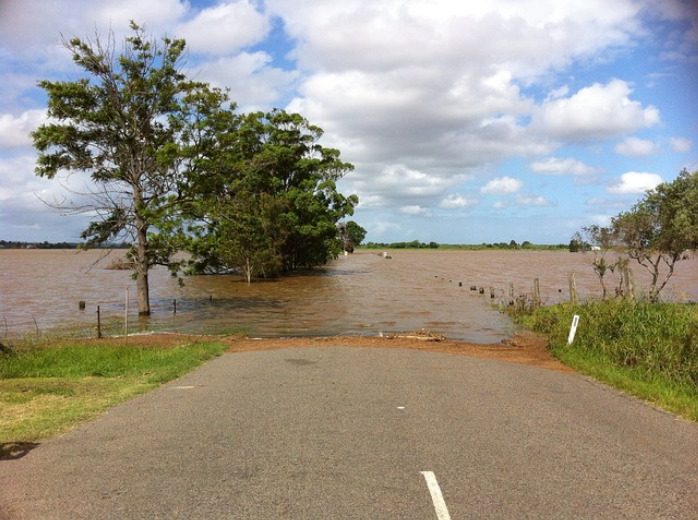
Food security during disasters is critical for maintaining public health and community resilience. It encompasses access to sufficient, safe, and nutritious food to meet dietary needs. Disasters can disrupt food supply chains, leading to shortages and increased hunger. Understanding the dynamics of food security in these contexts is vital for effective disaster planning. This involves recognizing the potential impacts of disasters on local food systems, including agricultural losses, market disruptions, and logistical challenges in food distribution.
Addressing food security means planning for both immediate needs and long-term recovery. Without a focus on food, communities may face increased malnutrition and health issues, complicating recovery efforts. Therefore, integrating food security into disaster planning is not just about food distribution; it also involves understanding the broader implications of food access on community well-being.
Assessing Local Food Resources
A thorough assessment of local food resources is the first step in disaster planning. Communities should identify available food supplies, including local farms, food banks, and grocery stores. This assessment should also consider the types of food available, their nutritional value, and the capacity of local producers to meet emergency needs.
Engaging with local stakeholders, such as farmers and food distributors, can provide insight into the strengths and vulnerabilities of the food system. For example, understanding which crops are most resilient to disasters can help prioritize agricultural support during recovery phases. Additionally, mapping food resources allows planners to visualize access points and identify potential gaps in service.
Common mistakes in this assessment phase include overlooking smaller, local food producers or failing to account for seasonal variations in food availability. To mitigate these issues, planners should establish ongoing dialogues with food producers and community organizations to ensure a comprehensive understanding of local food dynamics.
Establishing Emergency Food Distribution Systems
Creating effective emergency food distribution systems is essential for addressing food security during disasters. These systems must be designed to deliver food quickly and efficiently to affected populations. Key components include identifying distribution sites, logistics for transportation, and methods for ensuring equitable access.
Distribution sites should be easily accessible and strategically located to reach the most vulnerable populations, including low-income households and those with limited mobility. Collaboration with local organizations can enhance the effectiveness of these systems, as they often have established networks and trust within communities.
Logistics play a crucial role in food distribution. This includes planning for transportation routes, storage facilities, and the management of perishable items. One common pitfall is failing to plan for the potential loss of transportation infrastructure due to a disaster, which can hinder food delivery. Therefore, planners should consider alternative transportation methods and establish contingency plans to ensure food reaches those in need.
Building Partnerships for Food Security
Partnerships are critical for enhancing food security in disaster planning. Collaborating with local farms, food banks, and non-profit organizations can create a robust support network that strengthens food systems. These partnerships can facilitate resource sharing, knowledge exchange, and collective action during emergencies.
For example, local farms can provide fresh produce for emergency food supplies, while food banks can coordinate distribution efforts. Additionally, partnerships with government agencies can secure funding and resources necessary for effective planning and response. Engaging community members in these partnerships fosters a sense of ownership and commitment to food security initiatives.
One common misconception is that food security is solely the responsibility of government agencies. In reality, it requires a multi-sectoral approach that includes input and participation from various stakeholders, including community members, private sector actors, and non-profit organizations. By building these partnerships, communities can create more resilient food systems that can withstand the impacts of disasters.
Frequently Asked Questions
What is food security in disaster planning?
Food security in disaster planning refers to ensuring access to sufficient, safe, and nutritious food during and after disasters, addressing both immediate needs and long-term recovery.
What are effective food distribution methods during disasters?
Effective food distribution methods include establishing accessible sites, planning transportation logistics, and collaborating with local organizations to ensure equitable access to food supplies.
Why are partnerships important for food security?
Partnerships enhance food security by fostering collaboration among local farms, food banks, and government agencies, creating a robust support network for food systems during disasters.
What common mistakes should be avoided in disaster food planning?
Common mistakes include overlooking local food producers, failing to plan for transportation disruptions, and not engaging community members in the planning process.
Further Reading
Authoritative Sources
Authoritative Sources
Food and Agriculture Organization (FAO) fao.org
FAO provides guidance on food security and disaster management, offering resources for effective planning and response
World Food Programme (WFP) wfp.org
WFP focuses on food assistance in emergencies and provides insights into best practices for disaster response
American Red Cross redcross.org
The Red Cross offers resources and training for communities to prepare for disasters and ensure food security
USDA National Agricultural Library nal.usda.gov
The USDA provides extensive information on agriculture and food systems, crucial for understanding local resources during disasters
Conclusion
Addressing food security in disaster planning is essential for ensuring community resilience and public health. By assessing local food resources, establishing effective distribution systems, and building partnerships, communities can better prepare for and respond to disasters. It is crucial to prioritize these elements to mitigate hunger and support recovery efforts. Engaging stakeholders and continuously evaluating food systems will create a more robust framework for food security during emergencies.
Understanding the Importance of Inclusive Emergency Planning
Inclusive emergency planning is crucial because it ensures that all family members, regardless of age or ability, can respond effectively during crises. When plans do not consider the diverse needs of children, seniors, and those with disabilities, it can lead to confusion and increased risk. An effective emergency plan not only protects physical safety but also fosters confidence and preparedness among all family members.
One key aspect is recognizing that different age groups may respond differently to emergencies. For instance, children may require reassurance and simple explanations, while seniors might need assistance with mobility or understanding complex instructions. By creating an inclusive plan, families can minimize anxiety and enhance the overall effectiveness of their emergency response.
Identifying Unique Needs Across Different Age Groups
To accommodate all ages in your emergency plan, start by identifying the specific needs of each family member. For children, consider their developmental stages; younger children might need visual aids and simple language, while teenagers may require involvement in decision-making to feel empowered. For seniors, assess any mobility issues, cognitive changes, or sensory impairments that may affect their ability to respond to emergencies.
Moreover, individuals with disabilities may require tailored resources, such as assistive devices or specific evacuation strategies. Engaging each family member in the planning process allows for a more comprehensive understanding of their needs, promoting a sense of ownership and preparedness.
Developing an Effective Communication Strategy
Communication is essential during emergencies, and it must be tailored to the understanding levels of all age groups. Develop a strategy that includes various methods, such as verbal instructions, written guides, and visual cues, to ensure clarity. For example, use diagrams or pictograms for younger children and provide written instructions in large print for seniors.
Consider utilizing technology, such as group messaging apps, to disseminate information quickly. However, ensure that all family members are comfortable using these tools and provide alternatives for those who may not be tech-savvy. Regularly review and practice these communication methods to ensure everyone knows how to access and understand the information during an emergency.
Conducting Regular Drills and Training
Regular drills are vital for reinforcing your emergency plan and ensuring that all ages are familiar with it. Schedule drills that involve every family member and simulate various scenarios, such as fire evacuations or severe weather responses. This practice not only builds confidence but also identifies areas where the plan may need improvement.
During drills, observe how different age groups respond and adapt the plan as necessary. For instance, younger children may need more guidance, while older family members may take on leadership roles. Discuss the outcomes of each drill afterward to gather feedback and foster a culture of continuous improvement.
For more comprehensive resources on inclusive emergency planning, consider reviewing guidelines from reputable organizations such as the Federal Emergency Management Agency (FEMA) or the American Red Cross, which provide useful templates and strategies tailored to diverse populations.
Frequently Asked Questions
What should be included in an emergency plan for all ages?
An effective emergency plan should include clear communication strategies, evacuation routes, specific roles for each family member, and resources tailored to different age groups.
How can I involve children in emergency planning?
Involve children by explaining the plan in simple terms, conducting practice drills, and letting them participate in decision-making to help them feel empowered.
What are some common mistakes in emergency planning for families?
Common mistakes include failing to account for the unique needs of different ages, not practicing the plan regularly, and assuming all family members understand the plan without verification.
How often should we review our emergency plan?
Review your emergency plan at least annually or whenever there are significant changes in family circumstances, such as new members or changes in health status.
Further Reading
Authoritative Sources
Ready.gov Preparedness Guidance ready.gov
Federal preparedness guidance for household planning, alerts, supplies, and emergencies
American Red Cross Emergency Preparedness redcross.org
Emergency preparedness resources for families, disasters, and practical safety planning
FEMA Preparedness Resources fema.gov
National preparedness resources for planning, mitigation, and response readiness
Understanding the unique risks and needs of your community is the first step in developing a comprehensive emergency training program. Conducting a thorough risk assessment helps identify potential hazards such as natural disasters, industrial accidents, or public health emergencies. Engaging with local emergency services, public health officials, and community organizations can provide valuable insights into specific vulnerabilities and existing resources.
For example, a community prone to flooding will have different training needs compared to one that faces wildfires. Recognizing these differences allows for targeted training that addresses the most pressing concerns. Additionally, surveys and focus groups can gather input from community members to ensure the program reflects their concerns and priorities.
Building Community Engagement and Collaboration
Successful emergency training programs rely heavily on community involvement. To foster engagement, it’s crucial to communicate the importance of preparedness and involve residents in the planning process. Hosting informational meetings and workshops can help raise awareness about potential risks and the benefits of training.
Collaboration with local organizations, schools, and businesses can also enhance the program’s reach and effectiveness. For instance, partnering with schools to integrate emergency preparedness into their curriculum can create a culture of safety from a young age. Establishing a network of volunteers trained in emergency response not only builds capacity but strengthens community ties.
Designing Effective Training Modules
Training modules should be tailored to address the specific risks identified during the assessment phase. Incorporating hands-on, scenario-based training allows participants to practice skills in a realistic environment. Topics may include first aid, evacuation procedures, and emergency communication strategies.
One effective method is to conduct drills that simulate real emergencies. For example, a community could organize a full-scale evacuation drill to test response times and coordination among various agencies. Feedback from these drills is invaluable for refining training programs and identifying areas for improvement.
Implementing and Evaluating the Program
Once the training modules are designed, the implementation phase begins. It’s essential to schedule regular training sessions and ensure they are accessible to all community members. Utilizing various platforms, such as online courses and in-person workshops, can accommodate different learning styles and schedules.
Evaluation is a critical component of any successful training program. Collecting feedback from participants after each training session can help assess effectiveness and areas needing adjustment. Additionally, conducting periodic reviews of the program in light of new risks or community changes ensures that the training remains relevant and effective.
Frequently Asked Questions
What are the first steps to create an emergency training program?
Start by assessing community risks and needs, engaging local stakeholders, and gathering input from residents to ensure the program is relevant and effective.
How can community members get involved in the training program?
Community members can participate by attending meetings, volunteering for training sessions, and providing feedback on the program's effectiveness and content.
What types of training should be included in the program?
Training should cover a range of topics, including first aid, emergency response procedures, evacuation plans, and effective communication during crises.
How often should the training be updated?
The training program should be evaluated and updated regularly, ideally every year or after significant changes in community risks or resources.
What common mistakes should be avoided in emergency training programs?
Common mistakes include failing to tailor training to specific community needs, neglecting to engage community members, and not regularly updating the training content.
Further Reading
Authoritative Sources
Ready.gov ready.gov
An official resource for emergency preparedness that provides guidelines and materials for community training programs
American Red Cross redcross.org
Offers training programs and resources for disaster preparedness and response
Centers for Disease Control and Prevention (CDC) cdc.gov
Provides information on public health emergencies and resources for community training initiatives
Conclusion
Developing a community-wide emergency training program requires careful planning, community engagement, and ongoing evaluation. By assessing local risks, involving community members in the process, and designing relevant training modules, communities can enhance their preparedness for emergencies. Regular updates and evaluations will ensure the program remains effective and responsive to changing needs. Taking these steps not only builds resilience but also fosters a culture of safety and preparedness among community members.
During crises, identifying official sources of information is paramount for accuracy and reliability. Government agencies, such as the Centers for Disease Control and Prevention (CDC) or the World Health Organization (WHO), often provide updates and guidelines that are based on scientific research and expert consensus. These organizations have established protocols for disseminating information, ensuring that what you read is credible and timely.
Moreover, local government websites can provide specific information relevant to your area, including emergency alerts, safety protocols, and resources available to the public. It’s essential to bookmark these official sites and check them frequently, especially during rapidly evolving situations like natural disasters or public health emergencies.
However, simply relying on government sources isn’t enough. Be aware of the potential for changes in information as new data becomes available. For instance, during a public health crisis, guidelines may shift as more research is conducted. Therefore, staying updated is crucial, and understanding how to interpret the information provided is equally important.
Utilizing Trusted News Outlets
Trusted news outlets play a vital role in providing real-time updates during crises. Major news organizations often have dedicated teams for crisis reporting, ensuring that the information is not only accurate but also contextualized. Look for news organizations that follow journalistic standards, such as fact-checking and sourcing from experts.
When assessing a news outlet, consider its reputation and history of reliability. Established outlets like BBC, Reuters, or Associated Press have a long-standing commitment to factual reporting. Pay attention to the tone and language used in the articles; sensationalist headlines may indicate a lack of reliability.
Another important aspect is to check the reporting against multiple sources. If a significant event occurs, it’s beneficial to see how different outlets report on it. This can help you identify any discrepancies and understand the broader context of the information being presented.
Cross-Verification Techniques
Cross-verification is a crucial technique for ensuring the information you receive is reliable. This involves comparing information from multiple sources to confirm its accuracy. Start by checking official sources and then look for corroborating reports from trusted news organizations.
Fact-checking websites like Snopes or FactCheck.org can also serve as valuable resources. They analyze claims and provide evidence-based assessments of their accuracy. When using these sites, be sure to check the publication date, as older fact checks may no longer be relevant in fast-changing situations.
Additionally, social media platforms can be useful for real-time updates, but they require caution. Verify any information found on social media by tracing it back to credible sources. Many platforms have tools to help users identify verified accounts, which can reduce the risk of spreading misinformation.
Understanding Misinformation and Disinformation
Understanding the difference between misinformation and disinformation is essential during crises. Misinformation refers to false or misleading information shared without malicious intent, while disinformation is deliberately false information intended to deceive. Both can spread rapidly, especially through social media and word-of-mouth.
To combat these issues, be skeptical of information that seems sensational or lacks credible sourcing. Check the author’s credentials and the publication’s reputation. Look for signs of bias or agendas that may influence how information is presented.
Being informed also means recognizing your own biases. Acknowledge how personal beliefs can affect your perception of information and strive to seek out diverse perspectives. This can help you remain objective and make more informed decisions based on the most reliable information available.
For those looking to deepen their understanding of reliable information sources during crises, consider checking reputable organizations’ websites or publications. Resources from government agencies, health organizations, and established news outlets can provide crucial insights and updates.
Frequently Asked Questions
What are the best sources for crisis information?
The best sources include official government websites, recognized health organizations like the CDC or WHO, and established news outlets that adhere to journalistic standards.
How can I verify information I find online?
Verify information by cross-referencing multiple reputable sources, checking fact-checking websites, and ensuring the information is current and from credible authors.
What should I do if I find conflicting information?
When faced with conflicting information, check the credibility of the sources, look for consensus among trusted outlets, and consult fact-checking platforms for clarity.
How can social media be a source of misinformation?
Social media can spread misinformation quickly due to the lack of rigorous fact-checking, the viral nature of content, and the potential for users to share unverified claims.
Why is understanding biases important in crisis information?
Understanding biases is crucial because they can affect how information is interpreted, leading to misjudgments. Being aware of your biases helps in seeking diverse perspectives for a more accurate understanding.
Further Reading
Authoritative Sources
Library of Congress Research Guides guides.loc.gov
Research guides that help readers locate reliable background sources on a wide range of subjects
USA.gov Official Information and Services usa.gov
Official U.S. government information and public resources for practical reference
Google Scholar scholar.google.com
Academic search resource for finding research literature and source material
Conclusion
Finding reliable sources of information during crises is critical for making informed decisions. By prioritizing official channels, utilizing trusted news outlets, and employing cross-verification techniques, you can enhance your ability to discern accurate information. Understanding the nuances of misinformation and disinformation will further equip you to navigate the complexities of information during challenging times. Stay proactive, critical, and open-minded to ensure you are well-informed and prepared.
Understanding the Importance of Emergency Preparedness
Emergency preparedness is crucial for ensuring the safety and well-being of individuals and families during unexpected situations. It involves anticipating potential risks and taking proactive measures to mitigate their impact. By understanding the types of emergencies that may arise—be it natural disasters like hurricanes and earthquakes, or human-made crises such as pandemics—you can better equip yourself to respond effectively. The first step in this process is assessing your unique situation and identifying specific risks associated with your location.
Many individuals underestimate the likelihood of emergencies or believe that they will never face a crisis. This misconception can lead to inadequate preparation, which can have dire consequences. For instance, those who live in flood-prone areas may find themselves unprepared when a sudden storm strikes, resulting in property damage and personal danger. By taking the time to prepare, you can significantly reduce the risks and improve your chances of a successful outcome.
Key Elements of an Emergency Plan
A well-structured emergency plan is the backbone of effective preparedness. This plan should encompass various aspects, including communication, evacuation, and resource management. First, designate a family meeting point and establish a communication strategy that enables everyone to stay connected during a crisis. This might include sharing contact information, using group messaging apps, or setting up a designated emergency contact outside the immediate area.
Next, outline evacuation routes that are easily accessible and safe. Familiarize all family members with these routes and consider potential obstacles that may arise during an emergency. It’s also essential to identify local shelters and understand the resources available in your community.
Incorporating a risk assessment into your plan can help prioritize actions based on the specific threats you face. For example, if wildfires are a concern, your plan should include steps for quickly evacuating pets and important documents. Regularly revisiting and updating your plan will ensure that it remains relevant and effective.
Essential Supplies for Emergencies
Having the right supplies on hand can make all the difference during an emergency. Begin by creating a comprehensive emergency supply kit that includes items such as non-perishable food, water, medications, a first-aid kit, flashlights, batteries, and hygiene products. The American Red Cross recommends having enough supplies to last at least three days for each person in your household.
In addition to the basics, consider including specialized items tailored to your family’s needs, such as baby formula, pet food, or equipment for individuals with disabilities. Regularly check and update your supplies, replacing expired items and ensuring that everything is in working order.
A common mistake is underestimating the importance of having a portable charger for your mobile devices. In emergencies, communication can be vital, and having a charged phone can facilitate contact with emergency services and loved ones. Store important documents, such as insurance papers and identification, in a waterproof container within your kit for easy access during a crisis.
Practicing Your Emergency Plan
Preparation is not complete without practice. Regularly conducting drills with your family helps reinforce the emergency plan and ensures that everyone knows their roles and responsibilities. Schedule at least two practice sessions per year, simulating different scenarios to test your plan’s effectiveness.
During these drills, assess how quickly your family can evacuate the home, communicate their whereabouts, and access emergency supplies. Identify any areas for improvement and make necessary adjustments to your plan. Engaging children in these drills can also help them understand the importance of preparedness and encourage them to take the process seriously.
Another valuable aspect of practicing your plan is fostering a sense of confidence among family members. When everyone feels equipped to handle emergencies, the overall response becomes more organized and effective. Make it a family event; this not only educates but also strengthens family bonds through shared responsibility.
Frequently Asked Questions
What should I include in my emergency supply kit?
Your emergency supply kit should include non-perishable food, water, first-aid supplies, medications, hygiene products, a flashlight, batteries, and a portable charger.
How often should I update my emergency plan?
It's recommended to review and update your emergency plan at least once a year or whenever significant changes occur in your household or community.
Why is practicing my emergency plan important?
Practicing your emergency plan ensures that all family members know their roles and responsibilities, which can lead to a more organized and effective response during an actual emergency.
What types of emergencies should I prepare for?
Prepare for various emergencies, including natural disasters (earthquakes, floods, hurricanes) and human-made situations (pandemics, chemical spills). Assess local risks to tailor your preparation.
How can I involve my children in emergency preparedness?
Involve children by explaining the importance of emergency preparedness, engaging them in creating the emergency plan, and practicing drills together to help them understand their role.
Further Reading
Authoritative Sources
Library of Congress Research Guides guides.loc.gov
Research guides that help readers locate reliable background sources on a wide range of subjects
USA.gov Official Information and Services usa.gov
Official U.S. government information and public resources for practical reference
Google Scholar scholar.google.com
Academic search resource for finding research literature and source material
Conclusion
Effective preparation for unexpected emergencies involves creating a detailed plan, gathering essential supplies, and practicing regularly with your family. By understanding the risks you face and taking proactive steps, you can significantly enhance your readiness and resilience. Start today by assessing your situation, developing your emergency plan, and ensuring everyone knows their role in keeping your household safe during a crisis.
Find the gaps most families don’t notice until something goes wrong.
Free. Practical. No fear-mongering.
By requesting this resource, you agree to receive practical PREPARE Magazine guides, tools, and email updates. You can unsubscribe anytime. Privacy Policy