
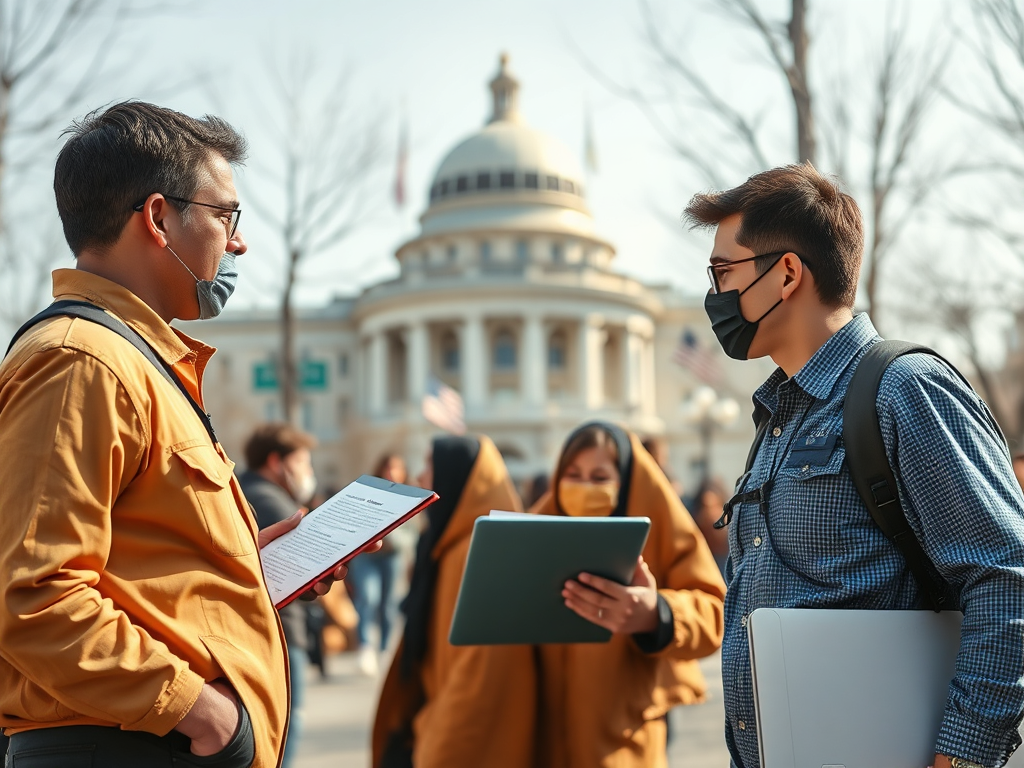
To find reliable sources of information during crises, prioritize official channels such as government websites, recognized news organizations, and health agencies. It’s crucial to cross-verify information using multiple reputable sources to avoid misinformation. Utilize fact-checking websites and pay attention to the publication date to ensure the information is current. Understanding the context and potential biases of sources will also help in discerning the reliability of the information.
What you’ll learn
This guide covers the following practical points:
- Identifying Official Sources — During crises, identifying official sources of information is paramount for accuracy and reliability.
- Utilizing Trusted News Outlets — Trusted news outlets play a vital role in providing real-time updates during crises.
- Cross-Verification Techniques — Cross-verification is a crucial technique for ensuring the information you receive is reliable.
- Understanding Misinformation and Disinformation — Understanding the difference between misinformation and disinformation is essential during crises.
Identifying Official Sources
During crises, identifying official sources of information is paramount for accuracy and reliability. Government agencies, such as the Centers for Disease Control and Prevention (CDC) or the World Health Organization (WHO), often provide updates and guidelines that are based on scientific research and expert consensus. These organizations have established protocols for disseminating information, ensuring that what you read is credible and timely.
Moreover, local government websites can provide specific information relevant to your area, including emergency alerts, safety protocols, and resources available to the public. It’s essential to bookmark these official sites and check them frequently, especially during rapidly evolving situations like natural disasters or public health emergencies.
However, simply relying on government sources isn’t enough. Be aware of the potential for changes in information as new data becomes available. For instance, during a public health crisis, guidelines may shift as more research is conducted. Therefore, staying updated is crucial, and understanding how to interpret the information provided is equally important.
Utilizing Trusted News Outlets
Trusted news outlets play a vital role in providing real-time updates during crises. Major news organizations often have dedicated teams for crisis reporting, ensuring that the information is not only accurate but also contextualized. Look for news organizations that follow journalistic standards, such as fact-checking and sourcing from experts.
When assessing a news outlet, consider its reputation and history of reliability. Established outlets like BBC, Reuters, or Associated Press have a long-standing commitment to factual reporting. Pay attention to the tone and language used in the articles; sensationalist headlines may indicate a lack of reliability.
Another important aspect is to check the reporting against multiple sources. If a significant event occurs, it’s beneficial to see how different outlets report on it. This can help you identify any discrepancies and understand the broader context of the information being presented.
Cross-Verification Techniques
Cross-verification is a crucial technique for ensuring the information you receive is reliable. This involves comparing information from multiple sources to confirm its accuracy. Start by checking official sources and then look for corroborating reports from trusted news organizations.
Fact-checking websites like Snopes or FactCheck.org can also serve as valuable resources. They analyze claims and provide evidence-based assessments of their accuracy. When using these sites, be sure to check the publication date, as older fact checks may no longer be relevant in fast-changing situations.
Additionally, social media platforms can be useful for real-time updates, but they require caution. Verify any information found on social media by tracing it back to credible sources. Many platforms have tools to help users identify verified accounts, which can reduce the risk of spreading misinformation.
Understanding Misinformation and Disinformation
Understanding the difference between misinformation and disinformation is essential during crises. Misinformation refers to false or misleading information shared without malicious intent, while disinformation is deliberately false information intended to deceive. Both can spread rapidly, especially through social media and word-of-mouth.
To combat these issues, be skeptical of information that seems sensational or lacks credible sourcing. Check the author’s credentials and the publication’s reputation. Look for signs of bias or agendas that may influence how information is presented.
Being informed also means recognizing your own biases. Acknowledge how personal beliefs can affect your perception of information and strive to seek out diverse perspectives. This can help you remain objective and make more informed decisions based on the most reliable information available.
For those looking to deepen their understanding of reliable information sources during crises, consider checking reputable organizations’ websites or publications. Resources from government agencies, health organizations, and established news outlets can provide crucial insights and updates.
Frequently Asked Questions
What are the best sources for crisis information?
The best sources include official government websites, recognized health organizations like the CDC or WHO, and established news outlets that adhere to journalistic standards.
How can I verify information I find online?
Verify information by cross-referencing multiple reputable sources, checking fact-checking websites, and ensuring the information is current and from credible authors.
What should I do if I find conflicting information?
When faced with conflicting information, check the credibility of the sources, look for consensus among trusted outlets, and consult fact-checking platforms for clarity.
How can social media be a source of misinformation?
Social media can spread misinformation quickly due to the lack of rigorous fact-checking, the viral nature of content, and the potential for users to share unverified claims.
Why is understanding biases important in crisis information?
Understanding biases is crucial because they can affect how information is interpreted, leading to misjudgments. Being aware of your biases helps in seeking diverse perspectives for a more accurate understanding.
Conclusion
Finding reliable sources of information during crises is critical for making informed decisions. By prioritizing official channels, utilizing trusted news outlets, and employing cross-verification techniques, you can enhance your ability to discern accurate information. Understanding the nuances of misinformation and disinformation will further equip you to navigate the complexities of information during challenging times. Stay proactive, critical, and open-minded to ensure you are well-informed and prepared.