Community resources play a vital role during emergencies, providing essential support such as food, shelter, medical care, and emotional assistance. Understanding these resources involves recognizing their types, including governmental agencies, non-profits, and local volunteers. Each resource has its unique strengths and limitations, which can significantly impact their effectiveness during a crisis.
For example, local food banks may have the capability to provide immediate sustenance, while shelters might offer temporary housing. Evaluating these resources requires a comprehensive understanding of their operational frameworks and how they collaborate with one another. A well-coordinated network enhances response times and ensures that community needs are met effectively.
Key Metrics for Evaluation
To effectively evaluate community resources during emergencies, several key metrics should be considered. These metrics provide insight into the performance and impact of these resources on the affected population.
Response Time: The time taken for resources to be mobilized can significantly affect outcomes. A swift response can save lives and reduce suffering.
Resource Allocation: Evaluating how resources are distributed among different needs (e.g., food, medical supplies) helps identify potential gaps in service.
Community Engagement: The level of community involvement in resource mobilization can enhance effectiveness. Engaged communities can better identify their needs and facilitate resource delivery.
Satisfaction Ratings: Gathering feedback from those served by community resources can provide valuable insights into their effectiveness and areas for improvement.
These metrics should be tailored to the specific context of the emergency and the community’s unique characteristics. For instance, urban areas may require different evaluation criteria compared to rural settings due to the variation in resource availability and community dynamics.
Assessment Methods
Several assessment methods can be employed to evaluate the effectiveness of community resources in emergencies. These methods can be qualitative or quantitative, providing a comprehensive view of resource performance.
Surveys and Questionnaires: These tools can be distributed to community members and resource providers to gather data on satisfaction levels, perceived effectiveness, and areas needing improvement. Surveys can also help identify unaddressed needs within the community.
Focus Groups: Conducting focus group discussions with community members and stakeholders can yield in-depth qualitative insights. Participants can share personal experiences, challenges faced during emergencies, and suggestions for improvement.
Performance Metrics Analysis: Analyzing existing data related to resource deployment, response times, and community engagement can provide a clearer picture of effectiveness. This method often involves collaboration with local agencies to access historical data.
Utilizing a combination of these assessment methods can enhance the reliability of findings and ensure that a holistic view of community resource effectiveness is obtained.
Common Pitfalls in Evaluation
When evaluating community resources, several common pitfalls can undermine the effectiveness of the assessment process. Recognizing and addressing these challenges is essential for obtaining accurate insights.
Overlooking Community Input: Failing to incorporate feedback from community members can lead to skewed evaluations. Their experiences and insights are crucial for understanding the real impact of resources.
Focusing Solely on Quantitative Data: While numbers provide valuable information, qualitative insights are equally important. Balancing both perspectives ensures a comprehensive assessment.
Ignoring Contextual Factors: Evaluations should consider the unique characteristics of the community and the specific emergency context. Generic metrics may not accurately reflect effectiveness.
By being aware of these pitfalls, evaluators can adopt a more nuanced approach, leading to improved evaluations and better resource allocation in future emergencies.
For those looking to deepen their understanding of evaluating community resources, consider exploring official documentation from local emergency management agencies, or resources from recognized organizations focused on disaster response and community resilience.
Frequently Asked Questions
Why is community engagement important in emergencies?
Community engagement is crucial because it ensures that resources meet the actual needs of the population and enhances coordination and mobilization efforts.
How can I improve the evaluation process?
Improving the evaluation process can be achieved by using a mix of qualitative and quantitative methods, involving community feedback, and adapting metrics to the specific context.
Further Reading
Authoritative Sources
Library of Congress Research Guides guides.loc.gov
Research guides that help readers locate reliable background sources on a wide range of subjects
USA.gov Official Information and Services usa.gov
Official U.S. government information and public resources for practical reference
Google Scholar scholar.google.com
Academic search resource for finding research literature and source material
Conclusion
Evaluating the effectiveness of community resources in emergencies is essential for improving response efforts and ensuring that community needs are met. By focusing on key metrics such as response times, resource allocation, and community engagement, stakeholders can gain valuable insights into the strengths and weaknesses of existing systems. Incorporating community feedback and utilizing a variety of assessment methods will enhance the evaluation process, leading to more effective resource mobilization in future emergencies. Prioritizing these evaluations not only strengthens community resilience but also fosters trust and collaboration among resource providers and the communities they serve.
The Importance of Collaboration with Emergency Services
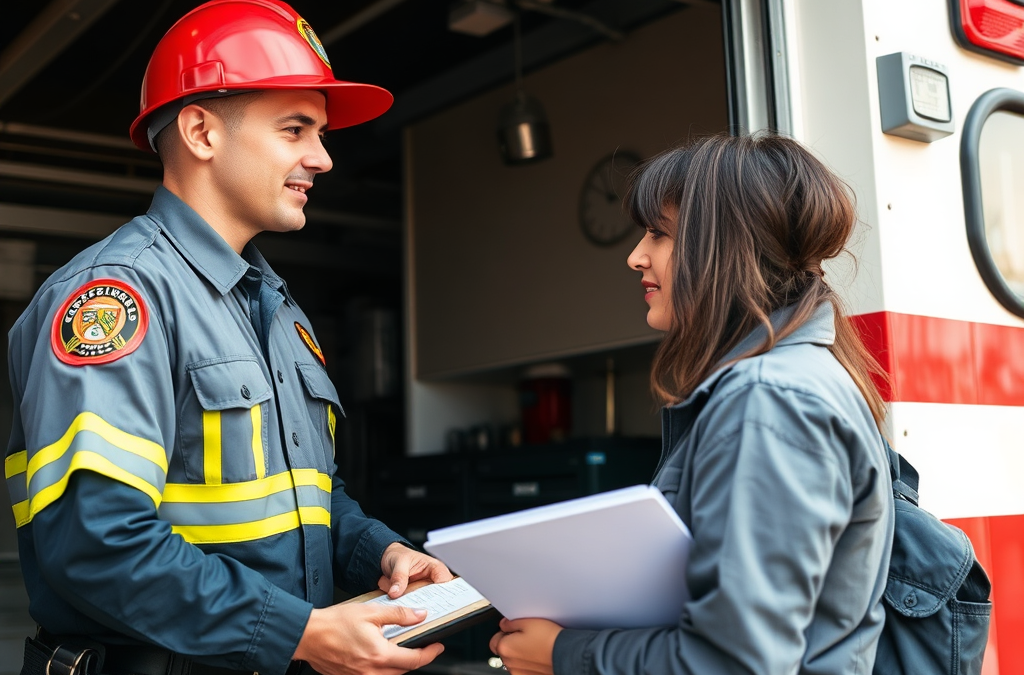
Collaboration with local emergency services is crucial for enhancing community safety and preparedness. When citizens and emergency responders work together, they can create a more resilient environment capable of responding effectively to crises. This cooperation fosters trust, improves communication, and ensures that emergency services understand the specific needs of the community they serve. Moreover, a strong partnership can lead to better resource allocation and quicker response times during emergencies.
Understanding the roles and capabilities of local emergency services, including police, fire departments, and emergency medical services, is essential. Each entity has unique strengths and limitations. For example, while police can provide security and crowd control, fire services are equipped for rescue and firefighting. By recognizing these distinctions, communities can better leverage their resources and ensure a coordinated response during crises.
Effective Networking Strategies
Building relationships with local emergency services requires strategic networking efforts. Start by attending public meetings, town halls, or community forums where emergency services present their operations and initiatives. These events provide a platform for residents to ask questions, voice concerns, and establish connections with emergency personnel.
In addition to attending meetings, consider forming or joining community groups focused on safety and preparedness. These groups can serve as a liaison between residents and emergency services, facilitating communication and collaborative efforts. Regularly scheduled meetings can help maintain engagement and ensure that all parties remain informed about ongoing initiatives.
Utilizing social media platforms can further enhance communication. Create dedicated pages or groups where community members can share information, report issues, and interact with emergency services. This real-time communication can be invaluable during emergencies, allowing for quick dissemination of information and updates.
Common Misconceptions to Avoid
When trying to build relationships with local emergency services, it’s important to avoid common misconceptions that can hinder collaboration. One prevalent myth is that emergency services are solely responsible for community safety. In reality, a partnership approach is necessary, where both residents and responders play active roles. Understanding that community members can contribute valuable local knowledge can help bridge gaps in communication.
Another misconception is that emergency services only want to interact with community leaders or officials. While these relationships are important, emergency services also value direct communication with everyday citizens. Engaging with responders at community events or through informal channels can help demystify their roles and foster a sense of accessibility.
In summary, some individuals may assume that building these relationships is a one-time effort. In truth, ongoing engagement is crucial. Regular interactions, updates, and feedback sessions create a culture of collaboration that benefits everyone involved.
Building Long-term Partnerships
To ensure lasting relationships with local emergency services, focus on creating long-term partnerships based on trust and mutual respect. Start by establishing clear communication protocols. Agree on how often to meet and the preferred methods of communication, whether through phone, email, or in-person meetings.
Participating in joint training exercises or simulations can strengthen these partnerships. Such activities allow community members and emergency responders to practice working together in real-life scenarios, enhancing overall preparedness. Additionally, these exercises provide opportunities to identify strengths and weaknesses in emergency response plans.
Recognizing and celebrating the contributions of emergency services can also fortify relationships. Hosting appreciation events or recognizing their efforts publicly can enhance goodwill and demonstrate community support. This acknowledgment can motivate emergency personnel to engage more actively with the community.
Building effective relationships with emergency services is an ongoing process that requires commitment and active participation from both parties. Explore local resources or organizations that focus on community safety and emergency preparedness to deepen your understanding and involvement.
Frequently Asked Questions
What are the benefits of building relationships with emergency services?
Building relationships with emergency services improves community safety, enhances communication, and fosters trust, leading to more effective responses during emergencies.
How can I get involved with my local emergency services?
You can get involved by attending community meetings, volunteering for local safety initiatives, or joining community groups focused on emergency preparedness.
What should I do if I have concerns about local emergency services?
Communicate your concerns directly to the emergency services through official channels or community forums, ensuring they are aware of the issues affecting your community.
Are there training programs available for citizens?
Yes, many local emergency services offer training programs for citizens on topics like first aid, CPR, and emergency response, which can enhance community preparedness.
How can social media help in building these relationships?
Social media allows for real-time communication, updates, and information sharing between emergency services and the community, fostering engagement and collaboration.
Further Reading
Authoritative Sources
Ready.gov Preparedness Guidance ready.gov
Federal preparedness guidance for household planning, alerts, supplies, and emergencies
American Red Cross Emergency Preparedness redcross.org
Emergency preparedness resources for families, disasters, and practical safety planning
FEMA Preparedness Resources fema.gov
National preparedness resources for planning, mitigation, and response readiness
Conclusion
Establishing strong relationships with local emergency services is essential for community safety and preparedness. By actively engaging with responders, participating in training, and maintaining open lines of communication, communities can create a resilient environment that effectively addresses emergencies. Prioritize ongoing collaboration and mutual respect to build a partnership that benefits everyone involved.
Understanding the Importance of a Mobile Emergency Kit
A mobile emergency kit is vital for ensuring safety during unforeseen situations while on the move. Emergencies can occur anywhere, whether you’re traveling, commuting, or engaging in outdoor activities. Having a well-prepared kit can provide peace of mind and essential resources to handle crises effectively. It is important to recognize that emergencies range from natural disasters to personal health incidents, making readiness crucial.
Many people underestimate the likelihood of emergencies when away from home, which can lead to inadequate preparation. By creating a mobile emergency kit, you equip yourself with the necessary tools and supplies to respond promptly to various scenarios, minimizing risks to your health and safety. Furthermore, a well-organized kit increases your confidence in managing emergency situations, allowing you to focus on effective problem-solving rather than panic.
Essential Items to Include
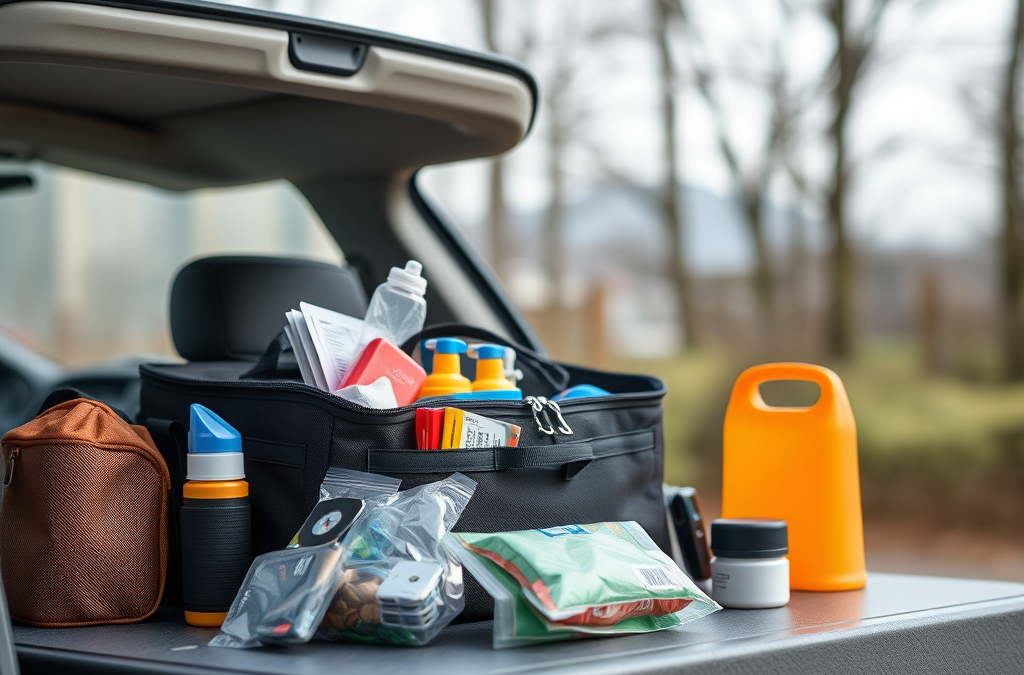
When assembling a mobile emergency kit, prioritize including essential items that cater to basic needs and potential emergencies. Here are key categories and examples of items to consider:
Water and Food: Pack at least one gallon of water per person per day for at least three days, along with non-perishable food items such as energy bars, canned goods, or dehydrated meals.
First Aid Supplies: Include a comprehensive first aid kit with bandages, antiseptic wipes, adhesive tape, scissors, and any personal medications.
Tools and Equipment: A multi-tool, flashlight with extra batteries, and a whistle can be invaluable for signaling for help or performing minor repairs.
Clothing and Shelter: A compact emergency blanket, poncho, and extra clothing layers can protect against the elements.
Personal Identification: Keep copies of important documents, such as identification and insurance information, in a waterproof bag.
Remember that the specific contents of your kit may vary based on your personal needs, the environment, and the activities you engage in. For instance, families with children may need to include baby supplies or comfort items, while those with pets should consider their needs as well.
Strategies for Packing and Organizing Your Kit
Effective packing and organization of your mobile emergency kit can significantly enhance its usability during an emergency. Here are several strategies to consider:
Use Compact Containers: Choose a durable backpack or a compact container that is easy to carry. Ensure it has multiple compartments for organizing supplies.
Label Contents: Clearly label bags or containers within your kit to quickly locate items when needed. This can save precious time during a stressful situation.
Prioritize Accessibility: Place frequently used items, such as first aid supplies and food, at the top or in easily accessible pockets to ensure quick retrieval.
Practice Retrieval: Familiarize yourself with the contents and layout of your kit. Conduct practice drills to ensure you can quickly access what you need in a real emergency.
By implementing these strategies, you can optimize your mobile emergency kit for efficiency, making it easier to manage during crises. Additionally, consider customizing your kit based on your routine and the environments you frequent, ensuring it meets your specific needs.
Maintaining Your Mobile Emergency Kit
Regular maintenance of your mobile emergency kit is essential to ensure its effectiveness. Over time, items can expire, batteries can die, and supplies can become depleted. Here are some best practices for maintaining your kit:
Regular Checkups: Schedule periodic reviews of your kit, ideally every six months. Check the expiration dates of food and medications, and replace any expired items.
Update Based on Needs: As your lifestyle or family dynamics change, reassess the items in your kit. For instance, if you have a new pet or a family member with specific medical needs, ensure your kit reflects these changes.
Restock After Use: After any use of your kit, immediately restock it to ensure it’s ready for future emergencies.
Maintaining your mobile emergency kit not only ensures you are always prepared but also reinforces the importance of being proactive in emergency preparedness. A well-maintained kit can make a significant difference in your ability to respond effectively to crises.
For more detailed guidance on emergency preparedness, consider checking resources from official organizations like the FEMA and the American Red Cross.
Frequently Asked Questions
What should I prioritize in my mobile emergency kit?
Prioritize essential items like water, non-perishable food, a first aid kit, a flashlight, and necessary personal medications.
How often should I check my emergency kit?
Check your emergency kit at least every six months to ensure items are not expired and everything is stocked properly.
Can I customize my emergency kit for specific activities?
Yes, customize your kit based on your activities, such as including outdoor gear for hiking or baby supplies for family trips.
What is the best way to store my emergency kit?
Store your emergency kit in a durable, water-resistant backpack or container that is easy to carry and access.
How do I ensure my kit is effective during an emergency?
Familiarize yourself with the contents, practice retrieval during drills, and ensure all items are regularly maintained and updated.
Further Reading
Authoritative Sources
Ready.gov Preparedness Guidance ready.gov
Federal preparedness guidance for household planning, alerts, supplies, and emergencies
American Red Cross Emergency Preparedness redcross.org
Emergency preparedness resources for families, disasters, and practical safety planning
FEMA Preparedness Resources fema.gov
National preparedness resources for planning, mitigation, and response readiness
Conclusion
Creating and maintaining a mobile emergency kit is a proactive step toward ensuring your safety and preparedness during unexpected situations. By carefully selecting essential items, organizing your kit efficiently, and conducting regular maintenance, you can enhance your readiness for emergencies. Emphasizing practical preparedness empowers you to respond effectively and confidently when crises arise, making your mobile emergency kit a vital component of your on-the-go safety strategy.
Technology failures can occur due to various reasons, including hardware malfunctions, software bugs, cyberattacks, or even natural disasters. Understanding these failures is crucial as they can disrupt both personal and business operations significantly. For instance, a hardware failure in a server can lead to data loss and operational downtime, while a cybersecurity breach might compromise sensitive information.
Common misconceptions include the belief that technology failures are rare or that they can be easily fixed. In reality, technology is complex and often vulnerable to unforeseen issues. A proactive approach to understanding these risks can help in developing effective prevention strategies.
Establishing a Backup System
A robust backup system is the cornerstone of preparing for potential technology failures. This system should include both local and cloud-based backups to ensure data redundancy. Regularly scheduled backups can prevent data loss in the event of a failure.
For example, consider a small business that relies heavily on customer data stored on a local server. If that server fails without a backup, all customer information may be lost indefinitely. By implementing a backup solution that includes automated daily backups to a secure cloud service, businesses can recover lost data quickly and minimize disruption.
It’s important to regularly test backup systems to ensure they function correctly. This involves simulating data recovery to confirm that files can be restored efficiently when needed. Additionally, businesses should keep an updated inventory of what data is backed up and where it is stored.
Implementing Redundancy
Redundancy involves having multiple systems or processes in place to ensure continuity during a technology failure. This can mean having duplicate hardware, alternative software solutions, or even secondary internet connections. For example, a company might use multiple internet service providers to ensure that if one goes down, the other can take over without interruption.
Another practical application of redundancy is using different software for critical functions. If a business relies solely on one software for project management, a failure in that system could halt productivity. By adopting a secondary tool that can be used in emergencies, the business can continue operations despite primary system failures.
While redundancy can involve additional costs, it is often a worthwhile investment when considering the potential losses associated with technology failures.
Training and Preparedness
Training personnel to handle technology failures is essential for minimizing downtime. Regular training sessions should cover how to respond to various failure scenarios, including data breaches, system outages, and hardware failures. Employees should be familiar with the backup systems in place and know how to execute recovery plans.
For instance, consider a scenario where an employee encounters a system outage. If they are trained to follow a predefined protocol for reporting the issue and initiating the backup process, the organization can resume operations much faster. Training should also include awareness of cybersecurity threats, as human error is often a significant factor in technology failures.
Periodic drills can help reinforce training and ensure that all employees are comfortable with the procedures. This preparedness not only improves response times but also builds confidence among staff when dealing with potential failures.
Frequently Asked Questions
What are the most common causes of technology failures?
Common causes include hardware malfunctions, software bugs, cyberattacks, and natural disasters.
How often should I back up my data?
Data should be backed up regularly, ideally daily, depending on the frequency of updates to important files.
What is the difference between local and cloud backups?
Local backups store data on physical devices, while cloud backups store data on remote servers accessed via the internet.
How can I ensure my employees are prepared for technology failures?
Regular training sessions and drills can help employees understand protocols and improve their response to technology failures.
What is redundancy in technology?
Redundancy involves having backup systems or processes in place to maintain operations during a technology failure.
Further Reading
For those interested in diving deeper into the topic of technology failures and preparedness, consider exploring resources from industry experts and organizations that specialize in IT management and cybersecurity.
Authoritative Sources
CISA Publications cisa.gov
A range of resources on cybersecurity best practices and technology resilience
NIST Cybersecurity Framework nist.gov
Guidelines for improving critical infrastructure cybersecurity
ISACA Resources isaca.org
Materials focused on IT governance, risk management, and compliance
Conclusion
Preparing for potential technology failures is vital for ensuring operational continuity and data security. By understanding the causes of technology failures, establishing a solid backup system, implementing redundancy, and training employees, both individuals and businesses can minimize the impact of technology disruptions. Taking these proactive steps not only protects against data loss but also fosters a culture of preparedness that can make all the difference in critical situations.
Understanding the Impact of Crises on Substance Abuse
Crises, whether they are natural disasters, economic downturns, or public health emergencies, can significantly affect mental health and substance use patterns. During these challenging times, individuals may turn to substances as a coping mechanism, leading to increased rates of substance abuse. Understanding the psychological and social factors that contribute to this behavior is essential for effective intervention.
Stress, anxiety, and uncertainty are common emotional responses during crises, and they can trigger substance use or relapse in individuals with a history of addiction. Furthermore, disrupted access to support systems and treatment services can exacerbate these issues, making it crucial to identify and address these gaps promptly.
Building Community Support Systems
A robust community support system is vital in addressing substance abuse during crises. Local organizations, healthcare providers, and community leaders need to collaborate to create a network that offers both immediate and long-term support. This network can facilitate access to resources, such as counseling, peer support groups, and treatment programs.
One effective approach is to establish community outreach programs that specifically target vulnerable populations, including those at risk of substance abuse. By providing education about available resources and fostering connections within the community, individuals are more likely to seek help when needed. An example of this could be a local health fair that connects individuals with substance use treatment providers and mental health services.
Implementing Effective Treatment Strategies
During crises, treatment strategies for substance abuse must be adaptable to meet the unique challenges posed by the situation. Telehealth services have emerged as a crucial tool, allowing individuals to access counseling and support remotely. This is especially important when in-person visits to treatment facilities may be limited due to safety concerns.
Additionally, integrating trauma-informed care into substance abuse treatment can enhance the effectiveness of interventions. This approach acknowledges the impact of trauma on individuals and tailors treatment to address their specific needs. For instance, a program might combine traditional addiction treatment with trauma therapy, providing a more comprehensive support system.
Educating the Community on Resources and Coping Mechanisms
Education plays a critical role in equipping communities to handle substance abuse issues during crises. Providing information about coping mechanisms, available resources, and the signs of substance abuse can empower individuals to seek help for themselves or others. Workshops, informational flyers, and online resources can all serve to inform the community about the risks associated with substance use during stressful times.
Moreover, fostering open discussions about mental health and substance use can reduce stigma and encourage those in need to reach out for support. Community leaders can host forums or support groups that address these topics, creating a safe space for individuals to share their experiences and seek help.
Frequently Asked Questions
What are the signs of substance abuse during a crisis?
Common signs include increased isolation, changes in behavior, neglect of responsibilities, and withdrawal from social activities.
How can communities support individuals struggling with substance abuse?
Communities can offer support through outreach programs, access to treatment resources, and fostering peer support networks.
What role does telehealth play in substance abuse treatment during crises?
Telehealth provides remote access to counseling and support, ensuring individuals can receive help even when in-person visits are limited.
How can education reduce the stigma around substance abuse?
Education can foster open discussions and awareness, encouraging individuals to seek help without fear of judgment.
What is trauma-informed care?
Trauma-informed care recognizes the impact of trauma on individuals and tailors treatment to address their specific needs, enhancing recovery outcomes.
Further Reading
Authoritative Sources
Substance Abuse and Mental Health Services Administration (SAMHSA) samhsa.gov
This resource provides comprehensive information on mental health and substance abuse treatment options available during crises
CDC: Coping with Stress cdc.gov
Guidance on managing stress and mental health during emergencies, including tips for coping with substance use
National Institute of Mental Health (NIMH) nimh.nih.gov
Resource on understanding trauma and its effects on mental health, including substance use disorders
Conclusion
Addressing substance abuse issues during crises requires a multifaceted approach that includes community support, effective treatment strategies, and education. Communities must work together to build support systems that provide accessible resources and foster open conversations about mental health. By understanding the unique challenges posed by crises, we can develop targeted interventions that not only help individuals struggling with substance abuse but also strengthen the community as a whole.
Find the gaps most families don’t notice until something goes wrong.
Free. Practical. No fear-mongering.
By requesting this resource, you agree to receive practical PREPARE Magazine guides, tools, and email updates. You can unsubscribe anytime. Privacy Policy