
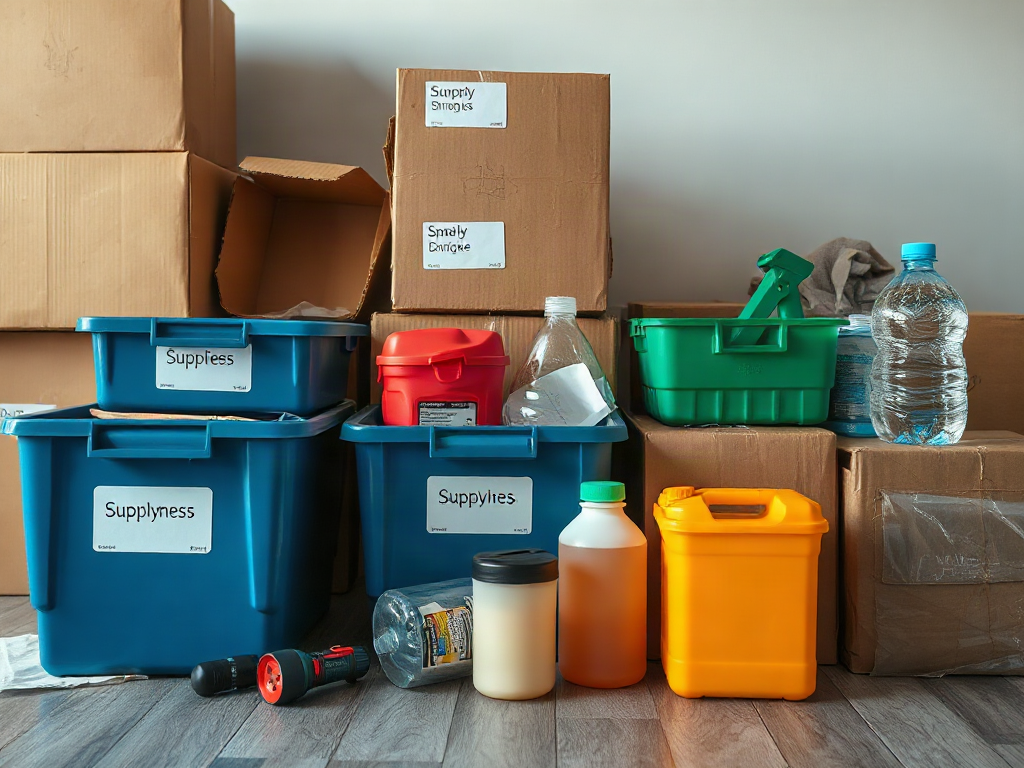
Preparedness warning signs after household moves show that essential supplies, household systems, or response plans did not transfer successfully to the new home. Common signals include inaccessible water and medications, expired food or batteries, unknown utility shutoffs, and evacuation routes based on the former address. Check life-safety equipment and immediate needs before rebuilding a larger inventory. A move is also the right time to replace location-specific assumptions: identify local hazards, update household contacts, test communications, and confirm that every resident can reach critical items without searching through unmarked boxes.
What you’ll learn
This guide covers the following practical points:
- Supplies Are Buried, Damaged, or Incomplete — A preparedness inventory has little immediate value when nobody can reach it.
- New-Home Systems Remain Unfamiliar — Unfamiliar controls and exits can turn a manageable household problem into a delayed response.
- Old Plans No Longer Match the Location — A response plan tied to the former address becomes unreliable as soon as the household relocates.
- Restore Readiness in Priority Order — Recovery should follow consequence and access, not the order in which boxes happen to be opened.
Supplies Are Buried, Damaged, or Incomplete
A preparedness inventory has little immediate value when nobody can reach it. After a move, water containers may be behind furniture, flashlights may be split among several cartons, and medication records may still show the old pharmacy. These are operational failures rather than ordinary unpacking inconveniences because a short outage or evacuation leaves no time for a prolonged search.
Inspect critical items where they were packed and where they will be stored. Moving trucks, garages, attics, and temporary storage units can expose supplies to heat, cold, moisture, crushing, or leakage. Look for swollen batteries, corroded terminals, broken seals, damp packaging, cracked water containers, pest evidence, and food with unreadable dates. Do not assume that an intact moving carton protected its contents.
Inventory gaps are another warning sign. Items may have been consumed during the move, discarded to reduce weight, or divided between vehicles and storage. Compare what is physically present with current household needs rather than an old spreadsheet. Account for new prescriptions, infants, older adults, pets, mobility needs, and a different commute.
A useful access test is simple: ask one household member who did not organize the move to retrieve drinking water, a flashlight, a first-aid kit, and necessary medications. If the person needs repeated directions, opens several boxes, or cannot reach the items safely, storage is not yet functional. The common mistake is counting possessions before testing access.
New-Home Systems Remain Unfamiliar
Unfamiliar controls and exits can turn a manageable household problem into a delayed response. Every capable resident should know the locations of the electrical panel, main water shutoff, gas shutoff when applicable, fire extinguishers, smoke alarms, carbon monoxide alarms, and at least two usable exits. Access should not be blocked by moving cartons, shelving, or parked vehicles.
Identification alone is not enough. Label circuits accurately, determine which valve controls the whole-house water supply, and check whether shutoff tools are required. Gas systems deserve special caution: household members should know where the shutoff is, but operation and restart procedures should follow the utility provider’s instructions. Improvised handling can create additional risk.
Test alarms according to their manufacturer instructions and check their replacement or expiration markings. Confirm that extinguishers are visible, accessible, and suitable for their intended location. A device mounted by a previous occupant should not be treated as reliable merely because it remains on the wall.
Consider a nighttime outage scenario. Can residents move from bedrooms to exits without navigating stacked boxes? Are stairs clear? Can someone find a working light without using a phone? Temporary clutter often becomes semi-permanent, so blocked routes that remain several days after arrival should be treated as a warning rather than postponed as routine unpacking.
Old Plans No Longer Match the Location
A response plan tied to the former address becomes unreliable as soon as the household relocates. Meeting points, evacuation roads, nearby shelters, school procedures, pet arrangements, and emergency contacts may all have changed. Even a move across town can alter traffic bottlenecks, flood exposure, wildfire access, severe-weather shelter options, or the time required to collect family members.
Start with the hazards and constraints of the new property. A basement may offer shelter from some weather threats but may be unsuitable during flooding. An apartment may require stair-based evacuation when elevators are unavailable. A rural home may face longer utility restoration and emergency response times than the previous urban address. The plan should reflect the actual building, transportation options, and household capabilities rather than a generic hazard list.
Update addresses in printed contact sheets, school and caregiver records, pet identification, insurance documents, and any household emergency cards. Choose one nearby meeting location and one farther away in case the immediate area is inaccessible. Then drive or walk likely departure routes and identify alternatives; a route that looks efficient on a map may include a locked gate, low-water crossing, narrow bridge, or recurring congestion.
A practical warning sign is disagreement during a short verbal drill. Ask where everyone would go during a house fire, a neighborhood evacuation, and a communications outage. Conflicting answers reveal that the plan exists only on paper. The frequent failure is updating contact details while leaving destinations and transportation assumptions unchanged.
Restore Readiness in Priority Order
Recovery should follow consequence and access, not the order in which boxes happen to be opened. Trying to organize every preparedness item at once can delay the few corrections that matter during the first days in a new home.
- Clear immediate hazards: Open exits, stairs, utility controls, alarms, and fire extinguishers.
- Stage daily critical needs: Place water, medications, lighting, communication devices, first aid, and essential documents where household members can retrieve them.
- Inspect moved supplies: Separate damaged, leaking, expired, or questionable items rather than returning them to storage.
- Adapt the plan: Replace the former address, routes, meeting points, and local contacts.
- Run a retrieval test: Verify that another resident can find essential items and explain the plan without assistance.
Consider a household whose emergency bins arrived intact but were placed in a detached garage. The new home experiences frequent winter freezing, and the bins contain water, battery-powered equipment, and temperature-sensitive medication. Keeping everything together is convenient, but the storage location introduces freezing risk and poor nighttime access. A better arrangement places water and medication in appropriate indoor conditions, keeps a smaller grab-ready set near an exit, and reserves the garage for items that tolerate its temperature range.
Signs of progress are observable: exits stay clear, supplies have defined locations, dates and conditions are readable, residents agree on meeting points, and retrieval takes minutes rather than an extended search. Repeatedly moving the same unlabeled cartons, postponing alarm checks, or relying on one person’s memory indicates that the household remains vulnerable despite owning adequate equipment.
Conclusion
A move should trigger a functional inspection, not merely a recount of stored gear. Clear exits and controls first, stage water and critical personal needs, inspect items exposed during transport, and rebuild plans around the new property. Finish with a retrieval test and a brief household drill. If supplies remain hard to find or residents give different answers about routes and meeting places, the transition is not complete.
Frequently Asked Questions
What should be checked first after moving?
Check clear exits, working alarms, accessible medications, drinking water, lighting, first aid, and utility shutoff locations before organizing less urgent supplies.
Should emergency supplies stay packed until the home is organized?
No. Unpack immediate-use items promptly and place them in known, accessible locations. Long-term reserves can be organized after life-safety and daily critical needs are staged.
How can moving damage stored preparedness items?
Heat, freezing, moisture, crushing, vibration, and leaks can damage packaging, batteries, containers, food, and equipment. Inspect condition rather than relying on the appearance of the outer carton.
Why must an emergency plan change after a local move?
A nearby move can still change exits, meeting locations, evacuation roads, school procedures, utility controls, local hazards, and travel times between household members.
How do you know preparedness has been restored?
Readiness is improving when residents can quickly retrieve critical items, identify shutoffs and exits, describe meeting points, and follow updated routes without depending on one organizer.