
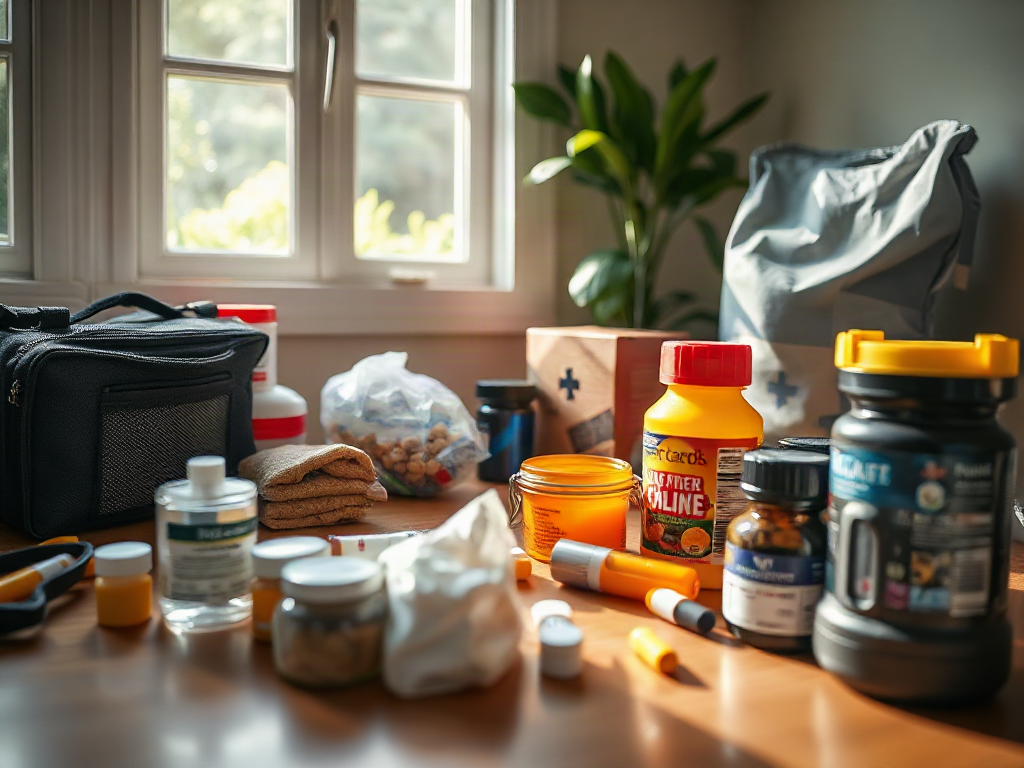
Earthquake preparedness kit essentials for home use include safe drinking water, shelf-stable food, lighting, first-aid supplies, communication tools, sanitation items, sturdy shoes, and medication supplies. Store them where falling objects are unlikely to block access, because a damaged home may have broken glass, no electricity, unsafe tap water, or obstructed rooms. Choose equipment household members can operate without power, such as battery or crank lighting and a radio, and keep critical prescriptions and contact information current. A kit is more useful when supplies are divided between an accessible home location and smaller personal grab bags, then checked regularly for expired food, drained batteries, changing medical needs, and seasonal clothing gaps.
Prioritize Supplies That Work Without Utilities
A useful earthquake kit is designed for the first hours and days after shaking, when electricity, water service, phone networks, transportation, and ordinary shopping may be unreliable. The most valuable items are not necessarily specialized survival products; they are dependable tools that address immediate risks. Water, illumination, first aid, communication, sanitation, and a way to open food containers usually deserve priority over comfort items or elaborate gadgets.
Begin with access. A large storage bin in a garage may be inaccessible if the garage door will not open, while a cabinet near a heavy mirror or tall bookcase may be blocked by fallen contents. Keep the main supplies in a stable, easy-to-reach location and avoid placing them beneath shelves, glass, or unsecured furniture. A smaller kit beside each bed can contain shoes, a flashlight, gloves, and a whistle. This arrangement recognizes a practical constraint: people may need to move through darkness and debris before reaching the larger reserve.
Power-independent equipment should be simple enough for every household member to use. LED flashlights are generally more practical than candles because they reduce open-flame risk, but they still need working batteries. A battery or hand-crank radio can provide local instructions when internet access is unavailable. Add spare batteries in their original packaging, a phone power bank kept charged, and a charging cable that fits the household’s devices. Test the radio and flashlight rather than assuming new-looking equipment works.
A common mistake is buying one impressive multipurpose tool and treating it as a complete solution. A combination tool may be useful, but it does not replace water containers, illumination, medication, or sanitation supplies. Use the home kit essentials as a priority sequence: immediate hydration and light first, then medical, communication, food, hygiene, and comfort. If money is limited, buy dependable basics in stages instead of accumulating specialty gear that nobody has practiced using.
Build Water, Food, and Sanitation Reserves
Water is the first storage problem to solve because tap service may be interrupted or the water may require an official safety determination. Store commercially packaged water or food-grade containers, and account for every household member, including pets. The amount should reflect household size, local guidance, storage space, climate, and whether anyone has medical or mobility needs that affect hydration. Rotate stored water according to the manufacturer’s instructions and inspect containers for leaks, damage, or contamination.
Food should require little or no cooking, refrigeration, or cleanup. Choose familiar items such as canned beans, fruit, vegetables, fish, nut or seed butter, crackers, shelf-stable milk, dried fruit, and ready-to-eat meals. Include a manual can opener and utensils. A household with allergies, diabetes, infant-feeding needs, or texture restrictions needs a more deliberate selection than a generic box of energy bars. Familiar foods also reduce waste: supplies that nobody will eat are not a reliable reserve.
Cooking equipment involves a tradeoff. A small stove may provide hot water or a warm meal, but it introduces fuel, ventilation, storage, and fire-safety concerns. Never use charcoal grills, gasoline-powered equipment, or fuel-burning appliances indoors or in enclosed spaces. Food that can be eaten cold is often the safer first option. If the household already owns an approved outdoor cooking device, store its fuel according to manufacturer instructions and treat it as a secondary convenience rather than the foundation of the kit.
Sanitation deserves equal attention because broken plumbing and limited water make ordinary handwashing difficult. Pack soap, hand sanitizer, toilet paper, moist wipes, heavy-duty garbage bags, disposable gloves, menstrual products, diapers if needed, and a compact bucket or portable toilet arrangement. Add disinfecting supplies only if they can be used safely and kept away from food. The failure mode to avoid is storing plenty of food while ignoring waste, hygiene, and cleanup; those omissions can make an otherwise adequate supply difficult to use inside a damaged or crowded home.
Cover Injury, Medication, and Household Safety Needs
Earthquake injuries often arise from broken glass, fallen objects, exposed nails, and unstable surroundings, so protective equipment belongs near the kit rather than buried beneath food. Pack a first-aid kit with sterile dressings, adhesive bandages, medical tape, antiseptic wipes, scissors, tweezers, disposable gloves, and any household-specific items recommended by a clinician. Include a written list of medications, allergies, medical conditions, emergency contacts, and preferred healthcare providers. The list is useful when stress, poor lighting, or a damaged phone makes details hard to recall.
Prescription planning requires personal judgment and professional advice. Keep medicines in their original labeled containers when possible, monitor expiration dates, and ask a pharmacist or prescriber about safe backup quantities and storage requirements. Refrigerated medicines may need a temperature plan that cannot be solved by simply placing them in an ordinary cooler. Batteries for hearing aids, spare glasses, mobility-device accessories, and infant supplies should be treated as essential equipment when relevant, not optional extras.
Protective clothing changes what a person can safely do after shaking. Store sturdy closed-toe shoes, work gloves, long sleeves, dust masks, and a hard hat if appropriate for the household’s surroundings. Shoes beside beds matter because bare feet can encounter glass before anyone reaches a closet. A wrench for shutting off utilities may be useful only when household members know the location of the shutoffs and understand that gas service should not be restored without proper authorization or inspection where applicable.
Safety equipment should not encourage unnecessary entry into damaged structures. Keep a whistle, high-visibility item, basic goggles, and a fire extinguisher that household members know how to operate, but do not assume these tools make a structurally unsafe room safe. For example, a flashlight can reveal a fallen cabinet but cannot establish whether a wall or ceiling is stable. The better approach is to leave visibly damaged areas, follow local emergency instructions, and reserve hands-on utility actions for situations that are clearly safe and appropriate.
Store, Test, and Maintain the Kit
Storage determines whether earthquake supplies remain usable. Divide the inventory by function and location: bedside mini-kits for immediate movement, a main household reserve for water and food, and personal grab bags for documents, medication information, keys, and work or school needs. Keep supplies off the floor where water intrusion is possible, but not so high that they can fall or become difficult to lift. Label the container and leave a clear path to it.
Use a short maintenance routine rather than waiting for an annual inspection. Every few months, check water containers, food dates, batteries, power banks, medication information, clothing sizes, pet supplies, and the condition of first-aid materials. Test flashlights and radios. Replace items after use, including seemingly minor supplies such as gloves, wipes, and can-openers. A kit that was complete last year may fail today because a child grew, a prescription changed, a pet joined the household, or a battery discharged in storage.
Practice the decisions that equipment cannot make. Household members should know where the kit is, how to turn on the radio, where shoes and flashlights are located, how to contact one another, and where to reunite if staying home is not safe. Keep paper copies of essential phone numbers and copies of identification or insurance information in a protected container, while safeguarding sensitive personal data. Digital records are useful, but they may be inaccessible if devices are lost or uncharged.
Prioritize additions according to observed gaps:
- Access gap: add bedside light, shoes, gloves, or a smaller backup container.
- Utility gap: add water, ready-to-eat food, sanitation supplies, or safe charging equipment.
- Health gap: add medication information, mobility aids, glasses, hearing-aid batteries, or allergy-safe food.
- Information gap: add a radio, paper contacts, local maps, and household meeting instructions.
The common maintenance mistake is treating the kit as a sealed box. Sealing protects supplies from dust and casual use, but an entirely inaccessible box, dead battery, or expired food creates false confidence. Open it during checks, verify each component, and adjust the contents to the actual people, pets, building, and hazards in the home.
Frequently Asked Questions
Where should an earthquake kit be stored?
Keep the main reserve in a dry, accessible location away from windows, tall furniture, and likely falling objects. Add smaller bedside kits because the main container may be blocked.
What food belongs in a home earthquake kit?
Choose familiar, shelf-stable food that can be eaten with little or no cooking, such as canned foods, crackers, nut butter, dried fruit, and ready-to-eat meals. Include a manual can opener.
Should candles be included?
Flashlights are generally a safer primary lighting choice because candles add an open-flame hazard around damaged materials. If candles are stored, keep them secondary and use strict fire precautions.
How often should earthquake supplies be checked?
Inspect the kit every few months and after any use. Check food, water containers, batteries, medication information, clothing sizes, pet supplies, and equipment operation.
Does a first-aid kit need prescription medicine?
Prescription planning is separate from ordinary first aid. Keep current medication information and ask a pharmacist or prescriber about safe backup quantities and storage requirements.
Conclusion
Build the household earthquake kit around conditions that could change immediately: dark rooms, broken glass, interrupted water, limited cooking, unavailable pharmacies, and uncertain communication. Put water, ready-to-eat food, lighting, sanitation, first aid, protective footwear, medication information, and a radio ahead of specialty equipment. Split supplies so a blocked garage or fallen cabinet does not remove every resource at once. Then test the actual kit, not just the shopping list. Replace expired food, weak batteries, used dressings, outgrown clothing, and outdated medical details. A smaller kit that household members can reach and operate is more dependable than a large container filled with unfamiliar equipment. Use local hazard information and official instructions to refine storage, utility, and evacuation decisions for the home.
Additional Resources
Authoritative Sources
- American Red Cross Emergency Preparedness
redcross.orgPractical emergency preparation, safety, and supply guidance for households.