
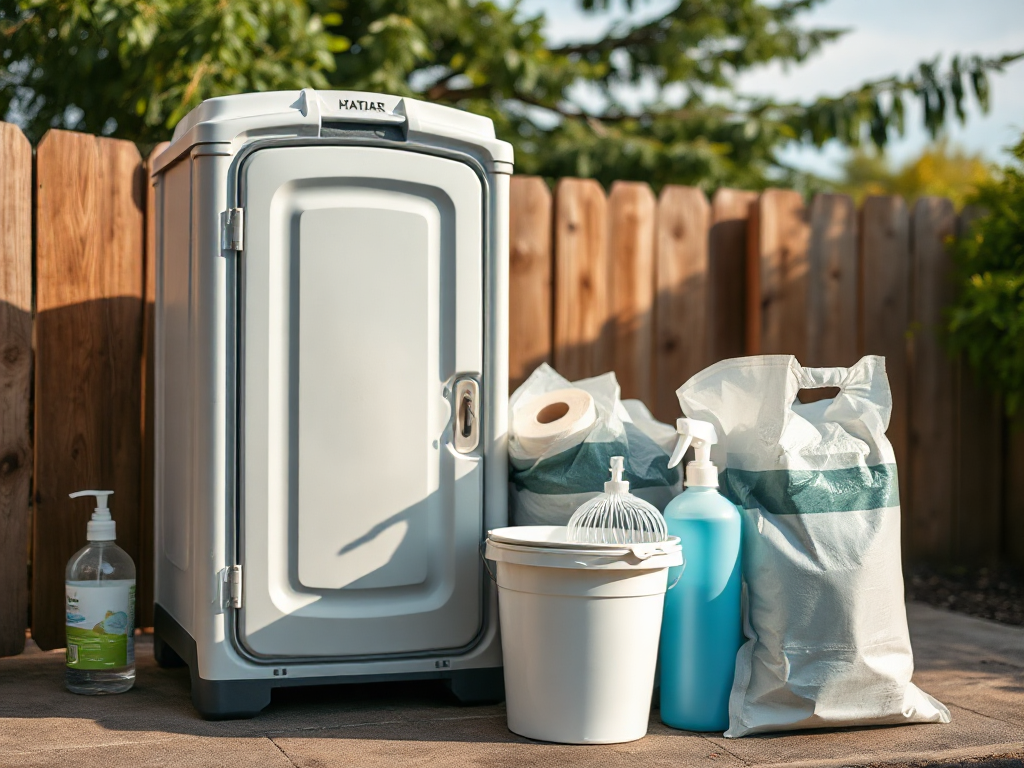
When water service stops, the sanitation supplies that matter most are a portable toilet or lined bucket, heavy-duty waste bags, toilet paper, hand sanitizer, soap, disposable gloves, disinfectant, absorbent material, and sealable containers. These supplies address the main hazards created by unusable toilets, limited handwashing, leaking waste, and contaminated surfaces. Set up a separate toilet area before normal plumbing becomes unusable, use double-bagging for solid waste, keep hand-cleaning supplies beside every waste station, and follow local guidance for storage or disposal. Disinfectants do not replace handwashing, and ordinary trash bags may tear under wet waste, so capacity, leak resistance, ventilation, and safe handling deserve priority.
The Sanitation Priorities Created by a Water Shutdown
A water outage changes sanitation from a routine household task into a containment problem. Toilets may still flush once or twice using stored water, but repeated flushing can quickly exhaust a limited supply. Sinks, showers, laundry machines, and dishwashers also become less useful, while hands and frequently touched surfaces accumulate contamination more readily.
The first priority is human waste, followed by hand hygiene, surface cleaning, and general trash control. That order matters because waste can contaminate floors, footwear, hands, and nearby supplies. A household with plenty of disinfectant but no reliable toilet substitute is less prepared than one with a simple lined bucket, gloves, and a way to seal used bags.
Think in terms of separate stations rather than one oversized supply box. A toilet station needs bags, liners, toilet paper, absorbent material, and a lid or cover. A hand-cleaning station needs soap and water when available, alcohol-based hand sanitizer for compatible situations, paper towels, and a waste container. A cleaning station needs gloves, disinfectant, cloths or disposable towels, and a way to isolate dirty materials.
For example, a short outage in a small apartment may require compact supplies and careful odor control, while a multi-day outage affecting several people requires more bags, more hand-cleaning capacity, and a disposal decision. The mistake is treating sanitation as a single product category. It is a sequence: collect waste without leakage, prevent hand transfer, clean contamination promptly, and store used materials safely.
A useful related reference is What sanitation supplies matter when water service stops, especially when comparing sanitation needs with broader household water storage.
Toileting and Waste-Containment Supplies
The most useful toilet substitute is one that can remain stable, be lined, and be closed or covered between uses. A portable camping toilet offers convenience and a purpose-built container, but a sturdy five-gallon bucket with a secure seat can work for short-term household use when handled carefully. A regular open bucket is a poor choice because it is unstable, difficult to cover, and more likely to spill.
Use two heavy-duty bags as liners when the container design allows it. The inner bag catches waste; the outer bag provides backup if the first bag leaks or tears. Add a modest amount of absorbent material after use, such as sawdust, shredded paper, or commercially made absorbent. The goal is to reduce liquid movement and odor, not to fill the container with bulky material. Cat litter can absorb moisture, but scented products may be unpleasant in a poorly ventilated room.
Toilet paper, pre-moistened wipes, and disposable gloves belong at the station, not in a distant closet. Wipes should generally go into the waste bag rather than the toilet substitute unless the product and system specifically permit flushing. Keep a separate container for personal-care waste, because mixing loose items with the toilet liner can make handling harder and increase the chance of punctures.
A portable chemical toilet and a lined bucket involve different tradeoffs. The portable unit may control liquid and odor better but can require specific chemicals, replacement parts, and manufacturer directions. The bucket is inexpensive and adaptable, yet it demands disciplined bag changes and better odor management. Neither option eliminates the need to follow local public-health or waste-disposal instructions.
Replace a liner before it becomes too heavy to lift safely. A common failure is waiting until the bag is full, especially when it contains liquid. Heavy bags are harder to tie, more likely to rupture, and more difficult for one person to move. Tie or close each bag securely, place it inside a second container or bag when appropriate, and keep it away from food, children, pets, heat, and direct contact with living areas.
Hand Hygiene and Surface Cleaning
Hand hygiene supplies interrupt the transfer of contamination from waste stations to food, phones, door handles, and faces. Soap and a dependable water supply remain the preferred combination when water is safe and available. If water is scarce, alcohol-based hand sanitizer can serve as a practical alternative for visibly clean hands, but it is less useful when hands are greasy or visibly dirty.
Keep sanitizer near the toilet area and at the entrance to the food-preparation space. A pump bottle is easier to use with gloved or dirty hands than a small screw-cap bottle. Provide paper towels or clean reusable towels that can be laundered later. Bar soap is workable, but it should be kept on a draining dish rather than sitting in pooled water.
Cleaning and disinfecting are different actions. Cleaning removes soil; disinfecting applies a product intended to reduce microorganisms on a cleaned surface. If a surface has visible waste, first remove it with disposable towels while wearing gloves, then clean and disinfect according to the product label. Do not mix bleach with ammonia, acids, or other cleaners, and do not assume that stronger concentration is safer or more effective.
Prioritize toilet seats, bucket handles, faucet handles, light switches, doorknobs, and counters used for food. A household may have only a small amount of disinfectant, so using it on every floor is less sensible than reserving it for high-touch areas and visible contamination. Disposable gloves reduce direct contact, but they do not replace hand cleaning; contaminated gloves can spread waste just as readily as contaminated hands.
Consider disposable aprons or washable work clothing if repeated handling is expected. A useful comparison is paper towels versus cloth rags: paper creates more waste but can be sealed immediately, while cloth saves supplies but requires a safe way to store and wash it. The best choice depends on water availability, laundry access, and the number of people using the station. The linked sanitation supply checklist should be adapted to those constraints rather than copied unchanged.
Building a Workable Sanitation Station
A sanitation station works when every action can be completed without crossing the clean and dirty sides of the household. Place the toilet substitute in a private, ventilated location with a stable floor, nearby lighting, and enough room to tie or replace bags. Do not position it beside food, drinking-water containers, medication, or clean clothing.
Arrange supplies in the order they are used: fresh liners and toilet paper first, absorbent material within reach, gloves beside the container, and a lidded receptacle for used towels. Keep hand sanitizer outside the immediate waste container area so users can clean their hands without touching contaminated equipment. If children, older adults, or someone with limited mobility will use the station, stability and access may matter more than compact storage.
A compact priority list can prevent spending money on low-value extras:
- First: a stable toilet container, heavy-duty liners, absorbent material, toilet paper, and a method for sealing waste.
- Next: soap, stored handwashing water, hand sanitizer, paper towels, and a hands-free or easy-clean waste bin.
- Then: disposable gloves, disinfectant, cleaning cloths, and protective clothing.
- To wrap up: odor-control products, spare containers, and convenience items that fit the available storage space.
Test the arrangement before an outage. Sit on the toilet substitute to check stability, practice changing a liner with gloves, and confirm that the selected bags fit without stretching over sharp edges. A dry run often reveals that the container is too low, the bag opening is too narrow, or the cleaning supplies are stored too far away.
For a household with several people, assign a routine for checking the bag, wiping touch points, and replenishing the hand station. For one person, a smaller container may reduce storage demands but require more frequent changes. Overbuilding the station can waste space; underbuilding it can force unsafe improvisation when water service is already out.
Storage, Disposal, and Common Mistakes
Store sanitation supplies in a dry, accessible place and keep them separate from food and drinking water. Bags, toilet paper, and paper towels should remain dry. Disinfectants should stay in their original labeled containers, away from children and heat. Rotate products with expiration or degradation concerns according to label directions, and check gloves for brittleness or tears.
Disposal is the least predictable part of a water outage because local rules, collection schedules, weather, and the cause of the interruption can differ. Do not bury, burn, or place human waste into ordinary systems unless local authorities or the relevant waste service specifically permits that method. Follow public-health instructions if an outage affects a broad area, and contact the local utility or health department when the correct disposal route is unclear.
Several assumptions create avoidable problems. Flushing with untreated water may be inappropriate for some plumbing situations, and pouring large amounts into a drain can move contamination rather than solve it. Ordinary kitchen trash bags may split under wet waste. Scented sprays can mask odor without controlling the source. Disposable wipes labeled flushable can still create plumbing problems, particularly when water service or wastewater operations are disrupted.
Inspect the setup for signs of failure: leaks, torn liners, persistent odor, overflowing receptacles, contaminated handles, or sanitizer that is empty or inaccessible. A leaking bag should be isolated without squeezing it, placed into a second sturdy container, and cleaned up with gloves and appropriate disinfectant. If waste has spread beyond a manageable household spill, seek guidance rather than improvising with mixed chemicals or unprotected cleanup.
Sanitation planning belongs beside, not behind, water storage. The broader household sanitation plan should identify who will monitor supplies, where used bags will remain temporarily, and which official source will provide disposal instructions. That preparation reduces rushed decisions while preserving limited clean water for drinking, cooking, and handwashing.
Frequently Asked Questions
Can a five-gallon bucket replace a toilet during a water outage?
A sturdy bucket can serve as a short-term toilet substitute when lined with heavy-duty bags, kept stable, covered between uses, and emptied according to local guidance.
How many bags should be used for human waste?
Double-bagging provides a useful backup against leaks, but bag strength and container design matter. Replace bags before they become too heavy to lift safely.
Is hand sanitizer enough when water service stops?
Sanitizer is useful for hands that are not visibly dirty, but soap and safe water are preferred when available. Remove visible soil before relying on sanitizer.
What disinfectant should be kept for sanitation?
Choose a labeled household disinfectant and follow its directions, including contact time and ventilation. Never mix bleach with ammonia, acids, or other cleaners.
Where should used sanitation bags be stored?
Keep securely closed bags in a designated, shaded area away from food, water, children, pets, and living spaces until local disposal instructions are available.
Conclusion
A water-service interruption calls for a sanitation system, not a random collection of cleaning products. Give first priority to a stable lined toilet substitute, leak-resistant bags, absorbent material, toilet paper, and a safe way to close and isolate waste. Add handwashing or sanitizer stations, gloves, paper towels, and correctly used disinfectant so contamination does not travel from the toilet area to food and household touch points.
Before an outage, test the setup, check that bags fit, identify a temporary storage location, and find the local source for disposal instructions. Keep sanitation supplies dry, labeled, and separate from drinking water. These modest checks make the difference between a controlled household routine and unsafe improvisation when plumbing is unavailable.