
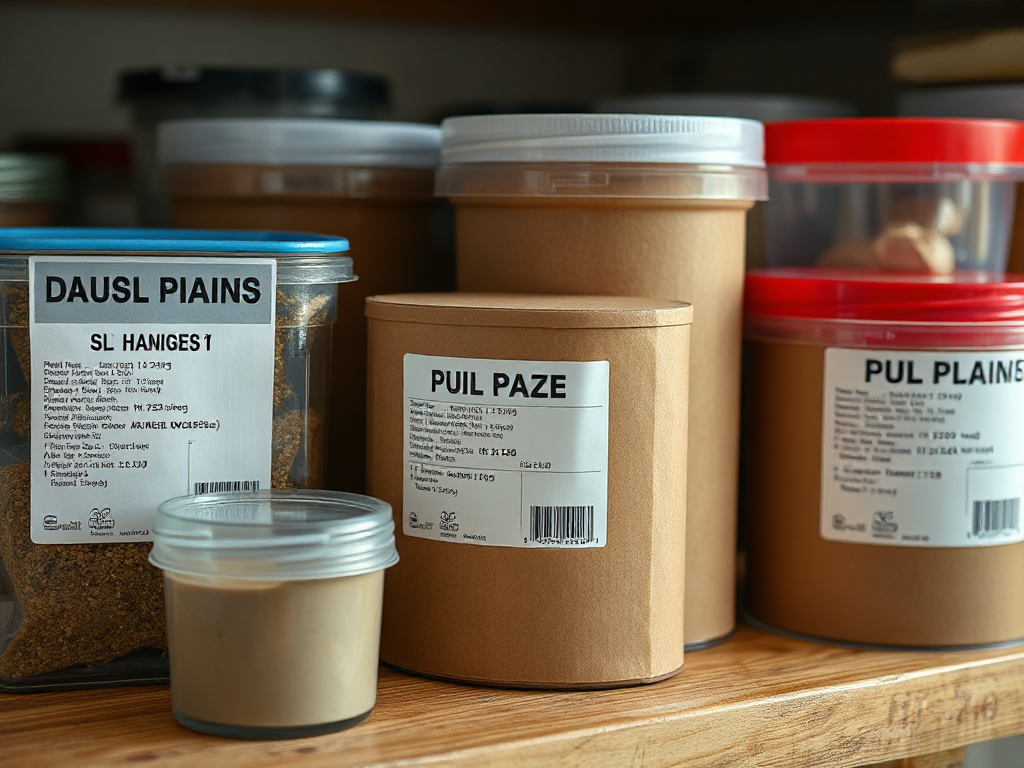
Store supplies in a small apartment by sorting them by urgency and frequency of use, then placing durable items in labeled, stackable containers across vertical, under-bed, and overlooked storage areas. Keep daily-use supplies at waist or eye level, reserve harder-to-reach spaces for backup goods, and avoid blocking exits, heaters, electrical panels, or plumbing access. Choose containers that protect contents from moisture, pests, light, and crushing, while leaving enough room to inspect dates and rotate older items first. A compact inventory prevents duplicate purchases and reveals whether bulky water, food, lighting, or sanitation supplies deserve the space they occupy.
Measure the Apartment Before Buying Storage
Small-apartment storage works best when the available space is treated as a set of measured zones rather than a collection of empty corners. Record the height, width, and depth of closets, the clearance beneath beds, the usable area above cabinets, and the gap between furniture and walls. Include door swings, baseboards, vents, radiators, and access panels in the measurement. A container that fits its width but prevents a closet door from opening is not useful storage.
Begin by separating supplies into three groups: items used regularly, items needed quickly, and longer-term backups. Batteries, flashlights, masks, first-aid materials, and sanitation products should be reachable without moving several boxes. Canned food and spare household goods can occupy deeper shelving, while rarely used equipment may fit under a bed or on a high shelf. This arrangement reduces the common failure of storing the most urgent item in the least accessible location.
Weight matters as much as volume. Water containers, canned goods, and dense tools create a greater load than blankets or paper products. Place heavy items low and distribute them across shelves instead of stacking a tall column in one spot. Check the furniture manufacturer’s capacity when available, especially for bookcases and over-door racks. A narrow, tall unit may save floor area, but it becomes a poor choice if it wobbles or requires unsafe climbing.
Do not buy organizers until the inventory has been reduced to what the apartment can realistically hold. A smaller supply of versatile items may serve better than several specialized products with overlapping functions. For example, a compact lantern, spare batteries, and rechargeable lighting may occupy less space than multiple lamps with different battery types. The goal is not maximum quantity; it is dependable access without turning the room into a warehouse.
Use Vertical, Hidden, and Divided Space
Vertical storage, under-bed compartments, and the unused backs of doors usually provide the largest gains in a compact home. A freestanding shelf can hold labeled bins upward, while a shallow over-door organizer can keep small sanitation or repair items visible. Under-bed boxes are particularly useful for low-profile goods such as blankets, sealed clothing layers, paper products, and backup filters, provided the area is dry and the containers can be pulled out without lifting heavy stacks.
Use a different storage method for different shapes. Clear bins work well for small mixed supplies because their contents can be checked without opening every box. Opaque bins protect light-sensitive goods and create a tidier appearance, but they require large labels on two sides. Slim magazine files or narrow baskets can hold manuals, maps, packets, and rolled materials. Shelf risers create a second level for short cans or bottles, although they should not be used to overload a shelf that was already near its limit.
Furniture can contribute storage without sacrificing every seating or sleeping surface. A bench with a closed compartment, a bed frame with drawers, or a coffee table with a shelf can hold backup goods. The tradeoff is access: storage built into daily furniture is convenient, but it may be disturbed frequently. Keep an item list on the inside of a lid or drawer so supplies do not disappear into ordinary household clutter.
Unused space should not become unsafe space. Do not store goods in front of an exit, beneath a sink where leaks are likely, beside a heat source, or inside a utility cabinet that must remain accessible. Avoid putting heavy boxes on top of unstable furniture. An apartment that appears organized but has blocked egress or overloaded shelving has exchanged clutter for a different risk.
Protect Supplies and Rotate Them Reliably
Storage conditions determine whether supplies remain usable. Food, paper, batteries, medicines, cleaning products, and electronics respond differently to heat, moisture, light, and crushing. Keep food and paper away from damp floors and plumbing leaks; keep batteries in their original packaging or a suitable dry container; and follow the label directions for medicines, chemicals, and any product with special handling instructions. Original packaging also preserves expiration, lot, and usage information.
Plastic bins are useful, but they are not automatically airtight or waterproof. A loose-lid tote may reduce dust while doing little against humidity or a leak. For sensitive contents, use sealed inner bags or containers and place them inside a larger bin. Do not mix cleaning chemicals with food, medicine, or personal-care products. Strong odors can transfer, and a spill can damage several categories at once.
Rotation is easier when new purchases go behind older ones and labels face outward. Mark the month and year of purchase on backup goods, then review the inventory whenever you restock. Foods should be used according to their printed instructions and stored under the conditions stated by the manufacturer; a date is not a substitute for checking damaged packaging, unusual odor, swelling, rust, or exposure to heat.
A common mistake is treating long shelf life as permanent shelf life. Batteries can corrode, adhesives can dry, elastic materials can weaken, and rechargeable devices can lose charge while sitting untouched. Test flashlights and lanterns periodically, inspect cords, and replace damaged containers. The best storage system includes a small maintenance routine because an item that cannot be found, powered, or safely used is not an effective reserve.
Build a Compact Inventory That Stays Usable
A written inventory prevents both overbuying and false confidence. Record the category, quantity, location, purchase date, and any replacement or inspection date. Keep one copy inside the main storage area and another in a phone note or other accessible format. The inventory does not need to be elaborate; it needs to answer what is available, where it is, and whether it still works.
Prioritize supplies by consequence and access rather than by popularity. Water, basic food, sanitation, lighting, communication, first aid, and necessary personal items may deserve attention before duplicate tools or bulky specialty equipment. Apartment residents should account for building-specific constraints, including elevator dependence, limited cooking options, shared laundry, pets, mobility needs, and the possibility that a storage room may be inaccessible.
Use a simple three-level arrangement:
- Immediate access: lighting, communication items, first aid, sanitation basics, and essential personal supplies.
- Routine rotation: food, batteries, toiletries, and household consumables used during normal life.
- Deep storage: spare bedding, less frequently used tools, replacement parts, and seasonal items.
Test the system with a timed retrieval exercise. Ask whether another household member could find a flashlight, water container, or sanitation item without instructions. If opening a bin requires moving furniture, climbing, or searching through unlabeled bags, revise the layout. A compact apartment does not need a dedicated storage room; it needs visible categories, stable containers, and a clear path to the supplies that matter first.
Link the inventory to ordinary household use through How to store supplies in a small apartment as a recurring reference, especially when changing furniture or moving into a new unit. Recheck the arrangement after seasonal temperature changes, a renovation, or a major purchase. Storage should adapt to the apartment rather than forcing the apartment to accommodate an unchanging stockpile.
Avoid the Storage Mistakes That Waste Space
The most expensive mistake is storing supplies that cannot be reached or used. A large quantity of heavy cans may look reassuring, but it can consume valuable floor space and become difficult to inspect. Smaller quantities that are regularly rotated may be more practical, particularly when the household has limited shelving. Compare the space cost of each item with its frequency of use, replacement difficulty, and importance to daily function.
Another mistake is grouping items only by product type. A box labeled “miscellaneous” forces a search when time is limited. Group by task when that is more useful: lighting, sanitation, communication, cooking, or first aid. Keep related accessories together, but avoid packing so tightly that one missing item requires emptying the entire container.
Do not rely on a storage strategy that depends on one fragile feature. A plan based entirely on a basement locker may fail if the building restricts access or flooding occurs. A plan based entirely on a high shelf may fail for someone with limited reach. Divide important supplies among sensible locations and keep at least a basic set where it can be reached quickly.
For additional household context, connect this arrangement with How to store supplies in a small apartment when reviewing food storage, water placement, and daily-use items. The strongest setup is modest enough to maintain, organized enough to explain, and flexible enough to survive a change in furniture, roommates, mobility, or budget.
For food dates, safe storage conditions, and handling questions, consult current guidance from government food-safety agencies and the product manufacturer. Local fire departments or building authorities can also clarify clearance requirements for exits, heating equipment, and shared corridors before storage is installed.
Frequently Asked Questions
Where should supplies go in a small apartment?
Keep frequently used and urgent items in an accessible closet, drawer, or low shelf. Use under-bed and high storage for lighter, less frequently needed goods.
Are plastic storage bins suitable for food?
Use containers intended for food contact when storing unpackaged food, and keep packaged goods in clean, dry bins. A plastic tote may reduce dust but should not be assumed to be airtight or waterproof.
How can renters add storage without drilling?
Consider freestanding shelves, under-bed boxes, removable door organizers, furniture with compartments, and stackable bins. Check weight limits and lease rules before using adhesive or tension-mounted products.
What should not be stored near heat?
Keep food, batteries, aerosols, medicines, electronics, paper goods, and cleaning products away from heaters, ovens, direct sunlight, and hot utility equipment unless the label specifically allows that environment.
How often should an apartment supply inventory be checked?
Review it whenever supplies are used or replaced, and perform a fuller check at least seasonally. Test lighting, inspect packaging, rotate dated goods, and remove damaged items.
Conclusion
Effective apartment storage comes from assigning every supply a location, access level, and maintenance expectation. Measure first, reduce duplicates, and use vertical or hidden areas without blocking exits, utilities, or ventilation. Keep heavy goods low, sensitive items dry and protected, and daily-use equipment where it can be reached without unpacking a stack of boxes. A labeled inventory and simple rotation routine prevent supplies from becoming forgotten clutter. Test the arrangement with a real retrieval exercise, then adjust it for the people who will actually use it. The most resilient setup is not the largest stockpile; it is a compact, safe collection that remains visible, usable, and suited to the apartment’s physical limits.