
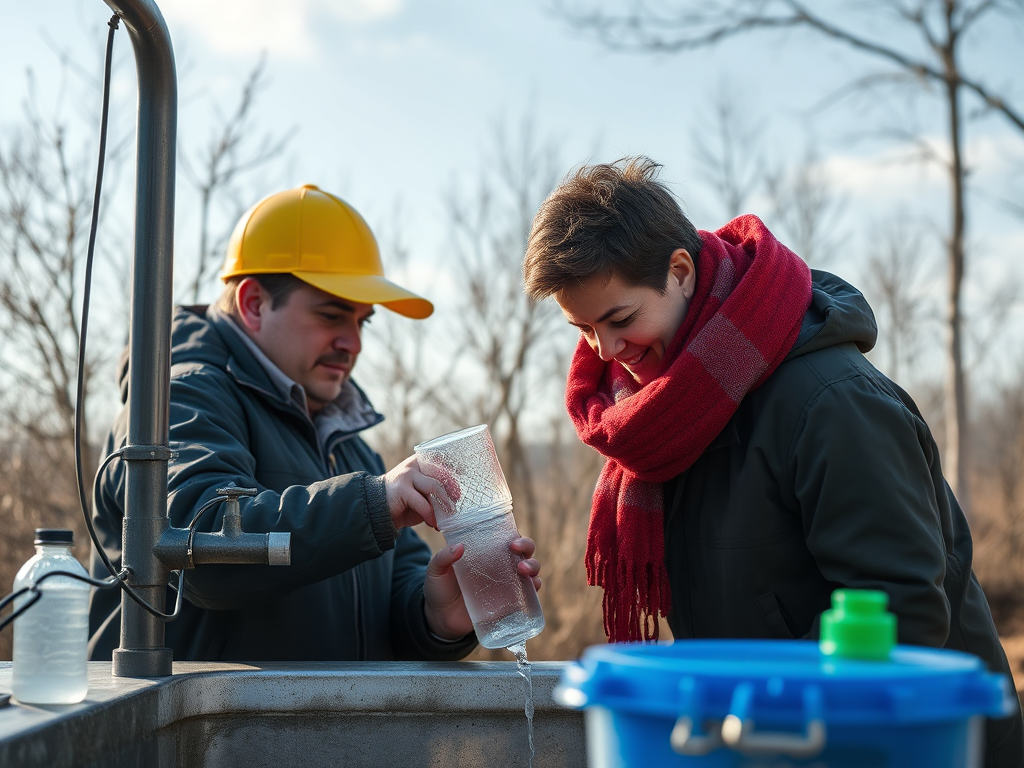
Understanding the risks of water contamination involves recognizing its common sources, such as industrial runoff and agricultural chemicals, and the potential health impacts, which can range from gastrointestinal illnesses to long-term chronic conditions. Effective prevention strategies include regular water testing, implementing filtration systems, and advocating for stricter environmental regulations to protect water sources from pollutants. Awareness and proactive measures are crucial in mitigating the risks associated with contaminated water.
Common Sources of Water Contamination
Water contamination can stem from various sources, including industrial waste, agricultural runoff, and improper waste disposal. Industrial facilities often discharge harmful chemicals directly into water bodies, while agricultural practices can introduce pesticides and fertilizers into nearby streams and rivers. Urban areas may contribute to contamination through stormwater runoff, which carries pollutants from roads and buildings into water sources. Additionally, aging infrastructure, such as lead pipes, can leach harmful substances into drinking water, posing significant health risks.
For instance, a study in Flint, Michigan, highlighted how lead leaching from aging pipes contaminated drinking water, leading to a public health crisis. Understanding these sources is essential for both individuals and communities to effectively address and mitigate the risks associated with water contamination.
Health Impacts of Contaminated Water
The health impacts of consuming contaminated water can be severe and varied. Short-term effects often include gastrointestinal illnesses, such as diarrhea and vomiting, caused by pathogens like bacteria and viruses found in polluted water. Long-term exposure to certain contaminants can lead to chronic health issues, including neurological disorders, reproductive problems, and even cancer.
For example, exposure to high levels of nitrates, commonly found in agricultural runoff, can cause methemoglobinemia or “blue baby syndrome,” which affects oxygen transport in infants. Furthermore, contaminants like heavy metals can accumulate in the body over time, leading to conditions such as lead poisoning. Recognizing these health risks emphasizes the importance of ensuring water safety and quality.
Prevention Strategies for Water Contamination
Effective prevention strategies for water contamination are critical in protecting public health. Regular water testing is essential for detecting pollutants and ensuring safe drinking water. Homeowners can invest in water filtration systems that remove specific contaminants, providing an additional layer of safety. Moreover, individuals should advocate for community water testing programs and support local initiatives aimed at improving water quality.
Additionally, education on proper waste disposal and the responsible use of fertilizers and pesticides can significantly reduce agricultural runoff. Communities can implement green infrastructure solutions, such as rain gardens and permeable pavements, to manage stormwater effectively. These proactive measures not only protect drinking water sources but also enhance overall environmental health.
Regulatory Measures and Community Action
Regulatory measures play a crucial role in preventing water contamination. Government agencies, such as the Environmental Protection Agency (EPA), establish guidelines and enforce regulations to limit pollutants in water sources. Compliance with these regulations is vital for protecting public health and the environment.
Community action is equally important in addressing water contamination issues. Grassroots organizations can raise awareness about local water quality concerns and advocate for policy changes that prioritize clean water access. Engaging citizens in monitoring water quality and participating in clean-up initiatives fosters a sense of responsibility and empowers communities to take action against contamination.
Frequently Asked Questions
What are the main causes of water contamination?
The main causes of water contamination include industrial discharge, agricultural runoff, sewage leaks, and aging infrastructure.
How can I test my water for contaminants?
You can test your water using home testing kits available at stores or by sending samples to certified laboratories for analysis.
What health issues are related to contaminated water?
Contaminated water can cause gastrointestinal illnesses, neurological disorders, reproductive issues, and long-term health effects like cancer.
What steps can communities take to reduce water contamination?
Communities can implement regular water testing, promote responsible waste disposal, and support local environmental initiatives to reduce contamination.
How does regulatory action help prevent water contamination?
Regulatory action establishes guidelines and limits for pollutants in water, ensuring compliance and protecting public health and the environment.
Conclusion
Understanding the risks of water contamination is vital for safeguarding public health and the environment. By recognizing common sources, health impacts, and effective prevention strategies, individuals and communities can take proactive steps to ensure safe drinking water. Engaging in regular water testing, advocating for regulatory measures, and promoting community action are essential components in the fight against water contamination. Prioritizing these efforts will not only protect current populations but also future generations from the dangers of contaminated water.