
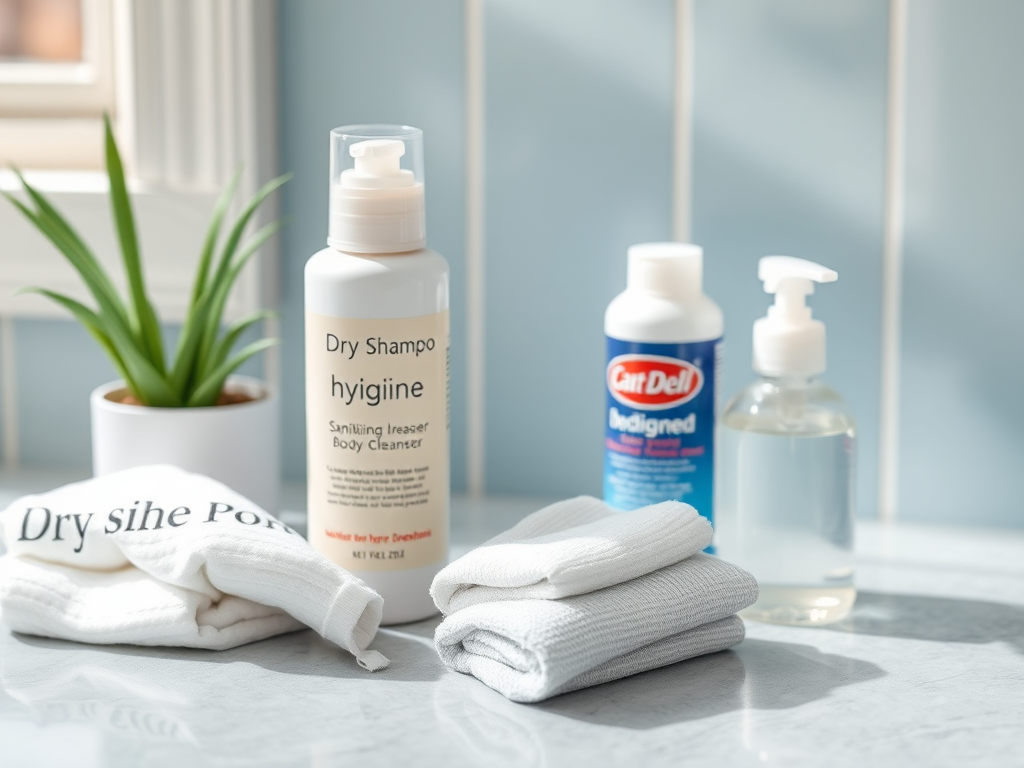
Maintaining hygiene without running water involves utilizing dry cleaning techniques, using sanitizing wipes, and employing alternative methods like sponge baths. These strategies ensure cleanliness in situations where access to water is limited. It's crucial to prioritize hand hygiene with alcohol-based sanitizers, use dry shampoo, and keep personal items organized to minimize dirt accumulation. Understanding these methods can protect against germs and maintain health during emergencies or outdoor activities.
Importance of Hygiene Without Running Water
Maintaining hygiene without running water is essential for preventing the spread of germs and infections, especially in situations where water is not readily available, such as during emergencies, camping, or in areas with limited resources. In such circumstances, understanding the risks associated with poor hygiene practices becomes critical. Without proper hygiene, individuals can face health risks, including gastrointestinal infections and skin irritations.
Furthermore, the ability to maintain cleanliness can significantly impact mental well-being. Feeling clean boosts morale and contributes to a sense of normalcy, even in challenging conditions. Therefore, implementing effective strategies for hygiene can enhance both physical health and psychological resilience.
Effective Dry Cleaning Techniques
Dry cleaning techniques are vital when water is scarce. These methods include using dry shampoo for hair, body wipes for skin, and specific products designed for clothing. Dry shampoo absorbs oil and dirt from the scalp, allowing individuals to maintain a clean appearance without water. It’s essential to apply it correctly by parting the hair and spraying it directly onto the roots, then massaging it in to distribute evenly.
Body wipes, often infused with cleansing agents, can effectively remove sweat and dirt from the skin. These wipes are convenient for quick freshening up and can be found in various formulations, including antibacterial options. When using body wipes, focus on areas prone to sweat and odor, such as underarms and feet.
For clothing, consider using fabric freshening sprays that help eliminate odors without washing. This is particularly useful for maintaining a clean appearance when laundry facilities are not available. However, it’s important to remember that these methods do not replace thorough cleaning but are effective for temporary solutions.
Utilizing Sanitizing Products
Sanitizing products play a crucial role in maintaining hygiene when running water is not accessible. Alcohol-based hand sanitizers are a primary defense against germs. They should contain at least 60% alcohol to be effective. Regular use of hand sanitizer, especially after touching surfaces in public areas, can significantly reduce the risk of infections.
In addition to hand sanitizers, antibacterial wipes can be used to clean hands and surfaces. These wipes are portable and can be utilized in various settings, such as public transport, offices, or during travel. However, it’s important to allow the surface to remain wet for the recommended contact time to ensure effectiveness against pathogens.
Another option is using no-rinse body cleansers, which are designed for situations where water is not available. These products require no rinsing and can be applied directly to the skin, providing a quick and effective way to maintain cleanliness.
Alternative Bathing Methods
When running water is unavailable, alternative bathing methods become essential. Sponge baths are a traditional technique that can be adapted for modern use. This method involves using a damp cloth or sponge to clean the body, focusing on key areas like the face, underarms, and groin. It’s important to use warm water if possible, as it can help dissolve dirt and oils more effectively.
Another method is the use of portable shower systems that use limited water supply. These systems can be filled with water and pressurized to create a shower-like experience, allowing for effective rinsing without the need for a traditional shower setup. This is especially useful for camping trips or during outdoor activities.
For individuals in emergency situations, creating a simple basin with a few liters of water can also work. Dipping a cloth into the basin and wiping down the body can help maintain hygiene. It’s essential to keep the cloth clean and use separate cloths for different body parts to avoid cross-contamination.
Frequently Asked Questions
What are the best methods for maintaining hygiene without water?
Using dry shampoo, sanitizing wipes, and no-rinse body cleansers are effective methods for maintaining hygiene without water.
How effective are alcohol-based hand sanitizers?
Alcohol-based hand sanitizers are effective against many germs, provided they contain at least 60% alcohol and are used correctly.
Can I use baby wipes for cleaning myself?
Yes, baby wipes can be used for personal hygiene as they are gentle on the skin and can effectively remove dirt and sweat.
What is a sponge bath?
A sponge bath involves using a damp cloth or sponge to clean the body, focusing on key areas without the need for a full shower.
How can I keep my clothes clean without washing?
Using fabric freshening sprays and dry cleaning methods can help maintain the cleanliness of clothes without washing.
Conclusion
Maintaining hygiene without running water requires creativity and resourcefulness. By utilizing dry cleaning techniques, sanitizing products, and alternative bathing methods, individuals can effectively combat germs and maintain a sense of cleanliness in challenging situations. Prioritizing hygiene not only protects physical health but also supports mental well-being, making it essential to adopt these strategies whenever access to running water is limited.