
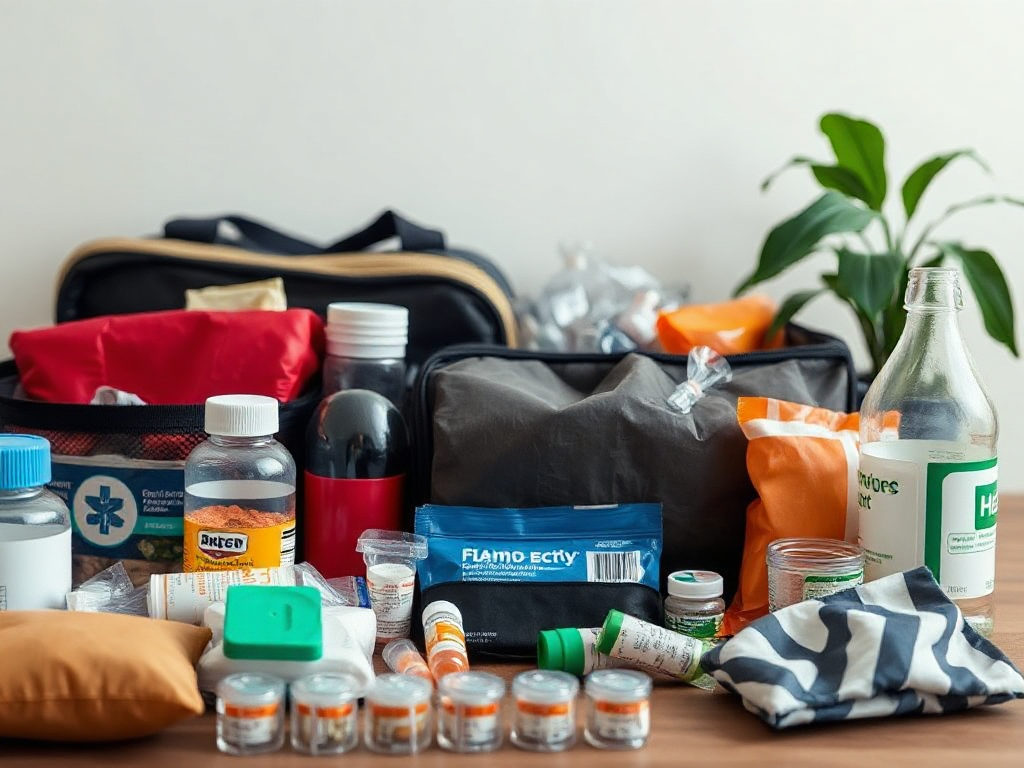
Your emergency kit might not meet your family's needs if it overlooks specific dietary restrictions, medical requirements, or fails to account for the variety of emergencies you may face. For instance, if a family member has allergies or requires special medications, these must be included to ensure their safety during a crisis. Regularly updating your kit is essential; expired food or outdated supplies can render it ineffective. Conduct a family needs assessment and adapt your kit based on local risks and individual preferences to create a comprehensive emergency plan that truly supports your family.
Understanding Family-Specific Needs
Your emergency kit must cater to your family’s unique requirements, which can vary based on age, health conditions, and personal preferences. Consider dietary restrictions, allergies, and medical needs that may require specific supplies. For instance, a family member with diabetes may need insulin and glucose tablets, while another may require a gluten-free diet. Ignoring these specifics can lead to inadequate support during a crisis.
To create a truly effective emergency kit, start by listing each family member’s needs. Engage everyone in the conversation, ensuring that their preferences and requirements are acknowledged. This collaborative approach not only fosters a sense of ownership but also guarantees that everyone has a stake in the preparedness process.
Assessing Emergency Scenarios
Different emergencies can demand different supplies and strategies. Natural disasters, medical emergencies, or even civil unrest can all require unique preparations. For example, a flood may necessitate water purification tablets and waterproof containers, whereas a power outage might require flashlights and batteries.
To cover all bases, evaluate the types of emergencies most likely to occur in your area. This can include researching local weather patterns, historical events, and community resources. Once you have a clear understanding of potential threats, tailor your emergency kit accordingly. Regularly revisit this assessment, as new risks may emerge over time.
Keeping Supplies Updated
One of the most critical aspects of maintaining an effective emergency kit is ensuring that supplies are current and functional. Food items can expire, medications can lose their efficacy, and batteries can drain. Regular inventory checks are essential to identify and replace outdated or depleted items.
Implement a schedule for reviewing your emergency kit, ideally every six months. During this review, check expiration dates, replace any used items, and adjust the kit based on any new family needs or changes in your environment. This proactive approach helps ensure that your kit remains a reliable resource when it is needed most.
Common Mistakes in Emergency Preparedness
Many families make critical mistakes that can compromise their emergency preparedness. One common error is overestimating the effectiveness of store-bought kits, which may not be tailored to specific family needs. Additionally, some families may overlook the importance of practicing emergency drills, which can lead to confusion and panic during a real crisis.
To avoid these pitfalls, take the time to create a comprehensive, customized emergency plan that includes regular practice sessions. Engage your family in discussions about what to do in various scenarios, ensuring everyone knows their role and responsibilities. This not only builds confidence but also helps identify any gaps in your emergency kit.
Frequently Asked Questions
What should I include in my emergency kit?
Your emergency kit should include food, water, first aid supplies, medications, and essential personal items based on your family's needs.
How often should I check my emergency kit?
It's recommended to check your emergency kit every six months to ensure all items are current and functional.
Can I rely on store-bought emergency kits?
Store-bought kits may not meet your specific needs, so it's essential to customize them based on your family's requirements.
What are some common mistakes in emergency preparedness?
Common mistakes include neglecting to tailor kits to family needs, failing to practice emergency drills, and not updating supplies regularly.
How can I involve my family in emergency preparedness?
Engage your family in discussions about emergency plans, assign roles for different scenarios, and practice drills together regularly.
Further Reading
Authoritative Sources
Conclusion
Ensuring your emergency kit meets your family’s needs requires understanding individual requirements, assessing potential emergencies, and regularly updating supplies. By actively involving your family in the preparedness process, you not only enhance the effectiveness of your kit but also build confidence and readiness. Prioritize regular checks and adjustments to maintain a reliable resource that will serve your family well during a crisis.