Staying informed without internet access requires leveraging traditional media and community resources effectively. Newspapers, radio stations, and libraries become vital tools for gathering news and information in a digital blackout. These resources not only provide current events but also offer insights into local affairs, which are essential for community engagement and awareness.
Many people often overlook the reliability and depth of information available through offline means. While the internet offers speed and convenience, it can be overwhelming and sometimes misleading. Understanding how to access and interpret information from newspapers, radio, and community boards is crucial. Moreover, maintaining a regular schedule for checking these sources ensures that you remain updated on important developments.
Utilizing Newspapers
Newspapers are a primary source of information that can keep you updated on local and global events. They offer in-depth articles, editorials, and various perspectives on current issues. Regularly reading a trusted newspaper can help you stay informed about political developments, economic changes, and social issues.
When selecting a newspaper, consider its reputation and the diversity of its coverage. Some newspapers focus on local news, which is crucial for understanding community dynamics, while others may provide broader national and international perspectives. Be cautious of biases and seek out multiple publications to gain a well-rounded view.
Listening to Radio
Radio broadcasts are an excellent way to stay informed, especially during emergencies when other forms of communication may be disrupted. Local radio stations often provide timely updates on weather, traffic, and community events. Additionally, many talk shows and news programs feature discussions on various topics, offering listeners a chance to engage with current events.
Investing in a portable radio can be beneficial, allowing you to access information on the go. Consider tuning into public radio stations that offer in-depth news coverage and analysis. This medium also has the advantage of being accessible in remote areas where internet connectivity may be lacking.
Engaging with Community Resources
Community bulletin boards, local events, and neighborhood meetings are invaluable for staying informed about what’s happening nearby. These resources often share important announcements, local initiatives, and public gatherings that can affect your community’s well-being.
Make it a habit to check bulletin boards at community centers, grocery stores, or libraries. Participating in community meetings not only keeps you informed but also allows you to connect with neighbors and local leaders, fostering a sense of belonging and shared responsibility.
Leveraging Libraries
Libraries are treasure troves of information, providing access to newspapers, magazines, and books that can keep you informed. Many libraries also host events, workshops, and discussions that cover current topics and local issues.
Utilizing library resources can enhance your understanding of various subjects, allowing you to engage in informed discussions. Libraries often have knowledgeable staff who can guide you to relevant resources or suggest community programs that align with your interests.
Frequently Asked Questions
What are the best offline sources for news?
Newspapers, local radio stations, and community bulletin boards are among the best offline sources for news.
How can I stay updated during emergencies without the internet?
Invest in a portable radio and follow local news stations for real-time updates during emergencies.
Are there any apps for offline news access?
While most apps require internet access, some allow you to download articles for offline reading when you have connectivity.
What role do libraries play in staying informed?
Libraries provide access to various print materials, host community events, and offer programs that keep patrons informed about current issues.
How can I connect with my community for information?
Attend local meetings, engage with community groups, and check bulletin boards to connect and stay informed.
Conclusion
Staying informed without internet access is achievable through various offline resources such as newspapers, radio, community engagement, and libraries. Prioritize these sources to ensure you have a well-rounded understanding of local and global events. By actively seeking information through these channels, you can remain connected and informed, even in the absence of digital communication.
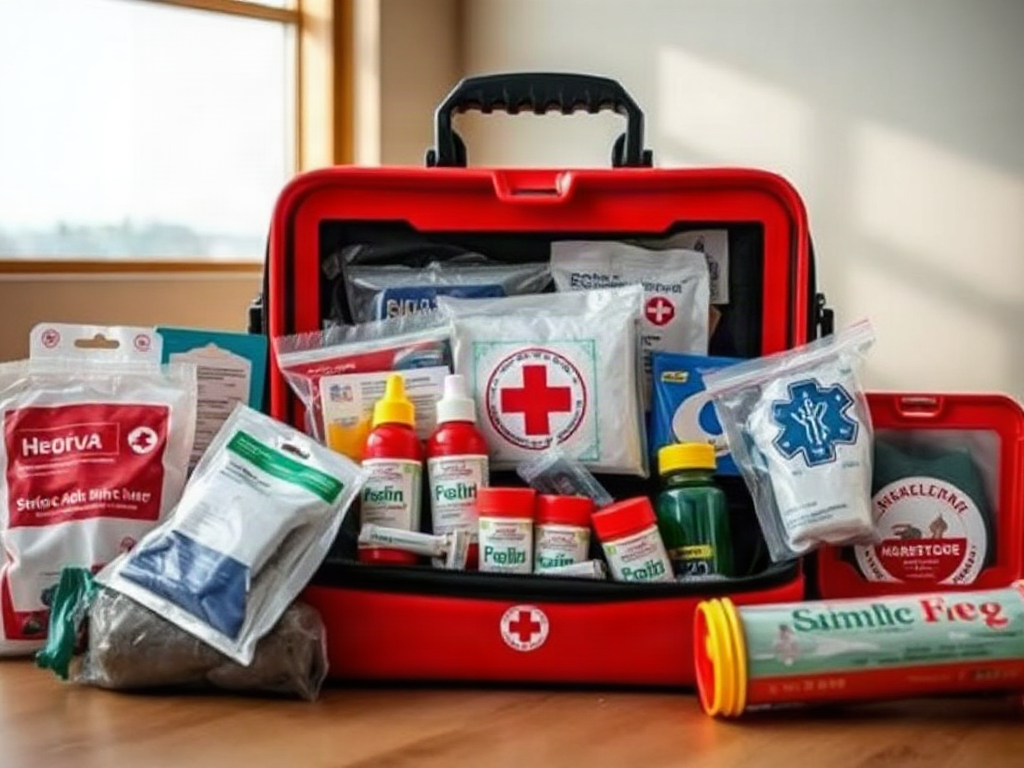
A well-prepared car emergency kit is crucial for any driver, as it can provide essential support during unexpected roadside incidents. The kit should ideally include items such as a first aid kit, flashlight, jumper cables, and basic tools to handle common emergencies. Each of these components plays a vital role in ensuring safety and mitigating risks while waiting for professional help.
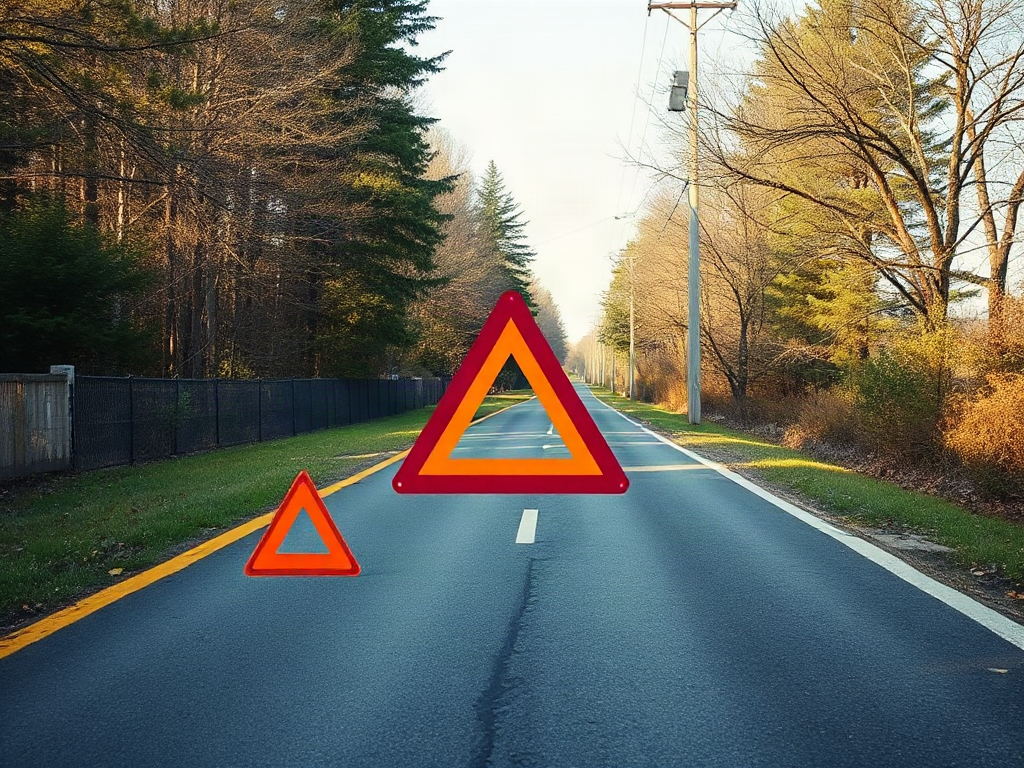
When assembling your kit, consider the most common issues drivers face, such as flat tires, dead batteries, or medical emergencies. Additionally, it’s important to recognize that many people overlook the necessity of including items like a reflective warning triangle or flares, which can significantly enhance visibility in low-light conditions. This oversight can lead to dangerous situations on the road, especially after dark. Therefore, prioritize these items to improve your safety in an emergency.
Essential Items for Your Kit
The foundation of any effective car emergency kit lies in its essential items. Start with a first aid kit, which should include bandages, antiseptic wipes, and any personal medications. A flashlight with extra batteries is crucial for illuminating dark situations, while jumper cables can help restart a dead battery.
Moreover, a basic toolkit with screwdrivers, pliers, and a wrench can assist with minor repairs. Ensure you also include a tire inflator or sealant, which can temporarily fix a flat tire until you reach a service station. Not having these essentials can exacerbate an already stressful situation, potentially leaving you stranded for longer than necessary.
Additional Supplies to Consider
Beyond the basics, there are several additional supplies that can enhance your emergency preparedness. Consider packing a reflective warning triangle or flares to alert other drivers of your presence, especially at night. A blanket can provide warmth if you’re stranded in cold weather, while non-perishable snacks and water are important for hydration and energy during extended waits.
Another often-overlooked item is a multi-tool, which can serve various functions and save space in your kit. Additionally, having a portable phone charger ensures you can maintain communication in case of emergencies. It’s wise to regularly review and update your kit to ensure all items are in working condition and not expired.
How to Maintain Your Emergency Kit
Keeping your car emergency kit in top shape requires regular maintenance. Start by checking the contents every six months to ensure all items are intact and functional. Replace any expired items in your first aid kit, and ensure that batteries in your flashlight are fresh.
During seasonal changes, consider adjusting your kit to reflect the conditions you might face. For instance, include extra warm clothing and blankets in winter, while summer may require additional water and sun protection items. Being proactive about these changes can significantly impact your comfort and safety during roadside emergencies.
Frequently Asked Questions
What should be included in a car emergency kit?
A car emergency kit should include a first aid kit, flashlight, jumper cables, basic tools, a tire inflator, snacks, and water.
How often should I check my emergency kit?
It’s advisable to check your emergency kit every six months to ensure all items are functional and not expired.
What items are often overlooked in emergency kits?
Commonly overlooked items include reflective warning triangles, flares, multi-tools, and portable phone chargers.
How can I tailor my kit for specific trips?
Consider the duration and location of your trip; for long trips or remote areas, include extra food, water, and specialized tools.
Why is a first aid kit important?
A first aid kit is essential for addressing minor injuries quickly, which can prevent complications while waiting for professional help.
Conclusion
In summary, packing a comprehensive car emergency kit is essential for any driver. Focus on including key items like a first aid kit, flashlight, and jumper cables, while also considering additional supplies that fit your travel needs. Regular maintenance of your kit ensures that you are always prepared for unexpected situations on the road. Take the time now to assemble and review your emergency kit, as it can make all the difference in ensuring your safety during roadside emergencies.
Preparing pets for emergency situations is crucial for their safety and well-being. This involves creating a comprehensive plan that includes evacuation routes and a well-stocked emergency kit tailored to your pets’ specific needs. Ensuring pets are familiar with carriers and are comfortable being transported is essential, as this can significantly reduce stress during an emergency.
Many pet owners underestimate the importance of having ready access to pet essentials, which can lead to panic and confusion in a crisis. Common mistakes include not practicing the evacuation plan with pets or failing to keep the emergency kit updated with food, medications, and other necessities. A smart approach is to keep a dedicated emergency bag with supplies like food, water, leashes, and first aid items, ensuring it’s easily accessible.
Creating an Emergency Plan
Establishing a clear emergency plan is the foundation of pet safety during crises. This plan should include designated evacuation routes, safe locations for shelter, and contact information for local pet-friendly accommodations. Additionally, ensure that all family members understand the plan and their roles during an emergency.
Regularly practicing the plan with your pets can help reduce anxiety and ensure everyone is prepared for actual emergencies. It’s also wise to keep a list of local animal shelters and veterinary clinics that can assist during disasters, as they can provide shelter or medical attention if needed.
Building an Emergency Kit
An emergency kit for pets should contain all the essentials necessary for their survival and comfort. Key items include food, water, medications, a leash, and a first aid kit specifically designed for pets. Additionally, consider including comfort items such as favorite toys or blankets to help ease your pet’s stress.
When assembling the kit, think about the duration your pets may need to stay in an unfamiliar environment. It’s advisable to store the kit in a waterproof container and keep it in a location that’s easy to access. Regularly check the kit to ensure food and medications are not expired and that all items are in good condition.
Training Your Pets for Emergencies
Training your pets to respond calmly during emergencies is fundamental for their safety. Start by getting them accustomed to their carriers and practicing short trips to reduce anxiety about being transported. Additionally, teaching basic commands, such as “come,” “stay,” and “leave it,” can be vital in emergency situations.
Consider enrolling your pets in training classes that focus on emergency preparedness. Socialization with other animals and people can also help them remain calm in stressful situations. Regular exercises that simulate emergency scenarios can further instill confidence and knowledge in your pets.
Evacuation Tips for Pet Owners
When it’s time to evacuate, remain calm and focused to help your pets feel secure. Always use a leash or carrier to transport your pets, and avoid letting them roam freely, as they may become disoriented or scared. Make sure to bring your emergency kit and any essential documents, such as vaccination records, which may be required at shelters or veterinary clinics.
Once you reach a safe location, allow your pets to acclimate to the new environment gradually. Look for signs of stress, and provide comfort items from home to help them feel secure. Keeping a routine as much as possible can also help pets adjust during this challenging time.
For more information on pet safety during emergencies, consider checking out resources from reputable organizations such as the ASPCA or the Humane Society. These organizations offer guidelines and tips to ensure that pet owners are well-prepared for any crisis.
Frequently Asked Questions
What should I include in my pet’s emergency kit?
Your pet’s emergency kit should include food, water, medications, a leash, a first aid kit, and comfort items like toys or blankets.
How can I train my pet for emergencies?
Train your pet by getting them comfortable with their carrier, practicing basic commands, and simulating emergency scenarios to build confidence.
Why is it important to have an evacuation plan?
An evacuation plan ensures that you and your pet can quickly and safely leave your home during an emergency, reducing chaos and confusion.
What are common mistakes pet owners make during emergencies?
Common mistakes include not having an emergency kit ready, failing to practice evacuation plans, and underestimating their pet’s stress levels.
How often should I update my emergency kit?
Regularly check and update your emergency kit every six months or whenever your pet’s needs change, such as new medications or dietary requirements.
Conclusion
Preparing your pets for emergency situations is essential for their safety and your peace of mind. By creating a comprehensive plan, building a well-stocked emergency kit, and training your pets, you can ensure a smoother experience during crises. Regularly review and practice your emergency strategies to adapt to any changes, keeping both you and your pets secure and ready for any situation.
Drinking snow carries inherent health risks, primarily due to contaminants that can accumulate in the snow. Snow is not just frozen water; it can trap pollutants from the air, including bacteria, viruses, and chemicals. When ingested, these contaminants can lead to various health issues, such as gastrointestinal distress, and in some cases, more severe health problems. Therefore, understanding the source and condition of the snow is critical for anyone considering consuming it.
Many people mistakenly believe that snow is pure and safe to consume simply because it is frozen water. However, snow can be a medium for harmful pathogens, especially if it has fallen in urban areas or near roads where it can pick up pollutants. It’s essential to prioritize safety by identifying clean snow sources, such as freshly fallen snow away from roads and industrial areas. Furthermore, melting snow before consumption can help reduce some risks, but it does not guarantee safety.
Understanding Snow Contamination
Snow can accumulate a variety of contaminants from the atmosphere, including dust, pollen, and pollutants. These materials can come from both natural and human-made sources. For instance, snow that falls in urban environments is more likely to contain harmful substances due to vehicle emissions and industrial activities. This contamination can pose health risks if the snow is consumed without proper consideration.
To avoid these risks, it’s important to evaluate the environment where the snow has fallen. Snow that is collected from remote, uncontaminated areas is generally safer than that which is gathered near populated regions. Additionally, the type of snow also matters; for example, wet, slushy snow may harbor more bacteria than dry, powdery snow.
Health Risks of Consuming Snow
The primary health risks associated with drinking snow stem from the potential presence of pathogens and contaminants. Bacteria and viruses can be present in snow, especially in areas with high human activity. Consuming contaminated snow can lead to illnesses such as gastroenteritis, which is characterized by symptoms like nausea, vomiting, and diarrhea.
In addition to biological contaminants, snow can also contain chemicals from the environment, such as heavy metals or pesticides. These substances can have long-term health effects if ingested, including toxicity and organ damage. Therefore, it is crucial to assess the snow’s cleanliness before considering it safe for consumption.
Best Practices for Drinking Snow
If one is determined to consume snow, there are several best practices to follow to minimize health risks. First, always choose snow that is freshly fallen and avoid snow that has been on the ground for an extended period, as it is more likely to be contaminated. Second, avoid snow that has fallen near roads, industrial areas, or locations where animals frequently roam.
It’s also advisable to melt and boil the snow before drinking it. Boiling can kill many pathogens that may be present, making it safer for consumption. However, boiling does not remove chemical contaminants, so being mindful of the snow’s source remains essential.
Further Reading
Authoritative Sources
CDC on Drinking Water Safety cdc.gov
This source provides guidelines on safe drinking water and discusses contaminants that can be present in snow
EPA Water Quality Standards epa.gov
The Environmental Protection Agency outlines water quality standards that can help assess risks associated with snow consumption
Health Impacts of Water Contaminants ncbi.nlm.nih.gov
This article details the health risks associated with various contaminants found in drinking water, including those that could also be present in snow
Frequently Asked Questions
Is it safe to drink snow?
It can be safe to drink snow if it comes from a clean source, but risks exist due to potential contaminants.
What contaminants can be found in snow?
Snow can contain bacteria, viruses, chemicals, and pollutants from the environment.
How can I make snow safe to drink?
Melting and boiling the snow can help eliminate many pathogens, making it safer for consumption.
Can drinking snow make you sick?
Yes, drinking contaminated snow can lead to illnesses like gastroenteritis.
Where should I avoid collecting snow for drinking?
Avoid collecting snow near roads, industrial areas, or places where animals frequently roam.
Conclusion
To wrap up, while drinking snow may seem like a viable option in survival situations, it is essential to recognize the health risks involved. Contaminants present in snow can lead to serious health issues, so prioritizing safety is crucial. Always ensure the snow is clean and consider melting and boiling it before consumption. By following these precautions, you can minimize the risks associated with drinking snow and make informed choices about your health.
Protecting documents during disasters is vital to preserving important information and memories. The best approach involves storing physical documents in waterproof and fireproof containers, ensuring that they remain secure against water, fire, and other environmental hazards. Additionally, making digital copies of essential documents provides an extra layer of protection and accessibility.
Many individuals overlook the importance of securing their documents until it’s too late. Common mistakes include keeping important papers in easily damaged locations, such as standard filing cabinets or drawers, which can be destroyed in floods or fires. To mitigate this risk, consider using specialized storage solutions designed for disaster preparedness. Furthermore, maintaining backups in digital formats, such as cloud storage, ensures that you can access your documents even if physical copies are compromised.
Why Document Protection is Crucial
Document protection during disasters is crucial because losing important papers can lead to significant financial and legal repercussions. Vital records such as birth certificates, property deeds, and medical records are often necessary for recovery and rebuilding after an emergency. Without these documents, individuals may face challenges in accessing services or proving their identity.
Moreover, a lack of preparedness can lead to panic during disasters, making it harder to focus on recovery efforts. By taking proactive steps to protect documents, you can streamline the recovery process and minimize stress during an already challenging time.
Methods for Physical Document Protection
To effectively protect physical documents, consider the following methods:
Store documents in waterproof and fireproof safes.
Use airtight containers to prevent moisture damage.
Keep documents elevated off the ground to avoid flood damage.
Each of these methods adds layers of security against various threats. High-quality safes are designed to withstand extreme temperatures and moisture, making them an excellent investment for safeguarding essential papers. Additionally, placing documents in elevated locations ensures they remain safe from rising water levels.
Digitizing Documents: Benefits and Best Practices
Digitizing documents provides several benefits, including ease of access and enhanced security. Scanning important papers and saving them in secure cloud storage can protect against physical loss. Utilize high-resolution scans and ensure that files are organized systematically for easy retrieval.
When digitizing, prioritize sensitive documents and consider using encryption for additional security. Regularly back up your digital files to multiple locations to ensure redundancy. This approach not only protects against data loss but also allows for quick access in emergencies.
Emergency Preparedness Plans for Document Safety
Creating an emergency preparedness plan that includes document safety is essential. Identify key documents and their storage locations, whether physical or digital. Regularly review and update your plan to account for any changes in personal circumstances or document importance.
Additionally, involve family members in the planning process to ensure everyone knows where to find important documents during a disaster. Conduct drills to practice document retrieval, making the process more efficient and less stressful during an actual emergency.
Frequently Asked Questions
What types of documents should I prioritize for protection?
Prioritize documents like birth certificates, passports, property deeds, and medical records, as they are often essential for recovery and identity verification.
How can I effectively digitize my important documents?
Use a high-resolution scanner to create digital copies, save them in organized folders, and back them up in secure cloud storage for easy access.
What is the best way to store physical documents?
Store physical documents in waterproof and fireproof safes or containers to protect them from environmental damage during disasters.
How often should I update my document protection plan?
Regularly review and update your plan at least once a year or whenever there are significant changes in your personal circumstances or important documents.
Can I use online storage for document security?
Yes, using reputable cloud storage services provides secure, accessible backups for your documents, ensuring they are retrievable in case of physical loss.
Conclusion
In closing, protecting documents during disasters requires a proactive approach that combines physical storage solutions and digital backups. Prioritize the preservation of essential records by investing in quality storage options and implementing a systematic digitization process. Regularly review your preparedness plan to ensure that you and your family can easily access critical documents when needed most. By taking these steps, you can significantly reduce the risk of losing important information and streamline your recovery efforts in the event of a disaster.