
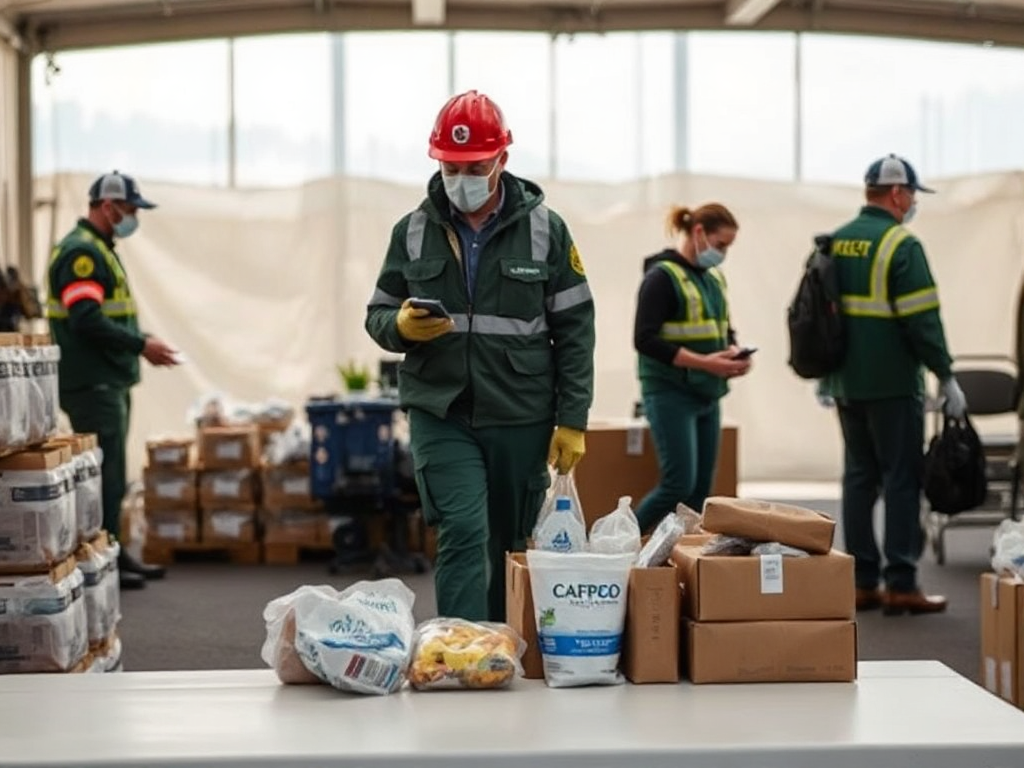
Effective management of resource allocation during crises requires a strategic approach that prioritizes urgent needs and assesses available resources. It is vital to maintain open communication among all stakeholders to ensure a coordinated response. A common pitfall is underestimating the demand for resources, which can lead to delays in aid delivery. Implementing a flexible distribution strategy and continuously monitoring resource utilization can help adapt to evolving circumstances, ensuring that critical supplies like medical aid and food reach those in need promptly.
Understanding Resource Allocation in Crises
Resource allocation during crises is the process of distributing limited resources efficiently to meet the urgent needs of affected populations. It is crucial because effective management can significantly impact the outcome of emergency response efforts. Understanding the dynamics of resource allocation helps organizations prioritize needs, mobilize resources rapidly, and ensure that aid reaches those who need it most.
During a crisis, resources can include medical supplies, food, water, shelter, and personnel. Each resource type has its own logistics and distribution challenges, making it essential to have a clear plan in place. For instance, in a natural disaster scenario, immediate access to clean water and medical care may take precedence over other needs. Thus, crisis managers must assess the situation continuously and adapt their strategies accordingly.
Critical Factors Influencing Resource Allocation
Several factors impact the effectiveness of resource allocation during crises. These include the type of crisis, the geographical area affected, and the existing infrastructure. Understanding these factors allows for better planning and execution. For example, in urban areas, logistical challenges might arise from traffic congestion or damaged roads, whereas rural areas may face issues related to accessibility and limited local resources.
Additionally, the scale of the crisis plays a significant role. A small-scale emergency may require fewer resources and simpler logistics, while a large-scale disaster, such as a hurricane or earthquake, demands a more complex coordination of efforts. Stakeholders must consider the availability and capability of local organizations, government agencies, and international aid to create a well-rounded approach to resource allocation.
Strategies for Effective Resource Distribution
To effectively manage resource allocation during crises, organizations can implement several strategies. First, a comprehensive needs assessment should be conducted to identify the most pressing requirements of the affected population. This assessment should involve collaboration with local authorities and community leaders to ensure that all voices are heard.
Next, establishing a clear communication plan is vital. This plan should outline how information will be shared among stakeholders, including government agencies, NGOs, and community groups. Effective communication can help streamline resource distribution and minimize duplication of efforts.
Another key strategy is to maintain a flexible resource distribution framework. Given the unpredictable nature of crises, being adaptable allows organizations to respond quickly to changing needs. For example, if an outbreak of disease occurs in the aftermath of a disaster, resources may need to be redirected from infrastructure rebuilding to healthcare supplies.
Common Pitfalls in Resource Management
Despite best efforts, organizations often encounter pitfalls during resource management in crises. One common mistake is underestimating the quantity of resources needed. This can lead to shortages and unmet needs, exacerbating the crisis’s impact. For instance, during the COVID-19 pandemic, many healthcare systems faced critical shortages of personal protective equipment (PPE) due to inadequate forecasting.
Another issue is failing to plan for logistical challenges. Delays in transportation or distribution can severely hinder the effectiveness of crisis response. For example, during a natural disaster, damaged infrastructure can impede access to affected areas, necessitating alternative distribution methods.
Lastly, neglecting to monitor and evaluate resource use can lead to inefficiencies and waste. Continuous assessment allows organizations to identify areas for improvement and make necessary adjustments in real time.
For those looking to deepen their understanding of resource allocation during crises, consider exploring resources from recognized organizations such as the World Health Organization and the United Nations Children’s Fund. These sources provide valuable insights and best practices for effective crisis management.
Frequently Asked Questions
What is resource allocation in a crisis?
Resource allocation in a crisis refers to the process of distributing limited resources effectively to meet urgent needs in emergency situations.
Why is effective resource allocation important during emergencies?
Effective resource allocation is crucial in emergencies because it determines how quickly and efficiently aid reaches those in need, significantly impacting survival and recovery.
What are common mistakes in resource management during crises?
Common mistakes include underestimating resource needs, failing to plan for logistical challenges, and neglecting to monitor resource use, which can lead to inefficiencies.
How can organizations improve their resource allocation strategies?
Organizations can improve strategies by conducting thorough needs assessments, establishing clear communication plans, and maintaining flexibility to adapt to changing circumstances.
What role does communication play in resource allocation?
Effective communication ensures that all stakeholders are informed and coordinated, helping to streamline resource distribution and avoid duplication of efforts.
Conclusion
Resource allocation during crises is a complex but essential task that requires careful planning, flexibility, and effective communication. By understanding the critical factors influencing allocation and implementing effective strategies, organizations can enhance their crisis response efforts. Avoiding common pitfalls and continuously monitoring resource use will further improve outcomes. Moving forward, it is vital for organizations to remain adaptable and responsive to the evolving needs of affected communities.