
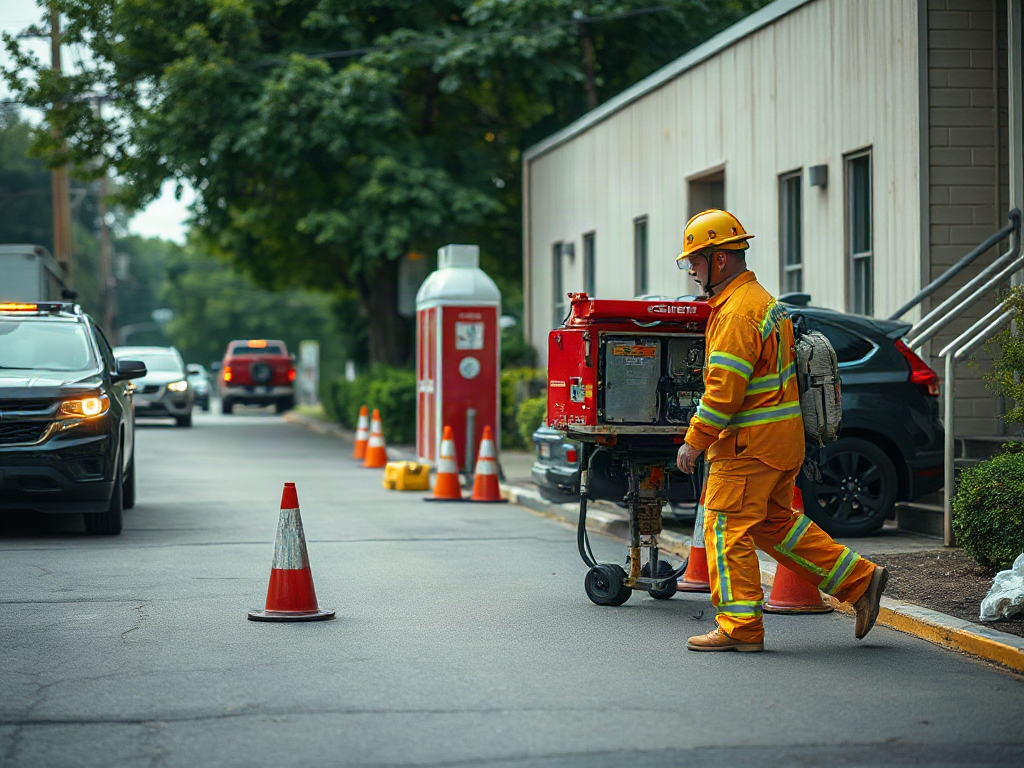
The three first steps during an emergency are to check the scene for immediate danger, contact the appropriate emergency service, and take only the protective action you can perform safely. Look for fire, traffic, unstable structures, violence, electrical hazards, smoke, or contaminated air before approaching anyone. Call 911 or the local emergency number early, give the exact location and known hazards, and follow the dispatcher’s instructions. Then move away, shelter in place, evacuate, control severe bleeding, or provide trained first aid as conditions require—without entering a hazard that could create another victim.
Step 1: Check the Scene Before Acting
A rapid scene check determines whether approaching, remaining in place, or leaving is the safest choice. Before touching an injured person, opening a door, entering a damaged room, or driving toward an incident, pause long enough to identify threats that could injure you or worsen the event. Smoke, moving vehicles, downed wires, leaking fuel, aggressive behavior, floodwater, falling debris, and an unstable building all change what a safe response looks like.
Scan from a protected position and use several senses without deliberately exposing yourself. Look for flames, broken glass, structural movement, traffic, spilled chemicals, and people moving away from a particular area. Listen for alarms, hissing gas, electrical arcing, cracking materials, or warnings from others. Unusual odors may indicate a problem, but do not move closer to identify a substance by smell. If contaminated air is possible, increase your distance and move upwind when you can do so safely.
Consider what is still changing. A minor collision on a quiet driveway differs from a crash in an active traffic lane. A person who collapses in an ordinary room may be approachable, while someone lying beside energized equipment may not be. In the second situation, direct contact could transfer the electrical hazard to the rescuer. Calling for professional help and preventing others from entering may accomplish more than an immediate hands-on response.
People often assume that speed means moving straight toward the visible victim. Useful speed begins with avoiding a second casualty. Do not enter deep or moving water, a smoke-filled building, an active violence scene, or an area with suspected gas or chemical release unless trained, equipped, and directed to do so. Ordinary dust masks, wet cloths, and everyday gloves do not make a hazardous atmosphere safe.
Finish the check with a simple decision: stay where you are, move to a safer nearby position, evacuate, or shelter in place. Bring children and anyone needing assistance with you if movement is appropriate. The first of the Three first steps during an emergency succeeds when you can describe the hazard, your safe position, and whether anyone remains at immediate risk.
Step 2: Report the Emergency Clearly
Early notification brings trained personnel and specialized equipment toward the incident while you handle only what can be managed safely. Call 911 in the United States when there is an immediate threat to life, serious injury, fire, crime in progress, or another urgent danger. Elsewhere, use the local emergency number. If mobile service is unreliable, try another phone, send a capable person to seek help, or use an available satellite communication device according to its instructions.
Location should come first because a disconnected call may still leave dispatchers with enough information to send assistance. Provide the street address, apartment or floor, business name, trail marker, highway direction and mile marker, intersection, or recognizable landmark. A phone map may help establish coordinates, but confirm what it shows; rural roads, large properties, and building entrances can make a seemingly precise pin difficult for responders to use.
Next, state what happened, the hazards present, and the number and condition of people involved. A useful report might be: “A vehicle struck a utility pole at Oak Street and Third Avenue. One person is unresponsive inside. Wires are down across the road, and I am calling from a parking lot away from them.” That description tells the dispatcher much more than “There has been an accident.” Answer questions directly, admit what you do not know, and avoid guessing about injuries or substances.
Put the phone on speaker if doing so lets you remain attentive to the scene. Stay on the line until the dispatcher says to disconnect, unless remaining connected creates a new danger. Dispatchers may ask you to move away, begin chest compressions, control bleeding, unlock an entrance, or send someone to meet responders. Their directions reflect information available at that moment, so update them if fire spreads, a person’s condition changes, or a suspect leaves.
Do not assume someone else has called. In a crowd, assign the task to a specific person and request confirmation: “You in the blue jacket, call 911 and tell me when they answer.” A vague shout for somebody to call can result in everyone expecting another witness to do it. If authorities have issued instructions through alerts, sirens, radio, or official accounts, follow those messages rather than unverified social posts.
Step 3: Take the Safest Useful Action
The best immediate action is the one that reduces the most urgent threat without exposing you to an unmanaged hazard. Depending on the event, that may mean leaving the area, sheltering behind a substantial barrier, warning others away, using an extinguisher on a small incipient fire when an exit remains behind you, or giving first aid within your training. Action should follow the scene assessment and emergency call, not replace them.
When a person is injured, check responsiveness and normal breathing only after reaching them safely. Follow dispatcher instructions and use current first-aid or CPR training. Severe external bleeding may require firm direct pressure with available cloth or gauze. A commercial tourniquet may be appropriate for life-threatening bleeding from an arm or leg when direct pressure is ineffective or impractical, but it should be used according to training and dispatcher guidance. Do not give an unconscious person food, water, or medication.
Moving an injured person creates a tradeoff. Movement may aggravate an injury, so leaving the person in position is often preferable when the location is safe. Immediate relocation may be warranted when fire, traffic, structural collapse, contaminated air, or another present hazard threatens both of you. If movement is unavoidable, use the minimum movement needed to reach relative safety and tell responders what you did.
For a building alarm, use stairs rather than an elevator unless official instructions or an accessible evacuation plan direct otherwise. Take a phone and essential mobility or medical items only if they are within reach; searching for belongings wastes escape time. Close doors behind you when practical, proceed to the designated meeting place, and do not re-enter for people, pets, or property. Report anyone missing to responders instead.
A compact priority check keeps the response disciplined:
- Protect: Maintain distance from the hazard and prevent additional exposure.
- Assist: Perform only the urgent measures supported by conditions, training, and dispatcher direction.
- Reassess: Watch for spreading fire, changing weather, worsening injuries, or unsafe crowd movement.
- Transfer: Give responders a short account of what happened and what you did.
Success is not measured by doing the most. It is measured by improving safety while preserving access for professional responders. The sequence is failing if you lose sight of an exit, stop monitoring the hazard, take on a task beyond your capability, or become so focused on one person that you miss a threat affecting everyone nearby.
Adapt the Sequence to the Hazard
The three-step sequence remains stable, but the protective action changes with the hazard. During a home fire, the priority is rapid escape, calling from outside, and staying out. During severe weather, moving outdoors may increase exposure; an interior shelter location away from windows may be safer. During suspected hazardous-material release, wind direction and official shelter or evacuation orders can matter more than retrieving supplies.
For earthquakes, protect yourself from falling objects during the shaking rather than running through an area where glass or debris may fall. Once the movement stops, check for injuries and hazards, expect aftershocks, and leave damaged structures if it is safe to do so. Do not operate electrical switches or create a flame if you suspect a gas leak. Report the location from a safe distance and follow local authority instructions.
For flooding, distance from moving water is critical. A road that appears shallow can hide washouts, debris, or a strong current. Turning around is safer than testing the depth in a vehicle or on foot. Move toward higher ground if directed and avoid contact with floodwater, which may contain sharp objects, sewage, fuel, or energized electrical equipment. A parked vehicle, basement, or low underpass can become more dangerous as water rises.
In a possible violent incident, observation should not become investigation. Create distance, seek substantial cover when available, silence devices if hiding, and give police a concise description from safety. Do not approach a suspicious person, touch an unknown object, or return to record the scene. Follow responding officers’ commands and keep your hands visible. Information that has not been verified should not be posted publicly because it may misdirect others or disclose the location of people sheltering.
Medical events require a different kind of judgment. Sudden unresponsiveness, abnormal breathing, severe chest pressure, stroke warning signs, major bleeding, serious allergic reaction, or poisoning concerns warrant prompt emergency contact. Use prescribed rescue medication only as directed for the person for whom it was prescribed, and contact Poison Control in the United States for poison guidance when appropriate; call 911 immediately if the person has collapsed, has trouble breathing, has a seizure, or cannot be awakened.
A household should connect the Three first steps during an emergency to local threats. Wildfire zones may require early evacuation routes, coastal areas may need storm-surge decisions, and winter regions may need a plan for power and heating failures. Generic action becomes useful only after it is matched to the warning systems, terrain, building, transportation, and medical needs present where you live.
Practice the First Three Minutes
Short scenario practice makes the opening response easier to retrieve under stress. A useful drill does not require theatrical effects or surprise alarms. Choose a realistic event, announce that it is an exercise, and ask everyone to demonstrate where they would go, who would call, what location information they would provide, and how they would account for other household members. Stop immediately if the drill creates a real safety issue.
Begin with scenarios that expose practical friction. Ask a family member to make a simulated emergency call without looking up the address. Test whether a child can identify two trusted neighbors. Find out whether an apartment number, rural gate, or workplace entrance is visible to responders. Check whether mobility devices, shoes, prescribed medication, and communication aids are reachable without delaying evacuation. These details reveal more than memorizing a long list of supplies.
Compare the planned route with a blocked-route version. If the primary exit contains pretend smoke, can everyone identify an alternate exit without entering another hazard? If cellular networks are unavailable, where is the agreed meeting place and which out-of-area contact can receive status messages? Plans should account for pets, but nobody should delay escape or re-enter a dangerous building to retrieve an animal. Keep carriers or leashes accessible so evacuation can occur efficiently when conditions allow.
After the exercise, correct only the failures that affected safety or communication. A successful drill should show that participants noticed the simulated danger, moved to an appropriate location, communicated the address and hazard, and accounted for people. Warning signs include returning for replaceable property, waiting too long to report the incident, gathering near arriving emergency vehicles, or choosing a meeting place inside the likely hazard area.
Refresh contact details and routes after a move, building renovation, new medical need, or change in household membership. Practical repetition is more valuable than reciting the Three first steps during an emergency without testing them. The goal is not rigid behavior; it is a reliable opening sequence that leaves room for official instructions and changing conditions.
Frequently Asked Questions
Should I call 911 before helping an injured person?
Call as early as conditions allow, especially for unresponsiveness, abnormal breathing, severe bleeding, fire, violence, or another immediate threat. Use speakerphone and follow the dispatcher’s directions if you can assist safely.
What information should I give an emergency dispatcher first?
Give the exact location first, followed by what happened, present hazards, the number of people affected, and their apparent condition. Report changes while remaining on the line.
When should I move an injured person?
Avoid unnecessary movement when the scene is safe. Move someone only when an immediate danger such as fire, traffic, collapse, or contaminated air outweighs the risk of movement, or when a dispatcher directs you.
What if I am unsure whether the situation is a real emergency?
Describe the facts rather than trying to diagnose the event. An immediate threat to life, serious injury, fire, crime in progress, or rapidly worsening condition supports calling emergency services.
How can children learn the first steps safely?
Teach them to move away from danger, identify a trusted adult, state their address, and call the local emergency number when appropriate. Use announced practice calls rather than placing an actual call to emergency services.
Conclusion
Good emergency decisions begin with a controlled pause, not a reckless rush toward the problem. Identify hazards from a defensible position, send accurate information to the appropriate service, and choose an action proportionate to your training and the threat. Keep monitoring the scene because fire, traffic, weather, structural damage, violence, and a patient’s condition can change quickly.
Next, test the sequence where it will actually be used. Confirm your address and emergency numbers, identify exits and meeting places, and practice a short scenario with every household member. Correct delays, blocked routes, communication gaps, and unsafe assumptions before adding more equipment or a more elaborate plan. A response that protects the caller, communicates the location, and preserves access for responders is more dependable than improvised heroics.
Additional Resources
Authoritative Sources
- National Weather Service Safety
weather.govOfficial hazard, weather-readiness, and safety information.
- American Red Cross Emergency Preparedness
redcross.orgPractical emergency preparation, safety, and supply guidance for households.