
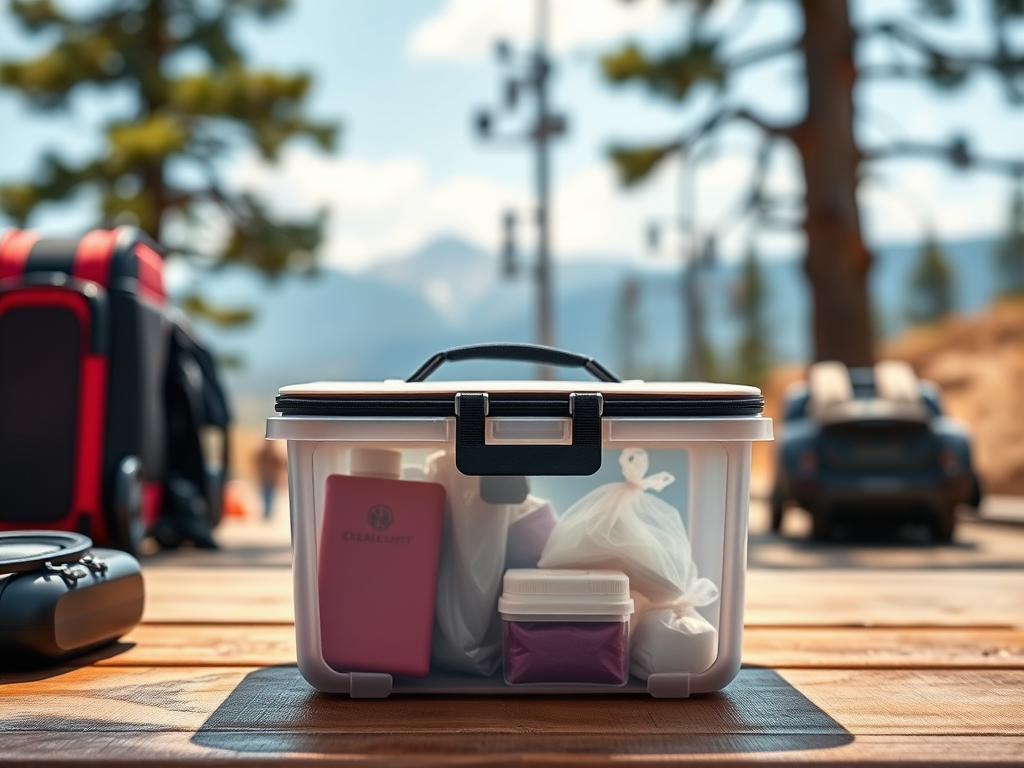
To create a portable emergency kit for travel, start by selecting a durable, waterproof bag and include essentials like a first aid kit, flashlight, multi-tool, and non-perishable food. Ensure you also pack water purification tablets and a portable charger for your devices. Prioritize items based on your travel destination and duration, adapting the contents to specific risks you may encounter during your journey.
Choosing the Right Container
The first step in creating a portable emergency kit for travel is selecting a suitable container. A durable, waterproof bag is crucial to protect your supplies from moisture and damage. Consider options such as a backpack, duffel bag, or a compact tote, depending on your travel style. The container should be lightweight yet spacious enough to hold all necessary items without becoming cumbersome.
When choosing a bag, think about the accessibility of your items as well. Pockets and compartments can help keep your kit organized, allowing for quick retrieval during an emergency. For example, having a designated pocket for your first aid supplies can make it easier to find when time is critical.
Essential Items for Your Kit
Your portable emergency kit should contain a variety of essential items that address health, safety, and communication needs. Start with a well-stocked first aid kit, which should include bandages, antiseptic wipes, adhesive tape, scissors, and any personal medications. Next, include a reliable flashlight with extra batteries, as visibility can be crucial in emergencies.
A multi-tool can serve multiple purposes, from opening cans to making repairs, making it a versatile addition to your kit. Non-perishable food items, such as energy bars or dried fruits, provide sustenance in case of delays or emergencies. Water purification tablets are essential for ensuring safe drinking water, particularly in areas where water quality is uncertain.
Also, consider including a portable charger for your devices, as staying connected can be vital in emergencies. This will ensure you can communicate with others and access important information when needed.
Adapting Your Kit to Travel Destinations
Adapting your portable emergency kit to the specific needs of your travel destination is essential. Different regions pose various risks, and your kit should reflect those potential challenges. For instance, if you’re traveling to a remote area with limited access to medical facilities, you may want to include additional medical supplies or a more extensive first aid kit.
In contrast, urban environments might require items like a whistle or personal safety alarm for self-defense. Additionally, consider the climate and geography of your destination. If traveling to a cold region, pack thermal blankets and hand warmers, while a warmer destination might necessitate sunscreen and insect repellent.
Research local hazards, such as natural disasters or civil unrest, and tailor your kit accordingly. This proactive approach ensures that you are better prepared for the specific challenges you may face during your travels.
Maintaining and Updating Your Kit
Creating a portable emergency kit is just the beginning; maintaining and updating it is equally important. Regularly check the contents of your kit, ensuring that items are in good condition and not expired. Replace any perishable items, such as food or medications, as needed. Establish a routine for reviewing your kit, such as before each trip or seasonally, to ensure it remains ready for use.
Additionally, as your travel habits change, so should your kit. If you start traveling with children or pets, consider adding supplies that cater to their needs, such as infant formula or pet food. Keeping your kit relevant to your current lifestyle and travel plans will enhance its effectiveness in emergencies.
For more information on emergency preparedness, consider visiting official resources such as the Ready.gov for guidance on building emergency kits and planning for various situations.
Frequently Asked Questions
What should be the first item in my emergency kit?
A well-stocked first aid kit should be the first item, as it addresses immediate health and safety needs.
How often should I update my emergency kit?
Review your emergency kit at least every six months to replace expired items and adjust supplies based on changing needs.
Can I use my emergency kit for everyday situations?
Yes, many items in your emergency kit can be useful for everyday situations, such as minor injuries or unexpected delays.
What food items are best for an emergency kit?
Non-perishable items like energy bars, dried fruits, and nuts are ideal, as they have a long shelf life and require no preparation.
Is a portable charger necessary in an emergency kit?
A portable charger is essential for keeping communication devices powered, especially during emergencies when staying connected is vital.
Conclusion
Creating a portable emergency kit for travel is an essential step in ensuring your safety and preparedness during journeys. By carefully selecting a durable container and including vital items tailored to your destination, you can significantly enhance your ability to respond to emergencies. Regular maintenance and updates will keep your kit functional and relevant, providing you with peace of mind as you travel. Prioritize building your kit today to ensure you’re ready for whatever challenges may arise on your travels.