Recognizing unsafe drinking water sources is crucial for maintaining health and preventing waterborne diseases. Signs of unsafe water include unusual colors, odors, or tastes, which can indicate the presence of contaminants. Water sourced from wells, particularly those near agricultural or industrial areas, is often at higher risk of pollution. Regular testing for common contaminants such as bacteria, heavy metals, and pesticides is essential for ensuring water safety.
One common mistake people make is assuming that clear water is safe to drink. However, contaminants like bacteria can be present in clear water, so testing is necessary. Additionally, seasonal changes can affect water quality; for example, runoff from heavy rains can introduce new contaminants into drinking sources. Prioritizing regular water testing and understanding local environmental conditions can greatly enhance safety.
Identifying Visual Indicators of Contamination
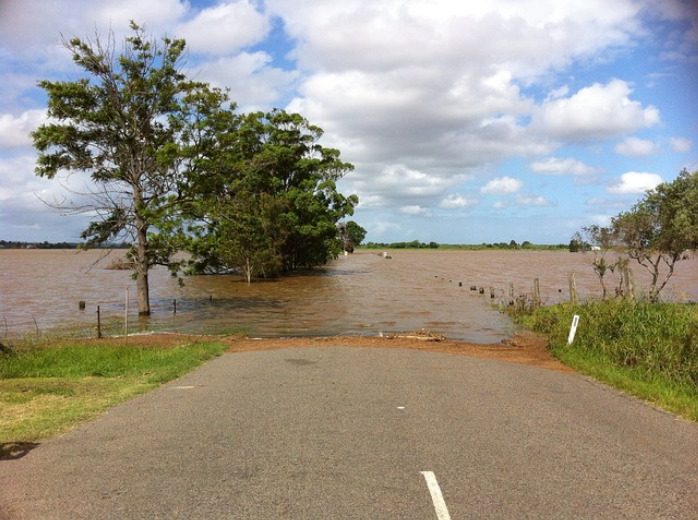
Visual indicators can provide immediate clues about water safety. Discoloration, such as yellow or brown hues, may suggest the presence of rust or organic material. Cloudiness can indicate suspended particles or microorganisms, while an oily sheen may point to chemical contamination. Always be cautious if you notice any of these signs.
changes in water appearance can signal problems that require further investigation. For instance, rusty water might originate from corroded pipes, indicating potential lead contamination. Being vigilant about these visual cues can help you take timely action to ensure your water is safe for consumption.
Understanding Water Source Risks
The source of your drinking water significantly influences its safety. Groundwater from wells can be contaminated by nearby agricultural activities, industrial sites, or septic systems. Surface water sources, such as rivers and lakes, are also vulnerable to pollution from runoff, wildlife, and human activities.
When assessing water sources, consider both proximity to potential contaminants and historical data on water quality. For example, if your well is located near a farm, it’s important to monitor for agricultural runoff, especially after heavy rains. Understanding these risks can help you take proactive measures in safeguarding your drinking water.
Testing Water for Contaminants
Regular testing is the most effective way to determine the safety of drinking water. Home testing kits are available for various contaminants, making it easy to check for bacteria, nitrates, and heavy metals. It’s advisable to send samples to certified laboratories for more comprehensive analyses.
Neglecting to test water regularly can lead to health issues, particularly if contaminants are present but not visible. Testing should be done frequently, especially after significant weather events or if any changes in water quality are observed. Being proactive in testing can prevent long-term health consequences.
Common Contaminants to Watch For
Some common contaminants include bacteria (like E. coli), nitrates from fertilizers, and heavy metals such as lead and arsenic. Each of these poses unique health risks, ranging from gastrointestinal illness to serious neurological effects.
Understanding the specific contaminants that may affect your water supply is crucial. For instance, areas with older plumbing systems may be at risk for lead contamination. Knowing what to look for and testing for these substances can help protect you and your family.
Further Reading
Authoritative Sources
Library of Congress Research Guides guides.loc.gov
Research guides that help readers locate reliable background sources on a wide range of subjects
USA.gov Official Information and Services usa.gov
Official U.S. government information and public resources for practical reference
Google Scholar scholar.google.com
Academic search resource for finding research literature and source material
Conclusion
Recognizing unsafe drinking water sources involves vigilance and proactive testing. By understanding the signs of contamination and the risks associated with different water sources, you can take necessary precautions to safeguard your health. Regular testing for contaminants is essential for ensuring safe drinking water and mitigating health risks. Make informed decisions about your water supply and prioritize safety to protect yourself and your family.
Storing propane safely is crucial for preventing accidents and ensuring both personal and environmental safety. To achieve this, propane should be kept in a cool, well-ventilated area away from heat sources and direct sunlight. Propane tanks must always be stored upright and positioned securely to prevent tipping. Regular inspections for leaks and damage are also essential to maintaining a safe storage environment.
When considering propane storage, it’s important to prioritize the selection of the right tank, which should be certified and suitable for your specific needs. Avoiding common pitfalls, such as placing tanks indoors, can significantly reduce explosion risks. Always adhere to local regulations regarding propane storage, as these guidelines are designed to enhance safety and prevent mishaps.
Choosing the Right Storage Location
Choosing the right location for propane storage is vital for safety. Ideally, propane tanks should be stored outdoors in a shaded area that prevents overheating. Locations should be away from traffic and any potential sources of ignition, such as grills or electrical equipment. Consider using a propane storage shed that meets safety standards.
Improper storage locations can lead to dangerous situations. For instance, storing propane near open flames or heat sources can cause tanks to rupture or explode. Always check local zoning laws and regulations to ensure compliance, as these can dictate acceptable storage practices.
Proper Tank Handling and Maintenance
Proper handling and maintenance of propane tanks are essential for ensuring safety. Always inspect tanks for rust, dents, or leaks before storage. Use soapy water to check for leaks by applying it to the valve and fittings; bubbles indicate escaping gas. Ensure that the valve is tightly closed when not in use.
Regular maintenance can prevent potential hazards. Tanks should be visually inspected at least once a year for structural integrity. Furthermore, ensuring that the tank is filled to the appropriate level can help prevent excessive pressure buildup. Keeping a record of maintenance activities can also help track the tank’s condition.
Safety Precautions and Regulations
Adhering to safety precautions and regulations when storing propane is non-negotiable. Always keep propane tanks away from flammable materials and ensure that the storage area is clear of debris. Familiarize yourself with local laws regarding propane storage, as they may specify distance requirements from buildings and property lines.
Additionally, using safety devices such as pressure relief valves and excess flow valves can enhance safety. Educate all users on the correct procedures for handling propane, and consider having a fire extinguisher nearby, rated for flammable gas fires. Regular safety drills can also prepare users for emergencies.
Further Reading
For more information on propane safety and storage practices, refer to the following authoritative sources:
Authoritative Sources
National Fire Protection Association nfpa.org
This organization provides guidelines and resources on the safe handling and storage of propane
U.S. Consumer Product Safety Commission cpsc.gov
Offers safety tips and regulations regarding propane and other flammable gases
Propane Education & Research Council propane.com
Provides educational materials about propane use and safety
Popular Questions
What are the common mistakes to avoid when making a Table of Contents?
Common mistakes when creating a Table of Contents include using vague headings that don't accurately describe the content and failing to update it after making changes to the document. It's also important to avoid overcrowding the Table of Contents with too many details, which can overwhelm readers. Lastly, ensure that the formatting is consistent to maintain a professional appearance.
Can a Table of Contents improve the readability of a document?
Yes, a well-structured Table of Contents can significantly improve the readability of a document. It allows readers to quickly find the information they are looking for, which enhances their overall experience. By providing a clear outline, it helps to break down complex information into manageable sections, making the content more accessible.
When should you include a Table of Contents in your writing?
A Table of Contents should be included in any lengthy document, such as reports, research papers, or books, where multiple sections are present. It is particularly useful when the document exceeds ten pages, as it helps readers navigate through the material efficiently. Including a Table of Contents in shorter documents can also be beneficial if the content is complex or requires clear organization.
Conclusion
Ultimately, safely storing propane requires careful attention to location, tank maintenance, and adherence to safety regulations. Always store propane outdoors, away from potential hazards, and ensure that tanks are regularly inspected for leaks and damage. By following these guidelines, you can significantly reduce the risk of accidents and ensure a safe environment for yourself and others.
Many people underestimate how quickly temperatures can drop inside a vehicle, especially during winter. Understanding the risks associated with cold exposure is crucial, as hypothermia can set in surprisingly fast. Always keep emergency supplies, including blankets and food, within reach.
Choosing the right gear is essential for staying warm in a car overnight. A portable battery-operated heater can also provide additional warmth, but should be used cautiously to avoid carbon monoxide buildup.
Essential Gear for Staying Warm
Choosing the right gear is essential for staying warm in a car overnight. Items like thermal blankets, sleeping bags rated for low temperatures, and insulated clothing can make a significant difference. A portable battery-operated heater can also provide additional warmth, but should be used cautiously to avoid carbon monoxide buildup.
When selecting your gear, consider the expected weather conditions and how long you will be in the vehicle. Pack extra layers of clothing, including thermal underwear and wool socks, which can help maintain body heat. A good quality sleeping bag designed for cold weather can trap heat effectively and should be part of your overnight kit.
Insulating Your Vehicle
Insulating your vehicle is a key step to retaining heat inside when temperatures drop. Window covers made from reflective materials can prevent heat from escaping while also blocking cold drafts. You can use items like reflectors or even blankets to cover windows and keep the interior warm.
Additionally, ensure that the doors and any gaps are sealed to reduce airflow. This can be achieved by using towels or blankets to block any openings. The more you can reduce the cold air entering your space, the warmer it will stay inside. Remember that insulation should not compromise ventilation, so keep at least a small window slightly open to allow fresh air in.
Safe Heating Options
Using a heater in your car can be effective, but it must be done safely to avoid risks. Battery-operated or propane heaters designed for indoor use can be effective, but always check for proper ventilation. Never run your car’s engine for extended periods to generate heat, as this can lead to carbon monoxide buildup.
Consider using a space blanket or a hot water bottle filled with warm water to provide additional warmth without the risks associated with powered heaters. Make sure to keep any heating devices away from flammable materials and monitor them closely to avoid overheating.
Further Reading
Authoritative Sources
Ready.gov ready.gov
This resource provides comprehensive emergency preparedness information, including tips for staying warm in various situations
American Red Cross redcross.org
Offers guidelines and safety tips for staying warm during winter emergencies
Frequently Asked Questions
What should I wear to stay warm in a car overnight?
Wear layers of thermal clothing, including thermal underwear, warm socks, and a hat to prevent heat loss.
Can I use my car’s heater to stay warm overnight?
Using your car’s heater is not recommended for extended periods due to the risk of carbon monoxide poisoning.
How can I insulate my car?
Use reflective window covers, blankets, or towels to insulate windows and reduce drafts.
Is it safe to sleep in a running car?
It is generally unsafe to sleep in a running car due to carbon monoxide risks; ensure proper ventilation if you do.
What emergency supplies should I keep in my car?
Keep blankets, warm clothing, non-perishable food, and water in your car for emergencies.
Conclusion
Staying warm in a car overnight is achievable with the right preparation and tools. Prioritize insulation and appropriate clothing to retain heat effectively. Utilize safe heating options and always ensure ventilation to prevent dangerous situations. By following these guidelines, you can ensure a safer and more comfortable overnight experience in your vehicle.
It’s wise to familiarize yourself with various payment options and local resources that can help in a crisis. Additionally, consider maintaining a small reserve of cash or emergency funds to mitigate potential disruptions.
To navigate a situation where cash is unavailable, consider utilizing alternative payment methods. Digital wallets like PayPal, Venmo, or cash apps allow for quick transactions without needing physical cash.
Identifying Alternative Payment Methods
To navigate a situation where cash is unavailable, consider utilizing alternative payment methods. Digital wallets like PayPal, Venmo, or cash apps allow for quick transactions without needing physical cash. Bartering can also serve as a viable option, enabling you to exchange goods or services directly with others.
Understanding how to use these platforms effectively is essential. Many people may not be familiar with setting up accounts or transferring funds, so taking the time to learn these processes ahead of time can save stress in an emergency. Additionally, keep in mind that some businesses may not accept digital payments, so having multiple options is beneficial.
Assessing Immediate Needs and Resources
In a cashless situation, evaluating your immediate needs is critical. Focus on essentials such as food, shelter, and healthcare. Investigate local resources such as food banks, shelters, or community organizations that may offer assistance during financial crises.
Being aware of what’s available in your community can provide a safety net during emergencies. Many people overlook these resources, assuming they will manage on their own. Connecting with local services can provide not just immediate relief but also long-term support as you navigate financial challenges.
Creating a Contingency Plan
Developing a contingency plan is vital for ensuring access to funds in the future. Consider setting up a savings account specifically for emergencies or exploring credit options that can provide financial support when needed.
In addition to saving, consider networking with friends, family, or community members who can offer assistance in times of need. Establishing these connections beforehand can create a reliable support system that can be invaluable when cash is inaccessible.
Common Mistakes to Avoid
One common mistake is assuming that digital payment methods are infallible. System outages can occur, and reliance on a single method can lead to complications. It’s essential to diversify your payment options and be prepared for potential failures.
Another pitfall is neglecting to familiarize yourself with local resources. Many individuals may not know where to turn for help during a financial crisis. Proactively seeking out community services can provide crucial support and resources when cash is unavailable.
Further Reading
Understanding the various aspects of financial preparedness can help in navigating unexpected situations. Resources about budgeting, saving, and community support can provide additional insights.
Authoritative Sources
Consumer Financial Protection Bureau consumerfinance.gov
This site provides valuable information on managing finances and understanding consumer rights
American Red Cross redcross.org
Offers resources for emergency preparedness and financial assistance in crisis situations
Frequently Asked Questions
What should I do first if I lose access to cash?
Immediately assess your payment options, such as digital wallets or bartering, and identify local resources for assistance.
How can I prepare for losing access to cash?
Develop a contingency plan that includes savings, alternative payment methods, and knowledge of local resources.
Are digital payments always reliable?
No, digital payment systems can fail due to outages or technical issues; having multiple payment options is crucial.
What resources can help during a financial crisis?
Local food banks, shelters, and community organizations can provide essential support when cash is unavailable.
What common mistakes should I avoid in emergencies?
Relying solely on one payment method and not knowing local resources can complicate situations when cash is inaccessible.
Conclusion
All in all, losing access to cash can be a daunting experience, but by identifying alternative payment methods, assessing immediate needs, and creating a contingency plan, you can navigate these challenges effectively. Prioritize diversifying your financial resources and familiarizing yourself with local support services to ensure you are prepared for future emergencies. By taking proactive steps, you can mitigate the stress and risks associated with losing access to cash.
Power outages or natural disasters can leave you without access to chargers, so prioritizing battery-saving techniques is vital. It’s also wise to keep your device updated, as software updates often include optimizations for battery usage.
During emergencies, it's critical to identify these factors to effectively manage battery life. Power outages or natural disasters can leave you without access to chargers, so prioritizing battery-saving techniques is vital.
Understanding Battery Drain
Battery drain occurs due to various factors, including screen usage, app activity, and connectivity features. During emergencies, it’s critical to identify these factors to effectively manage battery life. For example, video streaming and GPS navigation are particularly demanding on battery power. Recognizing these drainers allows you to make informed decisions about which functions to prioritize or disable when power is limited.
Many users overlook the impact of background apps that continue to run even when not in use. Regularly checking app activity can help you identify which apps are consuming the most power. This allows you to close unnecessary applications, freeing up battery life for more important tasks.
Practical Techniques for Conservation
Implementing practical techniques can drastically extend battery life during emergencies. Start by enabling battery saver modes available on most smartphones. This setting automatically limits background app activity and reduces performance to save energy. Additionally, consider adjusting your screen timeout settings to minimize the time your screen remains active when not in use.
Another effective method is to dim your screen brightness or switch to dark mode if available. A brighter screen consumes significantly more battery. Furthermore, avoid using live wallpapers or widgets that refresh frequently, as they can drain power quickly. Limiting notifications can also help, as each alert can trigger the screen to light up and consume battery.
Tools and Accessories
Investing in tools and accessories can enhance your ability to extend battery life in emergencies. Portable chargers or power banks are invaluable, allowing you to recharge devices on the go. Ensure you choose a power bank with sufficient capacity to charge your devices multiple times if needed.
Additionally, consider solar chargers, which can be especially useful during extended outages. Solar chargers can harness sunlight to recharge batteries, providing a renewable energy source when conventional power is unavailable. Always keep these accessories in your emergency kit to ensure you are prepared.
Further Reading
Authoritative Sources
Library of Congress Research Guides guides.loc.gov
Research guides that help readers locate reliable background sources on a wide range of subjects
USA.gov Official Information and Services usa.gov
Official U.S. government information and public resources for practical reference
Google Scholar scholar.google.com
Academic search resource for finding research literature and source material
Frequently Asked Questions
What are the best practices for extending battery life?
The best practices include turning off unnecessary features, reducing screen brightness, and utilizing battery saver modes.
How much can battery life be extended?
Battery life can be extended significantly, sometimes doubling the time your device lasts by implementing power-saving techniques.
Should I charge my device overnight?
Overnight charging can lead to battery degradation; it’s best to unplug devices once fully charged.
What apps drain battery the most?
Video streaming, GPS navigation, and social media apps are known to drain battery quickly due to their high resource usage.
Can I use my device while on battery saver mode?
Yes, you can use your device on battery saver mode, but performance may be limited to conserve energy.
Conclusion
In emergencies, extending battery life is essential for maintaining communication and access to critical information. By implementing strategies such as disabling non-essential features, using battery saver modes, and investing in portable charging options, you can significantly prolong your device’s usability. Always stay aware of battery-draining applications and prioritize your device’s settings to ensure you are prepared for any situation.
Many newcomers fail to consider scenarios beyond natural disasters, such as economic collapse or civil unrest, which can result in a lack of essential supplies and strategies.
Another frequent mistake is neglecting to stockpile critical items like water, food, first aid supplies, and tools. Additionally, a lack of practical training can lead to poor decision-making during emergencies, further exacerbating their vulnerability.
One of the most significant prepper mistakes beginners make is overlooking basic supplies. Many newcomers fail to consider scenarios beyond natural disasters, such as economic collapse or civil unrest, which can result in a lack of essential supplies and strategies.
Overlooking Basic Supplies
One of the most significant prepper mistakes beginners make is overlooking basic supplies. Many novices focus on advanced gear and gadgets while neglecting fundamental items like non-perishable food, clean water, and first aid kits. In emergencies, having these essentials can mean the difference between survival and suffering. A well-rounded supply kit should prioritize these basics to ensure readiness.
Additionally, beginners often underestimate the quantity of supplies needed. It’s crucial to assess personal needs based on family size, dietary restrictions, and potential duration of a crisis. Regularly reviewing and updating supplies to account for expiration dates and changing circumstances is vital for maintaining preparedness.
Ignoring Training and Skills Development
Another prevalent mistake is ignoring the importance of training and skills development. Many beginners assume that having supplies is sufficient, but without the knowledge to use them effectively, they may find themselves unprepared. Skills such as first aid, navigation, and self-defense are invaluable in survival situations.
Investing time in training can significantly enhance a prepper’s confidence and capability. Participating in workshops, online courses, or local community classes can provide essential skills that prepare individuals for various scenarios. Furthermore, practicing these skills regularly ensures proficiency when it matters most.
Failing to Diversify Planning
Beginners often make the mistake of failing to diversify their planning efforts. They may focus on a single type of disaster, such as natural disasters, while ignoring other potential threats like economic downturns or social unrest. A comprehensive plan should address multiple scenarios to ensure a well-rounded preparedness approach.
Additionally, diversifying supplies can guard against unforeseen circumstances. For instance, stockpiling various food types, tools, and resources can help adapt to changing needs during a crisis. Regularly revisiting and refining plans to include new threats or insights is essential for staying prepared.
Misjudging Resource Needs
Misjudging resource needs is a common pitfall for those new to prepping. Many beginners fail to account for the specific needs of their family, including medical conditions, special dietary requirements, or mobility challenges. Understanding these needs is crucial for developing a practical preparedness plan.
Moreover, beginners might overestimate the availability of resources during a crisis, leading to a false sense of security. It’s vital to realistically assess local resources and create a contingency plan for when those resources may be unavailable. Establishing a network of contacts for potential support can also enhance preparedness.
For those looking to deepen their understanding of preparedness, consider exploring resources on emergency management, survival skills, and community preparedness programs. Engaging with local preparedness groups can also provide valuable insights and support.
Further Reading
Authoritative Sources
Library of Congress Research Guides guides.loc.gov
Research guides that help readers locate reliable background sources on a wide range of subjects
USA.gov Official Information and Services usa.gov
Official U.S. government information and public resources for practical reference
Google Scholar scholar.google.com
Academic search resource for finding research literature and source material
Frequently Asked Questions
What are the most common mistakes beginners make in prepping?
Common mistakes include neglecting basic supplies, ignoring training opportunities, and failing to diversify planning for various emergencies.
How can beginners improve their prepping skills?
Beginners can improve their skills by participating in workshops, online courses, and practicing essential survival techniques regularly.
Why is it important to have a diverse preparedness plan?
A diverse plan ensures readiness for different scenarios, such as natural disasters, economic downturns, or social unrest, increasing overall resilience.
What supplies should every prepper have?
Every prepper should have non-perishable food, clean water, first aid supplies, essential tools, and a reliable communication method.
How often should preppers review their supplies?
Preppers should review their supplies at least every six months to ensure items are fresh, relevant, and meet current needs.
Conclusion
In closing, avoiding common prepper mistakes requires a proactive approach to planning and resource management. Beginners should prioritize basic supplies, invest in training, and develop a diverse preparedness strategy. Regularly reviewing supplies and adapting plans to changing circumstances will enhance resilience and readiness for any emergency. By focusing on these key areas, newcomers can build a solid foundation for their preparedness journey.