
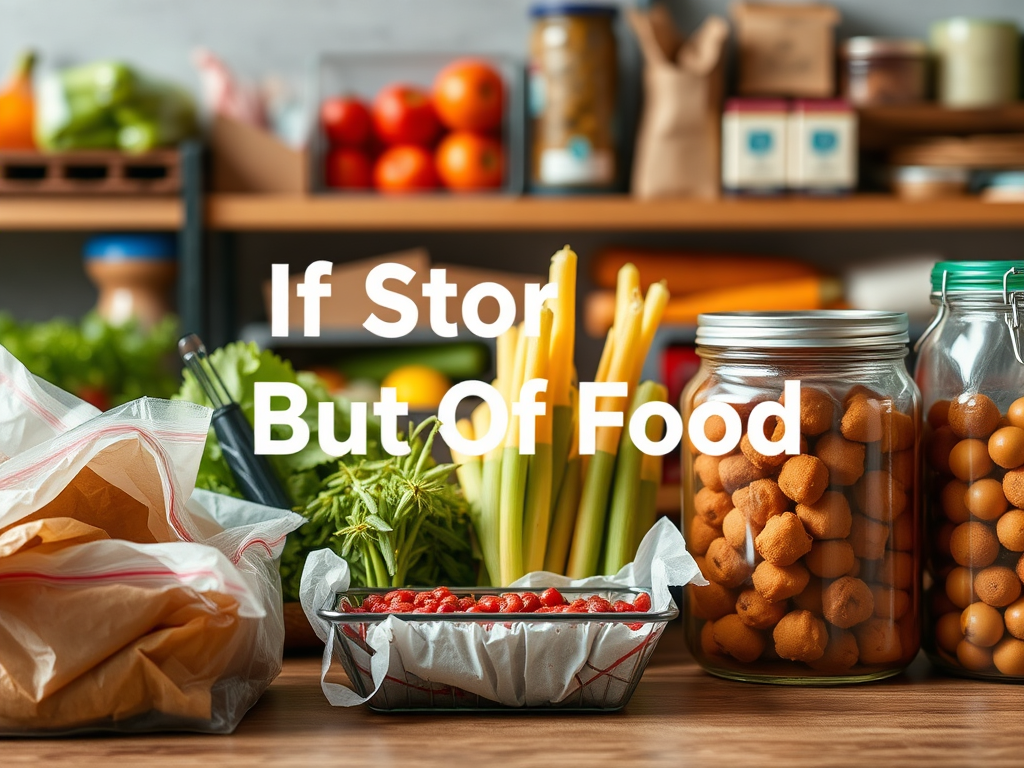
If stores run out of food, take immediate action by assessing your pantry for non-perishable items like canned goods and grains. Reach out to local farms, community gardens, or food banks to find additional food sources. Learning food preservation techniques, such as canning or dehydrating, can help you extend the life of your current supplies. Establish connections with local organizations and neighbors to share resources and information about food availability. By diversifying your food sources and staying informed about potential shortages, you can better prepare for unexpected disruptions.
If stores run out of food, it’s crucial to act swiftly to secure alternative sources of nutrition. Begin by evaluating your pantry for non-perishable items like canned goods, rice, and pasta. Consider reaching out to local farms, community gardens, or food banks to supplement your supplies. Additionally, learning food preservation techniques, such as canning or dehydrating, can help you extend the shelf life of your current food stock.
Understanding the reasons behind food shortages can also guide your preparation efforts. Factors such as supply chain disruptions, natural disasters, or economic instability can all influence food availability. By staying informed about these issues, you can better anticipate potential shortages and plan accordingly. Prioritize stocking up on essentials and diversify your food sources to mitigate the impact of sudden shortages.
Moreover, it’s beneficial to connect with your community. Many local organizations provide assistance during food shortages, including food pantries and community meal programs. Establishing a network can help you access resources you may not have considered. It’s also wise to share information with neighbors about where to find food or collaborate on bulk purchasing to reduce costs.
Assessing Your Current Food Supply
Start by taking stock of what you currently have in your pantry. Identify non-perishable items that can last for extended periods, such as canned vegetables, grains, and dried beans. This assessment will help you understand how long your supplies will last and what you need to prioritize in terms of purchasing. It’s important to avoid panic buying, which can lead to shortages for others.
Consider the nutritional value of your stored items. Aim for a balanced diet, even in an emergency. If you find your supplies lacking in certain areas, make a plan to fill those gaps through local resources or purchases when possible. Being organized about your food supply can reduce waste and ensure you are prepared for any eventuality.
Exploring Alternative Food Sources
When traditional stores run low on food, alternative sources become essential. Local farms often sell produce directly to consumers, providing fresh options that may not be available in stores. Consider joining a Community Supported Agriculture (CSA) program or visiting farmers’ markets to secure fresh goods.
Additionally, look into food co-ops or community gardens where you can volunteer in exchange for food. This not only helps you gain access to fresh produce but also fosters community resilience. Be proactive in seeking these resources before shortages occur, as they can become more competitive during crises.
Community Resources and Support
Local organizations often step up during food shortages, offering vital support to those in need. Food banks and pantries are excellent resources for obtaining food during difficult times, and many operate on a no-questions-asked basis. Research the services available in your area and do not hesitate to reach out for help.
Community meal programs can also provide prepared meals for those who may not have the means to cook. Connecting with neighbors and community members can help you stay informed about what resources are available. Sharing information about food resources can strengthen community ties and ensure that everyone has access to necessary supplies.
Food Preservation Techniques
Learning food preservation methods can significantly extend the life of your food. Techniques such as canning, freezing, and dehydrating allow you to store seasonal produce and other perishables for longer periods. Each method has its own set of best practices, so it’s essential to educate yourself on the proper techniques to ensure safety and effectiveness.
Investing in preservation equipment, such as jars, vacuum sealers, or dehydrators, can be beneficial. By preserving food, you can maximize your supplies and reduce waste, ensuring that you have access to nutrition even when stores are out of food.
Conclusion
In summary, if stores run out of food, it is essential to assess your current supplies, explore alternative food sources, and utilize community resources effectively. Prioritizing food preservation techniques can also enhance your preparedness for future shortages. Stay proactive and connected with your community to ensure access to necessary nutrition during challenging times.