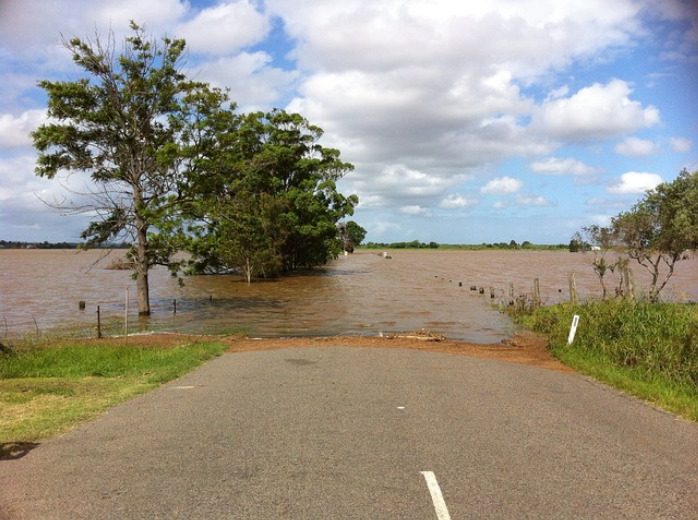
One major issue is that government agencies often operate under strict regulations and protocols that can slow down their ability to mobilize resources effectively. For example, during Hurricane Katrina, many residents were left without adequate shelter or food for extended periods due to slow bureaucratic processes. This highlights the importance of community preparedness and self-reliance, as individuals may need to take proactive measures to ensure their safety and well-being during disasters.
Another common pitfall is the assumption that government aid will be sufficient to cover all needs. Many people believe that once they report their situation, help will arrive promptly. However, this often leads to disappointment, as government resources may be limited or prioritized for larger populations. Understanding the potential limitations of government aid can help individuals and communities better prepare for emergencies.
The Nature of Government Aid
Government aid is typically designed to provide immediate relief in the aftermath of a disaster. However, the nature and effectiveness of this aid can vary significantly. Often, aid comes in the form of financial assistance, food supplies, and temporary shelter. While these resources are essential, they may not always reach those in need promptly.
The distribution of aid can be hampered by logistical challenges, such as damaged infrastructure and communication breakdowns. For instance, in the aftermath of wildfires, roads may be impassable, hindering the delivery of supplies. Additionally, the sheer volume of requests for assistance can overwhelm government agencies, causing delays in response times.
Understanding the structure of government aid can help communities identify alternative sources of support and prepare for potential delays. Local organizations and non-profits often play a crucial role in bridging these gaps, providing immediate assistance where government resources may lag.
Common Pitfalls in Disaster Response
When relying solely on government aid, several pitfalls can arise. One significant issue is the mismatch between the aid provided and the actual needs of affected individuals. Government agencies may prioritize larger populations, leaving smaller communities or specific demographics without adequate support.
For example, in rural areas, residents may face longer wait times for assistance due to their geographic isolation. This can lead to feelings of neglect and frustration among those impacted. Additionally, the one-size-fits-all approach often fails to account for unique local circumstances, resulting in ineffective aid distribution.
To mitigate these pitfalls, communities should advocate for tailored disaster response strategies that consider local needs. Engaging with local government representatives and emergency management officials can help ensure that resources are allocated effectively.
Building Community Resilience
Building resilience within communities is essential to overcoming the limitations of government aid. Resilient communities are better prepared to respond to disasters, minimizing reliance on external support. This can include developing local emergency plans, establishing communication networks, and fostering partnerships with local organizations.
One effective strategy is to conduct regular community drills, allowing residents to practice their emergency response skills. This not only enhances preparedness but also strengthens community bonds and encourages collaboration. Furthermore, establishing a local resource network can help ensure that essential supplies and services are available during crises.
Communities should also focus on educating residents about the importance of self-reliance and preparedness. By promoting a culture of readiness, individuals are more likely to take proactive steps to protect themselves and their families during disasters.
Personal Preparedness Strategies
Individuals can take several steps to prepare for disasters and reduce their reliance on government aid. One of the most effective strategies is to create a comprehensive emergency plan that outlines specific actions to take during various types of disasters.
This plan should include details such as evacuation routes, communication methods, and emergency contact information. Additionally, individuals should maintain an emergency kit stocked with essential supplies, including food, water, medications, and first aid materials. Regularly reviewing and updating the kit ensures that supplies remain current and effective.
Moreover, individuals should engage with their local communities to stay informed about available resources and support networks. By fostering connections with neighbors and local organizations, individuals can enhance their safety and well-being during disasters.
Further Reading
Authoritative Sources
Ready.gov ready.gov
This resource provides comprehensive information on emergency preparedness and response strategies
FEMA fema.gov
The Federal Emergency Management Agency offers resources for disaster response and recovery
American Red Cross redcross.org
A leading organization in disaster relief, offering preparedness resources and training
Frequently Asked Questions
What are the main reasons government aid fails during disasters?
Government aid often fails due to slow response times, bureaucratic inefficiencies, and a mismatch between available resources and community needs.
How can communities prepare for potential government aid failures?
Communities can prepare by developing local emergency plans, conducting drills, and establishing partnerships with local organizations to ensure support during disasters.
What role do local organizations play in disaster response?
Local organizations often fill gaps in government aid by providing immediate assistance, resources, and support tailored to specific community needs.
How can individuals enhance their personal disaster preparedness?
Individuals can enhance preparedness by creating an emergency plan, maintaining a stocked emergency kit, and staying informed about local resources and support networks.
Why is community resilience important in disaster situations?
Community resilience is critical as it reduces reliance on government aid, enabling communities to respond effectively to disasters and support each other in recovery efforts.
Conclusion
In summary, while government aid is a vital component of disaster response, it often falls short in meeting the immediate needs of affected individuals and communities. Understanding the limitations of such aid can empower individuals to adopt proactive preparedness strategies, engage in community resilience efforts, and reduce reliance on government support. By prioritizing self-reliance and local collaboration, communities can enhance their disaster response capabilities and ensure a more effective recovery process.
Understanding the specific needs of your household is crucial. For example, families with young children, elderly members, or specific dietary restrictions may require more tailored food storage solutions. Additionally, the available storage space, including pantry size and refrigerator capacity, will influence how much food you can realistically store. It’s essential to balance between having enough food on hand and avoiding waste.
A common mistake many households make is underestimating their food storage needs. Simply buying a few extra cans or boxes does not equate to being prepared. Instead, assess your family’s consumption patterns over a typical month to gauge the right quantities. Regularly reviewing and rotating your food supplies will also help ensure that your stock remains fresh and usable.
Assessing Family Needs and Consumption Patterns
Understanding your family’s needs and consumption patterns is the first step in determining how much food storage is enough for your household. Consider how many people are in your household and their age ranges, as this can significantly influence dietary requirements. For instance, children typically have different nutritional needs compared to adults, and elderly family members may require softer foods or specific dietary considerations.
In addition to family size, analyze how much food your household consumes on a weekly or monthly basis. This can be done by keeping a food diary for a month, noting how much of each item is used. This data will help you calculate a realistic storage quantity that aligns with your family’s eating habits.
It’s also important to think about the duration for which you want to store food. For emergency preparedness, many experts recommend having at least a two-week supply of food. However, some families may prefer to stock up for longer periods, especially in areas prone to natural disasters or food supply disruptions.
Types of Food to Store
When planning your food storage, focus on non-perishable items that have a long shelf life. Canned goods, dried grains, and freeze-dried foods are excellent choices as they can last for years if stored properly. Additionally, consider including a variety of food types to ensure balanced nutrition, such as proteins, carbohydrates, and fats.
Proteins can come from canned meats, legumes, and nuts. Carbohydrates can include rice, pasta, and oats, while healthy fats can be sourced from cooking oils and nut butters. It’s also beneficial to store items that your family regularly consumes to avoid any waste.
Another consideration is the inclusion of comfort foods or favorite snacks. While these may not be essential, they can provide morale boosts during stressful times, making the food storage experience more manageable and less daunting.
Storage Solutions and Best Practices
Effective food storage requires not only the right quantities but also the proper conditions. Ensure that food items are stored in a cool, dry place to prolong their shelf life. Use airtight containers to protect against moisture and pests. Label all food items with purchase or expiration dates to facilitate regular inventory checks.
Consider investing in shelving units to maximize vertical space in your storage area. Bins or clear containers can help organize different food types, making it easier to access what you need without digging through clutter.
Regularly reviewing your food supplies is crucial. Rotate older items to the front and replace them with newer ones at the back to maintain freshness. This practice not only helps prevent waste but also keeps your emergency supplies ready for use at any time.
Common Mistakes in Food Storage
One of the most significant pitfalls in food storage is failing to account for family preferences and dietary restrictions. Stocking up on items that no one in the household will eat can lead to waste and frustration. It’s vital to choose foods that your family enjoys and is willing to consume, even in an emergency.
Another common mistake is overestimating how much food is needed. Many people buy in bulk without considering their actual consumption rates, leading to spoilage. Start with smaller quantities to gauge your family’s needs before committing to larger purchases.
Lastly, neglecting to maintain the storage environment can lead to food spoilage. Ensure that your storage area is kept clean, dry, and at a stable temperature to protect your food supplies.
Further Reading
Authoritative Sources
Emergency Food Supply Planning ready.gov
This resource provides guidelines on how to prepare your food storage for emergencies, including types of food and quantities
Frequently Asked Questions
What types of food should I prioritize for long-term storage?
Focus on non-perishable items such as canned goods, grains, legumes, and freeze-dried foods, ensuring a balance of proteins, carbohydrates, and fats.
How do I calculate the right amount of food to store for my family?
Track your family’s food consumption for a month to determine average usage, then multiply by the number of weeks you wish to be prepared for.
How should I store food to maximize its shelf life?
Store food in a cool, dry place in airtight containers, and use shelving to organize items while regularly checking expiration dates.
What is the recommended duration for food storage?
Many experts suggest having at least a two-week supply of food, but some families may opt for longer depending on their specific needs and circumstances.
Can I include comfort foods in my emergency food supply?
Yes, including comfort foods can help maintain morale during emergencies, but ensure they are items your family enjoys and will eat.
When faced with unexpected circumstances, many individuals overestimate the importance of gear and underestimate the value of their own capabilities. Relying solely on equipment can lead to a false sense of security, especially when that gear becomes damaged or unavailable. For instance, knowing how to start a fire without matches or a lighter is crucial when those tools are lost. Similarly, navigation skills can prevent disorientation and enable individuals to find their way to safety without relying on technology.
Common mistakes include neglecting to practice essential skills and becoming overly dependent on gear. This dependency can create vulnerabilities, particularly in situations where access to equipment is limited. Thus, focusing on building and honing practical survival skills should be a priority for anyone interested in preparedness. By developing these abilities, individuals can enhance their resilience and adaptability in the face of adversity.
The Importance of Navigation Skills
Navigation skills are essential for survival in the wilderness or during emergencies. The ability to read a map, use a compass, and recognize natural landmarks can prevent individuals from becoming lost. Proper navigation skills can facilitate movement towards safety and resources.
Many people rely on electronic devices for navigation, yet these can fail due to battery depletion or environmental conditions. Practicing traditional navigation methods, such as celestial navigation or following the sun, can provide reliable alternatives. Understanding the terrain and being able to orient oneself without technology is a critical skill.
Moreover, navigation is not just about finding directions; it also involves understanding the environment and assessing potential hazards. A common mistake is failing to account for changing weather conditions or difficult terrain, which can significantly affect travel plans. Prioritizing navigation skills will enable individuals to make informed decisions and adapt to their surroundings effectively.
First Aid: A Lifesaving Skill
First aid knowledge is invaluable in survival situations, as injuries can occur unexpectedly. Being able to treat wounds, perform CPR, or manage shock can save lives. First aid skills empower individuals to respond effectively to medical emergencies.
While first aid kits are useful, they can only be effective if the user knows how to utilize the contents properly. Understanding basic anatomy and the principles of first aid can enhance one’s ability to provide effective care. Additionally, recognizing the limitations of one’s skills is crucial; when in doubt, seeking professional help is essential.
Common pitfalls include neglecting to refresh first aid knowledge and failing to prepare adequately for specific scenarios. Regular training and practice can ensure skills remain sharp. Prioritizing first aid skills can significantly impact survival outcomes, especially in remote areas where medical assistance may be delayed.
Fire Building Techniques
Knowing how to build a fire is a fundamental survival skill. Fire provides warmth, protection, and a means to cook food. Mastering various fire-building techniques can make a significant difference in survival situations.
While having a lighter or matches is convenient, relying solely on these tools can be risky. Learning alternative methods, such as friction-based techniques or using flint and steel, is essential. Different materials can also affect fire-starting success, so understanding how to identify and prepare kindling is crucial.
Many people overlook the importance of fire safety and control. A common mistake is building a fire in an unsafe location, which can lead to wildfires or personal injury. Prioritizing fire-building skills not only enhances survival chances but also ensures safety when managing fire in the wild.
Shelter Construction Basics
Constructing a shelter is vital for protection against the elements. Knowing how to create a safe and effective shelter can protect individuals from exposure and enhance survival chances. Different environments require different shelter techniques.
Many people underestimate the time and effort required to build a shelter. Relying on pre-made gear can create vulnerabilities if those items are lost or damaged. Learning how to utilize natural materials and understand the principles of insulation and structure can lead to effective shelter solutions.
A common mistake is failing to consider location. Building a shelter in a low-lying area can lead to flooding, while positioning too close to potential hazards can create danger. Prioritizing shelter construction skills will enable individuals to create a safe haven in various environments.
Further Reading
Authoritative Sources
Ready.gov ready.gov
Official U.S. preparedness guidance, checklists, and planning resources for households and emergencies.
FEMA fema.gov
Federal emergency management resources, disaster planning information, and recovery guidance.
American Red Cross Emergency Preparedness redcross.org
Practical emergency preparation steps, supply lists, and safety guidance for families.
National Weather Service weather.gov
Official forecasts, hazard alerts, and weather safety information.
CDC Emergency Preparedness and Response cdc.gov
Public health guidance for emergencies, disasters, and recovery situations.
Frequently Asked Questions
What are the most critical skills for survival?
Critical survival skills include navigation, first aid, fire building, and shelter construction.
Can gear replace survival skills?
No, while gear can enhance safety, survival skills are essential for adapting to unexpected situations.
How can I improve my navigation skills?
Practice using a map and compass, and learn to identify natural landmarks for orientation.
What first aid skills should I focus on?
Focus on wound treatment, CPR, and recognizing signs of shock to effectively respond to emergencies.
How important is fire safety in survival situations?
Fire safety is crucial; improper use can lead to wildfires and personal injury, so always prioritize safety.
Conclusion
In survival situations, the skills you possess often outweigh the gear you carry. Mastering navigation, first aid, fire building, and shelter construction can significantly enhance your chances of survival. Prioritizing these skills means you can adapt and respond effectively, even when equipment fails or is unavailable. Practice regularly and develop a mindset focused on improvisation and resourcefulness, ensuring you are prepared for any challenge.
Many people assume that digital payments will always be available, but this expectation can lead to vulnerability. Emergencies can strike unexpectedly, and if your primary payment methods fail, you may find yourself unable to purchase necessities like food, water, or fuel. Furthermore, not all vendors or service providers accept digital payments, especially in areas severely impacted by disasters. Therefore, having cash can provide you with flexibility and security.
A common mistake is underestimating the amount of cash needed during emergencies. It’s advisable to keep a small reserve in various denominations to cover immediate expenses. Additionally, consider the potential for local businesses to prefer cash transactions when power or internet service is disrupted. Being prepared with cash can ensure you remain self-sufficient and capable of addressing urgent needs.
The Importance of Cash in Emergencies
Cash serves as a universal medium of exchange that does not rely on technology. In emergency scenarios, such as hurricanes or earthquakes, power outages can render electronic payment systems useless. Cash transactions can facilitate essential purchases when other methods fail, making it a vital resource for anyone preparing for potential crises.
Having cash on hand allows individuals to maintain a degree of autonomy during emergencies. For instance, if a natural disaster strikes, local businesses may still be operational but unable to accept credit or debit cards. In such cases, having cash ensures you can purchase necessary items and support local economies, which may also be struggling.
Moreover, it is essential to recognize that some communities may have limited access to banking services or electronic payment methods. In these situations, cash transactions are often the only viable option, making it critical to consider your local context when preparing for emergencies.
Potential Pitfalls of Relying Solely on Digital Payments
Relying exclusively on digital payments can expose individuals to significant risks during emergencies. Systems can fail for various reasons, including technical issues, power outages, or even cyberattacks. When these incidents occur, those without cash may find themselves stranded without access to food, fuel, or medical supplies.
Furthermore, many people may not realize that certain vendors may not accept digital payments during high-stress situations. For example, during a power outage, smaller retailers may revert to cash-only transactions, leaving those without cash at a disadvantage. This scenario emphasizes the need for a balanced approach to managing finances in emergencies.
Additionally, there is often a psychological aspect to having cash. In emergencies, people may panic and prefer tangible money over digital alternatives. Understanding this behavior can help you prepare better, ensuring that you have cash readily available when needed most.
How Much Cash Should You Keep On Hand?
Determining the right amount of cash to keep on hand during emergencies depends on various factors, including your location, lifestyle, and spending habits. A good rule of thumb is to maintain enough cash to cover at least a week’s worth of essential expenses, such as groceries, fuel, and medical needs.
Consider keeping a mix of denominations to facilitate transactions of varying sizes. Having small bills can be particularly useful for smaller purchases, while larger denominations may be needed for more substantial transactions. Additionally, ensure that your cash is stored securely and is easily accessible when needed.
It’s also essential to periodically review and adjust your cash reserves based on changing circumstances, such as increased living costs or shifts in your personal financial situation. Regularly reassessing your cash supply can help ensure you are always prepared for emergencies.
Practical Tips for Managing Cash During Emergencies
Managing cash effectively during emergencies requires a proactive approach. Start by creating a cash reserve that is separate from your regular spending money. This reserve should be easily accessible, allowing you to grab it quickly if an emergency arises.
Consider using a waterproof container or a safe to store your cash. This measure will protect your funds from potential water damage during disasters like floods. Additionally, think about diversifying your cash storage locations. Keeping some cash at home and some in your vehicle can provide more options during emergencies.
Lastly, familiarize yourself with local businesses that accept cash and understand their operating hours. Knowing where to go for essential supplies can save you valuable time during emergencies. Being prepared and informed will enhance your ability to respond effectively when digital payment systems fail.
Further Reading
Authoritative Sources
Ready.gov ready.gov
Official U.S. preparedness guidance, checklists, and planning resources for households and emergencies.
FEMA fema.gov
Federal emergency management resources, disaster planning information, and recovery guidance.
American Red Cross Emergency Preparedness redcross.org
Practical emergency preparation steps, supply lists, and safety guidance for families.
National Weather Service weather.gov
Official forecasts, hazard alerts, and weather safety information.
CDC Emergency Preparedness and Response cdc.gov
Public health guidance for emergencies, disasters, and recovery situations.
Frequently Asked Questions
Why is cash preferred during emergencies?
Cash is preferred because it is universally accepted and does not rely on technology, making it reliable when digital payment systems fail.
How should I store cash for emergencies?
Store cash in a waterproof container or safe, and consider keeping some in multiple locations for easier access.
What denominations should I keep in my cash reserve?
Maintain a mix of small and large denominations to accommodate various transaction sizes, ensuring you can make purchases easily.
How much cash is enough for an emergency?
Aim to keep enough cash to cover at least a week’s worth of essential expenses, adjusting based on your personal needs.
What should I do if I run out of cash during an emergency?
If you run out of cash, seek out local businesses that may offer barter options or community resources that can assist you.
Conclusion
Ultimately, cash remains a critical resource during emergencies when digital payments may fail. By preparing with an adequate cash reserve, understanding the importance of cash transactions, and managing your funds effectively, you can ensure that you remain self-sufficient during crises. Prioritize having cash readily available, and regularly reassess your financial preparedness to adapt to changing circumstances.
Understanding the limitations of traditional communication methods during outages is crucial. Cell tower failures can be caused by natural disasters, equipment malfunctions, or overloads. In these situations, having a plan that includes multiple communication options can significantly increase the chances of staying in touch with loved ones. Be aware that relying solely on one method may lead to frustration and missed connections.
Common mistakes include underestimating the need for alternative communication tools and not practicing emergency plans beforehand. Family members should familiarize themselves with the equipment and protocols to ensure everyone is prepared when a real emergency occurs. The best approach is to prioritize simplicity and clarity in your communication strategies.
Using Two-Way Radios for Communication
Two-way radios can be an effective means of communication when traditional cell services are unavailable. These devices allow for direct, real-time communication over varying distances, depending on the model and terrain. They are particularly useful for families who may be separated during an emergency.
When using two-way radios, it’s essential to choose models with a sufficient range for your needs, and to ensure that all family members are trained to use them. Remember to establish clear communication protocols, such as channel assignments and emergency frequencies, to avoid confusion during critical times.
Many families overlook the importance of practicing with these devices. Regular drills can help ensure that everyone is comfortable using the radios and understands the communication protocols. Prioritize keeping the radios charged and in a designated emergency kit for easy access.
Establishing Meeting Points
Establishing predetermined meeting points is another effective strategy for family communication during outages. These locations should be easily accessible and known to all family members. Choose safe places that are unlikely to be affected by the same event that caused the communication breakdown.
Having multiple meeting points can provide alternatives if the primary location is compromised. Ensure that these points are discussed and agreed upon with all family members, and practice how to get there from various locations.
Common mistakes include failing to account for transportation issues or hazards that may arise during a disaster. Assess the routes to these meeting points and consider potential obstacles that could impede access, such as blocked roads or flooding. Prioritize flexibility and adaptability in your plans.
Utilizing Written Communication
When electronic communication fails, written messages can serve as a reliable alternative. Leaving notes in visible locations can inform family members of your status and intentions. This method is particularly useful when family members are in different areas.
Consider using a chalkboard or a designated bulletin board at home where messages can be posted. Ensure that everyone knows where to check for updates. Additionally, pre-write important messages such as “I’m safe” or “Meet at [location]” to save time during emergencies.
A common oversight is not ensuring that the message is clear and legible. Use large, bold letters and simple language to prevent misunderstandings. Regularly review and update the communication plan to include this method, ensuring it is an integral part of your strategy.
Investing in Satellite Phones
Satellite phones can provide a reliable communication option during cell tower outages. Unlike traditional cell phones that rely on terrestrial networks, satellite phones connect directly to satellites, allowing for global communication regardless of local infrastructure.
Investing in satellite phones can be beneficial for families who live in remote areas or are prone to frequent outages. However, consider the costs associated with purchasing and maintaining these devices, including service fees and potential usage limitations.
Many families underestimate the importance of knowing how to operate these devices effectively. Prioritize training sessions to familiarize all family members with their use, ensuring that everyone knows how to make calls or send messages in an emergency.
Community Communication Strategies
Community communication strategies are essential for coordinating efforts during emergencies. Building a network with neighbors can enhance communication and provide additional resources when cell towers are down.
Consider organizing community meetings to discuss communication plans and share resources. Creating a neighborhood bulletin board can serve as a central point for updates and information sharing. Establishing a community radio network may also be beneficial for larger areas.
It’s crucial to engage with local emergency services and understand their communication protocols. Many communities have established methods for sharing information during emergencies. Prioritize forming strong relationships with neighbors to foster a sense of community support during challenging times.
Further Reading
Authoritative Sources
Ready.gov ready.gov
Official U.S. preparedness guidance, checklists, and planning resources for households and emergencies.
FEMA fema.gov
Federal emergency management resources, disaster planning information, and recovery guidance.
American Red Cross Emergency Preparedness redcross.org
Practical emergency preparation steps, supply lists, and safety guidance for families.
National Weather Service weather.gov
Official forecasts, hazard alerts, and weather safety information.
CDC Emergency Preparedness and Response cdc.gov
Public health guidance for emergencies, disasters, and recovery situations.
Frequently Asked Questions
What should I do first when cell towers are down?
First, assess the situation and establish communication with family members using alternative methods such as two-way radios or written messages.
How can I prepare my family for communication outages?
Prepare by discussing and practicing your communication plan, including alternative methods and predetermined meeting points.
Are there specific two-way radios recommended for family use?
Look for two-way radios with a long range, clear audio quality, and weather resistance for reliable family communication.
How often should we practice our emergency communication plan?
Regularly practice your emergency communication plan at least once every few months to ensure everyone is familiar with the procedures.
What are the costs associated with satellite phones?
Costs include the initial purchase price, monthly service fees, and potential charges for international calls, which can vary by provider.
Find the gaps most families don’t notice until something goes wrong.
Free. Practical. No fear-mongering.
By requesting this resource, you agree to receive practical PREPARE Magazine guides, tools, and email updates. You can unsubscribe anytime. Privacy Policy